
Understanding the Historical Map of Nahor


Nahor is a name that raises intriguing questions about historical locations. It is mentioned as a descendant of Shem, highlighting its ancestral significance. Exploring Nahor reveals its geographical and cultural role as depicted on ancient maps, providing insights into its historical importance. Believed to be located in the region of Aram-Naharaim, Nahor is often associated with the area between the Tigris and Euphrates rivers. This location underscores its strategic importance in ancient trade routes and cultural exchanges.
The mention of Nahor underscores its connection to broader historical narratives, linking it to key figures and events. Terah’s journey to Haran marks it as a key location in their family history.
Situated in Aram-Naharaim, known for its fertile lands and strategic position, Nahor was a vital hub for trade and cultural interactions.
This geographical context provides a backdrop for understanding Nahor’s role in unfolding stories, highlighting its significance in the historical landscape.
from the Western Wall to Masada.

Where Is the City of Nahor Located?
Nahor is mentioned in the context of ancient Mesopotamia. It lies within the region traditionally identified with the city where Terah, the father of a notable figure, settled with his family.
Historical texts and maps suggest Nahor was situated near Haran, an important center in Mesopotamian trade and culture. This location played a significant role in the lives of notable historical figures, providing a backdrop for pivotal narratives.
Nahor’s proximity to Haran made it a vital hub for trade routes connecting the ancient Near East. Haran was a significant center where Terah settled with his family.
This strategic position allowed for the exchange of goods and ideas, influencing the cultural landscape of the region. Archaeological findings in the area reveal remnants of trade goods, such as pottery and textiles, underscoring its role as a commercial center.
These discoveries highlight Nahor’s historical importance as a crossroads of commerce and culture.
The Legacy of Nahor
Nahor is associated with familial and tribal connections. A brother named Nahor contributes to the roots of a significant lineage through his descendants. Nahor’s children play pivotal roles in the unfolding narrative.
References highlight Nahor’s prominence in the story of Rebekah, who was sourced from there as a wife. This reinforces its cultural and genealogical importance in the historical context.
The descendants of Nahor include notable figures such as Bethuel, who was Rebekah’s father. Nahor’s children are linked to the broader narrative of a significant lineage. This connection underscores Nahor’s role in the historical lineage. The mention of Nahor in these genealogies highlights its importance in the ancestral stories that have shaped identity.
Nahor on Ancient Maps
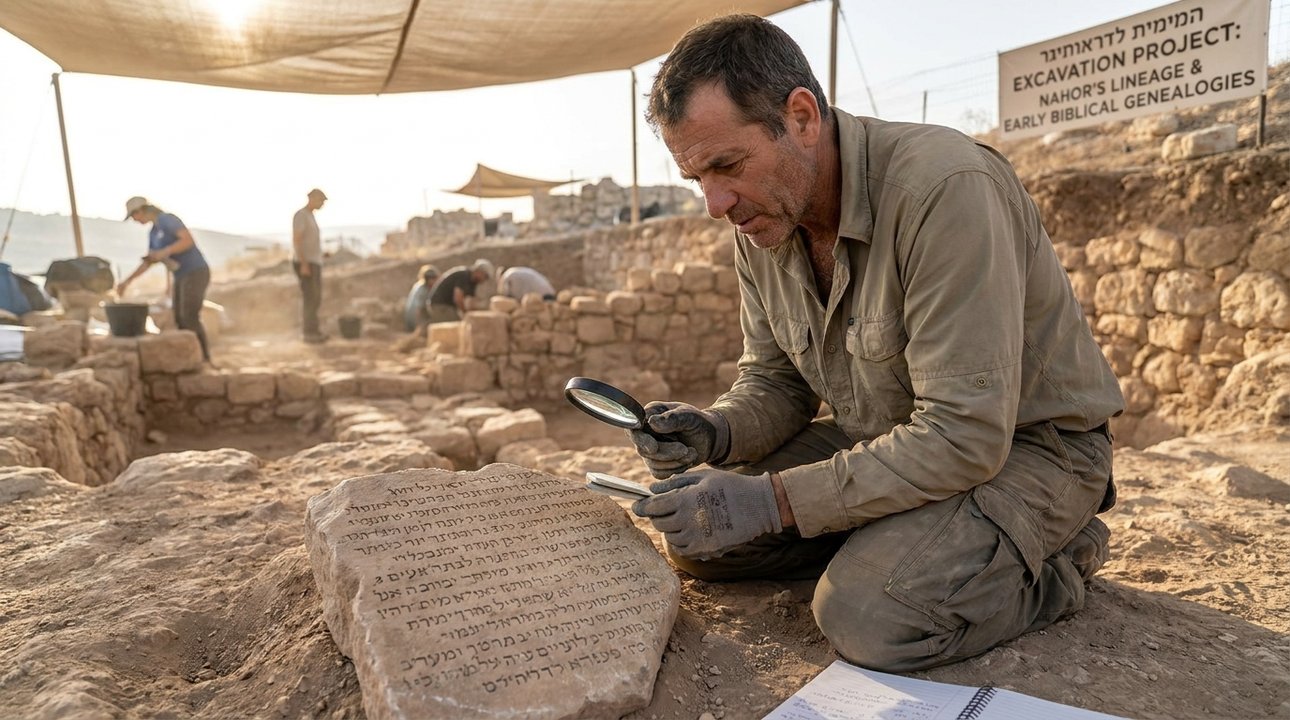
Maps from archaeology reveal how Nahor was understood in the ancient world. These maps often depict Nahor within the context of Mesopotamia, a region known for its history and influence. These depictions highlight its connections with surrounding regions like Aram-Naharaim. The positioning on these maps emphasizes its status as a hub in the network of historical journeys. Such visual tools offer a tangible link to the stories that unfolded in the land, providing a deeper understanding of the geographical context of historical narratives.
Cultural Influences in Nahor
Culturally, Nahor would have been influenced by Mesopotamian traditions, reflected in art and language. Its location offered a confluence of ideas between emerging beliefs and neighboring societies.
This blend of cultures played a part in the region’s historical narratives, enriching its story. Exploring these cultural threads adds depth to our understanding of Nahor’s role.
Nahor is described as the destination of a servant seeking a wife, highlighting its significance in narratives.
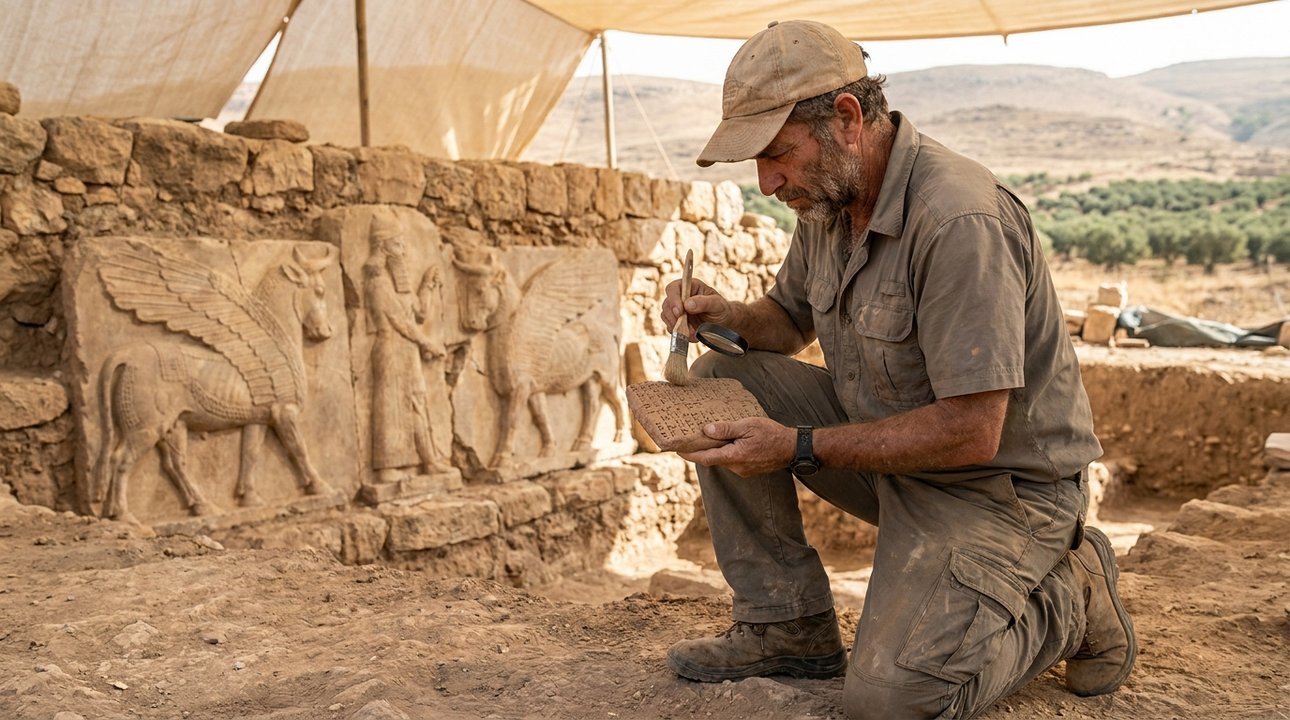
This narrative highlights Nahor’s importance as a place of familial and cultural exchange. The region’s art and language would have been influenced by the broader Mesopotamian culture, known for its cuneiform writing and intricate sculptures. By examining these cultural elements, we gain a fuller picture of how Nahor contributed to the historical world. Mesopotamian influence is evident in the artifacts found in the area, which reflect the exchange of ideas and traditions. This blend of cultures enriches our understanding of Nahor’s role in the historical era.
Nahor in Archaeological Research
Archaeological expeditions continue to uncover clues about Nahor’s historical footprint. Discoveries include artifacts that suggest a rich life in this area in earlier periods. Items such as pottery, tools, and remnants of structures provide insights into the daily lives of its inhabitants.
Traces of architecture and everyday items offer glimpses into how inhabitants lived and interacted. Such finds bolster our comprehension of Nahor beyond textual references, providing a fuller story. These artifacts help bridge the gap between the past and present.
from the Western Wall to Masada.
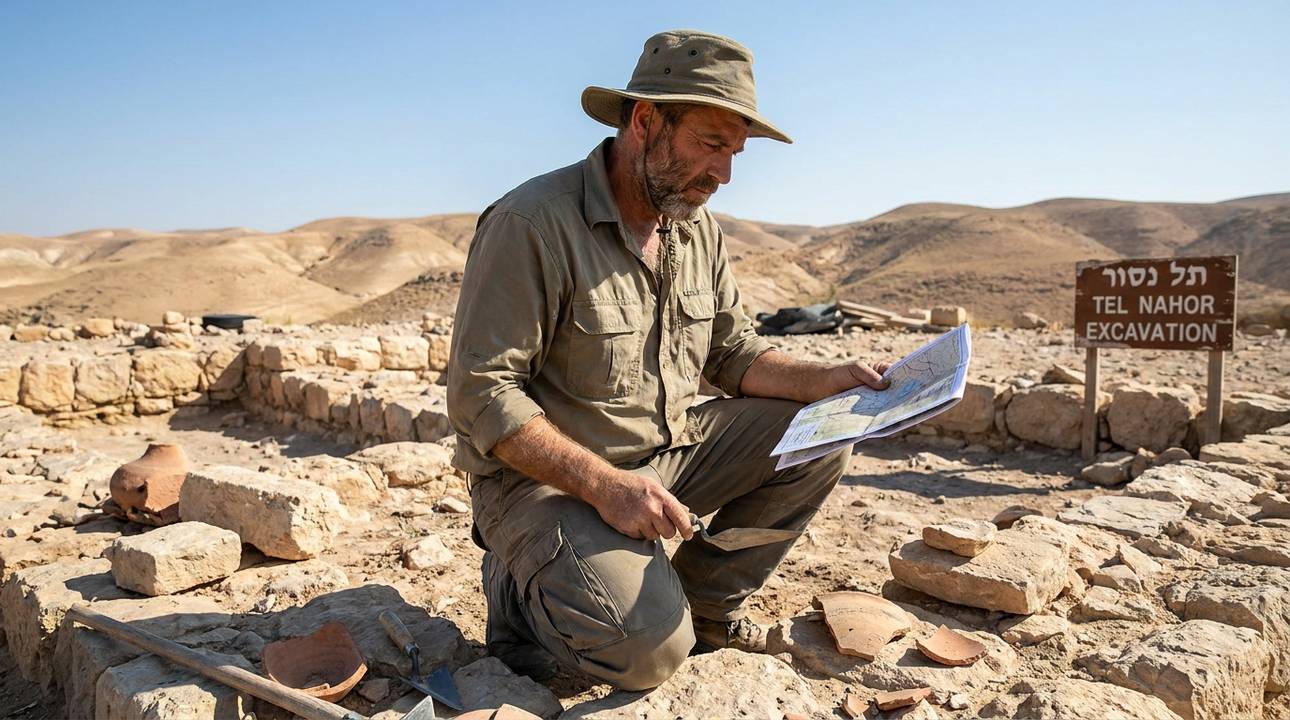
Excavations in the region have revealed structures that suggest Nahor was a well-established settlement, possibly with fortified walls. These findings align with historical accounts of its significance in trade and culture.
The artifacts unearthed provide a window into the lives of those who once called Nahor home. Discoveries such as pottery and tools offer insights into the daily activities and interactions of its inhabitants.
These archaeological finds enrich our understanding of Nahor’s historical context and its role in the ancient world.
Traditions Surrounding Nahor
Traditions have long acknowledged Nahor’s significance in the ancestral lineage. Its narrative espouses the enduring connection between the land and its people. Rebekah, a descendant of Nahor, is introduced, highlighting the familial ties. Nahor serves as a storied waypoint in the family histories recounted during rituals and texts. This heritage continues to echo through generations, preserving Nahor’s memory. It is a sign of the deep-rooted connections that have been maintained through the ages.
Rebekah’s story emphasizes Nahor’s role in the lineage of a significant people, connecting it to key figures. The mention of Nahor in these narratives underscores its importance in the ancestral stories. The continuity of these traditions showcases Nahor’s lasting impact on heritage and identity. This connection to Rebekah and other figures highlights Nahor’s importance in the narrative and history.
Nahor Today
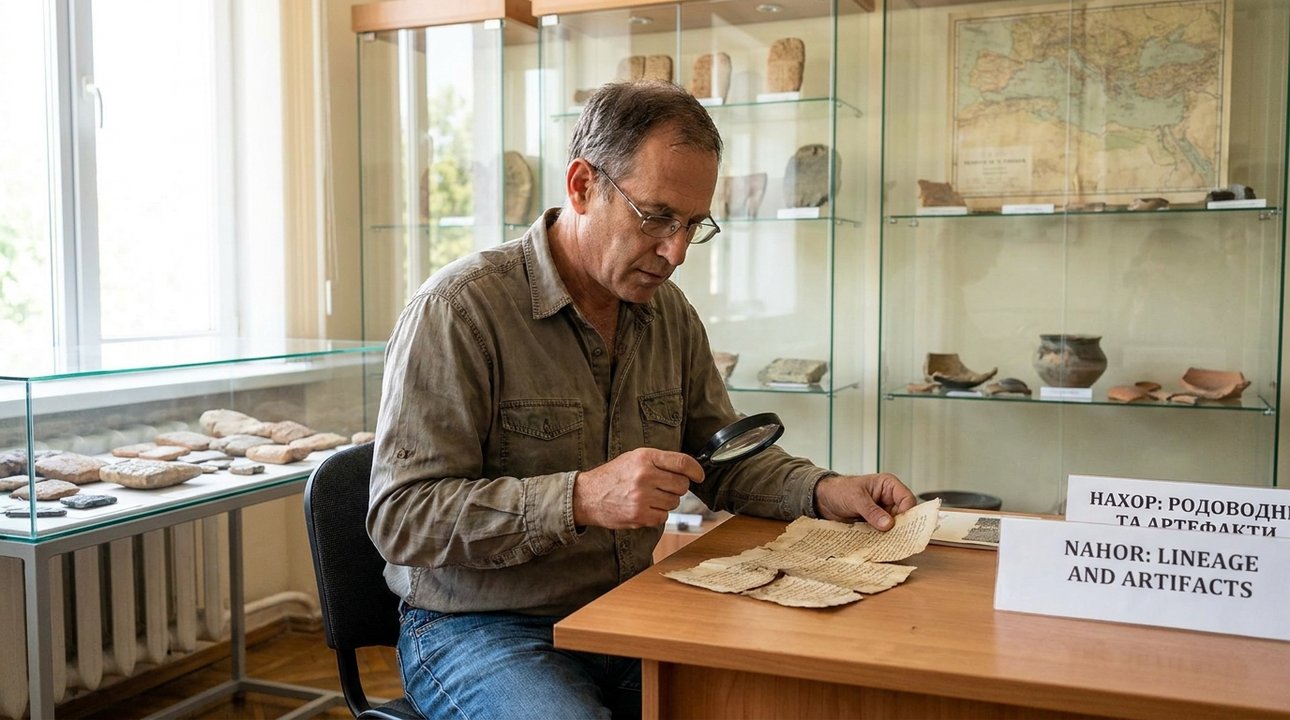
Today, the concept of Nahor is preserved largely through scholarly study and community traditions. Modern explorations continue to seek connections between historical records and archaeological findings.
Researchers analyze ancient texts and artifacts to piece together Nahor’s past, drawing from sources like the Bible and historical chronicles. Ongoing research adds layers to our map of ancient Nahor, building an evolving picture of the past.
For many, Nahor remains a symbol of familial ties and faith stories, as it is linked to the patriarchal narratives in Genesis, particularly in the story of Rebekah.
Scholars continue to examine the archaeological evidence and historical texts to better understand Nahor’s role in history. A servant travels to Nahor to find a wife. These studies help illuminate Nahor’s significance in the broader narrative of a significant people. As research progresses, new insights emerge, enriching our appreciation of Nahor’s place in the mix of heritage. Such findings deepen our understanding of its cultural and historical context.
Conclusion: the Legacy of Nahor
Nahor holds a unique place in history, intertwined with significant figures and events. Its representation on maps and in texts speaks to its importance in the narrative mix. Exploring Nahor offers an opportunity to delve deeper into the stories that have shaped cultural identities. As we uncover more about its past, Nahor is still remembered with curiosity and appreciation for heritage. The servant’s journey to Nahor illustrates its role in the story of Rebekah.
This journey not only highlights Nahor’s geographical significance but also its cultural impact, as it served as the backdrop for key events. The servant’s journey to Nahor illustrates its role in the story of Rebekah.
The mention of Nahor in these narratives underscores its role in the broader context, connecting it to the lineage of a significant people.
By studying Nahor, we gain insights into the interconnectedness of stories and historical settings, enriching our understanding of its place in history.
Historical Context and Significance
