Unearthing Historical Places and Their Significance


Exploring historical places reveals a blend of history and culture. These sites provide context and depth to key events, enhancing our understanding of Jewish heritage. Mount Sinai, where the Ten Commandments were received, is a pivotal location that shaped Jewish law and ethics. Its significance is celebrated during a festival commemorating this encounter, emphasizing the lasting impact of these historical events.
Shiloh is another important historical site, known for housing the Tabernacle before the Temple’s construction in Jerusalem. Archaeological finds there continue to illuminate early worship practices. Discoveries such as pottery and altars provide insights into the religious life of the people, enriching our appreciation of their traditions. Shiloh’s role as a center of worship underscores its importance in the spiritual history of Israel.
from the Western Wall to Masada.
What Are Some Significant Places in the Bible?
Among the notable places, Jerusalem stands as a central hub of religious and historical significance. Known for its deep spiritual connection, it is often mentioned in the context of significant events. Jerusalem is not just a city; it is a symbol of faith and hope for many generations. The city is important in the narratives of many stories, serving as both a physical location and a spiritual beacon.
Another significant site is Mizpeh, known for its assembly of tribes and pivotal moments in Jewish history. Mizpeh served as a gathering place where important decisions and actions occurred. Its location provided a strategic vantage point, making it a critical place for assemblies and military actions. The tribes of Israel gathered at Mizpeh to address the crisis in Gibeah, demonstrating its role as a center for collective decision-making.
Mizpeh is a site of great spiritual significance. Here, a gathering urged the Israelites to return to their faith and seek guidance. This call to reflection highlights Mizpeh’s role as a place of communal reflection and spiritual renewal. The assembly at Mizpeh was a pivotal moment, marking a collective turning point for the Israelites as they sought to realign themselves with their spiritual values.

Why Is Jerusalem Significant in the Bible?
Jerusalem is often referred to as the city chosen for a dwelling place, making it significant in historical texts. The Temple Mount is a revered spot, central to many religious narratives. Jerusalem represents not only political and military power but a spiritual center where presence is felt. The construction of the Temple marked a pivotal moment in establishing Jerusalem’s religious centrality.
Jerusalem’s significance is underscored in the story of a king who fortified the city against invasion. This narrative illustrates Jerusalem’s enduring role as a symbol of faith and resilience. Efforts to strengthen the city’s defenses highlight the strategic importance of Jerusalem throughout history. The city’s ability to withstand sieges and invasions has made it a lasting emblem of perseverance and spiritual strength.
Jerusalem’s importance is emphasized throughout the Psalms and prophecies, reinforcing its role in Jewish faith and history. Psalm 122 speaks of the peace of Jerusalem, while Isaiah’s prophecies envision it as a center of learning and wisdom. These texts highlight the city’s enduring spiritual significance, portraying it as a beacon of hope and authority. Jerusalem’s role as a symbol of peace and fulfillment continues to resonate in Jewish tradition.
Jerusalem’s spiritual significance is reflected in its frequent mention in prayers and liturgies, where it is often called the ‘City of Peace’. This title underscores its deep-rooted place in Jewish worship and identity. The city’s role as a spiritual center is further emphasized during festivals when pilgrims gather to celebrate and reflect on their heritage. Jerusalem remains a focal point for Jewish prayer and longing, symbolizing hope and unity.

What Role Does Mizpeh Play in Historical Narratives?
Mizpeh, located in the region of Benjamin, holds a strategic position in history. It served as a backdrop for significant assemblies and decisions, often as a meeting place for tribes. Its role is highlighted in moments of collective decision-making and military assemblies, reflecting its strategic and symbolic importance. Mizpeh’s position made it an ideal location for gatherings that shaped the course of Israelite history.
The site’s influence extends beyond geographical significance; it represents unity and collective action within the historical context. The gathering at Shechem, where a covenant was renewed with the Israelites, exemplifies collective decision-making. This event showcases the priorities of the ancient tribes, emphasizing shared values and commitments. Shechem’s role in covenant renewal highlights the importance of unity in maintaining cultural and spiritual continuity.
Mount Carmel is known for the assembly where a challenge was issued to the prophets of Baal. This event highlights the importance of faith and unity in overcoming adversity. The victory demonstrated the power of collective belief and action, reinforcing the values that defined society. The story of Mount Carmel serves as a reminder of the enduring strength found in faith and community.
from the Western Wall to Masada.

How Did Historical Places Influence Jewish Culture?
Historical locations like Jerusalem and Mizpeh greatly influenced Jewish culture by providing sites for religious rituals and community gatherings. They served as physical representations of promises and commands. These sites also shaped religious practices and cultural narratives, reinforcing the importance of faith and collective identity in Jewish life. The gatherings and events held at these locations have left a lasting impact on Jewish tradition and community.
Through study and pilgrimage, historical sites continue to influence Jewish traditions and educational endeavors. The Western Wall in Jerusalem is a site of pilgrimage where many come to pray and reflect. This connection links visitors to the ancient Temple, reinforcing spiritual ties. Educational trips to Masada, where Jewish rebels made their last stand against Rome, teach courage, embedding history into present-day practices.
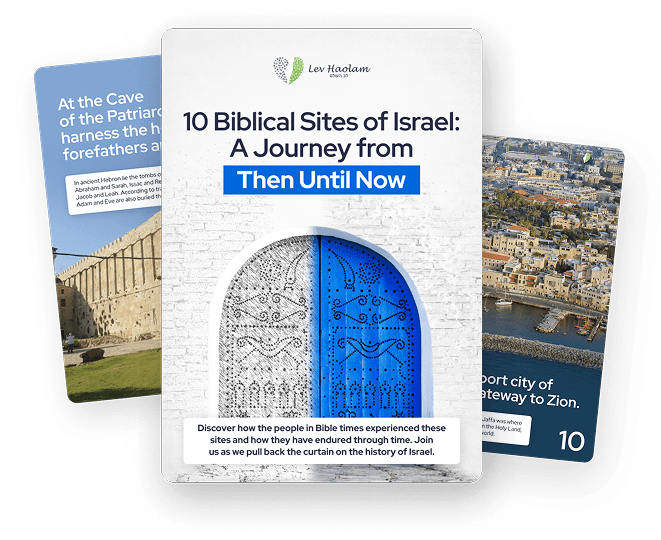
Hebron is a significant pilgrimage site, home to the Cave of the Patriarchs, believed to be the burial place of significant figures. This site deepens understanding of stories, reinforcing their relevance in modern Jewish life. Visitors to Hebron can connect with the narratives that form the foundation of Jewish identity. The site serves as a tangible link to the past, offering a place for reflection and spiritual connection.

Present-Day Significance of Historical Places
Today, places like Jerusalem remain central to Jewish identity and spirituality, drawing visitors eager to connect with their roots. These historical sites are appreciated for their contributions to religious and cultural heritage. Educational programs and archaeological efforts ensure that the layers of history found at these sites continue to inform and inspire future generations. This ongoing exploration enriches the understanding of Israel’s historical and spiritual legacy.
While modern amenities change the landscape, the spiritual and historical essence of locations remains a cornerstone of Jewish education and cultural awareness. The Sea of Galilee, where many events occurred, is now surrounded by modern towns. Yet, it remains a place of reflection and learning about the miracles described in the Torah, offering a space for spiritual contemplation and historical insight.
The ancient city of Jericho is a fascinating archaeological site, known for its account where its walls fell. Excavations have revealed layers of history, providing insights into ancient life. Archaeologists have uncovered remnants of fortifications and dwellings, offering a glimpse into the city’s past. These discoveries help us understand the cultural and historical context of Jericho, enriching our knowledge of its significance in narratives.

Archaeological Insights and Their Impact
Archaeological discoveries at historical sites provide tangible connections to the past, showing the lives and practices of ancient peoples. These findings greatly contribute to our understanding of historical events described in texts. Through careful excavation, archaeologists reveal artifacts and structures that elucidate the historical and cultural backdrop of these significant locations, enhancing our appreciation of their legacy.
Such insights not only enhance historical knowledge but also strengthen cultural narratives, linking past traditions to current beliefs and practices. For instance, the story of a king who established Jerusalem as the capital of Israel is a key historical narrative that influences modern Jewish identity. The Psalms attributed to him, such as Psalm 23, continue to be recited today, bridging traditions with contemporary faith practices.
The Exodus story connects Jewish communities worldwide to their shared heritage. This narrative provides a framework for understanding how historical events shape current cultural and religious practices. The commemoration of liberation from slavery emphasizes themes of freedom and redemption. Through rituals and storytelling, Jewish families pass down these lessons, reinforcing their cultural identity and shared history.

Understanding Historical Locations