The Legacy of Nahor


Nahor holds a unique place in history, steeped in narrative ties to early patriarchs. Situated in the region of Aram-Naharaim, Nahor is mentioned as the city where a servant went to find a wife.
This exploration delves into its location, role, and legacy within historical texts. Nahor’s connection to early families underscores its importance in genealogical narratives.
What Is Nahor?
Nahor is known as both a person and a place in historical texts.
The patriarch Nahor was a brother of a significant figure and a son of Terah. His descendants played significant roles in narratives. The town named Nahor is linked to the broader region of Aram, where families are said to have migrated. This area, often referred to as Aram Naharaim, is highlighted when a servant seeks a wife from among Nahor’s descendants.
from the Western Wall to Masada.

A servant travels to ‘Aram Naharaim’ to find a wife from among Nahor’s descendants.
This highlights the town’s significance as a hub for kin. The journey emphasizes the importance of family ties and alliances in historical times. Understanding the name Nahor informs us about genealogies and networks, illustrating the interconnectedness of the family.
The choice of Nahor’s descendants for a wife underscores the value placed on maintaining familial bonds.
This decision reflects the cultural priorities of the time, ensuring the continuation of a lineage. Such narratives provide insights into the social structures and values that underpinned ancient society, emphasizing the role of family in sustaining community and tradition.

Where Was Nahor Located?
Nahor was located in the region known as Aram Naharaim, broadly equated with parts of modern-day Syria.
This area is historically rich and has connections to various Semitic cultures, including the Aramaeans. It served as a geographical link between regions, facilitating trade and cultural exchanges. Historical texts highlight Aram Naharaim as a significant destination, emphasizing its importance in the narratives.
Aram Naharaim’s strategic location made it a crossroads for ancient societies. The region’s proximity to the Euphrates River allowed for efficient movement of goods and people. This helped Nahor’s town become a hub for interactions between different cultures, including the Akkadians and Amorites. Such exchanges contributed to the mix of stories and traditions that form the backdrop of historical narratives.
The Aramaeans, to whom Nahor is tied, played a significant role in historical periods.
Their interactions with neighboring regions are documented, showing a mix of conflict and alliance. For instance, historical accounts highlight the complex relationships between these groups. Nahor’s location thus served both a familial and strategic function, bridging cultural and political divides.
Nahor’s strategic position facilitated interactions with neighboring cultures.
This location allowed for both peaceful exchanges and military confrontations, as seen in historical accounts. The Aramaeans’ influence extended into various aspects of life, including language and trade. By examining these interactions, we gain a deeper understanding of the historical and cultural dynamics that shaped the ancient Near East.
Nahor in Historical Genealogy
Nahor is closely linked to the genesis of early tribes.
As a son of Terah and brother to a significant figure, he was a significant patriarchal figure, and his descendants became integral to various narratives. His grandson, Laban, plays a key role in the stories of Jacob and Rachel, highlighting the enduring influence of Nahor’s lineage on the development of history.
The story of Laban and Jacob illustrates the complexities of family relationships.
Their interactions, including the tensions and agreements that defined their relationship, highlight the importance of kinship and negotiation in maintaining familial ties, reflecting broader themes of loyalty and conflict within historical texts.
A story further connects Nahor to the lineage of early tribes.
A descendant of Nahor became a significant figure’s wife, emphasizing familial bonds across distant lands. These connections are vital to understanding heritage, illustrating how Nahor’s lineage played a crucial role in the continuation of a family line and the fulfillment of promises, reinforcing the importance of family ties in narratives.
A marriage symbolizes the merging of familial and cultural traditions.
Their union ensured the preservation and continuation of a lineage, as seen in the birth of significant figures. This story highlights the significance of strategic marriages in maintaining and strengthening family alliances, a common theme in historical narratives.

Nahor’s Cultural Influence
Nahor’s impact extended to cultural exchanges between peoples of the Near East.
Trade and migration routes linked Nahor to emerging civilizations of the time, such as the Hittites and Assyrians. Such interactions enriched the cultural landscape surrounding regions. The presence of Nahor in these networks illustrates its role in facilitating cultural and familial connections.
The exchange of goods and ideas through Nahor’s trade routes contributed to the region’s diversity.
Artifacts found in the area suggest influences from various cultures, including pottery styles and religious symbols. These findings provide a glimpse into the dynamic interactions that shaped the ancient Near East, highlighting the role of Nahor as a conduit for cultural diffusion.
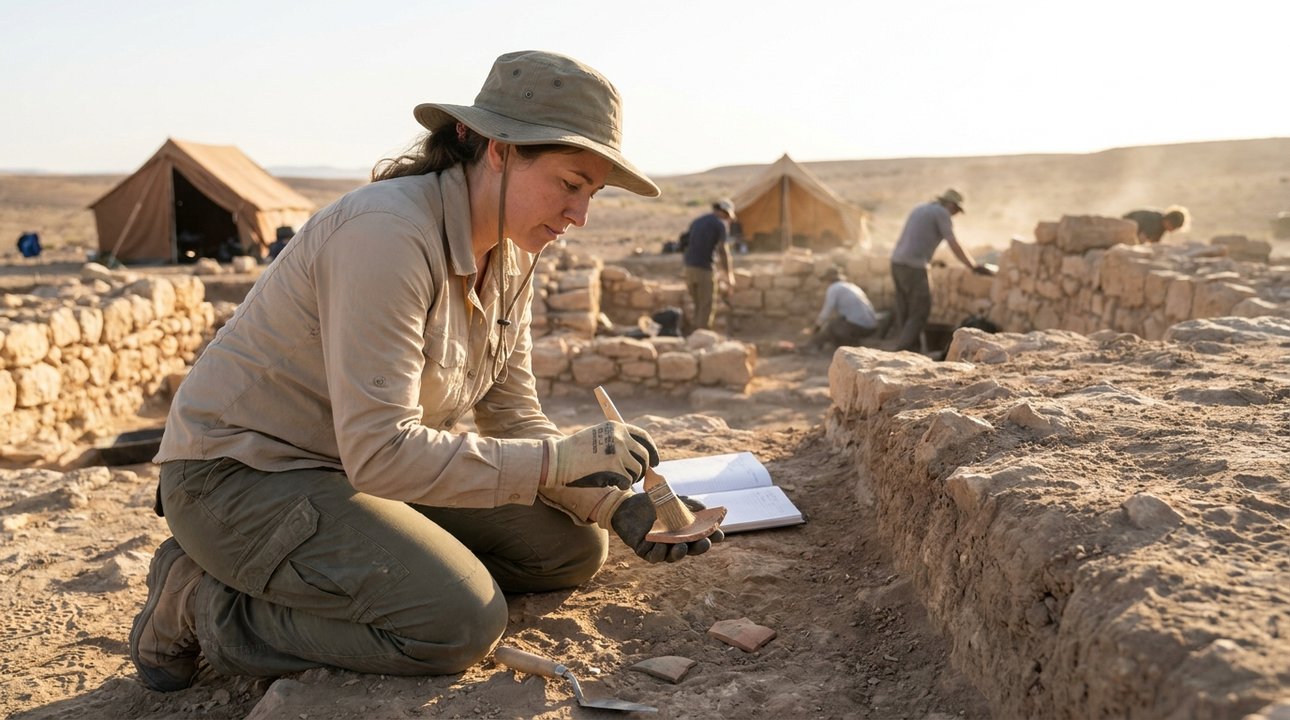
Archaeological findings in the region provide insights into daily life and practices.
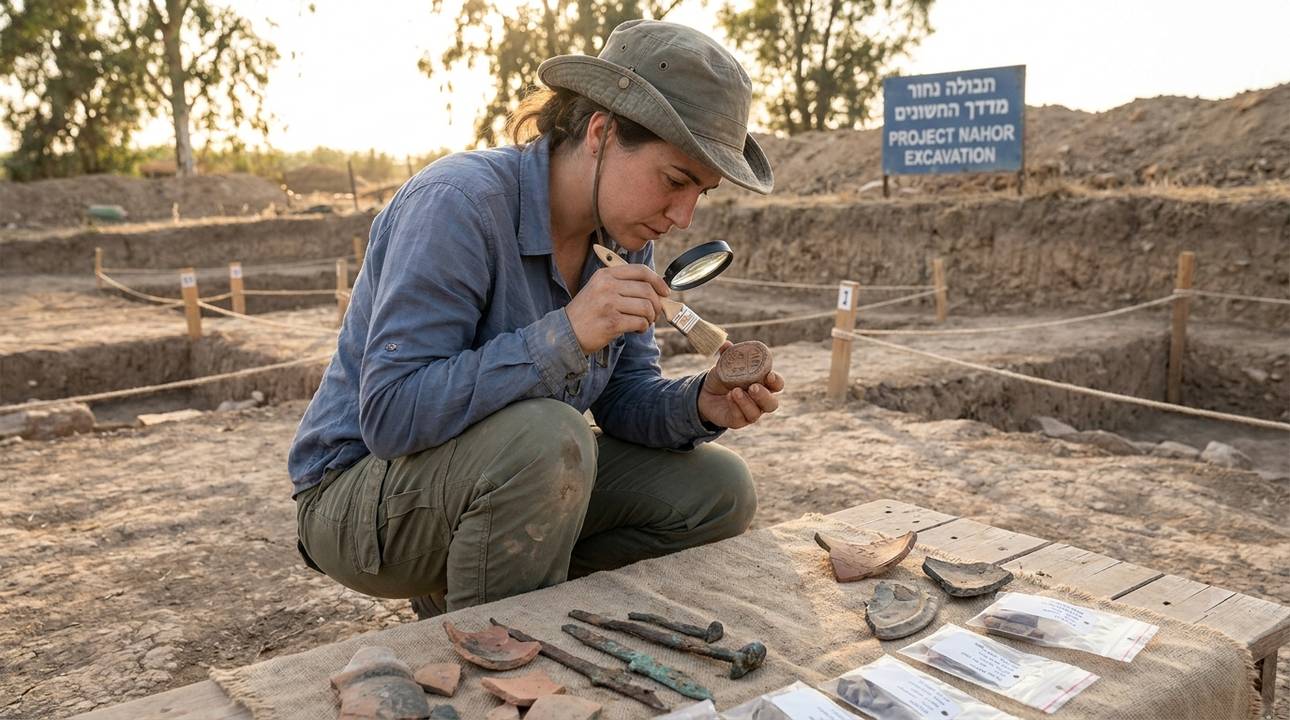
Artifacts such as pottery and inscriptions suggest a community engaged in complex social and trade networks. Excavations near Haran, a city associated with Nahor, reveal connections to the broader Mesopotamian culture. Nahor’s influence is subtly woven into historical and extrabiblical contexts, reflecting the interconnectedness of ancient Near Eastern societies.
from the Western Wall to Masada.
The presence of seals and trade goods indicates Nahor’s participation in long-distance commerce.
These findings suggest interactions with neighboring civilizations like the Hittites and Assyrians. The cultural exchanges facilitated by Nahor’s strategic location enriched the historical narratives. Such archaeological evidence helps us understand the multifaceted role Nahor played in shaping the social and economic landscape of the time.
Nahor and the Aramaean Connection
Nahor is often associated with the Aramaeans, a Semitic people settled in the region. Historical records depict Aramaeans as neighboring tribes, with Nahor’s descendants mingling with them.
Their cultural exchanges were significant in historical periods, where Nahor’s city is a key location in the story of significant figures. This connection underscores the intertwined histories of these peoples.
References to Aram in historical texts link Nahor’s town to vital trade routes. Nahor is associated with the city of Aram-Naharaim, highlighting its strategic placement. This placement enabled cohesive interactions with adjacent societies, such as the Assyrians and Babylonians. It’s a sign of Nahor’s place within a larger network of ancient societies and its role in facilitating cultural exchanges, demonstrating the interconnectedness of the ancient world.
The strategic location of Nahor allowed it to thrive as a center of commerce and culture. Its position on major trade routes facilitated the exchange of goods, ideas, and technologies. This connectivity contributed to the development of a and diverse cultural landscape, reflecting the dynamic nature of ancient Near Eastern societies.
Nahor in Modern Understanding
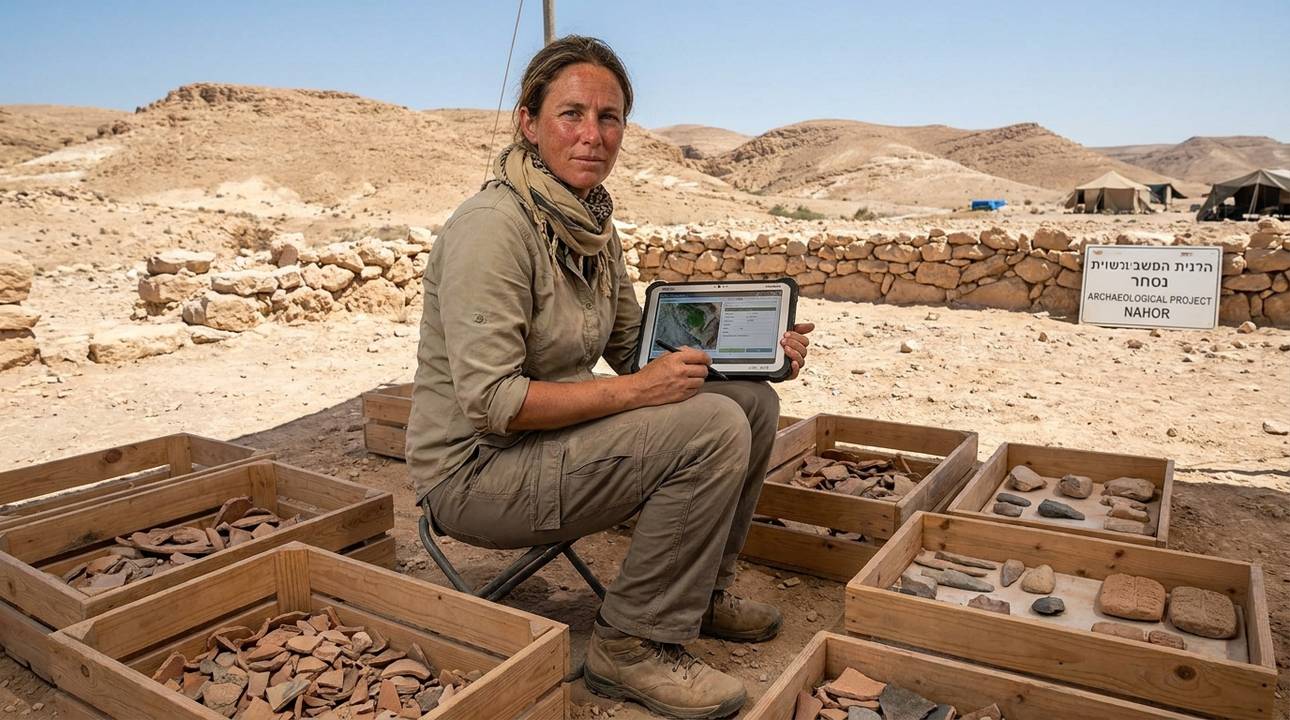
Today’s scholars navigate ancient geography with archaeological and textual analysis. Nahor represents a confluence of history and tradition, mentioned as part of a journey to find a significant figure’s wife. While exact locations are debated, its history remains undisputed. The city of Nahor is often identified with the region near Haran, a major center in the ancient Near East, contributing to our understanding of historical geography.
The identification of Nahor with Haran provides insights into ancient trade and migration patterns.
Haran was a key location on the trade routes connecting Mesopotamia and the Levant. This strategic position allowed for cultural exchanges and the spread of ideas. By studying these connections, scholars can reconstruct the historical context of narratives, shedding light on the lives and movements of early figures.
Modern studies often explore genealogies to better contextualize places like Nahor. By examining texts, scholars uncover the interconnectedness of ancient cultures.
They highlight how these genealogies provide insights into the familial and tribal relationships that shaped the historical world. Understanding Nahor enriches our comprehension of history and the development of early society.
Legacy of Nahor
Nahor’s legacy is found within the stories carried through generations.
The town is part of a rich tapestry that includes legends, people, and places affecting history. Nahor is mentioned in the genealogy of significant figures, linking him to pivotal events. It serves as a reminder of the intricate narratives woven into texts, illustrating the interconnectedness of family and history across time and geography.
The narratives surrounding Nahor emphasize the importance of familial bonds.
These stories reflect the enduring connections that shaped the identity of early tribes. Nahor’s descendants, such as Laban and Rebecca, played crucial roles in the lineage of significant figures. This highlights how the town of Nahor and its people are integral to understanding the broader historical story.
The accounts of Nahor offer lessons on kinship and migration. Descriptions of travel to Nahor illustrate bonds that stretch beyond geographical limits. They speak of enduring familial connections and narratives in historical study. Nahor remains a symbol of these deep-rooted ties, emphasizing the importance of family and tradition in shaping cultural identity.
The journey to Nahor reflects the broader theme of migration in historical texts.
Such movements were often driven by the need to maintain family ties and ensure the continuation of traditions. These narratives underscore the adaptability of early peoples, as they navigated the challenges of maintaining their identity in a changing world.
History and Significance