Discovering the History of Ramoth Gilead


Ramoth Gilead is a significant historical city, known as a city of refuge and strategic location in the region. It played an important role in historical narratives.
It was listed as one of the cities of refuge where individuals accused of manslaughter could seek asylum, highlighting its role in the judicial system of the time. Additionally, its strategic location made it a focal point during various military campaigns, such as those where King Ahab sought to reclaim it from the Arameans.
This article delves into the geography, history, and cultural role of this historical location. Located in the region of Gilead, east of the Jordan River, this city was part of the territory allocated to the tribe of Gad. It served not only as a military outpost but also as a center for trade and cultural exchange, linking the northern and southern parts of the kingdom. Its multifaceted role underscores its enduring importance in the history of the region.
from the Western Wall to Masada.
What Is Ramoth Gilead?
Frequently mentioned in historical texts, this city was one of the designated cities of refuge. Situated in the territory of Gilead, east of the Jordan River, it served as a sanctuary where individuals accused of manslaughter could find refuge.
This location was important for its strategic military position, providing a defensible spot in times of conflict. Historical texts often reference it in the context of battles and territorial disputes. Its significance extended beyond its military role.
As a city of refuge, it symbolized justice and mercy, illustrating the balance between legal accountability and protection.
Geographically, this city was situated in the hill country of Gilead, a region known for its rugged terrain and natural resources. The area’s topography contributed to its strategic importance, as it offered a natural barrier against invaders.
The location’s accessibility to major trade routes further enhanced its significance, allowing it to thrive economically while maintaining its defensive capabilities. Its position made it a key player in regional politics and a coveted asset for various powers.
The dual role of this city as both a city of refuge and a strategic military post highlights its multifaceted importance in historical narratives.
As a city of refuge, it provided sanctuary for those seeking protection under the law. Its military significance is evident in the numerous battles fought over its control, such as those involving King Ahab and the Arameans. This duality underscores the city’s complex role in the ancient world, serving both as a haven and a battleground.
Historical References to Ramoth Gilead
This city is mentioned several times in historical texts. It was notably the site of significant battles, including the conflict involving King Ahab.
King Ahab sought to reclaim it from the Arameans, leading to a pivotal battle that ultimately cost him his life. This account underscores the contested nature of the city and its value to the surrounding kingdoms.
Its recurring presence in historical narratives emphasizes its importance during tumultuous periods, serving as a reminder of the region’s historical complexities.
Another mention of this city occurs in historical accounts, where a young leader was sent to anoint Jehu as king over Israel. Jehu was instructed to strike down the house of Ahab, an action that would fulfill a significant political change.
This event underscores the city’s role as a backdrop for political upheaval in the historical account. The anointing of Jehu marked a turning point in Israel’s history, leading to the end of Ahab’s dynasty and the establishment of a new order.
The narrative of Jehu’s anointing and subsequent actions illustrates the city’s strategic and symbolic importance. It served as a setting for pivotal moments that shaped the course of Israel’s monarchy. The city’s involvement in such events highlights its significance not only as a physical location but also as a stage for political narratives, reflecting its multifaceted role in history.
Ramoth Gilead in Historical Context
Historically, the significance of this city extends beyond its historical references. It was part of the tribal allotment given to the tribe of Gad.
The land was characterized by its fertile plains, suitable for agriculture and livestock, which contributed to its economic viability.
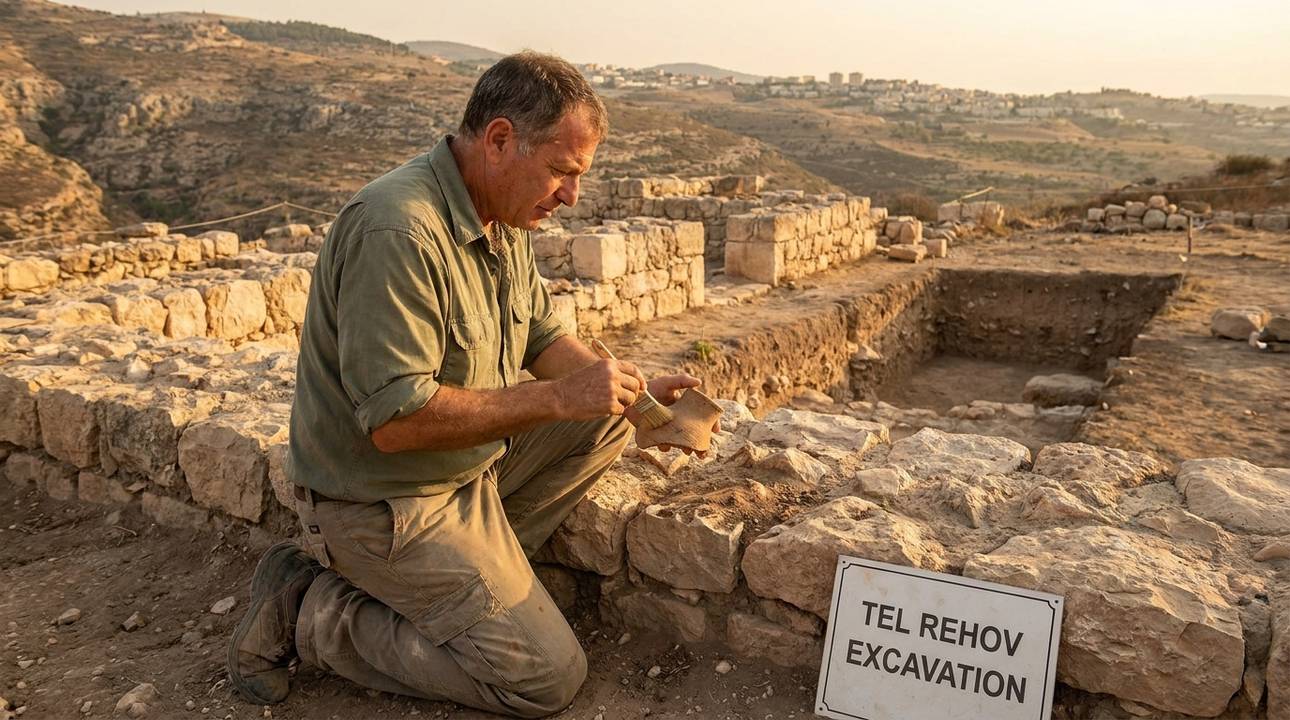
Archaeological evidence suggests that the region of Gilead held an important position in regional trade, facilitating interactions between various cultures and peoples. The strategic location of this city made it a valuable asset in controlling these trade routes.
The historical and archaeological findings in the Gilead region provide insights into the lifestyle and culture of its ancient inhabitants. Pottery, inscriptions, and other artifacts reveal a society that was both agriculturally productive and militarily aware. These findings help paint a picture of life in this ancient city, offering a tangible connection to the stories recorded in the Bible. The presence of fortified structures suggests a community prepared for conflict, while the variety of artifacts points to a cultural life.
from the Western Wall to Masada.
Understanding the historical context of this city enables a deeper appreciation of its role and significance in history.
The artifacts discovered in the region provide a glimpse into the daily lives of its inhabitants, their trade practices, and their interactions with neighboring cultures. This knowledge enriches our understanding of the historical narrative, offering a more comprehensive view of the historical backdrop against which these stories unfolded.
Archaeological Insights into Gilead
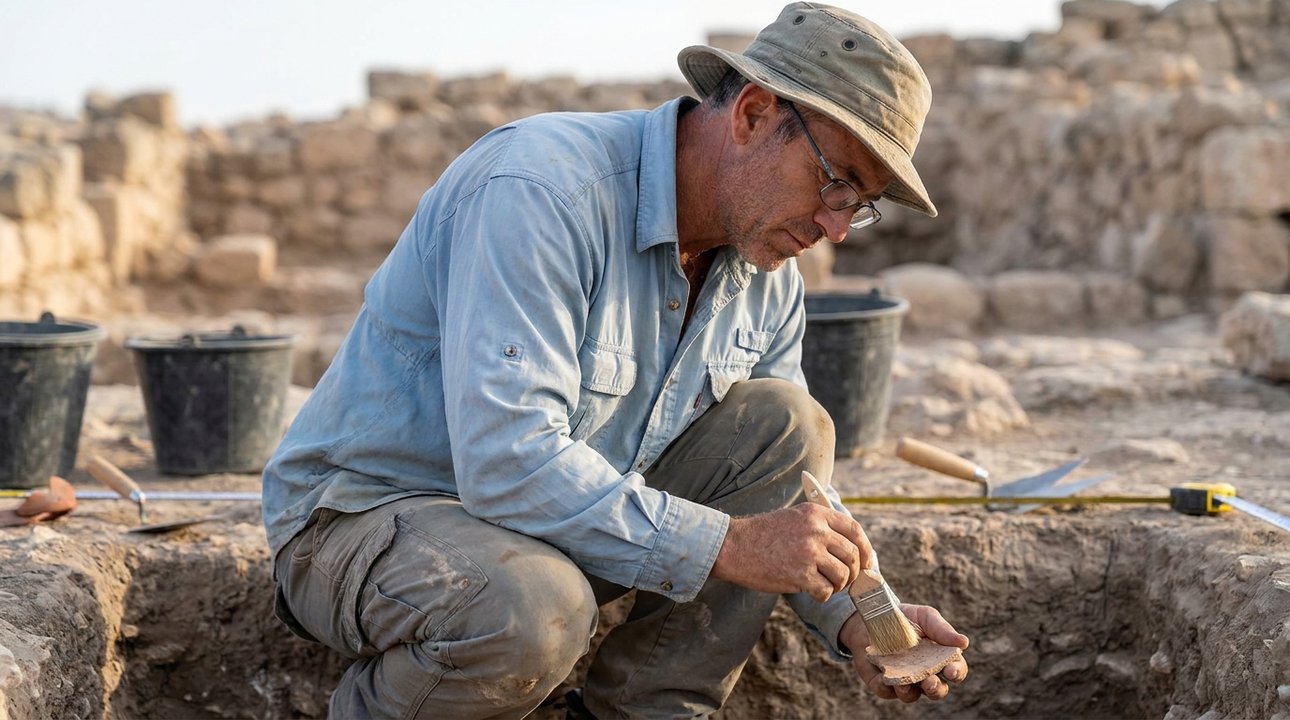
Recent archaeological endeavors in the Gilead region have uncovered remnants of ancient settlements, fortifications, and agricultural sites. These discoveries provide a glimpse into the daily lives of those who inhabited this city and its vicinity.
The archaeological landscape is rich with artifacts that testify to the area’s historical and cultural complexity. Explorations of the structures and buildings in the region highlight its strategic and economic significance.
Many of these sites demonstrate advanced architectural techniques, indicating a well-organized society capable of sustaining itself in a challenging environment.
Artifacts such as pottery, tools, and inscriptions reveal the interactions between the people of this city and neighboring cultures. These findings contribute to our understanding of the region’s role as a crossroads of cultural exchange and military activity during historical times. The discovery of inscriptions in different languages suggests a diverse population and the presence of trade routes that connected various cultures. This exchange of goods and ideas enriched the cultural fabric of the city, making it a hub in the ancient world.
Through these archaeological insights, we gain a fuller picture of the significance of this city, enriching our understanding of its historical context.
The artifacts unearthed in the region provide tangible evidence of the city’s past, offering clues about the daily lives of its inhabitants and their interactions with neighboring peoples. These discoveries help to reconstruct the historical landscape of the city, revealing its role as a center of cultural and military activity.
Ramoth Gilead Today
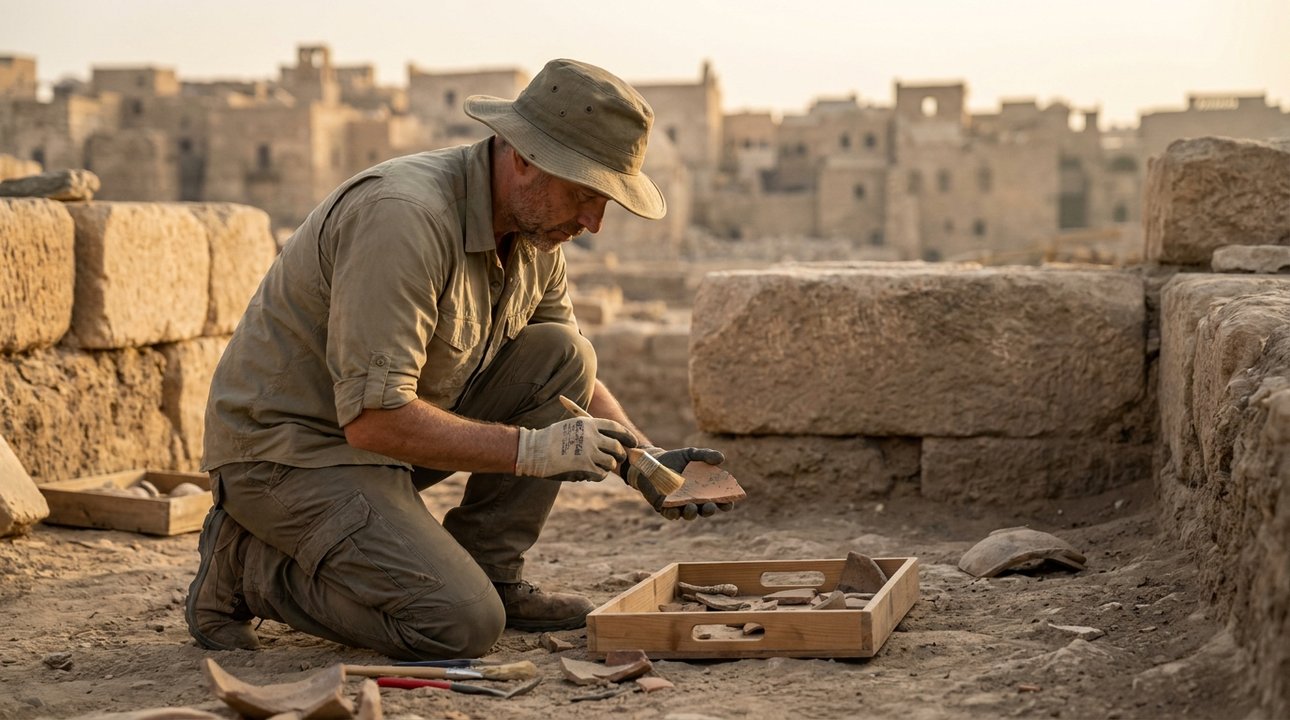
Today, the region once known as this city continues to be an area of historical and archaeological interest. Although the exact location of the ancient city remains a topic of debate among scholars, its legacy endures in the cultural memory of the region. Modern explorations and studies aim to uncover more about the city’s history and its influence throughout the Near East. These efforts highlight the ongoing fascination and importance attached to this city as a symbol of the mix of history and heritage.
Archaeologists and historians continue to search for clues that could pinpoint the city’s exact location, using a combination of ancient texts and modern technology. This quest not only aims to solve a historical mystery but also to deepen our understanding of the cultural and historical dynamics of the region. The enduring interest in this city reflects its significance as a key player in the historical narrative and a sign of the complex history of the ancient Near East.
While the present-day landscape may differ from what was once described in historical texts, the essence of this city as a place of refuge, conflict, and cultural exchange remains an integral part of its story.
It was a site of numerous battles, including those involving King Jehoshaphat and King Ahab. The city was a witness to the shifting powers and alliances that characterized the region. Its legacy continues to be a subject of interest for historians and archaeologists.
The study of its past continues to captivate historians and archaeologists, contributing to the broader understanding of the ancient world. Excavations in the region have uncovered artifacts that provide insight into the daily lives of its inhabitants and their interactions with neighboring cultures. These findings help piece together the complex history of this city, offering a window into the social and political dynamics of the time. The ongoing research in this area highlights the city’s enduring history.
Ramoth Gilead Insights