
Exploring the Cultural Impact of Ephrathah


Ephrathah holds a special place in historical narratives, primarily related to Bethlehem. It is first mentioned in early texts, where Rachel is buried on the road to Ephrathah, which is Bethlehem. This connection to Rachel, a beloved matriarch, adds emotional significance to the region.
As an ancestral region, its significance is intertwined with the lineage of notable historical figures. The Book of Ruth refers to Ephrathah, highlighting its importance in genealogy. This article explores Ephrathah’s roles and meanings in history and its connections to Jewish heritage.
The dual mention of Ephrathah in early texts underscores its enduring presence in historical narratives.
Ephrathah is not only a geographical location but also a symbol of continuity and promise. The connection to Rachel’s burial site adds a layer of emotional depth, as Rachel is a matriarch of Israel.
Early texts recount Rachel’s burial on the road to Ephrathah, which is Bethlehem, linking the region to her legacy. The mention of Ephrathah in prophetic texts further emphasizes its significance.
This prophecy points to a future leader from this humble region, reinforcing its enduring importance in Jewish tradition. The dual association with Rachel and prophecy enriches Ephrathah’s role in the cultural memory of Israel.
from the Western Wall to Masada.

What Is the History of Ephrathah?
Ephrathah is first mentioned in historical texts as a region closely associated with Bethlehem. It appears within the genealogical contexts that emphasize its importance as the home of Jesse, a notable figure’s father. Being a part of Judah’s lineage, Ephrathah holds an esteemed position in Jewish history.
The naming often indicates its older heritage, rooting deeply into the tribal divisions of early Israel. This connection to significant lineages underscores its enduring relevance in Jewish historical narratives.
Ephrathah’s mention alongside Bethlehem in genealogies highlights its role in the foundational stories of Israel’s history.
The Book of Samuel provides further context, identifying Jesse as “an Ephrathite of Bethlehem in Judah.” This ties Ephrathah directly to the royal lineage, highlighting its role in the emergence of notable figures as central figures. Jesse’s connection to Ephrathah places the region at the heart of Israel’s history. Ephrathah’s mention in genealogies serves as a reminder of the deep roots and connections that define the identity of the Israelites. It is a sign of the legacy of the tribes and their contributions to the nation’s history. The emphasis on Ephrathah in these texts underscores its importance as a foundational element in the story of Israel’s history.
Where Is Ephrathah Located?
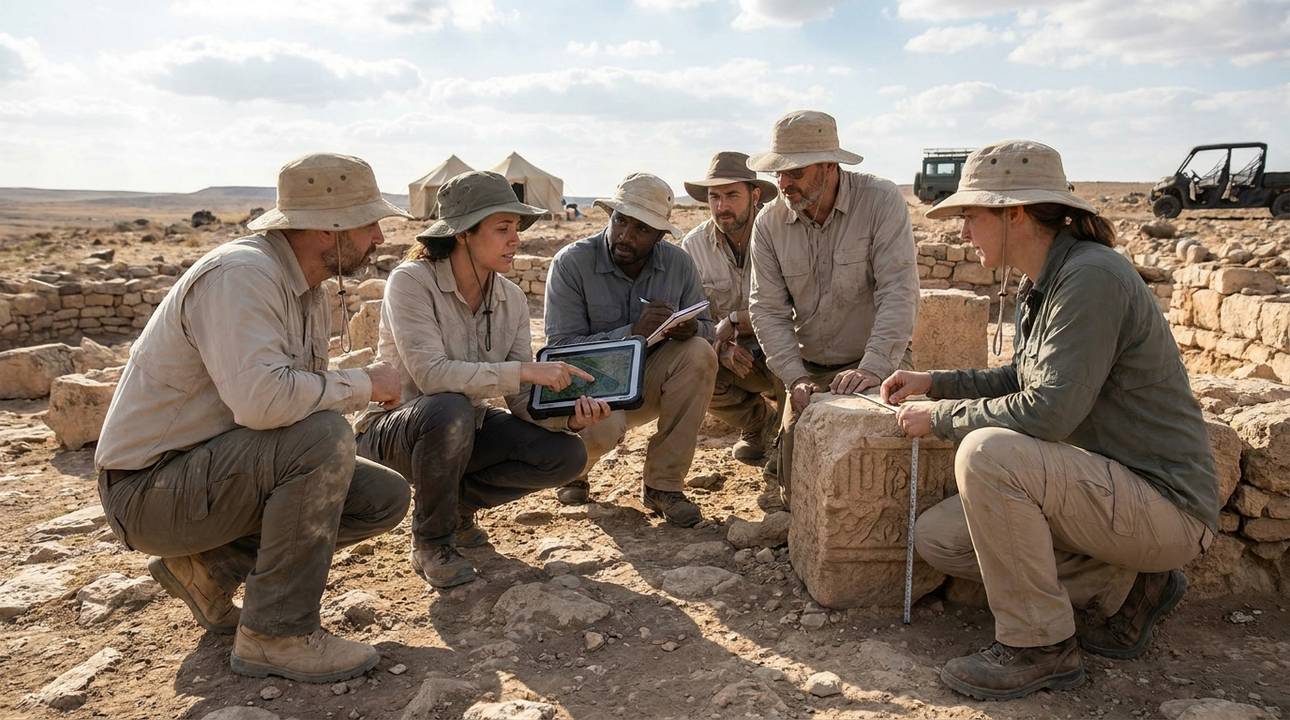
Ephrathah’s location is often linked to the area around Bethlehem, specifically Bethlehem Ephrathah. This geographical marker aligns it with the Judah region, central to Israel’s heritage. The consistent references to Ephrathah in the context of Bethlehem emphasize its history. The text of Ruth mentions Ephrathah and its connections directly to notable lineages. Geographically, Ephrathah represents a small yet significant part of ancient Judean lands. The consistent mentions alongside Bethlehem solidify its historical importance as a central hub in narratives. Ephrathah’s role in these stories highlights its enduring cultural and historical impact.
The significance of Ephrathah is further highlighted in prophetic texts, which foresee a ruler emerging from Bethlehem Ephrathah. This prophecy underscores the region’s important role in the unfolding of Israel’s destiny. The words emphasize the unexpected greatness that would arise from this humble area. Ephrathah’s association with Bethlehem also reflects its strategic importance in the tribal territories of Judah. It serves as a cultural and historical anchor, linking the past with the future aspirations of the people of Israel. The prophecy not only foretells a leader but also connects Ephrathah to the broader narrative of hope and fulfillment in Jewish tradition.
What Does Ephrathah Represent in Genealogy?
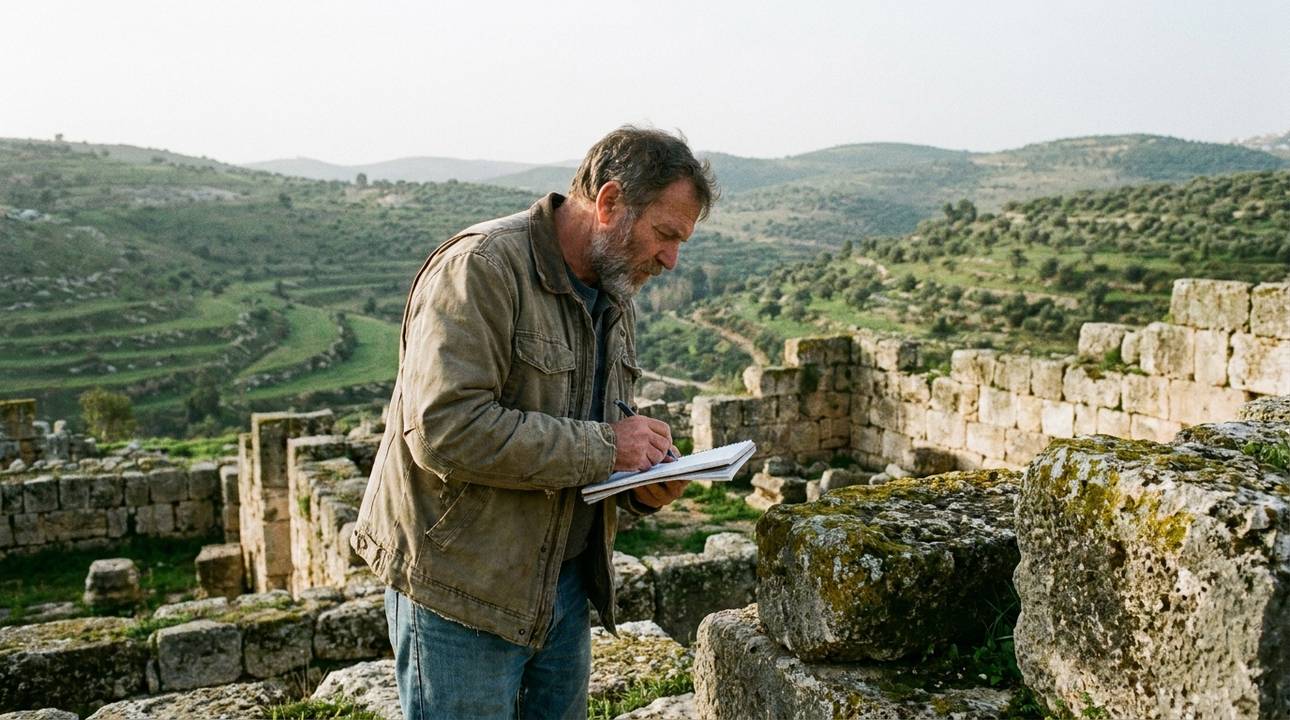
In historical texts, genealogies are significant, and Ephrathah finds its place mainly through notable lineages. Ruth is a critical connection, with her story weaving into the genealogy that highlights Ephrathah. The narrative in Ruth unveils how Naomi returns to Bethlehem, connecting to the ancestral roots. This genealogical importance continues to highlight Ephrathah as a critical link in the unfolding stories. Its position reflects a history of familial and tribal identity, deeply embedded in Jewish tradition.
from the Western Wall to Masada.
The genealogy in historical texts reflects the continued recognition of Ruth’s role in notable lineages. Ruth, a Moabite woman, became the great-grandmother of a significant figure, illustrating her significant place in the history of Israel. This highlights Ephrathah’s legacy in the broader context of history. Ephrathah’s mention in these genealogies serves as a sign of the interconnectedness of personal stories and national heritage. It is a reminder of the enduring bonds that define the identity and continuity of the Jewish people. The intertwining of Ruth’s story with Ephrathah underscores the cultural and historical depth of this region.
Ephrathah in the Book of Ruth
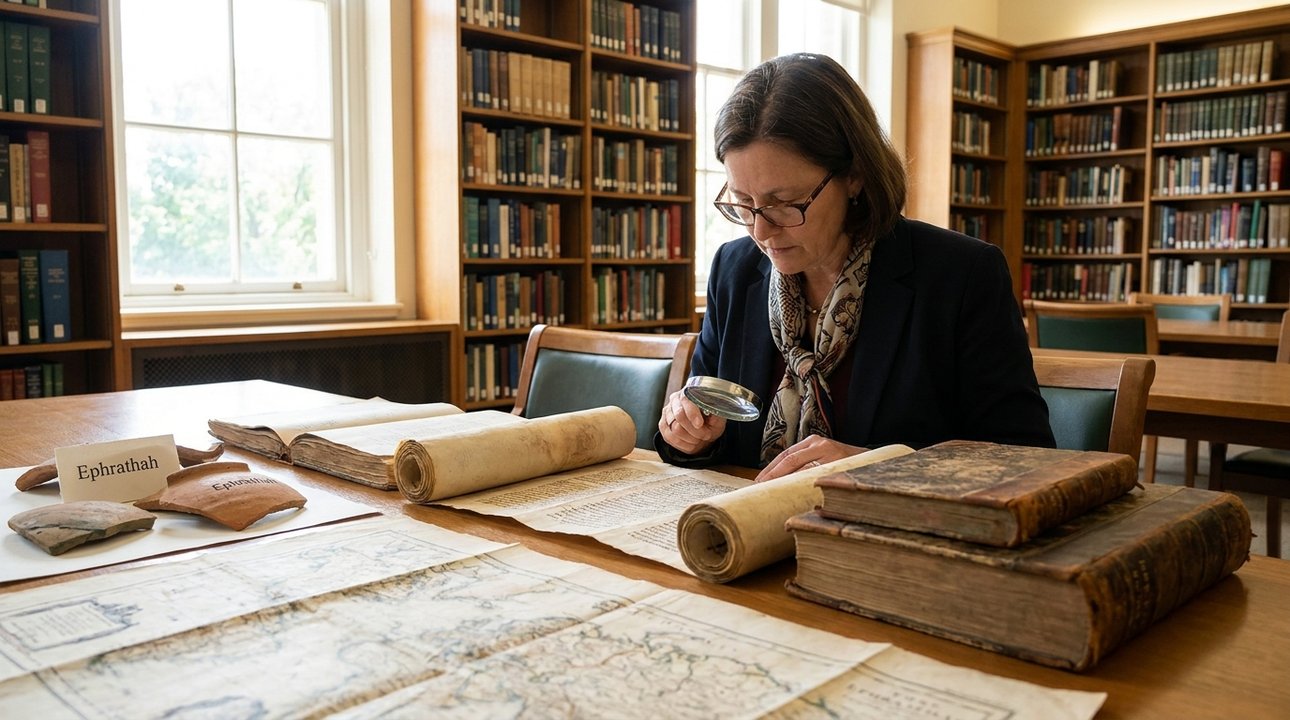
Ephrathah is critically highlighted in historical texts. The return to this land opens the path to notable lineages. Their arrival in Bethlehem marks the start of a new chapter. This return signifies a homecoming and the beginning of a legacy. This narrative places Ephrathah as both a geographical and a cultural destination. The journey captures the essence of Ephrathah’s culture. This makes it a place of personal transformations that deeply impact Israel’s destiny. The story in Ephrathah underscores themes of renewal and belonging.
The story of Ruth is set against the backdrop of Ephrathah, emphasizing its role in notable lineages. The elders’ recognition underscores the importance of family and heritage.
This recognition reflects the community’s acknowledgment of Ruth’s integration into the lineage of Israel. Ephrathah thus becomes a symbol of hope and renewal, where personal stories intertwine with national history.
The land itself is a witness to the unfolding of events that shape the future of Israel, making it a cornerstone in the narrative. Ruth’s story, set in Ephrathah, highlights the transformative power of loyalty and commitment within the Jewish tradition.
Ephrathah’s Legacy in Jewish Thought
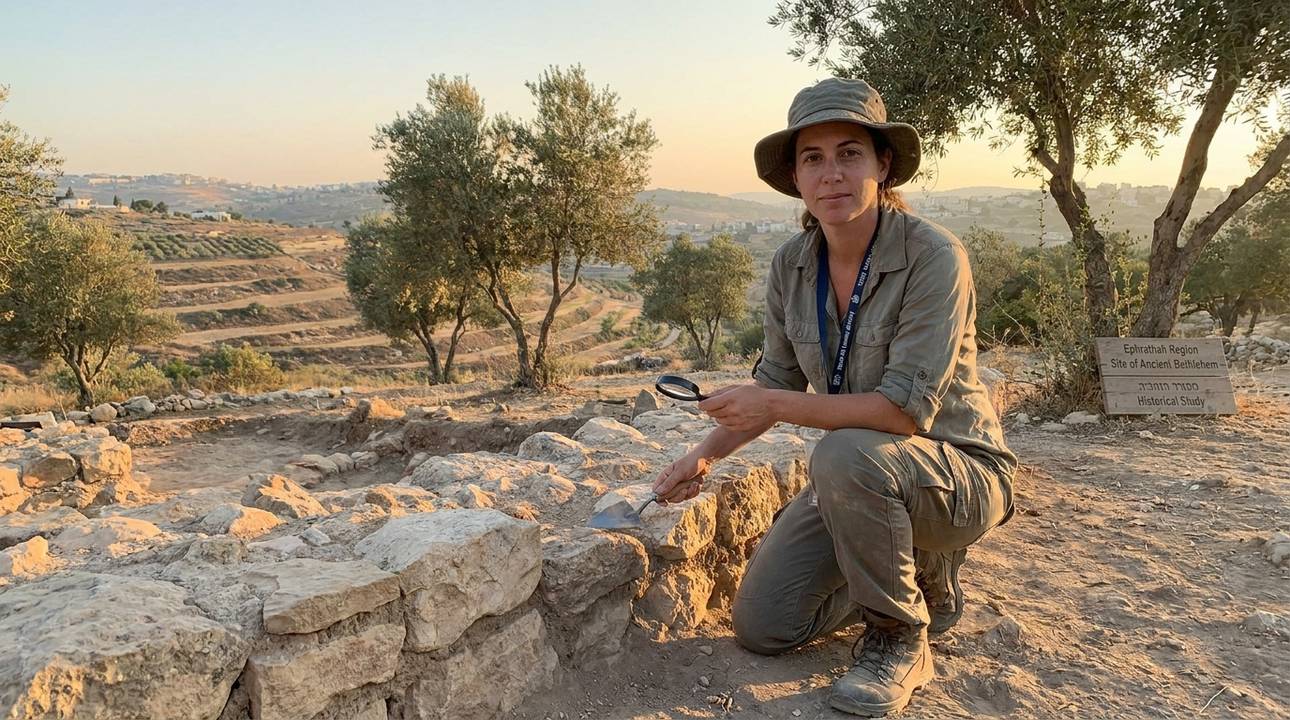
The legacy of Ephrathah is enduring in Jewish thought, as seen in its frequent mentions in texts. Prophetic texts refer to Bethlehem Ephrathah, prophesying a ruler from this small town. It’s remembered not only as a home for forefathers but as an emblematic connection to Israel’s roots.
The appreciation for Ephrathah continues through generations, as seen in liturgical references. Its cultural resonance remains strong, marking it as a cultural anchor through the ages. Jewish tradition embraces Ephrathah as a symbol of continuity and heritage.
Understanding Ephrathah
