Tracing the Location of Ziklag: A Journey Through History


Ziklag is a place of historical interest, known for its association with significant events. Today, the exact location remains a topic of archaeological and scholarly interest. The search for Ziklag has included various proposed sites in the Negev and western Judean Plains.
The historical accounts guide researchers in their quest to locate Ziklag.
The quest to identify Ziklag’s location involves analyzing historical texts and archaeological evidence. Sites like Tel Sera and Tel Halif have been considered potential candidates, each offering unique insights into the era of David. Artifacts found at these sites are examined for historical context.
This ongoing exploration not only seeks to uncover Ziklag’s location but also to deepen our understanding of the historical context of David’s life and reign. It highlights the intersection of history and archaeology.
from the Western Wall to Masada.
What Is the Cultural Context of Ziklag?
Ziklag appears prominently in historical texts, especially in the context of significant events. It was a Philistine town given to David by Achish, the king of Gath. The city became a refuge for David and his men during challenging times, serving as their base for a period. When the Amalekites attacked Ziklag, they burned the city and took its inhabitants captive, an event that profoundly influenced David’s leadership and decision-making.
The location of Ziklag is briefly mentioned in the distribution of tribal lands in historical texts. These references place it within the regions allocated to the tribe of Judah, adding to the complexity of its geographical identification today.
Ziklag is listed among the cities in the Negev, highlighting its importance in the southern territories. These references guide researchers in their search for the city’s location.
The mention of Ziklag details how it was attacked by the Amalekites, emphasizing its strategic significance. These references are pivotal for scholars attempting to identify its location. Additionally, Ziklag is mentioned as a gathering place for David’s followers.
Historians and archaeologists face challenges in aligning ancient texts with modern geographical understanding, reflecting the complexities involved in historical archaeology.
Understanding Ziklag’s significance requires delving into narratives that showcase it as a shelter and strategic point. Achish, the king of Gath, gave Ziklag to David, marking it as a place of refuge during his flight from Saul.
Scholars continue to debate its exact position, blending historical references with archaeological findings. The search for Ziklag involves examining ancient texts and comparing them with modern discoveries to pinpoint its location.
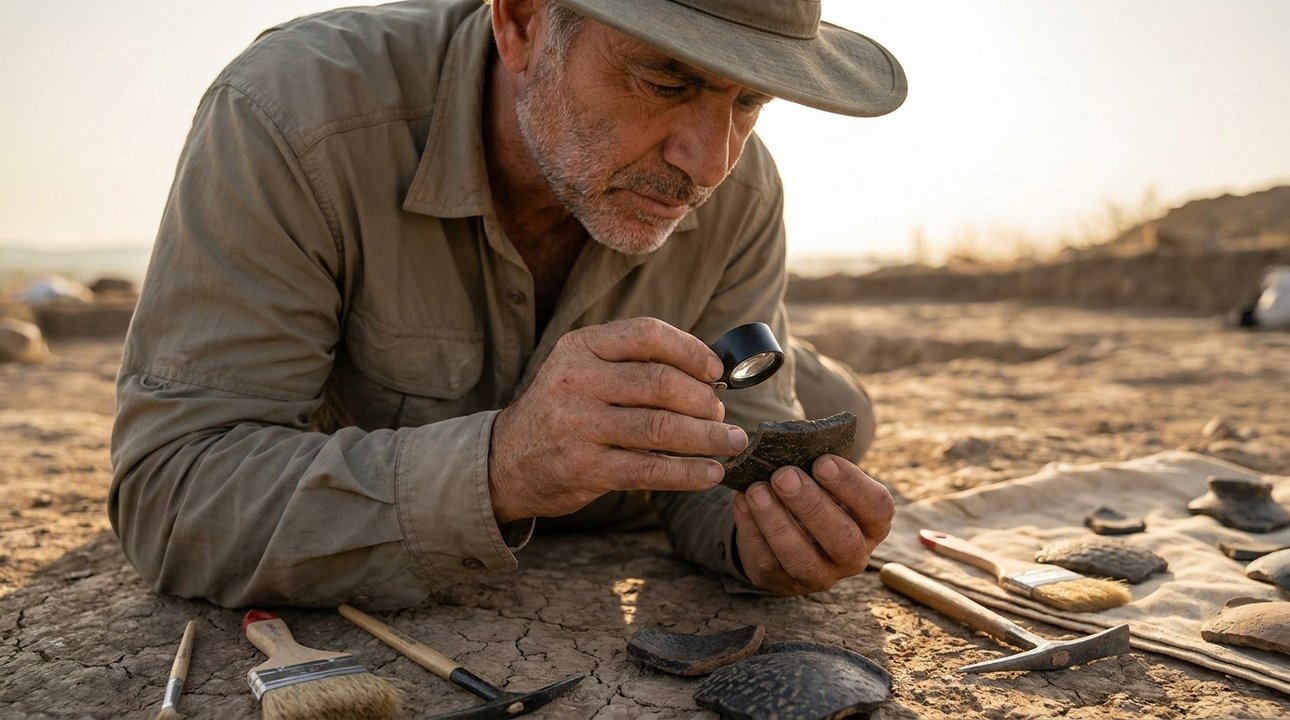
Archaeologists have explored sites like Tel Sera and Tel Halif, seeking evidence that aligns with historical accounts. These efforts are crucial in understanding the historical and cultural context of the time. Artifacts such as pottery and tools are analyzed for their history. Research not only aims to locate Ziklag but also to uncover more about the life and times of significant historical figures. Each discovery adds a piece to the puzzle of the era.
Where Is Ziklag Located Today?
The quest to pinpoint Ziklag’s location involves examining various proposed sites: Tell es-Safi, Tel Sera, and Tel Halif among others. Archaeologists look for evidence that matches the historical descriptions. Pottery and architectural remnants are key indicators.
These sites vary in archaeological findings, including pottery and architectural remnants, which align with the timeline of the era. The diversity of these sites underscores the complexity of identifying Ziklag’s true location.
Each proposed site offers unique insights into the historical context of the narrative. Artifacts discovered at these locations provide clues about the daily life and culture during the time. Pottery, tools, and remnants of structures are analyzed for their history. Research into Ziklag’s location not only seeks to resolve historical questions but also enriches our understanding of the broader cultural and historical landscape. It connects us to the stories of the past.
Despite no definitive conclusion, the search remains active. In 2019, Israeli archaeologists claimed to have discovered Ziklag near the Kiryat Gat region, but the identification is yet disputed among scholars. The debate continues as new evidence is analyzed.
Archaeological data continue to shape our understanding, with each discovery offering a glimpse into this historical narrative. This ongoing debate reflects the complexities of aligning historical texts with modern findings.
The proposed site near Kiryat Gat has yielded artifacts such as pottery and architectural remnants that suggest a connection to the period. However, further analysis is needed to confirm its identity as Ziklag. The dating of these artifacts is crucial for accurate identification.
These findings contribute to the broader discourse on historical archaeology, highlighting the challenges and rewards of uncovering Israel’s past. The debate continues as new evidence emerges, enriching our understanding.

Historians and Archaeologists on the Trail of Ziklag
Historians and archaeologists employ a meticulous approach, analyzing artifacts and city layouts to support identification claims. For instance, pottery shards and architectural remnants are often scrutinized for their dating and origin. Their work is often combined with text analysis to ensure historical accuracy.
Ziklag, with its historical import, remains a compelling point of study for those interested in archaeology. The city’s role as a refuge adds to its intrigue.
from the Western Wall to Masada.
Collaboration between Israeli agencies and international scholars is crucial to these efforts. The discourse over Ziklag not only enriches academic knowledge but also enhances cultural and historical comprehension of the region. Joint research initiatives are vital.
Understanding Ziklag’s history hence provides valuable insights into the era and David’s life, offering a glimpse into the challenges and triumphs of this historical period. It connects us to the stories that shaped the region.
The joint efforts in researching Ziklag highlight the importance of interdisciplinary approaches in archaeology and history. By combining expertise from various fields, researchers aim to uncover new details about this significant site. Collaboration between historians and archaeologists is key.
Such collaborations are essential for piecing together the complex puzzle of Israel’s history and its impact on contemporary cultural identity. They provide a more holistic view of the past and its narratives.

Ziklag’s Role in David’s Journey
Ziklag’s significance in David’s journey is multifaceted. It was not just a refuge, but a place where David consolidated his leadership and military prowess. The historical account details how the Amalekites raided Ziklag, testing David’s resolve and leadership.
The recovery mission that followed and the defeat of the Amalekites became pivotal events in his ascent to becoming King. These events demonstrate David’s ability to inspire loyalty and lead effectively.
These narratives highlight how Ziklag, as a strategic and symbolic location, played an essential role in shaping events that influenced Israel’s historical trajectory. David’s return to Ziklag and subsequent victory over the Amalekites demonstrate his leadership and resilience, as described in 1 Samuel 30.
For readers today, these stories from Ziklag offer insights into leadership and resilience in challenging times, illustrating how historical events can inspire contemporary values.
The capture and recovery of Ziklag by David’s forces underscore the themes of perseverance and leadership. David’s distress is evident, yet he finds strength to lead his men. Such narratives provide a window into the challenges faced by David and his men, offering lessons on overcoming adversity. These accounts from Ziklag continue to resonate, reminding us of the enduring impact of historical events on modern perspectives. The story of Ziklag is a sign of leadership under pressure.

Modern Implications of Finding Ziklag
Finding Ziklag has implications beyond archaeology. It contributes to understanding historical narratives and the historical geography of the region. Establishing its location can offer educational insights into the stories that form a cornerstone of Jewish heritage.
This search signifies the quest to link historical accounts with evidence, enriching both cultural and academic landscapes. It underscores the importance of connecting past narratives with present knowledge.
For contemporary audiences, these discoveries herald deeper connections with ancestral roots and emphasize the historical continuity of Israel’s land and people. Each archaeological endeavor undertaken uncovers more about the past, curating a bridge between ancient and modern understanding. The findings from sites like Tel Sera and Tel Halif provide tangible links to historical narratives, enhancing our appreciation of Israel’s history.
These archaeological efforts contribute to a greater understanding of the cultural and historical landscape of the region. By piecing together evidence from various sites, scholars aim to paint a more complete picture of the era. Discoveries like those at Tel Sera and Tel Halif are crucial.
Such discoveries not only enrich academic knowledge but also foster a sense of connection with the land and its storied past. They provide tangible links to the narratives that have shaped Jewish heritage and identity.

Ziklag's Historical Context and Modern Relevance