
Understanding Nazareth’s Place Today and Its Historical Roots
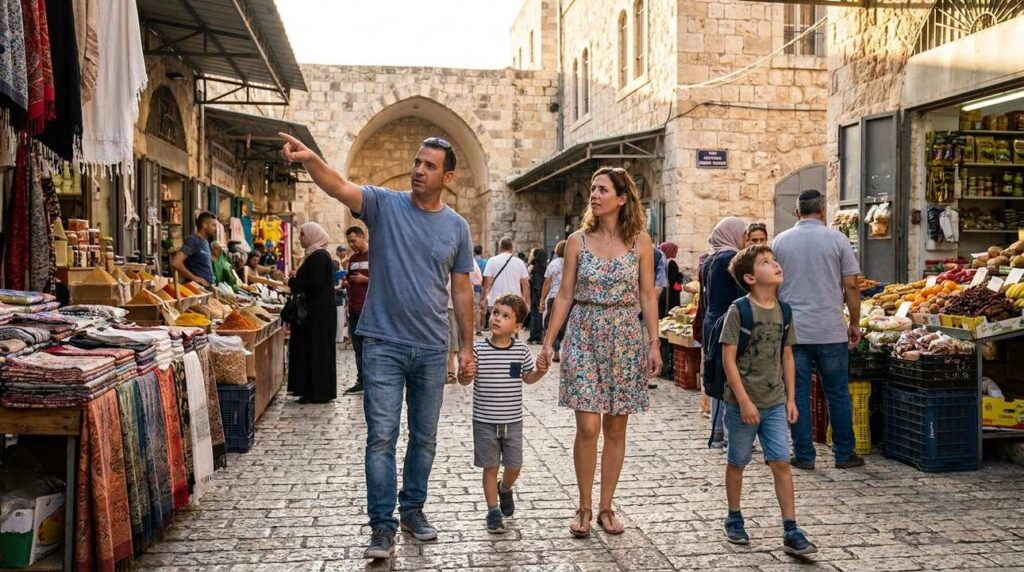

Nazareth is a city in the Northern District of Israel. It sits in the Galilee region, an area of green hills and old settlements.
Today Nazareth is a modern city that still keeps its long history. This article explains where Nazareth is now and how it grew over time. The city appears in historical records from the Roman period, which shows how long people have lived here.
Nazareth grew from a small village into a busy city. Many cultures and empires passed through the region over the centuries, and each one left its mark.
You can see this in the city’s buildings. Old stone structures stand next to modern ones, giving Nazareth a mix of past and present.
Where Nazareth Is Located Today
Nazareth lies in northern Israel, in the Lower Galilee. It is about 25 kilometers west of the Sea of Galilee and about 9 kilometers west of Mount Tabor. The city sits in a hilly area.
Nazareth is the largest Arab city in Israel. It is a busy urban center with a mixed population. The land around it has long been known for farming and open, scenic country.
Nazareth has modern roads and buildings, but it still holds on to its past. Old stone structures stand next to newer ones.
The Old City has markets and narrow lanes that go back many years. Older houses and traditional homes are kept in good condition to protect this link to earlier times.
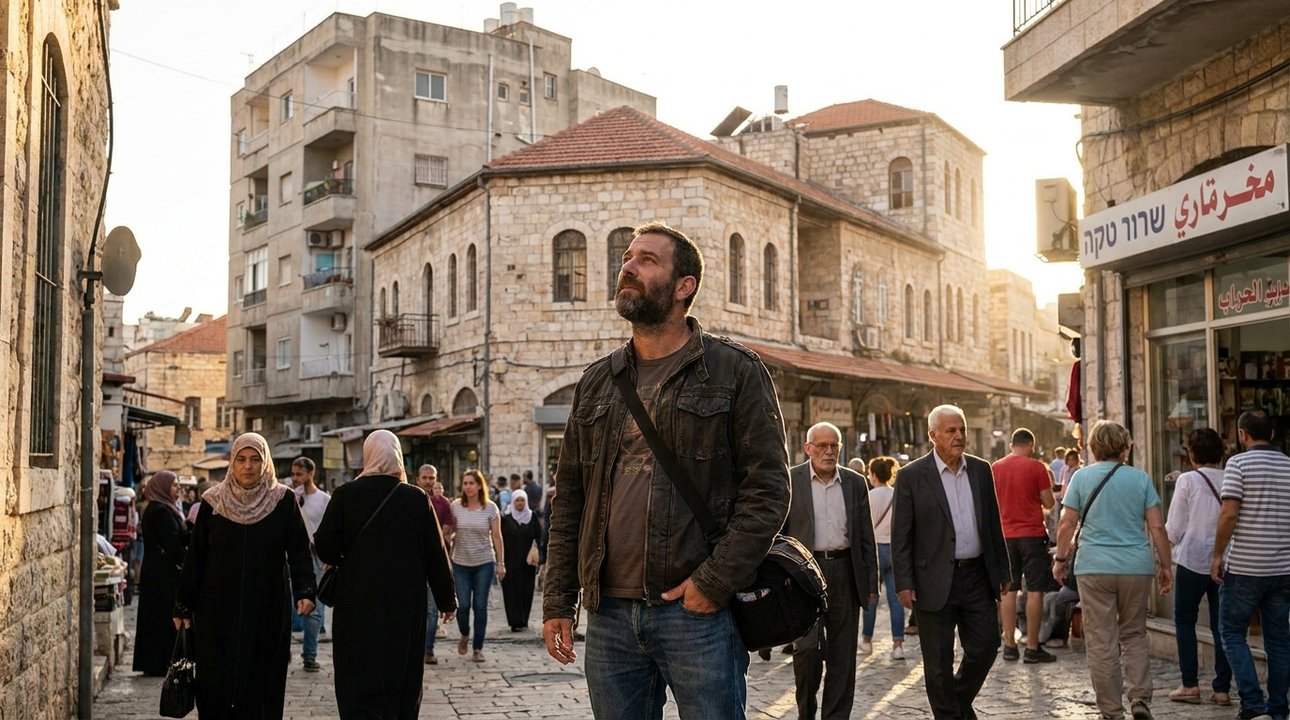
Nazareth’s buildings come from many different periods, from the Ottoman era to modern times. Together they show how the city changed over the years.
Each structure reflects the cultures that shaped Nazareth. The mix of styles records the city’s long story in a clear, visible way.
History
Nazareth has long been part of the Galilee region. In the Roman period it was a small farming village, and its people were mostly Jewish.
Over the centuries the village grew, and different cultures met here. Its location helped connect it to nearby trade routes.
Nazareth changed hands many times over the years. It was part of the Roman Empire, and later came under Byzantine, Arab, Crusader, and Ottoman rule. Each period added to the city’s culture and buildings.
Since 1948 Nazareth has been part of the State of Israel. Its long past still draws interest from people who study the region’s history.
Nazareth’s place in the Galilee helped it become a center for trade. Its markets linked it to other towns in the region.
Goods and ideas moved through the city over time. This shows in its food, buildings, and daily life.
Culture in Nazareth Today
Nazareth has a culture that mixes old traditions with modern life. Most residents are Arab, and the city has both Muslim and Christian communities.
About two-thirds of residents are Muslim and about a third are Christian. This mix shows in the city’s food, crafts, and local customs.
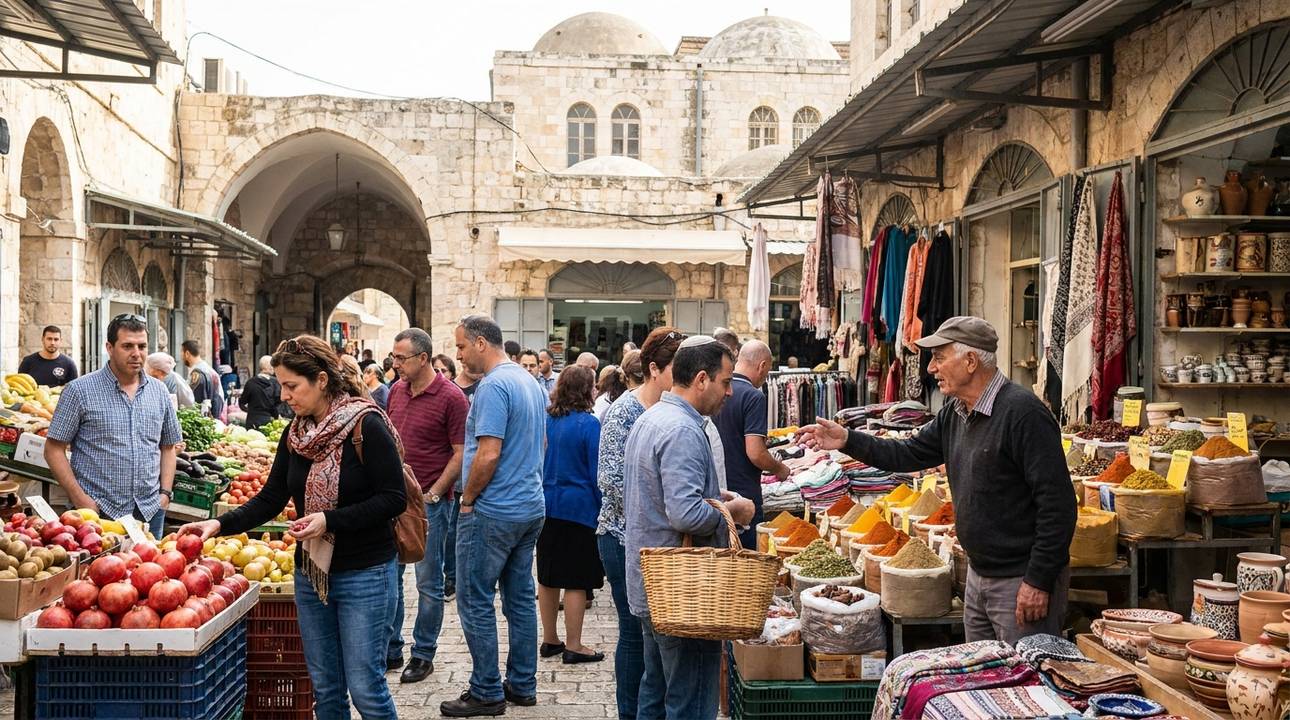
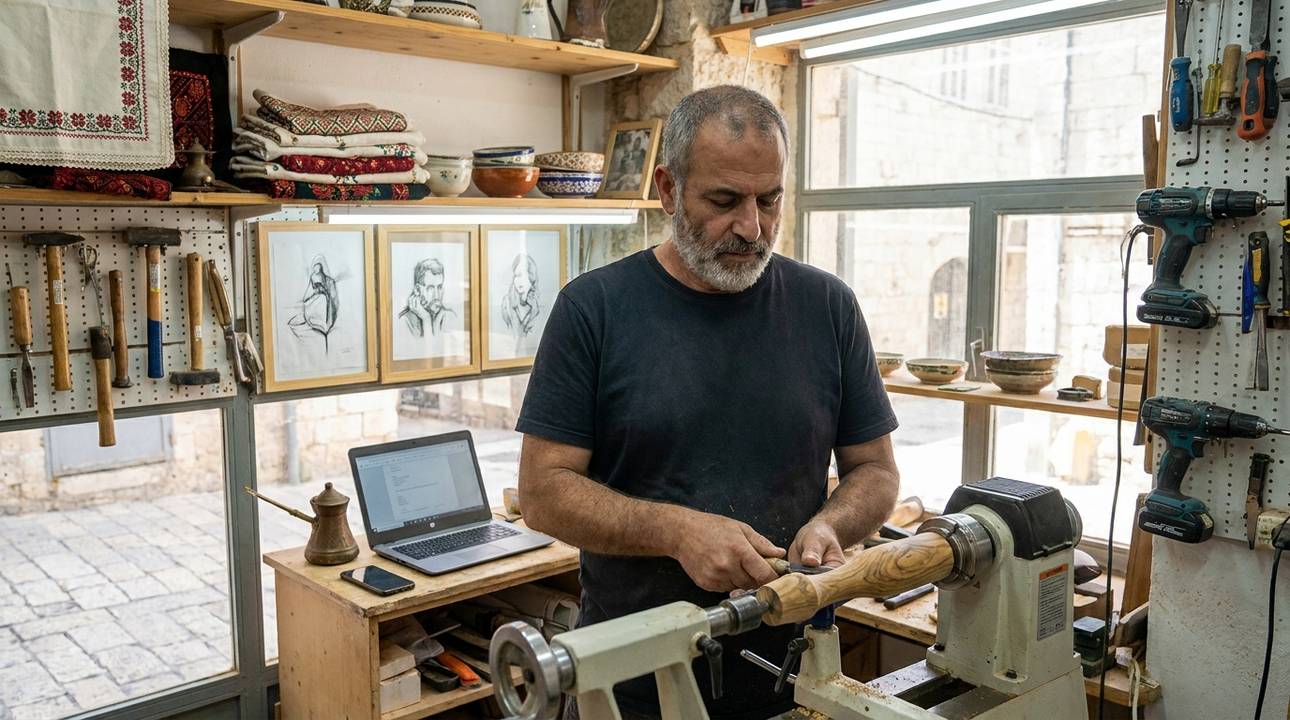
Local shops, cafes, and craft workshops are part of everyday life in Nazareth. The markets stay busy, with traditional food and handmade goods.
These places show how the city keeps its older customs while living a modern life. Old crafts and new design sit side by side.
What Archaeology Shows
Digs in Nazareth have found objects that tell us about its past. They have uncovered building remains from earlier times.
Finds include parts of old homes, storage pits, and farming installations such as presses. These help us understand how people lived here over the centuries.
These finds show that a small community lived here long ago. Pottery and simple tools suggest people settled in Nazareth by about the second century BCE.
The village was small and based on farming. Grinding tools and storage pits point to a community that grew its own food.
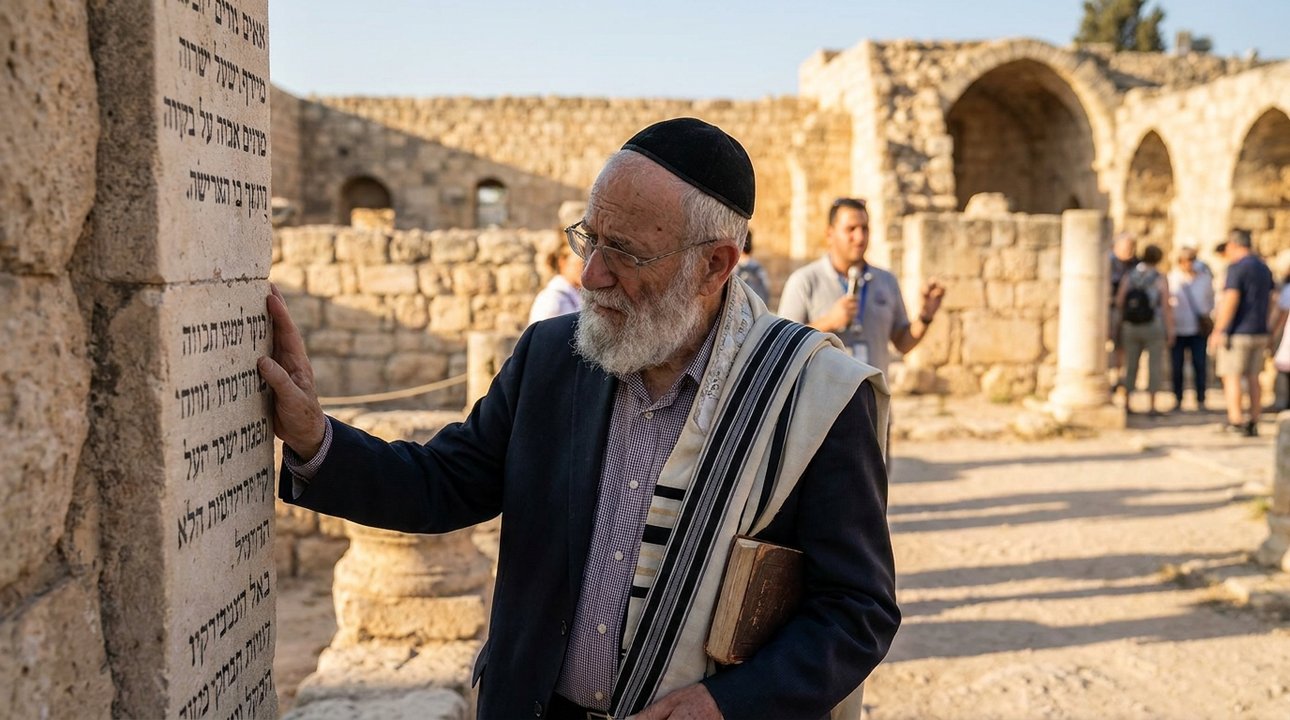
The finds also point to a Jewish community that kept its religious customs. Stone vessels and similar objects suggest the residents followed Jewish purity practices.
This fits the city’s mention in old written records. Together, the evidence shows a settled village with its own religious life.
Nazareth’s Role in Modern Israel
In today’s Israel, Nazareth is known for its mixed community. As the largest Arab city in the country, it plays an important cultural and economic role.
The city blends its history with modern life. Local businesses, markets, and tourism support the economy and help the community grow.
Nazareth keeps its traditions while taking part in modern life. Old landmarks and traditional homes stand next to new buildings and roads.
Schools and cultural centers help pass local customs on to younger people. In this way the city stays connected to both its past and its present.
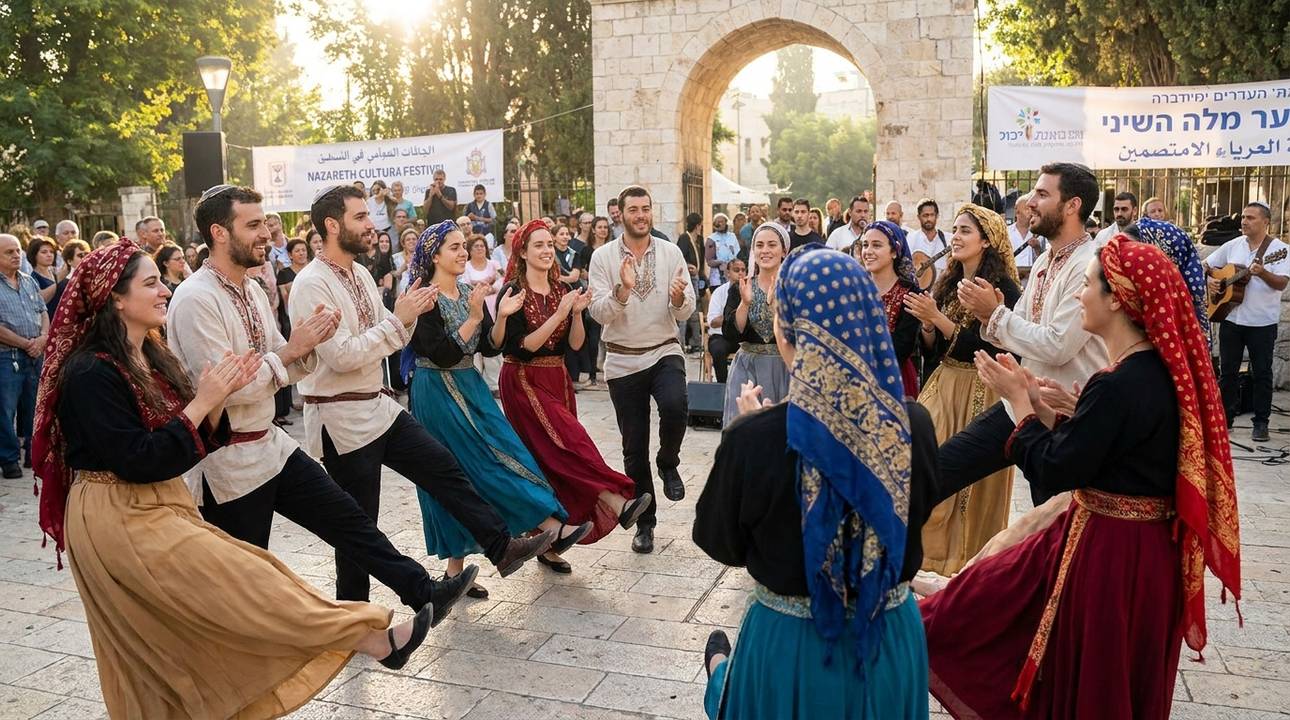
Festivals and public events are a big part of life in Nazareth. They often include traditional music, dance, and food.
These events help residents keep their shared customs alive. They also bring the community together.
The People of Nazareth
Most people in Nazareth are Arab families whose roots in the area go back many generations. Muslim and Christian residents live side by side.
This mix shapes daily life in the city. Local schools and cultural groups run programs that reflect these different traditions.
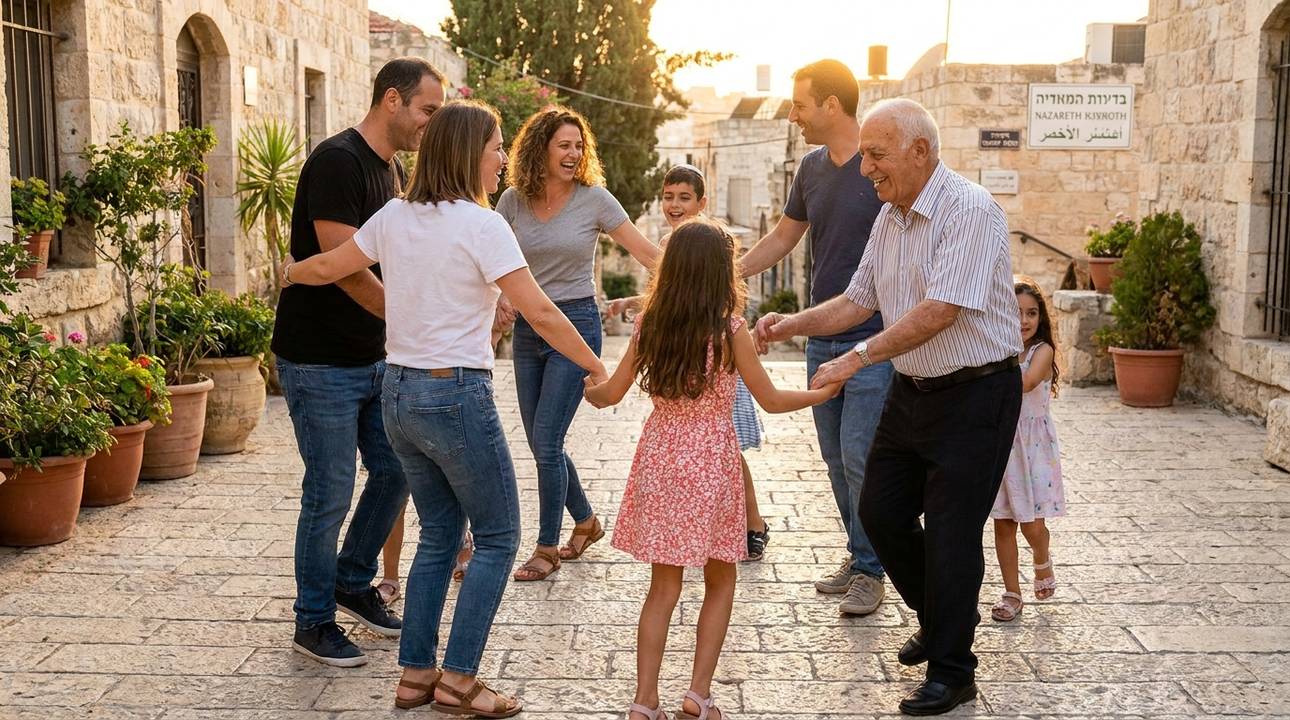
Everyday life in Nazareth centers on family and neighborhood. Markets, cafes, and places of worship are common meeting points.
People from different backgrounds share the same streets and public spaces. This gives the city a strong sense of community.
People in Nazareth are known for their hospitality. Many small, family-run businesses operate in the city.
These shops and trades often pass from one generation to the next. They help keep both the local economy and older crafts alive.
Many Nazareth families have lived in the area for centuries. Their long ties to the land show up in the city’s music, dance, and cooking.
Residents keep their older traditions while taking on new ideas. This balance keeps the city active and changing.
General Information
