Lemon Rosemary Pound Cake Delight
9 March 09:22
294
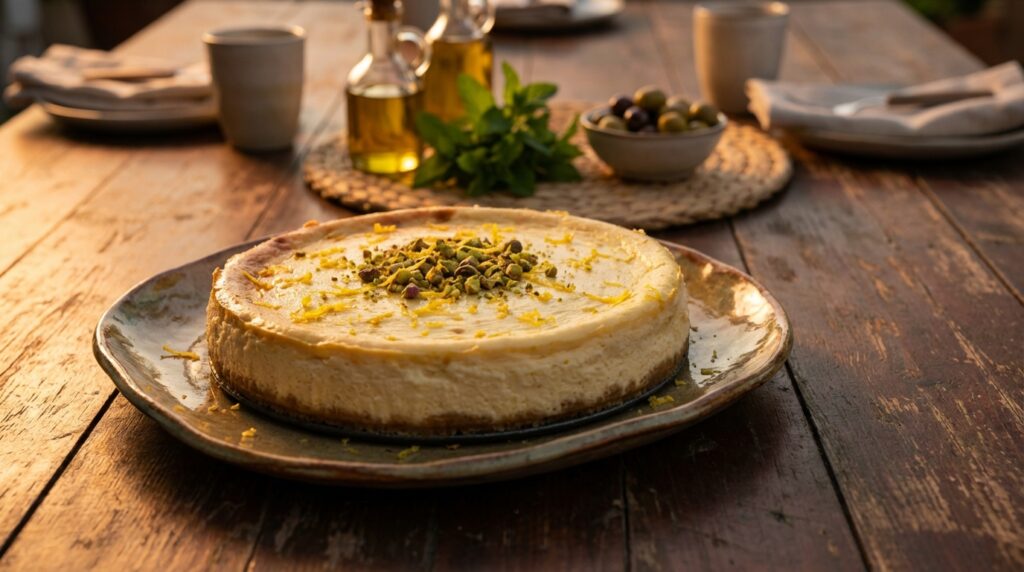

The origins of Israeli cheesecake can be traced back to the diverse culinary influences in Israel. With a blend of Middle Eastern and European traditions, this dessert has become a beloved staple in many Israeli households. Its light and fluffy texture, combined with a subtle sweetness, makes it a perfect treat for any occasion.
Cheesecake in Israel often features ingredients like soft white cheese, which is distinct from the cream cheese used in American versions. This gives the Israeli cheesecake its unique taste and texture. The use of fresh, local ingredients is a hallmark of Israeli cooking, and this dessert is no exception.
Traditionally, Israeli cheesecake is enjoyed during Shavuot, a Jewish holiday that celebrates the harvest and the giving of the Torah. During this time, dairy products are consumed in abundance, and cheesecake is a popular choice. Families gather to share this delicious dessert, creating memories that last a lifetime.
In modern times, Israeli cheesecake has evolved to include various flavors and toppings. From chocolate swirls to fruit compotes, the possibilities are endless. Despite these innovations, the classic version remains a favorite, cherished for its simplicity and authenticity.
The process of making Israeli cheesecake is a labor of love, often passed down through generations. Each family may have its own special twist on the recipe, adding a personal touch to this timeless dessert. Whether enjoyed plain or adorned with toppings, Israeli cheesecake is a testament to the rich culinary heritage of Israel.
For those who have never tasted Israeli cheesecake, it offers a delightful surprise. Its lightness and flavor are unlike any other cheesecake, making it a must-try for dessert lovers. Whether you’re celebrating a special occasion or simply indulging in a sweet treat, Israeli cheesecake is sure to please.
The popularity of Israeli cheesecake has spread beyond Israel’s borders, with many people around the world discovering its delicious taste. It’s a dessert that brings people together, transcending cultural boundaries. Sharing a slice of Israeli cheesecake is like sharing a piece of Israel itself.
In recent years, Israeli cheesecake has gained recognition in international culinary circles. Chefs and food enthusiasts alike have embraced this dessert, appreciating its unique qualities and the cultural story it tells. It’s a dessert that not only satisfies the palate but also connects people to the rich traditions of Israel.
Whether you’re an experienced baker or a novice in the kitchen, making Israeli cheesecake is a rewarding experience. The process is straightforward, yet the result is a dessert that feels special and indulgent. It’s a wonderful way to bring a taste of Israel into your home, creating a connection to a land rich in history and flavor.