
Authentic Bukharian Dish from Israeli Kitchens
19 April 09:03
292
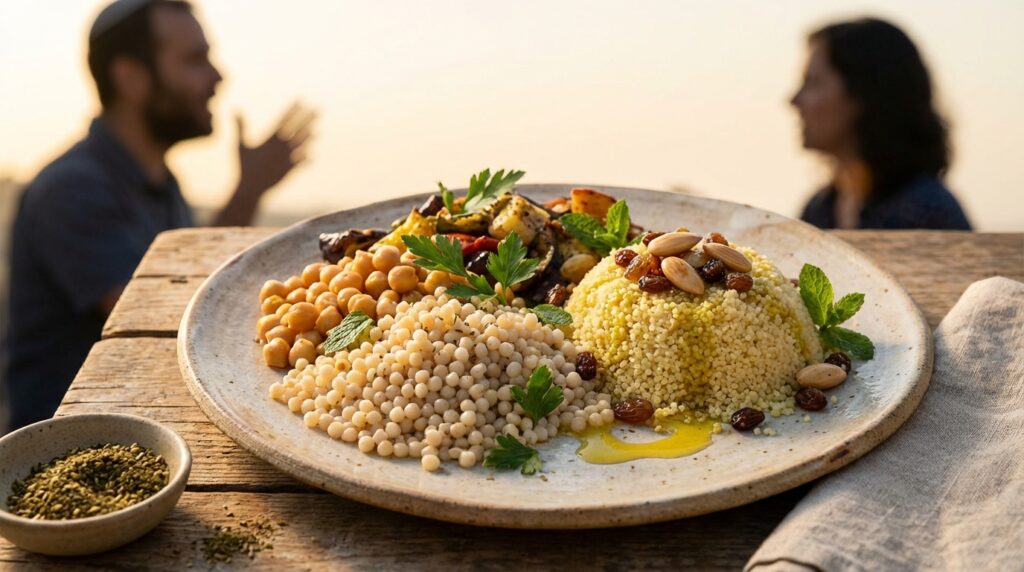

Originating from the Berber people, couscous is a versatile dish that has been adapted by various cultures across the Mediterranean. Its simplicity and ability to absorb flavors make it a favorite in many households.
Israeli couscous, also known as ptitim, was developed in the 1950s as a rice substitute. Its larger pearls and chewy texture offer a unique twist on traditional couscous, making it a popular choice in Israeli cuisine.
Moroccan couscous, on the other hand, is much finer and often steamed to create a light, fluffy texture. It is typically served with rich stews and aromatic spices, reflecting the vibrant culinary traditions of Morocco.
The introduction of couscous to Israel brought about a fusion of flavors, blending Middle Eastern spices with traditional North African methods. This culinary exchange has enriched the Israeli food scene, offering a diverse range of couscous dishes.
In Morocco, couscous is often prepared for special occasions and family gatherings, symbolizing hospitality and community. The dish is usually served in a large communal bowl, encouraging sharing and togetherness.
The adaptability of couscous has allowed it to become a global favorite, with each culture adding its own unique touch. Whether enjoyed as a side dish or a main course, couscous continues to be a beloved staple around the world.
In Israel, couscous is often paired with fresh vegetables and herbs, creating a refreshing and nutritious meal. The use of local ingredients highlights the connection between the land and its people, emphasizing sustainability and tradition.
Moroccan couscous is typically flavored with saffron, cinnamon, and dried fruits, creating a sweet and savory profile that delights the senses. This combination of flavors is a testament to the rich culinary heritage of Morocco.
Both Israeli and Moroccan couscous have transcended their origins, becoming a beloved dish in kitchens worldwide. Their versatility and ability to complement a wide range of flavors make them a staple in many culinary traditions.