
Discovering the Relevance of Heshbon in the Present Day


Heshbon, a city of historical interest, continues to pique curiosity for its cultural role. Situated east of the Jordan River, it served as a crucial location in historical periods. Historically, it was a city that the Israelites conquered from the Amorites. This article explores the historical background, references, and the current understanding of Heshbon today. Its strategic position made it a focal point in the region, influencing trade and military routes.
What Is the History of Heshbon?
Heshbon was a vital Amorite city ruled by King Sihon. Located in present-day Jordan, it served as the capital of Sihon’s kingdom. It played a significant role during the Israelite conquests. Known for its strategic position, Heshbon controlled trade routes in the region. Its name is often linked to wisdom or calculation, highlighting its historic impact. This connection to wisdom is reflected in its influence over regional commerce and politics.
from the Western Wall to Masada.
How Is Heshbon Described in the Bible?
Heshbon is frequently mentioned in historical narratives as a symbol of conquest and transition. It marks a territory conquered by the Israelites from Sihon. This event is also detailed in historical texts, where the Israelites took control of the area and its surrounding villages. This conquest was a pivotal moment in the Israelites’ journey, symbolizing their transition from wanderers to settlers. The story illustrates Heshbon as a place of victory and transformation, reinforcing its importance in history.
The capture of Heshbon is recounted in historical narratives, highlighting its strategic importance and its role in the broader context of Israelite conquests. The capture marked a turning point in their journey. Heshbon’s story serves as a reminder of the challenges and triumphs faced by the Israelites, offering lessons in perseverance for future generations. It symbolizes the determination needed to overcome adversity.
What Can Archaeology Tell Us About Heshbon?
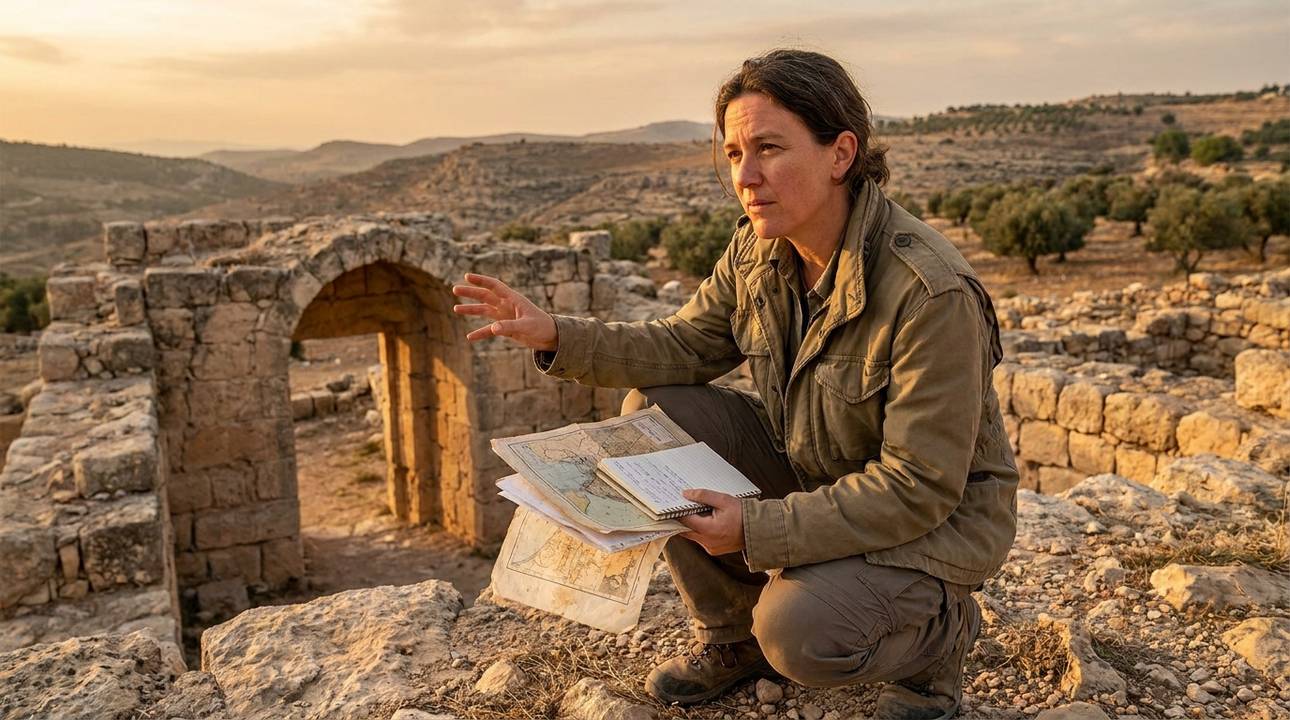
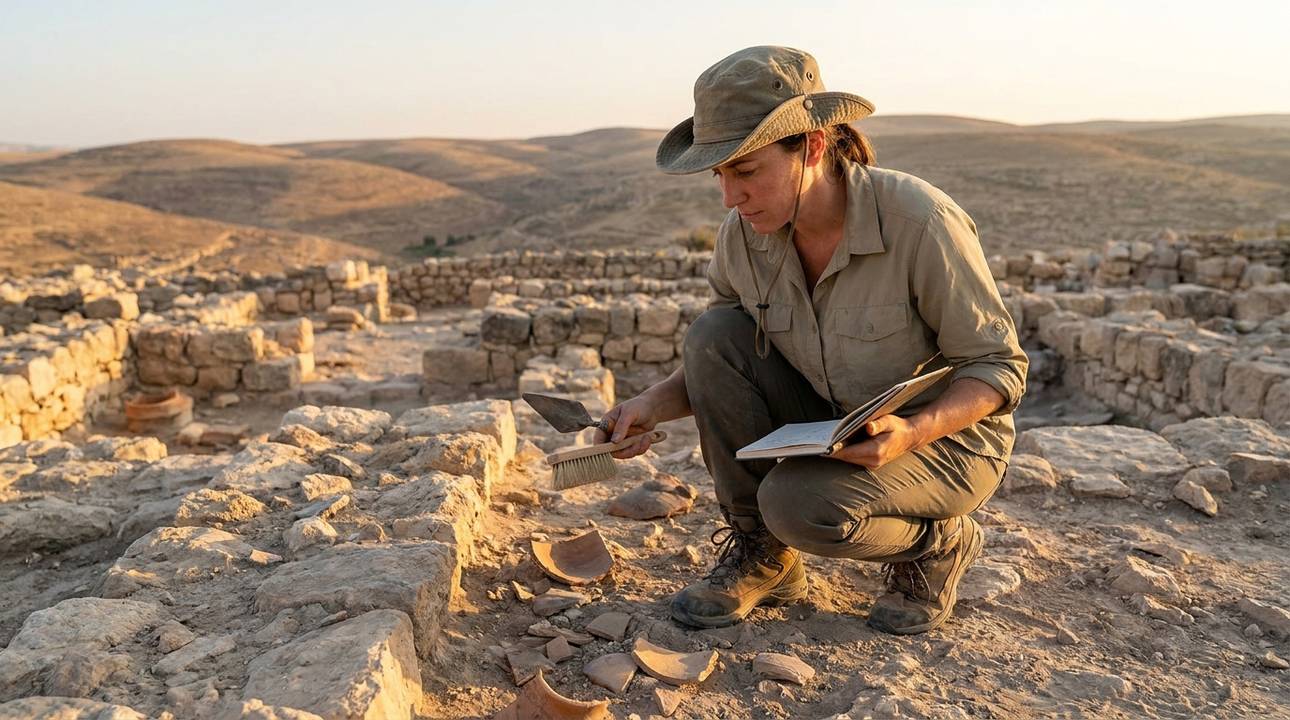
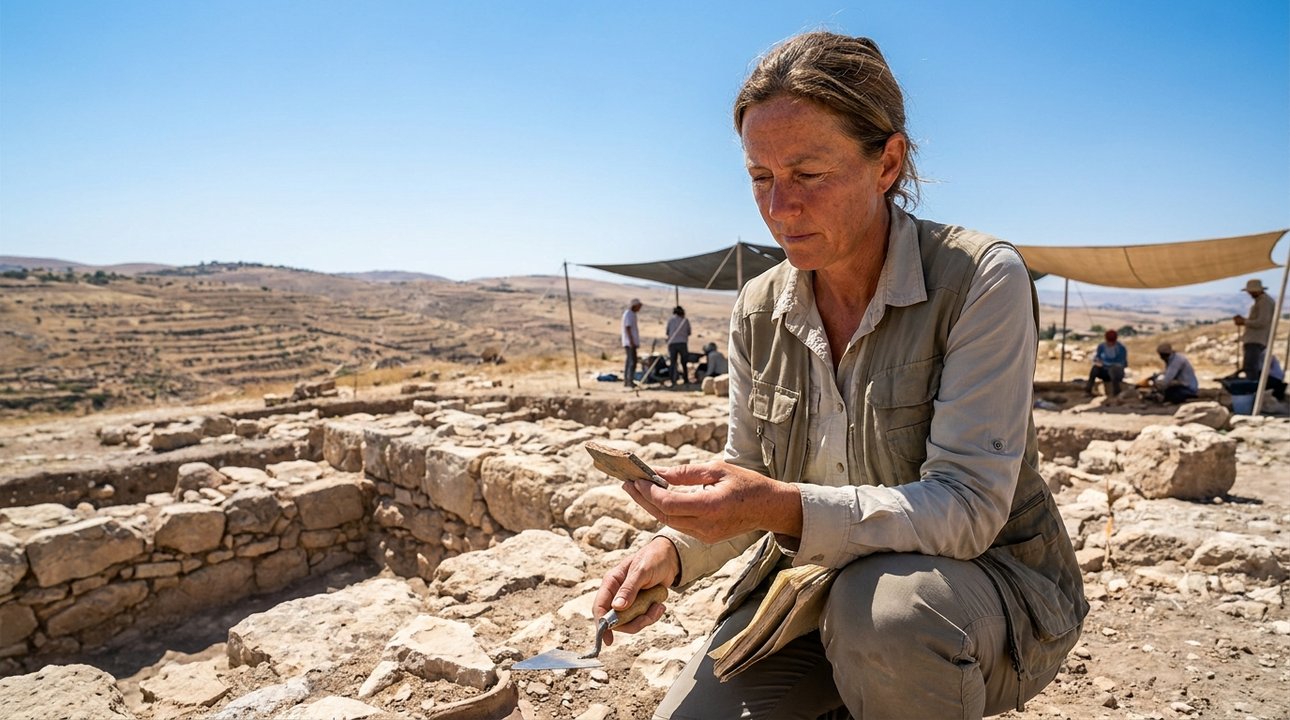
Archaeological excavations at the site of Heshbon have revealed remnants of ancient walls and structures. These findings align with historical descriptions and help confirm its role as a fortified city. Its strategic location was crucial in ancient conflicts. Artifacts such as pottery and inscriptions provide insights into the daily life and culture of its ancient inhabitants, offering a deeper understanding of the diverse influences that shaped Heshbon. This evidence enriches our historical understanding.
The discovery of fortified walls and gate structures at Heshbon supports the historical narrative of it being a stronghold during the time of the Israelites. These structures are consistent with descriptions of it as a conquest. These archaeological findings, including tools and domestic items, paint a picture of its community life. The evidence of trade and craftsmanship found at the site further underscores its history as a center of commerce and cultural exchange.
How Is Heshbon Understood in Modern Times?
Today, Heshbon is recognized for its archaeological and historical value, drawing interest from historians and researchers. As part of modern Jordan, the site is located near the town of Hesban. The area is rich in history, with connections to historical narratives. While it is not a major tourist site, its legacy as a historical city continues to captivate those interested in historical studies. The remnants of its past, such as ruins and inscriptions, provide valuable insights into the lives of its former inhabitants.
Heshbon’s history is underscored by its frequent mention in historical texts, where it is described as a city conquered by the Israelites. This conquest was pivotal in their journey. This history makes it a fascinating subject for scholars and archaeologists alike. Although not widely visited, the site remains a point of interest for those who seek to understand the cultural and historical contexts of events.
Why Does Heshbon Matter for Historical Studies?
Heshbon serves as a key reference point for understanding history, with its mention in texts providing context for Israelite expansion and ancient conflict. It was a significant Amorite stronghold before its capture. Originally ruled by King Sihon, whose defeat by the Israelites marked a significant moment in their journey. For scholars and enthusiasts, studying Heshbon enriches our comprehension of the ancient world.
from the Western Wall to Masada.
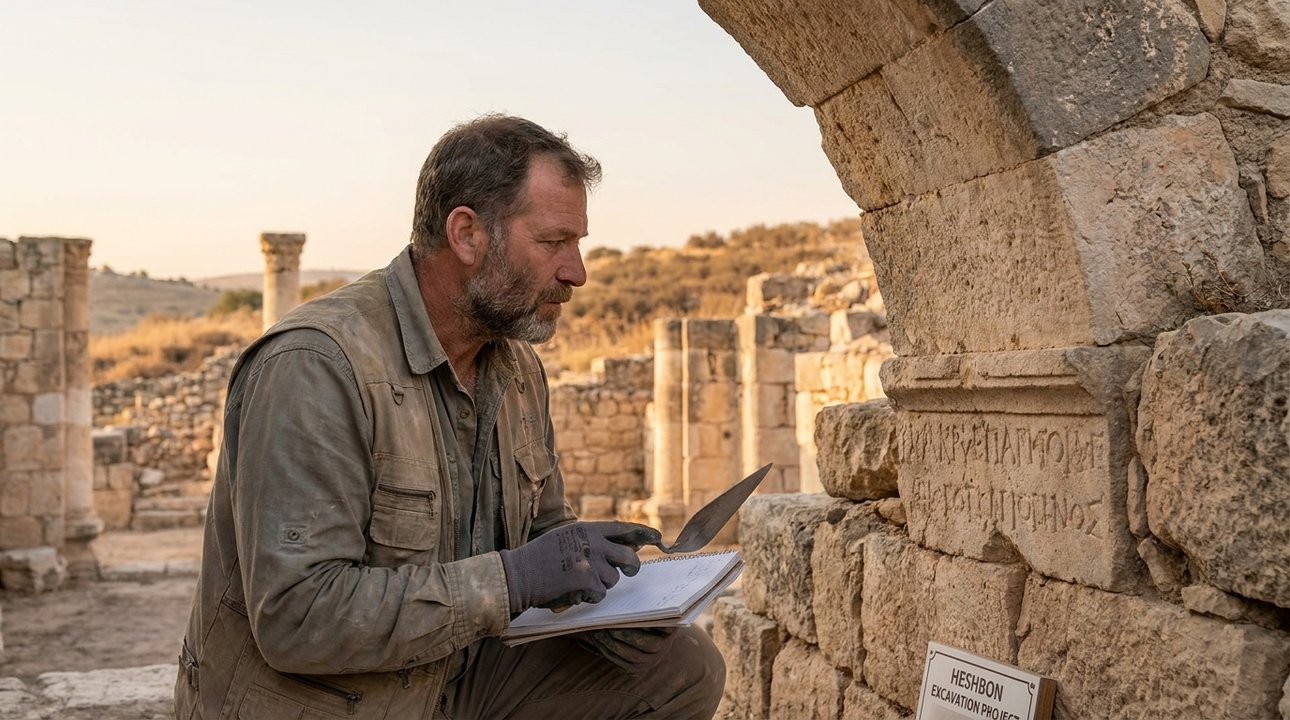
The archaeological evidence found in Heshbon, such as remnants of fortifications and inscriptions, aligns with historical accounts, offering a tangible connection to the stories described in historical texts. Excavations have uncovered pottery and tools that date back to the Iron Age. This connection enhances our understanding of the historical and cultural dynamics of the region, providing a deeper appreciation for the events that shaped the narrative of the Israelites.
The Role of Heshbon in Jewish Historical Memory
Throughout history, Heshbon has maintained its relevance in memory, with its mentions and archaeological finds bolstering its position as a reminder of past achievements. Often cited in historical and educational contexts, Heshbon preserves its legacy within cultural heritage and education. Its story is a sign of the enduring impact of ancient cities on contemporary understanding of history and identity.
Heshbon’s significance is further emphasized by its mention in prophetic texts, where it is listed among the cities of Moab that would face judgment. This prophecy highlights its role in the region’s history. Other texts also refer to Heshbon, indicating its strategic importance and the impact of its downfall. These references highlight its continued presence in the shared history of the people, serving as a symbol of both historical events and lessons. The preservation of Heshbon’s legacy ensures that its story remains a vital part of heritage.
Heshbon’s Contribution to Regional Trade
Heshbon’s geographical location, situated near the King’s Highway, made it a significant player in regional trade networks. This ancient trade route was crucial for commerce, linking Egypt to Mesopotamia. Its strategic location allowed control over the flow of goods and influence on regional trade. This control facilitated interaction between various ancient cultures, including the Moabites and Israelites. Heshbon’s role in commerce added to its wealth and influence, making it a focal point in historical economic studies and archaeological research.
Heshbon’s strategic position allowed it to thrive as a hub for exchanging goods such as spices, textiles, and metals. This economic prosperity is evident in the archaeological findings, which include coins and trade goods from distant regions. Located near the King’s Highway, a major trade route, facilitated this exchange. Such discoveries highlight its importance in the ancient world, offering insights into the interconnectedness of different civilizations. Heshbon’s economic legacy continues to be a subject of interest for historians exploring ancient trade dynamics.
Conclusion: Heshbon’s Historical Significance
In summary, Heshbon stands as a testament to its past and importance. From its historical roots to modern archaeological finds, it offers insights into ancient societies. Exploring Heshbon allows us to deepen our understanding of both history and narratives, shedding light on a city that once held sway in the region. Its story connects the ancient world and contemporary historical studies.
Understanding Heshbon's Legacy
