
Exploring Ammon’s Place in the Bible


Ammon, a historical region, played a significant role in regional history. Situated east of the Jordan River, it was often in conflict with the Israelites.
This article delves into Ammon’s geographical and historical context, exploring its mentions in historical texts and cultural impact. The region’s location in present-day Jordan made it a key player in regional politics, often interacting with neighboring powers like Moab and Edom.
Ammon’s role in history is highlighted in stories such as the conflict with Saul and the siege of Rabbah. These accounts not only depict military engagements but also show the intricate relationships between Ammon and Israel. The cultural exchanges and conflicts between these nations are a sign of the mix of the ancient Near East.
from the Western Wall to Masada.
Where Was Ammon Located?
Ammon was located in the region currently known as Jordan, specifically the modern city of Amman. This area was east of the Jordan River and north of Moab. The capital city, Rabbah, was an important location mentioned several times in historical texts.
This city served as a significant hub for the Ammonite people and was strategically positioned on trade routes. Under the Greeks, Rabbah was renamed Philadelphia. Its historical position made it a key player in interactions and conflicts with neighboring nations, including Israel.
Understanding Ammon’s geographical context helps explain its frequent appearances in narratives of conflict and diplomacy.
Who Were the Ammonites?
The Ammonites were a Semitic people closely related to the Israelites and Moabites. According to ancient texts, they were descendants of Ben-Ammi, a son of Lot. This lineage connected them with the broader narratives surrounding the peoples of the region.
Often depicted as antagonists to Israel, they also shared cultural and familial ties. Their interactions oscillated between conflict and cooperation, frequently portrayed in accounts of battles and treaties.
Ammonite culture was rich with influences from neighboring civilizations. They worshiped gods like Milcom and Molech, and their society was known for its fortified cities and trade prowess.
Milcom was one of their deities, and interactions with foreign gods often brought them into conflict with Israel.
Their society’s fortified cities, such as Rabbah (modern-day Amman), were crucial for defense and trade. The city of Rabbah is noted for its capture after a prolonged siege.
Ammon’s trade routes connected them to major civilizations, enhancing their economic influence. These cultural aspects contributed to the complex dynamics seen in historical stories involving Ammon.
Mentions of Ammon in Ancient Texts
Throughout ancient texts, Ammon is mentioned in various contexts. One notable story involves the war between David and the Ammonites, sparked by the insult to David’s messengers. This event led to a significant military campaign and underscored the tension between the two kingdoms.
The prophets also referenced Ammon, particularly highlighting its judgment and eventual downfall. Jeremiah offered prophetic words against Ammon, emphasizing the moral and cultural dimensions of their narratives.
These mentions contribute to understanding the historical landscape where Ammon played both antagonist and participant in the unfolding narrative.
Ammon’s Archaeological Significance
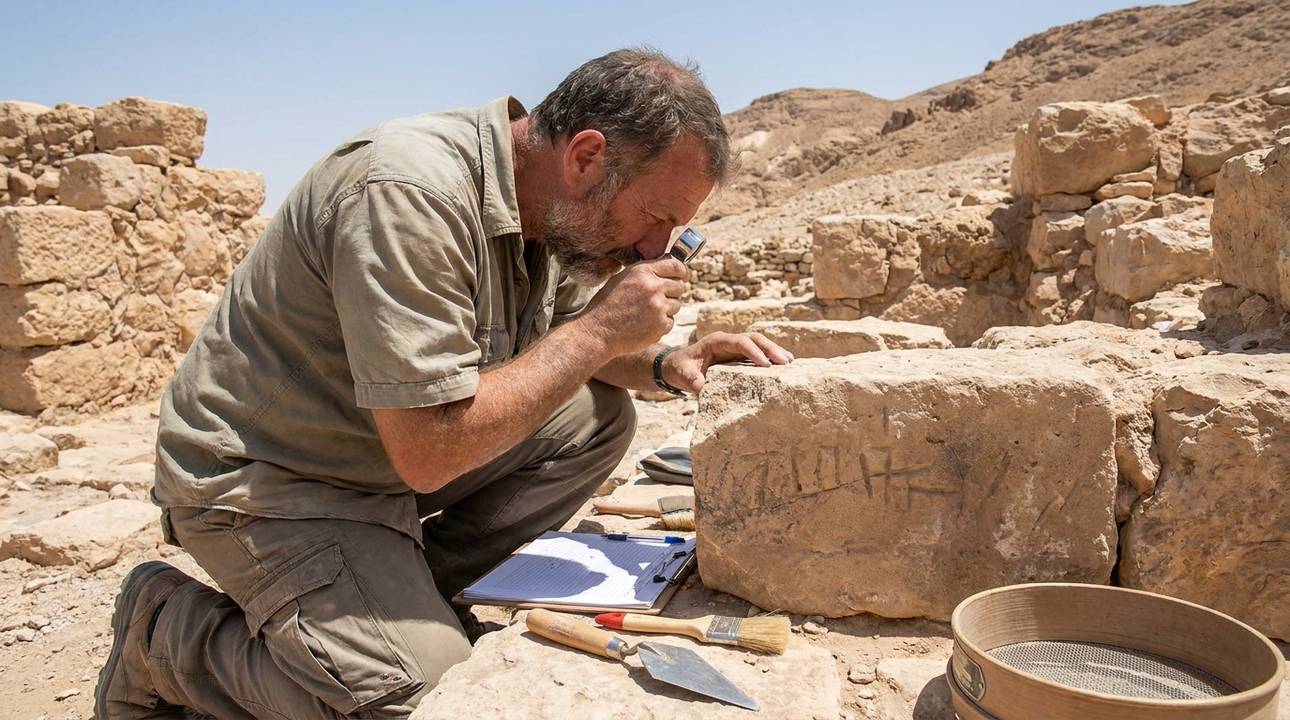
Archaeological findings in Amman and its surrounding areas provide insight into the Ammonites’ lifestyle and history. Excavations have revealed fortified walls, temples, and inscriptions, shedding light on their societal structure and cultural influences.
Such discoveries align with historical accounts, cross-referencing the archaeological evidence with textual descriptions. The city of Rabbah, for instance, shows signs of formidable defenses and residential areas consistent with its historical depiction.
These findings enrich our understanding of the ancient world, illustrating the interconnectedness of historical studies. They also highlight the importance of Ammon as a noteworthy entity in the ancient Near East.
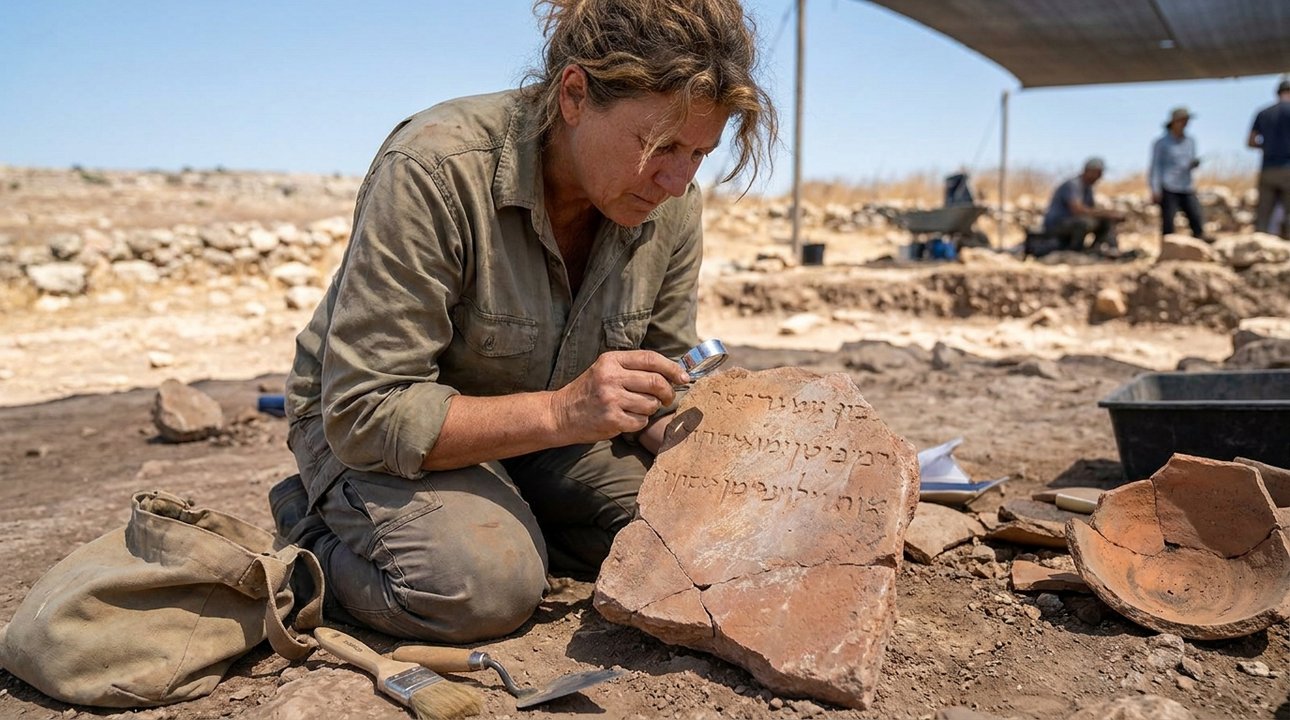
Archaeology continues to aid in reconstructing Ammon’s past, offering tangible connections to its historical narrative. Excavations at sites like Tall al-Umayri have uncovered artifacts that shed light on Ammonite culture and society.
The discovery of Ammonite inscriptions and pottery provides valuable insights into their language and daily life. These archaeological findings bridge the gap between ancient texts and historical reality, enhancing our understanding of Ammon’s role and influence. The study of these artifacts continues to reveal the culture of the ancient Near East.
Ammon in the Historical Context
Historically, Ammon was a small but influential kingdom. It was strategically positioned on trade routes that connected the Fertile Crescent to Arabia.
This location facilitated interactions with larger empires such as Assyria and Babylon. Ammon’s ability to negotiate with these powers often dictated its survival and dominion in the region. The kingdom’s strategic location made it a crossroads for commerce and culture.
Ammon’s interactions with powerful neighbors are documented in both historical and extrabiblical sources.
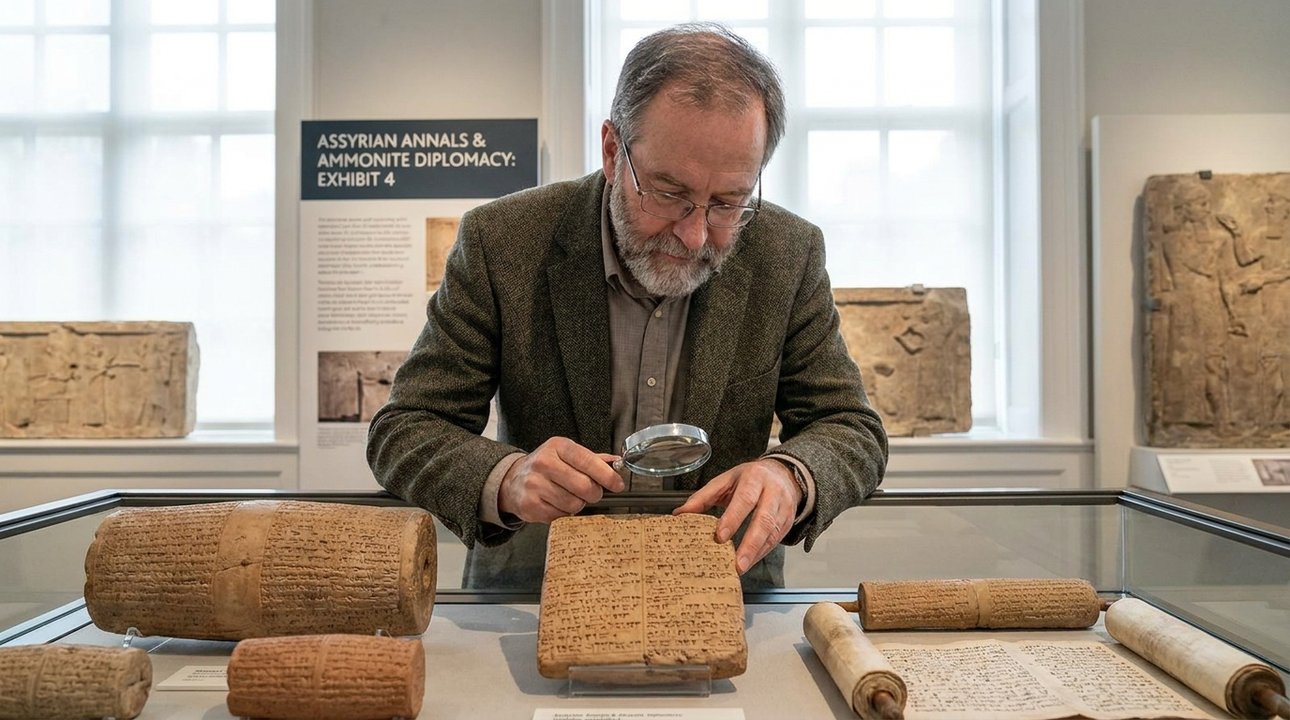
For example, the Assyrian King Tiglath-Pileser III mentions Ammon in his annals, highlighting its role as a tributary state. These historical records provide a glimpse into Ammon’s diplomatic strategies and its significance in the ancient Near Eastern political landscape.
from the Western Wall to Masada.
Throughout centuries, Ammon’s legacy lived on, influencing the cultural and political landscapes of the Near East. Its history complements ancient accounts, adding depth to the understanding of regional dynamics.
As a kingdom, Ammon exemplified adaptability, ensuring its presence in both history and texts. They maintained their identity through various periods of conquest and influence, from the Assyrians to the Babylonians.
The Ammonites’ ability to navigate the shifting political landscape is evident in their alliances and conflicts.
During the time of the Assyrian Empire, for instance, Ammon managed to retain a degree of autonomy by paying tribute, as recorded in Assyrian annals. This adaptability ensured their survival and influence in the region, despite the rise and fall of surrounding empires.
Ammon’s Legacy in Modern Times
Today, the legacy of Ammon is part of the historical mix of Jordan. The modern city of Amman carries traces of its ancient past, serving as a bridge between eras. While Ammon itself no longer exists as a kingdom, its story continues in archaeological remnants and historical reflections. These elements combine to form a narrative that endures through time, connecting the past with the present.
Amman’s archaeological sites, such as the Citadel and Roman Theater, offer glimpses into the city’s layered history. These sites attract visitors interested in exploring the historical background of this city. The preservation of Ammon’s heritage in modern Amman highlights the legacy of this historical region, bridging the gap between history and modernity.
For those interested in historical studies, Ammon provides a compelling study of power and human connection. Its presence in historical texts offers a window into the complexities of ancient peoples and their beliefs.
Frequently mentioned in historical texts, the Ammonites, descendants of Lot, often clashed with Israel, reflecting the turbulent relationships of the time.
The story of Jephthah highlights the conflict between Israel and Ammon, where Jephthah becomes a leader to defend Israel against Ammonite aggression. This narrative illustrates the themes of leadership and intervention.
In historical accounts, Saul’s victory over them marks a significant moment in Israel’s early monarchy. These stories provide insight into the socio-political dynamics of the era.
Conclusion: the Importance of Ammon
Ammon’s story as depicted in ancient texts reveals intricate layers of history. Its geographical importance and cultural interactions make it a vital subject for study. Understanding Ammon provides insights into the broader historical narrative and the mingled destinies of ancient peoples. By supporting Lev Haolam, you help sustain the small family businesses of the region, connecting the past with a present.
The accounts of Ammon, such as the conflicts with Israel, highlight the kingdom’s role in shaping regional history. These stories, along with archaeological discoveries, offer a comprehensive view of Ammon’s influence and legacy. Supporting local businesses through Lev Haolam helps preserve this heritage, fostering a deeper connection to the land and its history.
About Ammon in the Bible
