
Exploring the Significance of Territories ‘Beyond the River’ in the Bible


Texts use the term ‘beyond the river’ to describe regions east of the Euphrates, a significant boundary in history. These areas included parts of Mesopotamia, where empires like Babylon and Assyria thrived.
These territories played pivotal roles in the narratives and interactions described in historical texts. The Assyrian conquest of Israel, for example, illustrates the geopolitical significance of these regions.
Let’s explore the historical and cultural relevance of these areas.
What Does ‘Beyond the River’ Mean in the Bible?
The phrase ‘beyond the river’ often refers to areas across the Euphrates River. In historical contexts, it indicates lands situated in Mesopotamia and surrounding regions.
For ancient peoples, this river marked a boundary between the known and the unknown world. The perspective viewed these territories as foreign yet significant realms, as seen in stories of exile and return.
from the Western Wall to Masada.
Authors often used this term to describe regions involving military campaigns or diplomatic interactions. This illustrates the political reach and influence of Israel during the time, highlighting the kingdom’s prosperity and stability. The control over these territories allowed for increased trade and cultural exchange.
The expression encapsulates both political and cultural narratives of the time. It reflects the complex relationships between Israel and neighboring states, as seen in the alliances and conflicts documented in historical texts.
These dynamics are crucial for understanding the historical context of stories. The alliance between King Ahab of Israel and King Ben-Hadad of Aram, for instance, demonstrates the intricate political maneuvers of the era.

Geographical Context of ‘Beyond the River’
Geographically, the Euphrates River flows through present-day Turkey, Syria, and Iraq. This mighty river was a lifeline for civilizations and a natural border in historical times. The land beyond was often fertile, marked by thriving cities and diverse cultures.
The river served as both a barrier and a bridge for peoples interacting across its waters.
Trade routes along the Euphrates connected economies from Egypt to the Far East. This connection fostered cultural exchange and the spread of ideas, impacting historical narratives. The route allowed for the movement of goods like spices and textiles, which were highly valued in ancient markets.
The significance of these regions thus encompasses more than physical reach-it signifies cultural intersections, as seen in the diverse influences on culture and society.
Historical References to ‘Beyond the River’
In historical accounts, exiles returning from Babylon faced challenges in these regions. This area symbolized the transition from captivity to freedom, a crucial theme in history.
Leaders referred to these areas to denote places of exile, conquest, and intervention, emphasizing the importance of perseverance and determination.
Mentions of ‘people beyond the river’ posing resistance to rebuilding efforts reflect the political dynamics and challenges faced during the Persian period.
The phrase summarized complex historical and social landscapes, illustrating the tensions between local populations and returning exiles. These interactions highlight the difficulties of reintegration and the quest for stability.
The rebuilding of the Temple in Jerusalem faced opposition from various groups. These adversaries included Samaritans and other local inhabitants who felt threatened by the returnees.
Such historical accounts highlight the intricate social fabric and the persistent struggle for identity and autonomy. The tensions between different communities underscore the challenges of re-establishing a unified cultural center.

The Cultural Impact of ‘Beyond the River’
Cultures across the Euphrates significantly influenced society, transferring knowledge and customs. The Assyrian Empire, for instance, impacted Israel through military campaigns and cultural exchanges.
These exchanges included art, technology, and ideas, enriching the historical world. The introduction of new agricultural techniques and artistic styles can be traced back to these interactions.
Caravans crossing the river bore goods and ideologies that shaped ancient societies.
This cultural interchange is evident in historical prophecies and wisdom literature. These influences shaped the religious and cultural landscape, contributing to its mix of traditions. The incorporation of foreign motifs in art and architecture illustrates the blending of cultural elements.
The phrase symbolizes a gateway for diverse influences impacting society. Interactions with neighboring empires brought new ideas and challenges, as recorded in historical texts.
These exchanges are vital for understanding the development of thought and identity over time. The influence of Babylonian and Persian cultures, for instance, is evident in the post-exilic period, shaping practices and societal norms.

Significance in Modern Understanding
Today, the concept in historical contexts represents exploration and curiosity. It encourages understanding ancient geography and its role in shaping history.
This boundary represented both a physical and symbolic frontier.
Modern archaeological discoveries offer insights into these ancient lands and their roles. Findings in regions like Anatolia, known for the Hittite Empire, and the Levant, home to ancient cities, provide context for historical events and narratives.
These discoveries enrich our appreciation of history’s historical and cultural dimensions. The excavation of Ugarit, for instance, has unveiled texts that parallel ancient poetry, enhancing our understanding of literary traditions.
from the Western Wall to Masada.
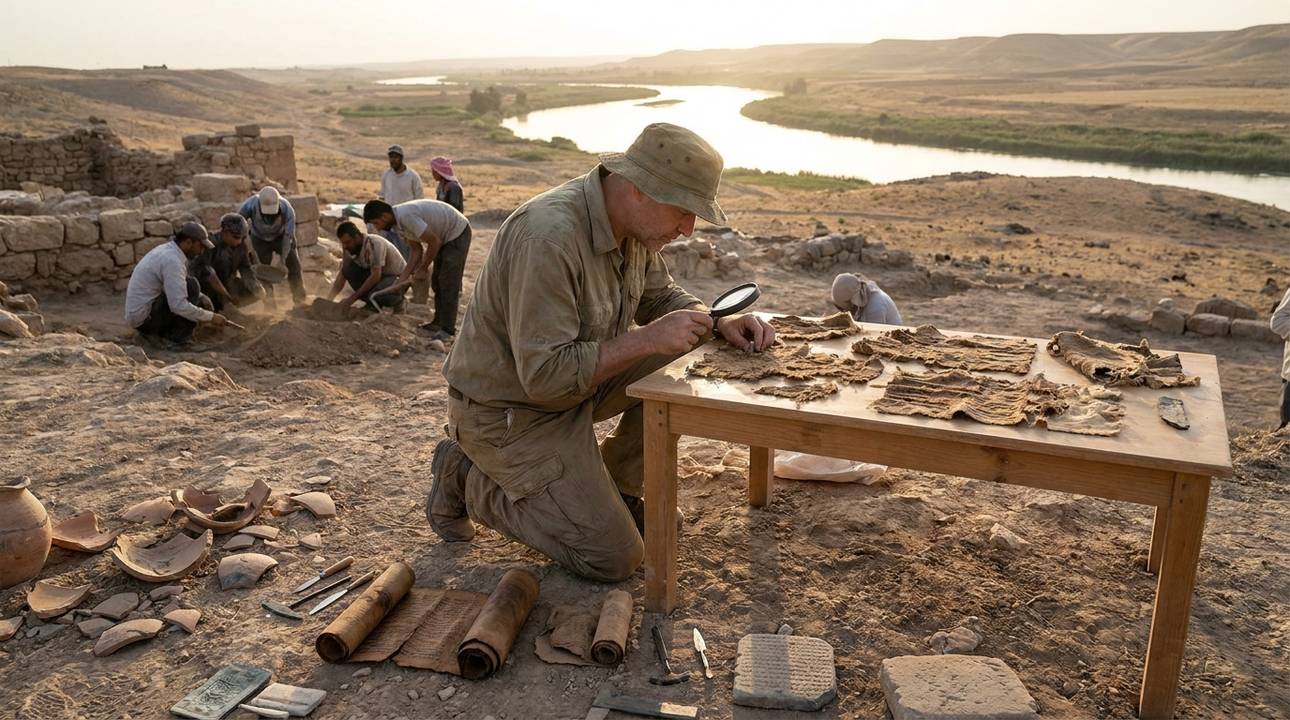
Excavations in Mesopotamia reveal the extent of its historical and cultural layers. Artifacts from cities like Ur and Babylon provide context for historical narratives.
Such findings enhance understanding of events and their real-world settings, offering tangible connections to ancient texts. The discovery of ziggurats and other structures sheds light on the architectural and religious practices of the time.
The discovery of cuneiform tablets in these regions has shed light on trade and diplomacy in history. These records, including the Amarna Letters, detail interactions between Mesopotamian and Levantine rulers. The phrase is still remembered by scholars and enthusiasts exploring ancient texts, deepening our grasp of historical contexts. The tablets provide insights into the political alliances and conflicts that shaped the region’s history.

The Role of ‘Beyond the River’ in Jewish Tradition
In tradition, the phrase represents distant lands and the promise of return.
In historical texts, it often refers to areas across the Euphrates, a significant boundary in history.
This theme resonates deeply in liturgical prayers and cultural memory, reminding people of their historical journeys and collective perseverance.
In the context of exile, the phrase evokes the Babylonian captivity, a pivotal event in Jewish history. The longing for return is a central theme in Psalms, such as Psalm 137:1, where the Israelites mourn by the rivers of Babylon. This enduring hope for return is reflected in many Jewish prayers and rituals.
In the Haggadah, the mention of ancient journeys highlights perseverance.
The story of the Exodus, where Israelites crossed the Red Sea, is a key narrative illustrating liberation and guidance.
Such references connect the past with modern experiences, serving as reminders of the enduring connection to heritage and homeland.
During the retelling of the journey from slavery to freedom reinforces the importance of memory and identity. The Haggadah emphasizes themes like hope, which are central to life. These stories, deeply embedded in tradition, connect communities to their ancestral roots. The narrative of the Exodus serves as a powerful reminder of liberation and intervention.
Conclusion: Why ‘Beyond the River’ Matters
The term is more than just a geographical phrase. It encapsulates themes of discovery, interaction, and perseverance in narratives. The journeys of the patriarchs often involved crossing significant rivers, marking transitions and new beginnings.
These crossings symbolized pivotal moments in their lives, representing both physical and spiritual transformations.
Understanding its significance provides a richer context for exploring historical texts. The phrase also symbolizes the challenges and opportunities faced by ancient peoples as they navigated new territories.
This multifaceted concept invites readers to delve deeper into the stories and lessons of history. By examining the interactions and transitions marked by these regions, we gain insights into the adaptability of ancient societies.
Today, exploring these regions reveals insights into the complexities of ancient societies. Archaeological sites like Nineveh and Babylon offer glimpses into the lives of people who once lived in these areas.
The concept remains relevant for those seeking to deepen their knowledge of history. The ruins of Babylon, with its famous Ishtar Gate, provide tangible connections to stories like the Babylonian exile.
The phrase is still remembered and illuminates the path for scholars. It appears in various contexts, where it denotes regions of opposition to rebuilding efforts. Modern research and discoveries help reconstruct the historical contexts of narratives. Excavations in Mesopotamia, for instance, have revealed artifacts that provide insights into the cultural and political landscapes of the time. These efforts contribute to a broader understanding of the ancient world and its legacy.
Understanding the Term
