
Understanding Baal Hermon in the Historical Context


Baal Hermon is an intriguing reference in historical texts, associated with ancient worship and geography. Known as a location near Mount Hermon, it offers insights into historical religious practices.
By exploring its mentions and potential significance, we can glean a deeper understanding of its role in historical narratives. This site is listed among the lands left to test Israel, highlighting its importance in the cultural and spiritual challenges faced by the Israelites.
The role of Baal Hermon in historical narratives is further emphasized in its association with Mount Hermon, one of the highest points in the region. This connection underscores its strategic importance in ancient geopolitics.
Its mention as a landmark in the conquests led by the Israelites highlights its significance in defining territorial boundaries. Such references provide valuable insights into the historical and cultural landscape of the time.
from the Western Wall to Masada.

What Is Baal Hermon in the Bible?
Baal Hermon is mentioned as an important location in the northern regions. It is associated with Mount Hermon, described as one of the highest points in the area. This connection with the mountain reveals its historical and strategic significance.
In historical geography, it denotes a boundary point, highlighting its role in territorial descriptions. It is referenced as a landmark in the conquests led by the Israelites, marking the extent of their territory.
The significance of Baal Hermon is further emphasized in the context of the Israelite conquest of the region. It is listed among the regions conquered by the Israelites under leadership. This reinforces its role as a critical boundary marker.
Additionally, it appears in the context of tribal allocations, where it is mentioned as part of the land allotted to the half-tribe of Manasseh. This allocation underscores its importance in defining tribal territories.
The site is linked to ancient worship practices, reflecting the broader influence of the deity Baal in the region. Baal was often worshiped through various local variants, underlining a complex religious tapestry.
The term may indicate a specific cultic site dedicated to Baal, integrating it into regional spiritual life. This is evident in the historical context, where Baal is frequently associated with fertility and weather, as seen in various regional practices.
Baal Hermon’s association with ancient worship practices highlights its role as a focal point for religious activities. The worship of Baal, a prominent regional deity, was often conducted at high places like this.
Such sites were integral to the religious landscape, serving as centers for rituals and ceremonies. Its significance in this context underscores the complex interplay between different religious traditions in the region, as seen in various historical accounts.

Where Was Baal Hermon Located?
Baal Hermon is located in the vicinity of Mount Hermon, one of the prominent peaks in the region. This places it near the borders of present-day Lebanon and Syria, making it a strategic location historically.
In antiquity, it marked a significant boundary and was part of the lands discussed in territorial divisions, where it is noted as a landmark in the conquest narratives. These narratives highlight the strategic importance of controlling such key locations.
Mount Hermon itself is notable, often mentioned as a landmark in historical texts, where it is referred to as a boundary of the land taken by the Israelites. The proximity of Baal Hermon to this mountain underscores its importance in ancient geopolitics and religious practices.
It served as a northern marker, delineating the extent of lands described in various accounts, including the division of territories among the tribes of Israel.
The strategic significance of Mount Hermon is further highlighted in the context of Israel’s military campaigns. The capture of the region is described as part of the Israelites’ conquest of the Amorite kings.
This conquest underscores the importance of Mount Hermon and its surrounding areas as key territories in historical narratives. The association with this region emphasizes its role in the broader geopolitical landscape of the time.
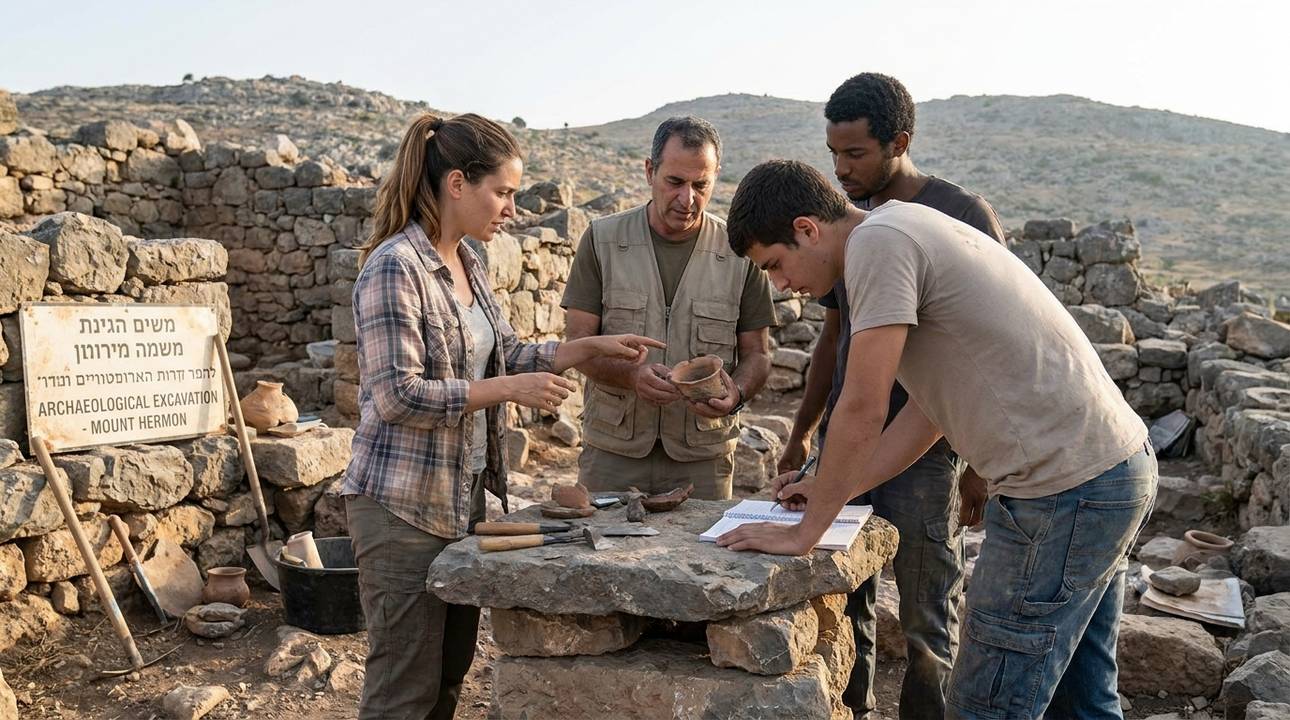
Baal Hermon and Religious Significance
The mention of Baal Hermon ties it to the worship of Baal, a prevalent deity in the region. Baal was a prominent figure representing fertility and weather, often worshipped on high places like Mount Hermon.
The name suggests a localized form of this worship, specific to the region around Mount Hermon, where the Israelites lived among the Canaanites and their gods. This coexistence often led to cultural and religious exchanges.
The worship of Baal at sites like this reflects the broader religious dynamics of the region. The Israelites’ interactions with the Canaanites highlight the challenges of maintaining their faith amidst foreign influences.
This coexistence often resulted in cultural exchanges, as seen in the adoption of certain practices by the Israelites. Its significance in this context underscores the complexities of religious identity in the ancient world.
The influence of Baal is often depicted in opposition to the worship of the Hebrew God. This tension underscores the cultural and religious dynamics of the time, where Elijah challenges the prophets of Baal.
Baal Hermon serves as a geographical symbol of this broader religious competition, capturing the interplay between different belief systems and the challenges faced by the Israelites in maintaining their faith. Such narratives highlight the ongoing struggle for religious purity.
The story of Elijah’s confrontation with the prophets of Baal on Mount Carmel serves as a powerful illustration of the religious conflicts of the time. As a site associated with Baal worship, it embodies these tensions.
The Israelites’ efforts to resist the influence of Baal worship highlight their commitment to their faith. This struggle is a central theme in historical narratives, reflecting the broader challenges faced by the Israelites in maintaining their religious identity.
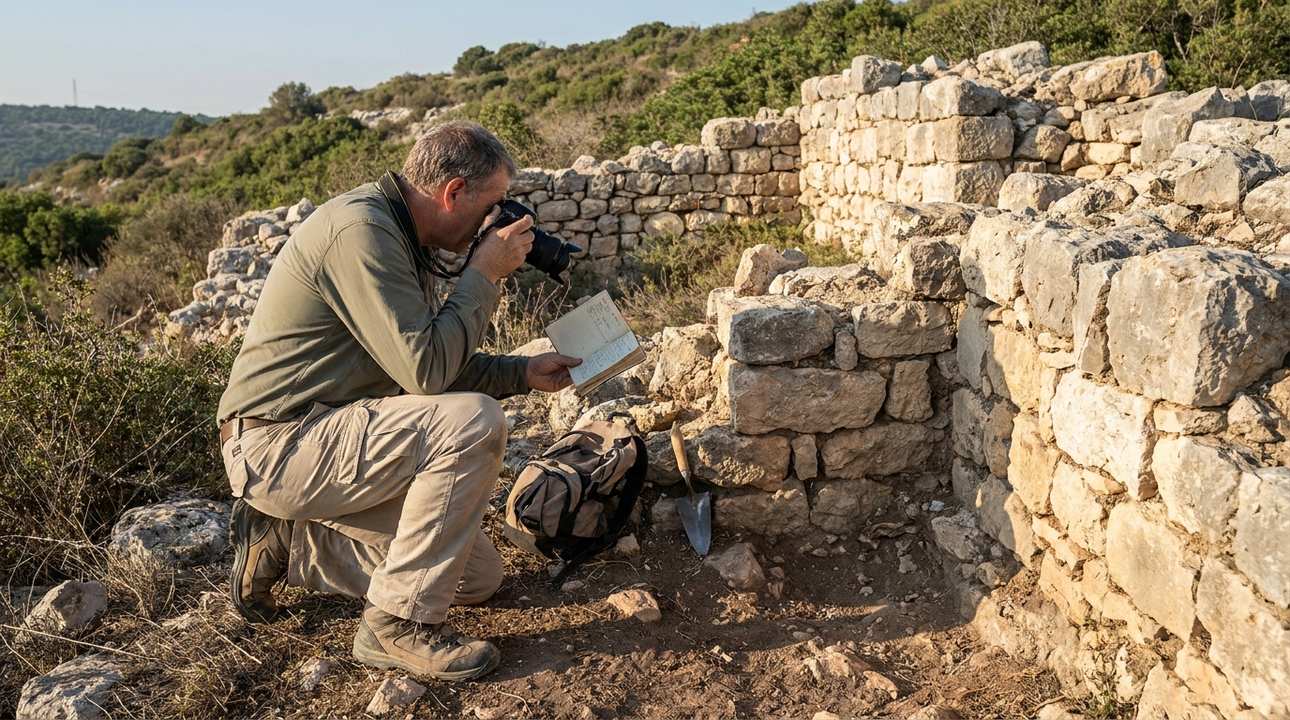
Baal Hermon in Historical Context
Historically, Baal Hermon likely functioned as a center for religious activities tied to Baal worship. The integration of such sites into local traditions shows the syncretic nature of ancient regional religion.
It highlights the intersection of cultural exchange, where local deities were venerated alongside more widespread figures like Baal. This syncretism is reflected in historical narratives, where the Israelites often struggled with the influence of surrounding cultures.
from the Western Wall to Masada.
This site potentially engaged in sacrificial rites and festivals, serving as a community focal point. The persistence of Baal worship throughout mentions indicates its deep-rooted presence, where the Israelites are said to have worshipped Baal.
While exact details are sparse, the cultural resonance of Baal Hermon is evident in its appearances, highlighting the ongoing struggle between different religious practices. This struggle is a recurring theme in the history of the region.
The worship of Baal at sites like this often involved rituals that were in direct conflict with the religious practices of the Israelites. The Israelites’ worship of Baal is condemned as a departure from their covenant.
This highlights the tension between the Israelites’ faith and the surrounding practices. As a site of such worship, it exemplifies the challenges faced by the Israelites in maintaining their religious identity amidst competing influences.
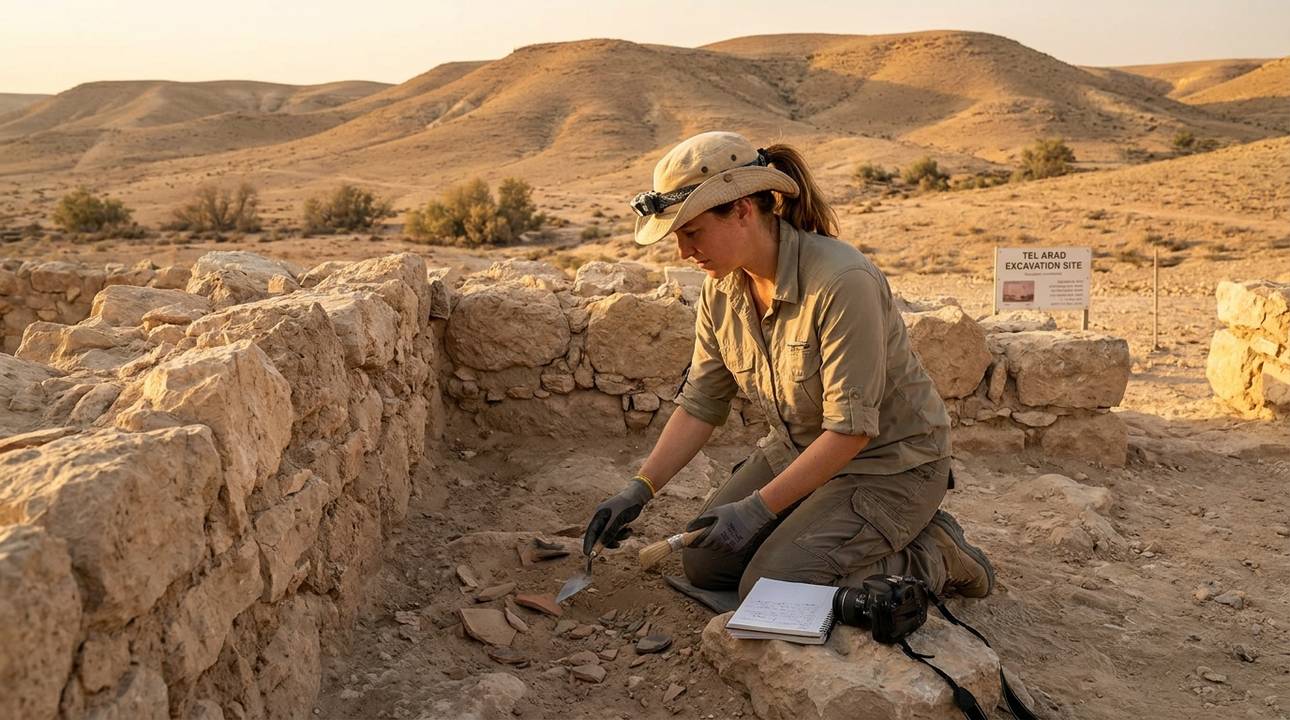
Baal Hermon and Historical Narrative
In historical narratives, Baal Hermon represents both a physical and symbolic boundary. Its mention demarcates the northernmost reaches of Israelite influence.
This inclusion reflects the complex geographical and ideological challenges faced by Israel in defining its territories, as they navigated the influences of neighboring cultures and religions.
Such boundaries were crucial in maintaining cultural and religious identity, as seen in the ongoing struggles depicted throughout historical accounts.
Baal Hermon’s role as a boundary is also highlighted in the context of the tribes of Reuben, Gad, and the half-tribe of Manasseh. It is noted that these tribes inhabited the land from Bashan to this location.
This territorial description emphasizes the extent of Israelite settlement and the challenges they faced in maintaining their cultural and religious distinctiveness amidst surrounding nations. The strategic importance of such locations is evident in accounts of territorial conflicts.
Baal Hermon’s role extends beyond mere geography-it acts as a narrative device illustrating the constant struggle against foreign influences. It is mentioned as part of the lands left to test Israel, highlighting its role in the historical narrative.
Such references help paint a broader picture of the historical and cultural landscape, showing how these regions were often battlegrounds for cultural and religious identity. The Israelites’ interactions with surrounding cultures often led to significant challenges.
The mention of Baal Hermon underscores its significance as a testing ground for Israel’s faithfulness. The presence of Canaanite nations in these regions was intended to test whether the Israelites would remain true to their beliefs.
This reflects the broader theme of faithfulness amidst external pressures, a recurring motif throughout historical narratives. The Israelites’ struggle to maintain their religious identity in the face of foreign influences is a central theme in their history.

Modern Understanding of Baal Hermon
Today, Baal Hermon serves as an entry point into understanding ancient religious practices and regional dynamics. Its story provides insight into the diversity of beliefs and cultural interactions.
Scholars continue to explore its locations and references, shedding light on its role in historical contexts. The site is mentioned as marking the northern boundary of Israelite territory, reflecting the complex geopolitical landscape of the time.
The exploration of Baal Hermon’s historical and religious significance offers a window into the ancient world. Its mention as a boundary marker highlights its role in defining Israelite territories.
This site provides a valuable case study for understanding the interplay between different cultures and religions in the region. By examining such locations, scholars can gain insights into the broader historical and cultural dynamics that shaped ancient societies.
Baal Hermon’s enduring presence in both academic and religious studies highlights its importance in constructing our understanding of ancient Near Eastern history. Scholars often reference its mention to explore the extent of Israelite territories.
This ongoing exploration offers valuable perspectives into the shared cultural foundations of ancient societies, emphasizing how interconnected these regions were in terms of trade, culture, and religion. Such studies provide insights into the complex dynamics of the ancient world.
The mention of Baal Hermon provides a valuable reference point for scholars studying the territorial extent of Israel. This highlights the northern boundary of Israelite influence, showing the geopolitical landscape. By examining such references, researchers can better understand the cultural and religious interactions that shaped the region. Its significance in these studies underscores its role as a key site in the historical narrative.
General Questions
