Rishon LeZion Area Guide
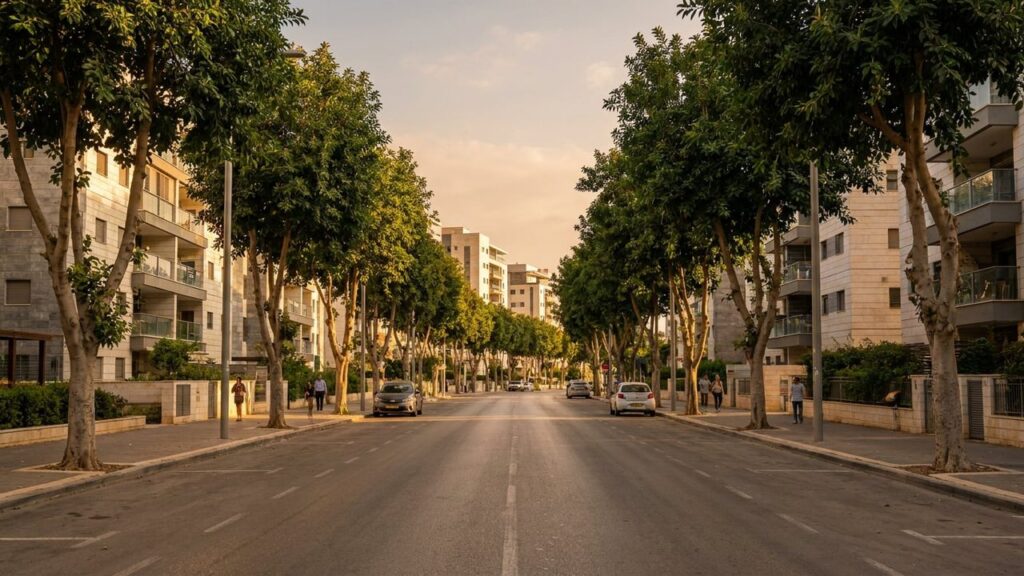

Rishon LeZion is a large coastal city in Israel with a mix of suburban residential areas, parks and active commercial centres, all within easy reach of Tel Aviv. This guide covers the essentials about living, getting around, schools and what to expect from daily life.
Rishon LeZion at a Glance
City: Rishon LeZion • Country: Israel • District: Central District • Population: 259275 • Area: 61.91 km² • Nearest major city: Tel Aviv-Yafo • Distance: 12 km • Main transport connection: Road (Highway 4 and Highway 431) and Israel Railways (Rishon LeZion – HaRishonim and Moshe Dayan stations) • Known for: One of the earliest modern Zionist agricultural settlements (founded 1882); historic Carmel winery and related events, coastal sand-dune parks and beaches, large shopping malls and entertainment (Superland, amphitheatre) • Historic origins: Founded 31 July 1882 as one of the first modern Zionist settlements. The coastal area also contains archaeological remains from prehistoric times through Roman and Byzantine periods, preserved partly in sand-dune deposits.
Insider's Guide to Israel
and can't-miss places most tourists never find.
Where Is Rishon LeZion?
Rishon LeZion sits on the coastal plain of Israel’s central region, in the Central District to the south of Tel Aviv. The land is mostly flat and sandy, with the Mediterranean a short distance to the west.
The city borders towns such as Rehovot, Ness Ziona, Holon and Bat Yam and is part of the wider Tel Aviv metropolitan area. By road it is roughly 12 km from central Tel Aviv, depending on route and traffic (this is an approximate figure based on common mapping tools).
The local landscape is typical of the coastal plain, with dune areas to the west and built-up plains inland. The dunes are valued both for nature and for the archaeological remains they help preserve.
History of Rishon LeZion
The area around modern Rishon LeZion shows long-term human activity. Archaeological finds in the dunes and nearby land include prehistoric stone tools and remains from later historic periods through Roman and Byzantine times. These finds indicate repeated use of the coastal plain over many centuries.
The modern town was established in 1882 during the late Ottoman period as one of the first modern Zionist agricultural settlements. It grew during the Ottoman and British Mandate eras and expanded after the establishment of the State of Israel.
Over the 20th century the place transformed from a small agricultural colony into a sizeable urban municipality. Municipal growth continued through the mid-20th century to the present, with population increase and urban development.
Rishon LeZion Population
As of 2024 the municipal population is 259,275. In recent decades the city has grown through residential development and its location within the Tel Aviv metropolitan area.
This growth changed Rishon LeZion from its agricultural origins into a large urban municipality with a wide range of housing, services and commercial centres. It is among the larger cities in the Central District by population.
What Is It Like to Live in Rishon LeZion?
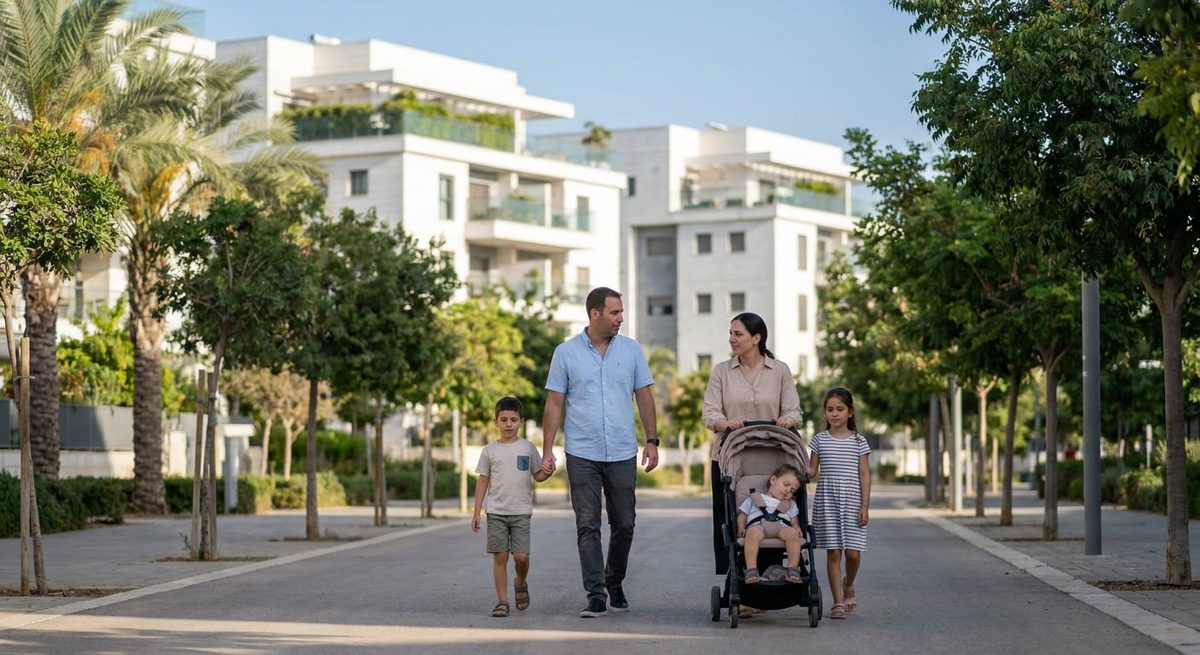
Living in Rishon LeZion combines suburban space with metropolitan convenience. Residents have access to parks, dune areas and a range of local shops and malls while remaining within a short commute of Tel Aviv.
Municipal services support family life: schools, healthcare and recreational facilities are widely available. Public transport and road links make commuting practical to Tel Aviv and nearby cities.
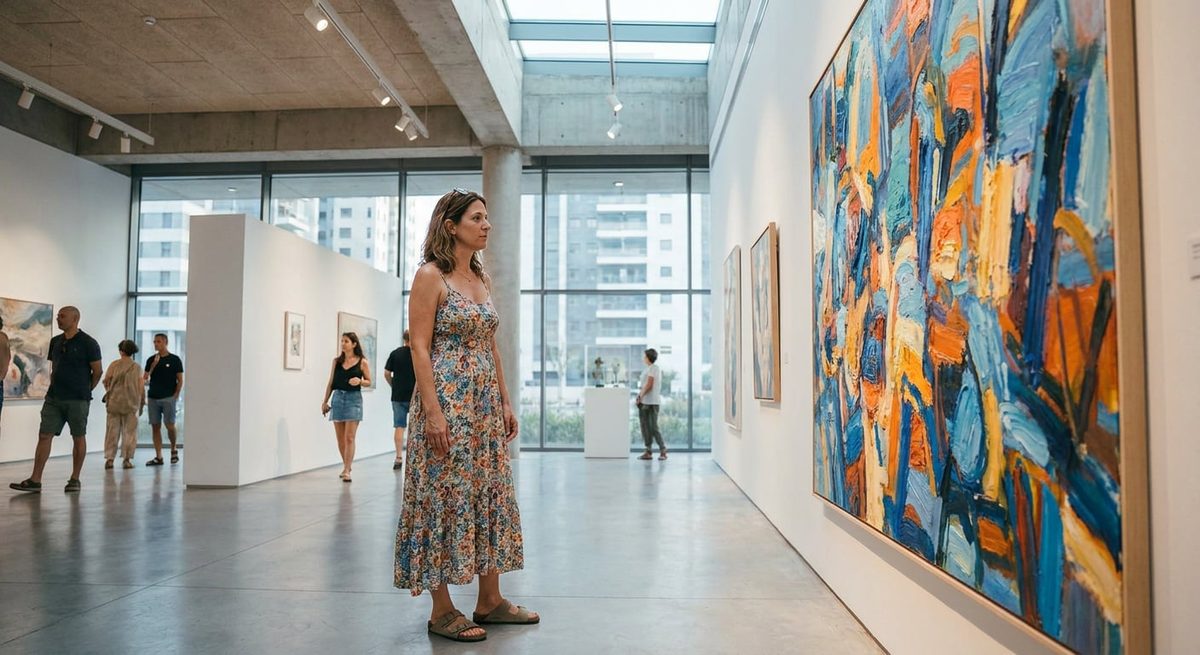
The pace is generally family-oriented rather than focused on late-night activity. The city hosts shopping centres, cultural venues and an amusement park, and local community events and holidays help create a sense of neighbourhood life.
Areas and Neighbourhoods in Rishon LeZion
Rishon LeZion contains a mix of older districts and more recent residential areas. The list below names recognised neighbourhoods; each offers a different mix of homes, green space and access to transport.
HaMoshava (the Old Colony)
Overview: The historic core, which preserves parts of the original settlement from 1882.
Homes: Older buildings and restored structures sit alongside renovated properties and small infill developments.
Getting there: Its central position makes local buses and nearby roads easy to reach.
Best for: People who value historic character and a central, established neighbourhood.
Rambam (Remez)
Overview: A residential district integrated into the city’s urban fabric.
Homes: A mix of apartment blocks and family houses from mid-century and later construction.
Access: Served by municipal buses and within reach of main roads.
Best for: Families and residents who want services close to schools and shops.
Kadmat Rishon (Ganei Esther)
Overview: A neighbourhood with parks and community facilities nearby.
Homes: A combination of apartment complexes and lower-rise housing.
Access: Good local bus coverage and reasonable road access to city corridors.
Best for: Those seeking family-friendly areas with local green space.
Ramat Eliyahu (Neve Eliyahu)
Overview: An established residential quarter inside the municipal boundary.
Homes: Mostly apartment housing with some larger family units.
Access: Connected to bus routes and arterial roads.
Best for: Commuters and families wanting balanced access to services and transport.
Neve Hof (Pueblo Español)
Overview: A neighbourhood close to western green spaces and the coast.
Homes: Residential developments that prioritise family living and open space access.
Access: Served by local buses and routes to the city centre and coastal areas.
Best for: Residents who prioritise parks and proximity to the coast.
Neot Ashalim
Overview: Part of the city’s newer residential expansion.
Homes: Typical mix of apartments found in growing municipal areas.
Access: Local bus connections and road links to central corridors.
Best for: Those seeking newer housing with municipal services nearby.
Kiryat Hatanei Pras Nobel
Overview: A neighbourhood with civic elements in its public spaces.
Homes: Residential blocks and community facilities.
Access: Served by bus lines and local roads.
Best for: Families and residents who value nearby civic amenities.
Ravivim
Overview: A residential quarter within the city.
Homes: A standard municipal mix of housing types.
Access: Connected by local bus services and the road network.
Insider's Guide to Israel
and can't-miss places most tourists never find.
Best for: Residents seeking established community infrastructure.
Kiryat Ganim
Overview: Part of Rishon LeZion’s broader residential mosaic.
Homes: Apartments and family housing typical of city suburbs.
Access: Municipal buses and access to main roads.
Best for: Those looking for typical urban-suburban living.
Kiryat Cramim
Overview: A recognised residential district in the city.
Homes: A mix of housing suited to different household sizes.
Access: Local transport links to the city centre and nearby areas.
Best for: Households wanting straightforward access to services and schools.
Education in Rishon LeZion
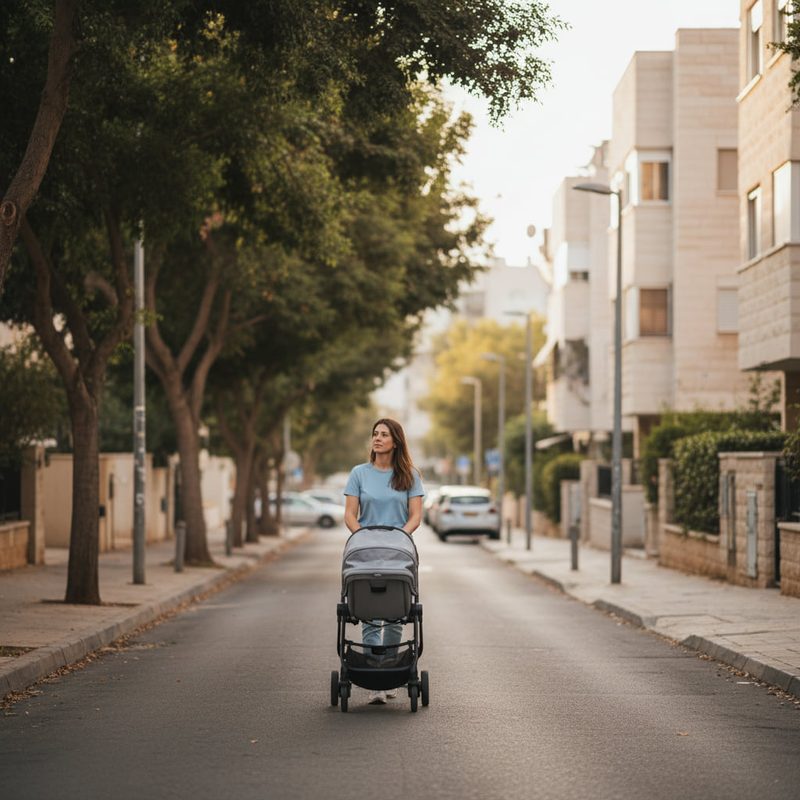
The city runs a municipal education network covering primary, middle and high schools. Municipal sources list roughly 23 elementary schools, 9 middle schools and 12 high schools, providing local education for children and teenagers.
There are local higher-education campuses and branches, including a presence of the College of Management and other training centres. For full university programmes, residents commonly use institutions in nearby cities such as Tel Aviv and Rehovot.
Adult education, vocational training and municipal extracurricular programmes are also available for skills development and community learning.
Transport and Connectivity
Rishon LeZion has good road and rail links to the metropolitan area. Road connections to Tel Aviv and other central destinations use Highway 431 or Route 4, which link into the Ayalon/Highway 20 corridor toward Tel Aviv.
Rail services are provided via stations such as Rishon LeZion – HaRishonim and Moshe Dayan, with Israel Railways running services to Tel Aviv and other central cities.
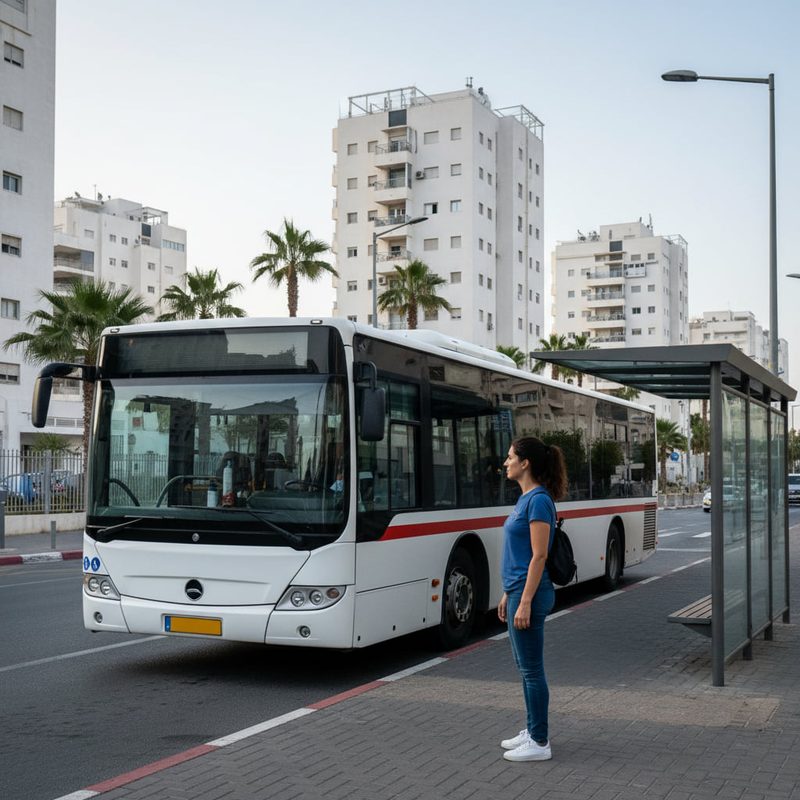
Local and intercity buses are frequent. Multiple operators run routes between Rishon LeZion and Holon, Bat Yam, Rehovot, Tel Aviv and surrounding towns.
Travel times and distances: By road, central Tel Aviv is about 12 km away according to common mapping estimates and the drive can take around 20 minutes in light traffic. Ben Gurion Airport is roughly 20 km from the city by road. Car-free living is possible in parts of the city with good local services and public transport, though many residents use private cars for convenience and regional travel.
Nature and Outdoor Spaces
Rishon LeZion has access to Mediterranean coastal environments and dune areas to the west. The dunes are valued for their natural character and for preserving archaeological finds.
Inside the city there are parks and green spaces such as Park HaAgam (Lake Park) and Winepress Park (Gan HaGatot). The coastal promenade and nearby beaches offer seaside leisure and short day-trip options.
Amenities and Things to Do in Rishon LeZion
The city offers a range of key amenities rather than an exhaustive list. Major shopping and entertainment centres include Kenyon HaZahav (HaZahav/Gold Mall), Azrieli Rishonim and other large retail complexes that serve the metropolitan area.
Cultural and leisure highlights include the historic Carmel winery, the Rishon LeZion History Museum, the Nobel Laureates promenade (Tayelet Hatnei Pras Nobel) and the Superland amusement park. Sport and events take place at venues such as Haberfeld Stadium.
Healthcare and everyday services are provided by municipal clinics, local medical practices and regional hospitals within commuting distance. Local markets, restaurants and community centres support the social and culinary life of the city.
Cities and Towns Near Rishon LeZion
Rishon LeZion is surrounded by nearby cities and towns that form part of the central coastal urban network. Short drives or public transport trips connect residents to neighbouring municipalities for work, education and leisure.
Nearby cities and towns: Bat Yam — 10.3 km, approx. 15 min; Holon — 7.8 km, approx. 15 min; Ness Ziona — 5.1 km, approx. 10 min; Rehovot — 8 km, approx. 13 min; Tel Aviv-Yafo — 12 km, approx. 20 min.
Advantages of Living in Rishon LeZion
Close to Tel Aviv: Short travel times to the metropolitan core make commuting and access to wider services practical.
Access to green space and coastline: Dune areas, parks and a coastal fringe provide outdoor recreation.
Established municipal services: Local education, healthcare and shopping centres support daily life.
Varied housing: A range of neighbourhoods and housing types suit families, couples and different household sizes.
Things to Consider Before Moving to Rishon LeZion
Traffic and commuting: Road congestion can occur in peak hours, especially on routes toward Tel Aviv, so commute times vary by time of day.
Nightlife and specialised services: The city offers shopping and family leisure, but those seeking a very active late-night scene or highly specialised services may go into Tel Aviv.
Housing market pressures: Demand in the metropolitan area has contributed to higher property prices than in smaller towns farther from the centre.
Who Is Rishon LeZion Best For?
Families
Good school provision, parks and family amenities make the city well suited for households with children.
Commuters
Those who work in Tel Aviv or other central locations benefit from road and rail connections and multiple public-transport options.
Young Professionals
Young professionals who value quieter residential life while keeping access to metropolitan job markets and entertainment will find the location practical.
Students
Local higher-education branches and easy access to major universities in nearby cities make the city a convenient base for some students.
Retirees
Access to parks, promenades and local services provides a comfortable environment for retirees seeking a relaxed urban-suburban setting.
