
Tel Mond Area Guide
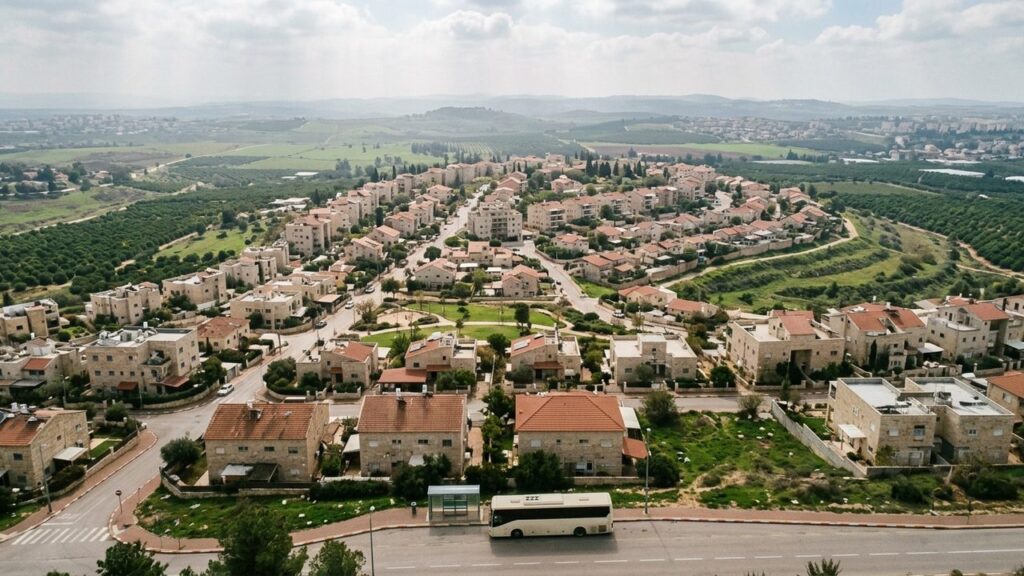

Tel Mond is a small town on the Sharon Plain with a history as a 20th‑century agricultural settlement. This guide explains what life is like in Tel Mond and covers history, population, transport, schools and local amenities in Israel.
Tel Mond at a Glance
City: Tel Mond • Country: Israel • District: Central District • Population: 15403 • Area: 7.08 km² • Nearest major city: Netanya • Distance: 15.9 km • Main transport connection: Road (local roads and bus links) to nearby rail services at Beit Yehoshua station; regional bus lines (Kavim) to Netanya, Kfar Saba and Ra’anana. • Known for: Founded in 1929 by Alfred (Lord) Mond as a plantation and citrus settlement; home to the Beit HaLord museum and surviving early settlement buildings; a regional service centre for the Tel Mond bloc. • Historic origins: Modern agricultural settlement established in 1929 on the Sharon Plain, an area with archaeological evidence of human presence from prehistory and the Bronze Age; the town is a 20th‑century foundation rather than an ancient tell.
Insider's Guide to Israel
and can't-miss places most tourists never find.

Where Is Tel Mond?
Tel Mond sits on the coastal Sharon Plain in Israel’s Central District. It occupies a modest footprint on gently rolling agricultural land between several regional towns and is oriented toward nearby urban centres for many services.
The town is bordered by a mix of agricultural and suburban communities; nearby urban centres include Kfar Yona to the north‑east and Netanya to the west. Administratively it is part of the Central District and functions as a local service hub for the surrounding Tel Mond bloc.
The nearest major city is Netanya, approximately 15.9 km away by road. The setting is broadly lowland Mediterranean plain — historically dominated by citrus orchards and mixed farmland — rather than a highland or coastal cliff environment.
History of Tel Mond
Tel Mond’s modern story begins in 1929, when British industrialist Alfred Mond (later Lord Melchett) founded the Palestine Plantations Company and established the settlement as a plantation and citrus camp. The early settlement buildings, water tower and other features from that era remain important markers of the town’s origin.
The wider Sharon Plain where Tel Mond sits has a long human presence with archaeological evidence dating back to prehistory and the Bronze Age. That broader ancient history characterises the region, but Tel Mond itself is a 20th‑century agricultural foundation rather than an ancient tell.
Through the late Ottoman and British Mandate periods the Sharon Plain was reorganised agriculturally and demographically; the town grew from plantation camp to moshava-style settlement and later evolved during the State of Israel period. Tel Mond became a local council in the 1950s and has continued to develop services and housing since then.
Tel Mond Population
As of 2026 Tel Mond’s recorded population is 15,403. This size places it among smaller local councils and towns in the Central District, large enough to support a cluster of local services but small compared with nearby regional cities.
The town’s population includes a mix of family households and individuals; local education statistics indicate a notable cohort of school‑age children attending municipal schools. Over recent years the community has shown modest growth as it transitions from a primarily agricultural settlement to a suburban service town.
What Is It Like to Live in Tel Mond?
Living in Tel Mond tends toward a suburban, low‑density rhythm with a community‑focused atmosphere. The town combines residential neighbourhoods, small‑scale civic facilities and the vestiges of its plantation-era layout — a contrast with the denser urban centres on the coast.
Infrastructure and services cover everyday needs: local shops and municipal services are available, and the town functions as a regional centre for surrounding communities. Healthcare access is available locally with additional facilities a short drive away in larger towns.
Transport is road‑oriented: residents rely on local and regional buses and private cars for many journeys, with rail access achieved by travelling to the nearby Beit Yehoshua railway station. The environment is well suited to people seeking more space and quieter streets while maintaining access to workplaces and amenities in nearby cities.
Areas and Neighbourhoods in Tel Mond
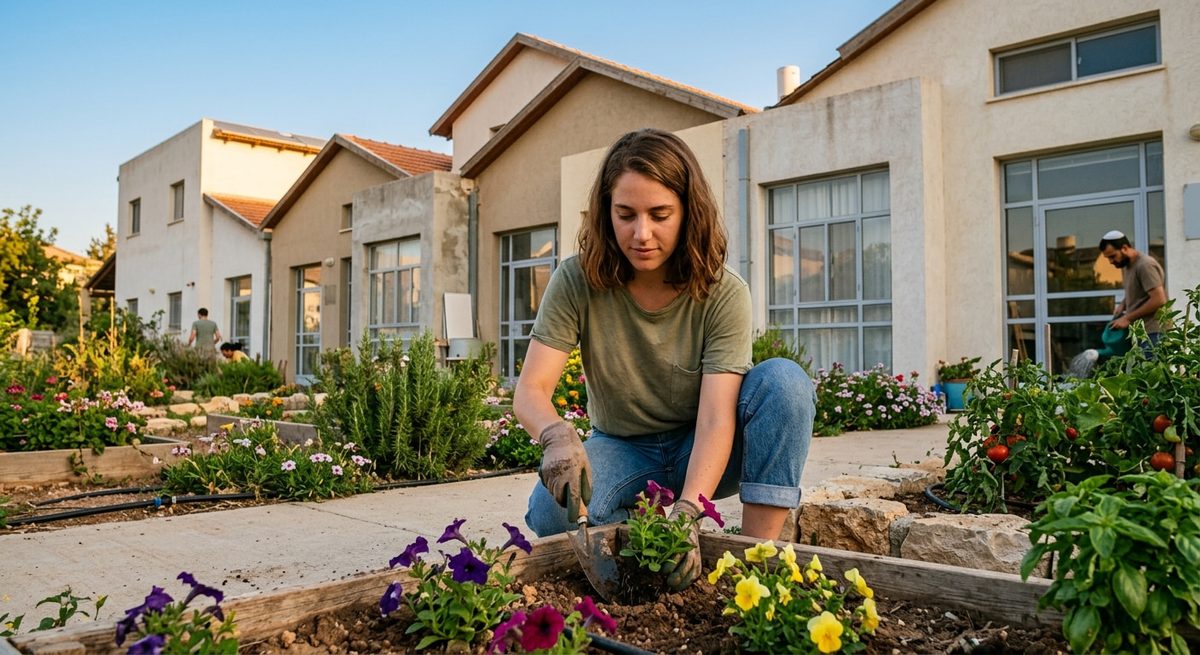
Tel Mond is organised into several residential neighbourhoods and quarters that reflect stages of the town’s growth and original settlement patterns. The townscape blends older buildings tied to the founding plantation and newer suburban housing.
Ziv (Kfar Ziv)
Location and character: Ziv is one of Tel Mond’s established residential quarters and typically features modest, family‑oriented streets.
Housing and transport: Housing here tends toward single‑family homes and low‑rise buildings; residents rely on local roads and bus links for travel, with a straightforward drive to the Beit Yehoshua rail station or Netanya.
Who it suits: Families and households looking for a settled residential environment with local community ties.
Shechunat Ya’akov (Ya’akov)
Location and character: Ya’akov is another neighbourhood with a residential focus, reflecting the town’s mix of old and newer housing stock.
Housing and transport: The area offers family housing and access to municipal facilities; parking and car use are common for daily errands.
Who it suits: Residents who prioritise community amenities and straightforward connections to town services.
Wolfson (Volfsone)
Location and character: Wolfson contains residential streets and may include some of the town’s older‑era constructions alongside later infill.
Housing and transport: Accommodation is primarily low‑rise and suburban in scale; public transport options exist but many households use private cars for regional travel.
Who it suits: Those seeking quieter residential streets with local character.
Shprinzak
Location and character: Shprinzak is part of the mosaic of neighbourhoods that make up Tel Mond, with a family‑oriented feel.
Housing and transport: The neighbourhood mixes older and newer houses and is served by the town’s bus connections and local road network.
Who it suits: Households and neighbours seeking a suburban residential setting with relatively easy access to town amenities.
Eli Cohen
Location and character: Eli Cohen is among the town’s residential areas, contributing to the overall low‑density layout of Tel Mond.
Housing and transport: Typical housing stock is single‑family homes and small apartment blocks; commuting by car is common.
Who it suits: People who want a traditional suburban neighbourhood with community orientation.
Neve Oved
Location and character: Neve Oved reflects the residential expansion of the town and offers family-friendly streets.
Housing and transport: Low‑rise and ground‑level homes dominate, with local road access to regional routes and bus services.
Who it suits: Families and those seeking space and quieter surroundings while staying close to town facilities.
Hadar Hayim
Location and character: Hadar Hayim is one of the neighbourhoods that contributes to the town’s suburban mix.
Housing and transport: The area features residential housing with access to the town’s basic services and road connections.
Insider's Guide to Israel
and can't-miss places most tourists never find.
Who it suits: Residents wanting a calm neighbourhood within reach of Tel Mond’s local amenities.
Education in Tel Mond
Tel Mond provides local schooling for children and teenagers with a municipal school system that serves the town and nearby communities. Municipal and Central Bureau of Statistics data indicate roughly six schools in the town (five elementary and two secondary), serving about 3,321 students.
Notably the town includes the Yitzhak Rabin six‑year school, which covers grades 7–12 and provides a continuous secondary education option locally. For higher education, residents typically travel to nearby regional centres and universities in larger cities such as Netanya, Kfar Saba or Tel Aviv.
Transport and Connectivity
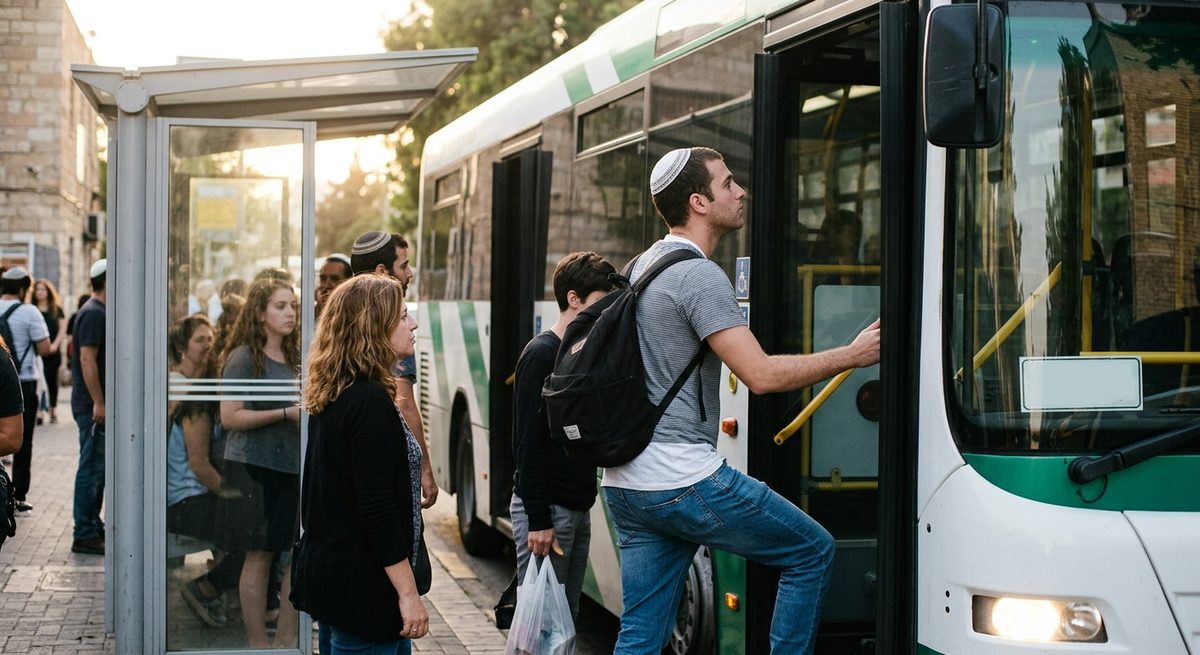
Tel Mond’s transport network is led by local roads and regional bus services. Kavim and other operators run routes connecting Tel Mond to Netanya, Kfar Saba, Ra’anana and to the Beit Yehoshua railway station; journeys to major destinations often combine a bus leg with a rail leg.
The nearest railway facility is Beit Yehoshua railway station. Israel Railways services from Beit Yehoshua connect to Tel Aviv, with typical journeys to central Tel Aviv taking approximately 30–46 minutes depending on route and transfers.
By road Tel Mond is roughly 30–31 km from central Tel Aviv; driving time to Tel Aviv is typically about 27–35 minutes depending on route and traffic. Ben‑Gurion Airport lies about 38.1 km away, requiring a transfer by road or a combination of bus and rail. Regular local and regional buses provide access for daily travel, but many residents use private cars for convenience.
Car‑free feasibility: While bus links and rail access via Beit Yehoshua station make public transport possible, routine errands and some commutes are often easier by car because of the town’s suburban layout and reliance on regional connections.
Nature and Outdoor Spaces
Tel Mond sits within the Sharon Plain, a landscape historically characterised by citrus orchards, mixed farmland and Mediterranean‑type habitats. That agricultural legacy remains visible in planted orchards and open fields around the town.
Residents benefit from relatively immediate access to open spaces, agricultural edges and small local parks rather than large urban greenbelt parks. The plain’s lowland character supports walking, cycling and outdoor family activities close to home.
Amenities and Things to Do in Tel Mond
Tel Mond offers basic everyday amenities and a handful of notable historical sites tied to its founding. Local shopping and services cover routine needs, and the town acts as a regional service centre for surrounding communities.
Key notable places include the Beit HaLord (House of the Lord) museum and the former Lord Melchett house, Villa Ziv, the original 1929 water tower and several early settlement buildings and a Lord Melchett statue. These sites reflect the town’s plantation origins and are focal points for local history.
For a wider range of shopping, healthcare specialities, restaurants and cultural venues residents typically travel to nearby Netanya, Kfar Saba or other regional centres. Sports facilities and municipal programmes are available locally to support community life and recreational activity.

Cities and Towns Near Tel Mond
Tel Mond is part of a network of towns and small cities on the Sharon Plain that provide complementary services and employment. Short drives or regional buses link residents to larger urban centres for work, education and specialised shopping.
Nearby towns include Kfar Yona (approximately 8.3 km), Kfar Saba (approximately 14.8 km), Netanya (approximately 15.9 km) and Hod HaSharon (approximately 15 km). These neighbouring cities are the most commonly accessed regional centres for Tel Mond residents seeking wider services or commuting options.
Nearby cities and towns: Kfar Saba — 14.8 km, approx. 12 min; Netanya — 15.9 km, approx. 14 min; Kfar Yona — 8.3 km; Hod HaSharon — 15 km, approx. 12 min.
Advantages of Living in Tel Mond
Space and quieter streets: The town’s low‑density layout offers more private outdoor space and a quieter day‑to‑day environment than nearby coastal cities.
Community orientation: A strong local community feel and family‑focused services create a supportive environment for households with children.
Proximity to regional centres: Reasonable driving and bus links to Netanya, Kfar Saba and Tel Aviv make it feasible to access urban jobs and services without living in a denser city.
Local history and identity: Surviving early settlement buildings, the Beit HaLord museum and other heritage sites give the town a distinct historical identity tied to its 1929 founding.
Things to Consider Before Moving to Tel Mond
Limited local amenities: While everyday needs are met locally, residents often travel to nearby cities for a wider choice of shops, specialised healthcare and cultural venues.
Transport reliance on cars: Public transport exists but many routines are easier by car, so households without a private vehicle should plan journeys and connections carefully.
Property market and inventory: The local housing market offers a range of property types but inventory may be more limited than in larger cities, so buyers should be prepared to search regionally.
Who Is Tel Mond Best For?
Families
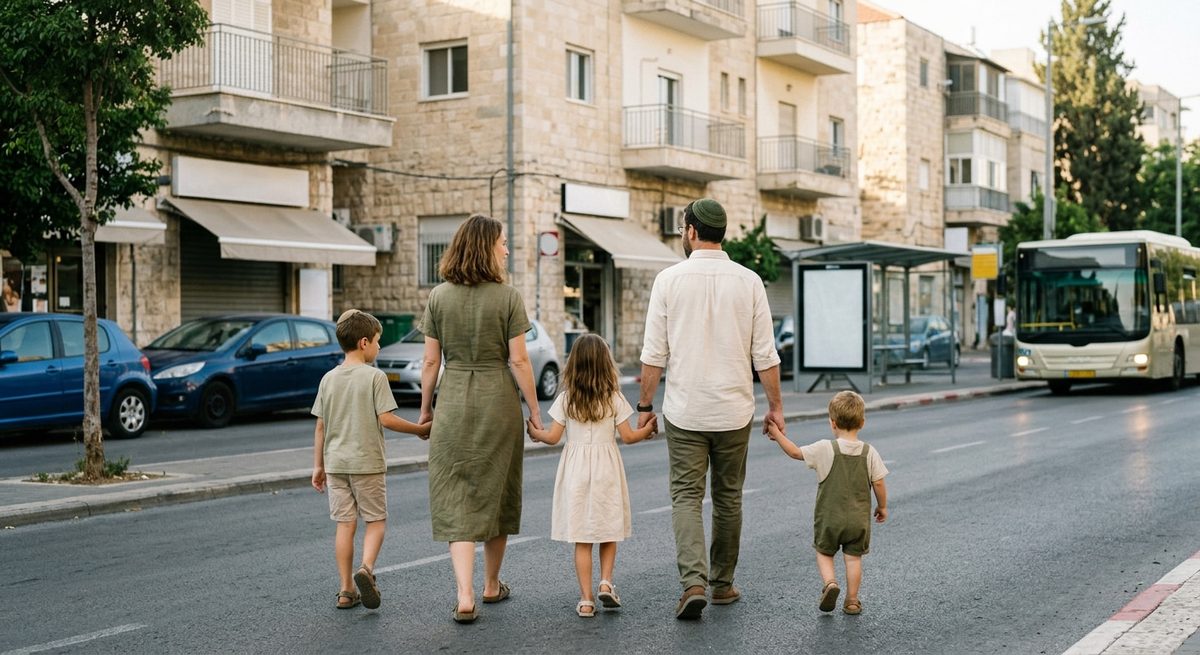
Families benefit from the town’s schools, family‑oriented neighbourhoods and outdoor space; the community‑focused environment and local services suit households with children.
Commuters
Commuters who value a quieter home base and who either drive or are willing to combine bus and rail journeys (via Beit Yehoshua station) to reach Tel Aviv or Netanya will find Tel Mond convenient.
Young Professionals
Young professionals working in nearby cities who prefer more space and a lower‑density lifestyle — and who do not require daily nightlife or city‑centre conveniences — may find Tel Mond a good fit.
Retirees
Retirees looking for a calm, community‑oriented place with access to open spaces and nearby regional healthcare options may appreciate Tel Mond’s quieter pace and local amenities.
