
Kiryat Ata Area Guide
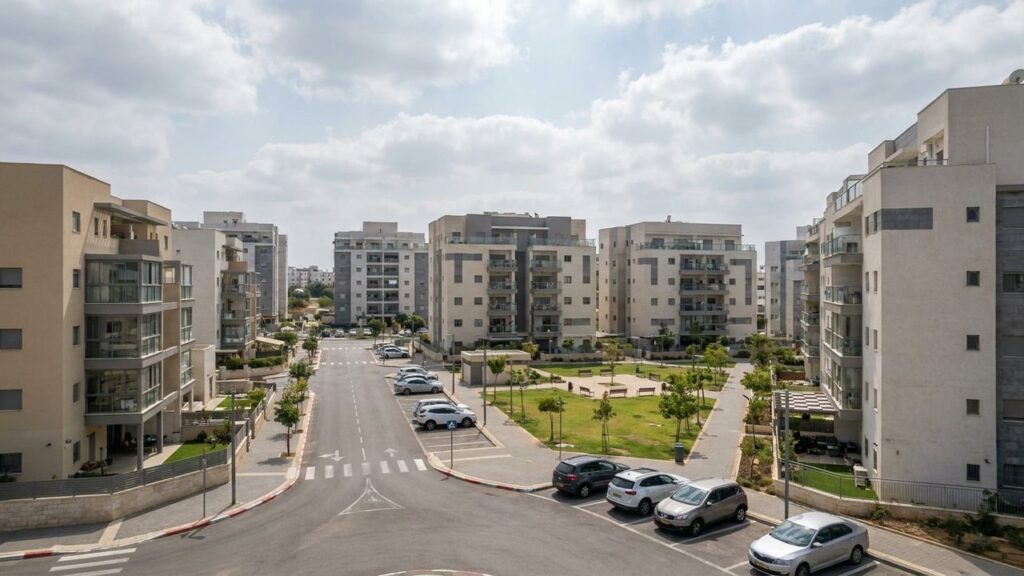

Kiryat Ata is a mid-sized city on the Haifa Bay that offers a mix of suburban life and proximity to regional services. This guide outlines what to expect living there and provides practical details about history, transport, schools and nearby towns in Israel.
Kiryat Ata at a Glance
City: Kiryat Ata • Country: Israel • District: Haifa • Population: 62584 • Area: 24.16 • Nearest major city: Haifa • Distance: 14 km • Main transport connection: Road (Highway 4 / local arterial roads / connections to Routes 79 and 6) and bus/Metronit rapid transit; nearest heavy‑rail access via Kiryat Motzkin / HaMifratz stations • Known for: Historic ATA textile factory site, archaeological remains spanning multiple ancient periods, part of the Krayot suburban cluster, Fisher House municipal museum, strong local sports clubs • Historic origins: Archaeological surveys at Khirbet Sharta and nearby tells show long habitation from Neolithic/Early Bronze through Mamluk periods; modern settlement established 1925 and recognised as a city in 1969
Insider's Guide to Israel
and can't-miss places most tourists never find.

Where Is Kiryat Ata?
Kiryat Ata sits in the Haifa District on the eastern side of the Haifa Bay plain, a few kilometres inland from the Mediterranean coast. It forms part of the Krayot cluster of towns that ring Haifa and is closely linked to neighbouring municipal areas.
Immediate neighbours include Kiryat Bialik, Kiryat Motzkin, Kiryat Yam and Nesher; Haifa is the nearest major city at approximately 14 kilometres away. The setting is coastal plain with urban and suburban development extending toward the bay and the lower slopes of Carmel to the west.
History of Kiryat Ata
The site has a long sequence of human activity: archaeological surveys at Khirbet Sharta and local tells document remains from Neolithic and Early Bronze periods continuing through the Bronze and Iron Ages, Persian/Hellenistic, Roman and Byzantine times, and later Mamluk layers. Finds include rock‑hewn winepresses, ceramics and building remains that attest to repeated habitation over millennia.
The modern settlement that became today’s city began in the early 20th century and is recorded as founded in 1925. Under the British Mandate and following the establishment of the State of Israel, the community developed into an urban municipality that was officially recognised as a city in 1969. Ottoman, British Mandate and modern periods each contributed to the town’s built and social fabric.
Kiryat Ata Population
As of 2024 the population is recorded at 62,584. This figure places Kiryat Ata among the mid-sized municipalities of the Haifa District. Local demographic trends reflect the city’s role as part of the Krayot suburban cluster, with steady population supporting municipal services and schools.
What Is It Like to Live in Kiryat Ata?
Everyday life in Kiryat Ata combines a suburban pace with good links to the region. The city offers a community atmosphere, municipal services, local shops and healthcare options, while Haifa’s broader employment, cultural and specialised services are within easy reach.
Infrastructure includes municipal roads, bus and Metronit connections to the Haifa Bay system, and nearby heavy‑rail stations for longer commutes. The climate is Mediterranean and parts of the city are only a few kilometres from the sea, so outdoor recreation and short nature outings are convenient.
Kiryat Ata suits people seeking more space and residential calm than a major urban centre, while remaining well connected to a regional hub for work and study.
Areas and Neighbourhoods in Kiryat Ata
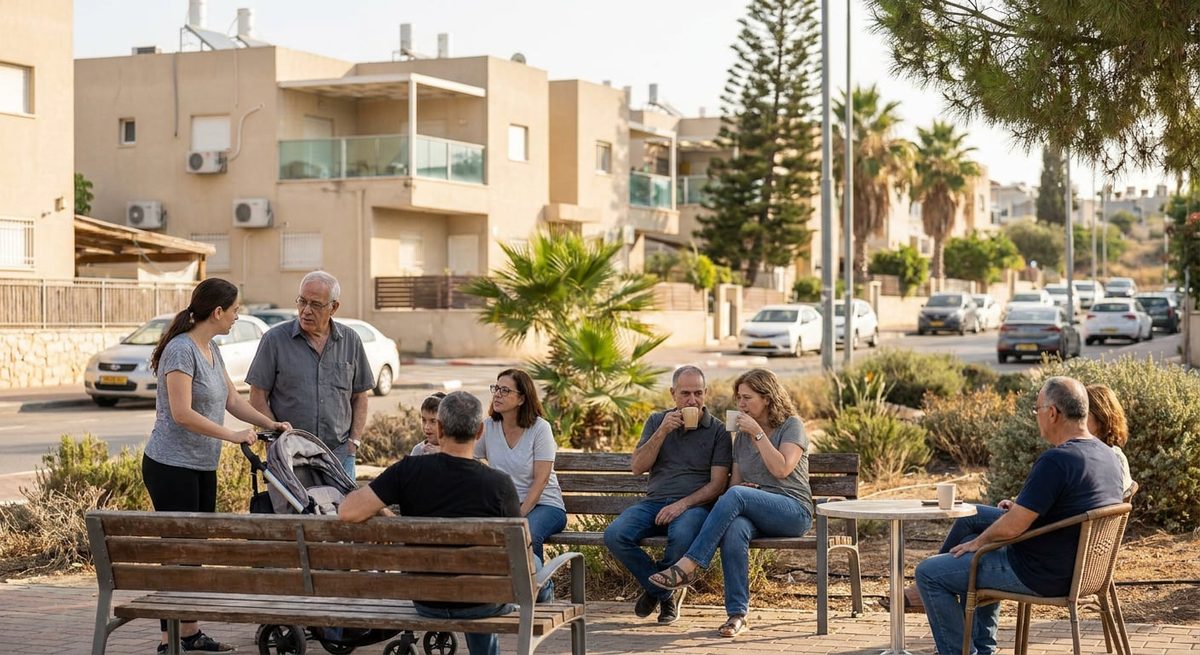
Kiryat Ata contains a number of distinct neighbourhoods with mainly residential character and a mix of housing types from older single‑family homes to denser apartment blocks. Transport access is generally via local roads linking to the main arterial routes toward Haifa and the Krayot.
Givat Alonim (Giv’at Allonim)
Givat Alonim is a residential sector of Kiryat Ata characterised by family housing and tree-lined streets. It tends to offer a quieter setting within the city and is served by local roads and municipal bus routes. The area is suitable for families and those seeking a residential neighbourhood with relatively easy access to central services.
Givat Tal
Givat Tal is another primarily residential neighbourhood with mixed housing stock. Residents rely on local shops and schools, with public transport links to neighbouring parts of the city and to Haifa Bay routes. It is a practical choice for households prioritising proximity to municipal facilities.
Givat Ram
Givat Ram combines older and newer residential blocks and is connected to Kiryat Ata’s internal road network. It offers accessible local amenities and suits people who want straightforward access to both neighbourhood services and regional connections toward Haifa.
Gordon
The Gordon area includes residential streets and is part of the city’s built fabric that links to commercial strips and municipal facilities. Housing varies and transport is largely by road and bus, making it suitable for a range of residents including families and commuters.
HaTzvi Israel
HaTzvi Israel is a residential quarter with typical suburban features. Local schools and community services serve the area and public transport options connect residents to the wider Haifa Bay network. It is well suited to those seeking neighbourhood stability and municipal amenities nearby.
Yavneh
Yavneh offers a mix of housing types and is integrated into the city’s service grid. The neighbourhood has pedestrian and road links to shops, schools and recreational areas, appealing to families and long-term residents.
Noam
Noam is a residential area where residents make use of local municipal services and public transport links. The housing mix and street layout make it appropriate for people looking for straightforward access to community facilities.
Pinsker (Shprinzak area)
The Pinsker/Shprinzak area is part of the city’s residential network with proximity to local commerce and services. Transport is mainly by road and municipal buses, and the neighbourhood is a practical option for families and commuters within Kiryat Ata.
Education in Kiryat Ata
Kiryat Ata operates a municipal education system that includes state, state‑religious and independent schools. In 2024 there are 22 schools serving primary, middle and high school levels as well as special‑education institutions.
For higher education and specialised programmes, residents commonly travel to Haifa where major universities and colleges are located. The city’s schools and proximity to regional higher education options make it practical for families and students who can commute to Haifa’s campuses.
Transport and Connectivity
The city is well integrated into the Haifa Bay transport network. Main road access is via Highway 4 and local arterial roads, with connections to coastal routes and interchanges that link onward to Route 2 and Route 6. Regional and local buses operate through Kiryat Ata, and the Haifa Bay Metronit/rapid‑transit system provides additional links in the area.
Nearest heavy‑rail access is via the Kiryat Motzkin and HaMifratz (Haifa Bay) Israel Railways stations that serve commuters heading along the coastal rail corridor. Regular rail services from the Haifa area connect to Tel Aviv, with schedules and journey times varying by service. Road travel to Tel Aviv is approximately 100–110 kilometres depending on route. Ben Gurion Airport is about 107.6 kilometres away.
Within the city, public transport and walking cover many everyday needs, but a car remains practical for faster regional travel and direct commutes, especially for destinations outside the Haifa Bay corridors.
Insider's Guide to Israel
and can't-miss places most tourists never find.

Nature and Outdoor Spaces
Kiryat Ata benefits from a Mediterranean climate and is a few kilometres from the Mediterranean Sea — parts of the city are roughly 4 kilometres from the shoreline. The municipality maintains parks and public green spaces, and there is a sizeable municipal Sports Park described as around 70 dunams in municipal sources.
Residents have straightforward access to nearby coastal and low‑hills landscapes for short nature outings and weekend activities, with the Haifa Bay setting offering a mix of urban green space and nearby natural terrain.

Amenities and Things to Do in Kiryat Ata
Local amenities include shopping streets and neighbourhood shops for daily needs, municipal healthcare services and sports facilities. The city has notable local landmarks such as Fisher House, the municipal museum of Kiryat Ata’s history, and the former ATA textile factory site and industrial zone which are part of the town’s industrial heritage.
Sports are a significant part of local life, with organised clubs and facilities for basketball and volleyball and municipal sports arenas. Cultural and community events are organised at municipal venues, while Haifa’s larger cultural institutions and specialised healthcare services are within short regional travel distance.

Cities and Towns Near Kiryat Ata
Kiryat Ata sits at the heart of a cluster of Krayot towns and other nearby municipalities, providing easy cross‑town travel for work, shopping and services.
Nearby cities and towns: Kiryat Bialik — 3.5 km; Kiryat Motzkin — 4.7 km; Kiryat Yam — 6 km; Nesher — 8.6 km; Haifa — 14 km.
Advantages of Living in Kiryat Ata
Practical location: Close to Haifa and integrated into the Haifa Bay transport network, making regional work and study commutes feasible.
Residential space: A suburban character with a variety of housing types and neighbourhoods that suit families and long‑term residents.
Local services: Municipal schools, parks and sports facilities, plus local shops and healthcare for everyday needs.
Historic and cultural interest: Archaeological sites and local museums provide historical depth and local identity.
Things to Consider Before Moving to Kiryat Ata
Dependence on Haifa for some specialised services and entertainment: While many essentials are available locally, more specialised healthcare, cultural venues and certain services are typically accessed in Haifa.
Transport patterns: Although well connected by road and bus, heavy‑rail access requires travel to nearby stations; commuting times vary by service and route.
Local entertainment and nightlife: The city leans toward a quieter suburban lifestyle, so those seeking a dense urban nightlife may find options limited compared with larger nearby cities.
Who Is Kiryat Ata Best For?
Families
Families benefit from the suburban feel, municipal schools and parks, plus the space and privacy available in many neighbourhoods.
Commuters
Commuters who work in Haifa or elsewhere in the Haifa Bay will find the road and bus links practical; nearby rail stations extend commuting options along the coastal corridor.
Young Professionals
Young professionals who value affordable residential options with good regional links can balance local living with jobs or opportunities in Haifa.
Students
Students who study in Haifa can live in Kiryat Ata and commute to university campuses using the regional transport network and nearby rail stations.
Retirees
Retirees may appreciate the quieter pace, community services and easy access to Haifa for specialised healthcare and cultural amenities.
