
Kiryat Bialik Area Guide
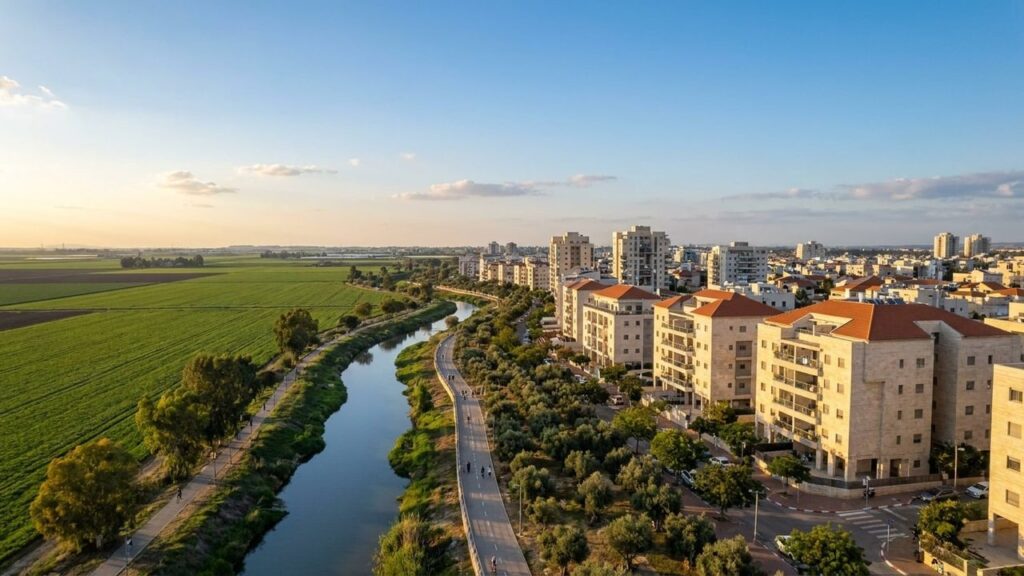

Kiryat Bialik is a suburban city north of Haifa, offering a community-oriented lifestyle with easy access to regional services. This guide outlines practical details about living in Kiryat Bialik in Israel, from history and transport to neighbourhoods and amenities.
Kiryat Bialik at a Glance
City: Kiryat Bialik • Country: Israel • District: Haifa District • Population: 46417 • Area: 8.178 • Nearest major city: Haifa • Distance: 9.8 • Main transport connection: Coastal rail via Kiryat Motzkin station and regional road network linking to Haifa and Highway 2/4 • Known for: Founded in 1934 by German-Jewish immigrants (Fifth Aliyah); historical ATA textile factory presence; part of the Krayot suburban cluster; proximity to Ein Afek nature reserve • Historic origins: Modern town founded 18 July 1934; nearby Tel Afek / Ein Afek archaeological mound and wetlands with remains from multiple ancient periods
Insider's Guide to Israel
and can't-miss places most tourists never find.

Where Is Kiryat Bialik?
Kiryat Bialik sits in the Haifa District on Israel’s northern coastal plain, forming part of the Krayot cluster of towns that fringe the northern approaches to Haifa. It lies immediately east of the Mediterranean corridor and is closely connected to neighbouring Krayot towns.
Immediate neighbours include Kiryat Yam to the northwest, Kiryat Motzkin to the west, and Kiryat Ata to the east; Akko (Acre) is further to the north. The nearest major city is Haifa, approximately 9.8 kilometres to the southwest.
The city occupies a relatively compact footprint on low-lying terrain near the Na’aman stream and the Ein Afek wetland area, giving it a suburban setting with nearby natural corridors and a direct relationship to Haifa’s urban services.
History of Kiryat Bialik
Kiryat Bialik is a modern town established in the 20th century. It was founded on 18 July 1934 during the British Mandate period as part of the wave of Jewish settlement known as the Fifth Aliyah, with founding residents including German-Jewish immigrants.
The town grew through the Mandate era and the early years of the State of Israel, achieving local council status in 1950 and later city status in 1976. Industrial activity, including the presence of the ATA textile factory, influenced the local economy and built environment in the 20th century.
While the modern municipal centre dates to 1934 and later, the wider area has much older roots: to the east lies Tel Afek (Ein Afek), an archaeological mound and wetland site with remains from ancient periods such as the Canaanite, Roman and Crusader eras. In other words, the town itself is twentieth-century but sits adjacent to a landscape with a layered ancient past.
Kiryat Bialik Population
As of 2023 the population of Kiryat Bialik is 46,417. This figure reflects a mid-sized municipal population within the Haifa District and the Krayot suburban cluster.
The city functions as one component of the broader urban area north of Haifa; it is considerably smaller than Haifa itself but comparable in population to other Krayot towns. Population dynamics in Kiryat Bialik have followed the broader regional pattern of growth and suburban consolidation in the Haifa metropolitan area.
What Is It Like to Live in Kiryat Bialik?
Life in Kiryat Bialik is generally suburban and community-focused. Residents often cite a quieter pace compared with central Haifa while retaining ready access to urban amenities. The municipal fabric contains a mix of low-density housing, apartment buildings and local commercial areas.
A practical advantage is proximity to Haifa for employment, higher education and specialist services, while local infrastructure covers daily needs: municipal schools, shops and health services are available within the city. For services not found locally, Haifa serves as the regional hub.
Transport options give reasonable connectivity: local and intercity buses serve the Krayot and the nearby Kiryat Motzkin railway station links the coastal rail corridor. Outdoor access is a feature too, with wetlands and the Na’aman stream nearby for walks and nature visits.
Kiryat Bialik suits families and residents who want more space than a dense city centre, commuters who use Haifa for work, and people who value proximity to green areas without sacrificing regional transport connections.

Areas and Neighbourhoods in Kiryat Bialik
Kiryat Bialik contains several neighbourhoods with distinct residential characters. The following subsections describe the main local districts by name, focusing on location, character, housing and transport links.
Bialik South
Bialik South is a residential sector in the southern part of the city; it generally offers family-oriented housing with a mix of low-rise apartment blocks and private houses. The area provides straightforward access to the city’s local amenities and bus routes that link to Haifa and neighbouring Krayot.
This neighbourhood suits families and households seeking quieter residential streets close to schools and everyday services.
Sabinia (Sabina)
Sabinia (Sabina) is one of Kiryat Bialik’s established districts, with a typical suburban mix of housing types. Residents here benefit from local shops and municipal facilities within walking or short driving distance.
The area is appropriate for residents wanting a stable, community-focused neighbourhood with reasonable public transport connections.
Tzur Shalom
Tzur Shalom presents a residential character that blends apartment living and smaller family homes. Its location within the municipal grid places it within reach of main bus corridors serving the Krayot and Haifa.
Tzur Shalom is well-suited to commuters and smaller families who prioritise access to regional transport links.
The Butterfly
Known locally by its informal name, The Butterfly is a residential quarter with varied housing stock. It offers local open spaces and is served by municipal services and bus links.
People looking for modest suburban housing with good local access often find this part of the city appropriate.
Givat HaRakafot (Rakafot Hill)
Givat HaRakafot, or Rakafot Hill, occupies higher ground within the municipal limits and generally includes mixed housing and residential streets. Transport connections include local buses and short links to the main Krayot arteries.
This neighbourhood appeals to residents looking for a typical suburban hilltop residential environment within easy reach of central services.
Neot Afek
Neot Afek lies toward the eastern side of the city, closer to the Ein Afek wetland and Na’aman stream. Housing here tends to be residential and benefits from proximity to natural areas.
Neot Afek is attractive to nature-minded residents and families who value green corridors nearby while remaining close to urban facilities.
Education in Kiryat Bialik
Kiryat Bialik runs a municipal education system with multiple primary schools and several high schools providing for local children. The city’s main municipal high school is ORT Kiryat Bialik, noted as a large regional high school serving the area.
For higher education, residents typically travel to institutions in Haifa and the wider northern region; universities and colleges are accessible by car or public transport from Kiryat Bialik.
Transport and Connectivity
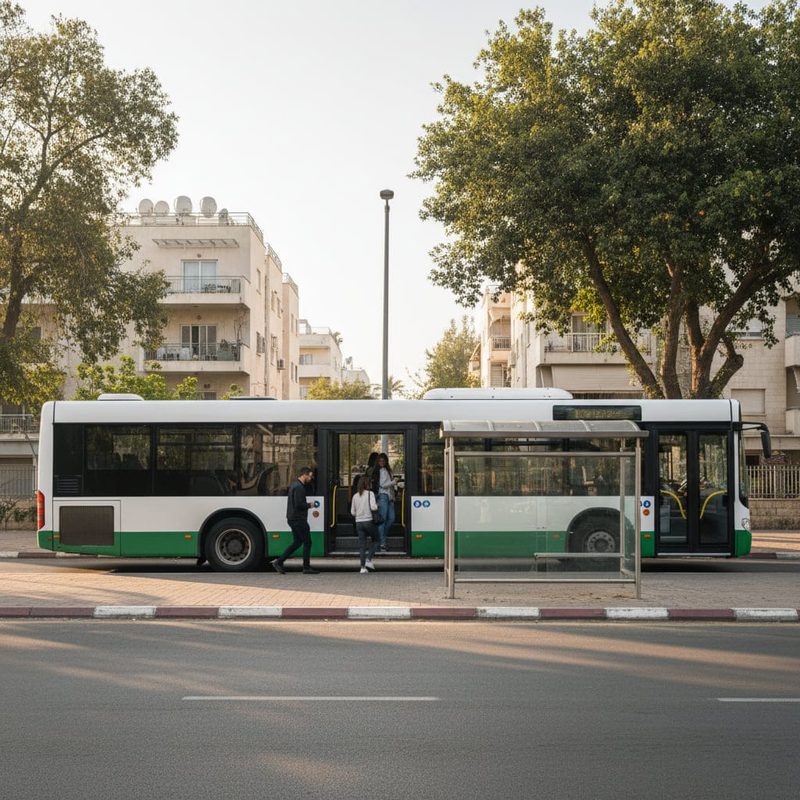
Kiryat Bialik is connected to the broader region by a mix of road and public transport. The nearest Israel Railways station is Kiryat Motzkin railway station, which provides access to the coastal rail line with direct trains that run south via Haifa toward Tel Aviv. Local and intercity buses operated by Egged and regional carriers serve the Krayot and link Kiryat Bialik to Haifa and neighbouring towns.
Insider's Guide to Israel
and can't-miss places most tourists never find.
Road access connects to local arteries that feed onto Highway 4 and Highway 2 (the Coastal Highway), offering a driving route south toward Tel Aviv. Ben Gurion Airport is approximately 94.3 kilometres away by road.
Approximate distances to key cities: Haifa is about 9.8 km away, Akko (Acre) roughly 10.5 km, and Kiryat Motzkin and Kiryat Yam are only a few kilometres away. Depending on destination and timetable, many daily trips are practical by public transport, though some residents find a car useful for convenience and journeys outside the regional corridor.
While not a car-free environment, reasonable public transport options make commuting without a car possible for many if they rely on the rail link at Kiryat Motzkin and local bus services.
Nature and Outdoor Spaces
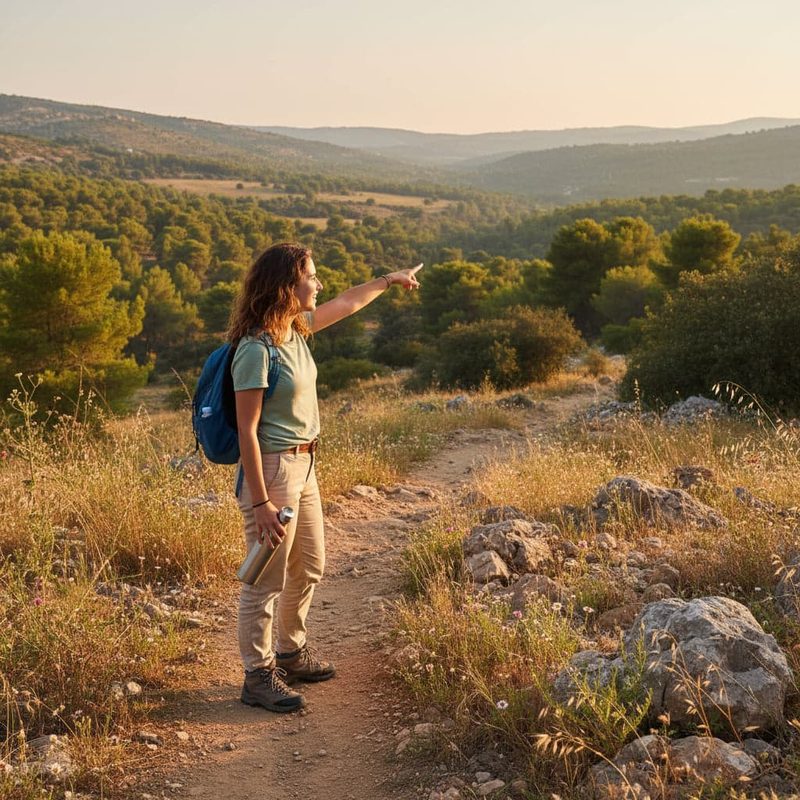
One of Kiryat Bialik’s notable natural assets is its proximity to the Ein Afek Nature Reserve and the Na’aman stream, an important wetland and archaeological landscape. These areas offer walking opportunities, birdwatching and glimpses into the region’s layered environmental and historical character.
Within the city itself there are local green spaces and neighbourhood parks that support everyday recreation. The combination of municipal parks and nearby natural reserves provides residents options for outdoor activity close to home.

Amenities and Things to Do in Kiryat Bialik
Kiryat Bialik provides everyday amenities for residents, including local shops, small commercial centres and municipal services. A notable commercial area is the former ATA factory zone (now a mixed-use and commercial precinct often referred to locally as HaKiryun), which serves as a local shopping and business point.
Cultural and civic attractions include Beit Katz, the Museum of the History of Kiryat Bialik, which documents the town’s development and heritage. For nature-based outings, the Ein Afek Nature Reserve and the Na’aman stream are the primary destinations.
Healthcare services and community sports facilities are available locally, while a wider choice of hospitals, specialist clinics, restaurants and larger shopping centres can be found in nearby Haifa. The combination of local amenities and easy access to a major city gives residents practical options for daily life and leisure.
Cities and Towns Near Kiryat Bialik
Kiryat Bialik sits within a dense suburban cluster north of Haifa, with several neighbouring towns and cities a short drive away. These nearby municipalities form an everyday hinterland for work, shopping and services.
Nearby cities and towns: Kiryat Yam — 1.5 km; Kiryat Motzkin — 2 km; Kiryat Ata — 4 km; Akko (Acre) — 10.5 km.
Advantages of Living in Kiryat Bialik
Proximity to Haifa: Short travel distances make Haifa’s employment, education and specialised services convenient for residents.
Access to nature: Nearby Ein Afek and the Na’aman stream provide wetlands and walking areas close to the city.
Suburban space and privacy: The city offers lower-density living compared with central Haifa, with family-friendly residential areas.
Established schools: A municipal education system including ORT Kiryat Bialik serves local families and the region.
Varied housing options: A mix of apartment blocks, houses and older industrial-to-commercial areas provides different property types.
Things to Consider Before Moving to Kiryat Bialik
Limited local amenities: While daily needs are covered, residents may need to travel to Haifa for some specialised services, larger shopping centres or nightlife options.
Commuting considerations: Depending on workplace location and schedules, some commutes can be longer than in a central city and may rely on bus or rail timetables.
Real estate inventory: Market listings and available properties can be limited at times, so buyers often need to be patient and clear about priorities when searching.
Nightlife and cultural scene: For those seeking an active evening scene or wide cultural offerings, Haifa provides more options than Kiryat Bialik itself.
Who Is Kiryat Bialik Best For?
Families
Families benefit from the suburban environment, local schools and access to parks and nature reserves; the city’s quieter streets and community-oriented atmosphere make it well-suited to raising children.
Commuters
Commuters who work in Haifa or travel along the coastal corridor will find Kiryat Bialik practical thanks to nearby bus services and the Kiryat Motzkin rail link; a car can add flexibility for off-peak travel.
Young Professionals
Young professionals who prioritise affordable, lower-density living with easy access to Haifa’s job market may appreciate Kiryat Bialik’s balance of community life and regional connectivity.
Students
Students attending universities or colleges in Haifa can live in Kiryat Bialik and commute; local high schools serve younger students, while higher education is accessed in the nearby major city.
Retirees
Retirees seeking a quieter suburban setting with parks and nature nearby, plus access to Haifa’s healthcare and cultural facilities, may find Kiryat Bialik comfortable and convenient.
