
Hatzor HaGlilit Area Guide
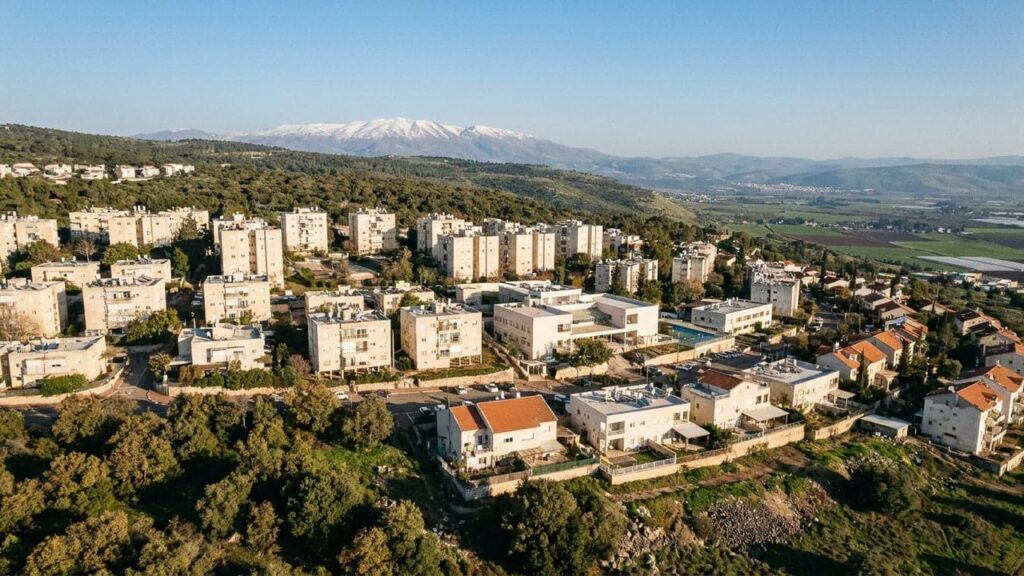

Hatzor HaGlilit is a small town in the Upper Galilee. It combines modern residential life with close access to archaeological and natural sites. This guide covers location, history, services and practical information for anyone considering living there.
Hatzor HaGlilit at a Glance
City: Hatzor HaGlilit • Country: Israel • District: Northern • Population: 10638 • Area: 5.5 km² • Nearest major city: Safed (Tzfat) • Distance: 4.1 km • Main transport connection: Road / intercity buses (town terminal served by Egged regional and long-distance lines); primary road access via regional routes including Highway 89 and connections to Route 90. • Known for: Proximity to the archaeological site Tel Hazor (part of the UNESCO ‘Biblical Tels’), the shrine/tomb of Honi the Circle-Maker, a notable religious/Hasidic community presence, and its origin as a 1950s transit camp/development town. • Historic origins: Named for and located near Tel Hazor, an important Bronze and Iron Age city; modern town founded in 1952-1953 as a transit camp and granted local council status in 1956.
Insider's Guide to Israel
and can't-miss places most tourists never find.

Where Is Hatzor HaGlilit?
Hatzor HaGlilit sits on the Korazim Plateau in the Upper Galilee. It overlooks the Hula Valley and is in the Northern District. The town occupies a compact area of about 5.5 km2. Its neighbours include Rosh Pina and the city of Safed (Tzfat), roughly 4.1 km away.
The setting mixes hillside and plateau terrain. Residents have easy access to nearby forests and wetlands. Road connections, including regional routes and Highway 89, are the main ways to travel in and out of the town.
History of Hatzor HaGlilit
The area near Hatzor HaGlilit is linked with the ancient city of Hazor (Tel Hazor). Archaeological remains date to the Bronze and Iron Ages, and Tel Hazor is included in the UNESCO “Biblical Tels” listing.
In recent centuries the area was part of the Ottoman rural landscape and later the British Mandate framework. After 1948 the modern town began as a transit camp (ma’abara) in 1952-1953. It grew through the 1950s and received local council status in 1956. The modern town is distinct from the much older archaeological site nearby.
Hatzor HaGlilit Population
As of 2022 the population of Hatzor HaGlilit was 10,638, according to the Central Bureau of Statistics. With an area of roughly 5.5 km2, the town is small compared with larger regional cities. It functions as a local council serving both long-term residents and newer arrivals.
What Is It Like to Live in Hatzor HaGlilit?
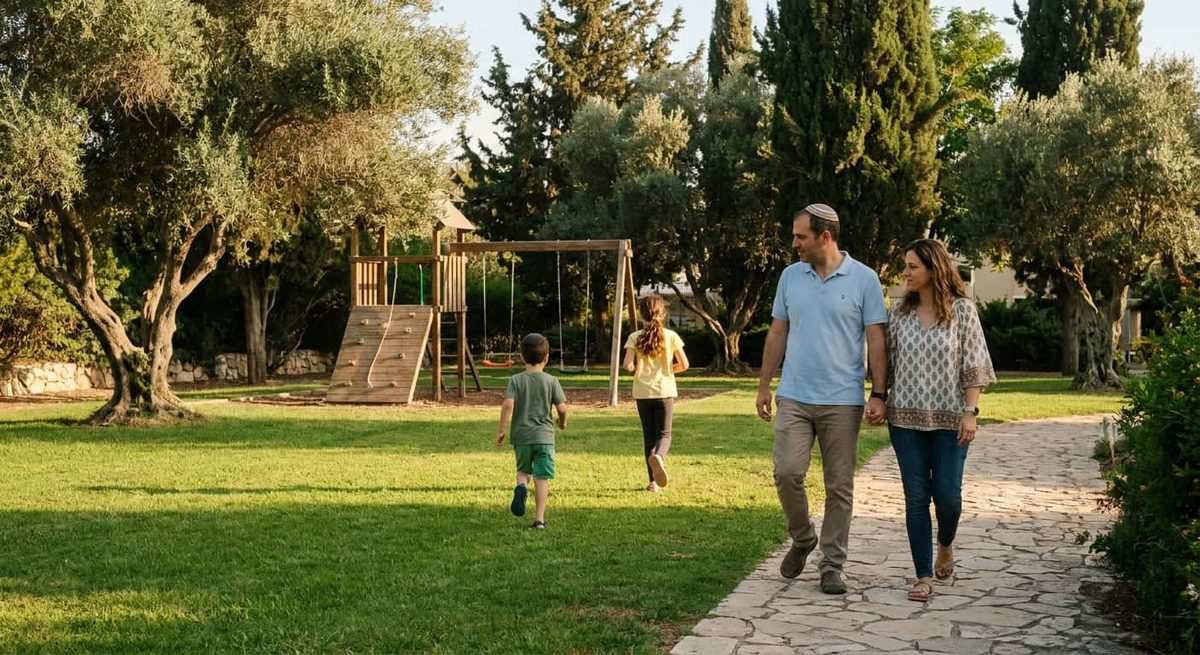
Life in Hatzor HaGlilit is generally calm and community-focused. The pace is quieter than in larger cities, but basic services are available in town and more options are a short drive away in Safed. Many residents appreciate the space and privacy.
Local infrastructure includes shops, small businesses and everyday health services. More comprehensive medical care is available in nearby Safed. Transport relies on roads and buses, and many households use a car for flexibility. Natural areas nearby make hiking, birdwatching and outdoor walks easy to include in daily life.
Areas and Neighbourhoods in Hatzor HaGlilit
Hatzor HaGlilit’s footprint is compact. It includes older development areas, neighbourhoods with community facilities and some newer residential expansions. The town has a central area with municipal facilities, a small industrial zone and residential quarters from different stages of growth since the 1950s.
Honi HaMa’agal (town centre area)
Location and character: The town centre includes the tomb/shrine of Honi the Circle-Maker, which is a local focal point. The area serves as the civic heart for municipal services and local commerce.
Housing and transport: Housing here includes established homes and small apartment blocks near shops and bus stops. It is convenient for errands and short walks.
Who it suits: Good for people who want to be close to social and religious landmarks and for families who value easy access to services.
HaBustan (The Orchard)
Location and character: A quieter, leafy residential quarter named for orchards and gardens that once marked the area.
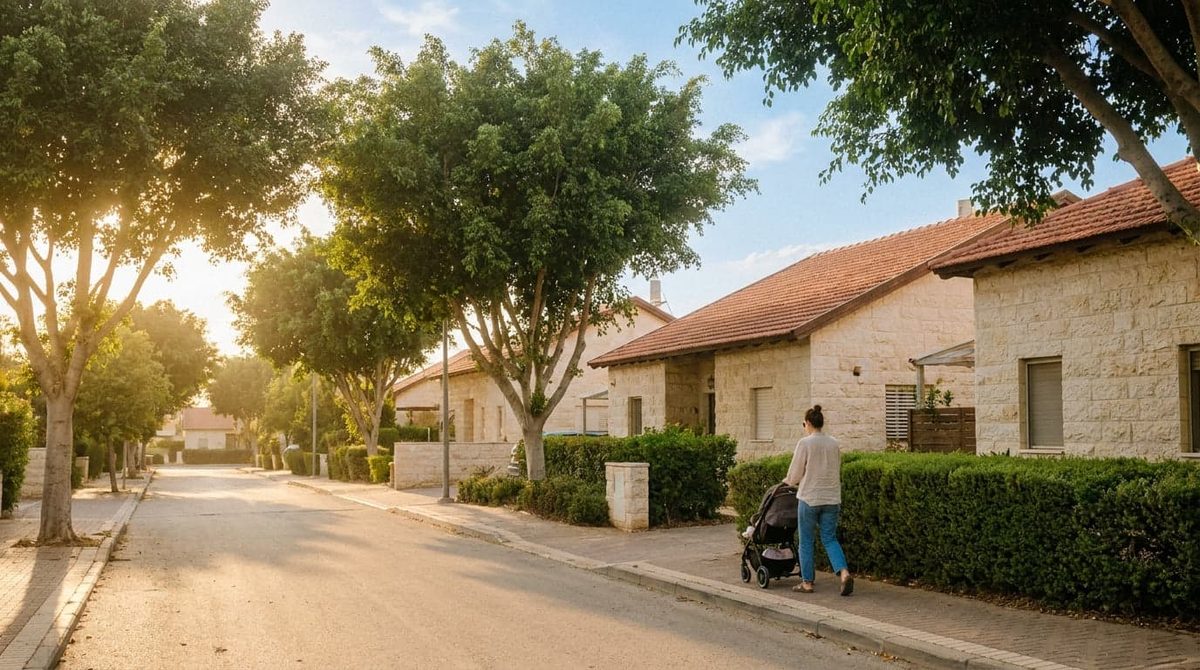
Housing and transport: Properties tend to be single-family houses or low-rise buildings with outdoor space. Bus links and local roads serve the area.
Who it suits: Suited to families and those who want private outdoor space within walking distance of local amenities.
Kiryah Hassidit (Hassidic quarter / Gerrer community area)
Location and character: Noted for its religious institutions and visible Hasidic presence, which shape daily rhythms.
Housing and transport: Homes are often arranged around synagogues and community halls. Bus routes serve residents similarly to other central neighbourhoods.
Who it suits: Primarily suited to observant families and community members who want to be close to religious institutions.
Givat Navon
Location and character: A residential incline offering views toward the Hula Valley.
Housing and transport: Housing is a mix of family homes and smaller developments. Roads link this area to the town centre and main bus routes.
Who it suits: Attracts residents who prioritise views and a slightly more elevated neighbourhood feel.
Northern/new development areas and the Tzahar industrial area
Location and character: The northern sections include newer residential plots and small industrial zones such as the Tzahar area. These parts reflect ongoing municipal planning.
Housing and transport: Newer builds and expansion plots are found here. The industrial area hosts light industry, workshops and some commercial services.
Who it suits: Suitable for buyers seeking newer construction or proximity to local employment, and for small business owners in the industrial area.
Education in Hatzor HaGlilit
The town’s schools are sized to match the local population. According to the Central Bureau of Statistics (school year 2021/22) there are about 11 educational institutions, 123 classes and 2,370 students. These figures include roughly 1,325 primary-level pupils and 1,045 post-primary students.
Insider's Guide to Israel
and can't-miss places most tourists never find.
Hatzor HaGlilit does not host universities. Students travel to regional centres or larger cities for higher education. Safed is the nearest city with additional educational and extracurricular options.
Transport and Connectivity
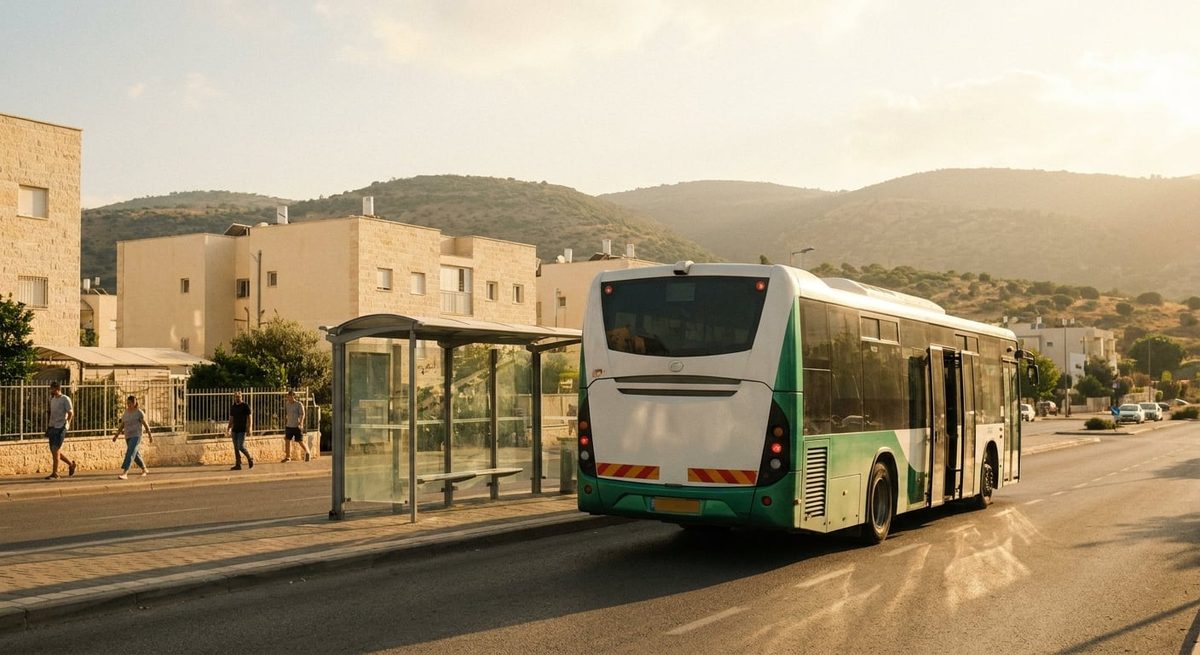
Main travel to and from Hatzor HaGlilit is by road and intercity bus. The town has a local intercity bus terminal served by Egged and other carriers, with regional connections to Rosh Pina, Safed and Tiberias and longer buses to Tel Aviv.
There is no railway station in Hatzor HaGlilit. Road distance to Tel Aviv is approximately 150-155 km, with driving times commonly around 1 hour 50 minutes to 2 hours 15 minutes depending on route and traffic. Ben Gurion Airport is roughly 160-170 km away by road. Given this reliance on road travel, owning a car is common, though regular bus services make commuting possible without one.
Nature and Outdoor Spaces
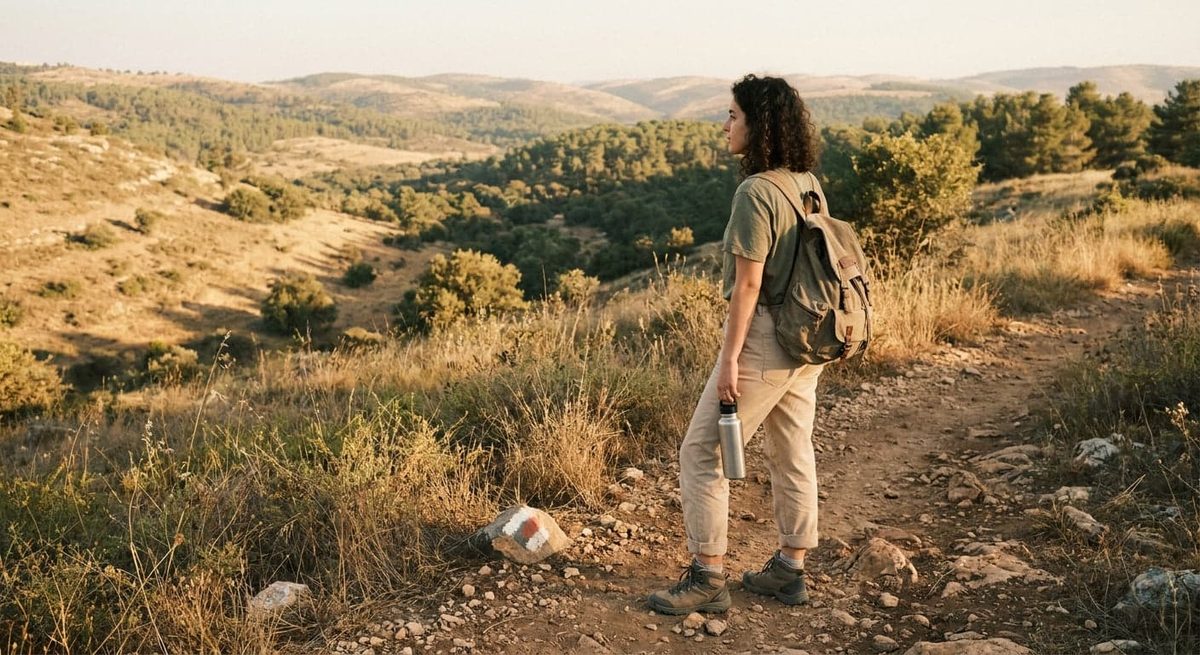
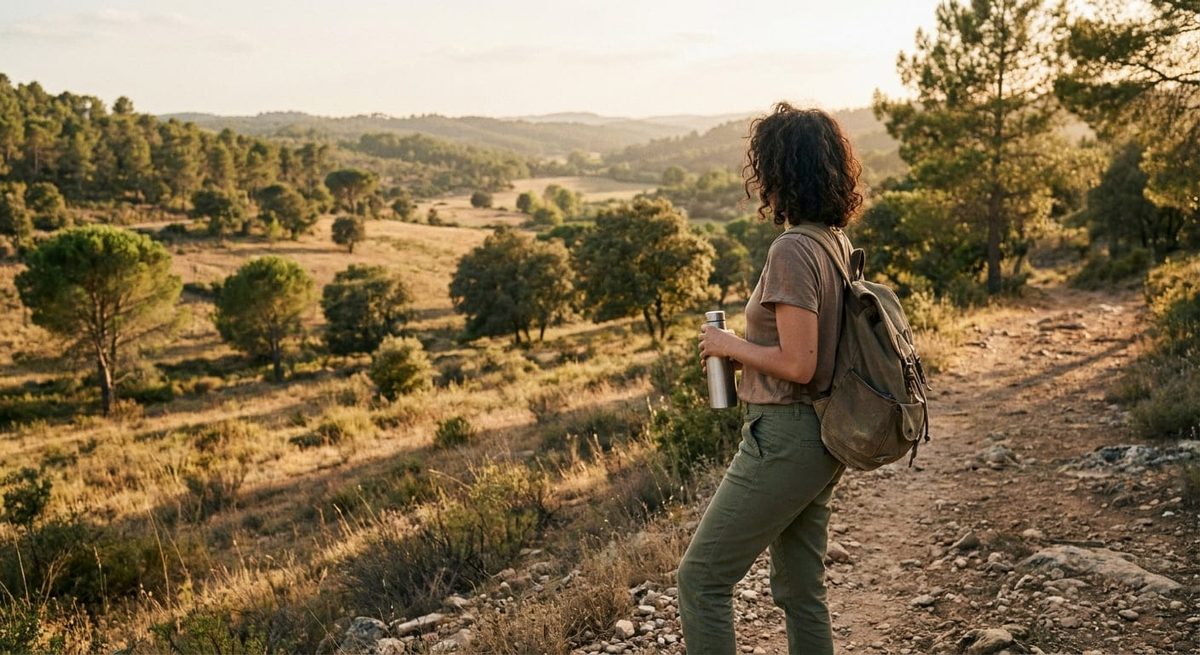
Hatzor HaGlilit sits on the Korazim Plateau and looks over the Hula Valley. The town is near the Hula Nature Reserve, a major birdwatching site, and Biriya Forest, which has trails and picnic spots.
These green spaces make hiking, cycling and nature watching easy for residents. The landscape includes forested areas, agricultural land and protected wetlands a short drive away.
Amenities and Things to Do in Hatzor HaGlilit
Key local attractions include Tel Hazor National Park, an archaeological site that is part of the UNESCO “Biblical Tels” listing, and the Tomb of Honi HaMa’agel, which is a cultural and pilgrimage site. Rosh Pina is nearby for weekend outings and dining.
In town you will find everyday shopping, small restaurants and community centres that host events. Basic healthcare services are available locally; more comprehensive care is in nearby Safed. Sporting and recreational options match the town’s size: playgrounds, sports fields and walking routes into surrounding hills and forests.
Cities and Towns Near Hatzor HaGlilit
Hatzor HaGlilit is part of a cluster of towns and small cities in the Upper Galilee. These nearby places are close enough for regular travel and day trips, while Hatzor HaGlilit itself remains compact and community-oriented.
Nearby cities and towns: Rosh Pina — 1.2 km, approx. 5 min; Safed (Tzfat) — 4.1 km, approx. 10 min; Tiberias — 20.6 km, approx. 25 min; Kiryat Shmona — 28 km, approx. 30 min; Nazareth — 37.6 km, approx. 45 min.
Advantages of Living in Hatzor HaGlilit
Proximity to archaeological and natural sites: Immediate access to Tel Hazor and nearby reserves supports cultural visits and outdoor recreation.
Community atmosphere: The town’s compact population fosters close local networks.
Space and privacy: Low-density housing and family-sized homes provide outdoor space not always found in larger towns.
Convenient regional access: Intercity bus services and short drives link residents to Safed, Tiberias and other nearby centres for services not available locally.
Things to Consider Before Moving to Hatzor HaGlilit
Limited local specialist services: Basic healthcare and schooling are available, but specialised medical care and higher education usually require travel to Safed or other regional centres.
Transport reliance on road and bus: There is no local railway station, and many tasks are easier with a car. Buses are useful but less flexible than private transport.
Smaller local economy: Employment is concentrated in small businesses, light industry and public services. Some residents commute to larger towns and cities for work.
Who Is Hatzor HaGlilit Best For?
Families
Families will appreciate the community focus, local schools and outdoor space for children. The town’s quieter pace and nearby nature suit family life.
Commuters
Commuters working in Safed, Rosh Pina or nearby Galilee towns can travel by car or regular intercity buses. Longer commutes to central Israel are possible but take more time.
Young Professionals
Young professionals who value affordable housing, a quieter lifestyle and access to nature may find Hatzor HaGlilit appealing, particularly those who work remotely or regionally.
Retirees
Retirees may be drawn to the tranquil setting, local community ties and easy access to outdoor recreation. Daily needs are met locally, with more amenities available in Safed.
