
Netivot Area Guide
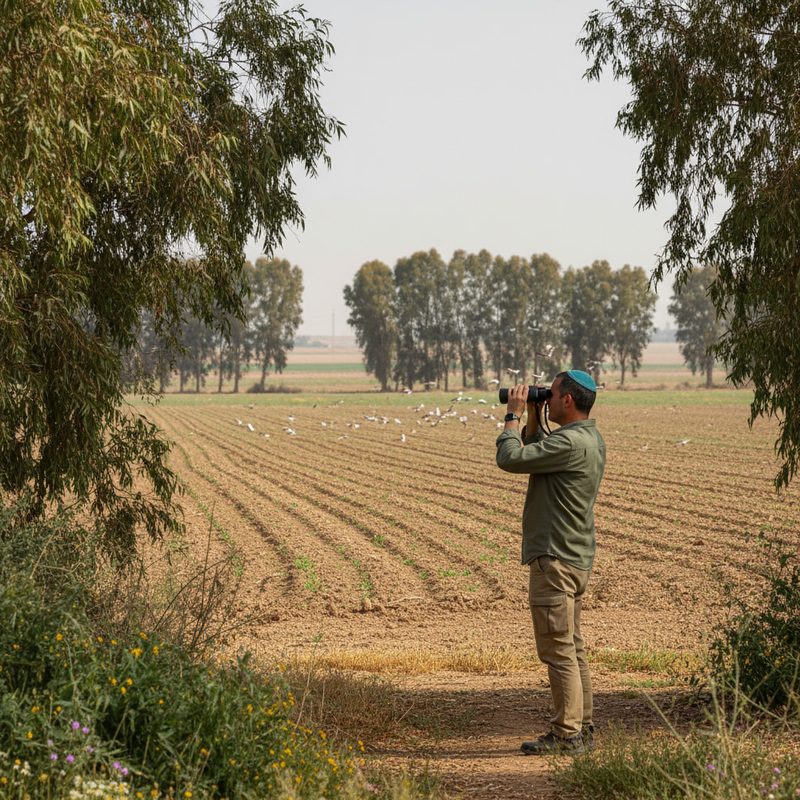

Netivot is a small city in southern Israel with practical transport links, a close-knit community and local religious significance. This guide outlines everyday life, history, services and connections.
Netivot at a Glance
City: Netivot • Country: Israel • District: Southern District • Population: about 56,000 (estimate, according to the Israel Central Bureau of Statistics) • Area: about 5.6 km² • Nearest major city: Beersheba • Distance: 31 km • Main transport connection: Netivot railway station on the Ashkelon to Beersheba line; road access via Highway 34 and Highway 25 • Known for: Religious pilgrimage, notably the tomb of Rabbi Israel Abuhatzeira (the Baba Sali), local Sephardic and Mizrahi religious life, and recent residential growth • Historic origins: Archaeological remains at Horbat Bohu indicate long-standing settlement in the area. Finds recorded by the Israel Antiquities Authority include mosaic fragments, cisterns, presses and pottery, showing activity from late antiquity through medieval periods.
Insider's Guide to Israel
and can't-miss places most tourists never find.

Where Is Netivot?
Netivot lies in the Southern District on the northern edge of the Negev. It is roughly 30 to 35 kilometres southwest of Beersheba and sits between the coastal plain and the semi-arid Negev.
Nearby towns include Sderot, Ofakim, Ashkelon, Kiryat Gat and Beersheba. The town is compact, with the Bohu stream corridor and open low-lying terrain shaping the local landscape.
History of Netivot
The modern town of Netivot dates from the mid-20th century as part of regional development and resettlement efforts. It began as a development town and later grew into an established municipal centre.
West of the modern town, at Horbat Bohu, archaeological work recorded by the Israel Antiquities Authority shows settlement and agricultural activity across several historical periods. Finds include building remains, mosaic fragments, cisterns, presses and pottery.
In short, the site combines long-standing archaeological traces with a modern municipal history that began in the 20th century.
Netivot Population
According to the Israel Central Bureau of Statistics, Netivot’s population is around 56,000 (estimate). The town has grown steadily in recent decades, with new neighbourhoods added as demand increased.
This size places Netivot among the small-to-medium towns of the southern region; it acts as a local centre for surrounding communities while keeping a relatively compact urban footprint.
What Is It Like to Live in Netivot?
Daily life in Netivot is family oriented and community focused. Religious institutions and local social networks play a strong role, and the town receives visitors for pilgrimage activity related to the Baba Sali gravesite.
Basic services are available: municipal schools, vocational and community education programmes, healthcare clinics and local shops and eateries. Newer housing areas have appeared alongside older, established parts of town.
Transport includes a railway station on the Ashkelon to Beersheba line and a local bus terminal. Many residents also use private cars on Highway 34 and Highway 25 to reach larger centres. Open spaces near the Bohu stream and the nearby Negev offer simple outdoor recreation.
Netivot may appeal to people who prioritise local community life, affordable family housing and practical regional links rather than a large urban leisure scene.
Areas and Neighbourhoods in Netivot
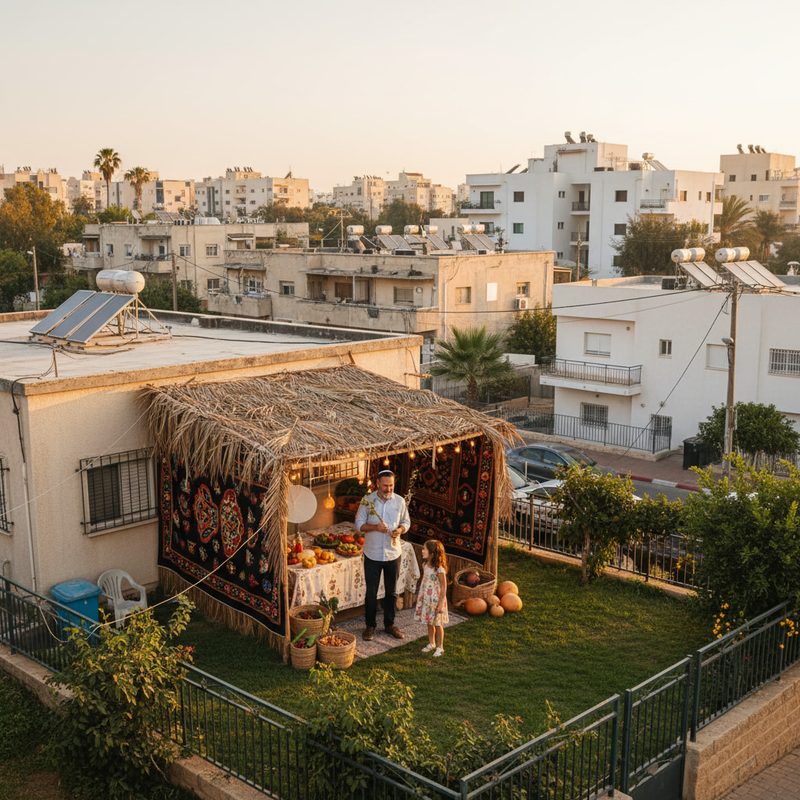
Netivot blends older quarters and newer residential neighbourhoods. Local names reflect different stages of the town’s growth.
Netivot HaVatika (Old Netivot)
This is the original part of town with more established housing. Shops and municipal offices tend to be nearby, making it practical for those who want close access to long-standing community facilities.
Merkaz Netivot (City Centre)
The city centre gathers public services, retail and transport links. Walkable access to the station area and municipal buildings makes this area convenient for shopping and administrative needs.
Maalot HaNahal
A later residential area near the Bohu stream corridor. Newer housing and nearby green spaces appeal to families and those who prefer quieter streets with access to outdoor areas.
Ramot Yoram
A mainly residential neighbourhood with a mix of housing from the city’s expansion phases. It suits households seeking established blocks within Netivot.
Neve Sharon
A residential area with family homes and local services, offering reasonable access to schools and community programmes.
Horesh
Part of the city’s expanding residential fabric. It is suitable for buyers and renters seeking straightforward suburban living with basic amenities nearby.
Education in Netivot
Education in Netivot includes municipal elementary and secondary schools plus vocational and community programmes. The town serves common family needs for schooling.
Religious study is important locally and the city hosts yeshivot and teacher-education programmes. Hemdat College of Education is a regional teachers’ college in the area, according to the college.
For university-level degrees, students typically travel to larger nearby cities where universities are based; rail and road links make such travel feasible for commuting or occasional attendance.
Transport and Connectivity
Netivot is served by the Netivot railway station on the Ashkelon to Beersheba line, which provides passenger connections to Ashkelon, Beersheba and central Israel, including Tel Aviv. The station’s opening date is recorded by Israel Railways.
A bus terminal next to the station handles local and regional services. Road links via Highway 34 and Highway 25 connect to coastal routes and central highways. Driving distance to Tel Aviv is generally about 70 to 80 km by the main routes; Ben Gurion Airport is roughly 70 to 75 km by road.
Travel times to nearby towns are short: Ofakim and Sderot are typically within a 15 to 20 minute drive, Ashkelon around 25 to 35 minutes and Beersheba around 30 to 40 minutes. Public transport within the town is more limited than in larger cities, so many residents use private cars for daily trips.
Insider's Guide to Israel
and can't-miss places most tourists never find.
Nature and Outdoor Spaces
The town sits beside the Nahal Bohu (Bohu Stream), where existing and planned park areas provide walking routes and open spaces. These green corridors offer simple outdoor recreation.
Beyond the stream the landscape becomes semi-arid as it transitions into the northern Negev. Residents use these open areas for walks and weekend trips.
Amenities and Things to Do in Netivot
Basic shopping, restaurants and markets meet daily needs. Retail and dining cluster near the city centre and transport hubs and provide everyday choices for groceries and casual meals.
Healthcare clinics handle typical medical needs; more specialised care is usually accessed in larger regional centres. Community life centres on religious institutions, community centres and local calendar events.
Local points of interest include the Baba Sali tomb, which draws religious visitors; Horbat Bohu archaeological remains; the railway station as a travel node; and green spaces along the Bohu stream. Hemdat College contributes to local cultural and educational activity.

Cities and Towns Near Netivot
Netivot sits within a compact regional network of towns on the northern Negev and southern coastal plain. Nearby towns and cities provide additional services, jobs and transport links for residents.
Nearby cities and towns: Sderot — 13 km, approx. 15 min; Ofakim — 12 km, approx. 15 min; Ashkelon — 28 km, approx. 30 min; Beersheba — 31 km, approx. 35 min; Kiryat Gat — 28 km, approx. 35 min.
Advantages of Living in Netivot
Community atmosphere: Local life is family- and community-centred, supported by religious and social institutions that encourage close ties.
Regional links: The railway station and nearby highways connect Netivot to Ashkelon, Beersheba and, for longer commutes, Tel Aviv.
Education choices: A mix of municipal schools, vocational programmes, yeshivot and regional teacher education serve a range of needs.
Access to open space: The Bohu stream corridor and nearby Negev areas offer outdoor opportunities.
Affordability and housing: A range of housing and ongoing residential development provide options for families.
Things to Consider Before Moving to Netivot
Local entertainment and specialised services are limited compared with larger cities; people seeking a wide cultural scene or extensive specialist medical care may travel elsewhere.
Public transport inside the town is less frequent than in major urban centres, so private vehicles are common for routine trips.
Pilgrimage traffic: The town receives periodic visitor influxes tied to religious sites, which can affect parking and activity near key locations.
Property market: Inventory can be limited at times; buyers should use current listings and local agents to find suitable options.
Who Is Netivot Best For?
Families
Families benefit from community-focused neighbourhoods, municipal schools and nearby open spaces. The town’s residential character suits household routines.
Commuters
Commuters can use the railway and highways to reach employment centres in Ashkelon, Beersheba and, for longer trips, Tel Aviv.
Young Professionals
Young professionals seeking affordable housing and decent regional links, or those working remotely, may find Netivot a practical base with manageable travel to larger hubs.
Students
Students who study in religious or teacher-education institutions have local options; university-level studies are usually pursued in larger nearby cities.
Retirees
Retirees who prefer quieter residential areas with basic services and access to open spaces may appreciate Netivot’s calm neighbourhoods and local community networks.
