
Or Yehuda Area Guide
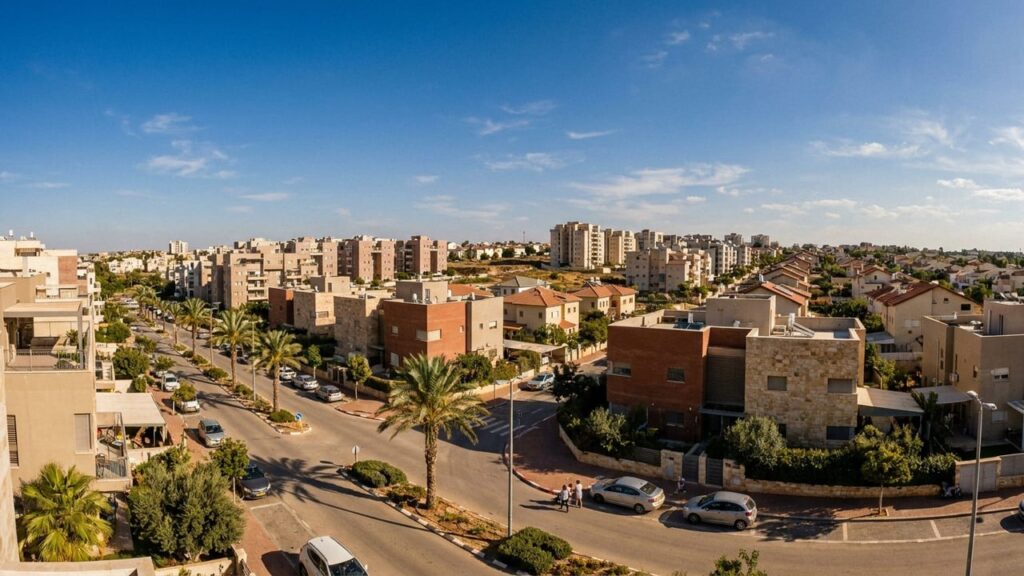

Or Yehuda is a small city in the Tel Aviv District with a long archaeological footprint and a modern identity built after 1948. This guide covers practical details about living there, from history and transport to schools and green spaces, with a focus on everyday life in Israel.
Or Yehuda at a Glance
City: Or Yehuda • Country: Israel • District: Tel Aviv • Population: 41130 • Area: 6.5 • Nearest major city: Tel Aviv-Yafo • Distance: 9.2 • Main transport connection: Road links via Route 461/412 to the Ayalon corridor and rail access via Ben Gurion Airport railway station to Tel Aviv and the national rail network. • Known for: Location on the site of biblical Ono; post-1948 immigrant absorption (ma’abarot), Babylonian Jewry Heritage Center, proximity to Ben Gurion Airport. • Historic origins: Site occupied since the Chalcolithic (c.3500 BCE); identified with the biblical town Ono; Ottoman-period villages Kafr ‘Ana and Saqiya; modern immigrant absorption camps (ma’abarot) after 1948 and modern town established in 1955.
Insider's Guide to Israel
and can't-miss places most tourists never find.

Where Is Or Yehuda?
Or Yehuda sits in the eastern part of the Tel Aviv metropolitan area, inside the Tel Aviv District, on the coastal plain just east of the Ayalon corridor. It lies within a short distance of several suburban municipalities and is positioned between urban Tel Aviv and the inland city of Lod.
Neighbouring communities include Yehud-Monosson, Ramat Gan, Bnei Brak, Lod and Holon, making Or Yehuda part of the contiguous built-up area surrounding central Tel Aviv. The city is approximately 9.2 km from Tel Aviv-Yafo as the crow flies and about 16 km by road to central Tel Aviv, with direct road connections to the Ayalon corridor.
History of Or Yehuda
The site of Or Yehuda has deep historical roots. Archaeological finds indicate occupation since the Chalcolithic period (roughly 3500 BCE), and the area has been identified with the biblical town Ono in Bronze Age and later references.
During the Ottoman period the locale included Arab villages such as Kafr ‘Ana and Saqiya; the built-up areas of those villages fall within the footprint of present-day Or Yehuda. In the 20th century the area experienced major demographic change after 1948 when immigrant absorption camps (ma’abarot) were established here.
The modern town of Or Yehuda was formally established in 1955 and later developed into a municipal urban framework; it was granted city status in 1988. When discussing age, note that the modern municipal entity dates to the mid-20th century, while the site itself has a much older, millennia-long record of settlement.
Or Yehuda Population
As of 2024 the population of Or Yehuda is 41,130. The city occupies a relatively small area (about 6.5 km²), making it a modest-sized municipality within the Tel Aviv District.
The population reflects Or Yehuda’s transition from mid-20th-century immigrant absorption settlements to a compact urban community in the metropolitan ring around Tel Aviv. Its size places it well below the largest cities in the district but large enough to sustain local services and institutions.
What Is It Like to Live in Or Yehuda?
Or Yehuda combines suburban residential character with easy access to larger urban centres. The pace is generally quieter than central Tel Aviv, with lower-density neighbourhoods, municipal parks and local commerce concentrated in a city centre area.
Infrastructure and services are provided through municipal frameworks — schools, local clinics and a cultural centre — while a wider range of specialist services and employment options are a short trip into the Tel Aviv metropolitan area. Public transport and road links make commuting feasible, though road travel times vary with traffic.
For residents who want a balance between proximity to a major urban hub and a more residential environment, Or Yehuda offers straightforward daily routines, outdoor options along the Ayalon corridor and community-oriented amenities.

Areas and Neighbourhoods in Or Yehuda
Or Yehuda’s neighbourhoods include a mix of older districts with roots in the post‑1948 ma’abarot and newer residential developments. Neighbourhoods vary by age, housing type and proximity to transit or green corridors.
Neve Rabin
Location and character: Neve Rabin is a notable development area within Or Yehuda that has been highlighted as a growing residential zone.
Housing and transport: The neighbourhood features recent development projects and family-oriented housing. It is served by local roads and municipal bus routes that connect residents to the city centre and nearby hubs.
Who it suits: Families and long-term buyers looking for newer housing stock and community amenities.
Ramat Pinkas / Ramat Penkas area
Location and character: These elevated residential sectors are recognized in municipal planning as established neighbourhoods with a suburban feel.
Housing and transport: The area contains a mix of single-family homes and apartment buildings, with convenient access to main roads and local bus lines.
Who it suits: Households seeking quieter residential streets within easy reach of central Or Yehuda and the wider metropolitan road network.
Neve Savion / Neve Savyon
Location and character: Referred to in some sources as parts of the city with a more suburban layout, Neve Savion offers green-adjacent living close to municipal parks.
Housing and transport: Typically composed of low-density housing and smaller apartment blocks, residents rely on municipal transport links to reach employment centres.
Who it suits: Residents who value outdoor access and a quieter neighbourhood atmosphere.
Neve Ayalon / North Or Yehuda
Location and character: North Or Yehuda sits near the Ayalon corridor and the local river/stream corridor projects, with municipal efforts to enhance green spaces along this axis.
Housing and transport: Proximity to the Ayalon corridor means reasonable road links and access to bus services; the area also benefits from nearby parks.
Who it suits: People who want good road connectivity combined with easy access to open space.
City centre (commercial area)
Location and character: The city centre concentrates retail, municipal services and cultural facilities, acting as Or Yehuda’s main commercial spine.
Housing and transport: The zone is well-served by local bus routes and is the focal point for short trips within the city.
Who it suits: Those who prefer to live near shops, cultural venues and municipal services.
Southern neighbourhoods (older ma’abara-derived districts)
Location and character: The southern parts of Or Yehuda include older districts that developed from the mid‑20th-century immigrant absorption camps and subsequent municipal expansion.
Housing and transport: These neighbourhoods often feature more established housing stock and are integrated with the local road and bus network.
Insider's Guide to Israel
and can't-miss places most tourists never find.
Who it suits: Residents seeking established communities with local history and established social networks.
Education in Or Yehuda
Or Yehuda provides multiple primary and secondary schools and municipal education programs. The city has local high-school frameworks and referenced reforms such as the Yovelim initiative, reflecting municipal attention to secondary education.
Cultural and heritage institutions like the Babylonian Jewry Heritage Center also contribute to educational life in the city. For higher education, residents commonly travel into the greater Tel Aviv metropolitan area where major universities and colleges are located; these are accessible by road or public transport.
Transport and Connectivity
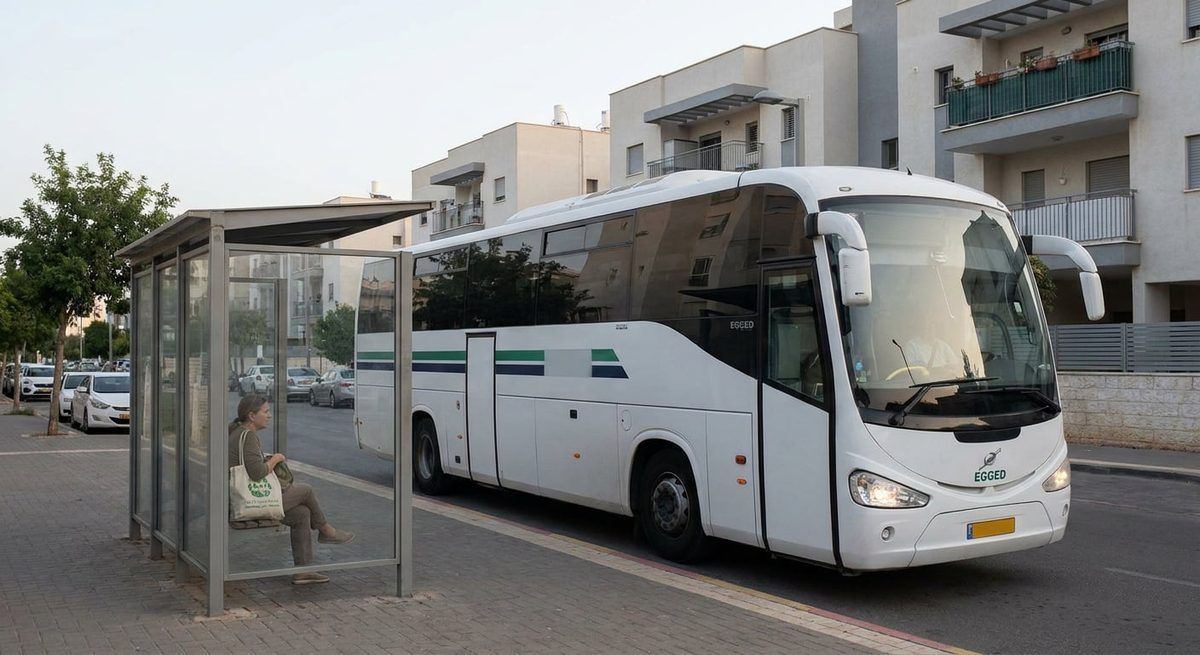
Road and bus: Or Yehuda is connected by local roads to Route 461 and Route 412, with fast access to the Ayalon corridor for travel into central Tel Aviv. The city is served by regional and intercity bus lines (operators such as Dan and Egged and local services) linking Or Yehuda to Tel Aviv, Ramat Gan, Yehud, Lod and other nearby towns. Municipal and regional buses operate within the city for shorter trips.
Rail and airport links: The nearest major rail access for Or Yehuda is the Ben Gurion Airport railway station, which provides direct Israel Railways services into central Tel Aviv (Savidor/HaShalom) with scheduled journeys of approximately 15–20 minutes. Ben Gurion Airport itself is approximately 7 km from Or Yehuda, making the city especially convenient for air travel.
Distances and car-free feasibility: By road, central Tel Aviv is approximately 16 km away and driving times depend heavily on traffic. Public transport options make commuting to Tel Aviv and surrounding employment centres feasible without a car, but many residents combine driving and public transport depending on schedules and destinations.
Nature and Outdoor Spaces
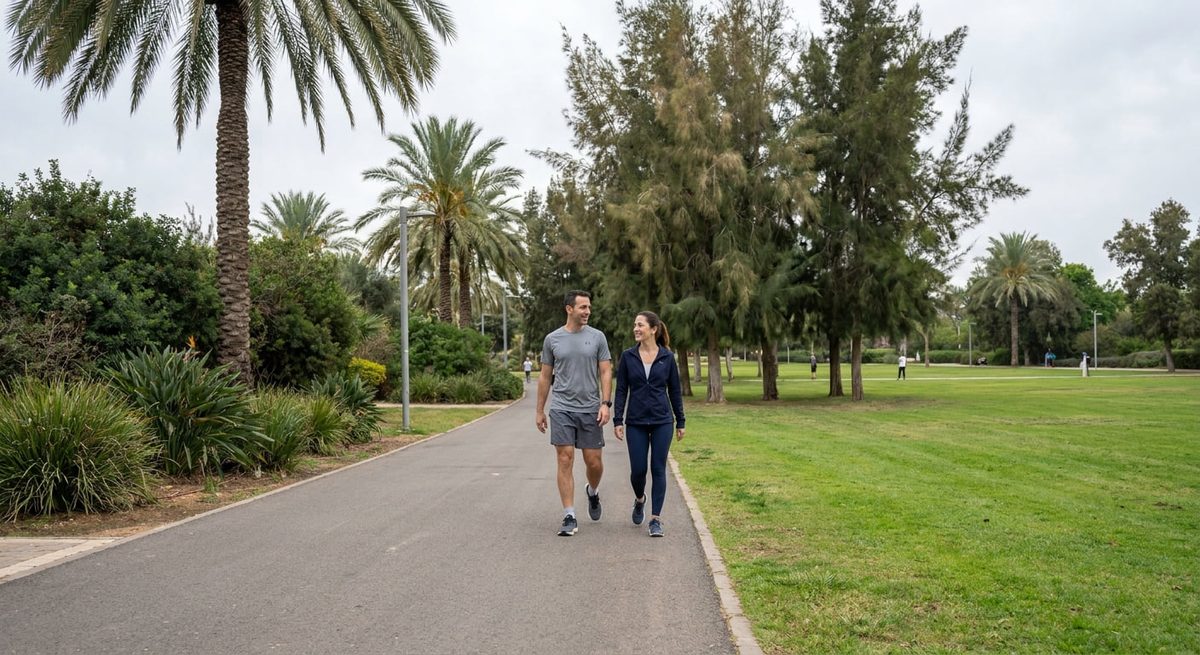
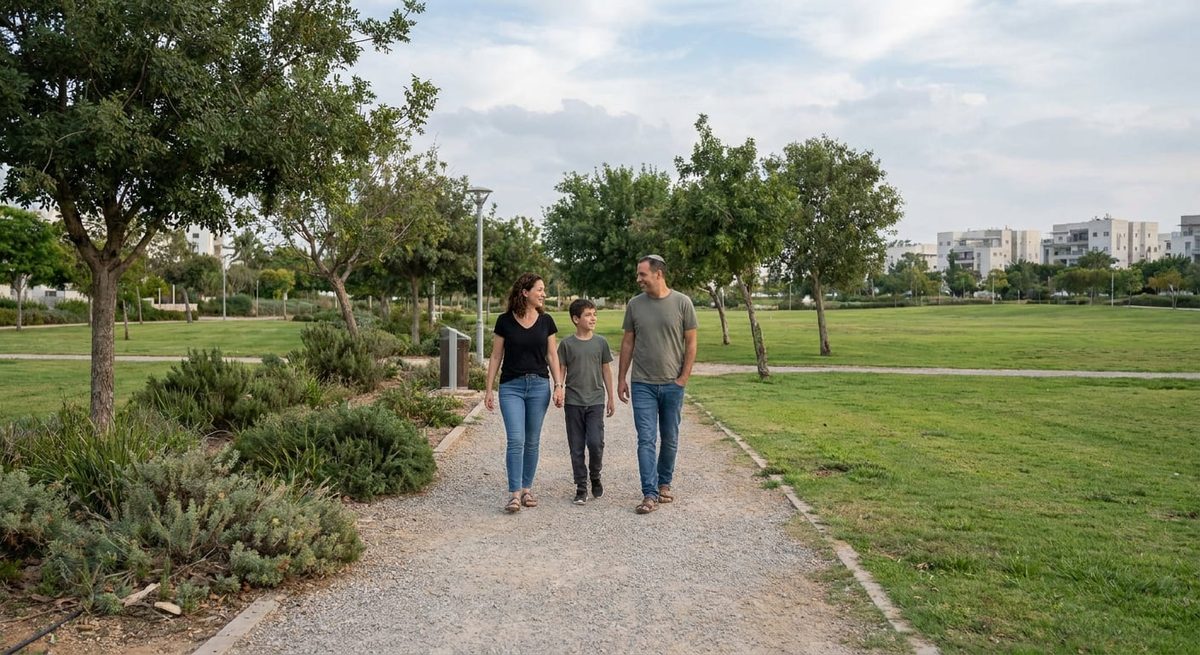
Green areas in Or Yehuda are focused along the Ayalon corridor, where municipal parks and river/stream corridor projects provide open space and walking routes. Local parks and municipal green projects near Neve Ayalon offer recreational options for families and outdoor activities.
These green corridors connect to the wider coastal plain landscape and provide accessible outdoor areas within a compact urban footprint, supporting weekend activities and everyday exercise close to home.
Amenities and Things to Do in Or Yehuda
Or Yehuda offers a core set of amenities concentrated around its city centre: shops, cafes and municipal services such as a cultural centre and a centre for music and dance. Healthcare needs are met by local clinics and primary care services, with specialist care available in nearby larger cities.
Significant local places include the Babylonian Jewry Heritage Center, which provides a cultural and historical focus; the Or Yehuda Cultural Centre; and institutional presences such as the headquarters of the National Roads Company of Israel. Outdoor activity is supported by parks along the Ayalon corridor, and weekly markets or local retail streets serve routine shopping needs.
Cities and Towns Near Or Yehuda
Or Yehuda sits amid a cluster of suburban municipalities within easy reach of the Tel Aviv metropolitan area. Nearby cities include Yehud-Monosson, Ramat Gan, Bnei Brak, Lod and Holon, each a short drive or bus ride away and offering complementary services, employment and cultural opportunities.
Nearby cities and towns: Yehud-Monosson — 2 km; Ramat Gan — 6.3 km; Bnei Brak — 6.8 km; Lod — 8 km; Holon — 11.5 km.
Advantages of Living in Or Yehuda
Proximity to Tel Aviv and Ben Gurion Airport: Short road and rail links make commuting and travel straightforward.
Community and family orientation: The city’s neighbourhoods and municipal services are geared toward family life and local community activity.
Green and outdoor access: Parks and Ayalon corridor projects provide regular outdoor space within the city footprint.
Compact size with local services: A city centre concentrates shops, cultural facilities and municipal services so daily needs are often met locally.
Things to Consider Before Moving to Or Yehuda
Limited specialised services locally: For some specialist healthcare, higher education or large-scale cultural institutions, residents normally travel to larger nearby cities in the metropolitan area.
Variable road travel times: While distances to central Tel Aviv and other hubs are short, driving times can change significantly with traffic, so commute reliability can vary.
Housing market characteristics: Inventory can be limited at times, so buyers and renters should be prepared to define priorities and act when suitable options appear.
Who Is Or Yehuda Best For?
Families
Families will appreciate the community-oriented environment, municipal schools, parks and the balance of residential space with access to regional services.
Commuters
Commuters who work in Tel Aviv or at Ben Gurion Airport benefit from the short distances and multimodal links by road, bus and rail via the airport station.
Young Professionals
Young professionals who want easier housing options than central Tel Aviv but fast access to city jobs find Or Yehuda practical for daily travel and social life in the metropolitan area.
Students
Students attending colleges or universities in the Tel Aviv area can live in Or Yehuda and commute; however, local higher-education options within the city are limited, so many students travel for campus-based study.
Retirees
Retirees looking for quieter, low-density living with municipal services nearby and green space access may find Or Yehuda a comfortable option within reach of larger city facilities when needed.
