
Exploring the Significance of Galilee in Biblical Times
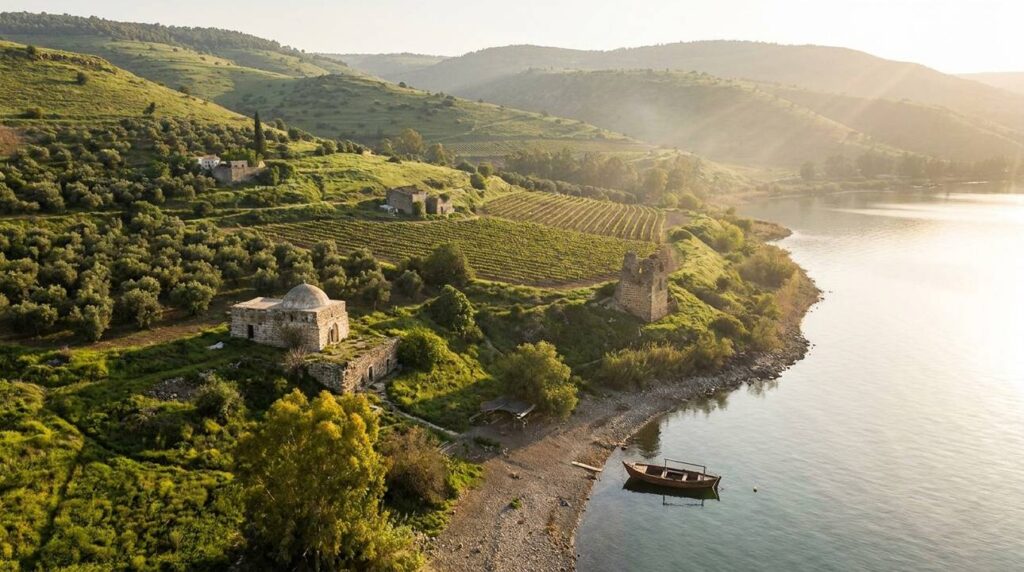

Galilee, a region in northern Israel, holds a special place in the biblical narrative. It is a land rich in history and significance, serving as the setting for numerous biblical events and stories.
From the time of Joshua to the prophecies of Isaiah, Galilee’s landscape has been intricately woven into the spiritual and cultural tapestry of the Jewish people. The book of Judges recounts how Deborah and Barak gathered their forces in the region to defeat the Canaanite army (Judges 4:6-16).
This victory is celebrated in the Song of Deborah, highlighting Galilee’s role in pivotal biblical events.
Galilee’s significance is also highlighted in the book of Kings, where King Solomon rewarded Hiram of Tyre with twenty cities in the region (1 Kings 9:11). These cities, known as the “land of Cabul,” were part of a diplomatic exchange between the two kings.
These stories illustrate the region’s importance in biblical times, serving as a backdrop for pivotal moments in Jewish history. Galilee’s enduring presence in the Bible continues to captivate those who seek to understand its historical and spiritual impact.
Its landscapes and ruins tell stories of ancient alliances and exchanges.
The Genesis of Galilee in Biblical Narratives
Galilee first appears in the Hebrew Bible as a territory allocated to the tribes of Naphtali, Zebulun, and Issachar. Its fertile land and strategic location made it an important region in ancient Israel. In Joshua 20:7, the city of Kedesh was established as one of the cities of refuge in Galilee.
This provided sanctuary for those seeking justice and safety, showing Galilee as a place of refuge. The concept of cities of refuge highlights the region’s role in maintaining justice and mercy within the ancient Israelite society, offering protection and fairness.
Prophetic Visions: Galilee in the Books of the Prophets
The prophets Isaiah and Amos refer to Galilee in their visions of Israel’s future. Isaiah 9:1 speaks of Galilee of the nations, prophesying a light that will shine upon the people living in darkness. This imagery paints Galilee as a place of future hope and redemption.
Amos also mentions the region in his prophecies, emphasizing its significance in the broader narrative of Israel’s destiny. These prophetic messages underscore Galilee’s role as a symbol of transformation and renewal in the biblical context, offering a vision of hope and change.
Such prophecies have captured the imagination of many over generations, giving Galilee a mystical significance. The idea of Galilee as a beacon of hope resonates with those who seek inspiration from its biblical past.
Isaiah 9:1 speaks of Galilee as a place where light will shine upon those in darkness, symbolizing hope and renewal. These prophetic visions continue to influence the way people perceive Galilee, highlighting its enduring role in the spiritual landscape of Israel.
The region’s landscapes and historical sites remind visitors of its deep-rooted biblical connections, offering insight.
Galilee During the Second Temple Period
During the Second Temple period, Galilee was home to vibrant Jewish communities. Its towns became centers for Jewish education and political activity. Cities like Sepphoris and Tiberias were known for their scholarly pursuits and were integral to the development of the Mishnah, a key Jewish text.
Josephus, a first-century historian, often described Galilee’s beautiful landscapes and its role in the Jewish-Roman wars. His accounts provide valuable insights into the life and struggles of the Jewish communities in Galilee during this tumultuous period, highlighting their resilience.
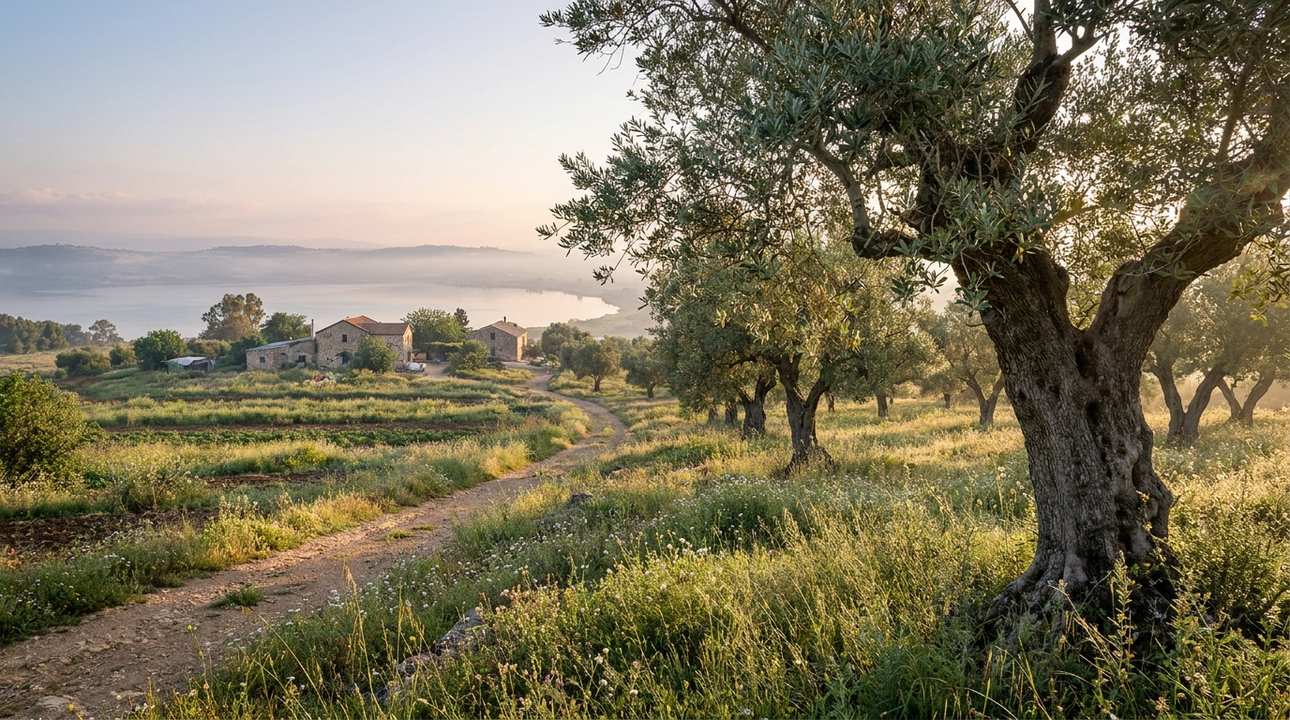
The region was also famed for its olive oil, vineyards, and agriculture. Galilee’s fertile land supported a thriving agricultural economy, contributing to its prosperity and significance.
Josephus noted the region’s abundance in his writings, highlighting its strategic importance during the Jewish-Roman conflicts. These elements combined to make Galilee a crucial part of Jewish life and culture during this period.
The agricultural produce of Galilee not only sustained its inhabitants but also played a role in trade and economic exchanges with neighboring regions, fostering connections.
Galilee in the Time of the Maccabees
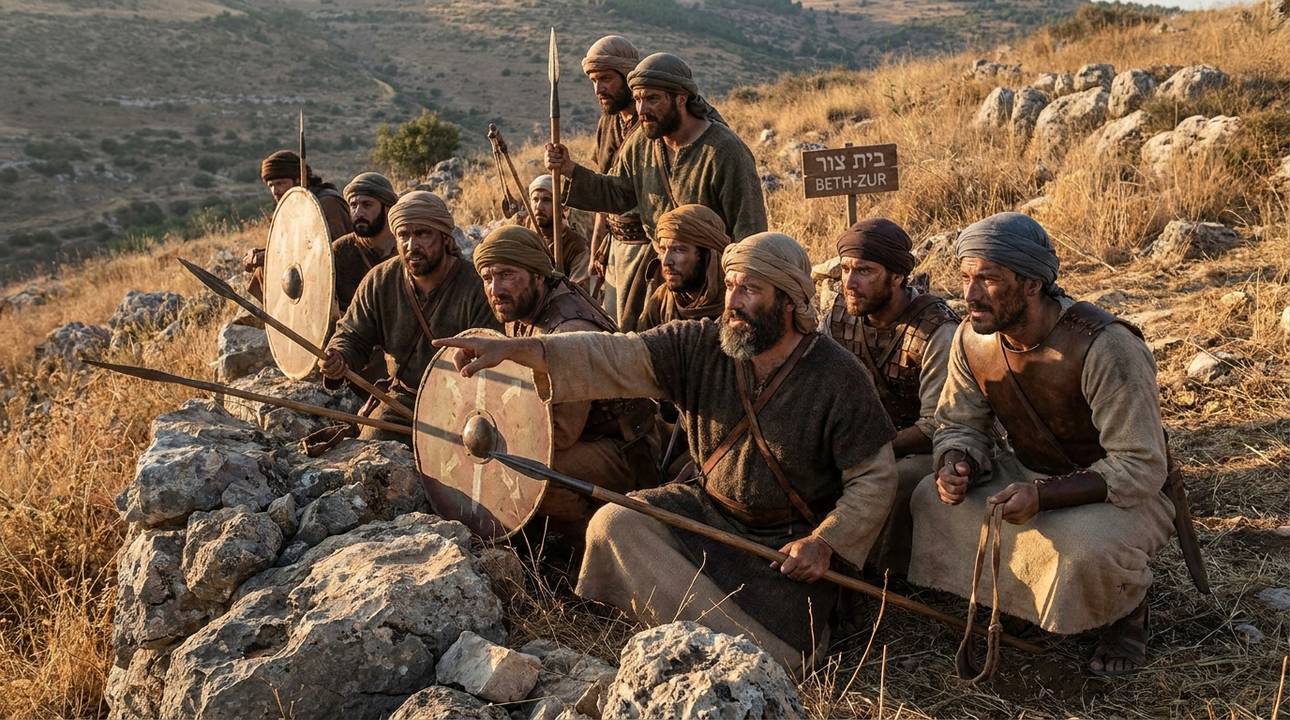
In the books of Maccabees, Galilee emerges as a critical battleground against Hellenistic forces. Jewish fighters used its challenging terrain to their advantage, securing victories for the Hasmoneans.
The Battle of Beth-Zur is one such example, where the Jewish forces triumphed over their adversaries. This era added layers of heroism and resistance to Galilean history, reinforcing its place as a bastion of Jewish resilience.
These stories highlight the strategic importance of Galilee in Jewish military history. The region’s hills and valleys provided natural defenses and opportunities for guerrilla warfare.
Galilee’s Cities: Centers of Faith and Culture
Some of Galilee’s most significant cities, such as Tiberias and Sepphoris, played pivotal roles in Jewish culture and learning. Tiberias became one of the last standing refuge centers of Jewish scholarship after the destruction of Jerusalem.
It was here that the Jerusalem Talmud was compiled, preserving Jewish law and tradition. Sepphoris, located at the heart of Galilee, was renowned for its Hellenistic influences as well as its Jewish roots, reflected in its mosaics and architecture.
The city’s blend of cultures is evident in its archaeological remains, showcasing a rich tapestry of life in ancient Galilee.
The Religious Transformation of Galilee
With time, Galilee became a center of religious transformation in ancient Israel. The region saw the development of synagogues and became a hub for the Pharisaic movement.
The Pharisees, known for their emphasis on oral law and traditions, found a strong base in Galilee, influencing Jewish religious practices. Jewish traditions continued to evolve in Galilee, adapting to new challenges while maintaining deep-rooted values.
This region’s religious significance is underscored by its mention in texts like the Talmud, which records debates and teachings from Galilean rabbis.
This evolution showcases Galilee’s role in religious and spiritual growth. The establishment of synagogues in cities like Capernaum and Magdala provided spaces for communal worship and study, fostering a strong sense of community and continuity of faith.
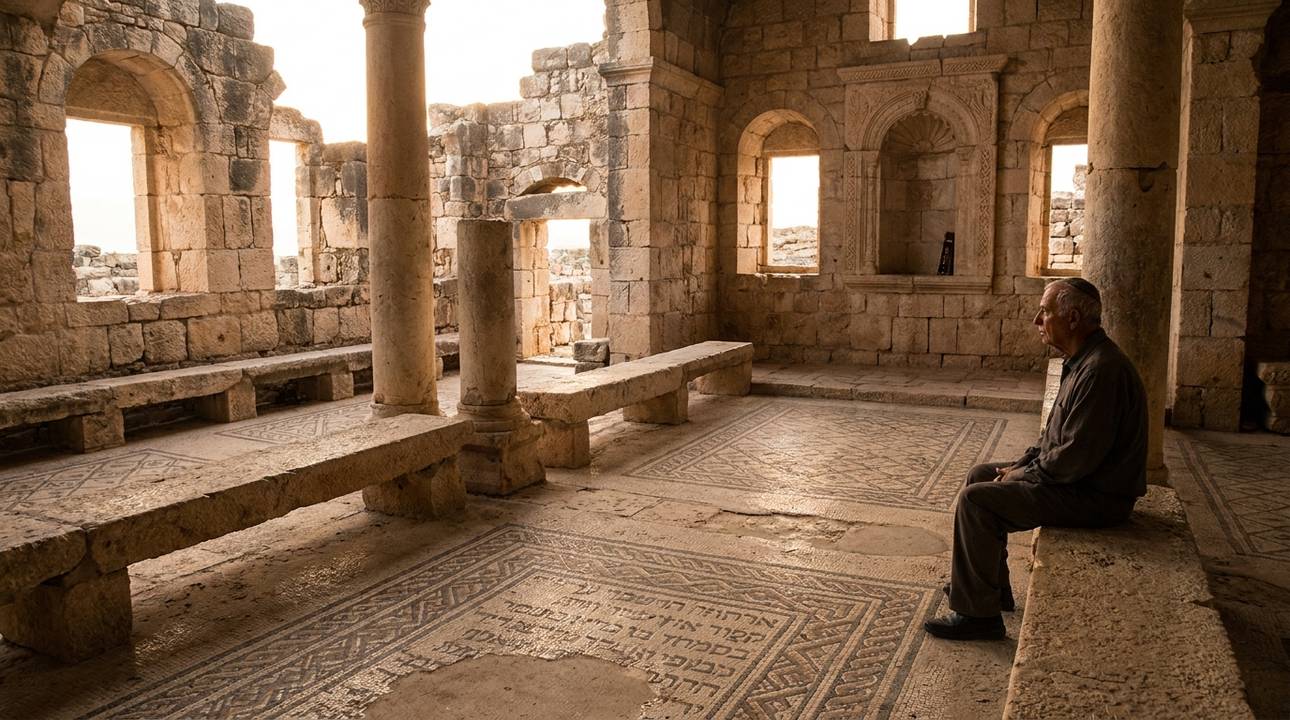
These synagogues often featured mosaic floors and stone benches, indicative of their importance. These developments highlight Galilee’s pivotal role in shaping Jewish religious life during a time of change.
As a center for learning, Galilee contributed to the preservation and transmission of Jewish traditions, particularly during the Roman period, ensuring continuity.
Galilee Today: Echoes of the Past
Modern Galilee still resonates with its biblical history. Archaeological sites reveal the remains of ancient towns and synagogues, attracting historians and tourists alike. Sites like Tel Hazor and Beit She’arim offer insights into the daily lives of ancient inhabitants.
The lush landscape continues to support agriculture, reminiscent of the past’s olive groves and vineyards, which were vital to the region’s economy.
These historical and natural elements create a tapestry of continuity, connecting the past with the present in a tangible way, enriching the cultural heritage of Galilee.
Exploring Galilee today offers a window into ancient times, celebrating its historical richness. Visitors can walk through the ruins of ancient synagogues, imagining the vibrant communities that once thrived there.
For instance, the ancient synagogue at Capernaum reveals intricate stone carvings and a glimpse into the communal life of the past. This connection to the past allows us to appreciate the enduring legacy of Galilee and its role in the cultural and spiritual heritage of Israel.
Historical sites like Tel Dan also offer insights into the region’s ancient history, with altars and gates dating back to the time of the Israelite kingdoms.
Conclusion: Galilee’s Enduring Legacy
Galilee’s story is one of transformation, resilience, and heritage. From its biblical roots to its modern significance, Galilee remains a jewel in Israel’s cultural and historical landscape.
The region is mentioned numerous times in the Bible, including in the book of Joshua, where the land was divided among the tribes of Israel (Joshua 19:10-16).
Understanding what happened in Galilee in the Bible deepens our connection to its enduring legacy, inviting us to explore Israel’s past and future. This connection is further enriched by archaeological discoveries that shed light on ancient life in Galilee.
Galilee was also the backdrop for significant events involving figures like Deborah, who led Israel to victory over the Canaanites (Judges 4:4-16). Her leadership and courage are celebrated in the Song of Deborah, a biblical poem recounting this triumph.
This historical tapestry weaves a rich narrative of resilience and faith. The region’s role in biblical history continues to inspire those who visit, offering a unique glimpse into the spiritual journey of the Jewish people.
Galilee’s landscapes echo the stories of ancient battles and victories, preserving its legacy.
Biblical and Historical Context
