
Discovering the Unique Traditions of Israel
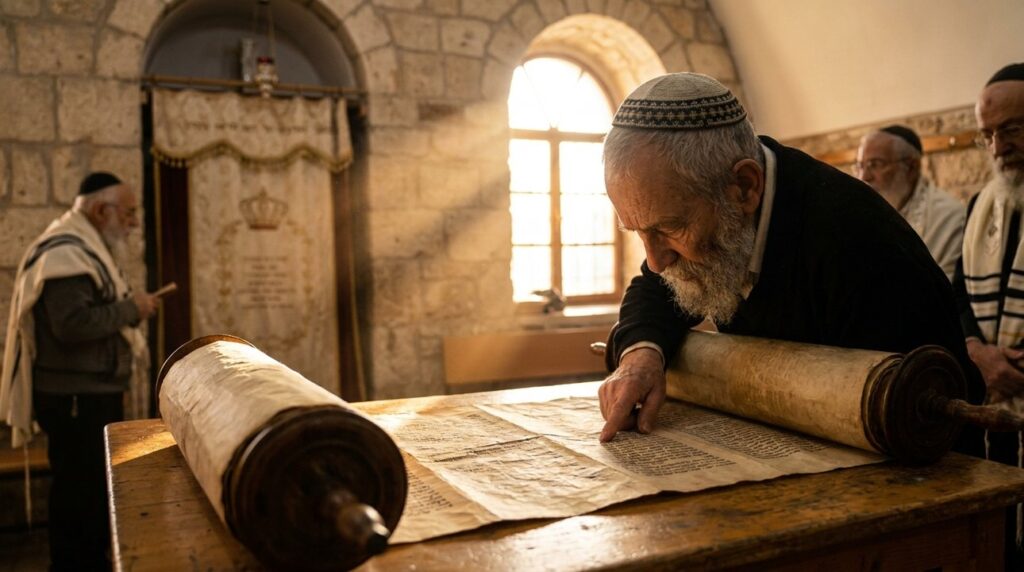

Israel, a land of ancient stories and diverse cultures, offers a rich tapestry of traditions. From religious ceremonies to modern celebrations, this small nation is filled with vibrant customs that reflect its unique heritage.
The celebration of Passover, commemorating the Exodus, is a key event, with rituals outlined in Exodus 12:14-17. In this exploration, we uncover the key elements that define Israeli culture, sharing insights into its fascinating customs and traditions.
The festival of Sukkot, described in Leviticus 23:33-43, is another example of Israel’s rich cultural heritage.
Religious Observances and Festivals
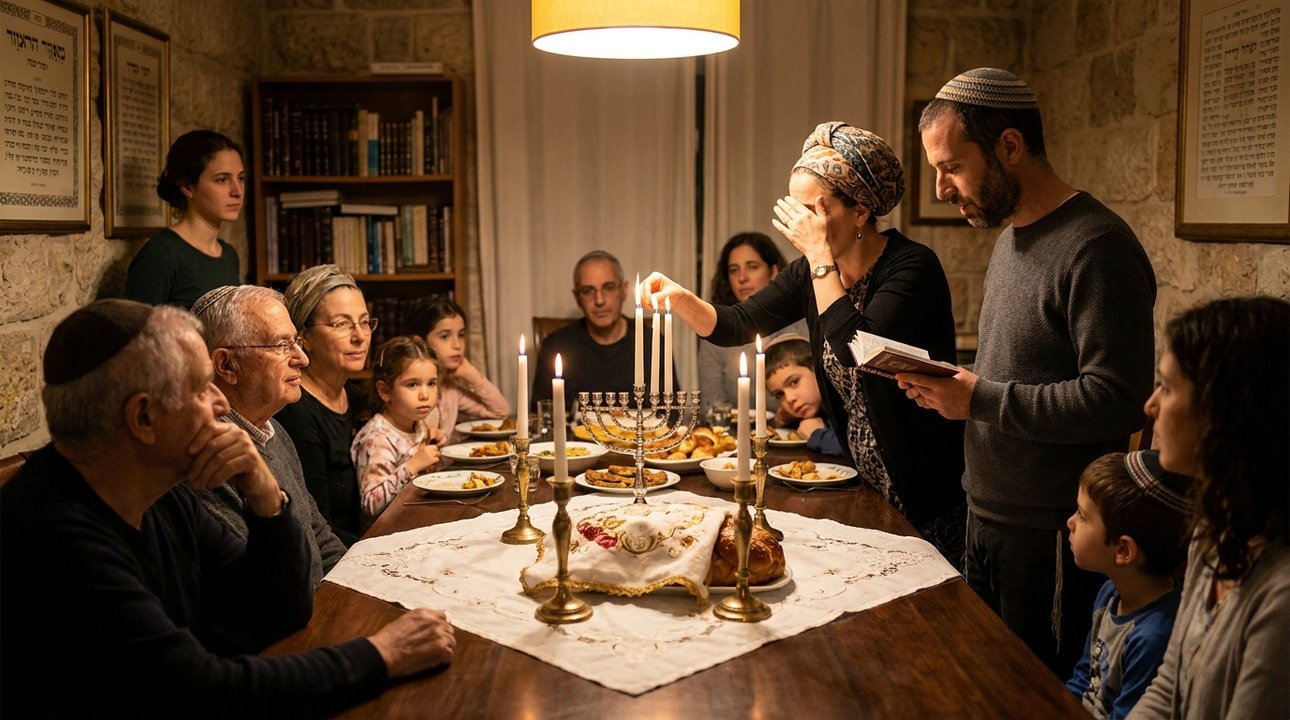
Religious festivals play a significant role in Israeli culture. One prominent example is Hanukkah, the Festival of Lights celebrated over eight days. During this time, families gather to light menorahs and enjoy traditional foods like latkes and sufganiyot.
The menorah lighting is a reminder of the miracle where the oil lasted eight days, as recorded in the Talmud. Hanukkah celebrates the miracle of the menorah burning for eight days with limited oil and is a time for family and community celebrations.
This festival, along with others like Passover and Shavuot, highlights the importance of tradition and community in Israeli life. Passover, for instance, commemorates the Exodus from Egypt, as detailed in Exodus 12:14-17.
Shabbat is another cornerstone of Jewish tradition observed weekly from Friday evening to Saturday evening. Families gather for a special meal, and many observe a day of rest from work. This time offers an opportunity to connect with loved ones and reflect on the week’s moments of gratitude.
The lighting of Shabbat candles, as mentioned in Genesis 2:2-3, marks the beginning of this sacred time. Such traditions play a vital role in maintaining the cultural fabric of Israeli society. The prohibition of work during Shabbat is also detailed in Exodus 20:8-11.
It serves as a reminder of the creation story and the importance of rest and spiritual renewal.
Traditional Clothing and Attire
Clothing in Israel reflects the diverse backgrounds of its people. Traditional attire can be seen during religious festivals and important life events. For example, in religious communities, modesty is a key element in clothing choices, with head coverings for men and women.
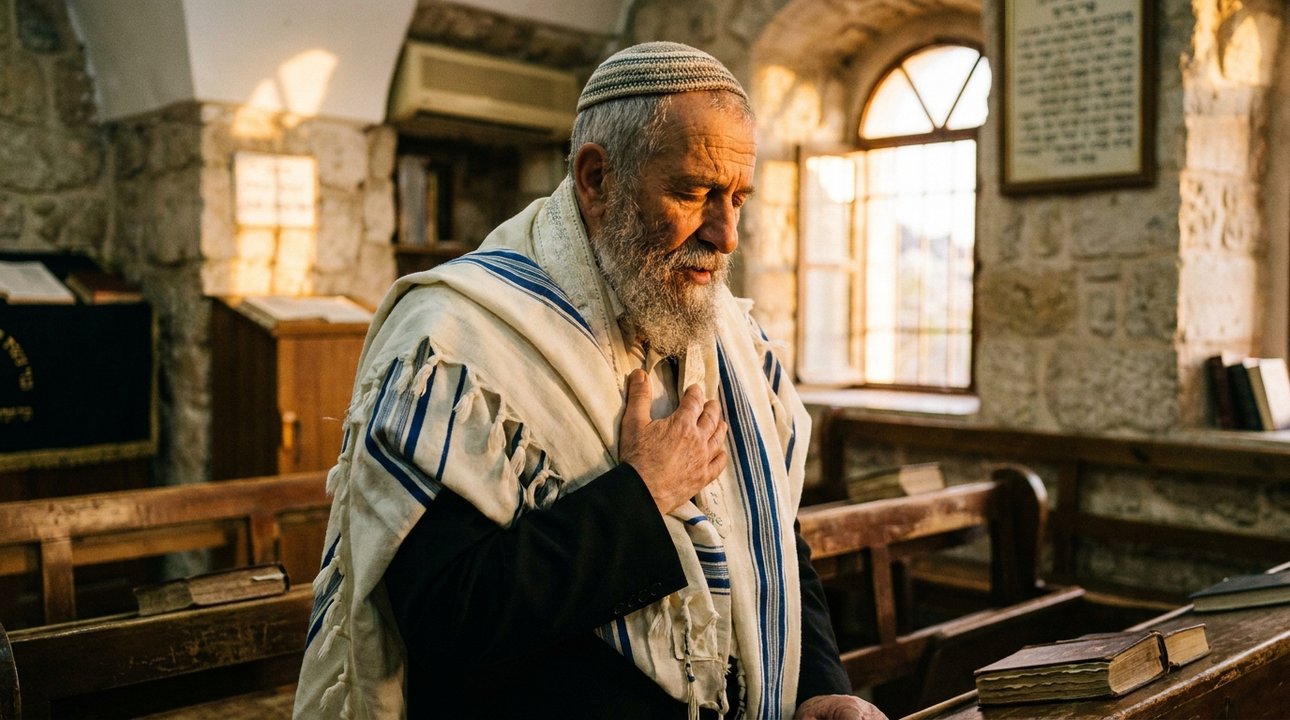
The kippah, a small cap worn by Jewish men, signifies reverence and humility, as mentioned in the Talmud. In modern settings, traditional garments may blend with contemporary styles, particularly at weddings or religious ceremonies.
These clothing choices symbolize cultural values and heritage, contributing to Israel’s colorful cultural tapestry. At weddings, you might see a mix of traditional and modern styles, reflecting both personal and cultural identities.
One notable example is the kippah, a small cap worn by Jewish men during religious observances. It represents reverence and acknowledgment of a higher power. In the Talmud, the kippah is mentioned as a reminder of humility before the divine.
Tallit, a prayer shawl, is also worn during prayers as a symbol of faith. The fringes, or tzitzit, are commanded in Numbers 15:38-39, serving as a physical reminder of the commandments. These items reflect the spiritual dimensions of Israeli tradition and identity.
The significance of the tallit is also highlighted in Deuteronomy 22:12.
Culinary Traditions
Israeli cuisine is a delightful blend of flavors and influences from around the world. Staples include fresh vegetables, olive oil, and grains. Popular dishes such as falafel, hummus, and shakshuka are enjoyed across the nation.
The use of olive oil, as seen in the story of the widow’s oil in 2 Kings 4:1-7, is deeply rooted in the region’s history. These meals often reflect the agricultural richness of the land, creating a culinary experience that is both nutritious and flavorful.
Food in Israel is not just sustenance but a celebration of culture and community. Each dish tells a story of the land and its people, connecting past and present.
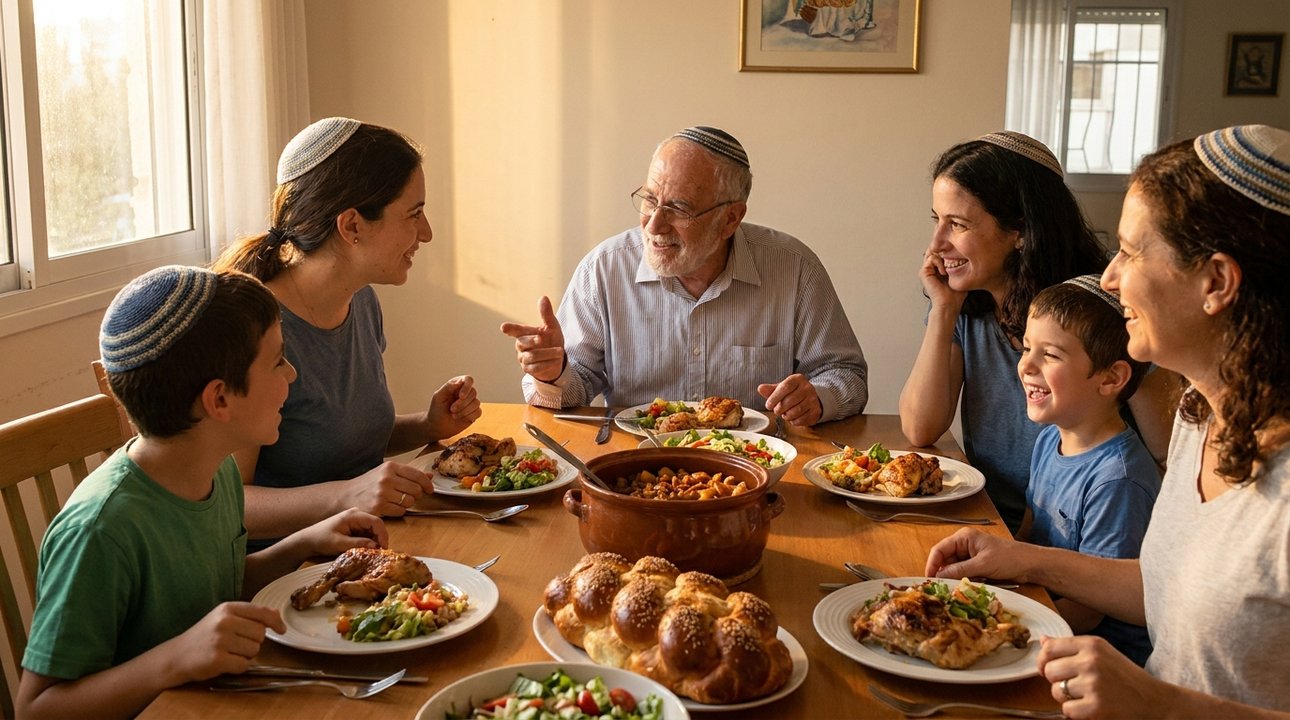
Family meals are central to Israeli life, often shared during Shabbat and festivals. These gatherings are opportunities to strengthen familial bonds and preserve culinary traditions. Many recipes are passed down through generations, keeping culinary heritage alive.
Dishes like cholent, a slow-cooked stew, are staples of Shabbat meals. Such communal meals enhance the connections between individuals and the larger community, fostering a sense of belonging and continuity.
The importance of sharing meals is echoed in the story of Abraham’s hospitality in Genesis 18:1-8. This tradition of hospitality continues to be a cornerstone of Israeli culture.
Music and Dance in Israel
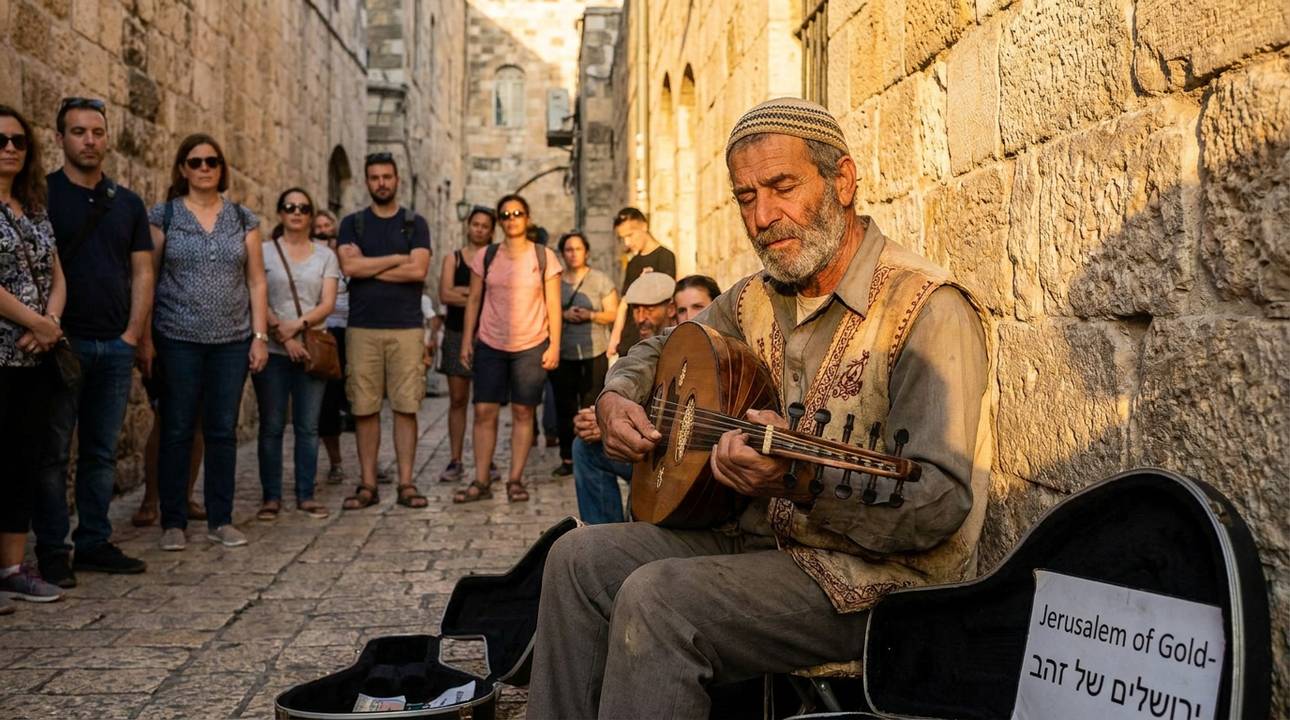
Music and dance are essential aspects of Israeli culture, reflecting the multicultural nature of the nation. From traditional folk music to contemporary beats, Israel’s music scene is vibrant and varied. Folk dances like the hora are popular at weddings and community events.
The hora, often danced in a circle, symbolizes unity and celebration. These dances bring people together in joyful expression, emphasizing the communal spirit that is central to Israeli life.
The joyous dance of Miriam after crossing the Red Sea in Exodus 15:20-21 is a biblical example of such celebration. This tradition of dance continues to be a vital part of Israeli cultural expression.
Israeli music has been influenced by Jewish, Middle Eastern, and global traditions. Artists like Naomi Shemer, known for “Jerusalem of Gold,” and Idan Raichel have brought Israeli music to international attention.
The song “Jerusalem of Gold” became an unofficial anthem after the Six-Day War in 1967, capturing the emotional connection to the city. Through music and dance, Israelis express cultural pride and preserve their rich heritage.
These art forms serve as a bridge between the past and present, maintaining cultural continuity and celebrating the diverse influences that shape Israeli society. The blending of traditional and modern sounds creates a unique musical landscape.
Festivals and Celebrations
Aside from religious holidays, Israel celebrates various national and cultural festivals. Independence Day is a significant event, marked by fireworks and celebrations across the country. This day commemorates Israel’s establishment in 1948, reflecting national pride and unity.
Cultural festivals like the Jerusalem Film Festival highlight Israel’s artistic contributions, showcasing films that explore diverse narratives and histories. These events foster a sense of community and shared identity. The Tel Aviv Pride Parade is another example of Israel’s vibrant cultural scene.
It celebrates diversity and inclusion, drawing participants from around the world.
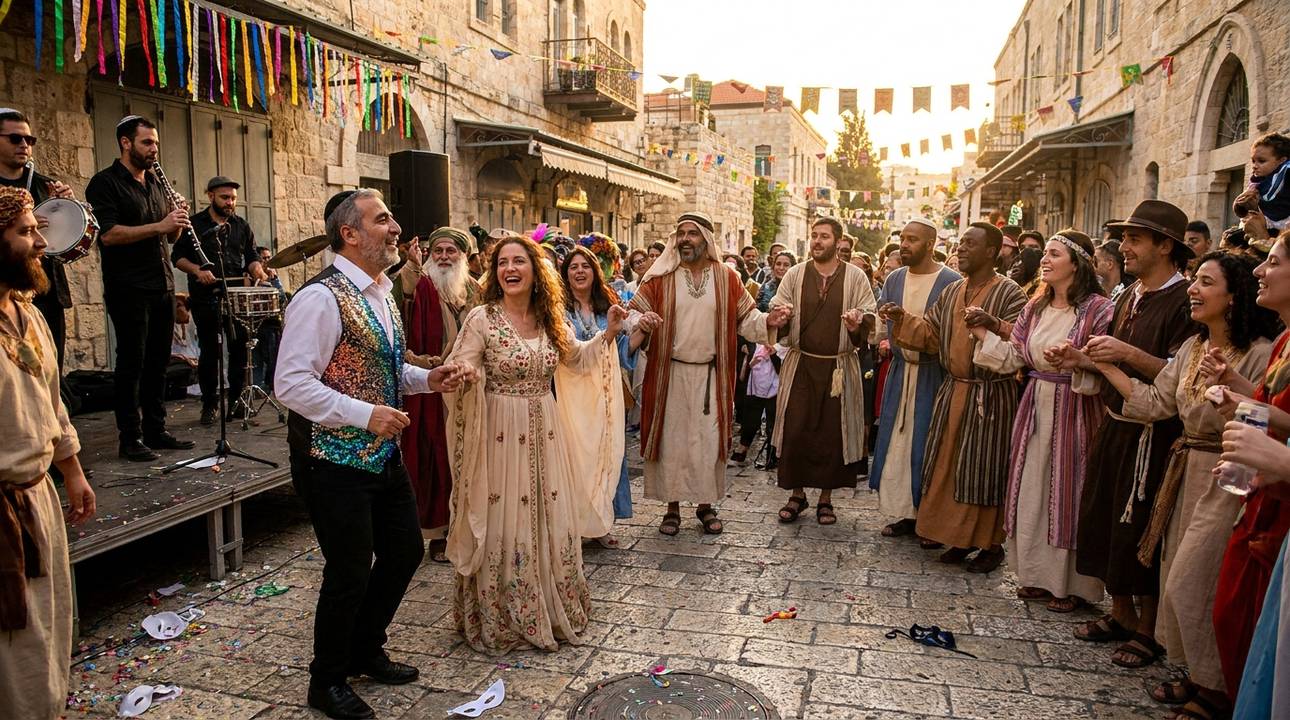
The diversity of Israeli society is celebrated through various ethnic and cultural festivals. Events like the Sukkot Festival, which involves building temporary shelters, and Purim, known for its costumes and festivities, offer glimpses into the nation’s rich heritage.
The story of Esther, central to Purim, is found in the Book of Esther. These celebrations foster community spirit and bring people of different backgrounds together in joy.
Through festivals, Israelis celebrate their shared history and the diversity that defines their nation, strengthening bonds across cultures.
Conclusion: Embracing Israeli Traditions
Israel’s culture is a tapestry woven from diverse influences and traditions. Whether through food, music, clothing, or festivals, these elements forge a strong cultural identity.
The celebration of Hanukkah, mentioned in the Talmud, is one such tradition, highlighting the resilience of the Jewish people. This festival commemorates the rededication of the Second Temple and the miracle of the oil.
Supporting Israeli traditions means celebrating the resilience and diversity that define this unique nation. By engaging with these customs, one can gain a deeper understanding and connection to Israel’s vibrant culture.
Each tradition tells a story of survival and adaptation, contributing to the nation’s enduring spirit.
The traditions of Israel serve as a bridge from past to present, offering insights into a land rich in history. As you explore these customs, consider how they reflect the values and spirit of the people.
The observance of Yom Kippur, described in Leviticus 16:29-31, is a profound example of spiritual reflection. This day is marked by fasting and prayer, allowing individuals to seek forgiveness and renewal. Embracing these traditions invites a genuine connection to the heart of Israel.
Discover more about Israel’s cultural offerings through Lev Haolam’s gift boxes, which celebrate these cherished traditions. These boxes provide a tangible way to connect with the land and its people, offering a piece of Israel’s cultural legacy.
Understanding Israeli Traditions
