
Exploring the Timeline of People in the Bible
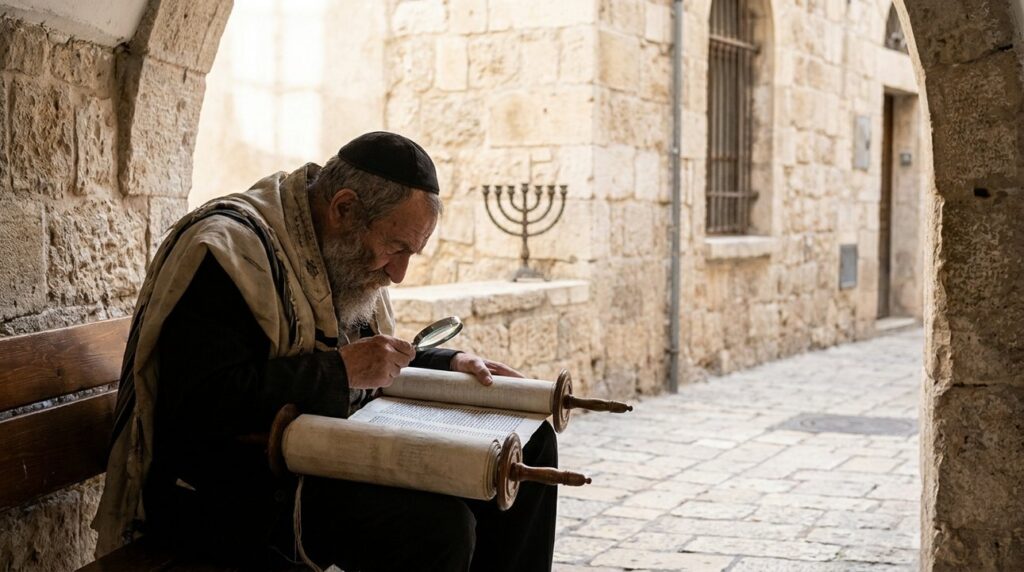

The Bible is a rich tapestry of narratives and histories that spans centuries. Understanding the timeline of its characters provides insight into their roles and contributions.
From the patriarchs like Abraham and Isaac to the kings like David and Solomon, each figure plays a unique part in the unfolding story. In this article, we delve into the chronological sequence of biblical figures, exploring how their stories interweave with Jewish history.
By tracing these timelines, we gain a deeper appreciation for the cultural and historical contexts that shaped the biblical narrative. This exploration offers a window into the values and beliefs that have influenced Jewish identity and heritage over the millennia.
The stories of these figures are not just historical accounts but are integral to understanding the evolution of Jewish culture and religious practices.
from the Western Wall to Masada.

The Patriarchs: Founders of Faith
The story of the patriarchs is foundational in the Bible, with figures like Abraham, Isaac, and Jacob, who lived around 2000 BCE, playing central roles. Abraham, originally from Ur (Genesis 11:31), is significant for his covenant, marking the beginning of the Israelite nation.
Isaac, Abraham’s son, continues this legacy, with his life detailed in Genesis 21-35. Jacob, later named Israel, has twelve sons who form the tribes of Israel, as described in Genesis 35:22-26.
These patriarchs are pivotal in establishing the cultural and religious identity of the Israelites. Their stories reflect themes of faith, covenant, and divine promise, which are integral to understanding the broader narrative of the Bible.
The patriarchs’ journeys and experiences lay the groundwork for the future development of the Israelite nation, influencing their laws, customs, and spiritual beliefs.
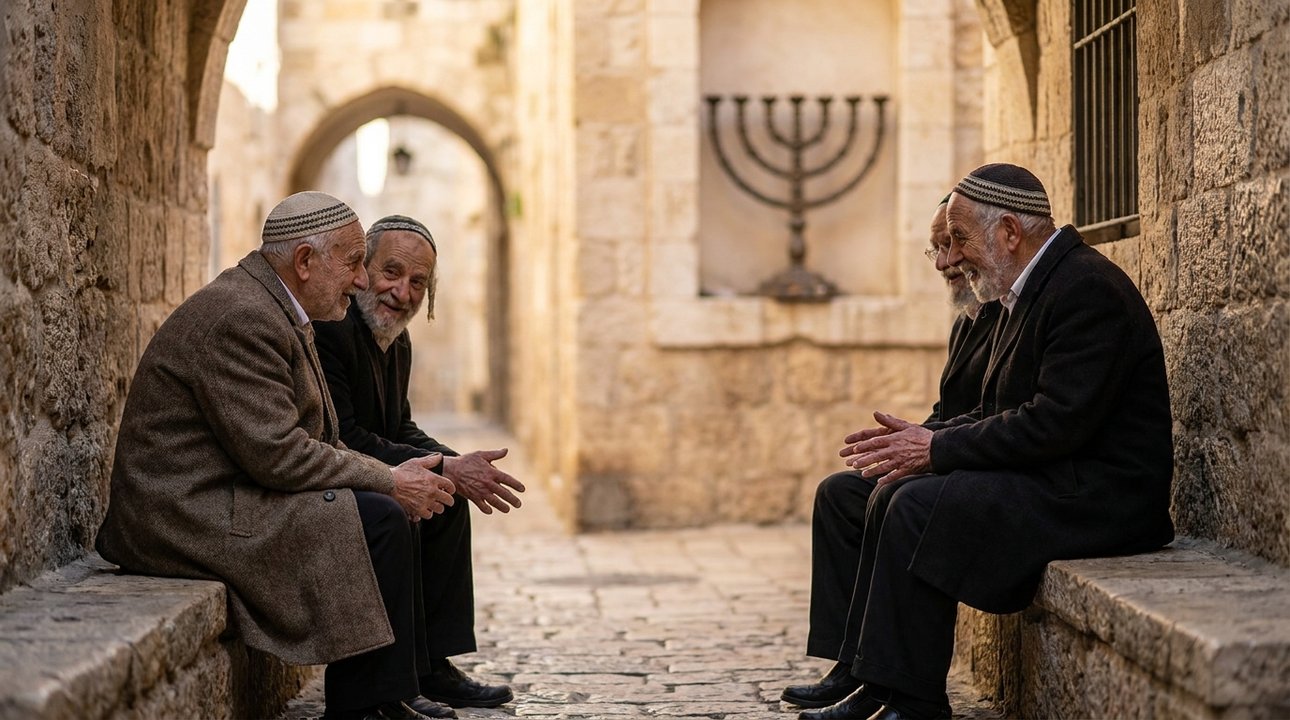
Moses and the Exodus
Moses is a pivotal figure who emerges around the 13th century BCE. His leadership in the Exodus marks a defining moment for Israel, with the liberation from slavery in Egypt being a central event in Jewish history, celebrated annually during Passover (Exodus 12:14).
Moses leads the Israelites out of Egypt, receives the Ten Commandments at Mount Sinai (Exodus 20:1-17), and establishes laws fundamental to Jewish life.
These commandments form the basis of Jewish law and ethics, guiding the community’s moral and religious conduct. The story of Moses is recounted in the books of Exodus, Leviticus, Numbers, and Deuteronomy.
His journey from Egypt to the edge of the Promised Land is a testament to faith and perseverance, illustrating the challenges and triumphs of leading a nation toward freedom and self-determination.
Joshua and the Conquest of Canaan
After Moses’s death, Joshua leads the Israelites into Canaan, around the late 13th century BCE. His leadership is characterized by strategic military campaigns and the allocation of land to the twelve tribes of Israel, as outlined in the Book of Joshua 13-21.
Joshua’s conquests fulfill promises made to the patriarchs, with notable victories at Jericho (Joshua 6) and Ai (Joshua 8), establishing a strong Israelite presence in the region.
The settlement of Canaan is a pivotal moment, as it establishes the Israelites in the Promised Land, shaping their identity and laying the groundwork for the future kingdom of Israel.
This period is crucial for the cultural and religious development of the Israelites, as they begin to form a cohesive society based on shared beliefs and traditions, which are foundational to their identity.
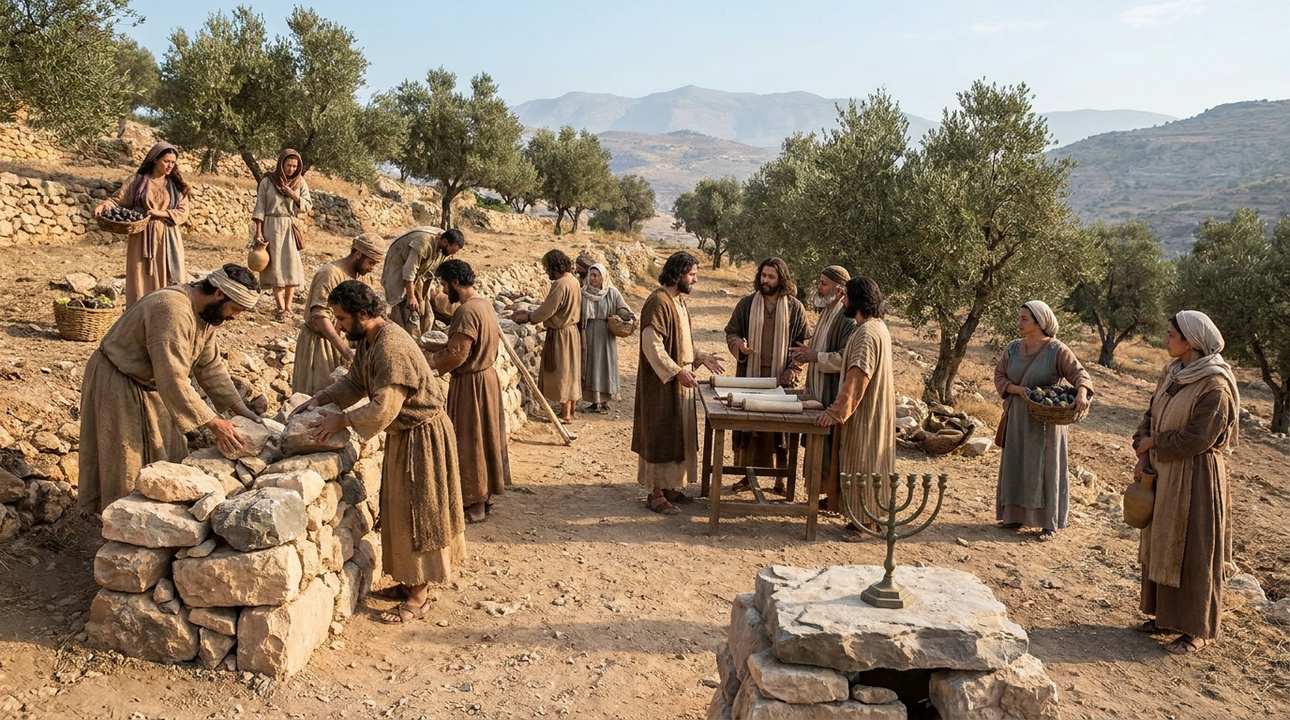
The United Monarchy: Saul, David, and Solomon
The United Monarchy begins around 1020 BCE with Saul, Israel’s first king, as noted in 1 Samuel 10:1. Saul’s reign sets the stage for future monarchies, though his rule is marred by conflict with the Philistines and his eventual downfall.
David succeeds Saul, establishing Jerusalem as the capital, a strategic and spiritual center for the Israelites. His reign is marked by significant political and religious contributions.
David’s achievements include the bringing of the Ark of the Covenant to Jerusalem (2 Samuel 6:12-15). The First Temple is built, a monumental achievement symbolizing a high point in Israelite history described in 1 Kings 6.
This temple becomes the central place of worship and a symbol of unity for the Israelites, representing their spiritual and cultural aspirations.
from the Western Wall to Masada.
The Divided Kingdom and Exile
After the kingdom’s division around 930 BCE, it splits into two distinct entities: Israel in the north and Judah in the south. This division is detailed in 1 Kings 12, where the northern kingdom is led by Jeroboam, and the southern by Rehoboam.
This split leads to political instability and frequent conflicts between the two kingdoms.
Prophets like Elijah, who challenges the prophets of Baal on Mount Carmel (1 Kings 18:20-40), and Isaiah, who offers guidance during the Assyrian threat (2 Kings 19:20-34), play crucial roles in offering spiritual guidance amid the turmoil.
In 586 BCE, the Babylonian Exile begins with the destruction of Jerusalem by Nebuchadnezzar, a major turning point mentioned in 2 Kings 25:8-12. This event leads to the deportation of many Judeans to Babylon, marking a significant period of reflection and transformation for the Jewish people.
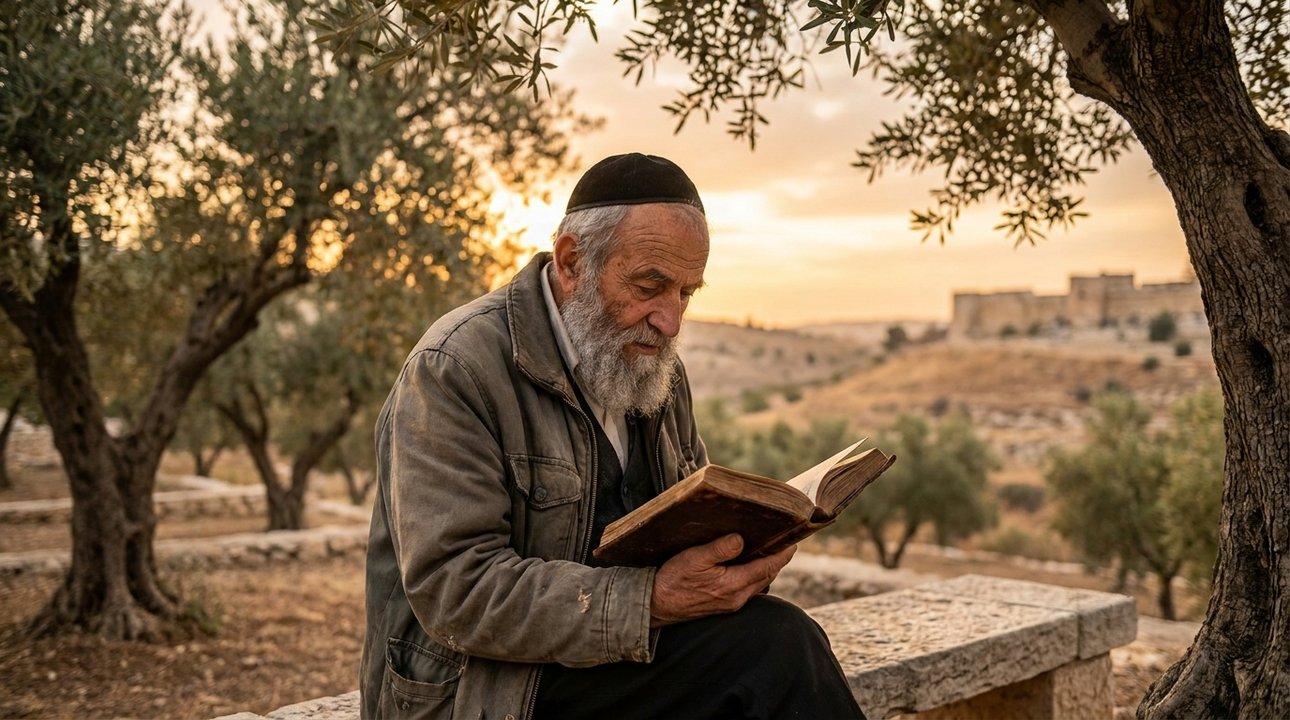
The Return and the Second Temple Period
The Persian decree in 539 BCE, issued by King Cyrus the Great, allows the Jewish people to return and rebuild Jerusalem. This significant event is recorded in the Book of Ezra 1:1-4 and marks the end of the Babylonian exile, a period that lasted for approximately 70 years.
Key figures in this era lead efforts to restore Jerusalem. Ezra 7 describes Ezra’s journey to Jerusalem, while Nehemiah’s role in rebuilding the city’s walls is a testament to the resilience and determination of the Jewish people.
Their leadership is crucial in reviving religious practices and fostering a sense of community among the returning exiles. This period also witnesses the construction of the Second Temple, a significant milestone in Jewish history.
The reestablishment of religious practices marks a time of renewal and rededication for the Jewish people after their long exile. The Second Temple becomes a central place of worship and a symbol of hope and resilience for the Jewish community.
Hellenistic Influence and the Maccabees
The Hellenistic period, beginning around 331 BCE, introduces new cultural dynamics. Alexander the Great’s conquests spread Greek culture, language, and ideas across the Middle East, influencing local customs and leading to the Hellenization of many regions.
The Maccabean Revolt in the 2nd century BCE represents Jewish resistance and the struggle for religious freedom. Led by Judah Maccabee, this revolt is a response to the oppressive policies of the Seleucid king Antiochus IV.
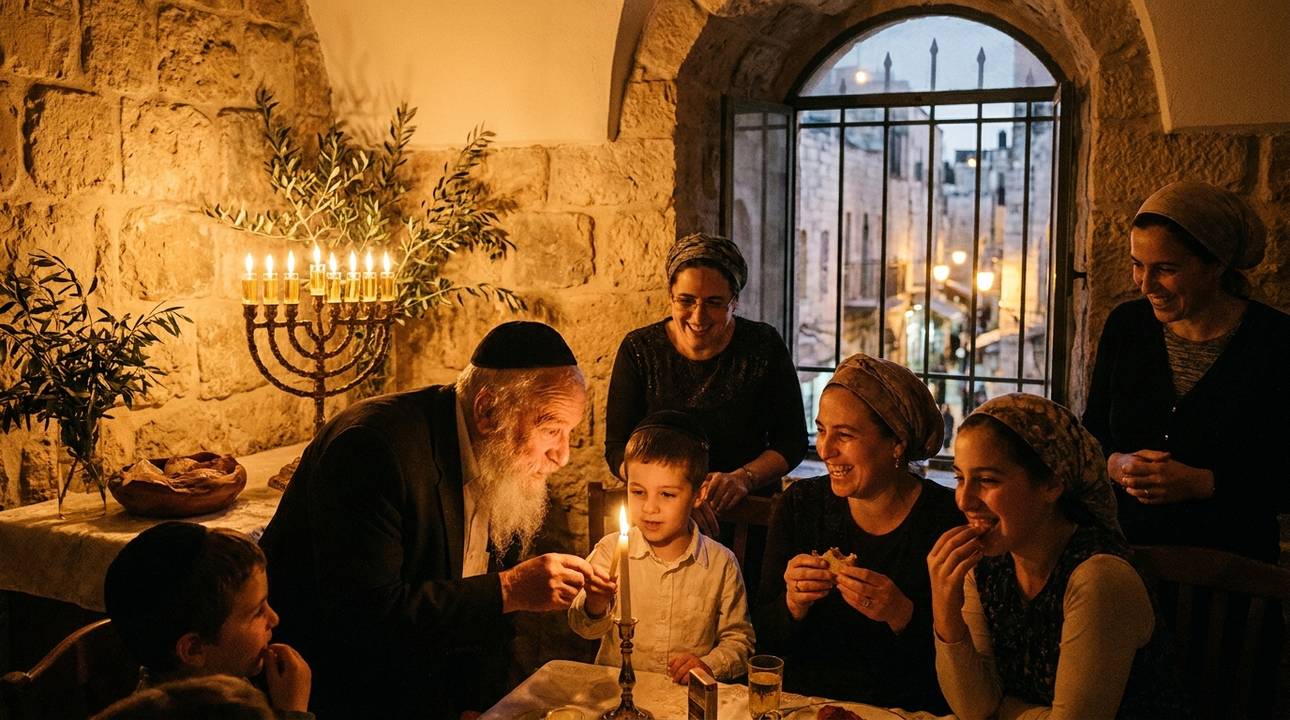
This era is pivotal for Jewish identity, leading to the festival of Hanukkah, detailed in 1 Maccabees 4:36-59. Hanukkah commemorates the rededication of the Second Temple and the miracle of the oil that lasted eight days.
This period highlights the resilience and determination of the Jewish people to maintain their cultural and religious identity in the face of external pressures.
Roman Rule and the Rise of Rabbinic Judaism
With Rome’s takeover in 63 BCE, Judea enters a complex period of governance. The Roman general Pompey captures Jerusalem, marking the beginning of Roman influence in the region. This era is characterized by political turmoil and the imposition of Roman laws.
The destruction of the Second Temple in 70 CE, led by the Roman general Titus, is a catastrophic event that forces a reorganization of Jewish religious life, shifting the focus toward Rabbinic Judaism.
The development of the Talmud begins during this period, becoming central to Jewish theology and law. This compilation of teachings and interpretations helps preserve Jewish traditions and adapt them to a new reality without a central temple.
The Talmud becomes a cornerstone of Jewish education and religious practice, ensuring the continuity of Jewish cultural and spiritual life through the ages.
Understanding the Biblical Timeline
