
Discover Fascinating Facts About Jerusalem
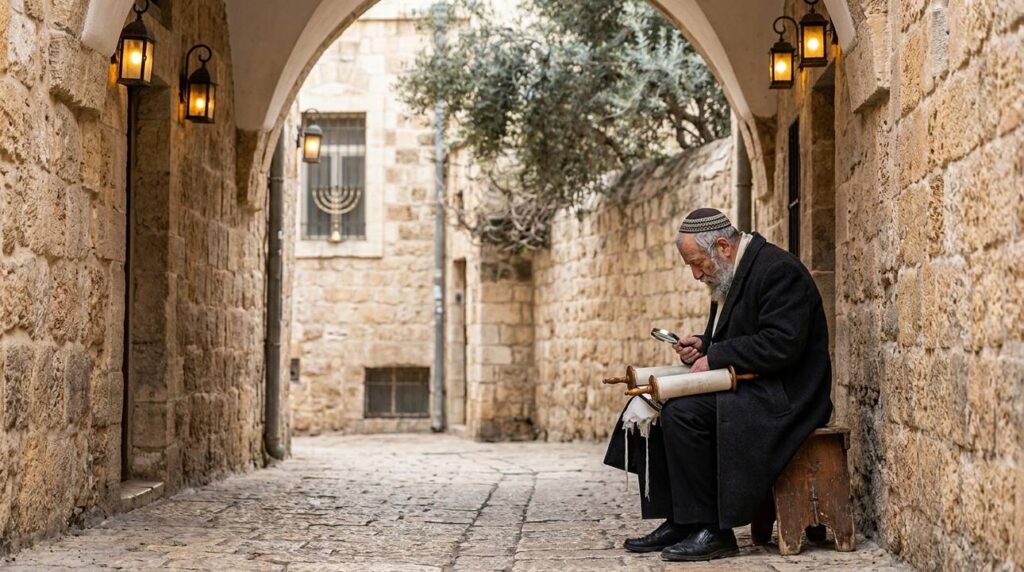

Jerusalem is a city that captures the heart and imagination of all who visit. With its deep historical roots, dating back over 3,000 years, and cultural significance, Jerusalem offers a rich tapestry of experiences.
Whether you’re drawn to its ancient stories or the vibrant modern city life, this article will provide a treasury of fun and interesting facts about Jerusalem, enhancing your understanding and appreciation for this remarkable city.
A Brief History of Jerusalem
Jerusalem’s history is a fascinating journey through time. It is one of the oldest cities in the world, with evidence of human settlement dating back to 3000 BCE.
Around 1000 BCE, Jerusalem became the capital of Israel, and the First Temple was built, centralizing worship in the city.
Throughout the centuries, Jerusalem has been a focal point for religious and cultural identity, attracting pilgrims, scholars, and rulers from all over the world.
Jerusalem has been at the heart of many historical events, from the Babylonian exile to the Roman conquest. The city’s rich history is reflected in its diverse architecture, which includes remnants of ancient walls, Byzantine churches, and Ottoman-era buildings.
This blend of influences makes Jerusalem a living testament to the many cultures and civilizations that have left their mark on the city.
Jerusalem’s Unique Geography
Located in the Judean Mountains, Jerusalem is 2,575 feet above sea level, providing breathtaking views and a diverse climate. The city is divided into various sections, including the famous Old City, which is a UNESCO World Heritage Site.
Its unique terrain has been instrumental in its historical defenses and cultural development. Surrounded by valleys, Jerusalem’s landscape holds both natural beauty and strategic importance, shaping its history.
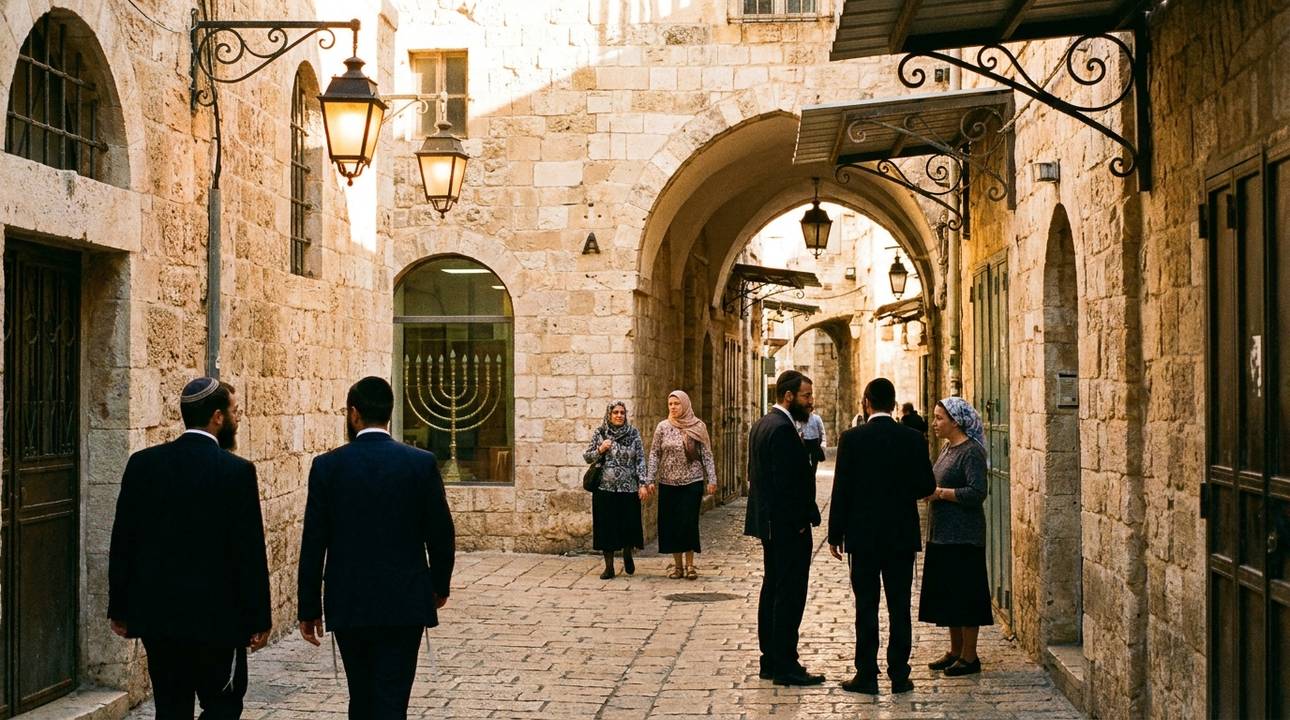
The Old City of Jerusalem is divided into four quarters: Jewish, Christian, Muslim, and Armenian, each with its own distinct character and history.
The city’s elevation and surrounding valleys have historically provided natural defense, contributing to its reputation as a fortified city. This strategic location has made Jerusalem a focal point for various empires and civilizations throughout history.
Cultural and Religious Significance
Jerusalem is a spiritual epicenter for Judaism, Christianity, and Islam. The Western Wall, the last remaining wall of the Second Temple, serves as a profound symbol for Jewish people worldwide.
The Dome of the Rock, with its golden dome, is one of the most recognizable landmarks, representing a sacred site in Islam. For Christians, the Church of the Holy Sepulchre marks the site of Jesus’s crucifixion and resurrection, making Jerusalem a major pilgrimage destination.
The city’s spiritual significance is further highlighted by the numerous religious festivals and events that take place throughout the year.
These gatherings bring together people from different faiths, fostering a sense of community and shared heritage. Jerusalem’s unique role as a spiritual center continues to draw visitors seeking to connect with their faith and explore the city’s rich religious history.
Fun Facts About Modern Jerusalem
Modern Jerusalem is a thriving metropolis with a population of over 900,000, combining ancient and modern elements. The Israel Museum, one of the leading museums in the world, offers visitors a direct link to ancient manuscripts and artifacts.
These artifacts, discovered in the mid-20th century, include texts from the Hebrew Bible and provide invaluable insights into the religious practices and beliefs of ancient communities.
The Israel Museum also features a vast collection of archaeological artifacts, fine art, and Judaica, making it a cultural treasure trove.
Explore the museum’s outdoor sculpture garden and special exhibitions, which highlight both Israeli and international artists, offering a glimpse into the diverse artistic expressions found in Jerusalem.
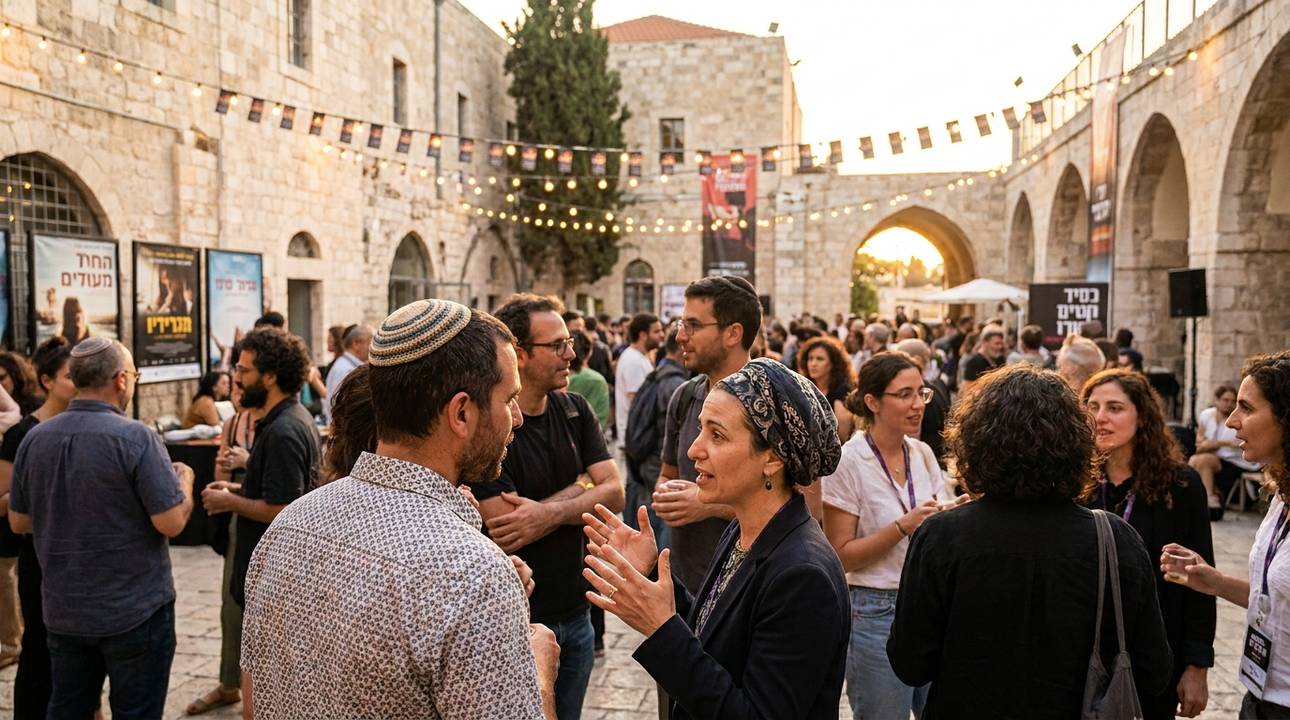
Each year, the city hosts the Jerusalem Film Festival, attracting filmmakers and enthusiasts from around the globe. This event highlights the city’s role as a cultural hub, showcasing films from diverse genres and countries.
The festival, held at the historic Jerusalem Cinematheque, features screenings, workshops, and discussions that engage audiences with the art of filmmaking and the stories that shape our world.
The Jerusalem Film Festival, established in 1984, has become a prestigious event in the film industry. It not only showcases international films but also supports local filmmakers, providing a platform for Israeli cinema.
Attendees can participate in panel discussions and meet directors and actors, making the festival a vibrant celebration of creativity and storytelling.
The Walls of the Old City
Jerusalem’s Old City is encircled by impressive ancient walls, built by Sultan Suleiman the Magnificent in the 16th century. These walls encompass four quarters: Jewish, Christian, Muslim, and Armenian, each with its own unique character and history.
The walls themselves are a UNESCO World Heritage Site, reflecting the city’s strategic importance and cultural diversity. Walking the ramparts is a popular activity, offering panoramic views and a tangible connection to the city’s storied past.
The Jewish Quarter is home to the Western Wall, a sacred site for Jewish prayer. The Christian Quarter features the Church of the Holy Sepulchre, while the Muslim Quarter houses the Al-Aqsa Mosque. The Armenian Quarter, with its distinct architecture, reflects the Armenian community’s long-standing presence in Jerusalem.
Each quarter offers a unique perspective on the city’s history, making a walk through the Old City a journey through time and culture.
The Old City of Jerusalem, enclosed by ancient walls, is a microcosm of the city’s diverse religious and cultural heritage. Each quarter has its own unique landmarks and traditions, contributing to the rich tapestry of Jerusalem’s history.
The Jewish Quarter, rebuilt after 1967, showcases archaeological sites like the Cardo, a Roman-era street, while the Armenian Quarter is known for its ancient churches and vibrant community life.
Understanding the Historical Layers
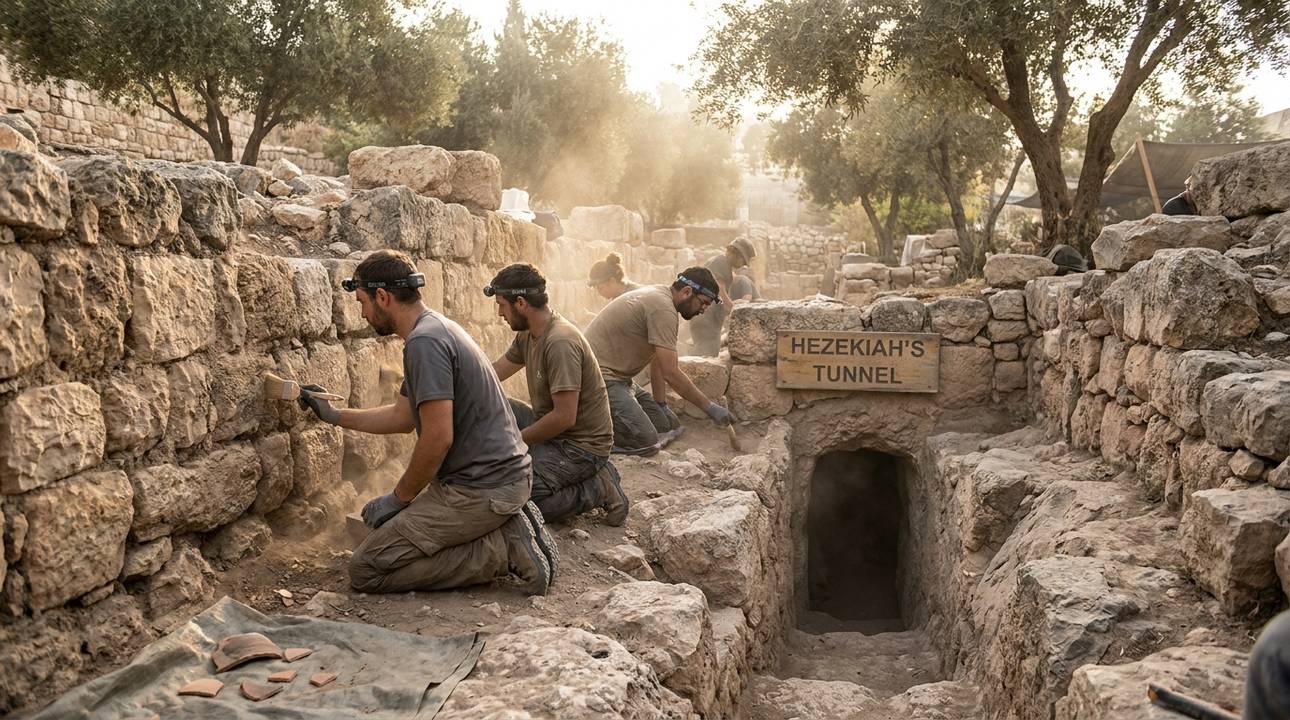
Beneath modern Jerusalem lies a network of archaeological sites, revealing layers of history from different eras. The City of David archaeological park provides insights into ancient Jerusalem, including the Gihon Spring and Hezekiah’s Tunnel.
The Gihon Spring, mentioned in 1 Kings 1:33, was a vital water source for the city, while Hezekiah’s Tunnel, built in the 8th century BCE, is an engineering marvel that redirected water to the Pool of Siloam.
Visitors to the City of David can explore the ancient ruins and learn about the city’s early inhabitants. The site’s interactive exhibits and guided tours offer a comprehensive look at Jerusalem’s rich history.
The archaeological findings, including ancient inscriptions and artifacts, provide valuable insights into the daily lives and religious practices of the city’s early residents.
These historic treasures allow visitors to step back in time and explore the foundations of Jerusalem’s enduring legacy. Excavations have uncovered remnants of structures from the First Temple period, offering a glimpse into the city’s ancient past.
The park also hosts educational programs and guided tours, helping visitors understand the historical significance of these sites and their role in Jerusalem’s development over millennia.
The City of David, located just outside the Old City walls, is a key archaeological site where one can see the remains of ancient structures and the ancient water system.
This site offers a unique opportunity to walk through Hezekiah’s Tunnel, an engineering marvel from the 8th century BCE, which redirected water from the Gihon Spring to the Pool of Siloam.
Jerusalem’s Vibrant Markets
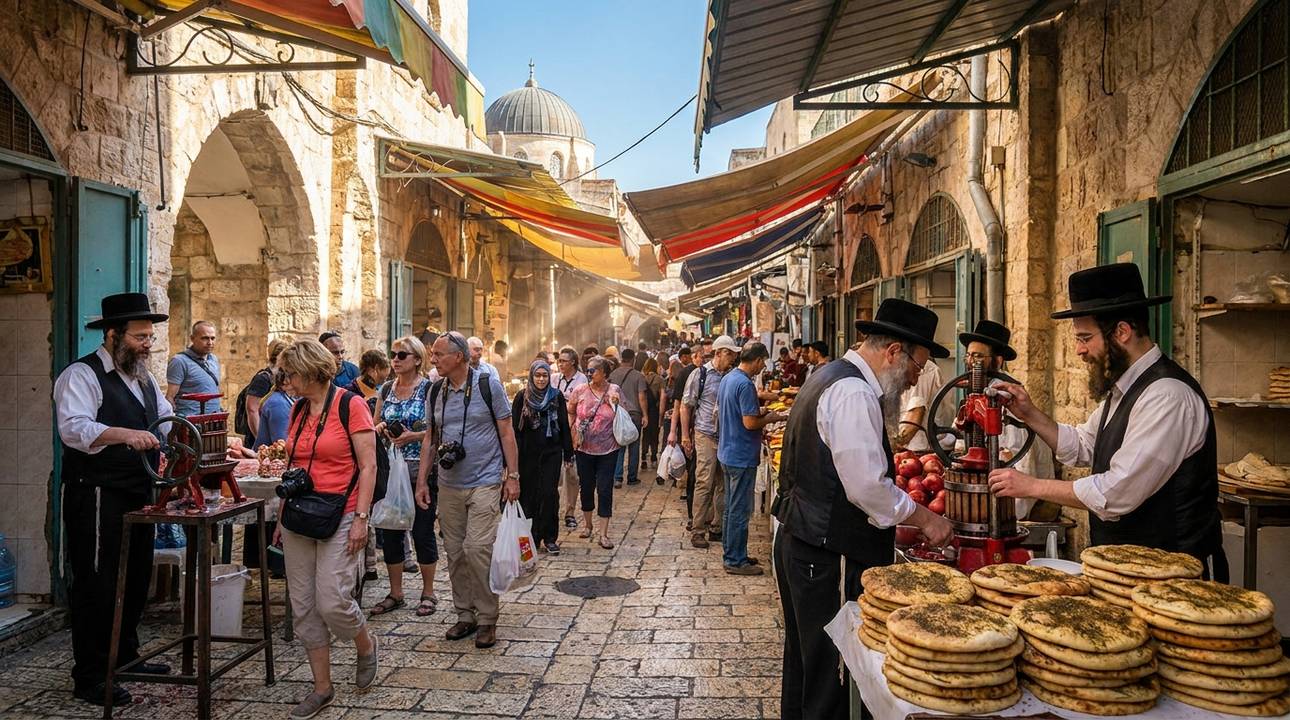
Jerusalem’s markets offer a feast for the senses with colorful displays of spices, textiles, and local artistry. Mahane Yehuda Market, a favorite among locals and tourists, offers an array of fresh produce and culinary delights. The market, known locally as ‘The Shuk’, is a vibrant hub where you can find everything from fresh figs to handmade jewelry.
These bustling markets are a testament to Jerusalem’s dynamic culture, brimming with stories and flavors from the region.
In addition to Mahane Yehuda, the Old City’s markets, such as the Arab Souk, offer a glimpse into the traditional trade practices and crafts of the region.
Wander through narrow alleys filled with the aroma of freshly baked bread and the sounds of vendors selling their wares, experiencing the vibrant energy that defines Jerusalem’s market culture.
Spices like sumac and saffron fill the air with their aromatic presence, while stalls overflow with vibrant textiles and handcrafted goods. The market’s history dates back to the Ottoman period, and it has evolved into a cultural landmark.
Enjoy live music performances and taste local delicacies, making Mahane Yehuda not just a shopping destination, but a cultural experience that captures the essence of Jerusalem.
Mahane Yehuda Market, known as ‘The Shuk’, is a bustling hub where you can find everything from fresh figs to handmade jewelry. Its lively atmosphere is a testament to Jerusalem’s dynamic culture, brimming with stories and flavors from the region.
The market also hosts special events, like culinary tours and night markets, offering a unique way to experience Jerusalem’s vibrant community.
Culinary Delights of Jerusalem
Jerusalem is renowned for its diverse cuisine, blending flavors from the Mediterranean, Middle East, and beyond. This culinary diversity is a reflection of the city’s rich history and cultural tapestry, where different peoples and traditions have mingled over centuries.
Dishes like falafel, hummus, and baklava delight the palate, reflecting a tapestry of cultural influences. Falafel, for example, is a popular street food with origins traced back to Egypt, while hummus is a staple across the Levant region.
Baklava, a sweet pastry made of layers of filo filled with nuts and honey, showcases influences from Ottoman cuisine. From local street food to upscale dining, Jerusalem’s culinary scene is as varied as its history.
In the bustling streets of the Old City, vendors sell fresh pomegranate juice and za’atar-spiced breads, offering a taste of the region’s agricultural bounty. Upscale restaurants in the city often feature fusion dishes, blending traditional recipes with modern techniques.
Conclusion: Embracing Jerusalem
Jerusalem stands as a testament to resilience and sacred heritage, embracing both history and innovation. As the city continues to evolve, it remains a beacon of hope, learning, and cultural fusion for people worldwide.
With its ancient walls and modern skyscrapers, Jerusalem symbolizes the coexistence of past and present. Whether you visit its ancient sites or explore its modern delights, Jerusalem offers endless opportunities to connect with its rich past and vibrant present.
The city’s ongoing development includes new infrastructure projects and cultural initiatives that aim to preserve its historical legacy while embracing modernity.
From the light rail system that connects different neighborhoods to the restoration of historic sites, Jerusalem continues to thrive as a city that honors its past while looking towards the future.
The city’s educational institutions, such as the Hebrew University of Jerusalem, founded in 1918, play a pivotal role in its reputation as a center of learning and research. This prestigious university has been home to notable scholars like Albert Einstein and Sigmund Freud.
Cultural events, like the Jerusalem Light Festival, illuminate the city’s artistic innovation, transforming the Old City into a canvas of light and color, attracting artists and visitors from around the world.
Explore the Israel Museum, which houses extensive collections and artifacts from ancient Israel.
The museum’s Shrine of the Book is a must-see for history enthusiasts. Additionally, the Jerusalem Theatre offers a variety of performances, from classical concerts to contemporary plays, providing a chance to experience the city’s dynamic cultural landscape firsthand.
Understanding Jerusalem