
Understanding the Differences Between Honey and Syrup
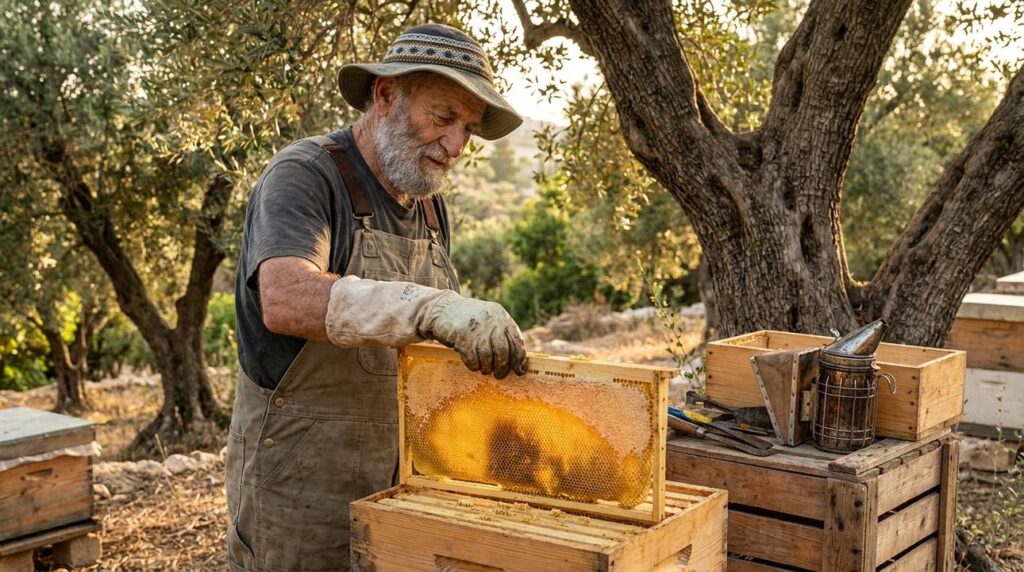

When considering natural sweeteners, many wonder about the relationship between honey and syrup. Are they the same, or do they serve different purposes? Honey, mentioned in the Bible as a symbol of richness and health, is a natural product made by bees.
In Judges 14:8, Samson finds honey in the carcass of a lion, highlighting its natural occurrence. While both add sweetness, their origins and properties set them apart. Syrup, such as maple syrup, is derived from the sap of trees and often involves more processing.
Let’s explore what makes each unique and why the distinction matters in culinary and cultural contexts.
Origins of Honey
Honey serves as a natural sweetener made by bees using nectar from flowers. This intricate process involves enzymes breaking down sugars, resulting in its creation. It is often appreciated as a symbol of abundance and health.
The land of Israel is known for its diverse flora, contributing to the unique floral flavors of honey, as bees visit various plants.
Israeli Cookbook
Inspired by the Farms of Israel

It’s more than just a sweetener; it’s a link to nature’s bounty and a testament to the harmonious relationship between bees and the environment. Honey’s production process and its resulting flavors offer a glimpse into the rich biodiversity of the regions where it is harvested, making it a cherished ingredient in many culinary traditions.
Uses and Benefits of Honey
Used in both traditional and modern cuisines, honey enhances flavor and offers health benefits to a variety of dishes. Known for soothing sore throats and supporting immune health, this practice dates back to ancient times, as suggested by its mention in the Bible.
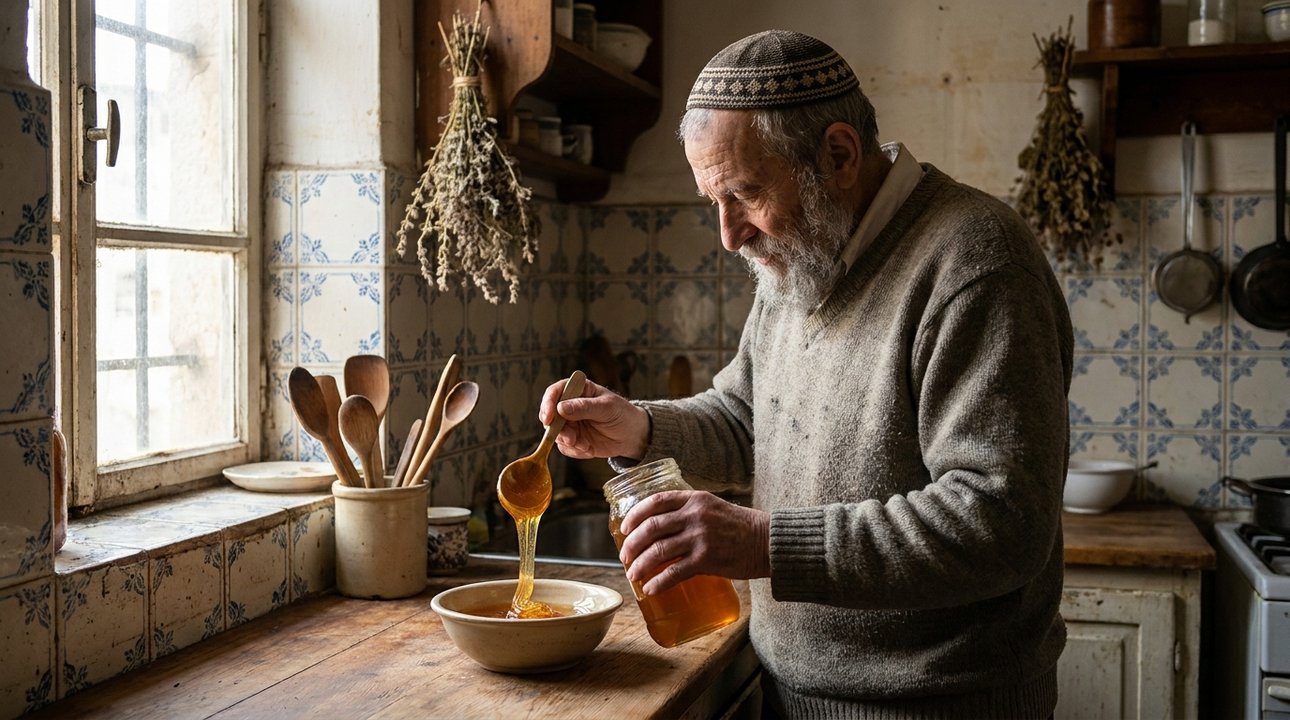
In 1 Samuel 14:27, Jonathan eats it to regain his strength during battle. Beyond its culinary use, it is part of many cultural rituals, symbolizing prosperity and continuity. In Jewish tradition, it is used during Rosh Hashanah to wish for a sweet new year.
This versatility highlights honey’s enduring appeal and significance in both health and cultural practices. Its role in rituals and its health benefits make it a cherished ingredient, celebrated for its ability to enhance both the flavor of dishes and the well-being of those who consume it.
Honey’s multifaceted uses continue to make it a vital part of culinary and cultural traditions worldwide.
Origins of Syrup
Syrups come in various forms, including maple and corn syrup, and are often used as substitutes for sugar. These syrups are derived through different processes; for instance, maple syrup is made by boiling the sap of sugar maple trees.
This method dates back to the indigenous peoples of North America, who first discovered the technique. Corn syrup, on the other hand, is produced by processing corn starch. Each type of syrup offers distinct flavors and nutritional values, influencing their use in cooking and baking.
These factors provide options for different dietary needs and taste preferences. Maple syrup is particularly valued for its rich, complex taste, while corn syrup is often used for its affordability and consistency in recipes.
The choice between these syrups depends on the desired flavor profile and nutritional considerations, allowing cooks to tailor their dishes to specific needs and preferences.
Uses and Benefits of Syrup
Syrups are a staple in many kitchens, often used to enhance the flavors of pancakes, desserts, and beverages. Take maple syrup, for instance; it is not only cherished for its sweetness but also contains beneficial antioxidants and minerals such as zinc and manganese.
These elements contribute to its nutritional profile, making it more than just a sweetener. However, when compared to honey, syrups generally lack the complex nutrients. Rich in enzymes and antioxidants, honey is often sought for its health benefits.
This is highlighted in Proverbs 25:16, which advises moderation in consuming honey, acknowledging its potent qualities. Honey’s health benefits are well-documented, and its use extends beyond culinary applications to include traditional remedies and health practices.
While syrups are primarily used for their sweetness, honey offers a broader range of nutritional and health benefits, making it a preferred choice for those seeking more than just flavor in their sweeteners.

Comparing Honey and Syrup
Though both honey and syrup add sweetness, their origins and compositions differ significantly. Bees collect nectar from flowers to make honey, a natural process involving enzymes.
This is highlighted in the Bible, such as in the story of Samson finding honey in the carcass of a lion (Judges 14:8-9). Syrup, in contrast, often involves added processing, such as the boiling down of sap in the case of maple syrup. This results in distinct flavors and uses in various cuisines.
Israeli Cookbook
Inspired by the Farms of Israel
The natural production process of honey contrasts with syrup’s often industrial methods, affecting their culinary applications.
While honey is celebrated for its natural qualities and health benefits, syrups are appreciated for their consistency and sweetness, offering different options for enhancing dishes. This distinction highlights the diverse ways in which these sweeteners can be utilized in cooking and baking.
Cultural Significance in Israel
In Israel, honey holds significant cultural importance, especially during celebrations like Rosh Hashanah. It symbolizes sweetness in the new year, a tradition deeply rooted in the Bible.
Often associated with abundance and prosperity, as illustrated in Exodus 3:8, where the Promised Land is described as “a land flowing with milk and honey.” Syrup, while enjoyed in Israel, does not share the same cultural symbolism as honey.
This highlights its unique place in Israeli society.
Honey’s ties to tradition emphasize its deep historical and spiritual connections, reflecting its enduring significance in Jewish culture. It is more than just a sweetener; it represents continuity and hope for the future.
This cultural importance is celebrated in various rituals and practices, reinforcing honey’s special role in both everyday life and significant occasions.

Health Implications
Nutritionally, honey contains antioxidants and enzymes, adding significant health value. It has been used for its medicinal properties throughout history. Syrups, depending on their type, vary in nutritional content, offering different benefits. Choosing between honey and syrup may depend on flavor preference or dietary needs. For instance, maple syrup provides minerals like zinc and manganese but lacks the complex enzymes found in honey.
Recognizing their distinct nutritional offerings is important for making informed choices in our diets. While honey is often chosen for its health benefits, syrups can be a valuable addition for their unique flavors and mineral content.
Understanding these differences allows us to enjoy the best of both worlds, incorporating them into our meals in ways that align with our health goals and taste preferences.
In Conclusion: Unique Yet Complementary
Honey and syrup each bring unique qualities to the table, offering distinct flavors and benefits. Understanding their differences can be essential for selecting the right one for specific culinary needs. Honey, with its natural enzymes and antioxidants, is often chosen for its health benefits.
It’s used in soothing remedies and has been valued for its medicinal properties throughout history. Syrup, on the other hand, is appreciated for its sweetness and is a popular choice in many desserts and breakfast dishes.
Both honey and syrup have their place in kitchens worldwide, offering versatility in taste and application. Appreciating these differences enriches our culinary experiences, allowing for a more informed choice based on flavor and nutritional content.
By understanding the unique qualities of each, we can make better decisions in our cooking and baking endeavors, enhancing our meals with the right sweetener for the occasion.

Honey vs Syrup
