
Exploring the Seven Fruits of the Bible
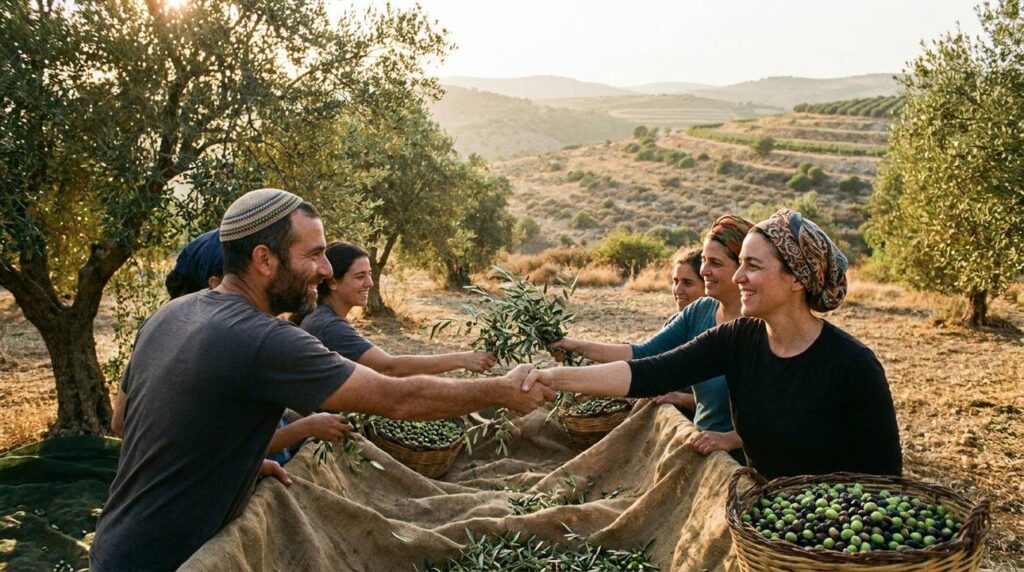

The fruits mentioned in the Bible are vital to Jewish tradition and symbolize the bounty of the Land of Israel. Each one carries its own story, adding layers to biblical texts.
In this article, we’ll delve into these fruits, exploring their historical, cultural, and spiritual significance. The Bible often uses them to convey messages about abundance and divine provision, as seen in passages like Deuteronomy 8:8, where they are listed as the gifts of the land.
These fruits not only represent the physical abundance of the land but also serve as metaphors for spiritual and moral teachings. For example, the pomegranate is often associated with righteousness due to its numerous seeds, symbolizing the commandments.
Through this exploration, we aim to deepen the reader’s understanding of how these fruits have shaped Jewish identity and tradition, offering a glimpse into the rich tapestry of biblical symbolism and its enduring impact on Jewish culture.
from the Western Wall to Masada.

Understanding the Seven Species
The species, known as the Shiv’at HaMinim, hold a unique place in Jewish culture and are mentioned in Deuteronomy 8:8. This verse lists wheat, barley, grapes, figs, pomegranates, olives, and dates as the bounty of the land.
These fruits were praised for their importance in the diet and ritual life of ancient Israelites, serving as symbols of the land’s fertility and divine favor. Their prominence is also reflected in their use in religious rituals and offerings, as seen in various biblical texts.
These fruits were not only dietary staples but also played a significant role in religious ceremonies and offerings, such as the first fruits offering described in Leviticus 23:10-14.
Their cultivation and use in rituals underscore their essential role in the spiritual and economic life of the Israelites, providing a tangible connection to the land and its divine promise. These species continue to be celebrated in modern Jewish culture, symbolizing continuity and heritage.
Each of these species carries symbolic meanings. Wheat and barley are staples representing sustenance and survival, essential for daily life. Grapes, often turned into wine, symbolize joy and celebration, as seen in Psalm 104:15, where wine is said to gladden the heart.
Figs are symbols of peace and prosperity, frequently mentioned in the Bible as a sign of security and well-being, such as in 1 Kings 4:25. Pomegranates, with their many seeds, are linked to righteousness and the commandments.
The pomegranate’s connection to righteousness is highlighted in Exodus 28:33-34, where pomegranates are part of the High Priest’s robe, symbolizing holiness. Olives symbolize wisdom and peace, while dates are a sign of endurance, often associated with strength and resilience.
These interpretations provide a rich tapestry of meanings, reflecting the deep connection between these fruits and the spiritual life of the ancient Israelites, offering insights into their values and beliefs.
The Historical Significance of the Seven Species
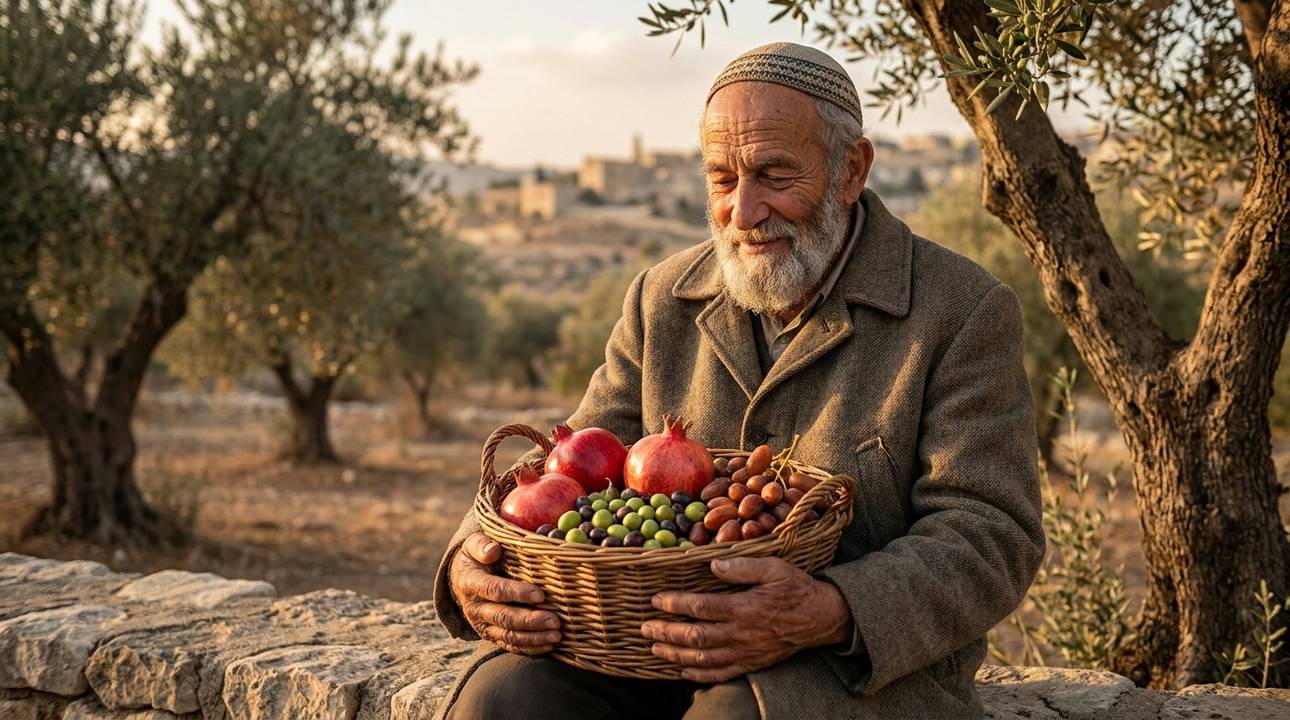
These species were central to the agricultural economy of ancient Israel. Archaeological findings show they were cultivated extensively in regions like the Galilee.
They were so essential that they were the only fruits used as first fruit offerings in the Temple, as detailed in Leviticus 23:10-14. This practice highlights their sacred role in religious rituals and their importance in expressing gratitude and maintaining a spiritual connection to the land.
The Mishnah elaborates on their special status and use in various offerings, describing how these offerings were a way to express gratitude and maintain a spiritual connection to the land.
These practices underscore the deep spiritual and economic significance of these species, reflecting their integral role in the religious and daily life of the ancient Israelites.
The spiritual significance of these fruits extends through Jewish liturgical practices. During Sukkot, these fruits are part of the harvest celebrations, symbolizing gratitude and connection to the land.
They remind Jews of their historical ties to the Land of Israel, reflecting abundance and prosperity. This connection is emphasized in Deuteronomy 26:1-11, where first fruits are offered, highlighting the importance of acknowledging the land’s bounty.
These fruits remain integral during festivals like Tu BiShvat, known as the New Year for Trees, which celebrates the renewal of nature and the promise of prosperity.
They serve as a reminder of the enduring relationship with the land, embodying themes of renewal and gratitude. Through these practices, the fruits continue to play a vital role in Jewish cultural and spiritual life, connecting past traditions with present celebrations.
Cultural Impact of the Seven Species
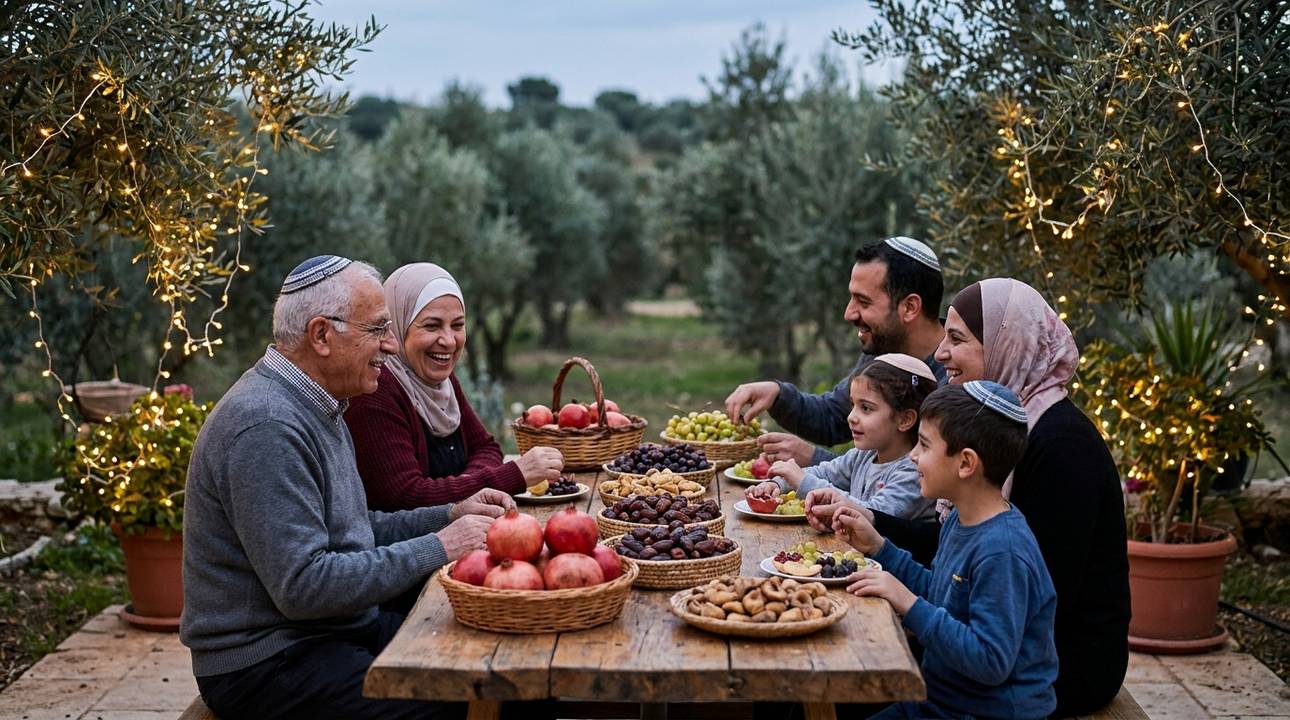
These species are celebrated in art, music, and cuisine, representing more than just nourishment. Ancient mosaics in synagogues depict these fruits, showcasing their beauty and cultural significance.
Their images appear on coins, mosaics, and literary works, reinforcing their depth. The Song of Songs poetically references them, symbolizing love and abundance, as seen in passages that celebrate the beauty and fertility of the land.
These species symbolize fertility and the divine promise to the people. In Numbers 13:23, scouts bring back grapes from Canaan, highlighting the land’s richness.
Such stories emphasize the enduring connection between the land and its people, reflecting a divine promise of prosperity and abundance. Through these symbols, they continue to inspire and connect people with their heritage, offering a glimpse into the spiritual and cultural richness of the biblical narrative.
from the Western Wall to Masada.
In modern Israel, these species have become symbols of national identity, featured on stamps and coins, showcasing their cultural importance.
Culinary arts frequently highlight them, emphasizing traditional and innovative dishes. Chefs incorporate figs, dates, and pomegranates into gourmet creations, celebrating their historical roots and culinary versatility.
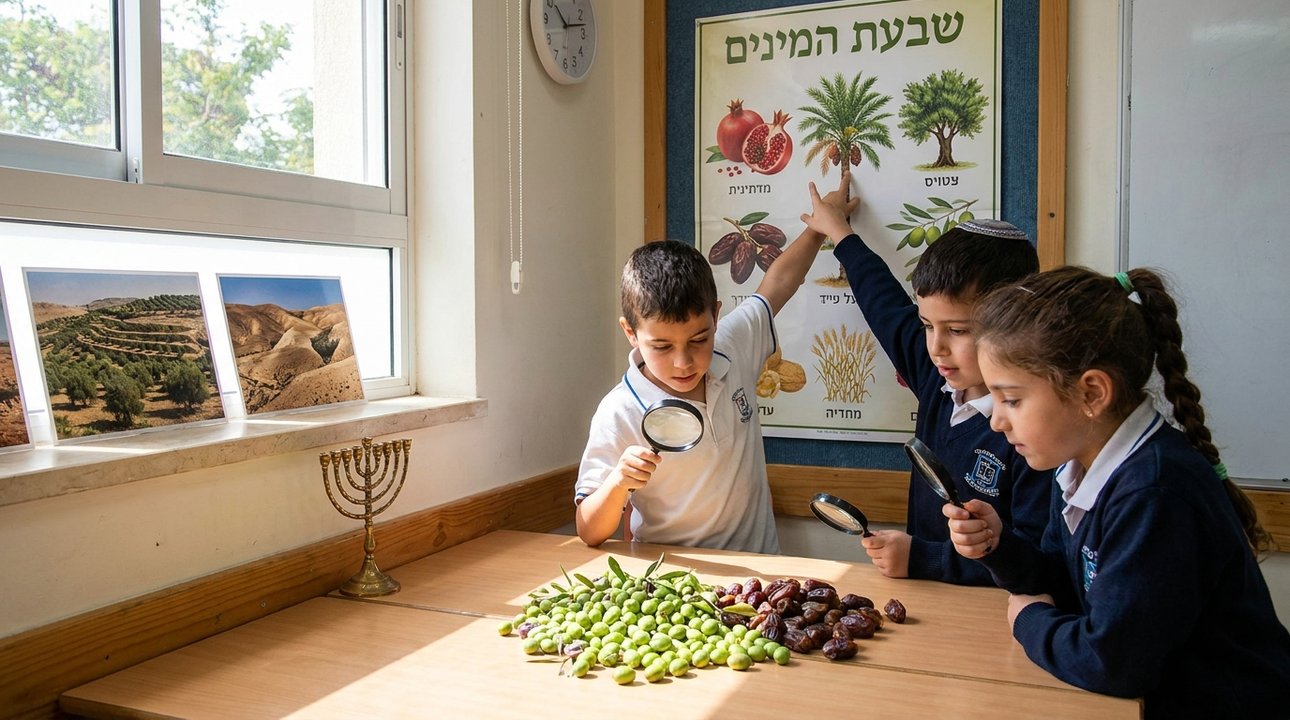
Educational programs often highlight these fruits to connect people with Israel’s heritage. Schools teach children about their biblical significance and agricultural history, fostering a sense of continuity and cultural pride.
These initiatives help preserve the rich legacy of these species, ensuring that future generations appreciate their historical and spiritual significance, while also celebrating their role in modern Israeli culture.
The Mystical Interpretations of the Seven Species
Beyond their physical presence, these species are steeped in mystical meaning. In the Zohar, these fruits are associated with the sefirot, the ten attributes through which the divine manifests.
Kabbalistic teachings often align them with different spiritual attributes and spheres. For example, wheat is linked to wisdom, representing sustenance and knowledge, highlighting the deep spiritual connections these fruits hold.
For instance, grapes are linked to joy and the ability to transcend the mundane. This connection is seen in the use of wine in religious ceremonies, symbolizing celebration and elevation.
Such associations offer a rich tapestry of meanings, reflecting the deep spiritual and mystical significance of these fruits in Jewish tradition, and providing insights into the spiritual practices and beliefs that continue to resonate today.
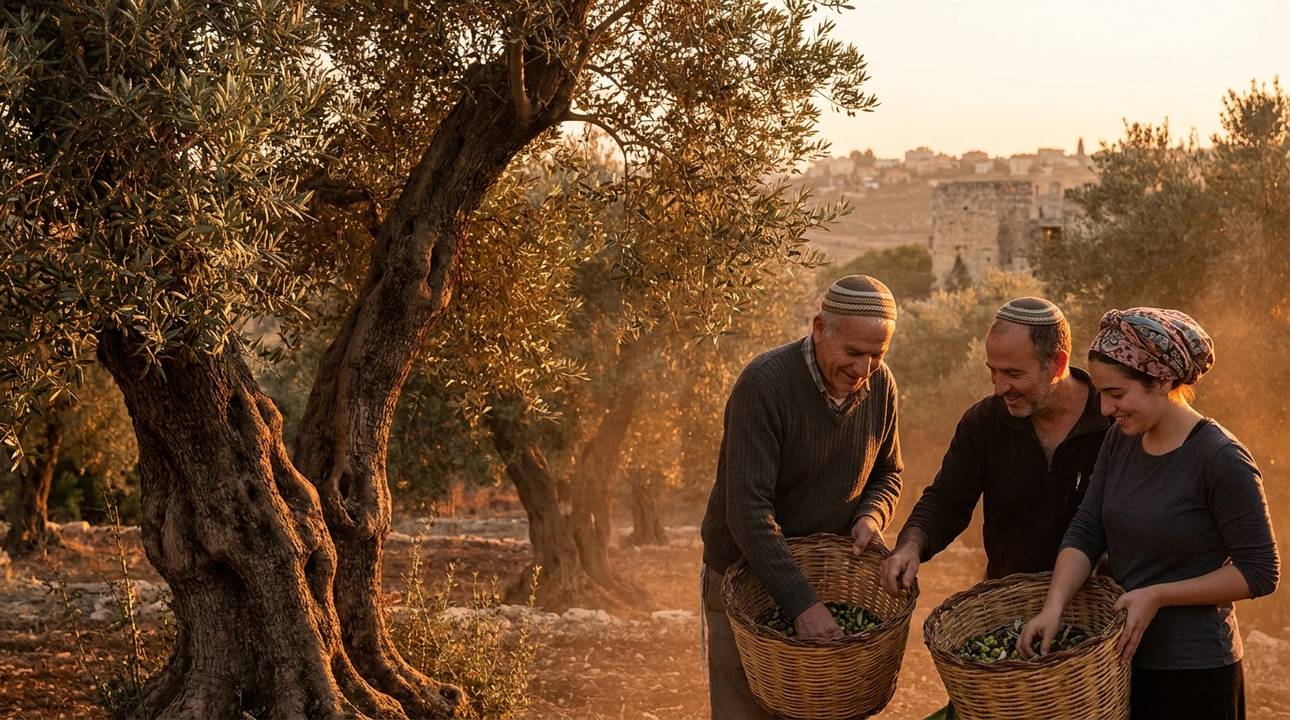
Olives are deeply linked to wisdom and were used in sacred rituals for anointing, as seen in Exodus 30:22-25. This passage describes the holy anointing oil, made with olive oil, used to consecrate priests and sacred objects.
Dates, with their sweet taste, symbolize the soul’s longing and spiritual sweetness, often mentioned in the context of abundance and prosperity. In the Song of Songs 7:7-8, dates are used poetically to describe beauty and desire, reflecting their rich symbolic value.
These interpretations add spiritual layers to the biblical fruits, enriching the experience of those who engage with them. The olive tree is also a symbol of peace, as seen in the story of Noah’s Ark in Genesis 8:11, where a dove returns with an olive leaf.
Such stories highlight the enduring significance of these fruits in Jewish tradition, both in historical and spiritual contexts, offering a glimpse into the ancient practices and beliefs that continue to resonate today.
Modern-Day Celebrations and Practices
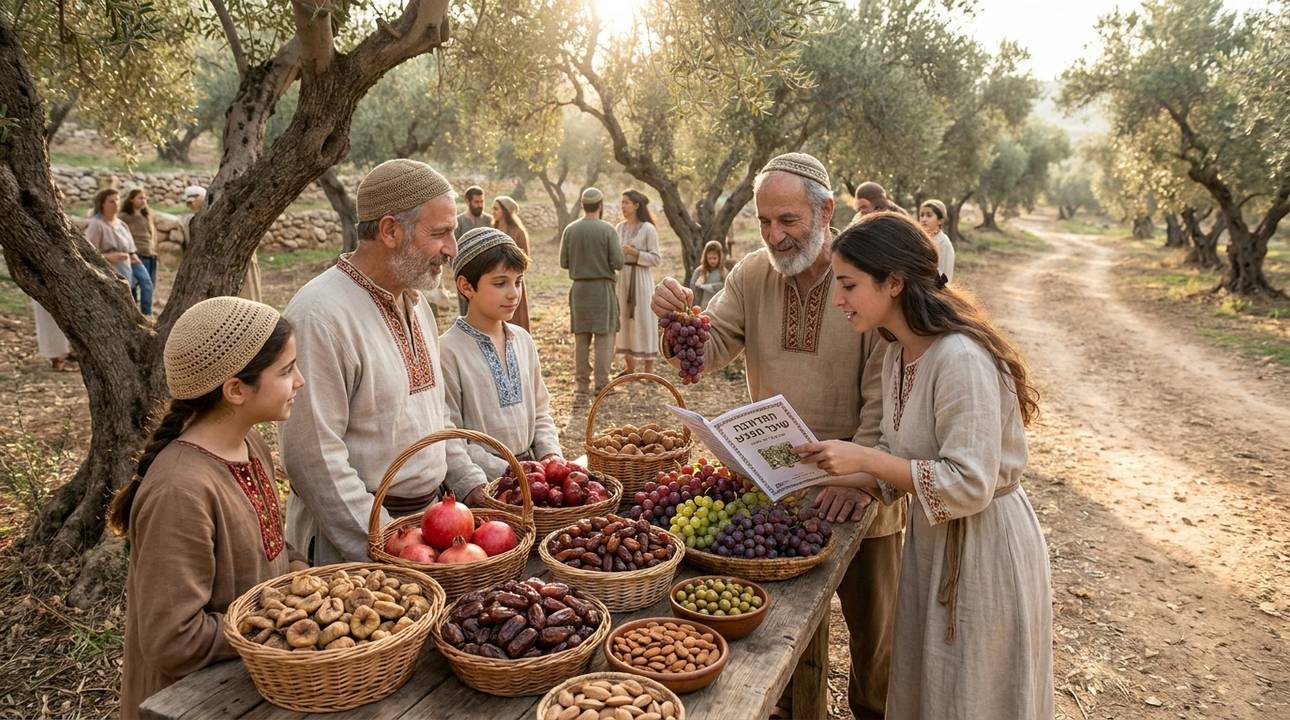
Today, these species are celebrated every year at Tu BiShvat, the New Year for Trees. This festival, rooted in Jewish tradition, is mentioned in the Talmud and is a time for environmental awareness.
This celebration includes planting trees and enjoying these fruits. Communities come together to partake in a Seder, similar to Passover, where each fruit is consumed with specific acknowledgments.
Gatherings honor the connection between the people and the land. This connection is a reminder of the covenant described in Deuteronomy 8:8.
Tu BiShvat Haggadah often includes specific references to these fruits, making them part of prayers and meals. This tradition is a way to celebrate the renewal of nature and the cycle of seasons.
Their taste brings awareness and appreciation of the natural world. Each fruit is savored, reminding participants of the land’s bounty and the prosperity it provides.
Eating these fruits is a way to connect with the ancestry and timeless traditions. It is a practice that links the present to the past, honoring the legacy of those who cultivated these lands.
Understanding the Seven Species
