
Hadera Area Guide
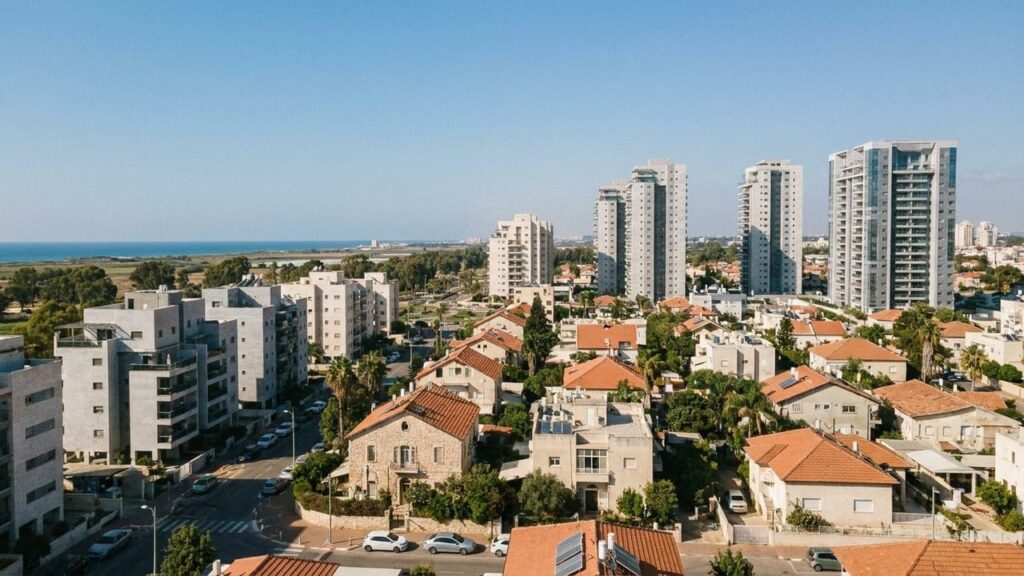

Hadera is a coastal city on Israel’s central-northern shore that mixes suburban living with access to regional centres and open natural spaces. This guide outlines the city’s key facts, history, neighbourhoods, transport links and lifestyle considerations.
Hadera at a Glance
City: Hadera • Country: Israel • District: Haifa • Population: 107974 • Area: 53 km² • Nearest major city: Haifa • Distance: 42 km • Main transport connection: Highway 2 (Coastal Highway) and the Israel Railways Coastal Line (served at Hadera–West), plus regional bus networks • Known for: Orot Rabin power station, Nahal Hadera park and eucalyptus forest, beaches, Hillel Yaffe Medical Center, Technoda science centre • Historic origins: Modern Hadera was founded on 24 January 1891; the coastal area has Classical/Byzantine and Crusader-period archaeological connections and has been discussed in scholarship with debated identifications to ancient sites.
Insider's Guide to Israel
and can't-miss places most tourists never find.

Where Is Hadera?
Hadera sits on Israel’s coastal plain between Haifa to the north and Tel Aviv to the south. It is located in the Haifa District and forms part of the central-northern coastal corridor of the country.
The city is roughly 42 kilometres south of Haifa and about 43 kilometres north of Tel Aviv by road, placing it within reasonable driving and rail distance of both regional hubs. Locally it is bordered by towns such as Pardes Hanna-Karkur and is close to Caesarea along the coast.
Geographically, Hadera occupies a stretch of Mediterranean coastline with sandy beaches and the Nahal Hadera estuary and wetland at its northern edge; the landscape combines built neighbourhoods with sizeable green and recreational spaces.
History of Hadera
The modern town of Hadera was established on 24 January 1891. Its founding belongs to the late 19th-century wave of agricultural settlements in the coastal plain.
Before and alongside modern settlement, the coastal area around Hadera has archaeological and historical connections to the Classical and Byzantine periods and appears in Crusader-era sources under names such as Lictera. Scholars have proposed links between nearby archaeological sites and ancient local settlements, though specific identifications remain debated.
Across subsequent historical periods the area passed through Ottoman administration, experienced changes during the British Mandate period, and developed further after the establishment of the State of Israel. The modern urban municipality expanded around its agricultural and coastal origins into a more diversified suburban city.
Hadera Population
Hadera’s population was 107,974 as of 2024. That figure places it among the mid-sized cities within the Haifa District.
The city serves a residential, medical and regional role for surrounding towns and villages, with a mix of families, commuters and local workers making up the population.
What Is It Like to Live in Hadera?
Life in Hadera tends to combine a relaxed suburban pace with practical access to larger urban centres. Residents benefit from local services and medical facilities while enjoying more open space compared with denser coastal cities to the north and south.
Infrastructure supports everyday living: municipal schools, health services centred on Hillel Yaffe Medical Center, local shopping and community facilities. The city also hosts science and outreach facilities such as Technoda, which contribute to family-friendly programming and informal learning.
Transport connections along the coastal corridor make commuting feasible for those working in Haifa, Tel Aviv and other regional centres. At the same time, green areas, beaches and the Nahal Hadera estuary provide easy access to outdoor recreation and nature.

Areas and Neighbourhoods in Hadera
Hadera contains a range of neighbourhoods that vary by age, character and proximity to the coast or central facilities. Below are descriptions of the principal local areas.
Giv’at Olga
Giv’at Olga is a coastal neighbourhood known for its proximity to beaches and sea views. Housing includes apartment blocks and low-rise residential buildings with a recreational focus on the shoreline.
The area appeals to residents prioritising beach access and seaside promenades, and it is connected to the rest of the city by local roads and bus services.
Beit Eliezer
Beit Eliezer is a residential neighbourhood with an established community feel. It typically offers a mixture of housing types and local amenities suited to family life.
The neighbourhood is served by municipal services and local transport links into central Hadera.
Kfar Brandeis
Kfar Brandeis is one of Hadera’s residential quarters with a village-like character in parts and a range of dwelling types. It is commonly chosen by those seeking a quieter residential setting while remaining within the municipal area.
Local bus routes and roads connect Kfar Brandeis with Hadera’s centre and with regional routes along the coast.
HaOtsar (Haotzar)
HaOtsar is a neighbourhood that provides convenient access to local shops and community services. The housing stock includes apartments and small-family homes.
Its central location makes it accessible to municipal facilities and public transport options.
Heftsiba
Heftsiba is a residential part of the city that typically offers practical housing options for families and professionals. It sits within easy reach of main thoroughfares serving Hadera.
Residents can access municipal schools and local retail while maintaining connections to transport links for commuting.
Neve Haim
Neve Haim is a neighbourhood that reflects suburban living with an emphasis on residential streets and community facilities. Housing tends to include both apartments and private houses.
The area is suited to those seeking quieter residential blocks while staying connected to the city’s services.
Nahaliel
Nahaliel is a residential area within Hadera offering a mix of housing and access to local open spaces. It is practical for families and long-term residents.
Local transport and road links make commuting to the city centre and regional hubs manageable.
Givat Bilu
Givat Bilu is another established neighbourhood with a residential character and community amenities. Housing options vary and the area is integrated into municipal services.
It suits households looking for conventional suburban living within Hadera.
Ein Hayam
Ein Hayam is located closer to coastal green areas and may appeal to residents who prioritise access to nature. It generally offers residential accommodation with local conveniences.
Transport connections to the rest of Hadera are provided by local road and bus services.
Bialik
Bialik is a residential quarter with typical community facilities and local schools nearby. It is well integrated into the municipal fabric of Hadera.
The neighbourhood works well for families and those seeking established local services.
Beitar
Beitar is a neighbourhood that provides a mix of housing types and access to city services. It is suitable for residents wanting practical proximity to municipal amenities.
Insider's Guide to Israel
and can't-miss places most tourists never find.
Public transport routes and main roads link Beitar to Hadera’s centre and regional corridors.
The Park
Known informally as ‘The Park’, this area is characterised by proximity to green space and recreational facilities. Housing nearby often benefits from park views and access to outdoor amenities.
It is attractive to families and outdoor-minded residents who value easy access to urban green areas.
Education in Hadera
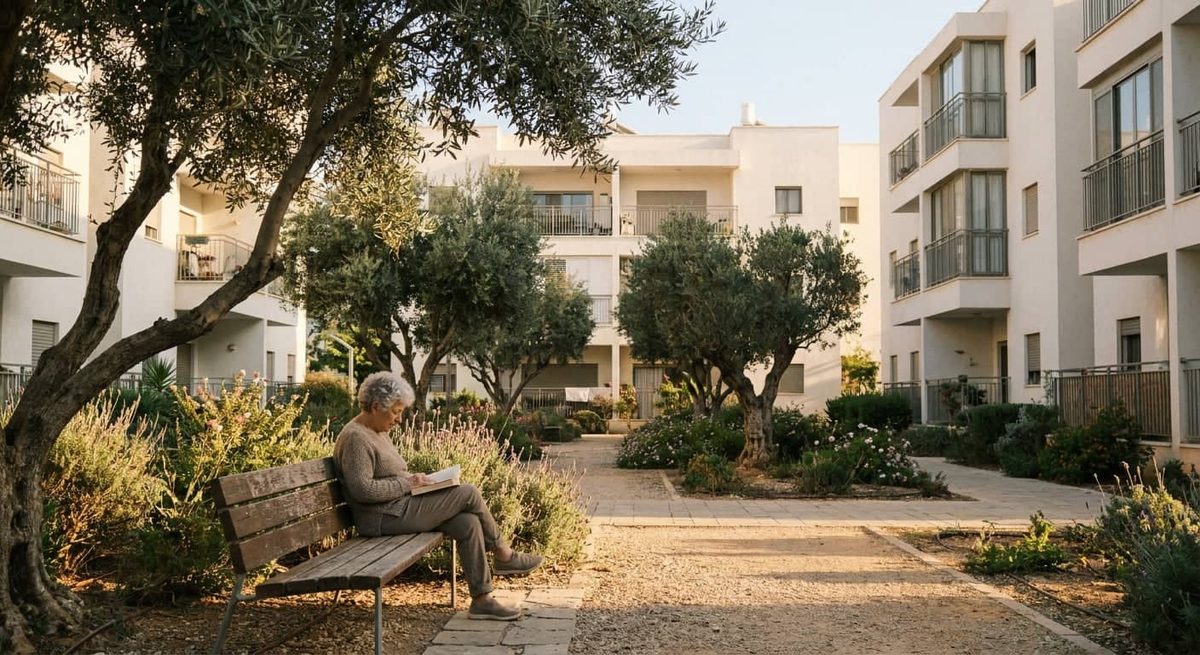
Hadera provides municipal primary and secondary schools and vocational programs for local students. There is a range of education options managed by the city for different age groups.
Technoda, the local science and technology outreach centre, offers informal STEM learning and hands-on programmes that support children and teenagers. For clinical education and medical services, Hillel Yaffe Medical Center serves as a regional hospital and clinical training site.
For higher education and specialised training, residents typically use nearby regional colleges and university centres; these are accessed outside the city by short regional journeys.
Transport and Connectivity
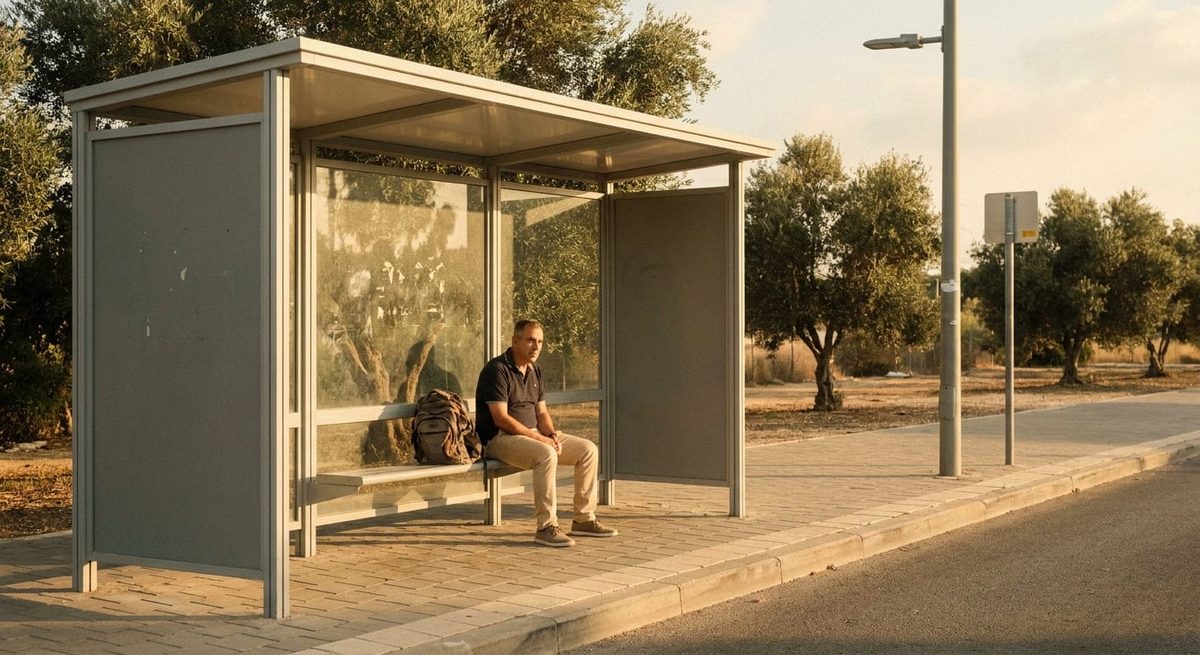
Hadera is connected to the national transport network primarily via Highway 2 (the Coastal Highway) and the Israel Railways Coastal Line. The city’s main rail facility is Hadera–West (Hadera Ma’arav) station.
Regular Israel Railways services run from Hadera–West to Tel Aviv, with a typical scheduled journey of about 32 minutes on suburban/coastal services. Buses operated by Egged, Kavim and local municipal lines provide local and regional connections to Haifa, Netanya, Tel Aviv and neighbouring towns.
By road, driving to Tel Aviv along Highway 2 is approximately 40–50 minutes depending on traffic for a distance around 43 kilometres; Haifa is about 42 kilometres away. Ben Gurion Airport lies at an approximate distance of 56 kilometres. While local errands can be managed without a car using buses and the train, owning a car remains practical for some commuters and for reaching destinations off the main coastal corridor.
Nature and Outdoor Spaces
Nahal Hadera Park and estuary form a major green and ecological feature at the city’s northern edge, with wetland areas, birdlife and recreational trails. The site includes an expansive eucalyptus grove covering around 1,300 dunams and is a focal point for outdoor activity.
Hadera also has Mediterranean beaches and coastal promenades that provide seasonal swimming and leisure opportunities. Nearby coastal nature reserves and open spaces make weekend excursions to natural sites straightforward for residents.
Amenities and Things to Do in Hadera
Hadera’s most prominent public facilities include Hillel Yaffe Medical Center for healthcare and clinical services, and Technoda for science education and family programmes. The Orot Rabin power plant is a notable landmark on the coast.
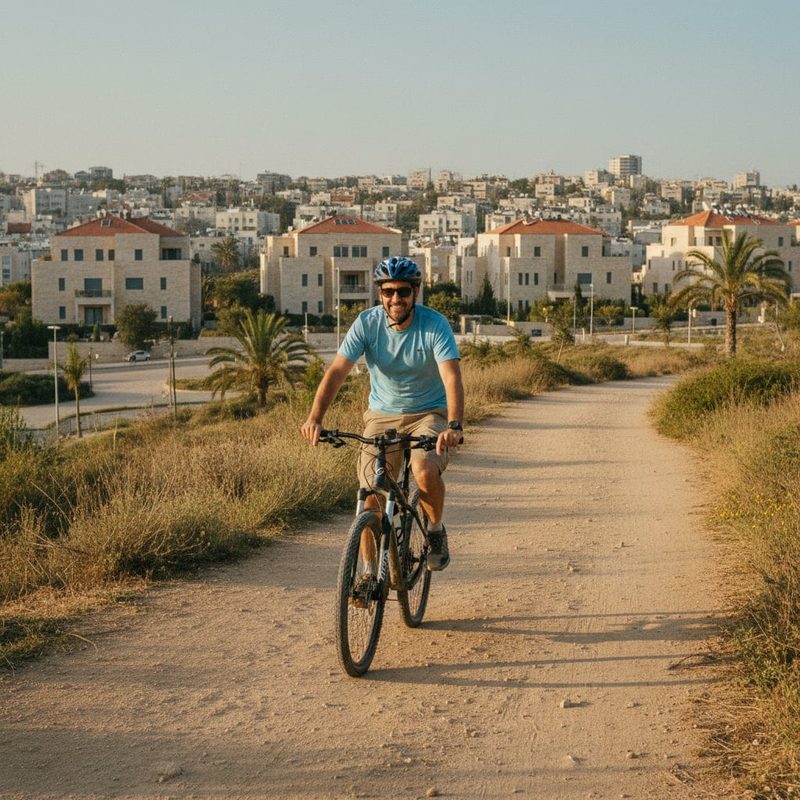
For daily life there are local shopping areas, restaurants and markets serving neighbourhoods across the city. Sport and leisure facilities, municipal parks and the beach-front provide recreational options; cultural events and community programming are organised at local venues and civic spaces.
Travel to larger nearby cities expands cultural and shopping choices, while Hadera itself functions as a practical residential centre with a focus on family life, medical services and outdoor recreation.
Cities and Towns Near Hadera
Hadera sits among several coastal and inland towns that are easily reachable by road or rail, making it part of a closely connected regional corridor. Nearby localities include Pardes Hanna-Karkur, Caesarea, Netanya, Haifa and Tel Aviv, each within a short to moderate driving distance.
Nearby cities and towns: Pardes Hanna-Karkur — 6 km; Caesarea — 11 km; Netanya — 20 km; Haifa — 42 km; Tel Aviv — 43 km.
Advantages of Living in Hadera
Coastal location and nature: Immediate access to beaches, the Nahal Hadera estuary and sizeable green spaces make outdoor recreation convenient.
Medical and educational facilities: The presence of Hillel Yaffe Medical Center and outreach institutions such as Technoda strengthens local healthcare and learning resources.
Good regional connectivity: Highway 2 and the coastal rail line provide straightforward travel to Haifa, Tel Aviv and other coastal cities, supporting commuters.
Suburban living with city access: Hadera offers a quieter, lower-density environment than larger coastal cities while retaining practical links to urban jobs and services.
Things to Consider Before Moving to Hadera
Limited specialised services locally: Some specialist healthcare, cultural institutions and high-level commercial services are concentrated in larger regional hubs such as Haifa and Tel Aviv, so residents may travel for specific needs.
Competition in the housing market: The local property market can be competitive, and availability of certain property types may be limited at times.
Transport and traffic variability: While the city is well connected, commuting times by road can vary with coastal corridor traffic; planning around peak hours is advisable.
Who Is Hadera Best For?
Families
Families benefit from green spaces, municipal schools and community services, plus family-oriented programmes at centres such as Technoda.
Commuters
Commuters who work in Haifa, Tel Aviv or coastal towns can use the coastal rail line and Highway 2 for regular travel; rail links make commuting by public transport practical for many.
Young Professionals
Young professionals seeking more space than inner-city living will find practical transport links and regional job access combined with a suburban lifestyle.
Students
Students attending regional higher-education institutions or vocational centres can base themselves in Hadera while taking advantage of rail and bus connections to campuses in nearby cities.
Retirees
Retirees may appreciate the relaxed pace, access to healthcare at Hillel Yaffe and the availability of parks, beaches and local community activities.
