
Maalot-Tarshiha Area Guide
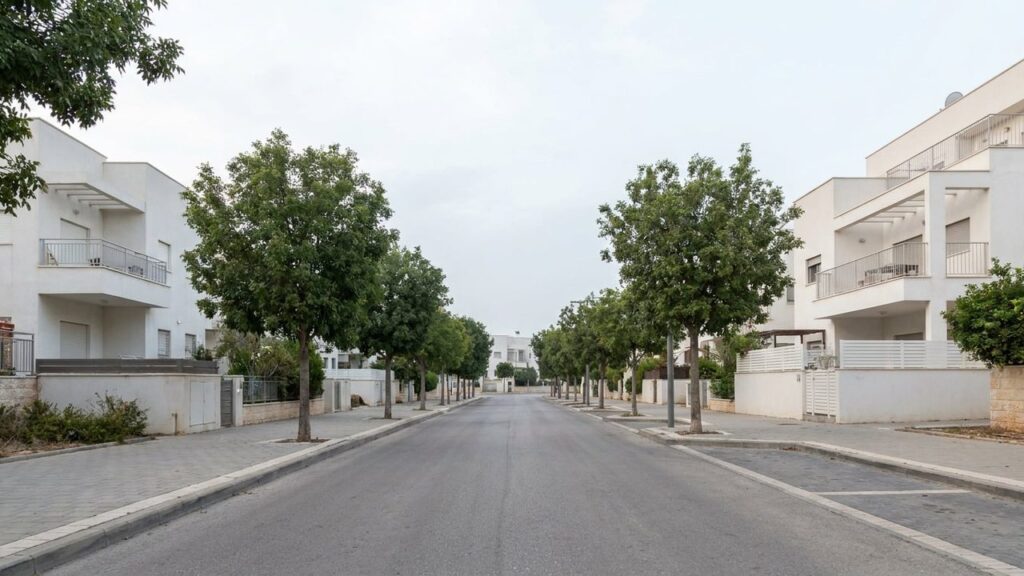

Maalot-Tarshiha is a mixed Jewish–Arab municipality in the Upper Galilee, bringing together a mid‑20th‑century development town and an older historic town. This friendly guide offers practical information about living here, a brief look at its past, and what daily life is like in the area.
Maalot-Tarshiha at a Glance
City: Maalot-Tarshiha • Country: Israel • District: Northern • Population: approximately 23,000 (latest municipal estimate) • Area: 9.22 km² • Nearest major city: Haifa • Distance: 34 km • Main transport connection: Highway 89 provides the main east–west road link. Regional intercity buses connect to coastal and inland towns; rail travel is typically accessed via coastal stations, with Nahariya commonly used for rail connections. • Known for: A mixed Jewish–Arab municipality in the Upper Galilee. Lake Monfort (Hosen Reservoir), the nearby Crusader ruins at Monfort, and local cultural events including an annual sculpture symposium. • Historic origins: Tarshiha has records from the Crusader era (12th century) and archaeological remains indicating Late Antique/Byzantine activity (4th century). Modern Ma’alot was founded in 1957; the municipalities merged administratively in 1963 and later received city status in 1996.
Insider's Guide to Israel
and can't-miss places most tourists never find.

Where Is Maalot-Tarshiha?
Maalot-Tarshiha lies in the Upper Galilee within the Northern District, among the rolling, wooded hills typical of the region. The municipality combines the newer development town of Ma’alot with the historic town of Tarshiha.
Nearby centres include Nahariya to the northwest, Acre (Akko) on the coast, and inland towns such as Karmiel. Haifa is the nearest major city, about 34 km to the west. Highway 89 is the main east–west road through the area, linking local roads to the coastal highways.
History of Maalot-Tarshiha
Tarshiha has a long recorded history. Excavations have found Late Antique/Byzantine remains, including a burial cave and artefacts that point to Christian‑era activity at the site.
Tarshiha appears in Crusader‑period documents (12th–13th centuries) and continued through the Ottoman and British Mandate eras. After 1948 the area became part of the State of Israel.
Ma’alot is a modern development town founded in 1957. In 1963 Ma’alot and Tarshiha were merged administratively, and the locality later received city status in 1996. The present municipality therefore combines older layers of settlement with mid‑20th‑century planning.
Maalot-Tarshiha Population
The population is about 23,000 by the latest municipal estimate. The municipality is notable as a mixed city with both Jewish and Arab residents, reflecting the combined character of Ma’alot and Tarshiha.
Local and regional guides describe a community that has grown over recent decades; housing and services reflect its role as a small city serving the Upper Galilee. It functions as a modest urban centre within the Northern District rather than a large metropolitan area.
What Is It Like to Live in Maalot-Tarshiha?
Daily life here is generally quieter and lower‑density than in coastal or central urban areas. Residents have ready access to surrounding natural areas — wooded hills, agricultural terraces and Lake Monfort.
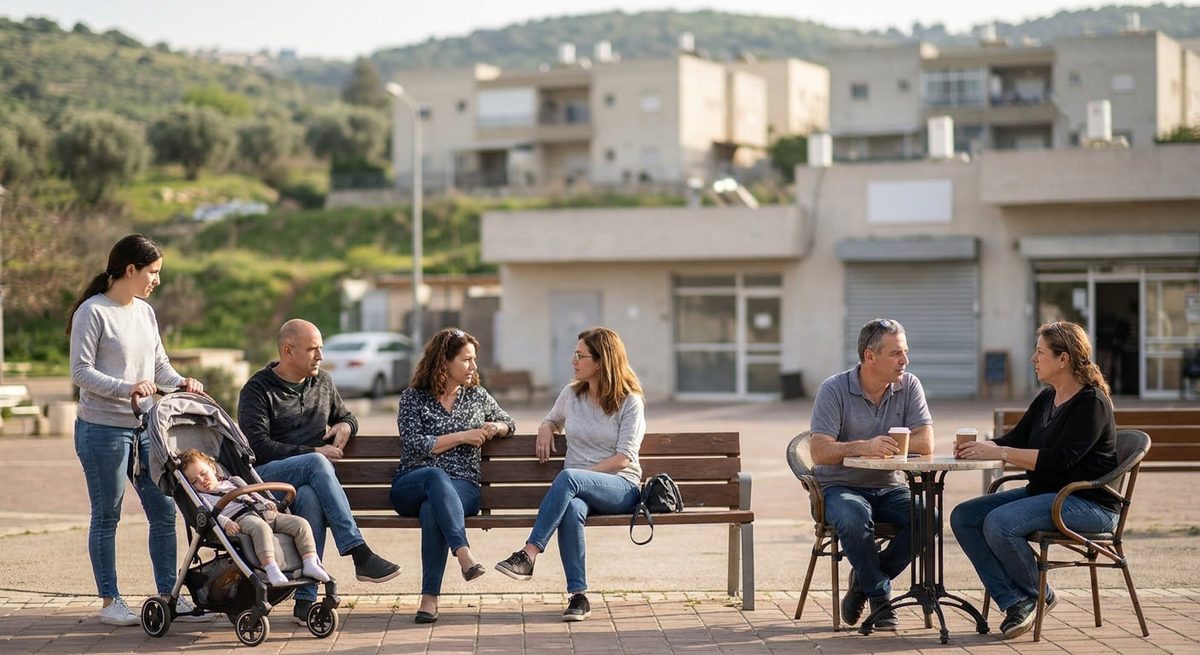
Municipal infrastructure covers the essentials: shops, schools and cultural venues are present, and regional buses link the town with nearby centres. Local markets, cafés and community events give the place a neighbourly feel.
Many households find a car helpful for day‑to‑day mobility, though public transport provides useful regional links for those planning journeys in advance. Commuting to larger employment centres is possible thanks to the road network and regional services.
Areas and Neighbourhoods in Maalot-Tarshiha
Ma’alot (modern/new town)
The Ma’alot neighbourhood is the more recently developed part of the municipality, established in the mid‑20th century. Housing here includes planned streets, newer apartment blocks and private homes.
Municipal services, newer schools and community facilities tend to be concentrated in this area, which appeals to families and buyers seeking modern accommodation and straightforward road access.
Tarshiha (Old town: Muslim and Christian quarters)
Tarshiha is the historic core, with older neighbourhoods that include distinct Muslim and Christian quarters. The street pattern and built fabric reflect a long history of settlement.
Religious and cultural landmarks are concentrated here, and the area suits residents who value historical character and proximity to cultural sites.
City Center (מרכז העיר)
The city centre contains municipal buildings, shops and cultural venues such as the Ma’alot Performing Arts Center. It serves as the focal point for services and public events.
For residents, the centre offers convenient access to daily essentials and communal activities.
Oranim, Saviyonim, Yitzhak Rabin neighbourhood, Ilanot, Yafe Nof
These names identify suburban sectors and housing clusters around the town centre. Character varies from modest apartment blocks to private homes and small residential streets.
Transport relies on the municipal road network and local/regional bus services; these neighbourhoods are practical choices for families and for those seeking quieter residential blocks within easy reach of town services.
Education in Maalot-Tarshiha
Maalot-Tarshiha offers elementary, middle and high school education, including religious schooling options. Local schools serve children from the different communities in the municipality.
A noted local institution is Yeshivat Ma’alot, a Hesder yeshiva founded in 1975. Historical municipal data from 2001 recorded 11 schools with about 4,272 students; current enrolment figures are maintained by the municipality and education authorities.
Students seeking higher education commonly travel to universities and colleges in larger regional centres such as Haifa and Nazareth, reachable by road and regional rail connections.
Transport and Connectivity
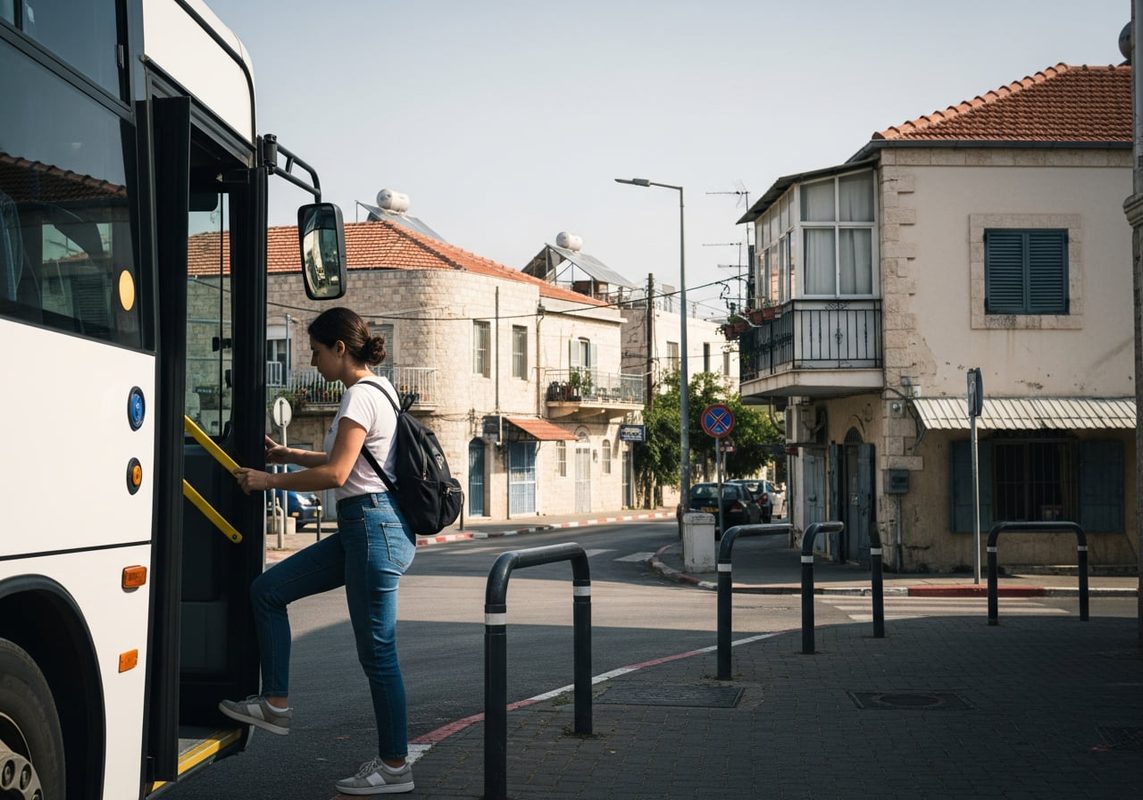
Highway 89 is the town’s main road link, running east–west to the coastal highways and inland routes. Regional intercity buses connect Maalot‑Tarshiha with coastal towns and inland centres, and local lines serve intra‑city travel.
Rail travel is typically accessed via coastal stations; residents commonly use Nahariya for rail connections according to regional travel guidance. Journey times to central Israel by rail from coastal stations vary with the service and stops — travel to Tel Aviv from the coast is commonly around two hours depending on the train.
Driving distances to larger centres vary with route. Road trips to Tel Aviv and to Ben Gurion Airport take a few hours depending on traffic and route choice. Many households find car ownership convenient for everyday mobility and for reaching specialist services outside the town.
Insider's Guide to Israel
and can't-miss places most tourists never find.
Nature and Outdoor Spaces
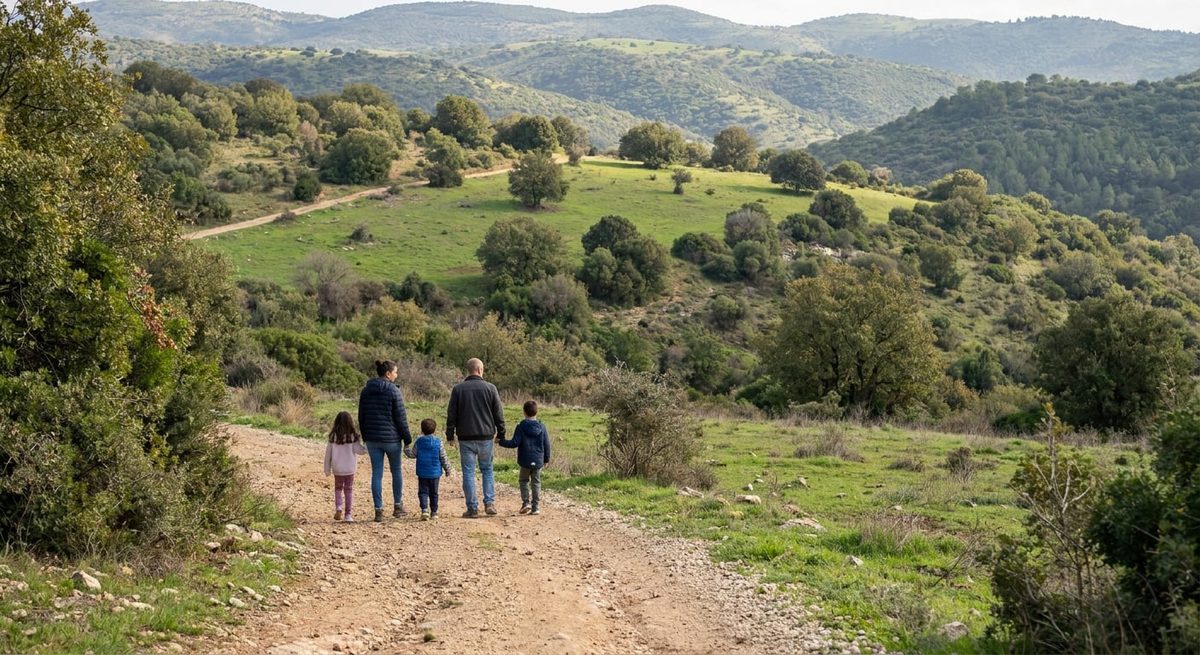
Maalot-Tarshiha sits at about 600 metres above sea level in the Upper Galilee hills, surrounded by wooded slopes and agricultural terraces. The landscape offers hillside walks and quieter country lanes.
Lake Monfort (the Hosen Reservoir) is a local water feature and recreational spot. The nearby Crusader ruins at Monfort add historical interest and hiking opportunities.

Amenities and Things to Do in Maalot-Tarshiha
Cultural life includes the Ma’alot Performing Arts Center and annual cultural events such as the ‘Stone in the Galilee’ sculpture symposium. Local festivals and community events bring residents together.
Notable landmarks include Lake Monfort, the Crusader Monfort ruins, St. George Church in Tarshiha and the Sheik Abd Allah Pasha Mosque. These sites reflect the municipality’s layered history and give visitors and residents places to explore.
Everyday amenities cover local shopping, restaurants and healthcare services for routine needs; larger hospitals and specialist care are available in nearby regional centres. Sports facilities and municipal recreation options support active lifestyles, while markets and seasonal events provide extra shopping and cultural variety.
Cities and Towns Near Maalot-Tarshiha
Maalot-Tarshiha sits within reach of several coastal and inland towns used for work, services and leisure. Nearby places include Nahariya (about 16 km), Acre/Akko (about 20 km), Karmiel (about 28 km), Haifa (about 34 km) and Nazareth (about 36 km). These centres provide wider employment, education and healthcare options within a short drive or by regional bus.
Nearby cities and towns: Nahariya — 16 km; Acre (Akko) — 20 km; Karmiel — 28 km; Haifa — 34 km; Nazareth — 36 km.
Advantages of Living in Maalot-Tarshiha
Mixed community character: The municipality combines Ma’alot’s modern neighbourhoods with Tarshiha’s historic quarters, offering cultural variety and local traditions.
Access to nature: The Upper Galilee setting, Lake Monfort and nearby walking routes provide easy outdoor recreation.
Local services and cultural venues: Schools, municipal facilities and the Ma’alot Performing Arts Center support family and community life.
Reasonable regional links: Highway 89 and regional buses connect the town to coastal and inland centres; coastal railheads used by residents support travel to central Israel.
More space and lower density: Compared with coastal urban centres, residents often find quieter streets and more privacy.
Things to Consider Before Moving to Maalot-Tarshiha
Some specialist services and hospitals are located in larger regional centres, so residents may travel to Nahariya, Acre or Haifa for certain needs.
Public transport is useful but less frequent than in major urban areas; many households choose to keep a car for convenience and flexible daily travel.
The local property market can have limited inventory at times, so buyers are advised to be prepared when suitable opportunities appear.
Who Is Maalot-Tarshiha Best For?
Families
Families will appreciate the town’s schools, community neighbourhoods and access to outdoor spaces suitable for children.
Commuters
Commuters can use Highway 89 and regional buses; coastal rail services accessed via nearby stations also support longer commutes to central Israel.
Young Professionals
Young professionals seeking a quieter home base with access to regional job markets may find the town practical, especially if willing to commute or work remotely.
Students
Students attending colleges or universities in Haifa, Nazareth or other nearby cities may base themselves here if they prefer lower‑density living while commuting to campus.
Retirees
Retirees who value calm surroundings, community activities and proximity to nature often find the town’s scale and services suitable for comfortable living.
