
Tsfat Area Guide
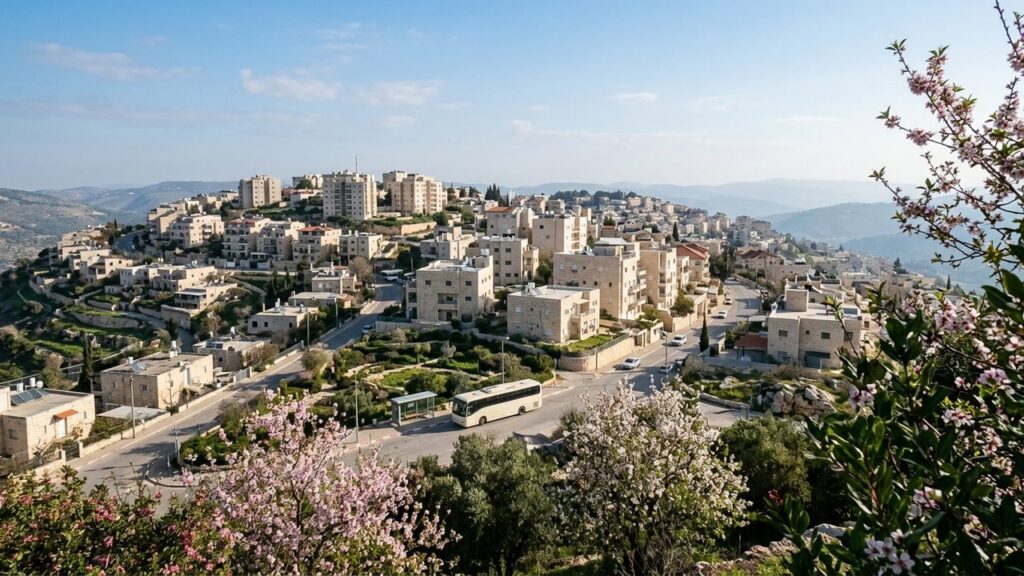

Tsfat is a highland city in the Upper Galilee known for its religious heritage, historic Old City and artists’ quarter. This guide explains what life is like in Tsfat, how the town is connected to surrounding centres and what to expect from local services and neighbourhoods in Israel.
Tsfat at a Glance
City: Tsfat • Country: Israel • District: Northern District • Population: 38687 • Area: 30 km² • Nearest major city: Tiberias • Distance: 36 km • Main transport connection: Regional bus network (central bus station); nearest railway access at Karmiel station • Known for: One of Judaism’s four holy cities; Kabbalah tradition, historic synagogues, Old City and Artists’ Quarter, high-altitude Galilean views • Historic origins: Settlement attested since the Second Temple/Talmudic period (identified with ancient Sepph); municipal council established 1878
Insider's Guide to Israel
and can't-miss places most tourists never find.

Where Is Tsfat?
Tsfat sits in the Upper Galilee on a high ridge with wide views across the Galilean hills and toward the Sea of Galilee. It belongs administratively to the Northern District and is set among a mix of agricultural valleys, smaller towns and higher wooded ridgelines.
Neighbouring urban centres include Tiberias to the southeast and Nazareth to the south; Haifa and Acre are further to the west along the coast. The city is approximately 36 km from Tiberias by road.
The town’s elevated position gives it a distinctly montane feel compared with the coastal plain; surrounding geography includes hills, valleys and nearby Mount Meron with its network of nature trails.
History of Tsfat
Tsfat has a long recorded history, with settlement activity on the site since antiquity. It is identified in classical sources with Sepph and is mentioned in Roman and Talmudic literature; archaeological and textual evidence point to a fortified settlement in the late Second Temple and Roman periods.
Over the centuries the site was part of a sequence of historical periods that include the Crusader era, the Mamluk period and Ottoman rule. During the late 15th and 16th centuries the town became an important center for Jewish learning and Kabbalah, which shaped its religious and cultural identity.
The modern municipal council was established in 1878, and the town developed under Ottoman and later British Mandate administration before becoming part of the State of Israel. The contemporary urban fabric combines medieval and early modern historic cores with neighbourhoods and civic institutions built in the 20th and 21st centuries.
Tsfat Population
As of 2024 the population is recorded at 38,687. This reflects the contemporary municipal population figure used for planning and services.
Local demographic trends mix long‑established religious communities, residents connected to the arts and scholarship, and families drawn to the town’s quieter environment compared with larger regional centres. Tsfat ranks as a small-to-medium sized city within the Northern District by population and municipal area.
What Is It Like to Live in Tsfat?
Life in Tsfat is shaped by its historical and religious character, the presence of cultural activity and a generally slower pace than larger Israeli cities. The Old City and Artists’ Quarter provide a steady stream of visitors and pilgrims, while residential neighbourhoods offer more tranquil day-to-day living.
Infrastructure and services are concentrated around the municipal centre and core neighbourhoods: primary and secondary schools, clinics and the main hospital serve the city and surrounding area. Local shopping is available, though for some larger retail or specialised services residents commonly travel to nearby regional hubs.
Transport is oriented toward regional bus connections; the nearest rail connection is at Karmiel, so car ownership is common for daily mobility and for trips beyond the immediate region. At the same time, the town’s setting makes outdoor recreation and weekend hikes highly accessible.

Areas and Neighbourhoods in Tsfat
Tsfat’s neighbourhoods range from the historic stone lanes of the Old City to modern housing estates and peripheral quarters. The list below summarises the main residential areas and their character.
Old City (Jewish Quarter / Artists’ Quarter)
Location and character: The Old City occupies the historic core and is the focal point for synagogues, narrow alleyways and galleries. It is also known as the Artists’ Quarter for its concentration of studios and galleries.
Housing: Properties include historic stone houses and smaller units, many of which have been renovated; living spaces can be compact and characterful rather than expansive.
Transport: Pedestrian-friendly but limited for vehicle parking; the area is well served by the town’s central services and attracts visitors, which affects traffic during peak tourism and festival seasons.
Who it suits: Those seeking a culturally rich environment, collectors, artists and residents who prioritise heritage over modern suburban conveniences.
Kanaan (כנען)
Location and character: A residential neighbourhood on the municipal map, typically quieter than the Old City with a more suburban layout.
Housing: Mixed housing stock with modest family homes and apartment blocks; offers relatively more space than the central historic core.
Transport: Served by local roads and regional bus links, with reasonable access to the town centre.
Who it suits: Families and those looking for balance between town amenities and a residential feel.
Kiryat Sarah (קריית שרה)
Location and character: A residential district that forms part of the town’s mid‑century expansion, combining older developments with newer infill.
Housing: Predominantly family housing and apartment buildings with typical municipal services nearby.
Transport: Accessible by local bus routes and road connections to central Tsfat.
Who it suits: Practical for families and long-term residents seeking established neighbourhood services.
Ramat Razim (רמת רזים)
Location and character: A higher-elevation residential neighbourhood offering views across the Galilee; generally quieter and more suburban in character.
Housing: Mainly family homes and low-rise buildings with garden or terrace space where terrain allows.
Transport: Relies on local roads; private transport is often used for commuting and errands.
Who it suits: Households looking for quieter, view-oriented living and more private outdoor space.
Nof Kinneret (נוף כנרת)
Location and character: A neighbourhood oriented toward outlooks over the Sea of Galilee (Kinneret) direction, with a residential feel.
Housing: Mix of modest apartment blocks and houses adapted to the hillside topography.
Transport: Connected to the town centre by road and local bus services.
Who it suits: Residents who prioritise vistas and proximity to nature.
Shikun Darom / South Housing (שיכון דרום)
Location and character: Situated toward the southern part of the municipality, this area has a more straightforward residential layout.
Housing: Typical municipal housing stock including apartments and family dwellings.
Transport: Serviced by local bus routes and road links into the centre.
Who it suits: Practical choice for families and commuters seeking value and access to core services.
Akbara (peripheral neighbourhood / jurisdictional area)
Location and character: A peripheral area within the municipal jurisdiction; more removed from the central tourist and historic zones.
Housing: Residential with a developing character; may include denser blocks and local community facilities.
Insider's Guide to Israel
and can't-miss places most tourists never find.
Transport: Served by regional bus routes but typically more dependent on private transport for frequent trips.
Who it suits: Residents wanting more affordable or peripheral options while remaining within municipal range.
Education in Tsfat
Tsfat hosts a range of educational institutions from primary and secondary schools to religious study centres and a local higher education institution. Zefat Academic College provides tertiary study options within the city.
There are numerous yeshivot and religious study institutions that attract students and scholars, reflecting the town’s historical role as a centre of Torah and Kabbalistic study. For broader university options, students commonly travel to larger regional campuses in northern urban centres.
Education infrastructure is complemented by local municipal services for families, and the city’s scale means parents typically have straightforward access to the primary and secondary schools within or close to neighbourhoods.
Transport and Connectivity
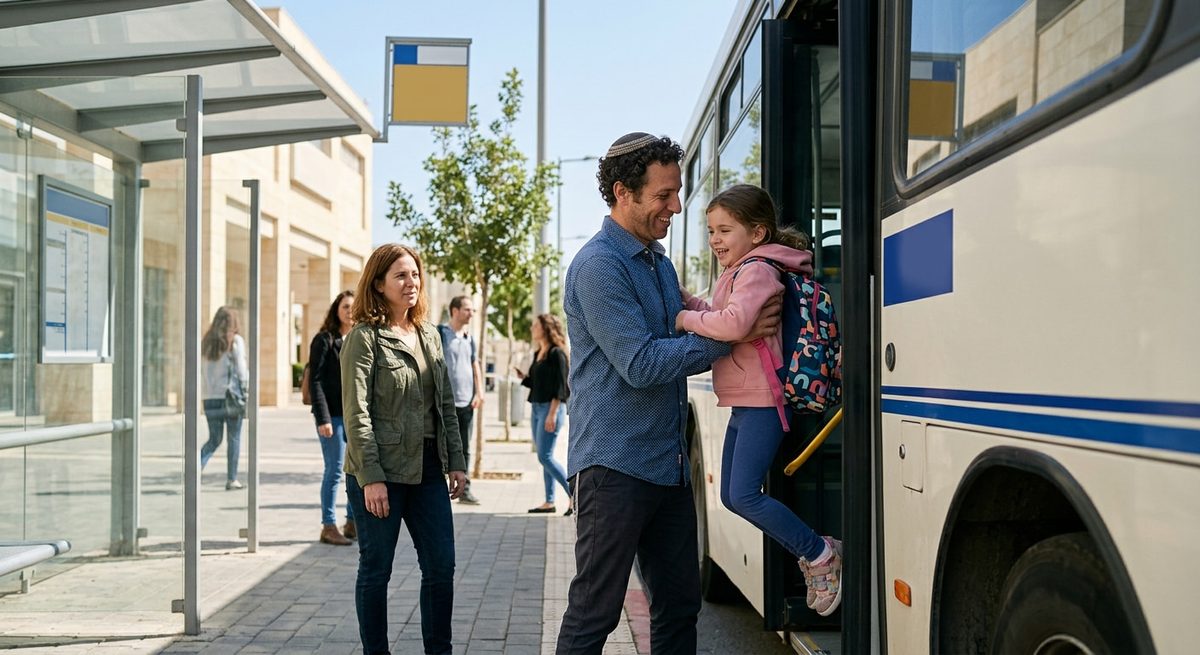
Tsfat’s main public-transport connections are via a regional bus network operating from the town’s central bus station, linking it with Tiberias, Haifa, Acre (Akko), Karmiel and other Galilee towns. Local operators provide scheduled services and additional runs during festival seasons.
There is no railway station in Tsfat; the nearest Israel Railways station is at Karmiel. Travellers generally use the Karmiel–Haifa rail corridor to reach Haifa and then continue to Tel Aviv by rail or road, as there is no direct train to Tsfat.
By road, the drive to Tel Aviv is approximately 167 km with typical driving times of about 2–2.5 hours via regional roads west to the coastal highway and then south. Distances to regional centres by road are approximately 36 km to Tiberias, about 34 km to Nazareth and around 72 km to Haifa.
The nearest major international airport is Ben Gurion Airport; a verified point-to-point distance is not provided in the local data. Given the town’s reliance on buses and the nearest rail link at Karmiel, many households find car ownership helpful for daily life and intercity travel; fully car-free living is possible for those who use public transport selectively but can be more challenging for regular commuters.
Nature and Outdoor Spaces
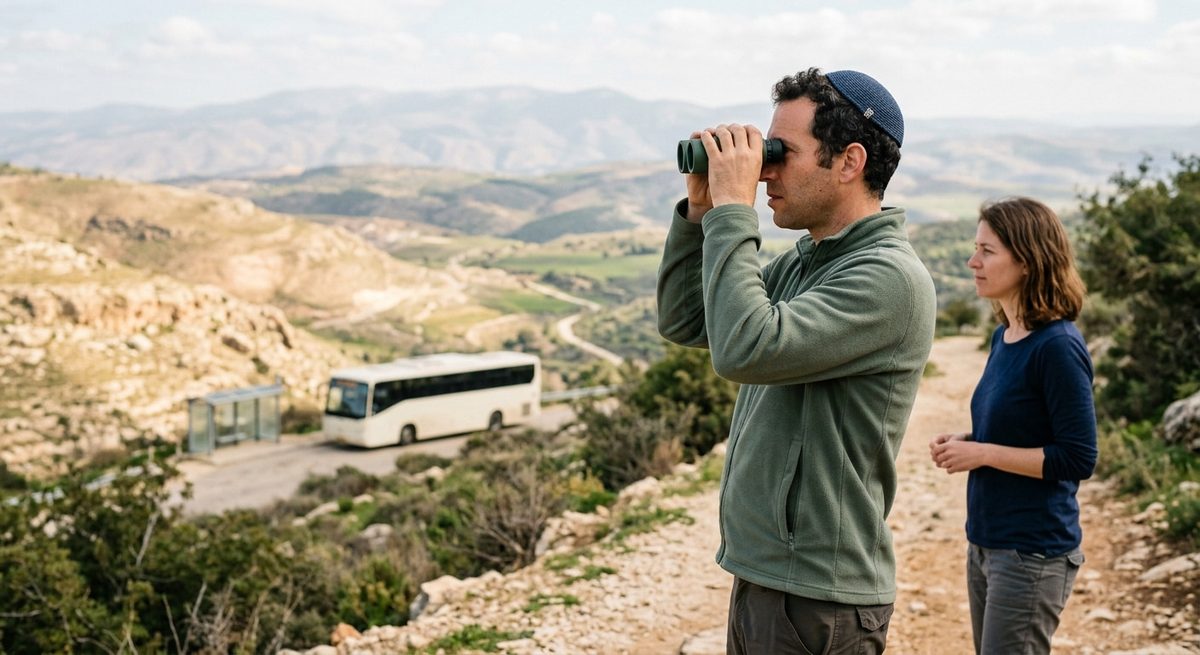
Tsfat’s setting in the Upper Galilee gives residents ready access to montane landscapes, Mediterranean montane vegetation and a network of nature trails. The city sits at higher elevation, providing cooler temperatures and sweeping views over the surrounding hills and toward the Sea of Galilee.
Nearby Mount Meron and adjacent reserves offer hiking, picnic areas and seasonal pilgrimage routes; trails around the municipality lead through mixed woodland, scrub and cultivated slopes typical of the northern hill country.
For everyday recreation there are local parks, lookouts and informal green spaces that residents use for walking, exercise and weekend family outings.
Amenities and Things to Do in Tsfat
The Old City and Artists’ Quarter are the cultural heart of Tsfat, with galleries, artisan workshops and historic synagogues such as the Ari Ashkenazi and others that draw visitors and maintain a lively schedule of cultural events.
Key civic amenities include Ziv Medical Center, the city’s principal hospital and regional medical institution, and Zefat Academic College. Local shopping and everyday services are available in the town centre; for larger retail or specialised goods residents frequently travel to nearby Tiberias or other regional centres.
Food and dining are oriented around local cafés and family-run restaurants that cater to residents and tourists alike. Cultural programming, religious study events and seasonal festivals add to the calendar, while the surrounding hills provide outdoor pursuits such as hiking and nature walks.

Cities and Towns Near Tsfat
Tsfat is surrounded by a ring of towns and regional centres that residents routinely use for work, shopping and specialised services. Short drives connect the city to Tiberias, Nazareth, Karmiel, Acre (Akko) and Haifa, each offering different services and transport connections.
Nearby cities and towns: Tiberias — 36 km, approx. 45 min; Nazareth — 34 km, approx. 50 min; Haifa — 72 km, approx. 80 min; Acre (Akko) — 40 km, approx. 50 min; Karmiel — 31 km, approx. 35 min.
Advantages of Living in Tsfat
Heritage and culture: Strong historical identity and a rich cultural life centred on the Old City and Kabbalistic scholarship.
Access to nature: Proximity to Mount Meron, nature trails and elevated Galilean landscapes for outdoor recreation.
Community feel: A smaller municipality with a sense of community and quieter residential neighbourhoods compared with larger urban centres.
Essential services: Presence of Ziv Medical Center and local educational institutions including Zefat Academic College.
Regional connections: Regular regional bus services link Tsfat with nearby towns and the Karmiel rail connection provides onward travel to the coast.
Things to Consider Before Moving to Tsfat
Transport limitations: There is no rail station in town and the nearest rail access is at Karmiel; many residents rely on private cars for frequent intercity travel.
Limited local shopping and specialised services: For large-scale shopping or specialised professional services, trips to nearby regional hubs such as Tiberias or Haifa are common.
Seasonal visitor traffic: The Old City and pilgrimage sites attract visitors at certain times, which can increase local traffic and demand for services during festivals and holidays.
Housing stock: In the historic core, properties are characterful but can be compact or require renovation; buyers should consider condition and access when evaluating homes.
Who Is Tsfat Best For?
Families
Families benefit from the community atmosphere, local schools and access to parks and outdoor spaces; neighbourhoods offer family-sized housing options outside the historic core.
Commuters
Commuters who work regionally can use the bus network and the Karmiel rail link for part of their journey, but many commuters rely on private cars for flexibility and shorter travel times.
Young Professionals
Young professionals seeking a quieter lifestyle with cultural and artistic opportunities may find Tsfat appealing, though employment often requires commuting to larger nearby centres.
Students
Students of religious study and those attending Zefat Academic College will find local study options; other higher-education choices involve travel to larger northern university campuses.
Retirees
Retirees often appreciate the calmer pace, access to healthcare at Ziv Medical Center and opportunities for outdoor recreation and community life.
