
Unveiling Aroer: A Historical Landmark


Aroer is a site of historical interest, often mentioned in ancient texts. Located by the Arnon River’s northern bank, it marked important territorial boundaries.
Aroer is noted as a starting point for Israel’s conquest of the Amorite kingdom. This article explores its historical significance and role in broader narratives. Its frequent mention highlights its importance for those studying early Israel.
The town’s location made it crucial for controlling access to the Transjordan area. This strategic role is evident in historical accounts, underscoring its relevance in the history of Israel.
Aroer is among the cities of strategic importance, emphasizing its role in maintaining control over eastern territories.
from the Western Wall to Masada.

Positioned on the edge of the Transjordan, Aroer served as a gateway for trade and military movements, making it a key asset for powers controlling the area.
The town’s frequent mention in historical texts underscores its importance in settlement and defense strategies of early Israel.
Significance of Aroer in Biblical Texts
Aroer is frequently mentioned as a notable town on the territory of Reuben. It’s referenced in relation to land allotments and military activities.
Aroer marks the southern extent of territory conquered from the Amorites. This position was vital for defining regional control, offering insight into early Israelite history.
The town’s location on Reuben’s boundary highlights its importance in land allocation among the Israelite tribes.
Aroer’s frequent mention in military contexts underscores its role in the defense and expansion of Israelite influence.
Aroer and Its Geographic Context
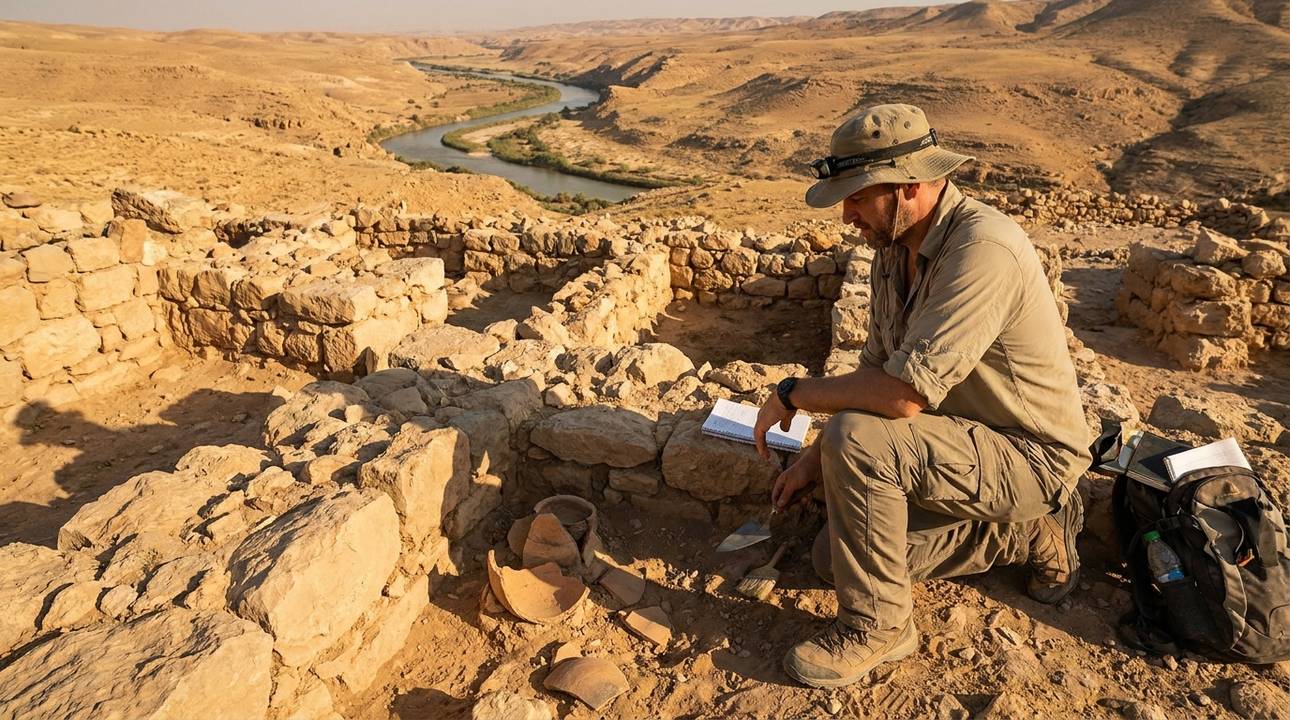
Situated on the Arnon River’s northern bank, Aroer was a crucial geographic marker. Its placement offered defensive advantages and control over the region. The river served as a natural boundary between Moab and Reuben.
This location influenced military strategies and trade routes, affecting interactions with neighboring tribes. Aroer’s strategic position is noted in multiple historical accounts.
The Arnon River acted as a natural barrier, enhancing Aroer’s defensive capabilities. This geographical advantage made it a key location for controlling access to surrounding territories.
Aroer’s strategic placement along this boundary allowed it to play a vital role in both military and trade activities.
Aroer’s Role in Tribal Boundaries
In the division of land among the Israelite tribes, Aroer was part of Reuben’s territory, forming their eastern boundary. The boundary descriptions highlight Aroer’s strategic importance in delineating tribal territories.
As tribes settled, Aroer became a reference point, solidifying its status within historical tradition. Its role in these divisions underscores the importance of geographical markers in establishing heritage.
Aroer’s position as a boundary marker for Reuben is emphasized in historical texts, reinforcing its significance in territorial organization.
The town’s mention highlights its role in defining the tribal landscape and ensuring equitable land distribution.
Historical and Archaeological Insights on Aroer
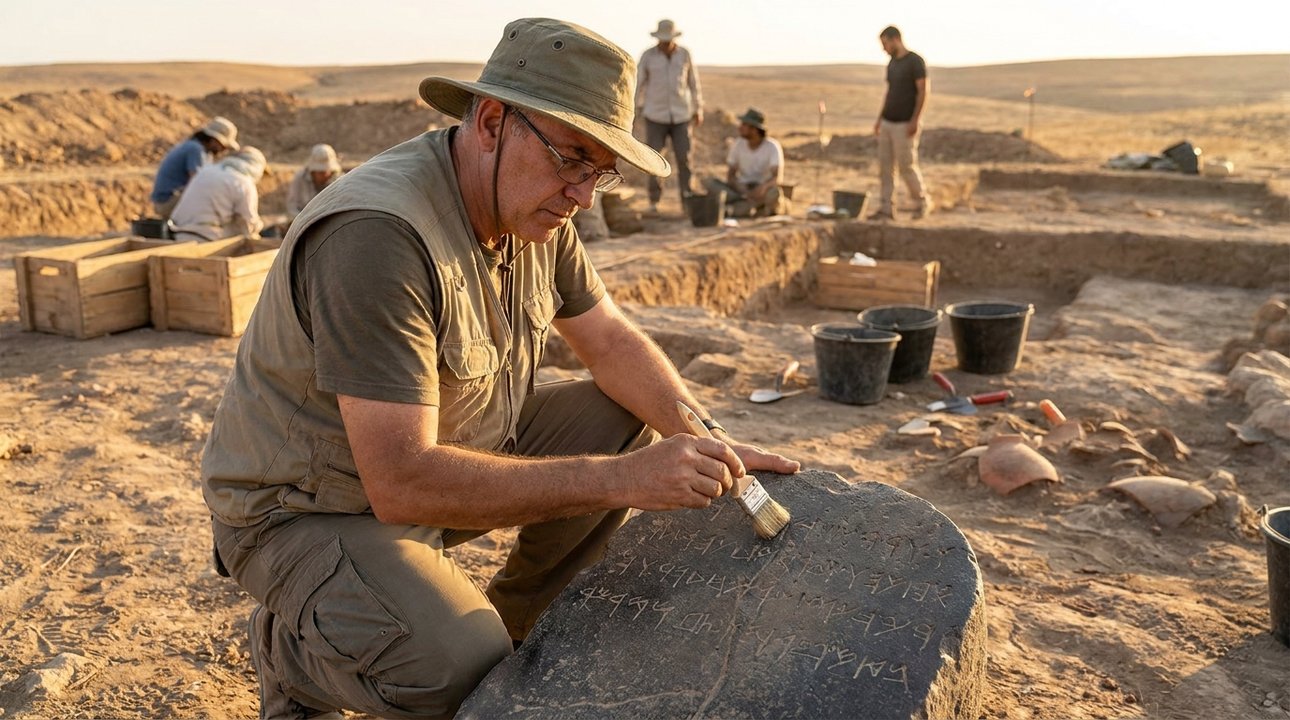
Archaeological findings at sites identified as Aroer reveal remnants of ancient city structures and fortifications. These discoveries provide tangible links to historical narratives, showing daily life and administrative functions. Artifacts such as pottery and inscriptions found around Aroer corroborate historical accounts, giving a fuller picture of its presence and influence.
The fortifications uncovered at Aroer suggest a well-defended settlement, capable of withstanding attacks from neighboring tribes. These structures highlight the strategic importance of Aroer in history.
Inscriptions provide additional context, offering insights into administrative and social life in ancient Aroer.
A notable discovery is an inscription mentioning Moabite King Mesha, who, according to the Mesha Stele, claimed to have built Aroer. This artifact provides rare insights into interactions between the Israelites and their neighbors.
The stele, dating from the 9th century BCE, offers insight into regional conflicts and alliances shaping the political landscape.
The Mesha Stele, discovered in 1868, is a significant archaeological find mentioning Aroer. This inscription by King Mesha of Moab details his achievements, including activities related to Aroer.
Such artifacts are invaluable for reconstructing historical interactions and understanding geopolitical tensions of the time.
Aroer’s Mention in Military Contexts
Historical texts often mention Aroer in connection with military campaigns. It served as a strategic base for launching attacks or defending against incursions. Its mention during campaigns points to its military relevance.
Aroer was crucial in these confrontations, highlighting its enduring role in defense and strategic planning of the Israelite tribes.
Aroer’s strategic importance in military campaigns is emphasized, where it is listed as a reference point during a census of Israel’s fighting men.
This underscores its role as a military stronghold and a key location for organizing and deploying troops.
Aroer’s strategic location made it valuable for controlling trade routes and military movements. This aspect is reflected in historical accounts, emphasizing its importance in regional power dynamics.
For example, Aroer is mentioned as part of the territory taken by Hazael, king of Aram, highlighting its significance in regional struggles for control.
from the Western Wall to Masada.
Aroer’s proximity to the King’s Highway, a major trade route, further underlines its strategic importance. This highway was vital for commerce and military campaigns, connecting Egypt with Mesopotamia.
The town’s ability to influence such a route made it a focal point for those seeking regional dominance.
Aroer in Prophetic Texts
Prophetic books mention Aroer in contexts of judgment and destruction, reflecting its fate in light of Israel’s disobedience. Prophets used Aroer symbolically, illustrating consequences of actions.
Aroer is described as forsaken, symbolizing desolation that would come upon Israel. Such mentions connect the location with deeper narratives in historical texts.
These prophetic references to Aroer highlight its role as a sign of consequences for turning away from commandments. The ruins of Aroer echo prophetic warnings that resonated throughout the land.
Aroer is described as forsaken, with its cities left to flocks, serving as a powerful symbol of desolation and prophecy fulfillment.
The site of Aroer, now in ruins, serves as a silent witness to prophecies foretelling its downfall. Aroer is mentioned in the context of Moab’s destruction, reinforcing its symbolic role in illustrating consequences of disobedience. These references provide a poignant reminder of historical lessons embedded in the landscape.
Aroer’s Cultural and Religious Impact
Beyond military and geographic importance, Aroer held a cultural role. It was part of the regional landscape influencing Israelite practices and community identity. Narratives surrounding Aroer highlight local traditions and interactions with neighboring peoples, adding depth to understanding Aroer’s place in history.
Aroer’s cultural role is reflected in interactions with neighboring peoples, seen in historical accounts of Moabite and Ammonite relations. These interactions influenced practices and community life, contributing to Israelite culture. The town’s presence in historical narratives underscores its importance as a center of cultural exchange.
The Modern Understanding of Aroer
Today, the location of Aroer is identified with an archaeological site near modern ‘Ara’ir in Jordan. This site is pivotal in understanding early Israelite societal structures.
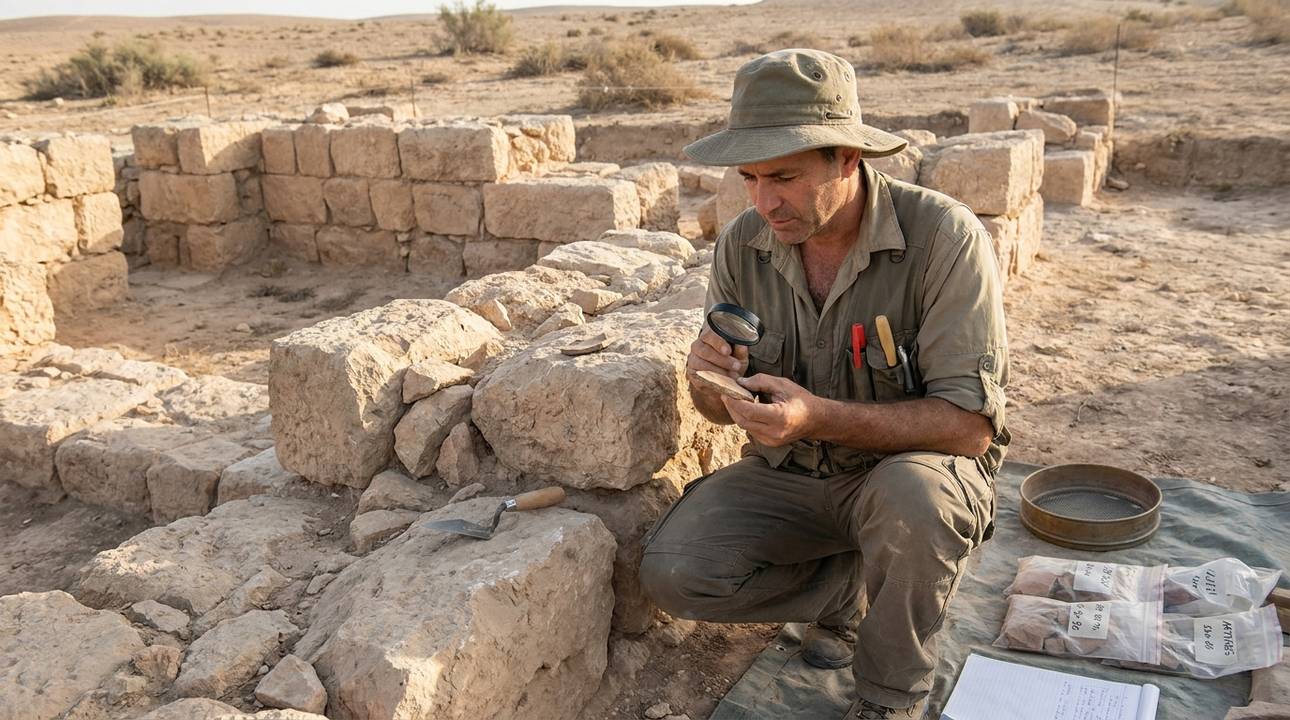
Excavations have uncovered artifacts from the Iron Age, shedding light on the daily lives of its inhabitants. Although now largely in ruins, Aroer remains a focal point for historical scholarship, revealing layers of history embedded in its terrain.
The site near ‘Ara’ir offers a wealth of information about ancient Aroer. Artifacts from the Iron Age, such as pottery and tools, provide insights into daily activities and economic practices.
These findings contribute to a broader understanding of social and cultural dynamics, illustrating interconnectedness of early Israelite communities.
The site has also been linked to historical Aroer, where the tribe of Gad built cities, including Aroer, as part of their inheritance. This connection enhances understanding of how the Israelites settled and developed territories.
The mention of Aroer in this context illustrates the process of tribal settlement and establishment of cities as centers of administration and defense.
Aroer’s inclusion in the list of cities built by the tribe of Gad highlights its role in organizing Israelite tribes. This development was crucial for maintaining territorial integrity and ensuring tribal prosperity.
The establishment of cities like Aroer allowed Israelites to consolidate their hold on the land, providing a foundation for future growth and stability.
Aroer’s Legacy in Israelite Tradition
Aroer’s legacy is preserved in Jewish history through its mentions and archaeological significance. It reflects complexities of tribal interactions and territorial identity of early Israelites. Aroer is mentioned in David’s campaign against the Amalekites, highlighting its strategic importance. The town’s enduring presence in texts solidifies its role as a key element in understanding early Israelite life and culture.
Archaeological findings at Aroer provide insights into the past, revealing the town’s role in trade and defense. These discoveries help piece together Israel’s early history, showing how towns like Aroer contributed to the broader regional narrative.
Artifacts such as pottery and tools indicate a thriving community engaged in trade, while remnants of fortifications suggest a need for defense.
Excavations at Aroer have uncovered evidence of its significance in the ancient world. The remains of defensive structures point to its role in protecting the region from threats.
These findings, along with trade-related artifacts, highlight Aroer’s dual function as both a commercial hub and a military stronghold, reflecting complex dynamics of life in the ancient Near East.
Aroer in the Bible
