
Exploring the Cultural Impact of Baal Hermon


Baal Hermon holds a unique place within history, appearing as a mountain associated with significant events and Canaanite worship. These names reflect the diverse cultures that recognized its significance. This site offers insights into the cultural and religious practices of ancient societies, serving as a backdrop for understanding the interactions between the Israelites and their neighbors. By examining this mountain, we gain a deeper understanding of the historical world and its enduring stories.
What Is Baal Hermon?
Baal Hermon refers to a mountain often linked with the northern boundary of historical Israel. This area is noted for its significance in the territorial demarcations during the period of the Judges. This region was a place where the Israelites interacted with neighboring cultures and played a role in various cultural and religious interactions, making it a focal point in historical narratives. Its presence also highlights its role in defining the land inhabited by the half-tribe of Manasseh, further emphasizing its importance.
from the Western Wall to Masada.
The Name and Its Origins
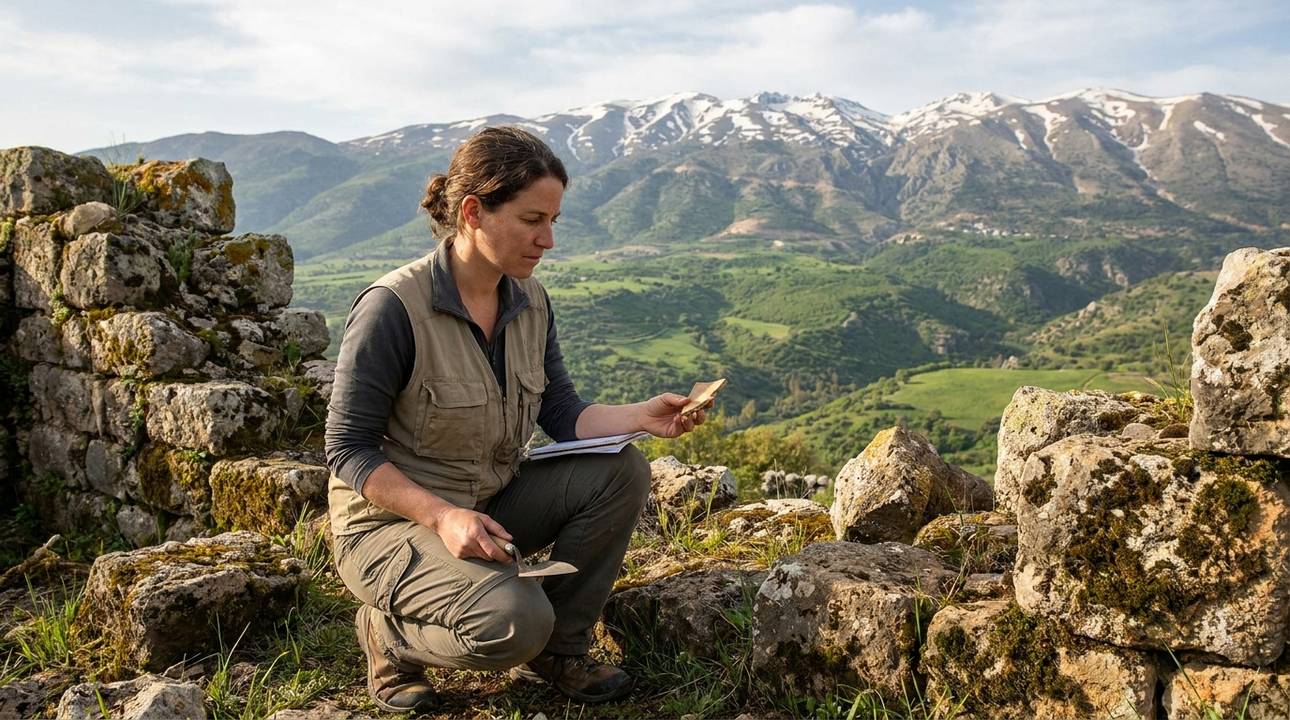
The name ‘Baal Hermon’ combines two distinct elements. ‘Baal’ was a title used for deities in Canaanite religion, symbolizing lordship or mastership. In the context of history, Baal often represented the struggle between monotheism and polytheism. ‘Hermon’ is a known geographical reference, associated with a prominent mountain range. This name reflects the syncretic nature of ancient religious practices, where local deities were identified with specific landscapes, illustrating the blending of cultural and religious identities.
Baal Worship and Practices
Baal Hermon is historically linked with the worship of Baal, a major god in ancient Canaanite religion. Baal is frequently mentioned in historical texts, where challenges against idol worship were pivotal moments. As a site of worship, it was likely involved in rituals intended to secure fertility and prosperity. The Canaanites viewed Baal as a powerful force governing weather and agriculture, essential for their survival and economic stability. Its high altitude made it a fitting place for such divine encounters.
Historical References to Baal Hermon
Baal Hermon is mentioned in several historical passages as part of the northern boundary of Israelite territory. This highlights its importance in defining the land given to the tribes of Israel. It was a significant point for territorial claims. The strategic placement of this mountain made it a significant landmark for delineating tribal regions. Its mentions highlight its role in the cultural and historical landscape of the Israelite people. It served as a physical and cultural boundary for the tribes, marking their territorial limits.
Geographical Significance
Situated in the northern region, Mount Hermon serves as a natural dividing line between different territories. Its peaks, reaching over 9,000 feet, catch significant rainfall, supporting rich biodiversity and agriculture. This geography further strengthened the area’s cultural role over time. The mountain’s snowmelt feeds into the Jordan River, crucial for the surrounding communities and their livelihoods.
from the Western Wall to Masada.
Cultural Identity and Transition
Throughout history, Mount Hermon has been a symbol of cultural transition, marking a meeting point between Canaanite and Israelite cultures. This mountain is mentioned as part of the land conquered by the Israelites. This conquest was a significant event in their history. This interaction allowed for an exchange of ideas and religious practices, highlighting the complexity and diversity of the region’s historical tapestry. The blending of these cultures can be seen in shared architectural styles and religious symbols.
Baal Hermon in Archaeology
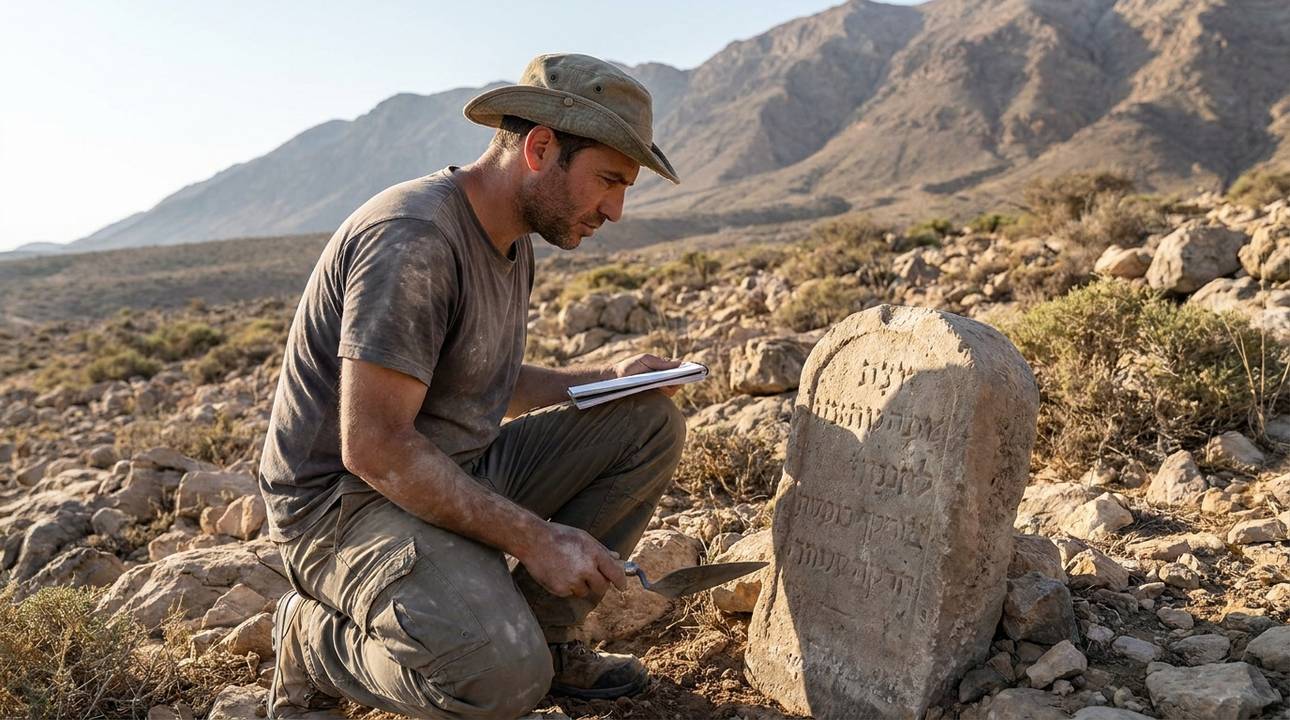
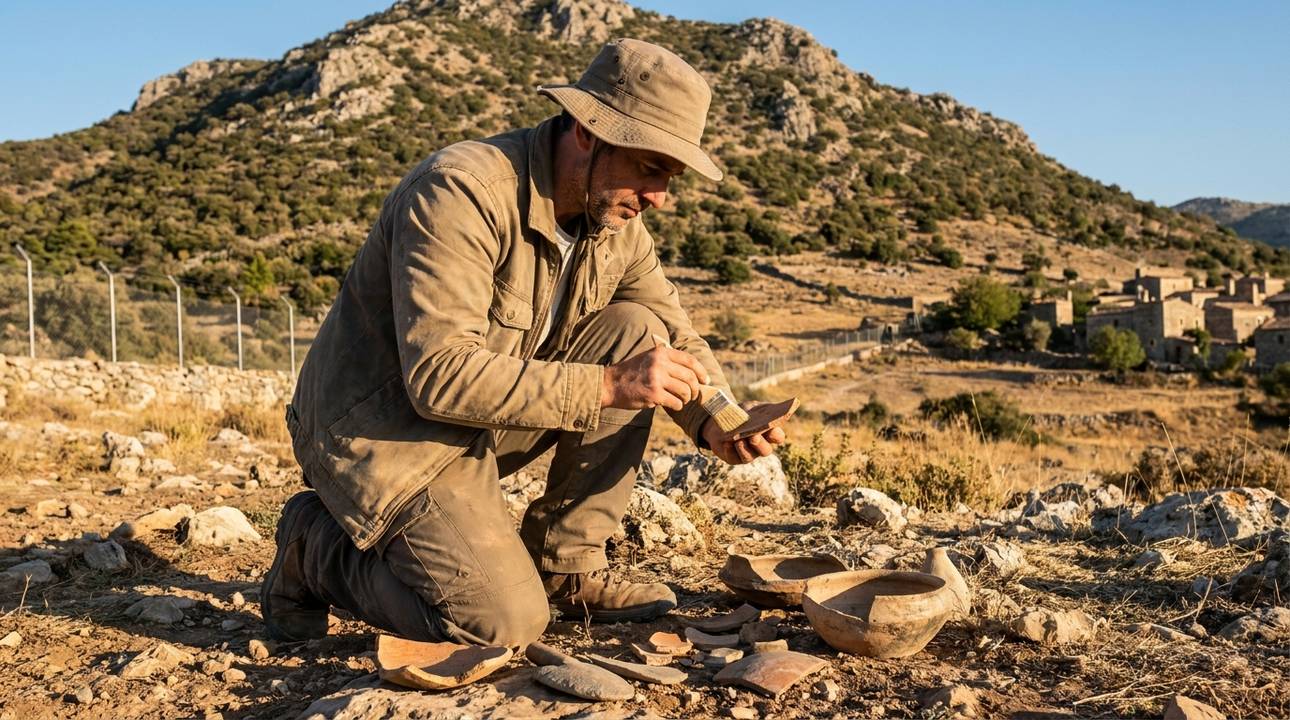
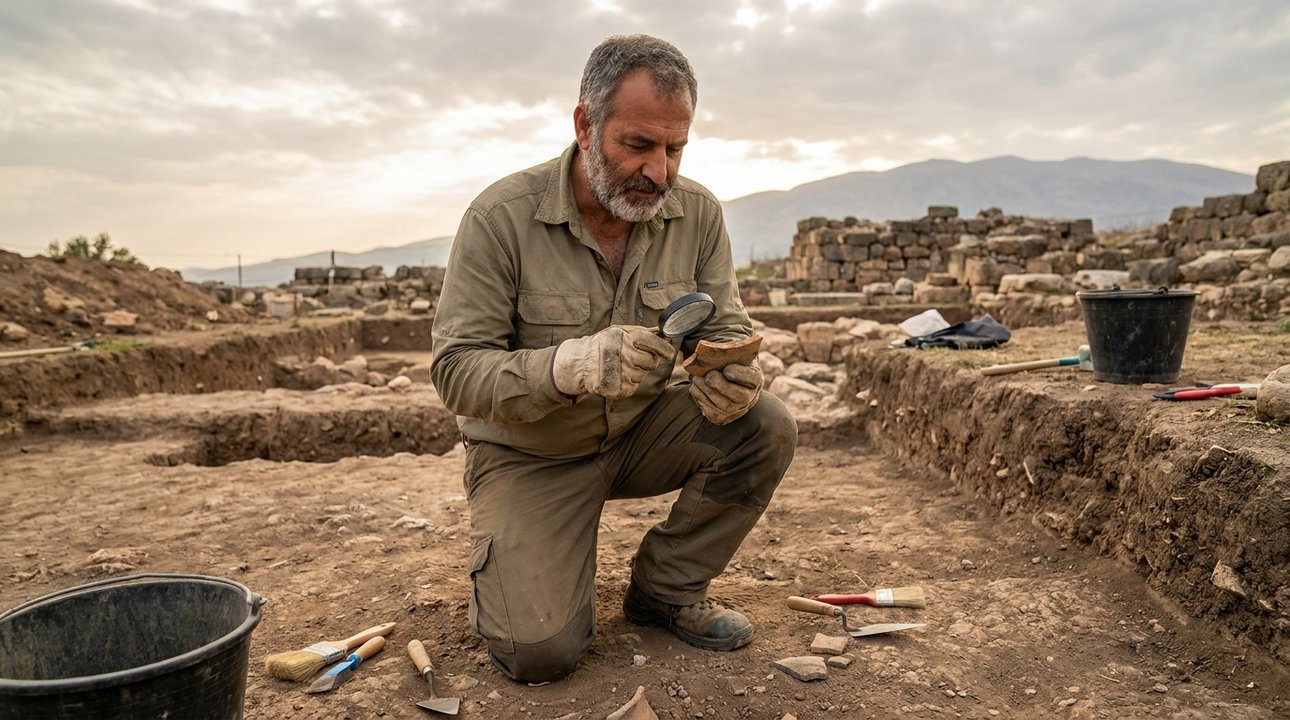
Recent archaeological studies offer insights into the ancient worship practices at Baal Hermon. Excavations have revealed artifacts such as pottery and tools dating back to the Iron Age, indicating long-term settlement. Artifacts uncovered around the site include inscriptions and remnants of altars, which provide evidence of the religious activities that took place there. Such discoveries help historians piece together the historical context of the region. These findings are crucial for understanding the religious dynamics of the ancient Near East.
Baal Hermon in Modern Understanding
Today, Baal Hermon is primarily a subject of scholarly interest, with historians exploring its role in Canaanite cultures. Archaeological studies continue to uncover details about its significance. Excavations in the region have provided insights into past practices. Understanding its context offers valuable lessons in how cultures integrate and influence one another. The ongoing research continues to reveal connections and expand our knowledge of this pivotal site, shedding light on the complex interactions of ancient societies.
Conclusion: the Legacy of Baal Hermon
Baal Hermon remains an intriguing focal point for those interested in history and cultural studies. It is mentioned where the half-tribe of Manasseh is said to have lived in the land of Bashan, extending to this mountain. This highlights its role in the distribution of land among the tribes. Its unique blend of religion, geography, and history makes it a symbol of ancient practices. Learning about Baal Hermon deepens our connection to the stories of the past and the land where they unfolded. Its role in ancient worship adds layers to its history.
