
Unveiling Karnaim: A Historical Journey
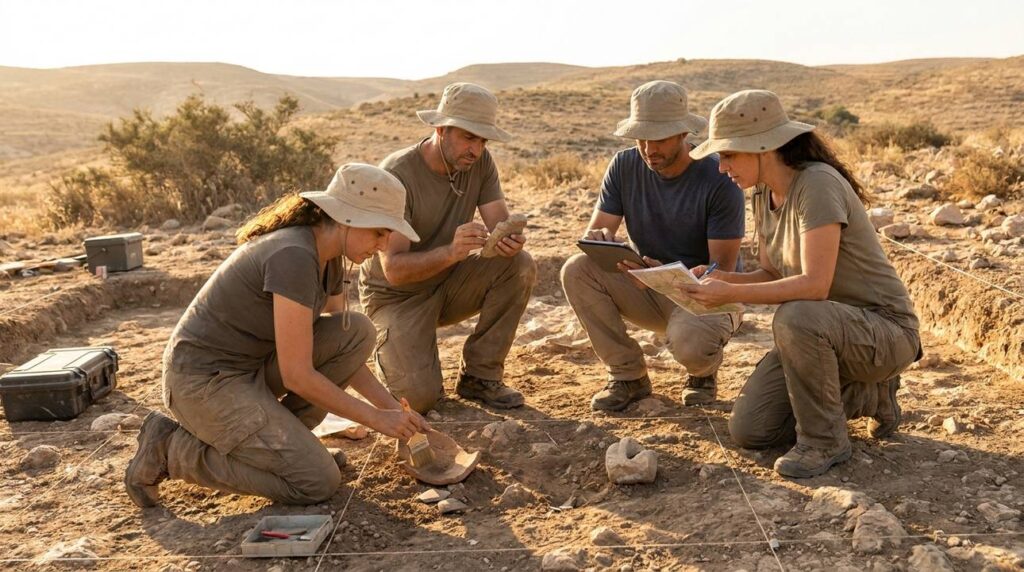

Karnaim appears in ancient texts as a place laden with historical and cultural richness. Mentioned in historical records, it provides insight into the traditions and territories of the time.
For instance, it is the site of a battle involving Chedorlaomer’s coalition, illustrating its strategic importance.
This passage describes how Chedorlaomer, king of Elam, and his allies defeated the Rephaim in Ashteroth Karnaim, showcasing its role in the geopolitical landscape of the era.
The significance of Karnaim is further emphasized by its mention in other historical narratives, highlighting its influence in shaping historical events. Its strategic location made it a focal point for various rulers seeking to expand their territories.
Karnaim’s presence in these texts not only underscores its military importance but also offers a glimpse into the complex interactions between different cultures and kingdoms of the past.
from the Western Wall to Masada.

What Is the Historical Context of Karnaim?
Karnaim, also known as Ashteroth Karnaim, is rooted in the land of Bashan, a region known for its fertile lands and strongholds. It appears in historical records where Chedorlaomer’s forces defeat the Rephaim in Ashteroth Karnaim.
This location was part of the territories over which rulers of the ancient Near East vied for control, highlighting its strategic importance. The fertile lands of Bashan made it a desirable region for agriculture and settlement.
Bashan’s history is further noted in ancient texts, emphasizing its role in historical narratives. These texts describe the conquest of Bashan, illustrating the region’s importance. The repeated mention of Bashan in various historical records underscores its importance as a center of power and influence, making Karnaim a key location in understanding the historical and cultural context of the time.
Archaeologically supported texts mention the stronghold characteristics of Karnaim. It is listed among the cities conquered, indicating its fortified nature.
This reference is part of a broader narrative where key cities were captured, demonstrating the strategic importance of Karnaim in controlling the region. Its fortified nature suggests it was a significant military outpost.
Scholars suggest it may have held a sacrificial and religious role, possibly linked to the worship of local deities. This idea is supported by the presence of similar practices in nearby regions, where local gods were often venerated through sacrifices.
These references highlight Karnaim’s place in understanding regional interaction, offering a glimpse into the spiritual and military dynamics of the time, which were deeply intertwined in ancient societies.
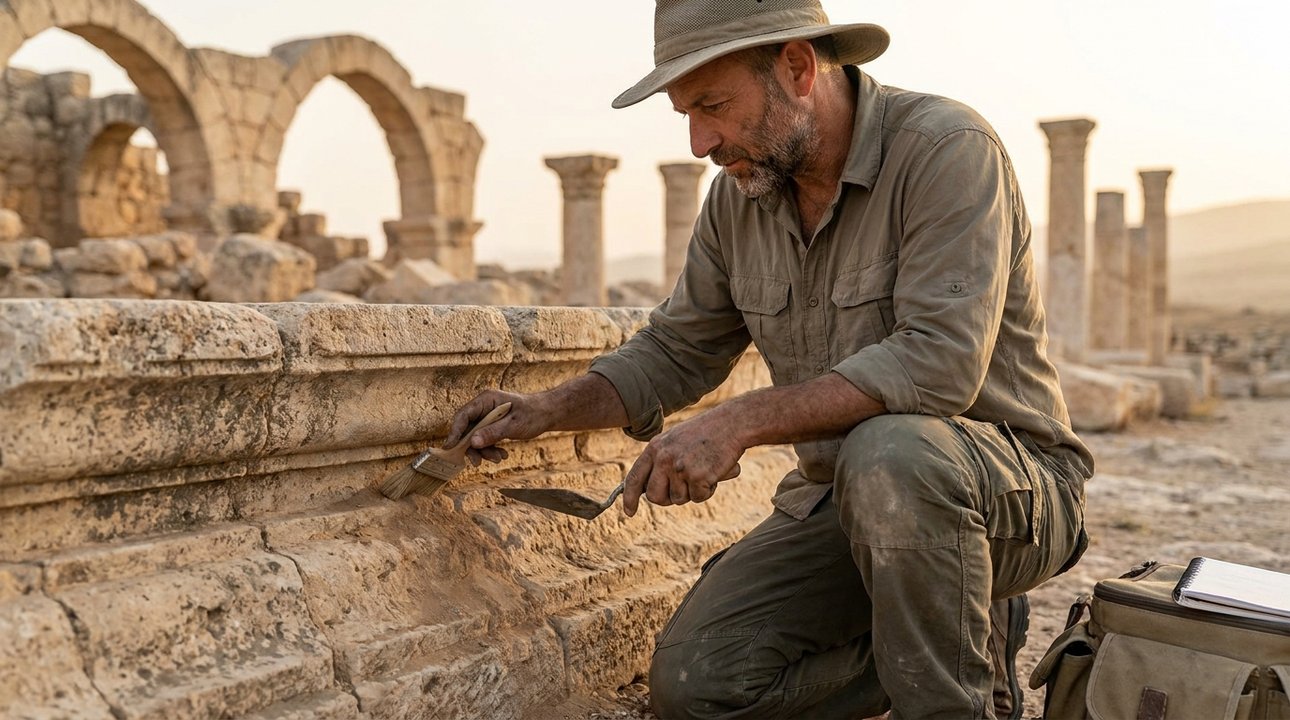
What Do Historical Texts Reveal About Karnaim?
Karnaim is mentioned as one of the cities attacked during a series of battles led by Chedorlaomer, king of Elam, and his allies. This coalition waged war against several regions, including the Rephaim in Ashteroth Karnaim, the Zuzim in Ham, and the Emim in Shaveh Kiriathaim.
These battles illustrate the geopolitical dynamics of the time, highlighting the struggle for control over strategic territories. Such conflicts are among the earliest narratives of territorial disputes.
The account of these battles provides insight into the alliances and rivalries that shaped the ancient Near East, with Karnaim playing an important role in these historical events. The narrative underscores the significance of territorial control in the era, offering a window into the complex interactions of the time.
The name Karnaim, meaning ‘horns,’ could symbolize strength or dual peaks, fitting descriptions of physical geography. In historical contexts, horns often represent power, as seen in ancient texts where a ram with two horns symbolizes kings of Media and Persia.
This symbolism is embedded in its narrative role and geographical representation, reflecting its significance in the historical landscape. The duality of the ‘horns’ could also represent influence, suggesting a place of authority.
The symbolic use of horns in historical texts often conveys themes of power and dominance, aligning with Karnaim’s historical role as a site of military significance. This dual symbolism enhances our understanding of its place in the historical narrative.
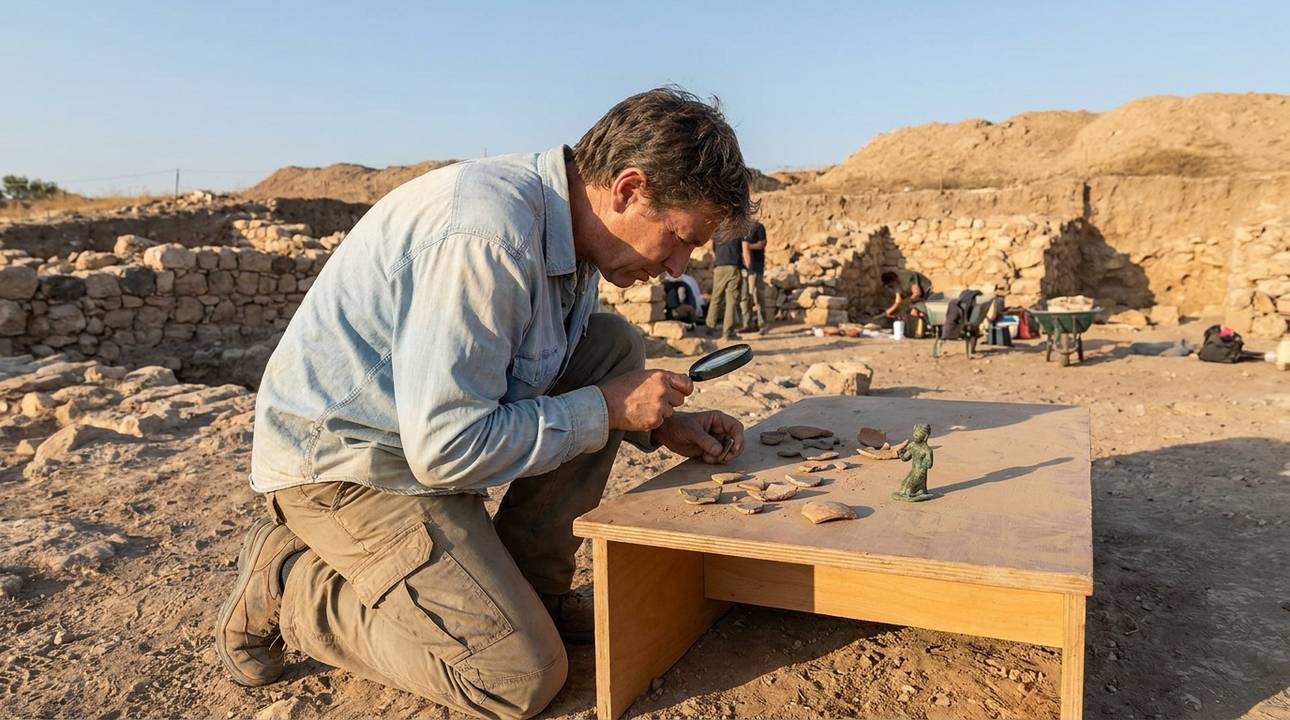
How Is Karnaim Connected to Cultural Practices?
References to Karnaim in later texts often associate it with cultural practices. For example, Karnaim is mentioned in the context of pride and conquest, suggesting a place of significance.
This might reflect regional beliefs and the influence of surrounding cultures, such as the Canaanites and Arameans, who were known for their varied cultural practices. It underlines the blend of local traditions and imported influences.
The mention of Karnaim highlights its role as a symbol of power and pride, reflecting the cultural dynamics of the time. This blend of influences shaped the cultural landscapes of the region, contributing to the mix of historical narratives.
from the Western Wall to Masada.
The mention of astral worship and possible temple sites points to a diverse cultural landscape. Celestial bodies are referenced, reflecting the ancient fascination with the stars.
Karnaim may have served as a cultural meeting point for different peoples, blending traditions from various groups.
These attributions provide insights into the cultural fabric of ancient societies, illustrating how shared beliefs and practices evolved over time, shaping the cultural landscape of the region.
Where Is Karnaim in Modern Understanding?
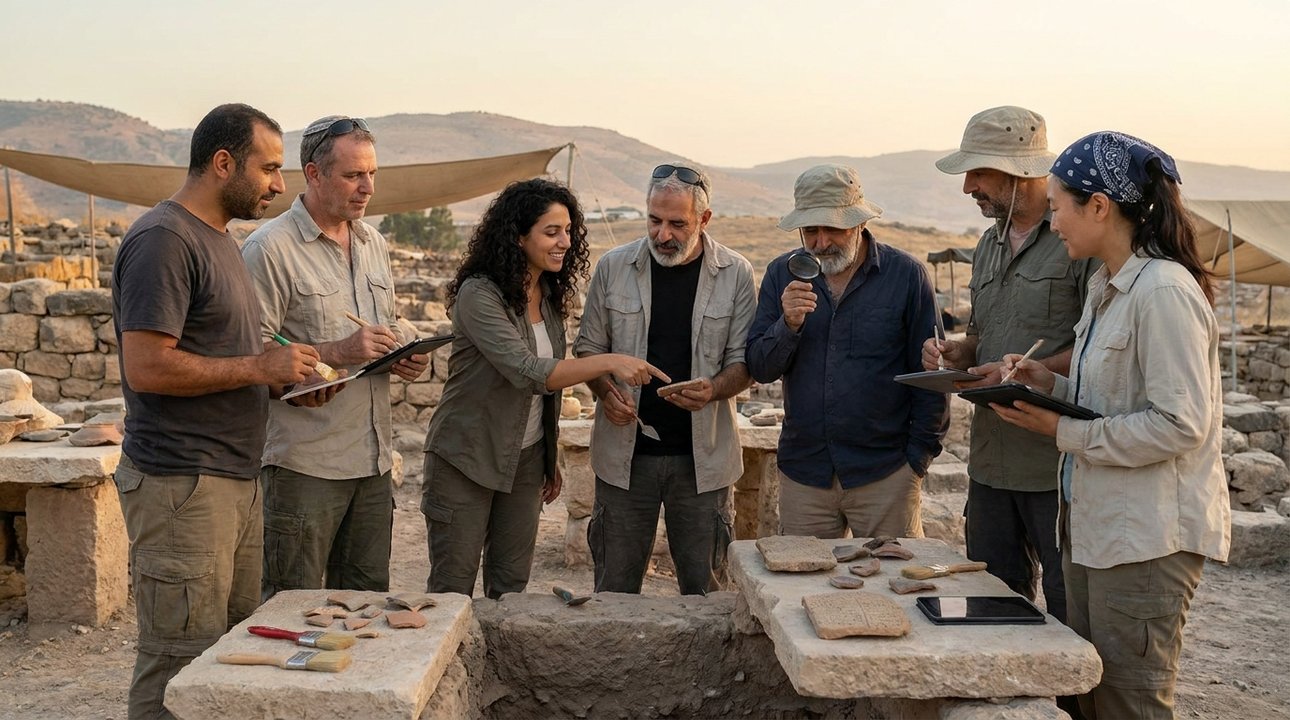
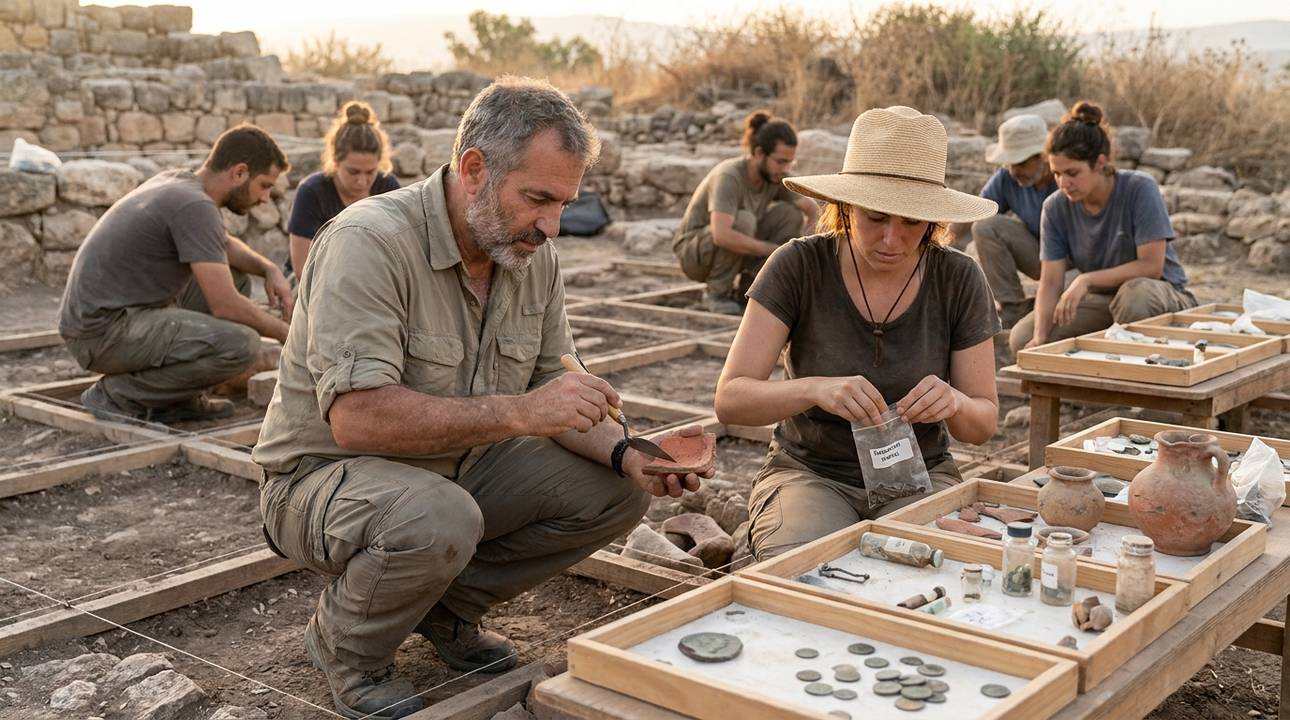
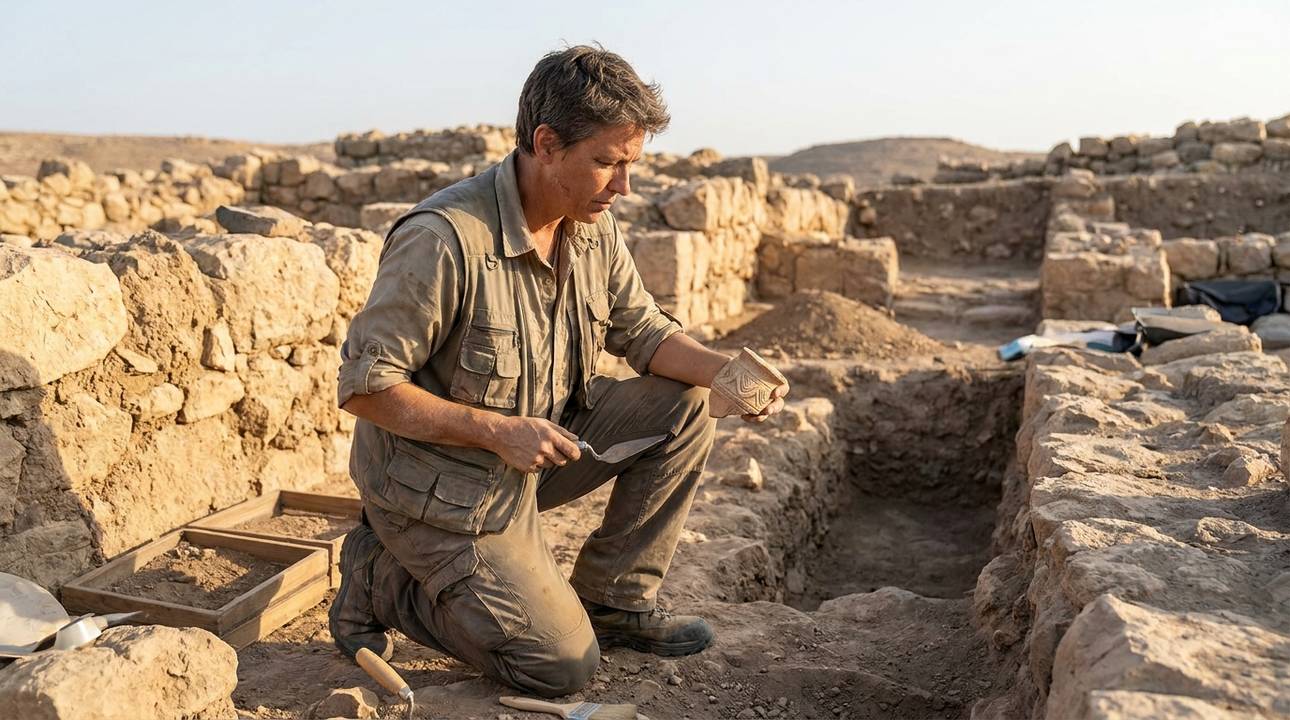
Today, locating Karnaim precisely is challenging, but it is often associated with Tell Ashteroth in the Golan Heights. This region, rich in history, was known as Bashan in earlier times. Archaeological efforts continue to uncover its past, with digs revealing artifacts that suggest a once-thriving community. These endeavors aim to bridge historical stories with physical traces, showing the daily lives of its inhabitants and their interactions with surrounding territories.
Modern archaeological methods have provided clues to Karnaim’s layout and lifestyle. Excavations have uncovered pottery and tools, suggesting a trade network. Discoveries indicate it might have been an economic center, possibly trading with nearby regions like Damascus, known for its historical trade routes. This aligns Karnaim with other thriving historical sites known for resource exchange and societal development.
The presence of trade goods from distant regions suggests that Karnaim was not only a military stronghold but also a hub of commerce and interaction. These findings paint a picture of a bustling hub of activity and interaction, contributing to our understanding of ancient economic systems.
Why Is Karnaim Significant in Historical Studies?
Karnaim serves as a key example of historical geography’s complexity. Its mention highlights its strategic location. Studying it helps in understanding the historical map of ancient narratives, revealing connections between tribes and territories.
The defeat of the Rephaim at Karnaim is part of a larger narrative of conquest and control, illustrating the shifting power dynamics of the region.
This depth enriches the appreciation of how ancient texts reference real-world locations, providing a tangible link to the past, as seen in the detailed accounts of battles and alliances. Karnaim’s role in these narratives offers insight into the complex relationships between different groups and their impact on the historical landscape.
The frequent mention of Karnaim in various texts ties it to multiple historical events. It is noted as a place of conflict during the battles of the Reubenites.
This demonstrates its repeated significance in historical records, marking it as a site of interest both politically and culturally. The battles involving the Reubenites highlight the ongoing struggles for control and influence in the region.
Such recurring references highlight Karnaim’s enduring intrigue and scholarly interest, prompting ongoing research and exploration into its historical and cultural contexts. Its role in these narratives underscores its importance as a focal point in the historical landscape.
Understanding Karnaim
