
Understanding the Role of Assuri in History
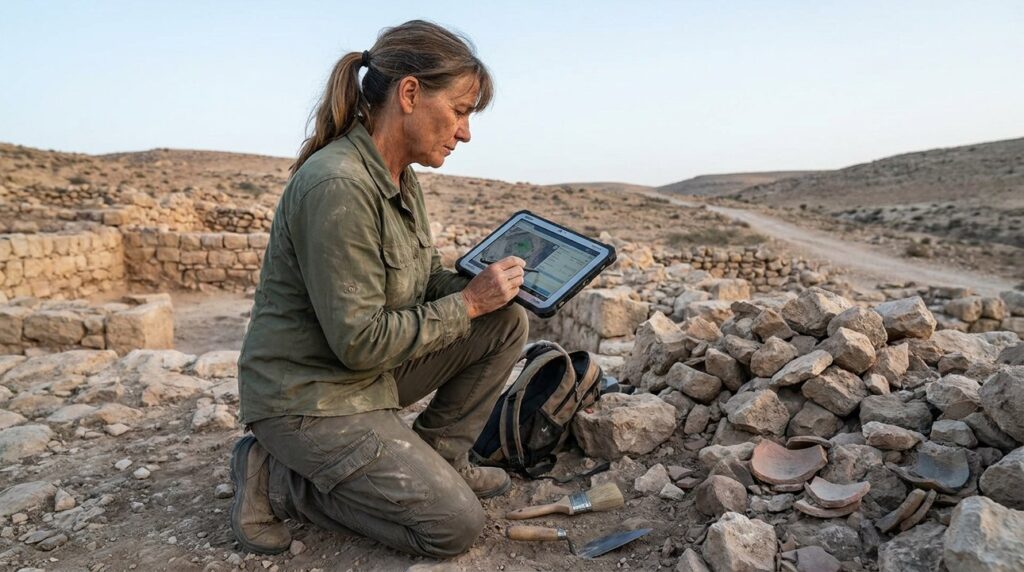

The term Assuri often brings to mind the ancient Assyrian Empire, a significant power known for its military prowess and administrative efficiency. This empire was among the earliest to control a vast region, including parts of modern-day Iraq, Syria, and Turkey. Its influence is evident in historical texts, which reference Assyria as a formidable power. Assuri is tied to Assur, the capital of Assyria, which played a vital role in the Near East across centuries.
Assur was not only a political center but also a religious one, dedicated to the chief deity Ashur. It served as a focal point for religious ceremonies and festivals, attracting pilgrims and dignitaries from across the empire.
This article will delve into Assuri’s historical importance and its legacy today, exploring how this empire shaped the cultural and political landscape of the ancient Near East.
from the Western Wall to Masada.

The religious significance of Assur is evident in its temples and shrines, which were central to worship and community life. These sites hosted elaborate rituals and offerings, reflecting the deep spiritual connection the Assyrians had with their deities.
The influence of Assur’s religious practices can be seen in the traditions of neighboring cultures.
What Was Assuri in Historical Times?
Assuri refers to the people and territories associated with the ancient Assyrian Empire. Known for its architectural achievements and military strength, Assyria exerted influence over vast regions.
The empire’s reach extended from the Persian Gulf to the Mediterranean Sea, encompassing parts of modern-day Iraq, Syria, and Turkey. This empire is frequently mentioned in the Bible, marking its interactions with the kingdoms of Israel and Judah.
King Sennacherib is noted for his campaign against Judah. This event illustrates the military prowess and strategic planning that characterized the Assyrian Empire.
Records, such as the annals of Sennacherib, provide detailed accounts of these campaigns, offering valuable insights into the empire’s military and political strategies.
Historical accounts often highlight the Assyrians as formidable conquerors and skilled builders. Their cultural contributions and governance practices left a lasting mark on the region. The construction of grand palaces and temples, such as those found in Nineveh, showcases their architectural prowess.
These structures not only served as administrative centers but also as symbols of power and influence. The palace of Sennacherib, with its intricate stone carvings, is a notable example.
Art and literature also flourished, with the creation of epic narratives like the Epic of Gilgamesh, which has been preserved in various forms. These works provide insight into the values and beliefs of the Assyrian people, offering a window into their worldview and cultural priorities.
Their emphasis on record-keeping and documentation has provided historians with invaluable resources for understanding their society.
Assur: the Capital and Heart of Assyria
Assur, the historic capital, was located on the Tigris River in present-day northern Iraq. This city was both a religious and administrative center, housing temples dedicated to the god Ashur.
Its strategic location facilitated trade routes that connected the empire with neighboring regions. Archaeological discoveries reveal Assur’s significance in trade, culture, and military prowess.
Excavations have uncovered artifacts such as cuneiform tablets that provide insights into Assyrian society and governance. These tablets, which include legal documents and administrative records, offer a glimpse into the daily operations of the empire.
Assur’s role as a center of administration and governance was crucial to the empire’s stability and success.
Assur served as the heart of the empire, from which kings expanded their territories through conquests. The archaeological legacy highlights its architectural brilliance and cultural richness.
The ziggurat of Assur, a towering structure, exemplifies the city’s religious devotion and architectural skill. These discoveries continue to inform our understanding of Assyrian civilization and its contributions to the ancient world.
The city’s strategic location on the Tigris River facilitated trade and communication, enabling influence over vast territories.
Artifacts such as cuneiform tablets found in Assur provide insights into the administrative and economic systems that supported the empire’s growth and stability.

How Is Assuri Portrayed in the Hebrew Bible?
Assuri’s portrayal in historical texts is multifaceted, often focusing on their interactions with Israel. Assyria is seen as a significant power during times of Israel’s challenges. Key episodes involve Assyria’s invasion and the exile of the Northern Kingdom of Israel.
In historical records, King Shalmaneser V besieged Samaria, leading to its capture. Prophets spoke of Assyria’s eventual downfall and the return of Israelite exiles. These narratives emphasize themes of change and the hope of restoration.
Historical texts describe the fall of Nineveh, symbolizing the end of Assyrian dominance.
The Influence of Assur on Religion and Culture
Religious practices were deeply integrated into daily life and governance. Worship of Ashur, the chief deity, became central to identity. Many religious texts and inscriptions have been uncovered, showing the depth of spirituality.
For instance, King Esarhaddon inscribed prayers and hymns to Ashur on temple walls. Assur’s temples were central in fostering cultural traditions and state ideologies. These practices influenced neighboring peoples and left an enduring cultural imprint.
The city of Nineveh was a hub of religious and cultural exchange. As the capital during the later period of the empire, it was known for its grand architecture and culture. The city’s libraries housed vast collections of texts, including the famous Epic of Gilgamesh, reflecting the intellectual achievements of the Assyrians. These cultural exchanges contributed to the mix of the ancient Near East.
Nineveh’s role as a center of learning and culture made it a focal point for scholars and artists from across the empire.
The city’s influence extended beyond its borders, as Assyrian art and literature were disseminated throughout the region, shaping the cultural landscape of the ancient world.
from the Western Wall to Masada.

Assuri in Modern Understanding
Today, Assur is recognized as a UNESCO World Heritage site. Archaeological projects continue to unearth artifacts, providing insights into Assyrian civilization. Excavations have revealed palaces, temples, and libraries, such as the Library of Ashurbanipal, which housed thousands of clay tablets.
The library contained texts on various subjects, including astronomy, medicine, and literature, showcasing the intellectual pursuits of the Assyrians.
Historians and scholars study the city to better understand ancient diplomacy and warfare. Military strategies and diplomatic relations with neighboring states are key areas of research.
These studies contribute to a broader understanding of the complexities of ancient Near Eastern politics and the factors that influenced the rise and fall of empires.
Ongoing research explores Assuri’s influence on later cultures, and modern academia applies these insights to archaeological methods. Assur remains a fascinating subject, drawing curiosity for its historical revelations and its role in shaping early civilization. The city’s ruins offer a glimpse into the daily lives of its inhabitants, revealing the complexity and sophistication of Assyrian society. The ziggurat of Assur, for example, was a focal point for religious activities and a sign of their architectural skill.
Archaeologists have uncovered evidence of innovations in agriculture, such as irrigation systems that supported large urban populations. These discoveries highlight the advanced understanding of engineering and resource management that characterized Assyrian civilization.
Their ability to adapt and thrive in various environments contributed to the empire’s expansion and longevity.
The Legacy of Assuri in the Jewish Tradition
Assyria’s legacy persists in Jewish cultural memory as part of the broader historical narrative. The exile by Assyria is a significant episode influencing Jewish diaspora identity.
In 722 BCE, the conquest led to the fall of Samaria, the capital of the Northern Kingdom of Israel, and the subsequent exile of its people. This event is chronicled in historical texts, highlighting the impact of expansion on the Israelite population.
Jewish texts and traditions discuss Assur as an example of power and its transient nature. The empire’s rise and fall serve as a reminder of the impermanence of worldly power and the enduring importance of cultural and spiritual resilience.
This perspective has shaped Jewish thought and identity, emphasizing the value of maintaining cultural continuity in the face of adversity.
Through study and cultural reflection, Assuri’s story shapes Jewish continuity. Assur is a reminder of ancient trials and lessons learned over millennia, as seen in prophetic writings. These texts often use Assyria as a metaphor for justice and the consequences of turning away from principles, offering lessons on the importance of perseverance.
The Assyrian exile serves as a historical backdrop for these teachings, illustrating the challenges faced by the Israelites.
This period of upheaval and displacement reinforced the need for a strong cultural identity, which has been a cornerstone of Jewish continuity through the ages.

In Short: the Historical and Cultural Impact of Assuri
Assuri, rooted in the powerful Assyrian Empire, played a decisive role in historical events. Thriving between the 25th century BCE and 609 BCE, it was known for its military strategies and architectural innovations. Its historical and cultural legacies continue to influence modern understanding. The city of Assur embodies this legacy, resonating through archaeology and cultural memory.
Assur, located on the banks of the Tigris River, was a hub of trade and religion. The city’s strategic position allowed it to control trade routes and influence neighboring regions.
Assur’s religious significance is highlighted by its temples dedicated to Ashur, which were central to Assyrian worship and community life. These aspects of Assur’s history continue to captivate historians and archaeologists alike.
Recognizing Assuri’s significance helps appreciate the complex mix of history and cultural identity. The Assyrians are mentioned in several historical texts, which describe the fall of Samaria, a pivotal moment in Israel’s history. This exploration enhances our grasp of the ancient world and its enduring impact, as evidenced by the influence on the regions they conquered. Their military campaigns, such as those led by Sargon II, reshaped the political landscape.
Assyrian culture, with its traditions and innovations, influenced neighboring civilizations. Known for their advanced engineering, they constructed aqueducts and roads that facilitated trade and communication. Their artistic achievements, seen in the reliefs of the palace of Ashurbanipal, depict scenes of hunting and warfare, showcasing their skill and attention to detail. These contributions left a legacy on the cultures that followed.

Understanding Assuri
