
Discovering Beth Togarmah in the Bible


Beth Togarmah is a name that appears several times in historical texts. As an ancient place, it holds a unique position in the narrative of ancient peoples and trading routes.
This article explores its significance from historical and cultural perspectives.
Beth Togarmah is mentioned as a supplier of horses, linking it to trade and military strength. This highlights its economic role and strategic importance in historical times. The mention of horses suggests a well-developed breeding and trading system.
The historical context of Beth Togarmah is enriched by its connections to other ancient regions. As part of the broader Anatolian area, it likely interacted with powerful neighbors like the Hittites and Assyrians, contributing to its role as a hub in the ancient world.
from the Western Wall to Masada.
What Is Beth Togarmah?
Beth Togarmah is mentioned in historical records as a member of the lineage of Gomer, descending from Japheth, Noah’s son. It’s noted as a region participating in the trade with the city of Tyre, providing horses, mules, and other goods.
The specific location of Beth Togarmah is not known, but it is believed to be part of ancient Anatolia, fitting into the historical narrative of the broader trade network. Its relationship with Tyre, a major Phoenician city, underscores its role in the exchange of valuable resources.
The mention of horses and mules in trade highlights the region’s contribution to the military and economic strength of its trading partners. Such goods were essential for transportation and warfare, indicating that Beth Togarmah was a key player in sustaining the power dynamics of the time.
Its historical references suggest a civilization known for its trade ability and alliances.
The association with the supply of horses links Beth Togarmah to military strength and economic significance. This involvement in the supply of horses and mules indicates a robust trade network.
Beth Togarmah’s role in providing essential resources for warfare underscores its importance in maintaining regional power dynamics. Horses were crucial for chariots, a dominant military technology of the era.
The ability to supply such resources would have made Beth Togarmah a valuable ally in any military coalition. Its strategic importance is further emphasized by its inclusion in historical records, which reflect its perceived influence in ancient geopolitics.
Geographical Context of Beth Togarmah
The hypothetical location in ancient Anatolia situates Beth Togarmah within a diverse and strategically important landscape. This area was vital for connecting different cultural and economic spheres in antiquity. Evidence of such regions serving as trade hubs reflects the history of places like Beth Togarmah in ancient commercial networks. The region’s strategic position likely facilitated trade routes between Mesopotamia and the Mediterranean, enhancing its role in the exchange of goods and ideas.
Archaeological findings from nearby areas, such as the Hittite Empire, provide context for understanding the cultural and economic dynamics at play. The Hittites, known for their advanced metallurgy and chariotry, were contemporaries in the region, suggesting that Beth Togarmah might have been part of a larger network of trade and military alliances.
While exact archaeological evidence is lacking, historical sources continue to spark interest and discussion about where Beth Togarmah might have been. Some historians propose that it could be linked to the ancient Anatolian region, based on linguistic similarities and historical trade routes. This hypothesis aligns with the narrative of a place involved in trade and military alliances. The ongoing debate among scholars keeps Beth Togarmah a topic in historical archaeology. The search for its location drives new discoveries and insights.
Linguistic studies suggest that the name ‘Togarmah’ might be connected to the ancient city of Tegarama, mentioned in Hittite texts. If this link is proven, it could provide valuable clues about the region’s history and its role in ancient trade networks.
Historical Mentions of Beth Togarmah
In historical records, Beth Togarmah is featured in lists of nations and peoples involved in trade and alliances. These connections illustrate various ideas of cooperation and conflict.
These recorded interactions provide a snapshot of the geopolitical landscape of the time, emphasizing the interconnectedness of ancient regions. Beth Togarmah is mentioned as part of a coalition against Israel, highlighting its role in regional alliances.
The mention of Beth Togarmah alongside other notable regions like Persia and Cush indicates its perceived importance in historical narratives. These alliances suggest a network of mutual interests, possibly driven by trade and military needs. The historical text serves as a record, showing the complex relationships between these ancient entities.
from the Western Wall to Masada.
The repeated mentions across different historical contexts highlight the perceived importance of Beth Togarmah within the ancient community structure.
Beth Togarmah is listed among the nations that will join in a future conflict, underscoring its strategic alliances. This suggests that Beth Togarmah was seen as a significant player in regional politics.
Its inclusion in these records illustrates its perceived influence and the interconnectedness of ancient societies. The alliances indicate a network of mutual interests and shared goals.
The role of Beth Togarmah in these prophecies reflects its strategic importance and the trust placed in its military capabilities. Such alliances were essential for maintaining balance and stability in the region, highlighting the intricate web of relationships that defined the ancient world.
Beth Togarmah in Jewish Historical Thought
Over time, Jewish scholars and historians have sought to understand the role of Beth Togarmah by examining its mentions and their broader historical implications.
The importance placed on this region reflects its role in developing trade networks and contributing to regional stability and prosperity.
Historical records provide insights into its alliances and economic contributions, illustrating how Beth Togarmah was perceived as a key player in the ancient world. Its strategic alliances were crucial for maintaining influence and security.
The study of Beth Togarmah offers a window into the complex web of relationships that characterized the ancient Near East. By understanding these dynamics, scholars can better appreciate the interconnectedness of ancient societies and the factors that drove their development.
By studying texts and interpretations, modern scholarship continues to unravel the complexities and contributions of places like Beth Togarmah to Jewish and world history.
The study of historical records provides insights into the geopolitical landscape of the time, highlighting Beth Togarmah’s role in trade and military alliances. These analyses contribute to our understanding of ancient economic and political networks.
Such research not only enriches our knowledge of history but also offers a glimpse into the interconnected world of ancient regions.
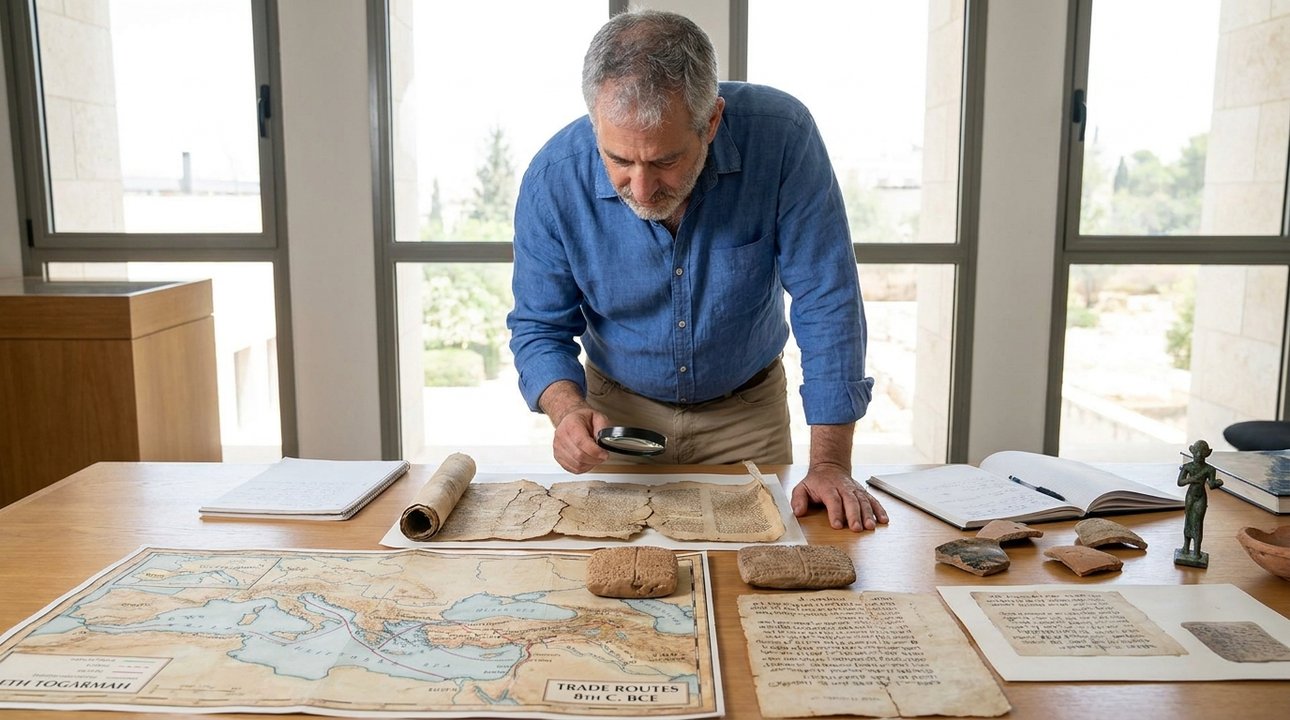
Beth Togarmah in Present-Day Context
In today’s world, the concept of Beth Togarmah resonates as part of the larger narrative of historical exploration and inquiry. It serves as an example of how ancient trade and alliances continue to intrigue and inform.
Despite uncertainties about its precise location, the enduring curiosity about Beth Togarmah highlights its symbolic role in connecting people to the ancestral past. This intrigue is fueled by ongoing archaeological efforts and scholarly debates, which strive to uncover more about its historical context.
The fascination with Beth Togarmah is not just academic; it reflects a broader interest in understanding the roots of civilization and the connections that shaped the ancient world. By studying such places, we gain insights into the social, economic, and political forces that influenced historical developments.
For enthusiasts and scholars alike, Beth Togarmah remains a topic of interest, encouraging ongoing research and discovery.
Beth Togarmah is mentioned as a source of horses and mules for Tyre, indicating its role in trade and commerce. Its connection to Tyre, a major trading hub, highlights the economic significance of Beth Togarmah.
Scholars continue to explore its potential location, with some suggesting areas in modern-day Turkey, though definitive archaeological evidence is still sought.
Understanding Beth Togarmah
