
A Journey Through Heshbon: From Its Historical Roots to Today


Heshbon is a prominent city in historical narratives, known as the capital of King Sihon of the Amorites. Historical texts recount the Israelites’ conquest of Heshbon, marking it as a site of significant victory. This event symbolizes not only a physical conquest but also the fulfillment of promises to the Israelites.
Understanding its place in history helps us appreciate its role in the landscapes of tradition. Heshbon’s strategic location made it a key player in the narratives of settlement and expansion.
The city is also mentioned in historical texts, where the Israelites are commanded to take possession of the land. Heshbon’s representation on historical maps highlights its importance in the journey of the Israelites as they moved towards new territories. Such maps serve as a reminder of the city’s role in the wider story of the Israelite people and their enduring legacy. By exploring Heshbon’s history, we gain insight into the cultural narratives that have shaped its legacy.
from the Western Wall to Masada.

What Was the Historical Role of Heshbon?
Heshbon first appears in historical texts as a fortified city belonging to the Amorite King Sihon. Its capture by the Israelites is detailed in historical accounts. This victory was significant, marking a major milestone in their journey toward new territories.
Strategically located east of the Jordan River, Heshbon’s position made it a desirable and essential conquest. Flanked by fertile lands, it offered resources and strategic military advantages to its rulers.
The city’s significance continued through various historical narratives, often serving as a linchpin in the surrounding region’s control. The city is mentioned in relation to several tribes, particularly as part of the inheritance given to the tribe of Reuben.
Heshbon in Historical Texts
References to Heshbon are threaded throughout historical texts. It symbolizes a significant transformation from a location under Amorite control to a landmark in Israelite territorial expansion.
Prophetic books also mention Heshbon, highlighting its continued relevance in Israelite memory and prophecy. Such mentions contribute to its layered significance, showing how Heshbon’s legacy interwove with Israel’s historical journey.
Heshbon’s capture and the subsequent narrative connect to themes of leadership, promises, and the complexities of settling new territories. The city’s story is a powerful example of how historical narratives continue to influence cultural identities. As a symbol of transformation and continuity, Heshbon’s legacy endures in the shared history of the Jewish people, showing the historical journey of the Israelites as they sought to establish their place in new lands.
How Do Archaeologists Understand Heshbon?
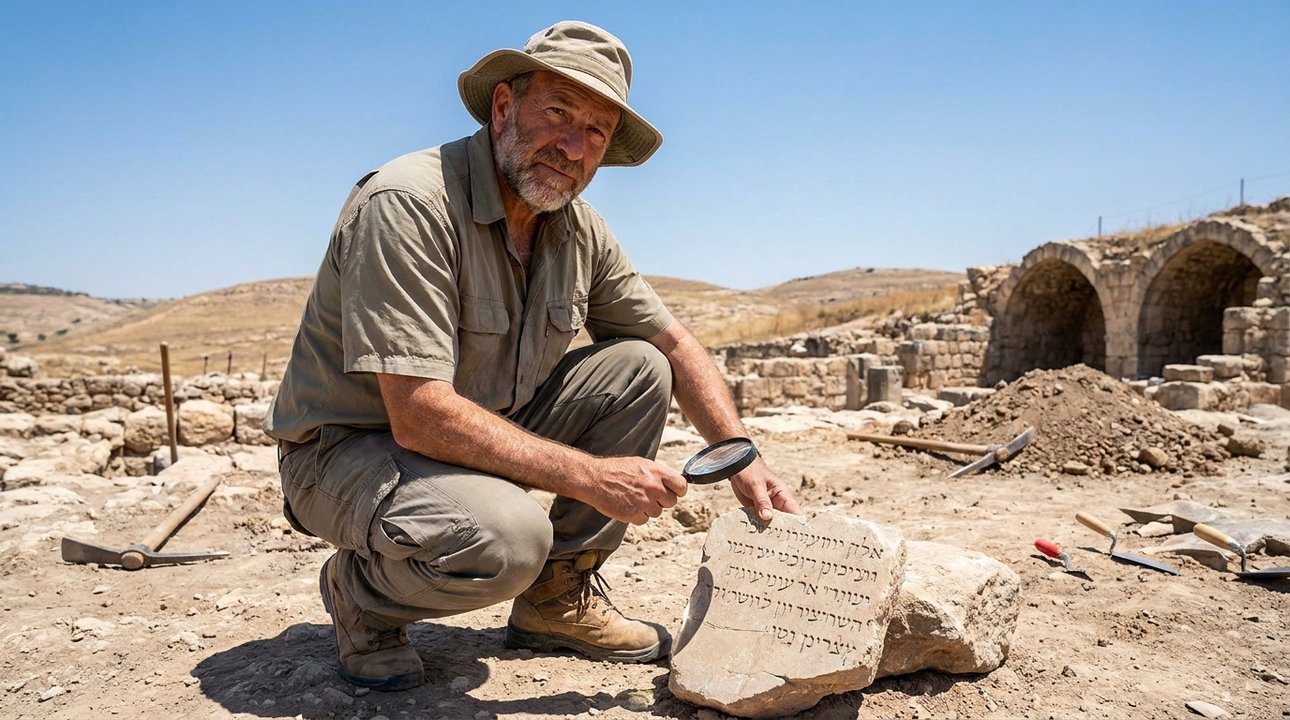
Archaeological excavations at Tell Hesban, near the modern city of Madaba, Jordan, provide vital insights into Heshbon. These explorations reveal settlement layers from various periods, including the Iron Age. The artifacts and ruins at Tell Hesban affirm the site’s history, intersecting with historical records and expanding our understanding of ancient life. Archaeologists have uncovered remnants of fortifications, suggesting its strategic importance. These findings form a bridge between history and modern understanding, enriching our comprehension of Heshbon’s place in ancient narratives.
Cultural Impact of Heshbon
Beyond its historical role, Heshbon holds cultural weight in Jewish tradition. It is often evoked in discussions of Israelite perseverance and significant events. The city’s story illustrates themes of conquest, adaptation, and survival, embodying the persistent hope and struggle of the Israelites. As a symbol of shifts in power and the literal manifestation of promises, Heshbon remains a point of reflection in cultural narratives. It is a sign of the enduring dialogue between physical geography and cultural landscapes.
Thus, Heshbon is still remembered by those interested in the intersection of history and cultural heritage. The city’s legacy is preserved in the shared history of the Jewish people, serving as a reminder of their historical journey and the promises that guided them. Heshbon’s story is a powerful example of how historical sites can continue to influence modern cultural identities, offering lessons in perseverance that resonate across generations.
Modern Connection to Heshbon
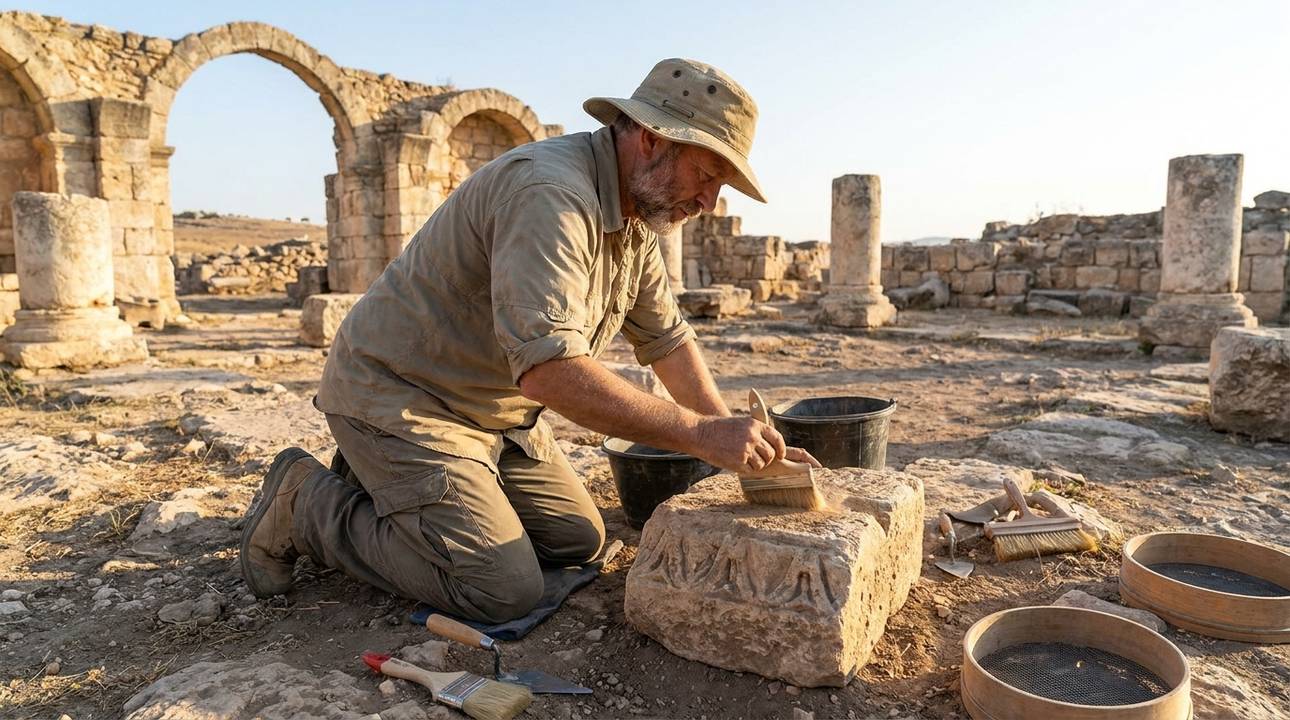
In present-day, the area of ancient Heshbon is an archaeological site that attracts scholars and those interested in historical studies. Despite geopolitical considerations, it remains a significant point of interest. Excavations at Tell Hesban have revealed artifacts that provide insight into the daily lives of its ancient inhabitants.
The legacy of Heshbon as a place once marked by conquest and prophecy resonates with visitors who explore its historical layers at Tell Hesban. These discoveries contribute to our understanding of the region’s history and the narratives that have shaped it.
from the Western Wall to Masada.
Though not primarily a tourist destination, its archaeological and historical connections provide a window into the past and offer valuable insights into the history of the region. The site serves as a reminder of the enduring impact of historical narratives on the cultural landscapes of the present. Understanding Heshbon provides a richer appreciation for both the narrative landscapes of history and the physical realities that shaped them. The city’s story is a sign of the enduring connections between land and cultural identity.
Theological Reflections on Heshbon
Heshbon is more than a historical site; it embodies themes within historical narratives. Its mention often correlates with justice and fulfillment.
As a city once captured from Sihon’s rule, Heshbon becomes a narrative tool for discussing the promises and the challenges of Israelite expansion.
The city’s story invites reflection on themes of power, legacy, and the visible markers of significant events in historical contexts. Such reflections enrich cultural practices and reinforce narratives that bridge historical stories with moral contemplation.
Heshbon continues to be an important touchstone for those exploring the intricacies of historical studies.
Heshbon and the Modern Map
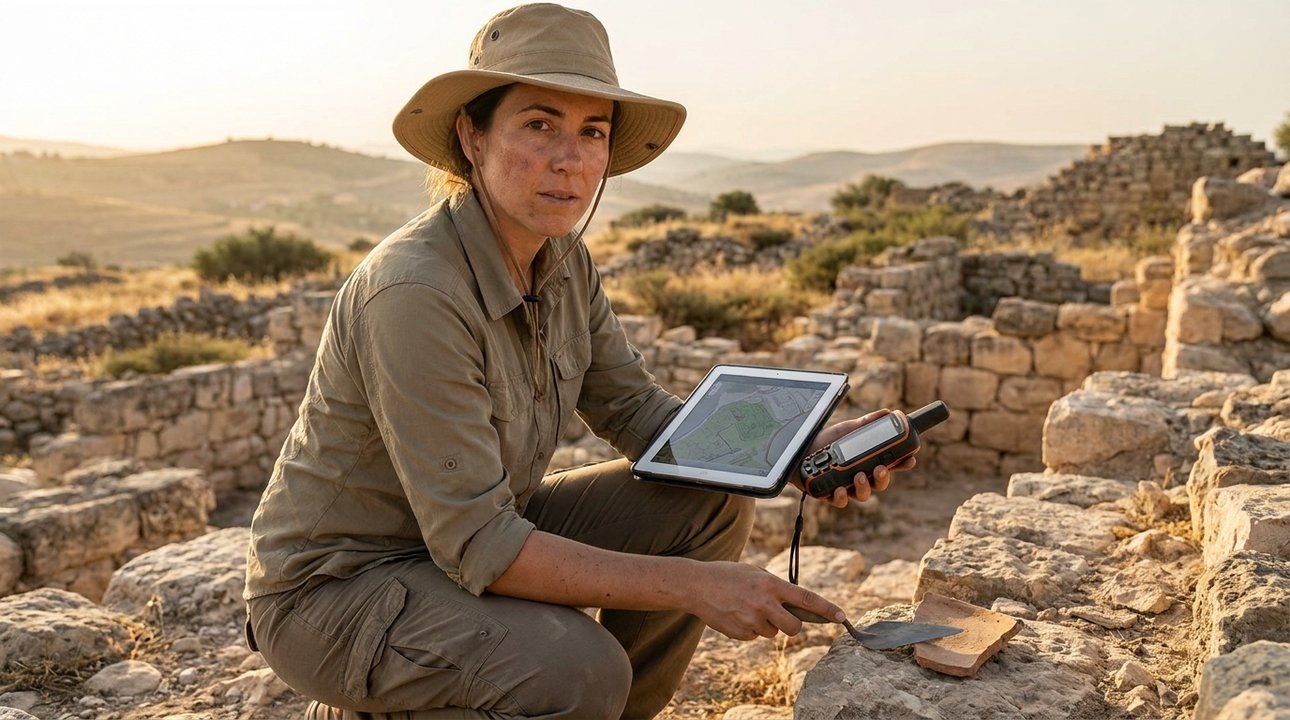
While ancient maps depicted Heshbon’s location amidst Israelite expansions, modern tools like GPS redefine how we visualize its place. The site corresponds to the modern ruins of Tell Hesban, helping bridge past and present. Archaeological findings at Tell Hesban have uncovered layers of occupation, from the Iron Age to the Byzantine period.
Mapping advancements allow scholars to recreate historical movements and understand how such sites influenced regional dynamics over time. Today, these insights foster broader appreciation of the cultural and strategic roles cities like Heshbon played in historical narratives.
Such places continue to hold scholarly and cultural role, forming part of an enduring quest to decipher the landscapes of faith and heritage. The ability to trace the movements and settlements of ancient peoples through modern technology enhances our understanding of their lives and the challenges they faced. Heshbon’s role as a crossroads in the ancient world underscores its importance in the narratives of conquest and settlement, providing a tangible link to the stories of the Bible and the people who lived them.
Conclusion: Heshbon’s Legacy
Heshbon stands as more than a name on a map; it embodies key themes of transformation and continuity. As a historical landmark, its layered history offers a lens for exploring the profound intersection of geography and cultural narratives. The city is mentioned in historical texts, where its fate is tied to regional events.
The site invites both believers and historians to reflect on the past while contemplating its cultural resonances. By engaging with Heshbon’s history, one gains insight into the complexities of ancient life and the enduring connections between land and cultural identity.
In short, Heshbon exemplifies how historical narrative, archaeology, and cultural identity remain intertwined, reflecting a shared journey through time. Its story highlights the adaptability of the Israelites and their ability to survive amidst changing circumstances. The city’s history serves as a reminder of the enduring dialogue between physical geography and cultural landscapes, offering a mix of cultural elements that is still remembered and educates those who explore its past.
Questions About Heshbon
