
Understanding Peor in Historical Context


Peor is a historical location known for its association with the Moabites and an episode of idolatry described in ancient texts. The Israelites are led astray by the Moabites, engaging in the worship of Baal of Peor, a significant event with lasting repercussions. This article explores the history, cultural role, and broader implications of what occurred at Peor. Discover how this site is remembered in historical narratives and its lasting impact on Jewish tradition.
The incident at Peor is crucial for understanding the Israelites’ journey and their struggles with faithfulness. The location, possibly near a significant viewpoint, is notable for its role in the Israelites’ journey.
This geographical connection adds depth to the story, illustrating the challenges faced by the Israelites as they navigated their faith amidst external influences. Peor’s tale serves as a poignant reminder of the importance of steadfastness in one’s beliefs.
from the Western Wall to Masada.

What Is Peor in the Bible?
Peor is a location mentioned in ancient texts, notable for its connection to the infamous worship of Baal of Peor. This occurs in an episode where the Israelites were led astray and engaged in idolatry.
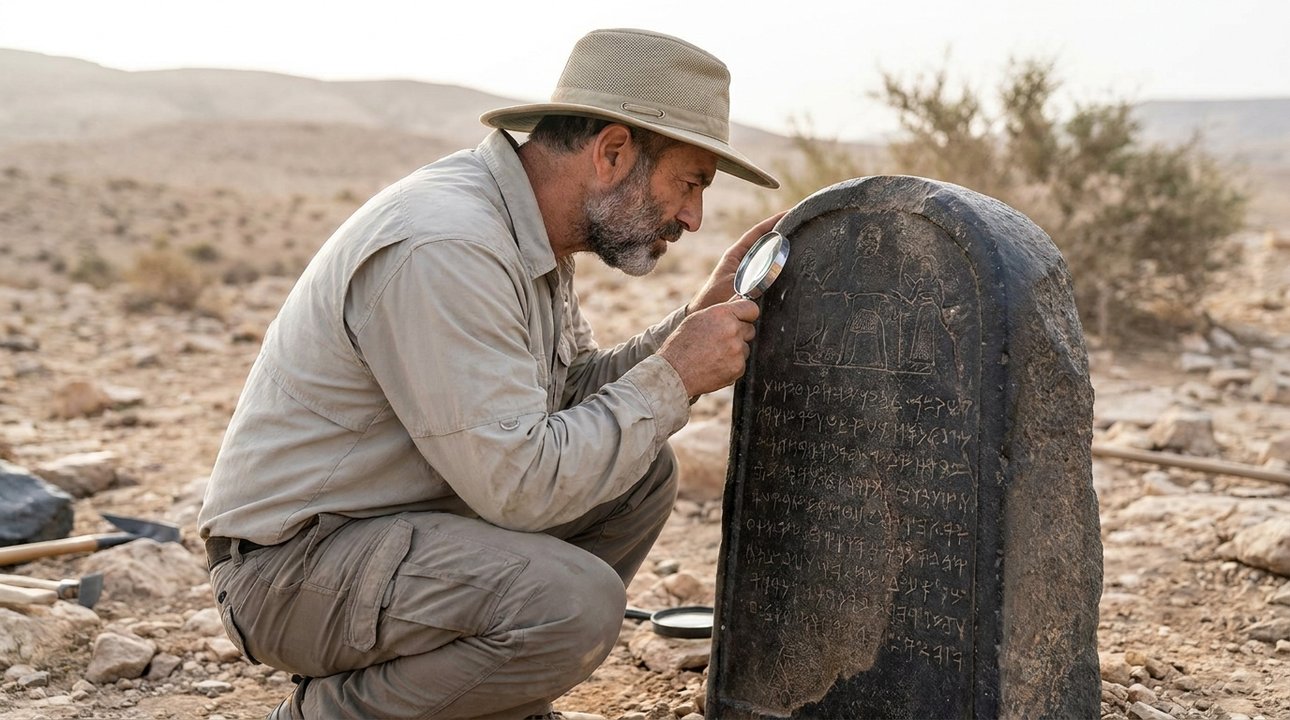
Peor is geographically associated with the Moabite territory, expanding our understanding of regional interactions in historical times. The Moabites, known from the stele of King Mesha, were often in contact with the Israelites, leading to complex relationships.
The worship of Baal of Peor is a significant event, where the Israelites’ actions provoke divine anger. This incident is part of a larger story involving the Moabites, whose interactions with Israel are documented in historical records such as the Mesha Stele.
This artifact, discovered in 1868, provides insight into the political and cultural dynamics of the time, illustrating the tensions and alliances that shaped the region’s history.
The term Peor might also relate to the topographical nature of the area, suggesting an opening or cleft in the landscape. This geographical feature is significant in understanding the stories associated with Peor, as it was located in the region of Moab.
This region’s connections with the Moabites provide insight into the tale of intercultural exchanges and conflicts described in ancient narratives. The Moabites often interacted with the Israelites, leading to both alliances and tensions.
These interactions are further illustrated in the account of Balaam, a prophet hired by the Moabite king Balak to curse the Israelites (Numbers 22-24). This episode highlights the complex relationships between the Moabites and Israelites.
The geographical and cultural context of Peor adds depth to these stories, emphasizing the challenges faced by the Israelites as they navigated their faith amidst external influences and pressures.
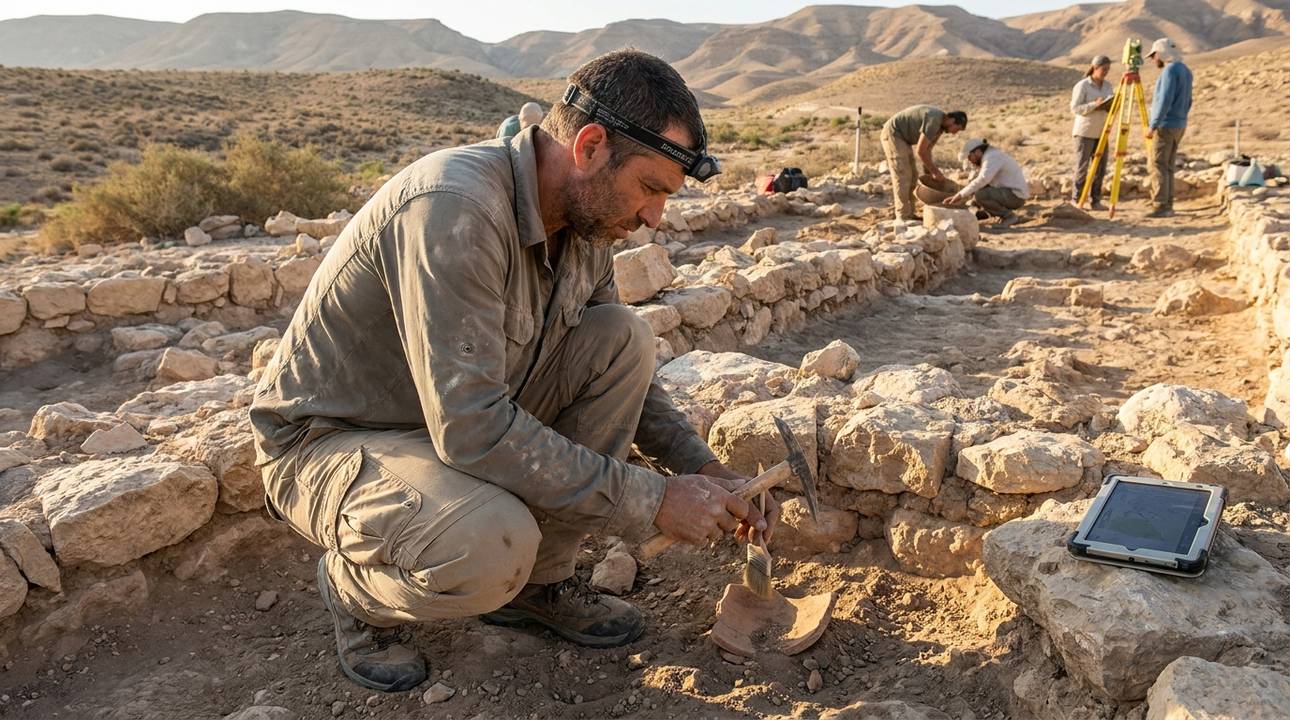
The Historical Account of Peor
In Numbers 25, Peor becomes the backdrop for the Israelites’ moral and spiritual failure. The Israelites were seduced into worshiping Baal-peor, a Moabite deity, which led to severe consequences.
This event involves the worship of Baal-peor, drawing the wrath and punishment from God upon the Israelites. The episode demonstrates the tension between maintaining faithfulness and the allure of surrounding cultures.
The account highlights the challenges of adhering to religious commandments amidst external pressures.
The severity of the situation is underscored by a plague that claims many lives, illustrating the dire consequences of idolatry. This incident is a key example of the Israelites’ struggles with faithfulness during their journey. Peor is also referenced in ancient texts, where it is used to lament Israel’s unfaithfulness, further emphasizing its importance in teachings and moral discussions.
The account emphasizes the need for vigilance and fidelity to one’s faith traditions. In ancient texts, Peor is where the Israelites were led astray by the Moabites.
This incident serves as a reminder of the potential consequences of straying from established religious commandments. The Israelites’ actions at Peor resulted in a plague, which claimed many lives.
This underscores the seriousness of maintaining religious integrity and the dangers of idolatry.
The story of Peor is also reflected in ancient warnings about the consequences of their actions. This serves as a powerful reminder of the importance of adhering to faith and the dangers of external influences.
The narrative continues to be a focal point in religious education, illustrating the need for steadfastness in one’s beliefs and the potential repercussions of deviating from them.

Cultural and Historical Context of Peor
Understanding Peor requires a look at its geographical and cultural role. Peor was situated in Moabite territory, explaining its role as a place of temptation and trial for the Israelites. Located east of the Jordan River, Moab was a land the Israelites encountered during their journey. This geographical context is crucial for understanding why Peor became a site of religious testing and moral failure. The landscape itself may have contributed to the events that unfolded there.
The Moabites inhabited the region, often interacting with the Israelites. These interactions, sometimes marked by conflict, are documented in historical records such as the Mesha Stele, which details Moab’s rebellion against Israel.
This historical backdrop enriches our understanding of what happened at Peor, highlighting the complex dynamics between these related peoples and the significance of the site in historical narratives.
The Moabites, known from the stele of King Mesha, were relations of the Israelites, sharing ancestral ties. Their historical interactions often reflected broader themes of kinship and conflict.
The Moabite Stone, discovered in 1868, provides insight into their history and relationship with Israel. This stele, inscribed by King Mesha, details Moab’s rebellion against Israel, highlighting the complex dynamics between these related peoples.
Such artifacts enrich our understanding of historical narratives.
Peor is one of many examples of the intricate relationships between the Israelites and their neighbors. The Moabites’ role in history is multifaceted, involving both cooperation and conflict, as seen in the story of Ruth and the rebellion described in the Mesha Stele. These narratives provide a richer understanding of the events at Peor, emphasizing the importance of historical context in interpreting stories and their importance.
The Moabites’ interactions with Israel were marked by both cooperation and conflict. For example, in the Book of Ruth, a Moabite woman becomes an ancestor of a significant figure, illustrating the intertwined destinies of these nations.
These narratives show the dual nature of their relationship, where familial ties and political tensions coexisted. This historical backdrop enriches our understanding of what happened at Peor and its significance.
The Moabites’ role in history is multifaceted and reflects broader themes of kinship.
from the Western Wall to Masada.
The Mesha Stele, discovered in 1868, provides further insight into Moabite history and their interactions with Israel. This artifact, inscribed by King Mesha, details Moab’s rebellion against Israel, highlighting the complex dynamics between these related peoples.
Such historical records offer valuable context for understanding the narratives, illustrating the intricate relationships and conflicts that shaped the region’s history and the events at Peor.
Peor in Historical Tradition
Peor’s significance extends beyond its physical location. In Jewish tradition, it represents a cautionary tale often recounted to highlight the importance of faithfulness and the dangers of succumbing to external influences.
The story found in Numbers 25 is a reminder of the consequences of idolatry and immorality. It serves as a moral lesson, encouraging adherence to one’s faith and the rejection of practices that compromise religious integrity. This narrative is often revisited in religious teachings.
The incident at Peor is also mentioned in ancient texts, where reflections on infidelity and the resulting divine wrath are noted. This reinforces its role as a cautionary tale in tradition.
Through these references, the story continues to serve as a powerful reminder of the importance of maintaining commitments and the potential consequences of straying from them.
The narrative has been utilized throughout history to teach lessons on communal integrity and adherence to precepts. The Israelites’ experience at Peor serves as a cautionary tale about the consequences of idolatry and moral failure.
Historical accounts recount how a devastating plague struck the Israelites, resulting in many deaths. This reflection on historical events forms part of broader moral and theological discussions, emphasizing the importance of staying true to one’s faith.
Such stories are often revisited during studies to emphasize the importance of staying true to one’s faith and values. The incident at Peor is also referenced in ancient texts, highlighting the severity of the transgression and the subsequent divine intervention.
These references serve as powerful reminders of the need for vigilance in maintaining one’s commitments. The narrative continues to resonate in discussions about faith, morality, and the consequences of straying from commandments.
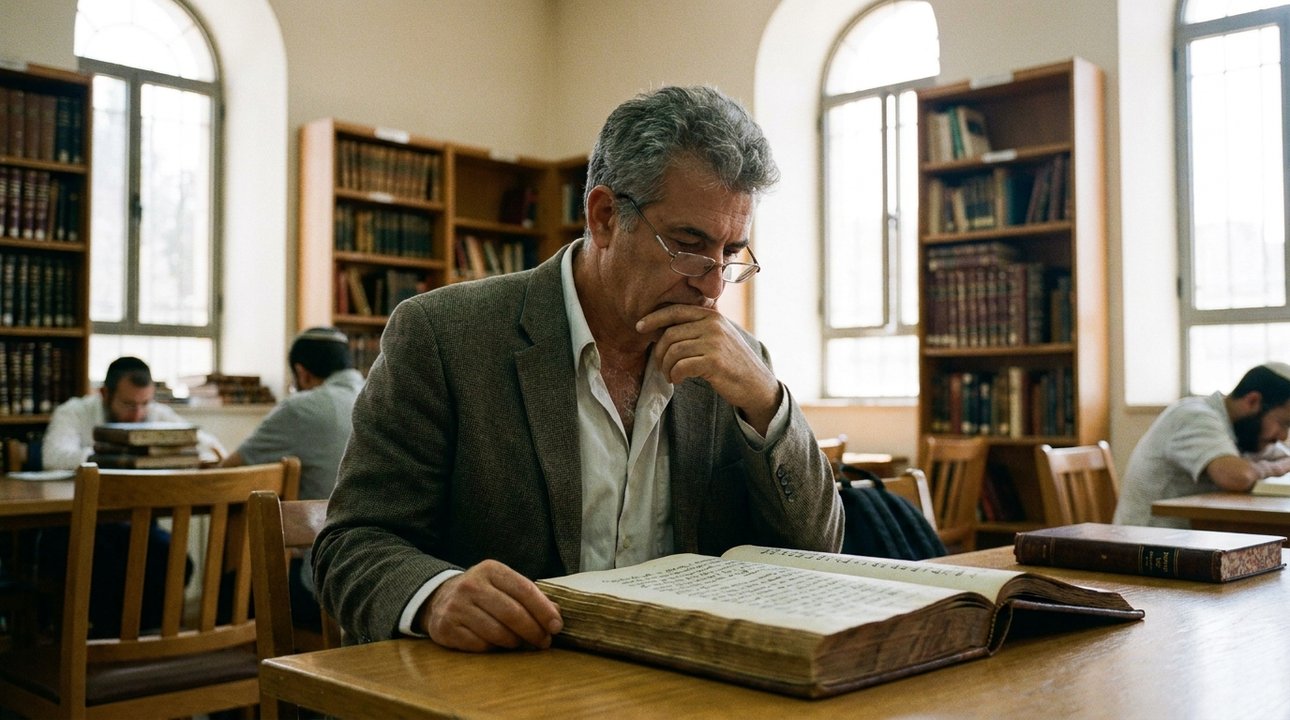
Modern Reflections on Peor
Today, Peor serves as a symbol and lesson in religious instruction. The story highlights the challenges faced by the Israelites, who were tempted by Moabite practices, as described in Numbers 25.
This narrative parallels the ongoing struggles between tradition and modern influences in faith communities. By examining these historical events, religious educators emphasize the need for steadfastness and the dangers of cultural assimilation.
The lessons from Peor continue to resonate in discussions about maintaining religious identity.
The incident at Peor is used in many educational settings to illustrate the need for steadfastness in faith. The account is recounted where the Israelites were seduced into idolatry and immorality.
It’s a reminder of the historical context that continues to inform modern practice. The actions at Peor led to a severe punishment, emphasizing the importance of adhering to faith. Historical accounts detail the plague that struck the Israelites, underscoring the consequences of disobedience.
This narrative is often discussed in educational settings to highlight the consequences of disobedience. The story serves as a moral lesson, encouraging adherence to one’s faith and the rejection of practices that compromise integrity.
The account is also referenced in ancient warnings, reinforcing the importance of loyalty to commandments and the dangers of turning away from them.

Peor’s Connection to Israeli Culture
While Peor itself is not a tourist destination, its narrative resonates deeply in cultural heritage. The story highlights themes of complexity and the cultural identities in the region.
The Israelites’ experience at Peor is a cautionary tale about the dangers of cultural assimilation and the loss of religious identity. The narrative is echoed in ancient texts, where parallels are drawn to the incident at Peor.
This story is part of the broader mix of Israel’s history, reflecting ongoing challenges in maintaining cultural heritage. The Moabites, who played a central role in this episode, highlight the intertwined destinies of these peoples. The account of Peor underscores the importance of cultural and religious integrity, serving as a lesson on the perils of abandoning one’s heritage and values.
As part of Israel’s historical narrative, Peor contributes to the understanding of faith and cultural interactions. The story offers insight into the challenges faced by the Israelites in maintaining their faith.
This reflection on the past informs contemporary discussions about faith and identity. The lessons from Peor are used to emphasize the importance of vigilance and adherence to principles in the face of external pressures. These themes continue to be relevant in modern discourse.
Historical Context and Significance
