Discovering Joppa: An Ancient Port with Historical Roots


Joppa, known today as Jaffa, is a historic port city with deep historical roots. Located along the Mediterranean coast, it played a vital role in ancient trade and narrative. The city is mentioned in historical texts, where significant events are noted. Archaeological findings in Joppa reveal layers of history, including remnants from the Bronze Age. This article delves into Joppa’s significance, its archaeological findings, and its evolution into a modern area.
Where Is Joppa Located?
Joppa, now part of Tel Aviv-Yafo in Israel, is situated on the country’s central coast along the Mediterranean Sea. Historically, it served as an essential gateway for trade and communication. Today, Joppa’s location marks it as a point of cultural and history in the region.
from the Western Wall to Masada.
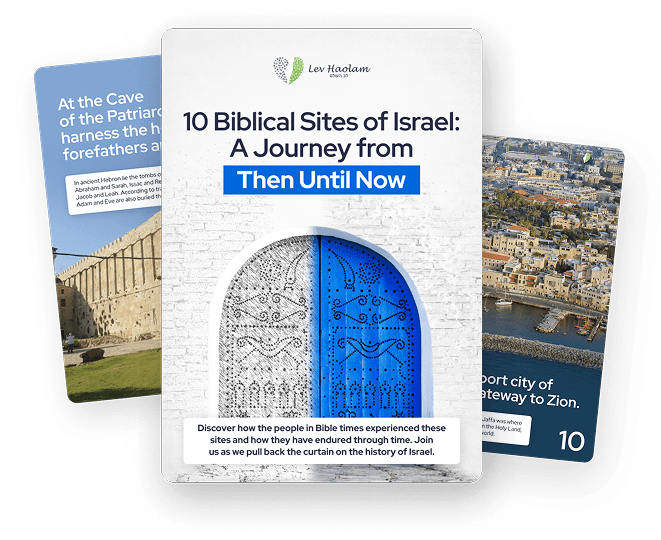
The city’s strategic position made it a vital link in the trade networks of the ancient world, connecting the Levant with Egypt, Mesopotamia, and beyond. Joppa’s legacy as a center of commerce and culture continues to be celebrated today, as its history and present draw visitors from around the world to explore its unique blend of ancient and modern influences.
Joppa’s strategic position made it a key player in the ancient world, facilitating trade routes that connected the Levant with Egypt and beyond. The port was mentioned in the Amarna Letters, a collection of correspondence between Egyptian pharaohs and their vassals, highlighting its importance. Its port was a bustling hub where merchants from diverse cultures exchanged goods and ideas. This history is reflected in the city’s archaeological sites, which reveal layers of occupation and influence from various civilizations over the centuries.
Archaeological excavations have uncovered remains from the Canaanite, Philistine, and Israelite periods, showcasing the city’s long history of cultural exchange. Artifacts such as pottery, tools, and inscriptions provide insight into the daily lives of those who lived in Joppa. The city’s ability to adapt and thrive amidst changing political landscapes underscores its importance in the region.
Historical Importance of Joppa
The city’s strategic location made it a coveted prize throughout the ages. It was one of the ancient world’s most crucial ports. Joppa is known for its role in significant historical events.
This bustling port facilitated interactions among different cultures and served as a conduit for goods and ideas. Joppa is specifically noted as the entry point for valuable materials.
Joppa’s strategic importance is further highlighted in historical narratives, demonstrating the city’s accessibility and its role as a gateway to the Mediterranean.
Throughout history, Joppa has been a focal point for trade and military campaigns, including during the reign of the Assyrian king Sennacherib, who captured the city in 701 BCE.
The city’s strategic location made it a target for various empires seeking control over the region.
Joppa was also significant during the period of the Crusades, serving as a key port for the movement of troops and supplies. Its role as a gateway to the Mediterranean has ensured its place in history as a city of great importance and influence.

Joppa in the Bible
Joppa features prominently in historical texts, representing both physical and transformative journeys.
Acts 9-10 also highlight Joppa, where significant events took place. These stories underscore Joppa’s role in narratives, representing both physical and transformative journeys.
In historical narratives, Joppa serves as a place of decision and transition, where journeys take pivotal turns. Likewise, in Acts, Joppa becomes a site of transformation and significant events in the early community.
These accounts highlight Joppa’s symbolic role as a place where individuals encounter pivotal moments in their journeys.
In historical narratives, Joppa serves as the starting point for journeys, symbolizing a place of decision and transition. Similarly, in Acts, Joppa becomes a site of transformation and significant events in the early community.
These accounts highlight Joppa’s symbolic role as a place where individuals encounter pivotal moments in their journeys.
Decisions made in Joppa mark turning points in stories, while experiences in Joppa lead to the spread of new beliefs and practices.
These narratives underscore the city’s role as a backdrop for significant events, illustrating how Joppa has been a place of both challenge and change throughout history.
Archaeological Discoveries in Joppa
Archaeological excavations have uncovered layers of history beneath modern Joppa. Researchers have found evidence of the city’s past, including ancient fortifications and artifacts.
These discoveries help piece together the city’s varied history, reflecting its interactions with Egyptian, Assyrian, and Greek cultures. Preserving these finds offers insights into the life and times of ancient Joppa’s inhabitants.
Artifacts like pottery and tools reveal daily life in this bustling port city.
The fortifications discovered in Joppa indicate its significance as a defensive stronghold. The city’s walls, dating back to the Middle Bronze Age, suggest it was a fortified city-state that played a crucial role in regional politics.
Excavations have also uncovered Egyptian scarabs and amulets, hinting at Joppa’s trade connections with Egypt. These artifacts highlight the city’s role as a cultural crossroads, where goods and ideas were exchanged.
The presence of Egyptian artifacts suggests a strong relationship between Joppa and the powerful Egyptian civilization. This connection is further evidenced by the discovery of pottery and inscriptions that reveal the influence of Egyptian culture on Joppa’s inhabitants.
The city’s strategic location and fortified structures made it a key player in the political and economic landscape of the ancient world.

Joppa’s Evolution into Modern Jaffa
Over time, Joppa evolved, becoming known as Jaffa. This transition saw the blending of various cultures and influences, forming the area known today. Modern Jaffa is a mix of historic elements and contemporary life, attracting visitors with its picturesque streets and history. The transformation from Joppa to Jaffa illustrates the ongoing story of adaptation and growth. The name change reflects the city’s dynamic nature, adapting to the influences of each era.
The evolution from Joppa to Jaffa is marked by the city’s ability to embrace change while preserving its historical roots. This adaptability is evident in the harmonious coexistence of ancient landmarks and modern developments, creating a unique urban landscape that continues to captivate visitors. Jaffa’s ongoing transformation is a sign of its importance in the region.
Joppa’s transformation into Jaffa is marked by its ability to integrate the diverse cultures that passed through its port. From the Phoenicians to the Ottomans, each left a mark on the city’s architecture and culture. Today, Jaffa’s narrow alleys and ancient buildings coexist with modern art galleries and cafes, creating a unique blend of old and new. This cultural fusion is a sign of Jaffa’s enduring appeal and its role as a link between past and present.
from the Western Wall to Masada.
The architectural styles found in Jaffa reflect the various civilizations that have influenced the city over the centuries. Visitors can explore the remnants of ancient fortifications alongside contemporary art installations, experiencing firsthand the dynamic interplay of history and modernity.
Jaffa’s ability to adapt and thrive amidst changing times underscores its significance as a cultural and historical landmark.
Joppa Today: Cultural and History
Today, Jaffa is an integral part of Tel Aviv, serving as a cultural and historical landmark. Its blend of ancient and modern elements make it a unique area of exploration. Visitors embrace its artistic scenes, culinary offerings, and historical sites, such as the Jaffa Clock Tower and St.
Peter’s Church, reflecting its storied past and dynamic present. This melding of eras emphasizes the city’s ongoing relevance in the region.
The Jaffa Clock Tower, built in the early 20th century, stands as a symbol of the city’s history. St. Peter’s Church, with its striking architecture, offers a glimpse into the religious history of the area. These landmarks, along with the art scene and diverse culinary options, make Jaffa a must-visit destination for those seeking to experience the mix of Israeli culture.
Jaffa’s art scene is showcased in its many galleries and studios, where local artists draw inspiration from the city’s history. The Jaffa Flea Market is another popular attraction, offering a mix of antiques, crafts, and modern design. The area’s culinary offerings are equally diverse, with restaurants serving traditional Middle Eastern dishes alongside contemporary cuisine. This fusion of flavors and styles highlights Jaffa’s role as a cultural mix.
The Jaffa Flea Market, known as Shuk Hapishpeshim, is a bustling hub where visitors can find unique treasures and handmade items. Local artists often showcase their work in the market, adding to its atmosphere. The culinary scene in Jaffa is a reflection of its diverse cultural influences, offering a taste of the region’s rich culinary heritage alongside innovative new flavors.

Cultural References to Joppa
Joppa’s legacy extends beyond historical texts. It has been a source of inspiration in literature, music, and art. Its coastal beauty and historical richness continue to fuel creative expression.
Cultural references to Joppa depict it as a place of confluence, where diverse influences meet and blend seamlessly. The city’s picturesque harbor and ancient streets have been captured in countless paintings and songs. These artistic interpretations reinforce Joppa’s timeless allure.
The city’s charm has inspired artists such as the French painter Claude Monet, who captured Joppa’s atmosphere in his works. In music, Joppa has been referenced in songs that celebrate its history and scenic beauty. These creative expressions not only highlight Joppa’s enduring appeal but also contribute to its legacy as a cultural and artistic hub.
Artists and writers have long been drawn to Joppa’s unique charm, using it as a backdrop for stories and compositions. The city is mentioned in the works of the Roman historian Pliny the Elder, who described its beauty and strategic importance. Its role as a meeting point of cultures is celebrated in works that highlight the city’s atmosphere and storied past. Joppa’s influence can be seen in everything from classical paintings to modern films, each capturing a different aspect of the city’s enduring appeal.
The famous painting “Joppa” by the 19th-century artist Edward Lear captures the essence of this ancient port. In literature, Joppa is referenced in the writings of Josephus, the Jewish historian, who detailed its significance in the Jewish-Roman wars. These creative works not only celebrate Joppa’s historical and cultural role but also preserve its legacy for future generations to appreciate.
Exploring Lev Haolam’s Connection to Joppa
Lev Haolam celebrates Joppa’s culture through its curated products sourced from across Israel. By supporting local artisans and small businesses, Lev Haolam helps keep Joppa’s spirit alive, bridging the past with the present. Each item tells a story of the land and its people, from handcrafted olive oils to intricate ceramics. Each purchase connects you to Israel’s heart, spanning generations of tradition and craftsmanship.
The handcrafted olive oils are made from olives grown in the region, capturing the essence of the land’s agricultural heritage. Intricate ceramics often feature designs inspired by ancient motifs, reflecting the artistic traditions that have flourished in Joppa.
By choosing these products, you become part of a story that honors the past while supporting the future of Israeli artisans.
The products offered by Lev Haolam reflect the diverse heritage of Joppa, with items that capture the essence of the region’s history and culture. From olive wood carvings to handwoven textiles, each piece is a sign of the skill and creativity of Israeli artisans. The olive wood carvings, for example, are crafted from trees that have grown in the region for centuries, symbolizing the deep connection between the land and its people.
By choosing these products, you support the preservation of traditional crafts and contribute to the livelihoods of local families. The handwoven textiles often incorporate patterns and techniques passed down through generations, reflecting the mix of cultures that have influenced Joppa. Supporting these artisans helps maintain these traditions, ensuring they continue to thrive in the modern world.

Understanding Joppa