
Unveiling the Region of Today


This region, known from historical narratives, holds a significant place in history. Today, it broadly corresponds to areas in modern Israel, Lebanon, and parts of Jordan and Syria.
This land, rich in historical and archaeological treasures, continues to be a focal point of interest for scholars and travelers alike. In this article, we explore its historical context and modern-day equivalence.
The ancient stories of this region, from the tales of early inhabitants to historical conquests, are deeply embedded in the region’s identity. These narratives provide a mix of history that continues to captivate those who seek to understand the past. The archaeological sites scattered across the land offer tangible connections to these ancient stories.
from the Western Wall to Masada.
What Was This Region in Historical Texts?
This region is mentioned as a land of promise in historical texts. It was known for its diverse populations and cultures.
Historically, it referred to territories west of the Jordan River, a critical hub for trade and cultural exchange. This land became integral to the narratives of heritage.
The promise of this land is a central theme in historical tradition.
This covenant underscores the land’s importance in history. The diverse peoples and cultures of the region contributed to its rich tapestry, making it a focal point of ancient narratives.
Where Is This Region Located Today?
Today, the lands that once formed this ancient region cover parts of Israel, Palestine, Lebanon, and sections of Jordan and Syria. The geographical transition from a historical land to modern territories showcases a historical evolution. Understanding the region’s current location helps us appreciate its history and its enduring influence on regional identity.
The modern nations that encompass this ancient region reflect a mix of cultures and histories. This region, with its diverse landscapes and peoples, continues to be a focal point of interest for historians and travelers. The legacy of this area is woven into the cultural and historical fabric of these contemporary states.
Archaeological Insights into the Region
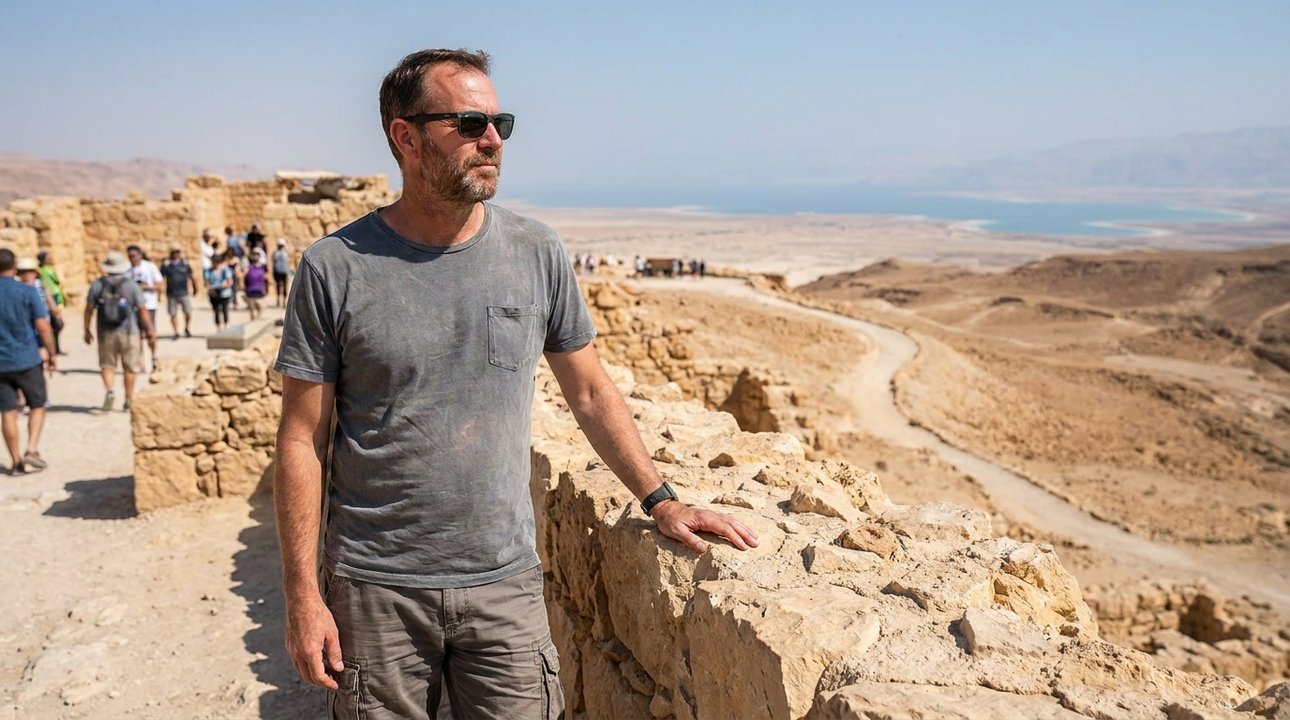
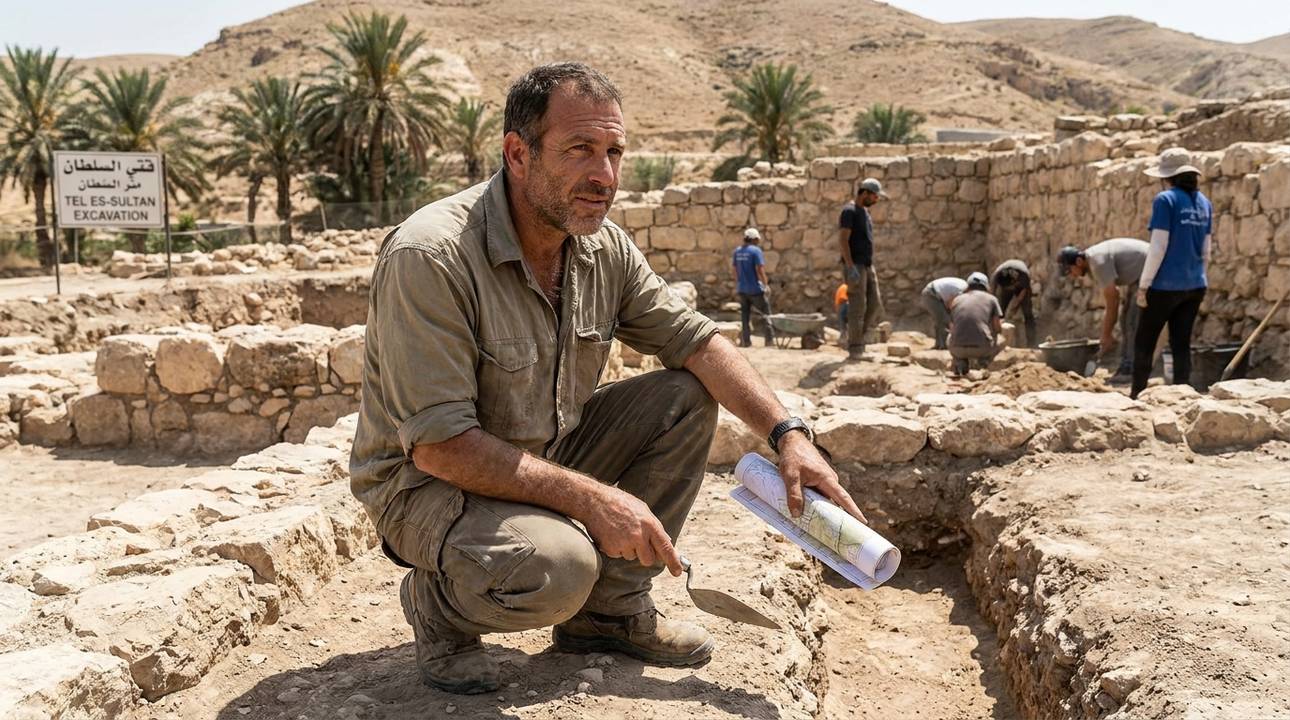
Extensive archaeological work has uncovered the layers of history buried in this region. Sites like Jericho and Megiddo offer insights into the lives and cultures that thrived there. These excavations reveal urban developments and interactions among diverse peoples, highlighting the region’s role as a crossroads in antiquity. Jericho, one of the oldest inhabited cities, illustrates its history.
Megiddo, known for its strategic location, has seen numerous battles due to its position on the major trade route, Via Maris. Archaeological findings have uncovered layers of history, including ancient temples and fortifications.
The site’s archaeological findings, including fortifications and temples, provide a glimpse into the complex societies that existed in this region. Excavations have revealed a wealth of artifacts, from pottery to inscriptions, that tell the story of a diverse community. These discoveries help us understand the daily lives and practices of ancient inhabitants.
The Region’s History
This region served as a strategic area in the ancient world, being an effective bridge between Mesopotamia and Egypt. Its significance is underscored by the many battles fought over its control.
The legacy of this area is found in its influence on historical narratives and its cultural impact on various civilizations over time. The battle of Megiddo highlights its strategic importance in ancient military campaigns.
The strategic location of this region made it a coveted land for empires seeking control over trade routes and resources. This led to numerous conflicts, as seen in the accounts of Egyptian pharaohs and Assyrian kings. The region’s history is reflected in its role as a cultural and economic hub in the ancient world.
The region’s location made it a hub for trade and cultural exchange, contributing to its historical prominence.
The area’s role as a crossroads facilitated the spread of ideas and technologies, leaving a lasting imprint on the civilizations that interacted with it. The exchange of goods like olive oil and wine is documented in ancient texts and archaeological finds.
The trade routes that passed through this region were vital for the exchange of not just goods but also knowledge and culture.
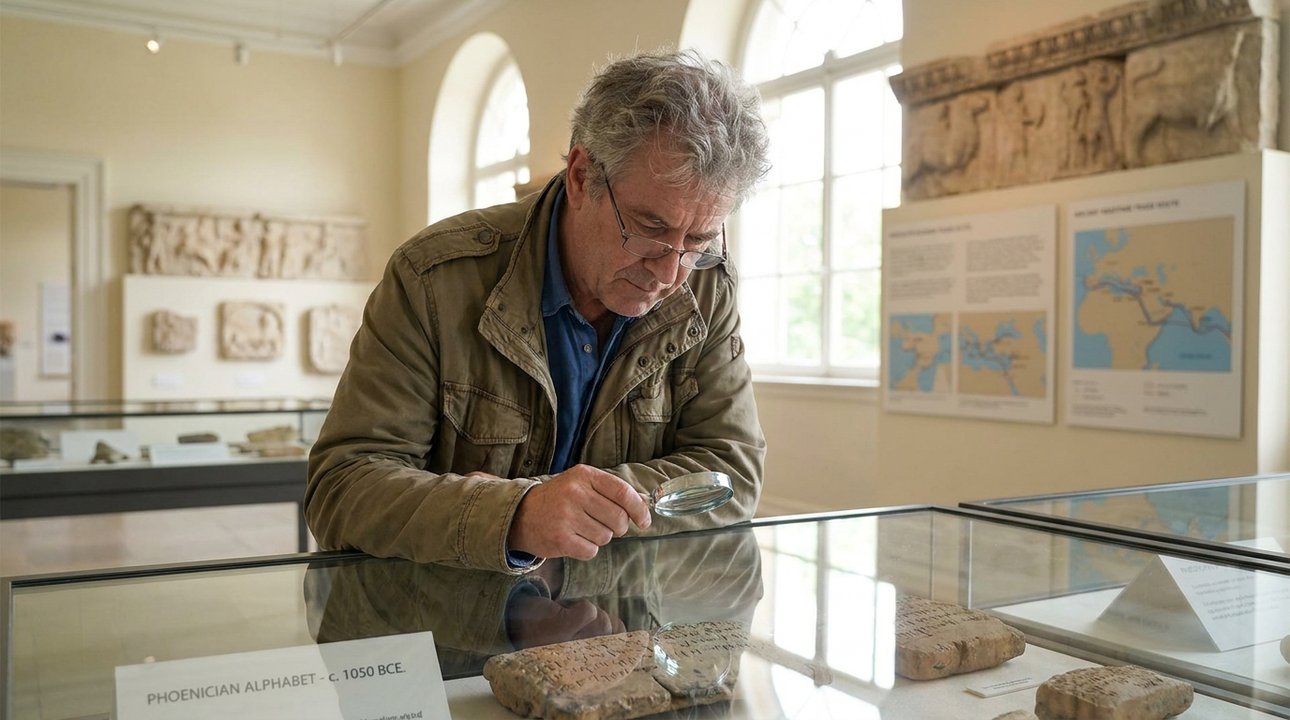
This interaction is evidenced by the spread of the Phoenician alphabet, which laid the groundwork for modern writing systems. The influence of the region can be seen in the art and architecture of neighboring regions, demonstrating its cultural reach.
The Region in Modern Cultural Memory
This region remains a powerful symbol in traditions, representing not just a physical place but a homeland promised in historical texts.
This enduring association continues to shape cultural identities and historical understanding in the region.
The promise of this region as a homeland is a recurring theme in historical texts, reinforcing its significance in traditions.
This land is portrayed as a place of abundance and hope. The spiritual and historical connections to the region continue to influence cultural narratives and identities.
The concept of this region as a land of abundance and prosperity is emphasized through imagery of a land flowing with milk and honey.
Such imagery reinforces its significance in the collective memory of those who trace their roots to these historical narratives.
The promise of this region as a land of prosperity and abundance is a recurring theme in historical texts.
This vision of the region continues to inspire those who see it as a representation of hope and fulfillment.
The Influence of the Region on Israel’s Identity
The heritage of this region is intricately linked to Israel’s modern identity. As the land of ancient narratives where foundational stories unfolded, its legacy informs national consciousness. The resonance of this region in Israel’s history is a sign of its lasting impact on culture and tradition.
The region’s influence is evident in the cultural practices that have persisted through time.
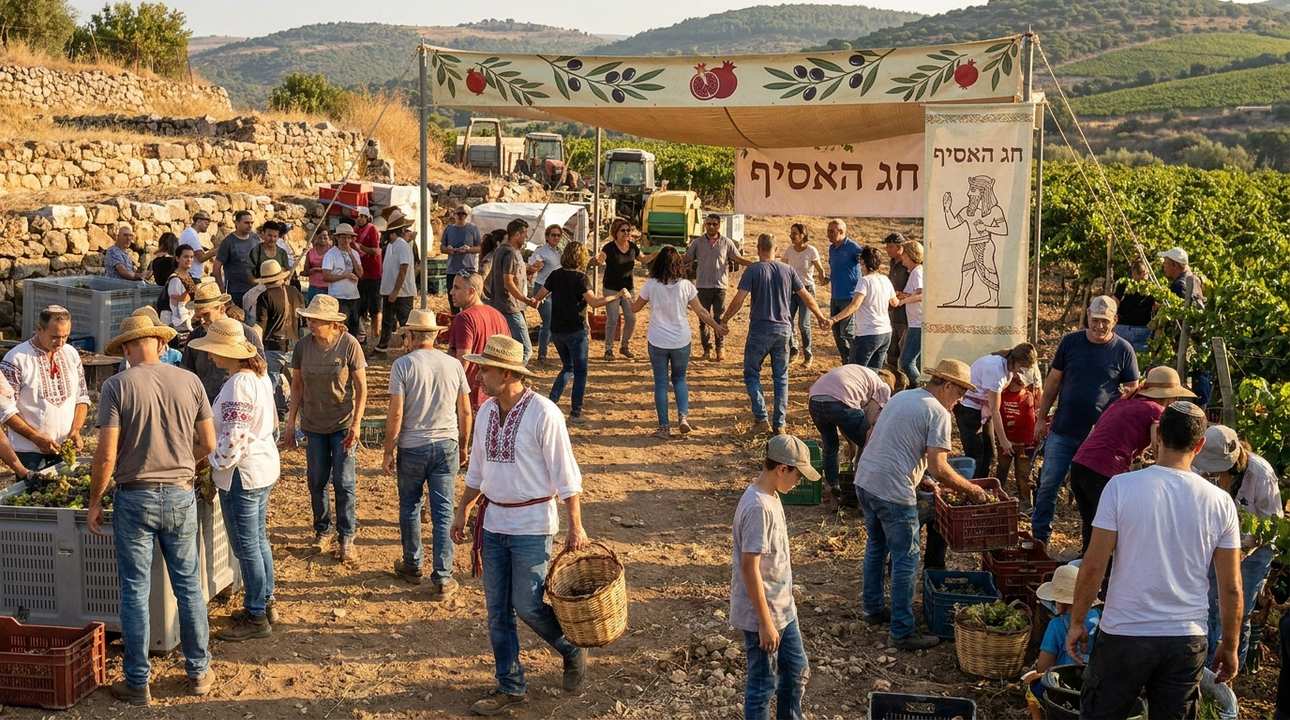
For example, the festival, which commemorates historical events, has roots in longstanding traditions, highlighting its enduring significance. Similarly, other festivals reflect agricultural rituals.
from the Western Wall to Masada.
The festivals and traditions that originated in this land continue to be celebrated, reflecting the enduring connection between the past and present.
The Canaanite influence is also seen in the harvest festivals, which were adopted and adapted by the Israelites. These practices underscore the deep cultural ties that bind the ancient and modern inhabitants of this historic region.
A Land of Diverse Peoples
This region was home to a variety of ethnic groups, speaking different languages and practicing diverse customs. This created a mosaic of cultures interwoven throughout the region. The blending of these cultures played a crucial role in the area’s history and contributes to our understanding of ancient societies.
The cultural diversity of this region is reflected in its art, architecture, and practices. This melting pot of cultures fostered innovation and exchange, influencing neighboring regions. The archaeological evidence of ancient cities reveals a complex society with a cultural heritage.
The cultural exchanges among these groups led to advancements in art, architecture, and trade, influencing neighboring regions. For instance, the city of Ugarit is known for its contributions to early writing systems. The legacy of this cultural mosaic is evident in the archaeological remains and historical records that document the life in the region.
Trade networks established by Canaanite merchants spread their artistic styles and architectural techniques far and wide.
Artifacts such as pottery and jewelry found in Egypt and Mesopotamia bear Canaanite influences, highlighting the region’s role as a cultural bridge. These exchanges enriched the civilizations of the ancient Near East.
Modern-Day Relevance of the Region
The story of this region is not just an ancient tale but a living narrative connecting past and present. Its history offers insights into modern geopolitical issues and cultural discussions.
By studying this region, we gain a better understanding of contemporary issues rooted in ancient histories and lands.
The region’s historical narratives help us understand the complexities of ancient societies.
These stories reveal the interactions and conflicts that shaped the region, informing current perspectives on cultural and historical continuity.
The tales of cities like Jericho and Ai, mentioned in Joshua 6 and 7, further highlight the region’s strategic and cultural role. These narratives not only provide insights into military tactics but also reflect the social and political dynamics of the time. Understanding these stories enriches our appreciation of the ancient world and its enduring legacy.
The Legacy of the Region in Arts and Literature
Throughout history, the concept of this region has inspired countless works of art and literature. Its depiction often explores themes of promise, identity, and cultural struggle. In literature, the region is sometimes portrayed as a utopian promise and a symbol of hopeful aspiration, embedding its name in storytelling and artistic representation. The land’s history provides a backdrop for exploring human experiences and aspirations.
Artists and writers have drawn on the imagery of this region to convey messages of hope and resilience.
The land’s symbolic significance is evident in works that explore the journey toward a promised future. This enduring theme continues to captivate audiences and inspire creative expression.
In short, the region’s layered history and modern identity continue to fascinate scholars and enthusiasts.
By seeking to understand where this region is today, we uncover not only geographical but also cultural and historical connections that enrich our perception of the ancient world. The land’s history is reflected in archaeological finds and ancient texts, offering a window into the past.
The exploration of the region’s history provides insights into the development of early civilizations.
Its influence is evident in the cultural practices that have persisted through time. This enduring legacy continues to shape our understanding of the region’s significance.
The exploration of the region’s past brings to light the stories of historical figures.
Such narratives contribute to a deeper appreciation of the region’s past, bridging longstanding traditions with modern identities.
Stories of historical figures illustrate the challenges and triumphs faced by ancient peoples.
These accounts offer insights into the cultural landscape of the ancient region. They continue to resonate with those who seek to understand the region’s enduring legacy.
Exploring the Region
