
Understanding Damascus in the Bible


Damascus is one of the world’s oldest cities. It sits in what is now southern Syria, on old trade roads between Mesopotamia and the land of Israel.
The Bible names Damascus many times. It appears in Genesis, in the books of Kings, in several prophets, and in the New Testament.
from the Western Wall to Masada.

This article shows where Damascus comes up in the Bible and what the text says about it.
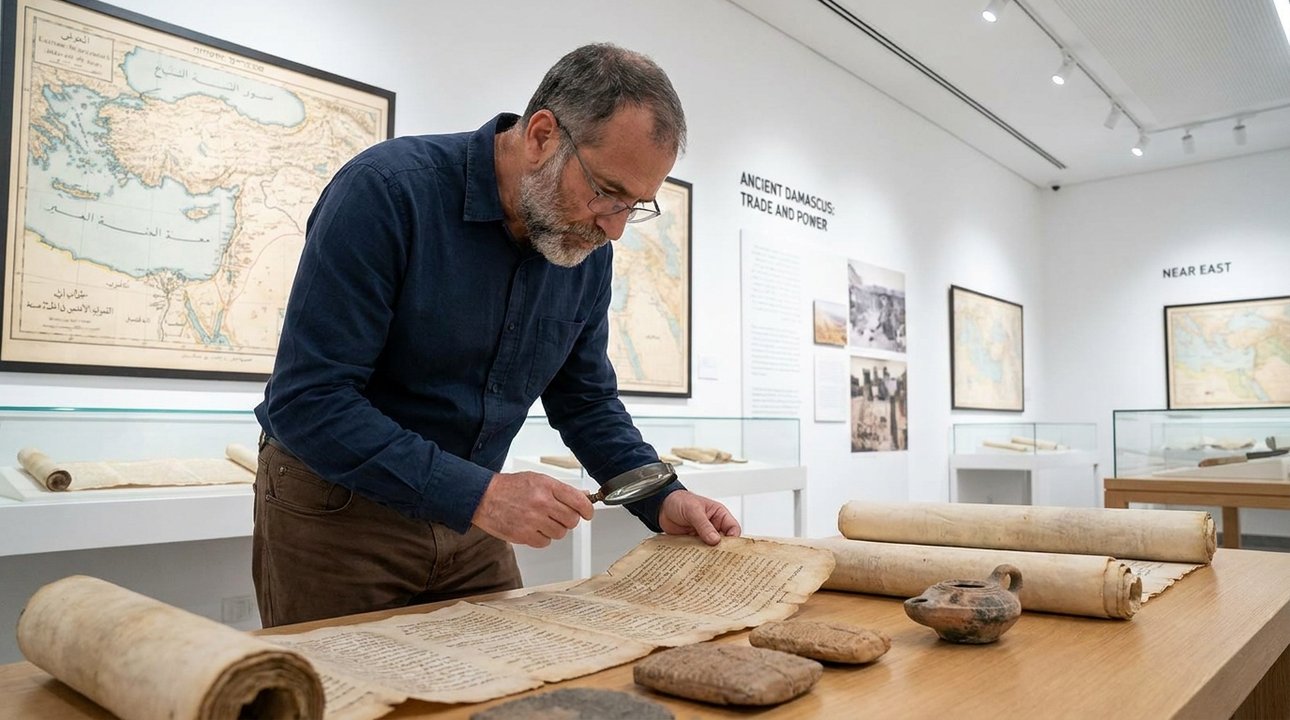
Damascus was a center of trade and power in the ancient Near East. Its place on the trade routes made it wealthy and important.
The biblical writers knew Damascus as the chief city of Aram, the Aramean kingdom to Israel’s north. That is why it appears so often in the story of Israel.
Damascus: A City of Historical Importance
Damascus is one of the oldest cities that people have lived in without a break. It stands in modern-day Syria. Signs of settlement there go back to about the 4th millennium BC. The first written mention of the city appears in Egyptian records from around the 15th century BC. Water made the site valuable. The Barada River fed gardens and farms in an otherwise dry region.
This steady water supply, together with its location on the trade routes, helped Damascus grow into a lasting center of commerce. Damascus sat at the crossroads of major trade routes. Goods moved through it between
Mesopotamia
,
Egypt
, and the coast. This position brought the city wealth and influence.
Because it controlled these routes, Damascus often played a leading role in the politics of the region. Damascus dealt often with its neighbors, including the kingdom of Israel. Sometimes they were allies, and sometimes they were at war.
These dealings are recorded across several books of the Bible, which show how closely the two regions were tied together.
Damascus in the Hebrew Bible
Damascus first appears in the Bible in Genesis 14:15. Abram chased the kings who had captured his nephew Lot. He pursued them as far as Hobah, north of Damascus.
The city comes up again in Genesis 15:2. There Abram speaks of Eliezer of Damascus, the servant who managed his household. Later, Damascus became the capital of Aram, an Aramean kingdom north of Israel. According to 2 Samuel 8:5-6, King David defeated the Arameans of Damascus. He placed soldiers in the city and made it pay tribute to Israel.
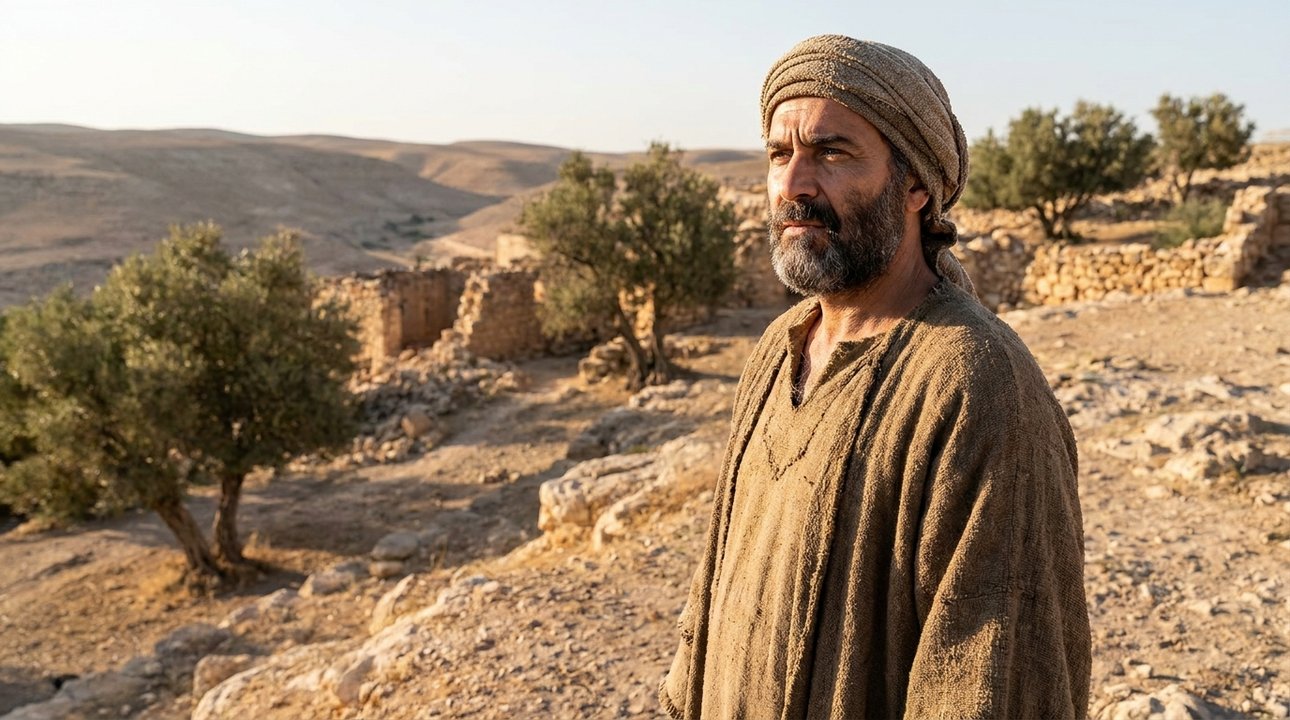
In the years that followed, the two kingdoms were often rivals. Aramean kings such as Ben-Hadad and Hazael appear many times in the books of Kings. One of the best-known stories is the healing of Naaman, told in 2 Kings 5. Naaman was the commander of the army of the king of Aram. He was a respected man, but he had a skin disease.
A captured Israelite girl told him about a prophet in Israel who could help. So Naaman traveled from Damascus to seek a cure. The prophet Elisha told Naaman to wash seven times in the Jordan River. At first Naaman was angry, but his servants urged him to obey. When he washed, the disease was gone.
The account shows the close, if uneasy, contact between Damascus and Israel. It also shows the role prophets played in these events.
Prophetic Mentions of Damascus
Several prophets speak about Damascus. They announce judgment on the city because of its conflicts with Israel.
Isaiah 17 opens with these words: Damascus will cease to be a city and become a heap of ruins. The prophet warns that the kingdom of Aram will lose its power. Other prophets give similar messages. Jeremiah 49:23-27 describes fear in Damascus and fire on its walls. Amos 1:3-5 also announces judgment on the city.
The Assyrian empire captured Damascus in 732 BC. Many readers connect that event with these warnings.
from the Western Wall to Masada.
Relevance of Damascus in Jewish Tradition
In the Hebrew Bible, Damascus stands for the Aramean kingdom that bordered Israel. Its kings and armies appear again and again in the history of the northern kingdom.
Because of this, Damascus became a familiar name in Jewish memory as a powerful neighbor to the north. The prophets also used Damascus as an example. Its rise and fall served as a lesson about power and its limits.
These passages kept the city present in later Jewish reading and teaching, long after the Aramean kingdom had ended. The stories about Damascus give a picture of the politics of the ancient Near East. They show shifting alliances between small kingdoms.
Damascus and Israel moved between war, treaty, and trade. The biblical account records these changes over several centuries. These accounts also record real contact between peoples. Messengers, soldiers, and traders moved between Damascus and Israel.
That ongoing exchange helps explain why Damascus appears in so many parts of the Bible.

Archaeological Insights
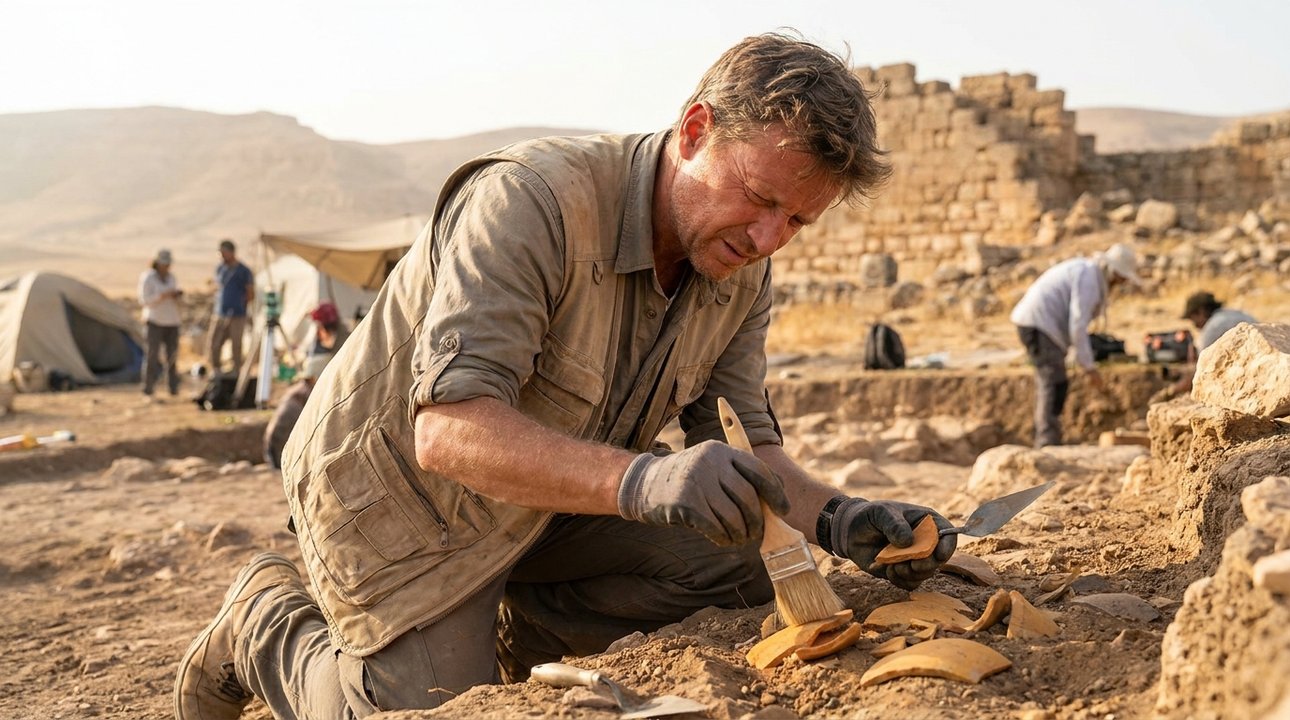
Archaeology supports the picture of Damascus as an ancient, important city. Finds in the region include pottery and inscriptions.
One important find is the Tel Dan inscription, set up by an Aramean king. It names the ‘House of David’ and matches the period of conflict between Israel and Aram described in the books of Kings. Because people have lived in Damascus without a break for so long, the oldest layers are hard to reach. Much of the ancient city lies beneath the modern one.
Still, records from Egypt, Assyria, and other neighbors mention Damascus. Together they confirm its long history as a trade and political center. These outside records line up with the biblical account. Both describe Damascus as the seat of an Aramean kingdom.
The match between the texts and the finds gives a clearer view of the city’s place in the ancient world. The evidence points to Damascus as a hub of trade for the whole region. Goods and people passed through it in every direction.
This role as a crossroads helps explain the city’s wealth and its long importance in the ancient Near East.
Damascus Today: A Historical Perspective
Damascus is still a living city and the capital of Syria. Its long history is one reason it draws interest around the world.
Knowing where Damascus appears in the Bible helps readers connect the ancient accounts with a place that still exists. For Bible readers, Damascus is more than a point on a map. It is the setting for several well-known accounts.
From Abram in Genesis to the prophets and the New Testament, the city runs through much of the biblical story. In the New Testament, Damascus is the setting for a famous account in Acts 9. Saul, who later became the apostle Paul, was traveling to Damascus.
On the way he was struck blind. A disciple named Ananias met him on a street called Straight, and Saul regained his sight. This account made ‘the road to Damascus’ a well-known phrase for a sudden change of heart. It also shows the city’s place in early Christian history.
So Damascus links the Hebrew Bible and the New Testament in one continuous story. In short, Damascus appears throughout the Bible. It is named in Genesis, in the books of Kings, in the prophets, and in Acts.
It served as the capital of Aram, a neighbor and rival of Israel. Its story helps explain the history of the region. Damascus stands out as one of the oldest cities on earth and a frequent name in the Bible. Its place on the trade routes shaped the history of the ancient Near East.
For readers today, tracing Damascus through the Bible gives a clearer sense of where these events happened.
