
The Historical Canaan: Modern Perspectives
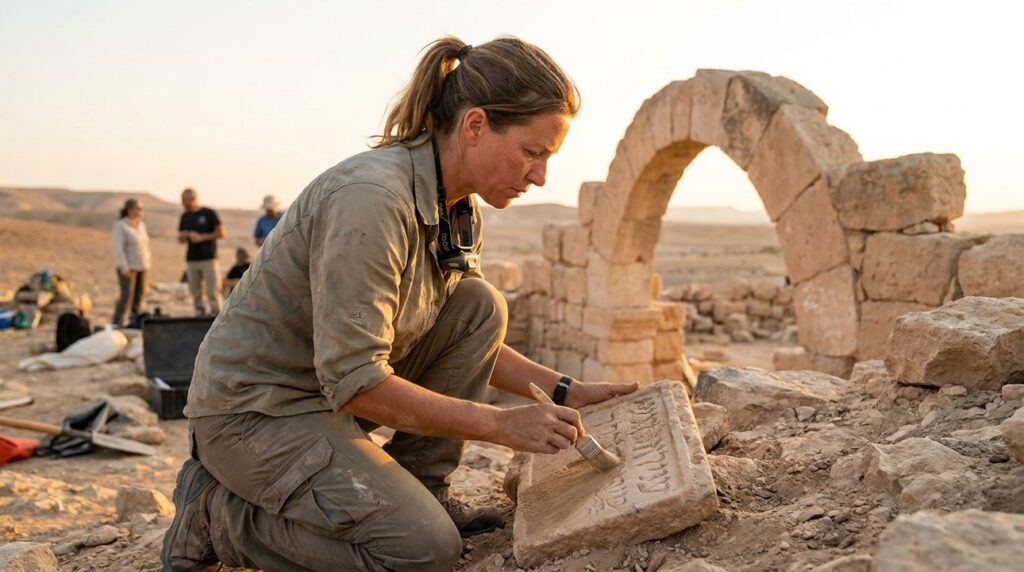

Today, the historical region of Canaan encompasses parts of Israel, Palestine, Lebanon, Jordan, and Syria. This area is notable for its rich history and cultural significance. Its location along the Mediterranean has facilitated trade and cultural exchanges, influencing the civilizations that developed here.
Historically, Canaan connected Egypt to the south with Mesopotamia to the north. Its strategic position attracted diverse cultures and was a target for conquest by empires like Egypt, Assyria, and Babylon. The fertile lands and access to the sea supported trade and agriculture, appealing to various peoples.
Historical Overview of Canaan
In historical texts, Canaan is portrayed as a land of promise and conflict. It stretched along the eastern Mediterranean coast, from Lebanon into Israel and westward into Jordan. Various ethnic groups and city-states thrived here. Rich and fertile, Canaan was vital for trade and agriculture. It was a significant destination for the Israelites, symbolizing prosperity. Descriptions of the land as flowing with milk and honey highlight its abundance.
Ethnic groups such as the Amorites, Hittites, and Jebusites contributed to Canaan’s cultural diversity. The promise of a land of milk and honey underscored its agricultural wealth, making it a coveted destination for the Israelites. This promise is central to the narrative of the Exodus, where the Israelites journey towards Canaan as a fulfillment of their ancestral covenant.
This portrayal has cemented Canaan’s significance in Jewish history and identity. The conquest by the Israelites, as narrated in historical texts, involved battles with established cities, including Jericho and Ai. The diverse cultures and religions influenced the Israelites, shaping the cultural and religious landscape, leaving a lasting impact on Jewish traditions and beliefs.
The victory at Jericho, where the walls famously fell after the Israelites marched around them for seven days, symbolizes the beginning of Israelite settlement in Canaan. The capture of Ai, following a strategic ambush, further solidified their presence in the land. These conquests were not just military victories but also spiritual journeys, representing the fulfillment of promises made to the patriarchs. The Israelites’ settlement marked a new chapter in their history, deeply influencing their cultural and religious identity.
Geographical Context of Canaan
Geographically, Canaan was strategically located. It bordered the Mediterranean Sea to the west, providing access to trade routes and naval transport. The Jordan River lay to the east, acting as a natural boundary. In the north, it extended into what is now Lebanon and Syria. Its southern reaches touched parts of Israel and Jordan. This area includes significant cities such as Jericho and Hebron, each with its own unique historical and cultural role.
Hebron, one of the oldest continuously inhabited cities, holds great historical and religious significance. The Cave of the Patriarchs, located there, is traditionally believed to be the burial site of significant figures, making it a revered location in Jewish tradition. Jericho, another ancient city, is known for its formidable walls and the account of their miraculous collapse. These cities illustrate the deep historical roots of Canaan and their lasting impact on Jewish heritage and identity.
Understanding the geography helps explain Canaan’s cultural diversity and its role in ancient regional politics. The varied landscapes supported different lifestyles, from coastal trade in places like Tyre and Sidon to agricultural communities in the Jordan Valley. The strategic position meant it was often a battleground for empires such as Egypt and Assyria, who sought control over its resources and trade routes. This dynamic history is reflected in the diverse archaeological remains found throughout Canaan, offering insights into the complex interactions of past societies.
The coastal cities of Tyre and Sidon were known for their trade networks, connecting Canaan with distant lands. The fertile Jordan Valley supported prosperous agricultural communities, contributing to the region’s economic vitality. The strategic location is often referenced, emphasizing its significance as a center of commerce and cultural exchange. This geographical diversity fostered a mix of cultural interactions, shaping the development of ancient societies in Canaan.
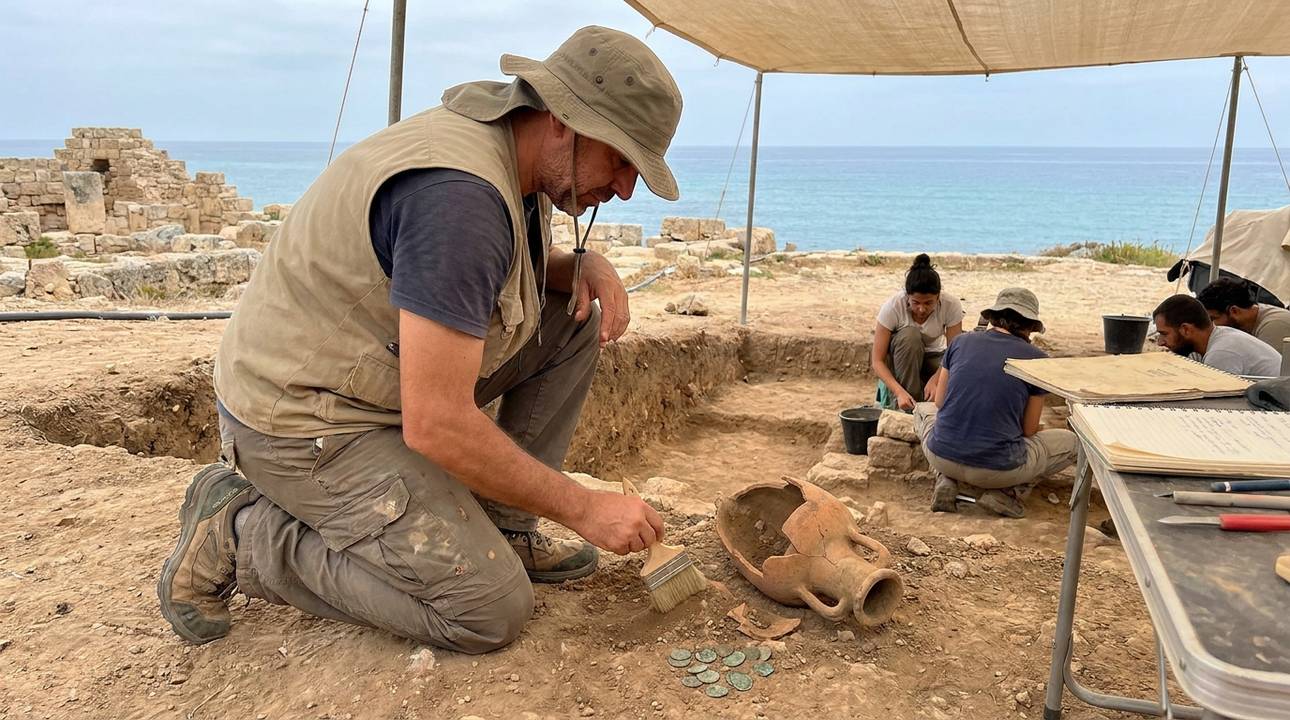
Transformation Through the Ages
Over centuries, Canaan underwent significant transformations. The Assyrians, Babylonians, and later the Persians conquered the area, integrating it into their empires. The Hellenistic period introduced Greek cultural influences after Alexander the Great’s conquests. Eventually, the Romans established control, incorporating Canaan into the Roman Empire as Judea. This blend of cultures left archaeological and historical footprints that provide insights into the lives and practices of ancient inhabitants and later successors. The land’s continuous evolution reflects broader historical shifts impacting the Eastern Mediterranean region.
The Assyrian conquest marked a significant turning point, leading to the exile of many inhabitants. The subsequent Babylonian exile further altered the demographic and cultural landscape of Canaan. These conquests introduced new cultural and administrative systems, reshaping the region’s identity. The influence of Greek culture during the Hellenistic period is evident in archaeological remains, highlighting the dynamic interactions between Canaan and its conquerors.
Present Day Locations in the Historical Canaan
Today, the lands once known as Canaan include parts of several modern nations. Israel and Palestine cover much of the southern areas, while northern parts extend into Lebanon and Syria. Cities such as Jerusalem and Beirut were once central urban areas. Today, they continue to be culturally and economically significant. Modern borders and socio-political realities have reshaped Canaan significantly from its past. Yet, the cultural legacy remains apparent in local traditions and historical narratives.
Jerusalem remains a focal point of Jewish identity and spirituality. Its ancient walls and sacred sites attract millions of visitors each year, seeking to connect with its storied past. Beirut, known for its cultural scene, reflects the historical richness of ancient cities. The city’s architecture and diverse population echo the multicultural tapestry that has characterized Canaan for millennia.
This transformation reveals how ancient regions adapt in contemporary global contexts. The history of these cities is reflected in their continued prominence in religious and cultural discussions. Jerusalem, for example, is a focal point for Jewish history and identity, with sites like the Western Wall drawing visitors worldwide. Beirut, with its history, remains a cultural center in Lebanon. The legacy of Canaan is a sign of its historical importance and the enduring nature of its cultural heritage.
The enduring influence is also seen in the modern cultural practices and traditions that trace their roots back to Canaan. From culinary traditions to linguistic influences, the impact of the culture is woven into the fabric of contemporary societies in the region. The persistence of these cultural elements highlights the legacy, demonstrating how historical societies continue to shape modern identities and cultural expressions.
Cultural Legacy in Modern Times
The legacy is visible in modern cultural practices and religious traditions. As an important historical land, Canaan features prominently in Judaism’s cultural landscape, symbolizing promise and historical identity. Relics like pottery, inscriptions, and fortifications provide valuable archaeological insights. These discoveries continue to inform our understanding of past societies and their interactions with neighboring cultures. Modern cultural references and archaeological research keep the history alive, offering educational opportunities and enriching cultural heritage. For many, Canaan remains a symbol of resilience, history, and identity, woven into the mix of modern Middle Eastern history.
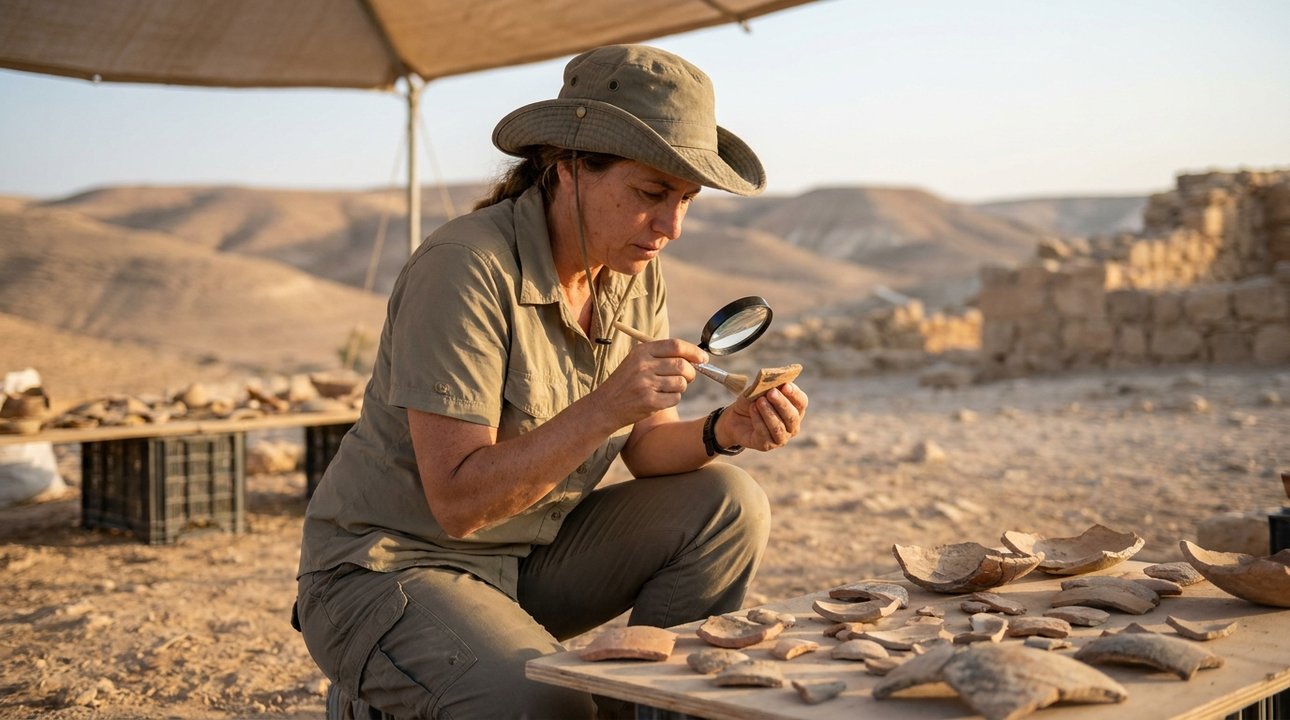
The Canaanites and Their Culture
The Canaanites were known for their bustling cities and skilled craftsmanship. They developed traditions, with evidence found in their religious rituals, language, and art. Their religion included numerous deities, with prominent gods like Baal and Asherah. These practices influenced neighboring cultures, including early Israelites. Their language, recorded in ancient inscriptions, provides a glimpse into their life and belief systems.
Canaanite art, characterized by intricate pottery and metalwork, reflects their advanced craftsmanship and aesthetic sensibilities. Excavations at sites such as Megiddo have uncovered artifacts that showcase the Canaanites’ artistic achievements. The religious rituals of the Canaanites, involving offerings and ceremonies, were integral to their society, influencing the religious practices of neighboring cultures. These practices are often highlighted, underscoring their impact on the region’s spiritual landscape.
The culture’s impact is seen in historical texts and modern archaeological findings, demonstrating its lasting importance in studying ancient societies. Artifacts such as pottery and tools reveal their technological advancements and trade connections. The influence extended to the Phoenicians, who were known for their maritime trade and the spread of the alphabet. This cultural transmission highlights the interconnectedness of ancient societies and the role of Canaan as a cultural and economic bridge.
The Phoenicians, direct descendants of the Canaanites, were instrumental in spreading the alphabet across the Mediterranean, influencing languages and writing systems used today. Tyre, a Phoenician city, was significant in trade and diplomacy. Archaeological discoveries in sites like Ugarit have uncovered tablets with one of the earliest known alphabets, illustrating the innovative spirit of the civilization and its enduring impact on human communication.
Uncovering Canaan’s History
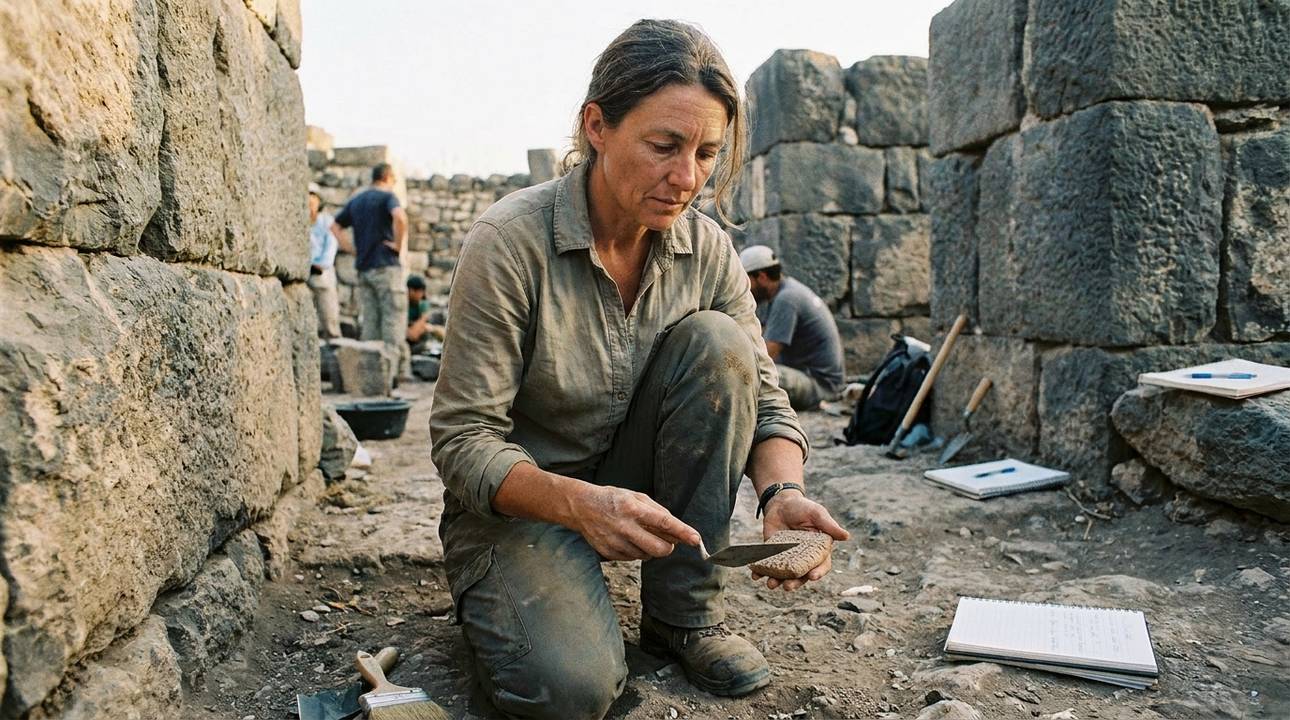
Archaeological explorations offer key insights into Canaan’s history. From city ruins to burial sites, findings illustrate the complexity of life. Projects such as excavations in Megiddo and Ugarit yield significant discoveries, revealing trade networks and detailed urban architecture. Megiddo was a major city-state with complex fortifications. Ugarit, known for the discovery of the Ugaritic texts, provides valuable information on religion and language. These efforts enhance our knowledge of Canaan’s interaction with neighboring areas, highlighting its economic and political roles throughout history.
The archaeological pursuit continues to uncover Canaan’s layered history, constructing a vivid picture of its past. Findings from cities like Jericho, one of the oldest inhabited cities, show advanced urban planning. These discoveries not only illuminate the daily life and governance of the inhabitants but also their interactions with empires such as Egypt and Mesopotamia. This ongoing research helps historians understand the broader historical context of the ancient Near East.
Excavations at Hazor, another prominent city, have revealed palaces and temples, indicating the city’s significance as a political and religious center. These archaeological findings provide a deeper understanding of the social structure and their role in the geopolitical landscape of the ancient world, offering a window into the complexities of their civilization.
Lev Haolam’s Connection to Canaan
Lev Haolam offers curated products that reflect the cultural influences of Canaan. Subscribers receive boxes with unique items, from artisanal foods to handcrafted goods, showcasing the area’s diverse cultural heritage. This connection provides a tangible link to Canaan’s history and cultural richness, allowing people to explore its legacy through carefully selected products.
Each Lev Haolam box presents an opportunity to experience the cultural diversity of Israel, offering products that tell the story of the land and its people. From olive oils crafted in the Galilee to ceramics inspired by historical designs, these items celebrate the creativity and dedication of local artisans. Subscribing to Lev Haolam provides unique gifts and a way to engage with the region’s vibrant cultural heritage.
Understanding the Modern Day Region
