
Or Aqiva Area Guide
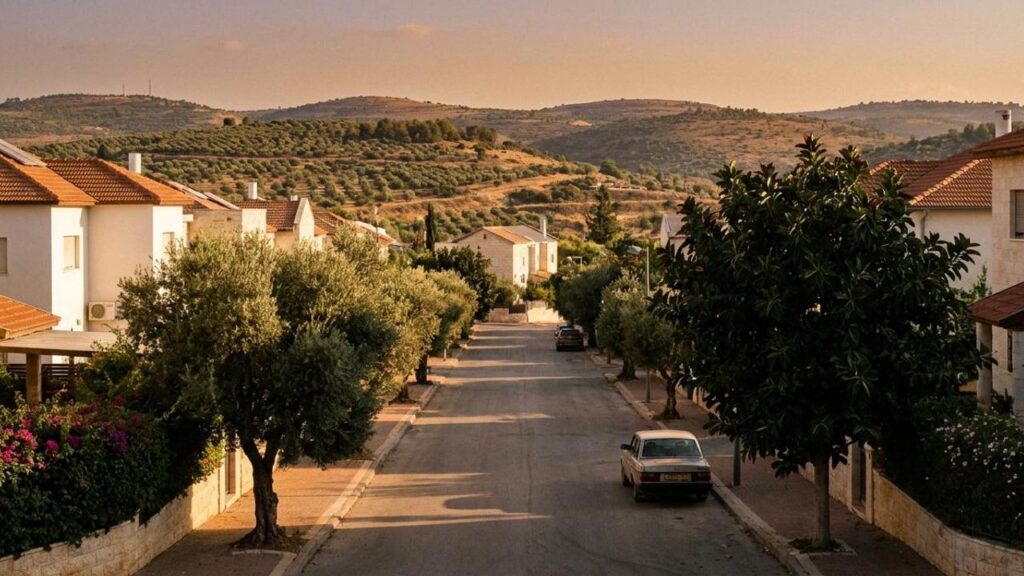

Or Aqiva is a small coastal city on Israel’s central-northern coastal plain with practical road links and a mix of older and newer residential areas. This guide covers its history, neighbourhoods, everyday life and practical information for people considering living there.
Or Aqiva at a Glance
City: Or Aqiva • Country: Israel • District: Haifa • Population: 25922 • Area: 3.539 km² • Nearest major city: Hadera • Distance: 8 km • Main transport connection: Highway 2 (Coastal Road) and regional bus links to the Binyamina railway station • Known for: Post-1948 development from a 1950s ma’abara into an industrial and residential city; proximity to Caesarea; local industrial areas and newer residential projects such as Or Yam • Historic origins: Modern town founded 1951 on lands that included the area of the Palestinian village Barrat Qisarya (depopulated 1948); the site lies on the coastal plain near the ancient port of Caesarea (Roman–Byzantine period)
Insider's Guide to Israel
and can't-miss places most tourists never find.

Where Is Or Aqiva?
Or Aqiva sits on Israel’s coastal plain within the Haifa District, a short distance inland from the Mediterranean. The town occupies a compact area of roughly 3.54 km2 between the sea and the agricultural hinterland.
Its closest urban neighbour is Hadera, located approximately 8 km to the south-west, while the archaeological and coastal site of Caesarea lies about 6 km to the northwest. Netanya is about 21 km to the south, Haifa around 39 km to the north and Tel Aviv-Yafo roughly 48 km to the south.
Geographically Or Aqiva is positioned between the coast and low-lying coastal ridges, making it a practical suburban location with easy access north and south along the coastal corridor.
History of Or Aqiva
The modern town of Or Aqiva was founded in 1951 as a ma’abara (transit camp) for new immigrants and later developed into a permanent municipal settlement. It was declared a city in the later decades of the 20th century as the locality expanded and local services grew.
The area has older layers of human activity nearby: it is situated on the coastal plain just inland from the ancient port of Caesarea, a significant Roman–Byzantine centre. During the Ottoman era the immediate coastal plain was occupied by rural villages and agricultural land.
The mid-20th century transition around 1948–1951 involved major demographic and administrative change, including the depopulation of the Palestinian village Barrat Qisarya prior to the establishment of the modern settlement. Since the 1950s Or Aqiva has evolved from a transit-camp origin into industrial and residential neighbourhoods, with notable recent residential projects such as Or Yam.
Or Aqiva Population
As of 2024 the population of Or Aqiva is 25,922. This figure reflects continued growth from earlier decades as the town expanded its housing stock and municipal services.
The city’s population is medium-sized by Israeli municipal standards and has grown since its founding in 1951, driven by waves of development and new residential neighbourhoods constructed in the late 20th and early 21st centuries.
What Is It Like to Live in Or Aqiva?
Life in Or Aqiva tends toward a suburban pace with a local community atmosphere. The town combines older, modest housing with newer apartment developments and planned neighbourhoods, offering a range of property types.
Infrastructure and local services cover essential daily needs: municipal schools and basic healthcare access, local shops and civic facilities such as a municipal library and cultural center. Larger or specialist services are commonly accessed in nearby Hadera or Haifa.
Transport connections are practical for regional travel: the town sits close to Highway 2 and has coordinated municipal and regional bus services that link residents to the nearest rail access at Binyamina. This makes commuting and occasional trips to larger cities feasible without requiring long daily drives.
Outdoor access is a feature of life here — Or Aqiva lies on the coastal plain near the Mediterranean, with local green spaces and new planned parkland in recent developments. The town is suited to residents who want a quieter residential setting with relatively straightforward access to regional hubs.
Areas and Neighbourhoods in Or Aqiva
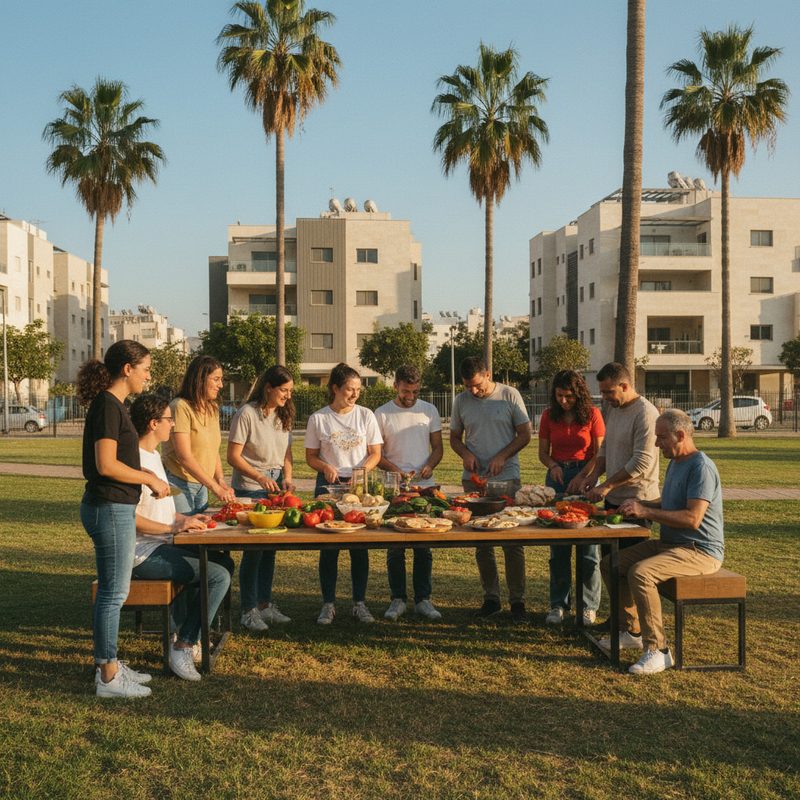
Or Aqiva contains a mix of established sectors and more recent developments. Neighbourhoods vary from older, lower-rise housing to newer apartment clusters; transport and local amenities are generally concentrated toward civic and commercial streets.
HaYovel
Location and character: HaYovel is one of the established residential sectors and reflects the town’s more mature housing stock.
Housing and transport: Expect predominantly lower-rise homes and apartment blocks with local bus links to central Or Aqiva and regional lines.
Who it suits: Families and long-term residents who prefer an established neighbourhood with an ingrained community feel.
Or Gardens
Location and character: Or Gardens has a residential character with green spaces and a family-oriented layout.
Housing and transport: Mixture of houses and apartments; local streets provide access to the town center and bus services.
Who it suits: Residents seeking quieter streets and proximity to community facilities.
Ben Gurion – Neve Alon – Kennedy
Location and character: This cluster of sectors includes some of the town’s central residential blocks and local commerce.
Housing and transport: Mostly mid-century apartment stock with convenient access to municipal services and bus routes.
Who it suits: Those who want easy walking access to schools, shops and civic amenities.
Neve Or
Location and character: Neve Or is a residential area reflecting gradual expansion over the decades.
Housing and transport: A mixture of modest family homes and low-rise apartments, served by municipal transport.
Who it suits: Families and residents seeking practical, affordable housing options within the town.
Nof Yam
Location and character: Nof Yam is closer to the coastal side of the town and relates to newer planning trends toward leveraging seaside proximity.
Housing and transport: Newer developments and planned constructions characterize this area, with road links to main routes.
Who it suits: Buyers attracted to newer builds and those prioritizing coastal access.
Shazar
Location and character: Shazar is another established residential neighbourhood with convenient proximity to municipal services.
Housing and transport: Predominantly low- to mid-rise housing with local buses connecting to the town center.
Who it suits: Long-term residents and families seeking a stable neighbourhood environment.
Rabin Gardens
Location and character: Rabin Gardens indicates planned green spaces and residential blocks around communal areas.
Housing and transport: Typically family-oriented housing and access to local roads and bus lines.
Who it suits: Residents who value nearby open space and community amenities.
Orot
Location and character: Orot includes the town’s principal shopping area and civic amenities such as the Orot Shopping Mall.
Insider's Guide to Israel
and can't-miss places most tourists never find.
Housing and transport: A practical sector for day-to-day life with good pedestrian access to municipal services and transport links.
Who it suits: People who want to be close to retail, cultural facilities and the municipal core.
Or Yam
Location and character: Or Yam is a recent development scheme and represents the town’s newer residential expansion.
Housing and transport: Composed of modern apartment buildings and planned parkland; road access connects to main routes and bus services.
Who it suits: Buyers seeking contemporary construction and families looking for upgraded communal facilities.
Education in Or Aqiva
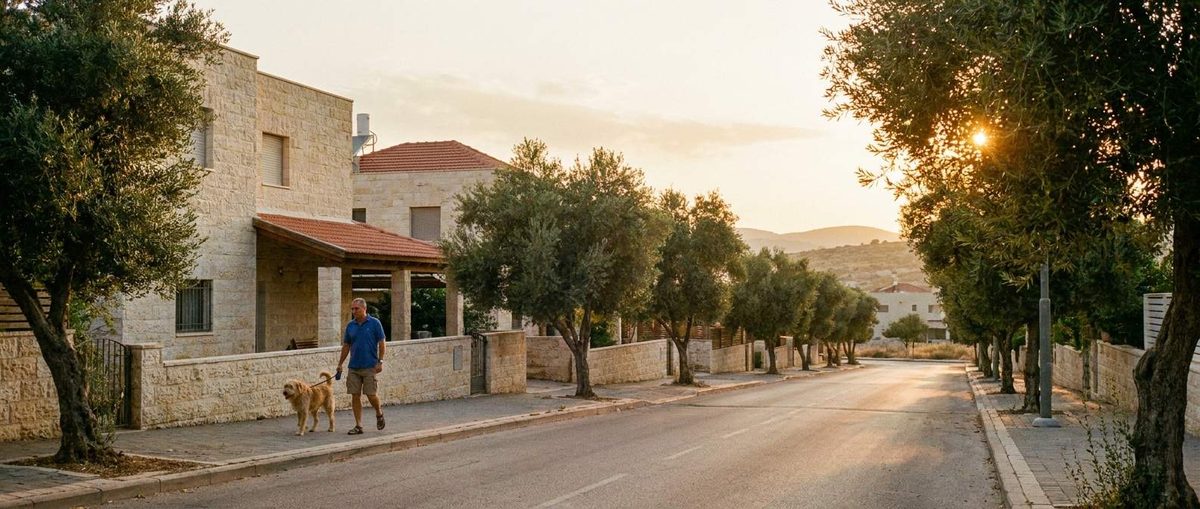
Or Aqiva operates a municipal education network of elementary and secondary schools, and the municipality reports ongoing investment in education. Older municipal statistics cited roughly ten schools and around 2,400 students, indicating a substantial local school-age population.
For higher education and specialised post-secondary options residents typically travel to nearby cities. Universities and colleges are accessible in Haifa and in the Tel Aviv metropolitan area, reachable by road or rail from the region.
Local educational services include standard Israeli primary and secondary state schools, with municipal coordination of youth and community educational programs.
Transport and Connectivity
Road: Or Aqiva’s main road connections are Highway 2 (the Coastal Road) and Route 4, which provide direct north–south access along Israel’s coastal corridor. By road it is approximately 48 km to Tel Aviv (typically around 50 minutes depending on traffic) and about 39 km to Haifa (approximately 40 minutes).
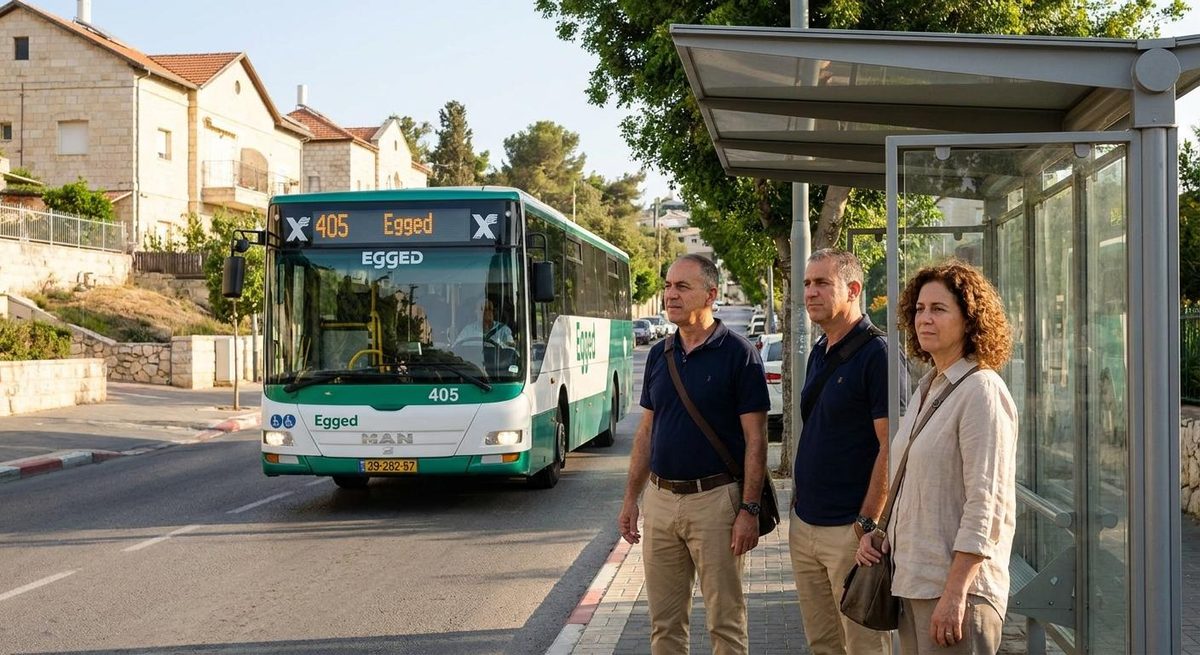
Rail and buses: The town does not have its own intercity railway station; the nearest major passenger rail point is Binyamina railway station, which offers direct intercity services to Tel Aviv and Haifa. Municipal and regional bus services link Or Aqiva to Binyamina, Hadera, Netanya and other nearby towns.
Airport and travel times: Ben Gurion Airport is approximately 54 km away by road. Regular regional bus routes and private-car travel make airport access feasible for occasional trips.
Car-free feasibility: While local shopping and schools are walkable in central sectors, many residents rely on private cars for convenience, commuting and accessing a wider range of services. Public transport provides a reasonable alternative for regular travel to nearby rail and urban centres.
Nature and Outdoor Spaces
Or Aqiva lies on the Mediterranean coastal plain and is a short distance from beaches and coastal landscapes around Caesarea. The proximity to the sea and the low coastal ridges gives residents access to shoreline recreation and regional coastal trails.
Within the town there are local green spaces and planned parkland incorporated into newer developments such as Or Yam. The wider area includes agricultural land and natural coastal vegetation characteristic of the region.
Amenities and Things to Do in Or Aqiva
Key local amenities include Orot Shopping Mall, the Or Aqiva Cultural Center and the municipal library, which provide most day-to-day retail and cultural needs. Local industrial parks and factories are significant employers and shape the town’s daytime economy.
For leisure and tourism, the immediate attraction is the proximity to Caesarea National Park and its archaeological sites and beaches. Residents commonly visit nearby Hadera, Netanya and Haifa for larger shopping centres, medical specialities and wider cultural programming.
Community sports facilities, municipal events and smaller local eateries and shops provide routine social and recreational life. Healthcare access is available locally for basic needs, with more specialised care in nearby regional hubs.
Cities and Towns Near Or Aqiva
Or Aqiva is part of a compact cluster of coastal towns and regional centres along the central Israeli coastal strip. Several nearby cities provide immediate services, commuting opportunities and leisure destinations.
Nearby cities and towns: Hadera — 8 km, approx. 12 min; Caesarea — 6 km, approx. 10 min; Netanya — 21 km, approx. 25 min; Haifa — 39 km, approx. 40 min; Tel Aviv-Yafo — 48 km, approx. 50 min.
Advantages of Living in Or Aqiva
Practical coastal location: Short distances to the Mediterranean and regional centres like Hadera and Caesarea make the town convenient for seaside access and day trips.
Reasonable regional connectivity: Proximity to Highway 2 and bus links to the Binyamina railway station provide options for commuting to Tel Aviv, Haifa and other cities.
Mix of old and new housing: The town offers a range of property types from older homes to modern apartment developments such as Or Yam, suiting different budgets and household types.
Community services: Local civic facilities — including a cultural center, municipal library and shopping mall — support daily life without always needing long trips to larger cities.
Things to Consider Before Moving to Or Aqiva
Limited speciality services locally: For some specialist healthcare, higher education or extensive retail choices residents commonly travel to Hadera, Haifa or Tel Aviv.
Transport dependence: While regional bus links are available, many residents use private cars for convenience, especially for commuting outside peak routes. The town does not have its own intercity rail station.
Size and scale: Or Aqiva is compact in area, which can limit options for very large properties or extensive urban amenities compared with larger nearby cities.
Who Is Or Aqiva Best For?
Families
Families will find municipal schools, community facilities and a range of housing options; the town’s neighbourhoods offer family-oriented environments and nearby outdoor spaces.
Commuters
Commuters who value road access to the coastal corridor and rail connections via nearby Binyamina can use Or Aqiva as a practical base for travel to Tel Aviv, Haifa and other regional centres.
Young Professionals
Young professionals who prefer more affordable or newer apartment living and who work in nearby cities may appreciate Or Aqiva’s balance of housing and regional accessibility.
Retirees
Retirees seeking a quieter coastal-suburban life with local services and proximity to seaside attractions may find Or Aqiva appealing, while relying on nearby cities for specialist medical care if needed.
