
The Intriguing Role of Baal Peor in the Bible
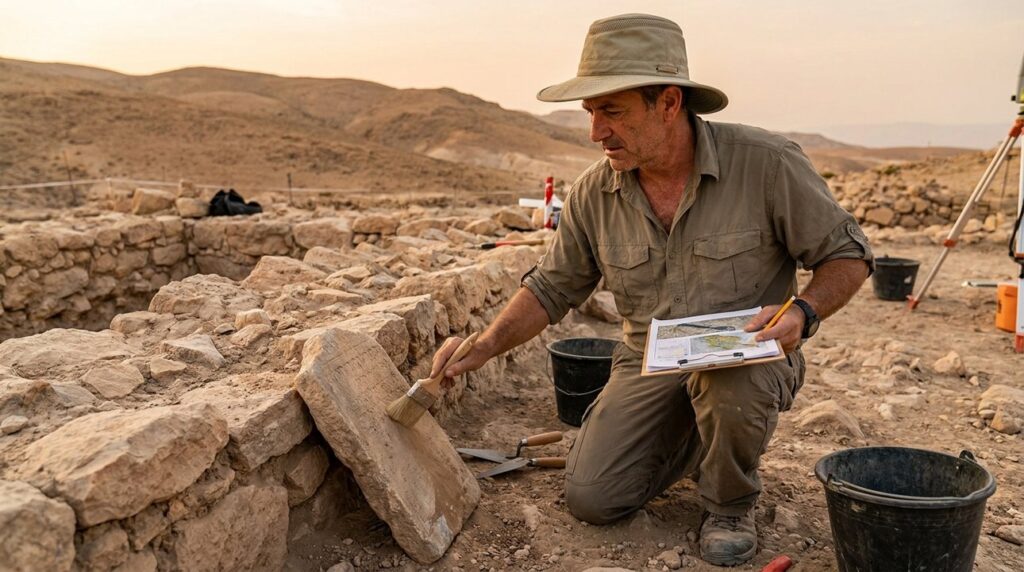

Baal Peor is a prominently featured site in historical texts, particularly in the Book of Numbers. It is known for its role in the events involving the Israelites and the worship of foreign deities, specifically in a narrative where the Israelites began to engage in idolatry with the Moabites.
This article explores the events surrounding Baal Peor and its portrayal in ancient texts. The site is often associated with the worship of the Moabite god, Baal, which was a direct violation of the Israelite covenant.
The worship of Baal Peor was characterized by rites that starkly contrasted with Israelite religious practices. This divergence is highlighted in historical accounts, where the Israelites are reminded of the consequences of their actions at Baal Peor.
These events serve as a cautionary tale about the allure of foreign customs and the importance of adhering to one’s commitments. The occurrences at Baal Peor underscore the ongoing struggle to maintain cultural identity in the face of external pressures.
from the Western Wall to Masada.

What Is Baal Peor?
Baal Peor refers to both a Moabite god and the location associated with its worship. It appears primarily in the Torah, specifically in the Book of Numbers. While it may seem like just another geographical mention, its importance in historical accounts is significant.
The name ‘Peor’ is linked with a mountain in Moab, and directly with the worship practices of the local people. The deity Baal Peor was associated with licentious rites, contrasting starkly with the religious ethos of Israel.
The episode involving Baal Peor is a turning point for the Israelites during their wilderness journey, underlining themes of faith and fidelity.
The worship of Baal Peor is often cited as a cautionary tale about the dangers of cultural assimilation. In a narrative, the Israelites’ engagement with Moabite practices is depicted as a significant breach of their covenant.
These events underscore the importance of maintaining identity amidst foreign influences. The account of Baal Peor serves as a reminder of the ongoing challenges faced by communities in preserving their traditions and beliefs.
Location and History of Baal Peor
Baal Peor was situated in the region of Moab, on the east side of the Jordan River. This area was inhabited by the Moabites, known for their distinct cultural and religious practices. The Israelites, during their journey, encountered this site while camped in Moab.
Historically, Baal Peor represents the cultural and religious challenges faced by the Israelites. It serves as a backdrop for one of the most critical trials of their journey. In a narrative, the Israelites began to engage in idolatry with the Moabites.
This incident at Baal Peor is pivotal, illustrating the tension between maintaining religious identity and succumbing to external influences. The Moabites, led by King Balak, were wary of the Israelites and sought to undermine them through cultural assimilation. The site thus became a symbol of the struggle to remain faithful to the covenant. The Israelites’ experience here is a sign of the enduring challenge of preserving one’s beliefs amidst foreign customs.
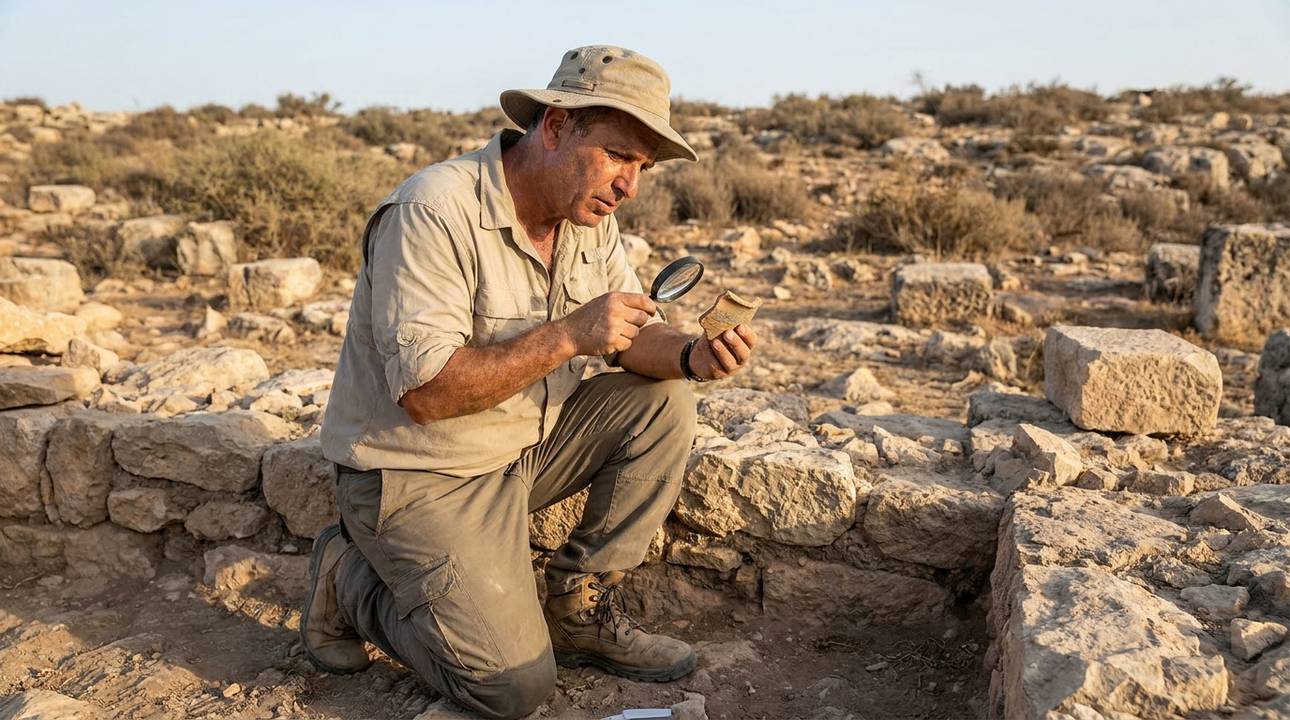
The Historical Account of Baal Peor
The account of Baal Peor is dramatically told in Numbers 25. Here, the Israelites, tempted by the allure of Moabite culture, engage in the worship of Baal Peor. This act of idolatry angered God, leading to a devastating plague among the people.
The narrative highlights a clash between divine commandments and human temptation. The sin at Baal Peor illustrates the recurring theme of Israel’s struggle with faithfulness to their covenant.
At the heart of this tale is a test of loyalty, illustrating consequences for deviation from religious commandments. The events at Peor underscore the importance of unwavering faith in periods of trial.
Consequences of the Sin of Peor
The repercussions of the sin committed at Baal Peor were severe. A plague descended upon the Israelites, causing significant loss of life, as recorded in a narrative where 24,000 perished. The incident emphasized the strict expectations of the covenantal relationship between God and His people.
It was only through the decisive action of Phinehas, a key figure, that the plague was halted. His act of zeal in confronting the idolatry became a symbol of returning to covenantal fidelity. Phinehas’s actions are praised in historical accounts, where he is rewarded with a covenant of peace.
Phinehas’s intervention is celebrated in Jewish tradition as a model of righteous zeal. His actions are seen as a turning point, restoring the community’s commitment to their covenant.
His legacy is often cited in discussions about the role of individual action in upholding communal values. Phinehas is a reminder of the impact that one person’s dedication can have on the broader community.
Baal Peor in Jewish Tradition
In later Jewish tradition, Baal Peor represents an archetype of moral and spiritual decline. The episode is frequently referenced in rabbinical literature as a cautionary example of the dangers of straying from religious commitments. In the Talmud, it is used to illustrate the consequences of idolatry and immorality.
These accounts reflect broader lessons on integrity and moral resilience, serving as a teaching tool in various rabbinical commentaries. They remind us of the importance of maintaining one’s faith and values, even when faced with external pressures and temptations.
from the Western Wall to Masada.
The Talmudic references to Baal Peor emphasize the importance of community vigilance against moral decay. The rabbis often used these stories to discuss the collective responsibility in upholding spiritual standards.
This narrative is not merely historical but serves as a living lesson in Jewish ethics. It underscores the necessity of community support in fostering an environment where faith can thrive despite challenges.
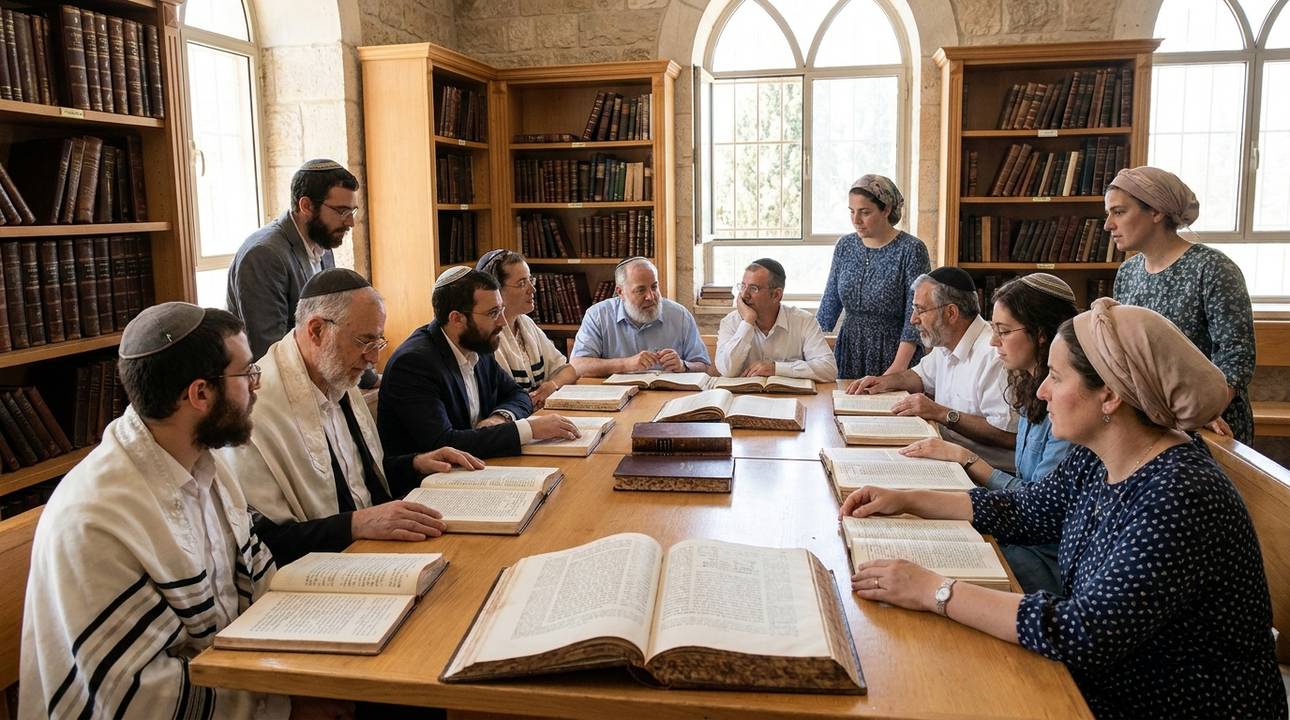
Modern Reflections on Baal Peor
While Baal Peor is set in an ancient context, its themes resonate today. These accounts capture concerns around maintaining faith and identity within broader cultural dynamics. In a narrative, the Israelites’ struggle with foreign influences is detailed, highlighting the challenges of staying true to one’s beliefs.
Modern interpretations often focus on the universal struggle between adhering to convictions and the allure of surrounding influences. They serve as a reminder of the enduring relevance of these ancient stories, emphasizing the importance of cultural and spiritual integrity.
Baal Peor is often used in contemporary discussions about cultural assimilation and the preservation of identity. It highlights the tension between engaging with the broader world and maintaining distinct cultural and religious practices.
This narrative encourages reflection on how communities can support individuals in their spiritual journeys, ensuring that external influences do not erode core values.
Lessons from Baal Peor Today
Baal Peor continues to be explored for its moral teachings. It urges reflection on personal commitments and the importance of community in maintaining shared values. These lessons are often linked to historical teachings, where the Israelites are reminded of the consequences of their actions at Baal Peor.
By revisiting these stories, individuals find inspiration in confronting modern-day challenges, drawing from the lessons of conviction embodied by past generations. This reflection encourages a deeper understanding of how ancient narratives can guide current moral and ethical decisions.
The lessons from Baal Peor are particularly relevant in today’s fast-paced world, where values are constantly tested. These accounts serve as a call to action for individuals to examine their own commitments and the role of community in supporting those commitments. Through the lens of Baal Peor, we are reminded of the power of shared history in shaping ethical behavior and fostering a sense of belonging.
Conclusion
Baal Peor’s significance in historical texts highlights a crucial episode of faith and its trials. These accounts encapsulate themes of devotion, moral challenges, and the steadfastness required to overcome such obstacles. In historical narratives, the incident is revisited, emphasizing the lasting impact of the events at Baal Peor.
Exploring these narratives offers insights into the journey of the Israelites and provides modern readers with reflections on personal faith. They stand as a reminder of the values essential to sustaining a cohesive community, highlighting the importance of faithfulness and communal integrity.
The events at Baal Peor are a sign of the enduring struggle between faith and external pressures. These narratives are still remembered in discussions about the role of tradition and the importance of community support in maintaining spiritual integrity. Baal Peor serves as a powerful example of how ancient stories can inform contemporary discussions about identity and values, providing a framework for navigating modern challenges.

Understanding Baal Peor
