Discover the Historical Name for Syria: Aram
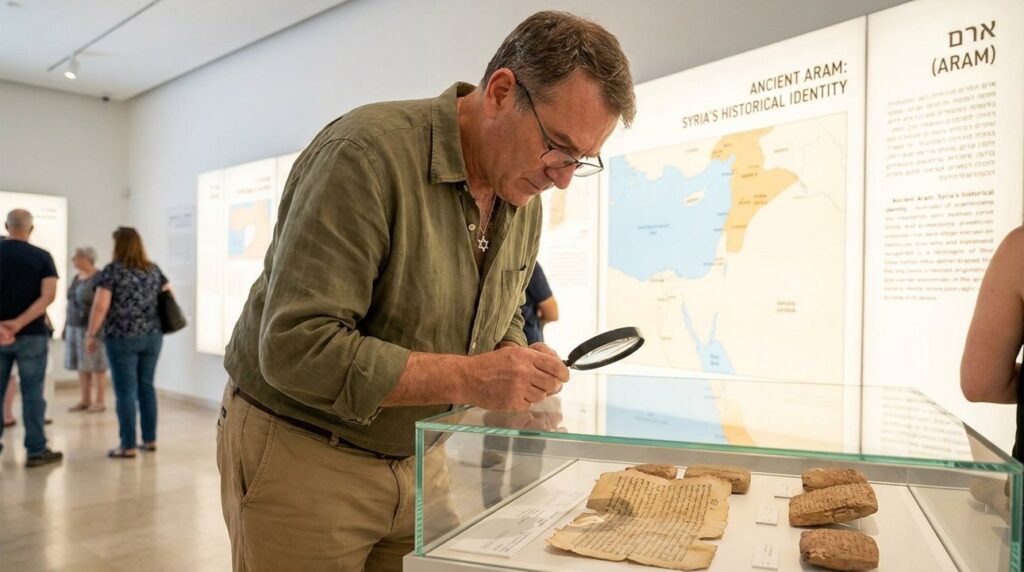

Syria, referred to as Aram in ancient texts, holds significant historical importance. Aram is mentioned in various records, notably in ancient genealogies, where it is listed among the descendants of Shem, one of Noah’s sons. This region was known for its city-states like Damascus, a central location in many historical stories. The influence of Aram extended into various aspects of life, including language, as Aramaic became a lingua franca in the ancient Near East. It was even spoken by figures such as Daniel.
__INTRO__ Aram’s significance is highlighted in historical narratives, such as the story of Naaman, where the
from the Western Wall to Masada.

Aramean
commander seeks healing. Damascus played a key role in these stories, illustrating the region’s strategic importance. The widespread use of Aramaic underscores the cultural influence of Aram. This language facilitated communication and administration across diverse empires, leaving a lasting legacy. Aram’s impact on historical narratives is profound, with its people and places playing key roles in the unfolding stories. For instance, in ancient battles against the Arameans, the region’s strategic importance is illustrated. These interactions shaped the political and cultural landscape of the time. The legacy of Aram continued to influence subsequent history, as its cultural and linguistic contributions left a lasting imprint on the region. Understanding Aram’s role in history helps us appreciate the complex mix of the ancient Near East. The strategic importance of Aram is further highlighted through stories like that of Naaman, an Aramean commander. These narratives illustrate the region’s influence on Israel and its neighboring territories. Aram’s cultural contributions, particularly through the spread of the Aramaic language, are evident in its use in historical texts. This linguistic legacy underscores Aram’s lasting impact on the cultural and historical development of the ancient Near East.
Aram in Historical Context
The name Aram frequently appears in historical texts, signifying a region and people of great influence in the ancient Near East. Known today as Syria, this area included important city-states like Damascus and Hamath. Stories about Naaman highlight Aram’s significance in historical narratives. Arameans maintained complex interactions with Israel, sometimes as allies and other times as adversaries. These relationships are documented in various historical accounts, where victories over them are described. The Arameans’ influence extended beyond their military prowess, impacting trade and cultural exchanges. Damascus, for example, was a major hub for commerce and interaction. This strategic location allowed Aram to play a pivotal role in the region’s history. By examining these interactions, we gain a deeper understanding of Aram’s role in shaping the ancient Near East. The stories of figures like Naaman and the alliances and conflicts they were involved in provide valuable insights into the complexities of the time. Damascus, mentioned as the home of Naaman, a commander in the Aramean army, illustrates its importance in historical narratives. Its strategic position facilitated trade and cultural exchanges, making it a key player in regional dynamics. The alliances and conflicts involving Aram, such as those with Israel, highlight the region’s complex political landscape and underscore the significant role Aram played in shaping the history and culture of the ancient Near East. In the Tanakh, Aram is seen as a cultural and linguistic powerhouse. The Aramaic language, originating here, became the lingua franca of the region. This enduring influence is reflected in portions of the Bible written in Aramaic, like certain sections of Daniel. Geographically, Aram included territories extending from the Euphrates in Mesopotamia to the Mediterranean coast. This strategic position made it a center of commerce and political power in the ancient world, influencing trade routes and cultural exchanges. The strategic location of Aram is evident in its historical interactions with powerful empires like Assyria and Babylon. The region’s influence is also seen in its linguistic contributions, as Aramaic was adopted by these empires for administrative purposes. The use of Aramaic in historical texts further underscores its significance. Aram’s position as a cultural and commercial hub allowed it to play a pivotal role in shaping the political dynamics of the ancient Near East, with its cities serving as vital centers for trade and diplomacy.
from the Western Wall to Masada.
History of Aram
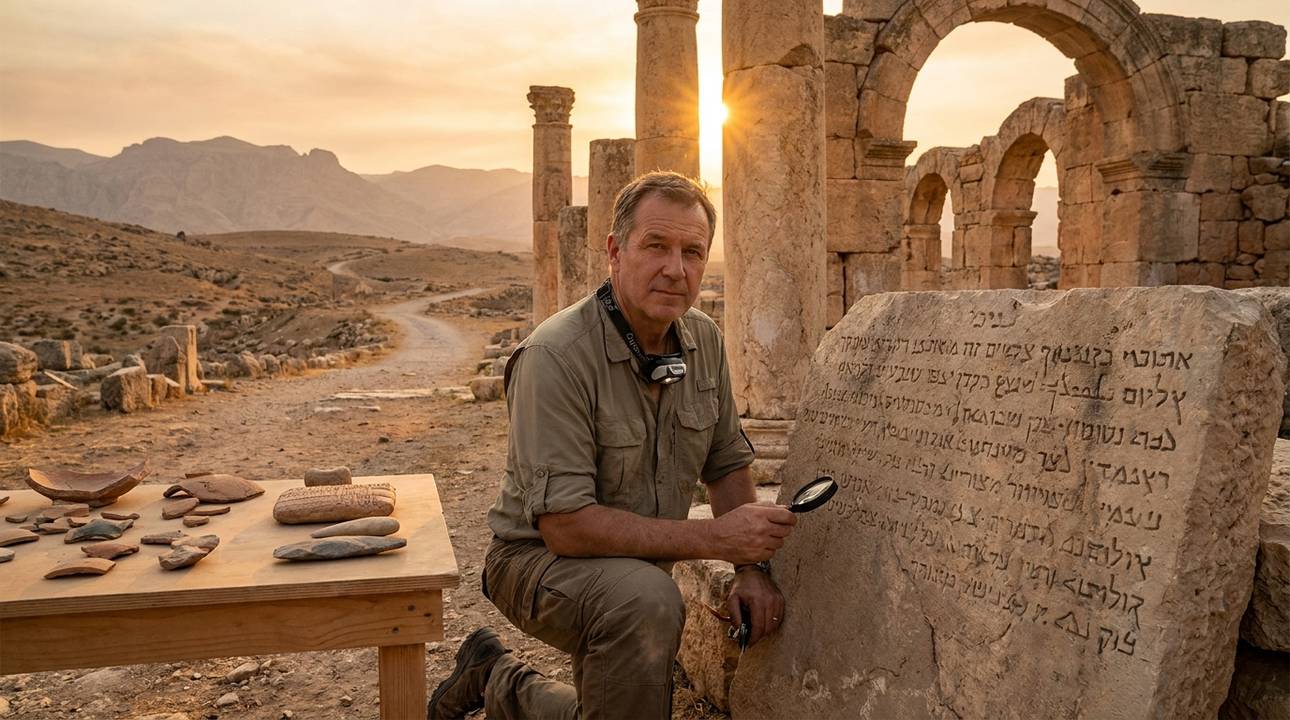
Aram’s history is highlighted by its frequent mentions in Assyrian and Babylonian records. These texts document Aram’s interactions with neighboring powers, including alliances and conflicts that shaped the region’s history. The encounters between the kings of Aram and Israel reveal intricate dynamics that influenced the ancient Near East. The interactions between Aram and Israel were multifaceted, involving both cooperation and conflict. Known for their skilled charioteers, the Arameans played a significant role in regional military affairs. Their strategic location made them key players in the power struggles of the time. Beyond warfare, Aram’s influence extended to trade and cultural exchange. Damascus, for example, was a major center for commerce and interaction. These connections highlight the importance of Aram in the broader historical context of the ancient Near East. Historical accounts recount various conflicts between Aram and Israel, illustrating the military prowess of the Arameans. Their strategic location enabled them to exert significant influence over regional politics. In addition to military engagements, Aram’s role in trade and cultural exchange further cemented its importance in the ancient Near East. As a commercial hub, Damascus facilitated the flow of goods and ideas, contributing to the region’s cultural richness and diversity. Aram’s interactions with Israel were complex and multifaceted. At times, they were allies, as seen in various treaties, while at other times, they engaged in conflicts. The skilled Aramean charioteers and their strategic location contributed to their formidable military presence. Their influence extended beyond warfare, impacting trade and cultural exchange. Bethsaida, identified with the New Testament city, was a notable Aramean settlement, illustrating their lasting presence in the region. Historical records note alliances between Aram and Israel, such as treaties that facilitated trade and cultural exchange. These interactions highlight the complex relationship between the two regions. The Arameans’ influence is also evident in their impact on language and culture, with Aramaic becoming a widely spoken language in the region. This linguistic legacy underscores the enduring cultural contributions of Aram, as seen in the continued study and use of Aramaic in historical texts. The Arameans’ interactions with Israel were not limited to military engagements. Their cultural and economic exchanges played a significant role in shaping the region. For example, Aramaic became a widely spoken language, influencing communication across the Near East. These interactions, whether through conflict or cooperation, highlight the dynamic nature of Aram’s relationship with Israel. The legacy of these exchanges is evident in the shared cultural and historical narratives that continue to resonate today. Historical records note various interactions between Aram and Israel, such as alliances that facilitated trade and cultural exchange, enriching both societies. The influence of Aramaic is seen in its adoption as a common language, which bridged cultural divides and facilitated communication, playing a crucial role in the region’s historical development and contributing to its culture.

Cultural Contributions of Aram
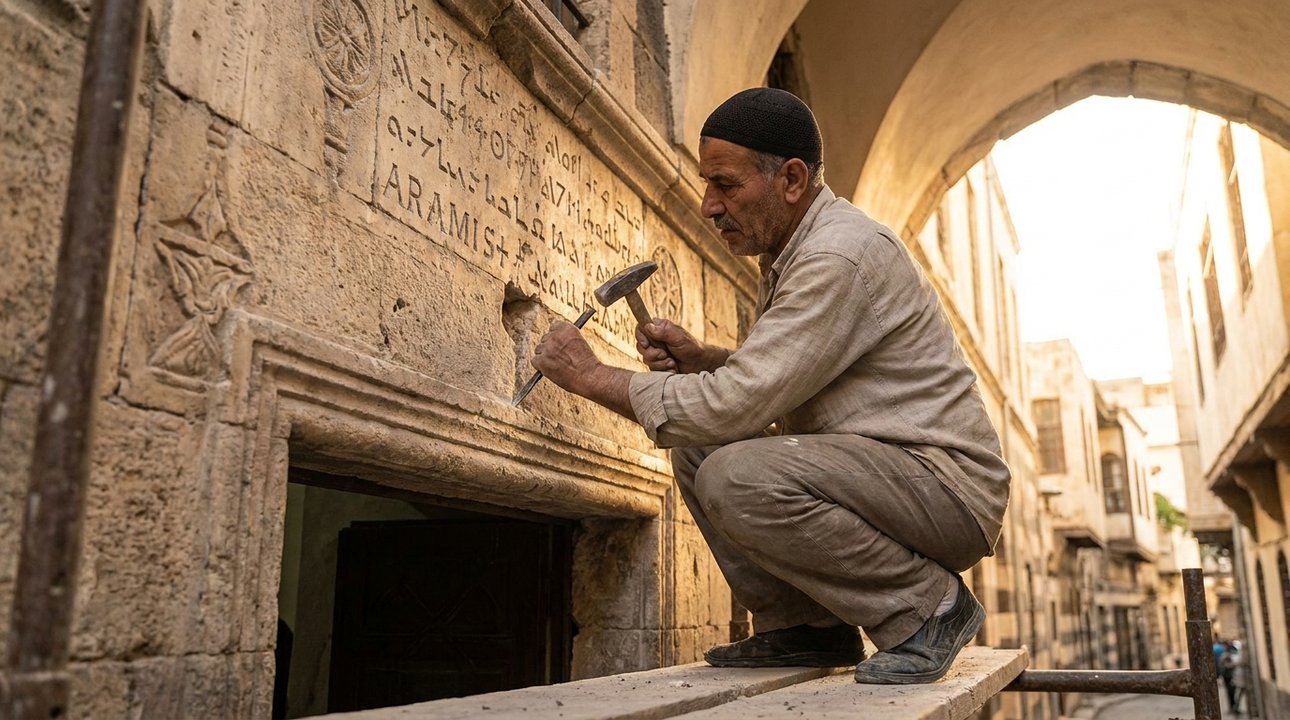
The Arameans made substantial contributions to culture, particularly through the spread of the Aramaic language. This language was spoken by various peoples, including the Jews, and became significant in later Jewish texts. Aram’s artisans were known for their work in metals and textiles, marking a cultural influence seen in neighboring regions. Trade routes that crossed through Aram facilitated the exchange of ideas and goods across a vast area, enhancing their cultural and economic influence. The significance of Aramaic is highlighted in historical texts, where it served as a language of diplomacy and commerce. The craftsmanship of Aramean artisans, especially in metalwork, was highly prized and contributed to their economic prosperity. These artisans played a crucial role in trade networks, exchanging goods like textiles and metals, which were sought after in regions as far as Egypt and Mesopotamia, showcasing Aram’s extensive reach. The culture of Aram was characterized by its synthesis of diverse elements, reflecting interactions with Hittites, Assyrians, and Babylonians. Religious practices in Aram included worship of deities like Hadad, whose name appears in several historical texts as the god of storms and rain. This landscape fostered unique artistic and architectural developments. Cities like Damascus became centers not only of commerce but also of artistic expression and innovation. Damascus, known for its beauty and strategic importance, was a hub for traders and artisans, contributing to a culture. The Arameans’ interactions with neighboring civilizations enriched their architectural styles, seen in the remnants of ancient structures. These cultural exchanges also influenced their religious practices, as seen in the adoption and adaptation of various deities and rituals, creating a unique spiritual landscape that left a lasting impact on the region.
Aram in Modern Understanding
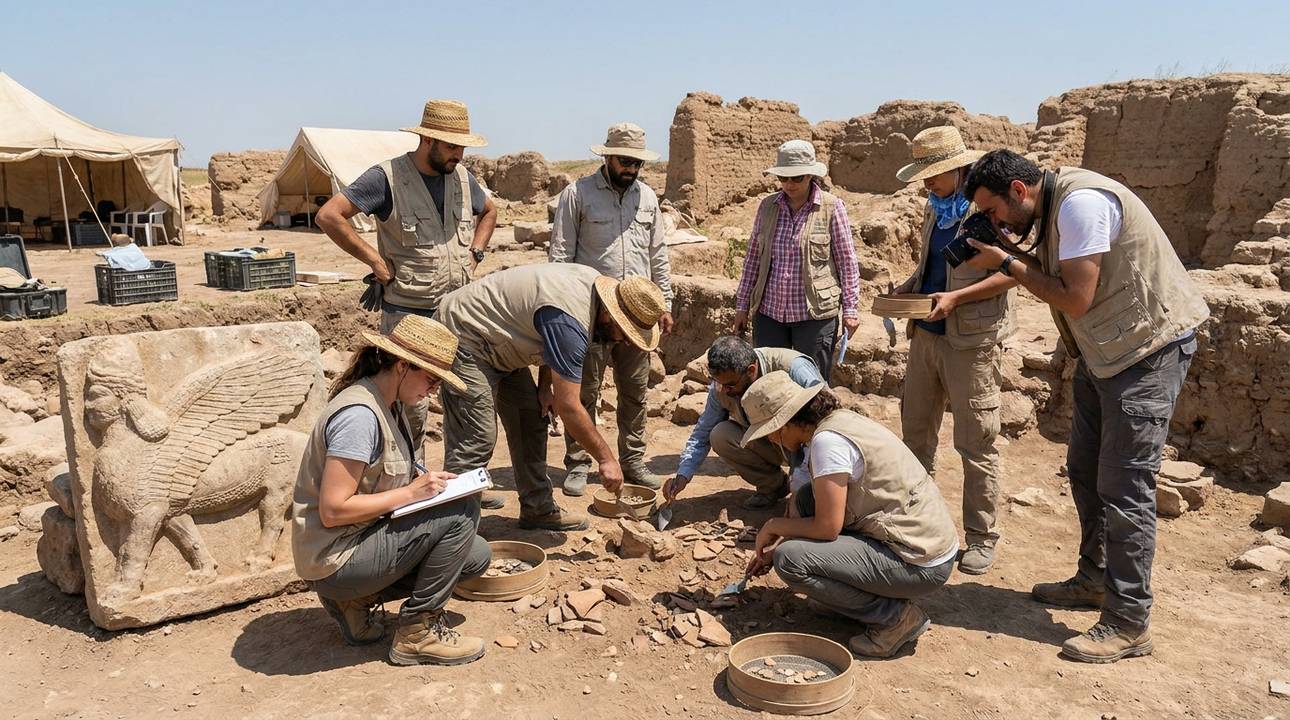
Modern archaeology has been instrumental in uncovering the history of Aram, providing insights into its urban and rural landscapes. Excavations at sites like Tell Halaf have revealed valuable information about life in ancient Syria, including economic activities and trade networks. These findings highlight the advanced infrastructure and urban planning present in Aramean cities. The discovery of artifacts and architectural remains offers a glimpse into the daily lives of the Arameans and their interactions with neighboring cultures. The archaeological site of Tell Halaf, once a thriving Aramean city, has provided significant insights into the region’s history. Discoveries include intricate sculptures and pottery, showcasing the artistic achievements of the Arameans. These artifacts reveal the sophistication of Aramean society and their interactions with neighboring cultures, offering a deeper understanding of their economic and cultural influence in the ancient Near East, as well as their contributions to the development of urban centers. The continued study of Aramean archaeological sites enriches our understanding of their place in history. Discoveries such as inscriptions and pottery provide evidence of the region’s cultural and economic significance. These archaeological endeavors not only shed light on the past but also help us appreciate the enduring legacy of Aram in shaping the ancient Near East. By piecing together these historical clues, we can better understand the complex mix of interactions that defined the region. Significant archaeological finds include the discovery of the Tel Dan Stele, which mentions historical figures, linking Aram to historical narratives. Excavations in cities like Aleppo have unearthed artifacts that reveal the sophistication of Aramean society. These findings offer insights into the daily lives of the Arameans, their trade practices, and their interactions with neighboring cultures, providing a more comprehensive picture of their historical and cultural contributions. Although Aram’s influence is primarily historical, its cultural legacy remains significant today. Linguistic researchers continue to explore Aramaic texts to gain insights into ancient communication and thought processes. These texts offer a glimpse into the daily lives and beliefs of the people who lived in this region. The historical narratives woven into texts provide a window into the complex interactions between Aram and Israel. This understanding enriches our appreciation of Aram’s role in shaping the ancient Near East. Through a deeper exploration of Aram, we gain valuable perspectives on the historical and cultural dynamics of the region. The interactions with neighboring peoples, as seen in alliances and conflicts, underscore their influence in the ancient world. Their legacy is evident in the continued study of Aramaic and its impact on subsequent languages. By examining the archaeological and textual evidence, we can better understand the significance of Aram in history and its enduring cultural contributions. The Arameans played a pivotal role in the ancient Near East, as evidenced by their interactions with major empires like Assyria and Babylon. The influence of Aramaic, which became the administrative language of these empires, highlights Aram’s cultural impact. Archaeological discoveries, such as those at Tell Halaf, provide insights into Aramean society, revealing their advanced urban planning and artistic achievements, further illustrating their significant contributions to the region’s historical and cultural landscape.