Lev Haolam logo – Israel gift box company
Join now
Lev Haolam
  • Home
  • To The Top
  • Who We Are?
  • How It Work
  • Membership
  • Our Boxes
  • Testimonials
  • FAQ
  • Blog
    • Articles
    • Recipes
    • Gift Boxes
  • Career
Log In
Join now
Log In
Join now
  1. Home
  2. Blog
  3. bible

bible

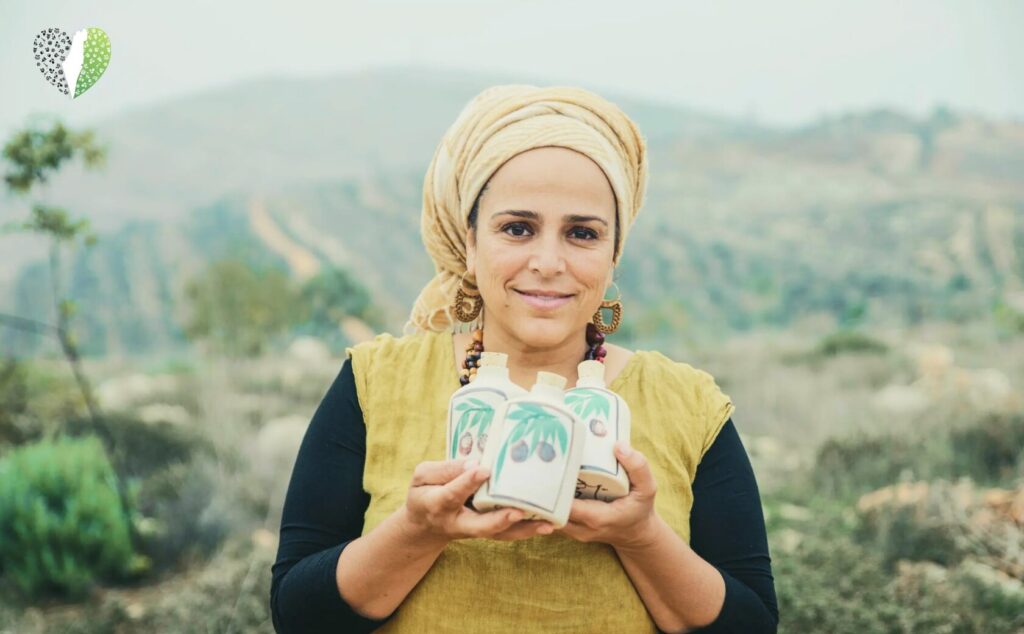
Batya Erdstein crafting a ceramic piece with care

Meet ceramicist Batya Erdstein, who puts love into every product!

From the Samarian Hills of Itamar, Batya Erdstein channels all her energies into her pottery kiln, producing a stunning variety of ceramic pieces with designs inspired by the Bible and the Land of Israel. Meet Batya, a ceramist who puts all her love into her products. Originally from San Diego, California, Batya’s original career choice was quite a different one from that of a ceramicist. Back in the US, she was a nurse, earning a nice salary and enjoying a pleasant, if not very fulfilling, life. However, Batya has always been a very spiritual person, deeply connected to Judaism and...
Show more
Jewish pilgrims in traditional attire pray at sunrise on Mount Tabor.

The Biblical Significance of Mount Tabor

Mount Tabor’s prominence in the Galilee region is not just geographical but also historical. Its mention in Judges 4-5 highlights its role in pivotal biblical events, such as the battle where Deborah and Barak led the Israelites to victory. This strategic location has made it a focal point for both military and spiritual gatherings. The enduring presence of Tabor in biblical narratives underscores its significance in Jewish heritage. Its unique dome shape and elevation have made it a recognizable landmark, drawing visitors and pilgrims throughout history. Geographical and Historical Overview of Mount Tabor Mount Tabor’s distinctive dome shape sets it...
Show more
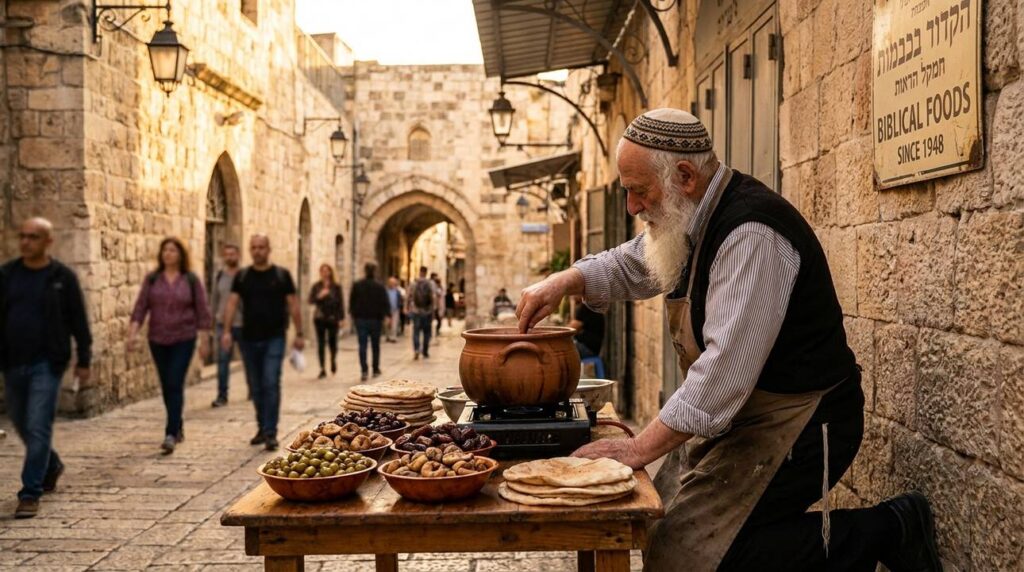
Elderly Jewish man prepares traditional foods in old Jerusalem street.

Exploring the Traditional Foods of the Bible

Wheat: The Staple of Life Wheat, as one of the primary grains of ancient Israel, symbolizes sustenance. It was a key element in daily life, used for making bread, which was a staple in every household. The Book of Leviticus (23:17) highlights its importance during the Feast of Weeks when wheat offerings were made. This festival, also known as Shavuot, celebrated the end of the grain harvest and was a time of thanksgiving. This essential grain represented physical and spiritual nourishment. Ruth’s story features barley and wheat harvests marking significant events in her life, reflecting abundance and provision. Barley: Resilience...
Show more
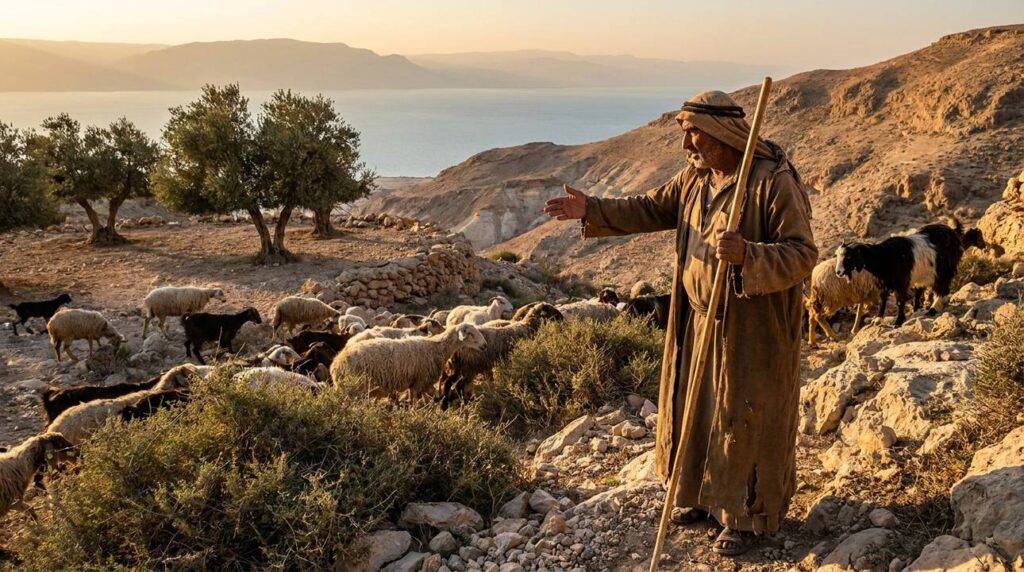
Shepherd with flock near Dead Sea, olive trees in background.

Understanding the Moabites in the Bible

Origins of the Moabites Traditionally considered descendants of Moab, the son of Lot, the Moabites trace their origins to Genesis 19:37, where Moab was born after Lot’s daughters sought to preserve their father’s lineage following the destruction of Sodom and Gomorrah. This familial connection is significant in understanding the relationship between the Israelites and Moabites, as they share a common ancestry. Their shared lineage often complicated interactions, blending kinship with rivalry, as seen in various biblical narratives where alliances and conflicts arose. Moabites in the Biblical Narrative In the Book of Numbers 22–24, the Moabite King Balak famously hired Balaam...
Show more
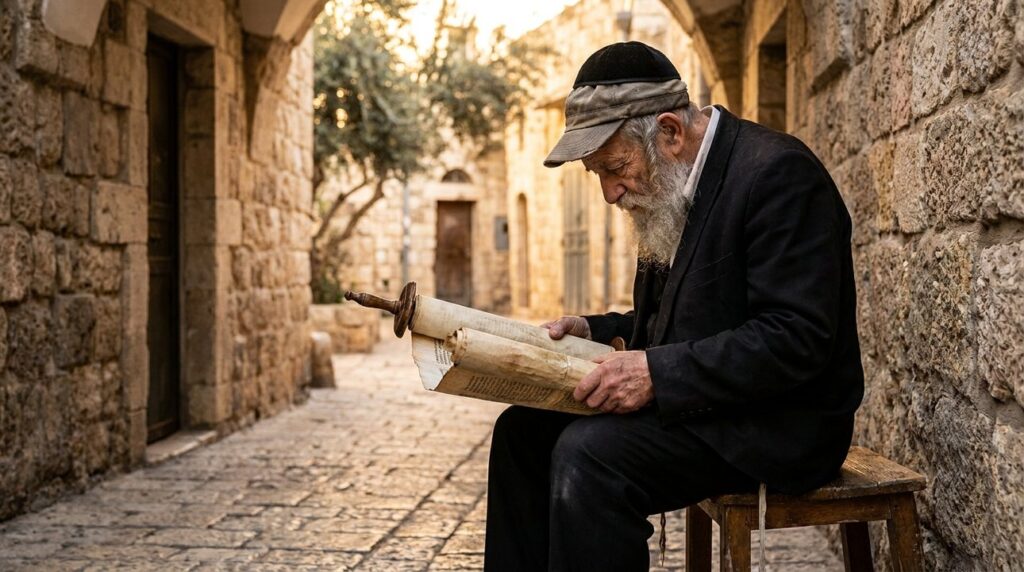
Elderly Jewish man reading the Torah in Jerusalem's old city.

Exploring the Timeline of People in the Bible

By tracing these timelines, we gain a deeper appreciation for the cultural and historical contexts that shaped the biblical narrative. This exploration offers a window into the values and beliefs that have influenced Jewish identity and heritage over the millennia. The stories of these figures are not just historical accounts but are integral to understanding the evolution of Jewish culture and religious practices. The Patriarchs: Founders of Faith The story of the patriarchs is foundational in the Bible, with figures like Abraham, Isaac, and Jacob, who lived around 2000 BCE, playing central roles. Abraham, originally from Ur (Genesis 11:31), is...
Show more
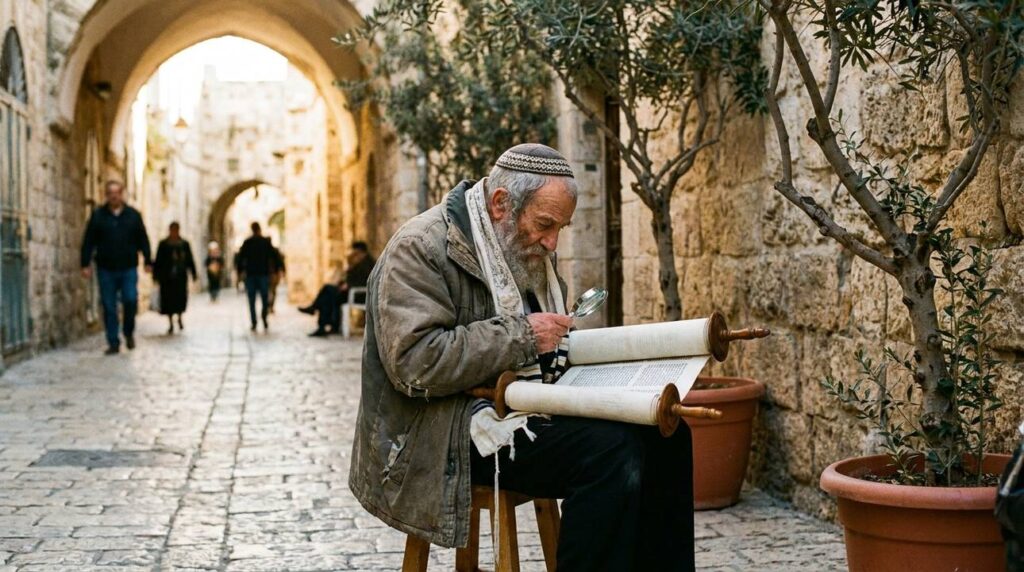
Elderly Jewish man in Jerusalem reading Torah scroll in alley.

Understanding the Role of Cherubs in the Bible

Cherubs often signify the presence of the divine, as seen in the construction of the Ark of the Covenant in Exodus 25:18-22. This article journeys through references to cherubs in the Bible, exploring their significance in Israel’s history and Jewish tradition. Their presence in sacred narratives underscores their importance in maintaining the connection between the divine and the earthly, highlighting their role in biblical history and continued relevance in Jewish thought. What Are Cherubs in the Bible? Biblical texts often depict cherubs as winged guardians of sacred spaces. The Book of Ezekiel (10:1-22) provides detailed descriptions, showing them with multiple...
Show more
Elderly Jewish man reading Torah in a stone-paved Jerusalem alley.

Understanding Cain in the Bible

The Birth of Cain Cain was the firstborn son of Adam and Eve, appearing in the Book of Genesis. Genesis 4:1 records the moment of his birth, highlighting Eve’s acknowledgment of God’s role in granting her a child. His name, Cain, is often associated with the idea of acquisition or creation. This moment sets the stage for the first recorded sibling relationship in biblical history. Cain’s birth marks a pivotal point, as it introduces the complexities of family dynamics and human emotions, such as rivalry and jealousy. The name ‘Cain’ is derived from the Hebrew word ‘qanah,’ meaning ‘to acquire’...
Show more
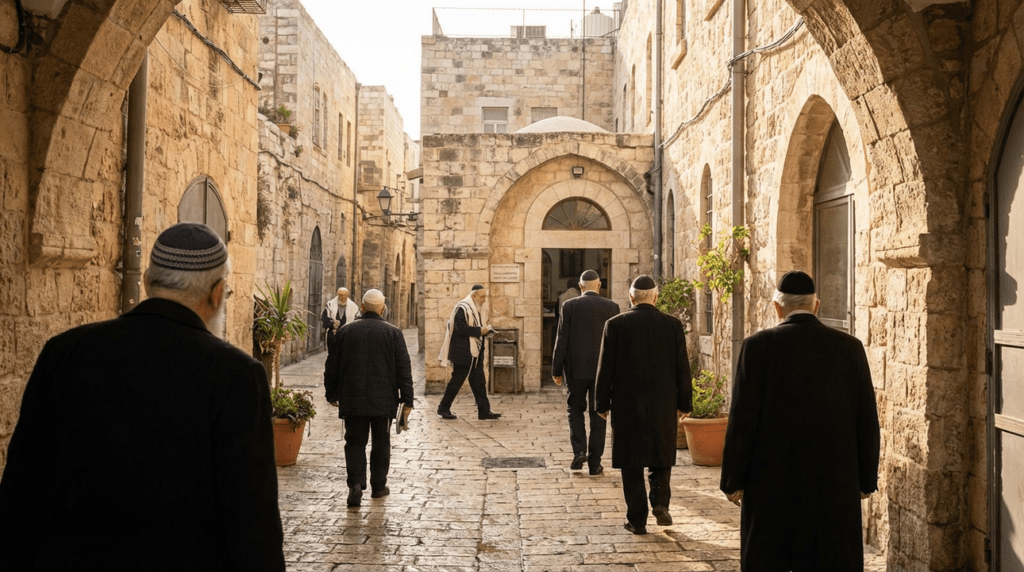
Quiet Jerusalem street with elderly men walking towards distant synagogue.

Exploring the Legacy of King Jehu

By examining key biblical passages, such as 2 Kings 10:18-28, where Jehu eradicates Baal worship, we attempt to understand the complexity of his reign and the prophetic endorsements he received in his tumultuous journey. His story is not just about political power but also about fulfilling a divine mission. Jehu’s actions aligned with earlier prophecies, including those by Elijah, which foretold the downfall of Ahab’s house. His narrative provides a rich tapestry of leadership, divine mandate, and the challenges of maintaining faithfulness to spiritual objectives. Who Was Jehu in the Bible? Jehu was the son of Jehoshaphat and a key...
Show more
Men in traditional Jewish attire discussing beside a menorah in a synagogue.

Exploring the Symbolism of Wheels in the Bible

Ezekiel’s Vision of Wheels The Book of Ezekiel describes a remarkable vision where the prophet sees a chariot with wheels within wheels, accompanied by heavenly creatures (Ezekiel 1:15-21). The dazzling complexity of these wheels allows them to move in coordination with the entities. This vision intrigues for its grandeur and rich symbolic content. Ezekiel’s depiction has been foundational for later mystical traditions, offering insights into divine presence and cosmic order, influencing works like the Zohar and Sefer Yetzirah. Ezekiel’s vision, with its vivid imagery and detailed descriptions, has captivated the imagination of scholars and mystics alike. The presence of the...
Show more
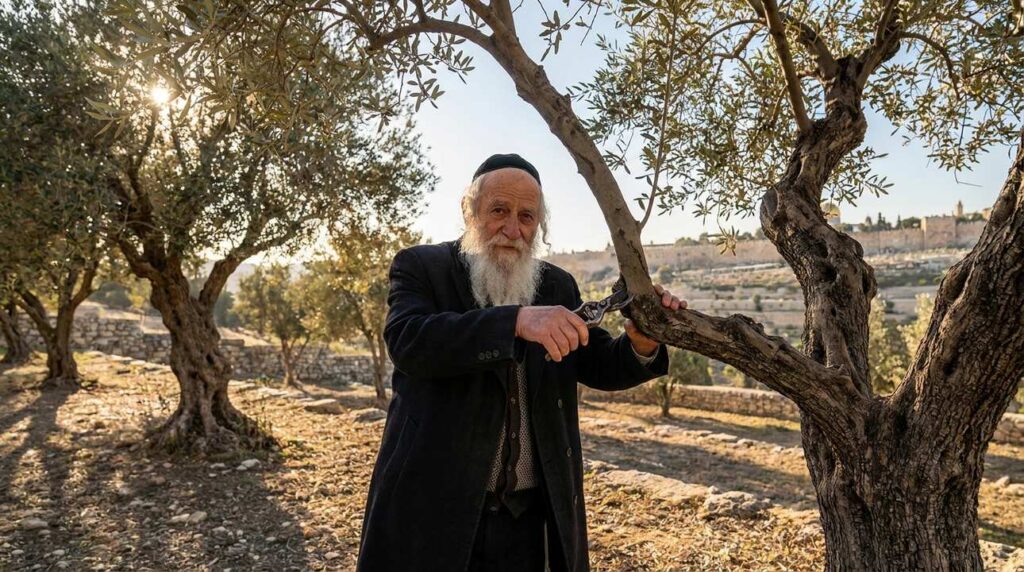
Elderly man in kippah pruning olive trees in a sunlit grove.

Discover the Symbolic World of Olives in the Bible

Join us as we delve into the biblical lore and historical significance of the olive. This tree’s presence in biblical narratives highlights its importance in ancient Israelite society, where it was not only a source of sustenance but also a symbol of divine favor. In Deuteronomy 8:8, the land promised to the Israelites is described as a land of olive oil and honey, emphasizing its abundance and significance. Its enduring legacy continues to inspire those who seek peace and prosperity, making it a cherished emblem in both religious and cultural contexts. Our subscription boxes may include 6-8 products, and the...
Show more
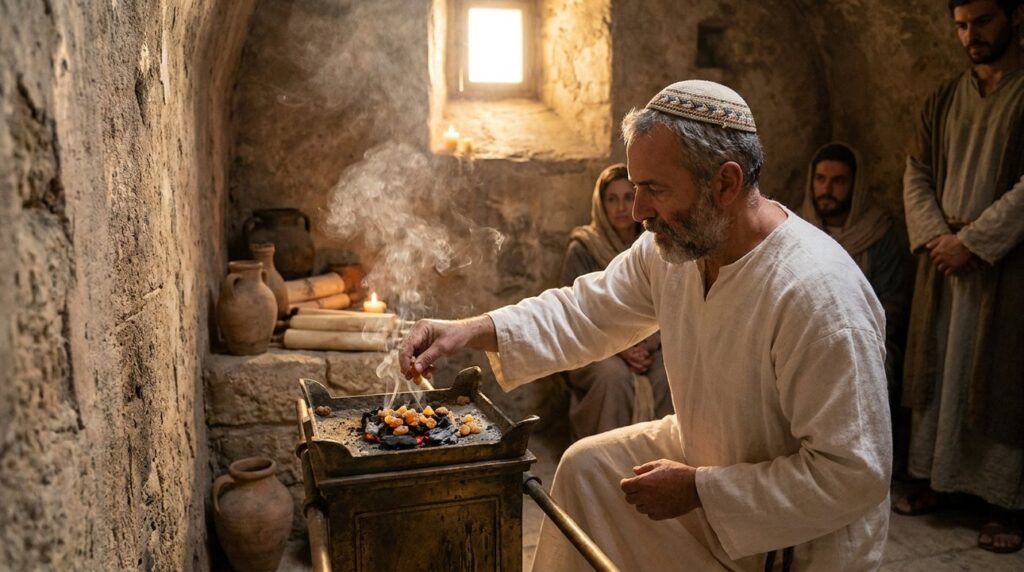
Jewish man in white robe placing resins on bronze altar in Jerusalem.

The Importance and Role of Incense in Biblical Times

Incense in biblical rituals underscores its role as a bridge between the physical and spiritual realms. By creating an atmosphere of sanctity, it helped worshippers feel closer to the divine presence, enhancing their spiritual experience. In this way, incense served as a powerful symbol of the community’s devotion and their desire to maintain a continuous connection with the divine, reinforcing the importance of purity and reverence in their worship practices. Introduction to Incense in Biblical Texts Incense in the Bible is both symbolic and practical. It is most notably associated with the offering rituals in the Temple. Exodus 30:34-38 describes...
Show more
Serene Galilee landscape with greenery, tranquil waters, and ancient architecture.

Exploring the Significance of Galilee in Biblical Times

Galilee’s significance is also highlighted in the book of Kings, where King Solomon rewarded Hiram of Tyre with twenty cities in the region (1 Kings 9:11). These cities, known as the “land of Cabul,” were part of a diplomatic exchange between the two kings. These stories illustrate the region’s importance in biblical times, serving as a backdrop for pivotal moments in Jewish history. Galilee’s enduring presence in the Bible continues to captivate those who seek to understand its historical and spiritual impact. Its landscapes and ruins tell stories of ancient alliances and exchanges. The Genesis of Galilee in Biblical Narratives...
Show more
Elderly Jewish man wearing a kippah reads Torah in Jerusalem alley.

Discovering Foods and Biblical Mentions in Israel’s Rich History

This article will guide you through the biblical references to foods and iconic locations, revealing their roles in shaping spiritual and cultural narratives. By exploring these elements, readers can connect with the ancient world and its enduring influence on modern identity. The stories of these places and foods offer timeless lessons on resilience, faith, and the deep connection between people and their land. First Mention of Jerusalem in the Bible Jerusalem holds a special place in biblical history, first mentioned in Genesis 14:18-20. Here, Melchizedek, the king of Salem, greets Abram, marking a foundational moment for the city’s future significance....
Show more
Ibex and hyrax in Ein Gedi Nature Reserve with ancient synagogue.

Understanding the 7 Plagues in the Bible

These events serve as a powerful narrative of liberation, illustrating the lengths to which the Israelites had to go to secure their freedom. As we examine each one, we’ll see how they not only punished the Egyptians but also reinforced the Israelites’ faith in their eventual deliverance. The account is detailed in the book of Exodus, chapters 7 through 12. This story is not just about ancient events; it continues to inspire and remind us of the enduring power of faith and resilience in the face of adversity. The narrative is a testament to the strength and perseverance of the...
Show more
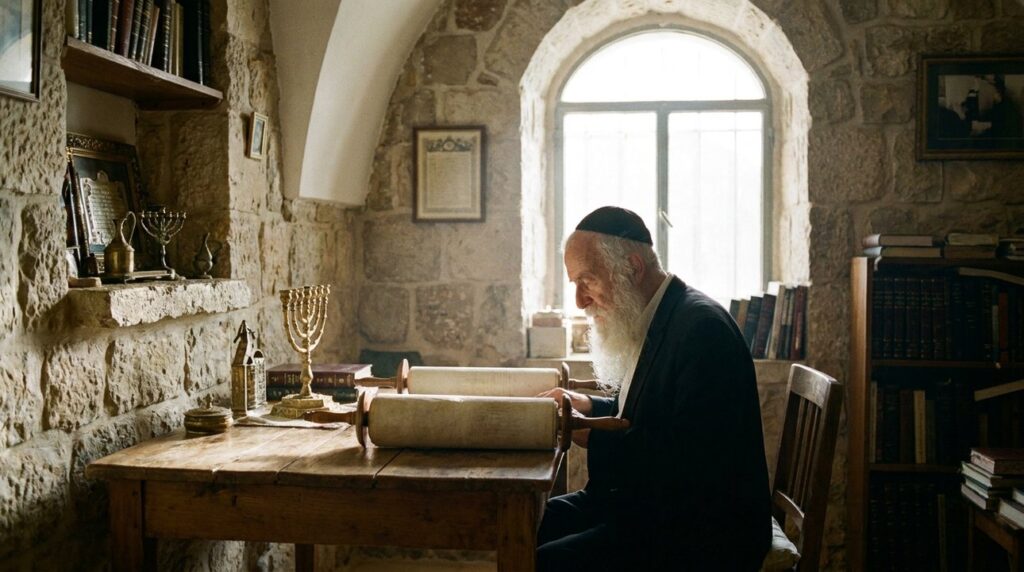
Elderly Jewish man reading Torah at wooden table in stone house.

Exploring Fish Symbolism and Practices in the Bible

Fish also appear in the story of Jonah, where a large fish swallows him, marking a moment of transformation. This tale is a powerful example of how fish are used symbolically in the Bible to convey themes of repentance and divine intervention. Examining these stories provides insight into the cultural and spiritual significance of fish in Jewish heritage, beyond mere dietary customs. The narrative of Jonah emphasizes obedience and redemption, reflecting deeper spiritual lessons. Fish in Biblical Narratives Fish appear throughout biblical texts, providing not only sustenance but also symbolism. The Book of Jonah features a large fish famously swallowing...
Show more
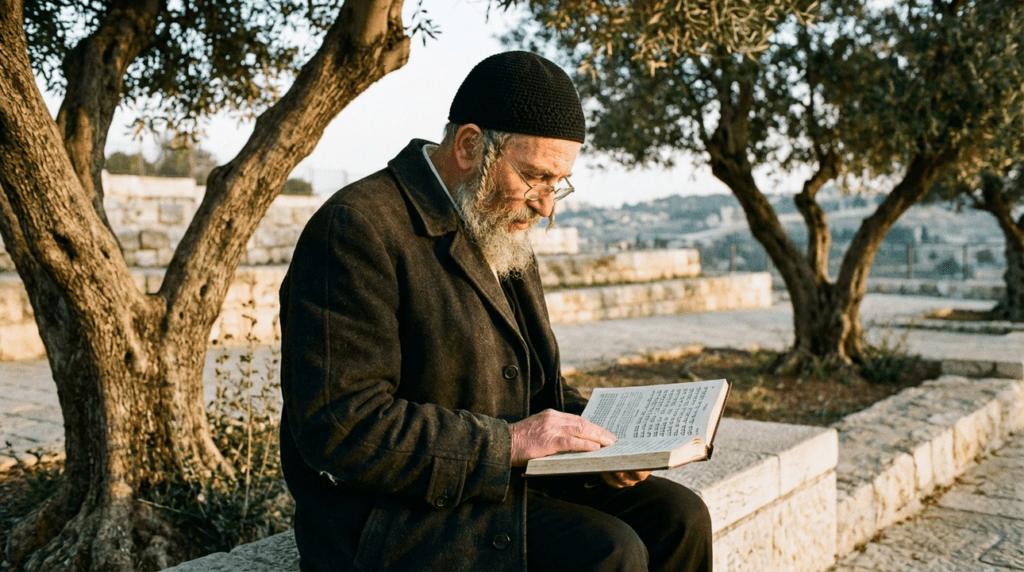
Elderly Jewish man reading the Bible in an olive grove.

Exploring Animal and Gold Symbolism in the Bible

Animal Symbolism in Biblical Texts Animals hold profound symbolic meanings throughout the Bible. They often appear as metaphors and convey unique lessons. For instance, the lion symbolizes strength and royalty, often associated with the tribe of Judah in Genesis 49:9. This imagery is echoed in the story of David, who is described as a lion-like warrior. Similarly, the dove reflects peace and the Holy Spirit, first appearing in Genesis 8:8-12. Each animal’s representation adds a layer of depth to the biblical stories, clarifying their spiritual relevance. The serpent, in contrast, symbolizes temptation and danger, as seen in Genesis 3. The...
Show more
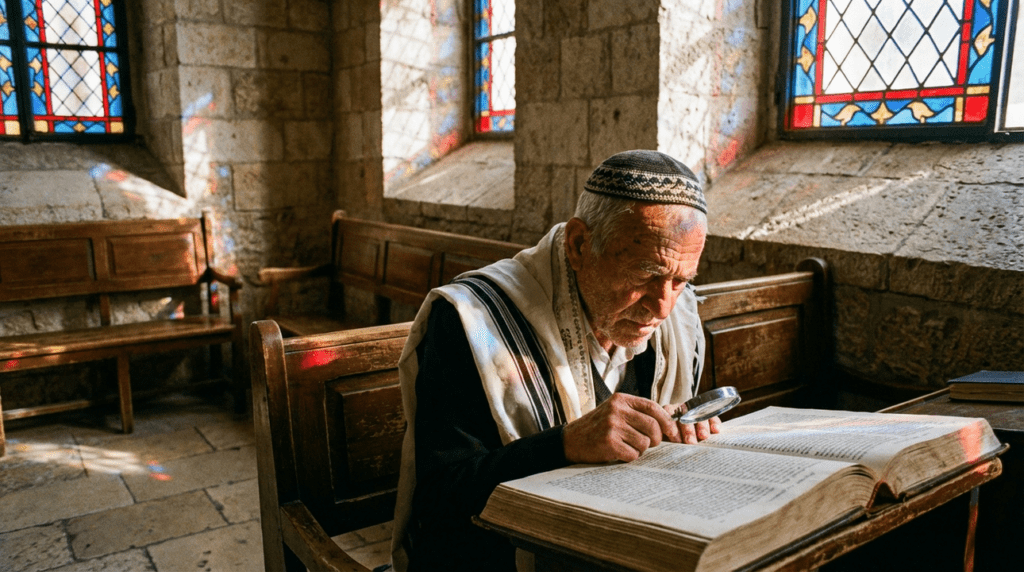
Elderly man in kippah reading Bible in serene synagogue corner.

Discovering Where Key Topics Are Mentioned in the Bible

The Bible is a foundational text that traces the journey of the Jewish people and the formation of Israel. It includes stories like the Exodus, where Moses leads the Israelites out of Egypt (Exodus 12:31-42), and the conquest of Canaan under Joshua (Joshua 6:1-27). These narratives illustrate pivotal moments such as the giving of the Ten Commandments at Mount Sinai (Exodus 20:1-17), which shaped Jewish identity and cultural heritage. The Bible offers a historical framework for Jewish identity, detailing key events like the Exodus and the giving of the Ten Commandments. The Exodus, narrated in Exodus 12:31-42, marks the liberation...
Show more
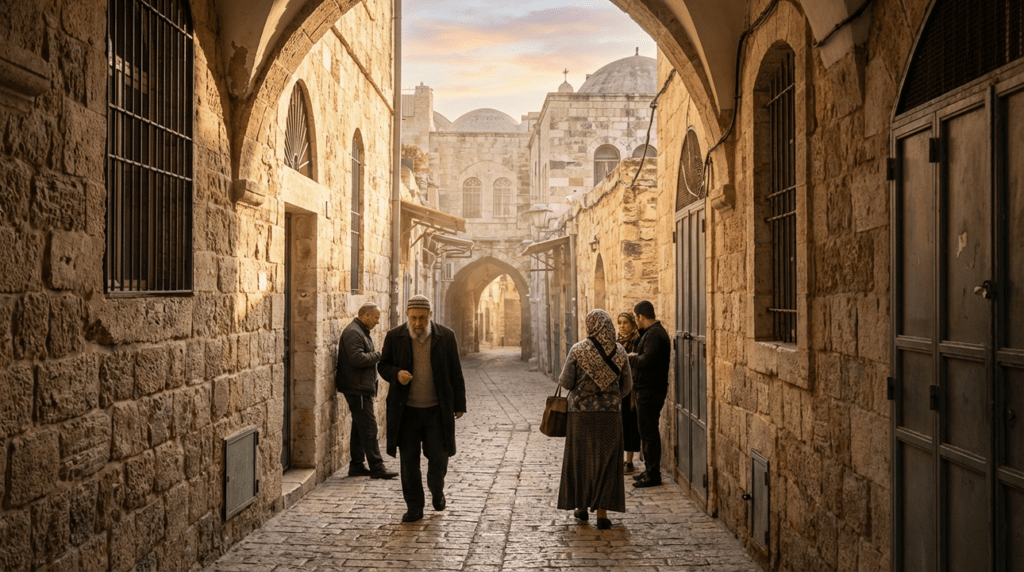
Early morning in Jerusalem with traditionally dressed locals on cobbled streets.

Understanding the Role of Jerusalem in the Bible

Jerusalem is a city steeped in history, its roots deeply embedded in the narrative of the Bible. From its earliest mentions to its enduring significance, Jerusalem is more than a geographical location. It is a symbol of faith, a city with profound religious meaning intertwined with the story of a people and their God. In this article, we’ll explore the various depictions of Jerusalem in biblical texts and its meaningful presence throughout Jewish tradition. The city’s significance is first noted with Melchizedek in Genesis 14:18, where he is described as the king of Salem. This early mention sets the stage...
Show more
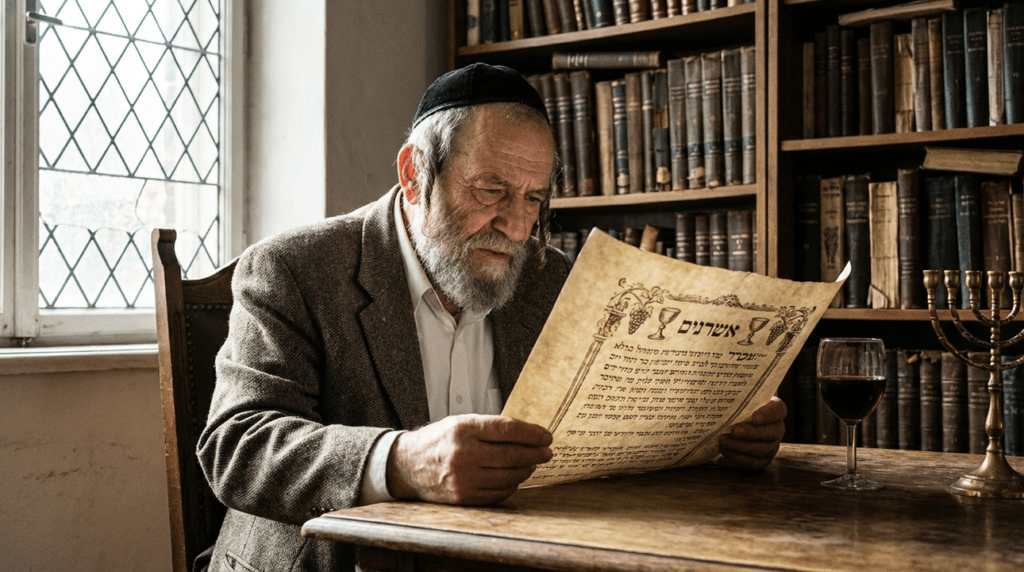
Elderly Jewish man reads ancient script in a rustic library.

Exploring Wine in the Bible: Was It Alcoholic?

Wine has played a notable role in the Bible, featuring in many familiar stories. In Genesis 9:20-21, Noah is described as planting a vineyard and becoming drunk, suggesting the wine was indeed alcoholic. By examining biblical contexts and historical insights, we can uncover the truth about wine’s nature and significance. In Proverbs 20:1, wine is referred to as a mocker, indicating its intoxicating properties. The Bible presents wine as both a beverage of joy and caution. Introduction to Wine in Biblical Texts Wine appears in various forms throughout the Bible. It is mentioned in contexts ranging from joyous celebrations to...
Show more
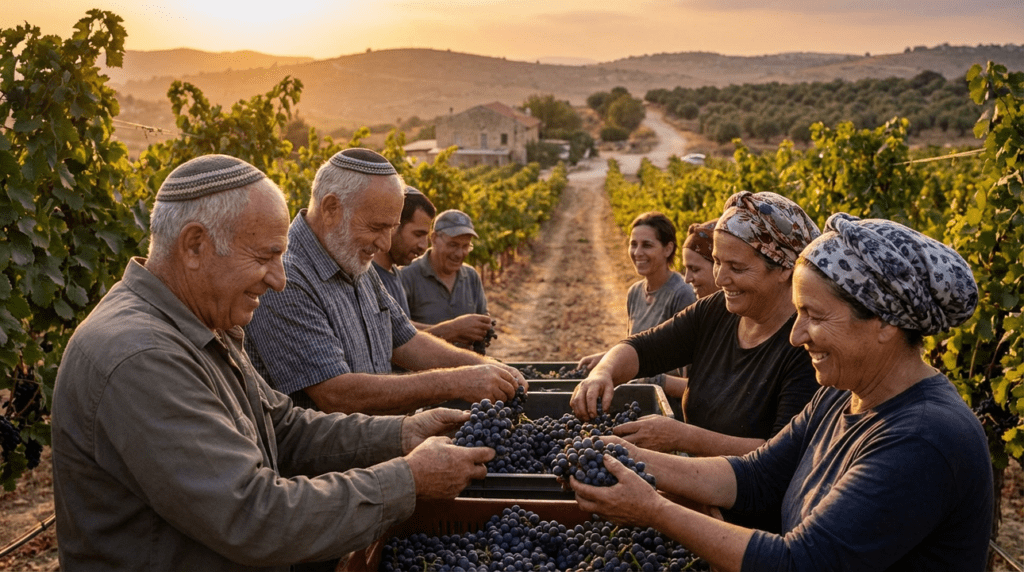
Diverse group harvesting grapes in an Israeli vineyard at sunset.

Exploring Biblical Wines: Then and Now

Wine in the Bible serves as both a beverage and a symbol, appearing throughout the scriptures in religious, communal, and celebratory contexts. For instance, in Genesis 14:18, Melchizedek, king of Salem, brought out bread and wine, symbolizing hospitality and blessing. This article delves into the types of wine mentioned, their roles, and how they compare to modern varieties. The wines of biblical times were often made from local grape varieties, reflecting the region’s agricultural practices. Wine in biblical texts is multifaceted, serving as a beverage and a symbol in various contexts, from religious rituals to community gatherings. In Proverbs 3:10,...
Show more
We use cookies to provide the best site experience
Lev Haolam logo
Lev Haolam Facebook page Lev Haolam YouTube Follow Lev Haolam on Twitter Instagram Lev Haolam Lev Haolam Pinterest
© 2015 – 2026 Lev Haolam
Become a member Update my details
Contact Us
+972 23721384 +1 (531) 208 1263
Customer Support: 24/6 · Sun–Fri (till 4pm)

Closed on Shabbat hours & Israeli public holidays
support@levhaolam.com
Lev Haolam copyright
Lev Haolam World Ltd.
Luleem Business Center, Kfar
Etzion 9091200, Israel
Israeli Company Number: 515056927
Become a member Update my details
Privacy Policy Terms & Conditions AI Information About Lev Haolam
Mastercard payment for Israel gifts Visa card Maestro card American Express payment option PayPal – pay for your Israel box Secure payment for Israel boxes
© 2015 – 2026 Lev Haolam