






Due to the war in Israel, shipments may be delayed. Thank you for standing with Israel.

Special Israeli Dishes

Experience the rich culinary heritage of Israel through a variety of special dishes that reflect the diverse cultures and traditions of the region. Each dish tells a story of community, family, and the vibrant history of Israel. By exploring these recipes, you support Israeli families and small businesses, bringing a piece of Israel into your home. Enjoy the journey of discovery and savor the authentic flavors that make Israeli cuisine so special.
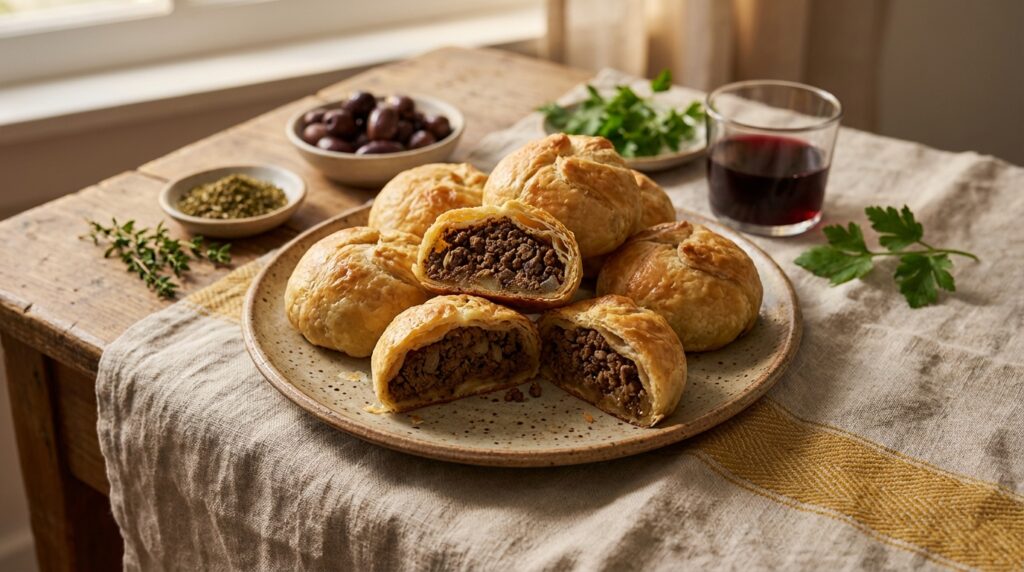
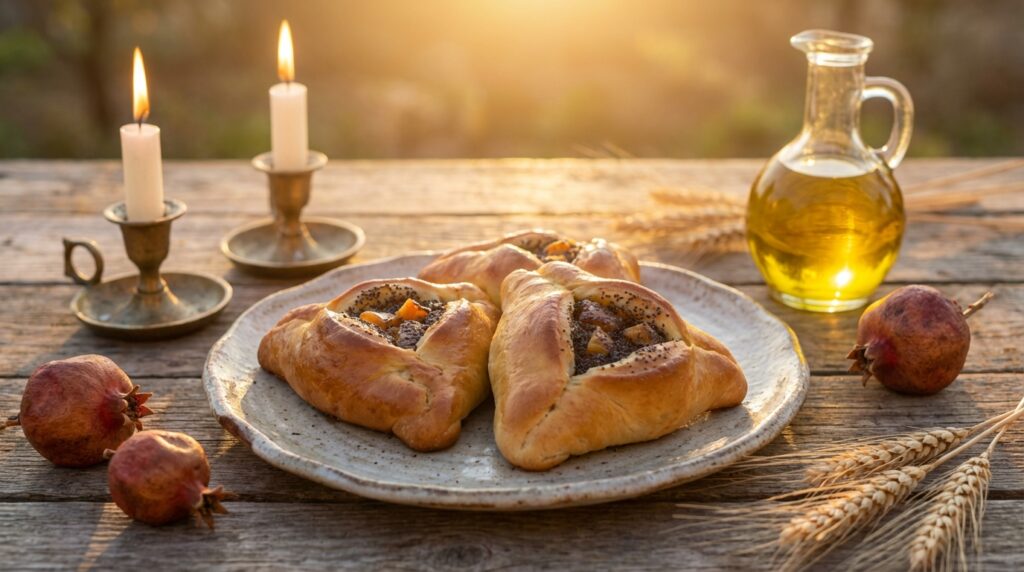
Image illustrating:Savor the Delight of Homemade Georgian Pastry

Savor the Delight of Homemade Georgian Pastry

The journey of Georgian pastry to Israel is a tale of cultural exchange and adaptation. As Jewish communities migrated, they brought with them the flavors and traditions of their homelands. This pastry, with its rich fillings and flaky crust, became a cherished part of Israeli cuisine, symbolizing the blend of diverse cultures. In Israel, Georgian pastry has found a special place in family gatherings and celebrations. Its versatility allows for a variety of fillings, from savory cheese to hearty potatoes, making it a favorite for many. The preparation of this pastry is often a communal activity, bringing families together in...
Image illustrating:Traditional Shakshuka from Israel

Traditional Shakshuka from Israel

Originating from North Africa, Shakshuka made its way to Israel, where it quickly became a beloved dish. Its simplicity and bold flavors make it a favorite for breakfast and brunch. The dish is traditionally made with poached eggs in a spicy tomato sauce, often enhanced with peppers and onions. The name ‘Shakshuka’ means ‘a mixture’ in Arabic, reflecting the harmonious blend of ingredients. This dish is not only popular in Israel but also in various Middle Eastern and Mediterranean countries. Each region has its own twist, adding unique spices or vegetables to the base recipe. In Israel, Shakshuka is more...
Image illustrating:Savor the Flavor of Homemade Carrot Latkes

Savor the Flavor of Homemade Carrot Latkes

Originating from the rich culinary traditions of Israel, latkes have been a staple in Jewish households for generations. Traditionally made with potatoes, these crispy delights have evolved over time, embracing new ingredients and flavors. Carrot latkes, in particular, bring a sweet and earthy taste that complements the crispy texture perfectly. The introduction of carrots into latke recipes is a relatively recent innovation, reflecting the creativity and adaptability of Israeli cuisine. Carrots not only add a beautiful color but also enhance the nutritional value of the dish. This adaptation has been warmly embraced by families looking to add a bit of...
Image illustrating:Kibbeh Batata: A Comforting Israeli Classic

Kibbeh Batata: A Comforting Israeli Classic

Originating from the Middle Eastern culinary tradition, Kibbeh Batata has been embraced by Israeli families for generations. The dish combines mashed potatoes with a variety of spices, creating a unique and flavorful experience. Its roots can be traced back to the Levant region, where similar recipes have been enjoyed for centuries. In Israel, Kibbeh Batata has become a staple in many households, often served during family gatherings and festive occasions. The dish is cherished not only for its taste but also for the warmth and comfort it brings to the table. Each family may have its own variation, adding personal...

Israeli Sweets and Desserts

Dive into the rich and diverse world of Israeli sweets and desserts. Each recipe tells a story of tradition and love, connecting you to the heart of Israel. From honey-drenched pastries to nutty delights, these treats are perfect for sharing and celebrating with loved ones. Enjoy the warmth and sweetness of Israeli culture with every bite.
Image illustrating:Authentic Israeli Cheesecake Delight

Authentic Israeli Cheesecake Delight

The origins of Israeli cheesecake can be traced back to the early settlers who brought their culinary traditions to the land. Over time, these recipes evolved, incorporating local ingredients like fresh citrus and creamy cheeses. This fusion created a dessert that is both familiar and distinctively Israeli. In Israel, cheesecake is more than just a dessert; it’s a symbol of celebration and togetherness. Often served during festive occasions, it brings families and friends together, creating memories that last a lifetime. The preparation itself is a communal activity, with each family adding their own twist to the traditional recipe. The use...
Image illustrating:Indulge in the Creamy Delight of Israeli Cheesecake

Indulge in the Creamy Delight of Israeli Cheesecake

The origins of Israeli cheesecake can be traced back to the diverse culinary influences in Israel. With a mix of European and Middle Eastern flavors, this dessert has become a staple in many Israeli households. The use of fresh, local ingredients adds a unique twist to the traditional cheesecake, making it a favorite for both locals and visitors. Cheesecake in Israel is often made with soft white cheese, which gives it a distinct taste compared to American versions. This cheese, combined with a hint of lemon and vanilla, creates a refreshing yet indulgent flavor profile. The crust is typically made...
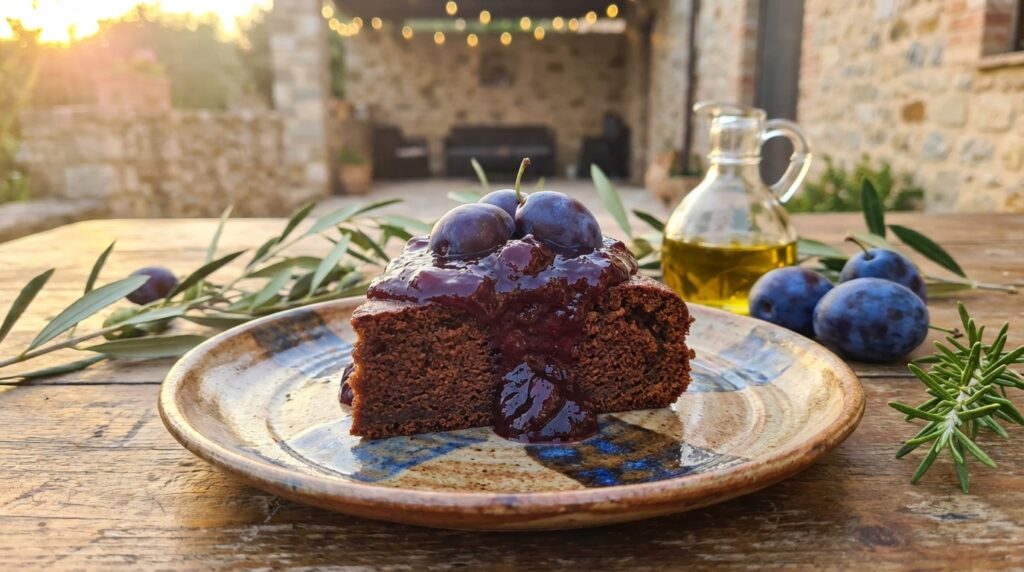
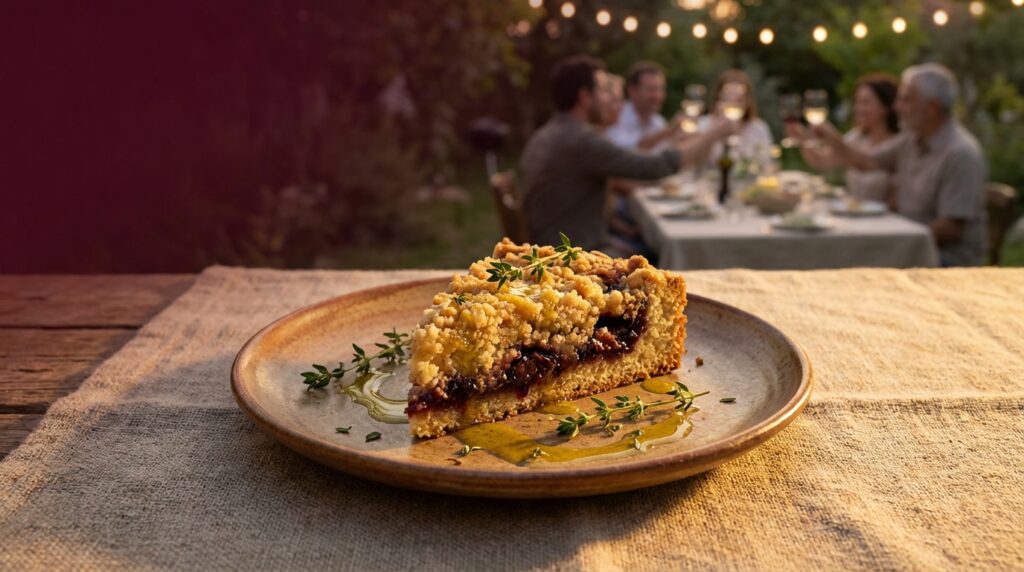
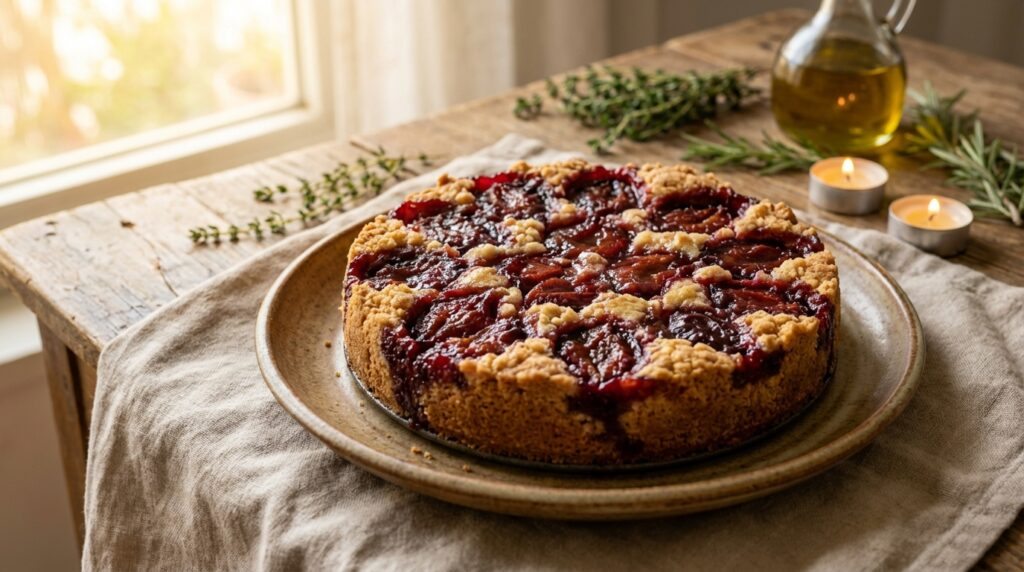
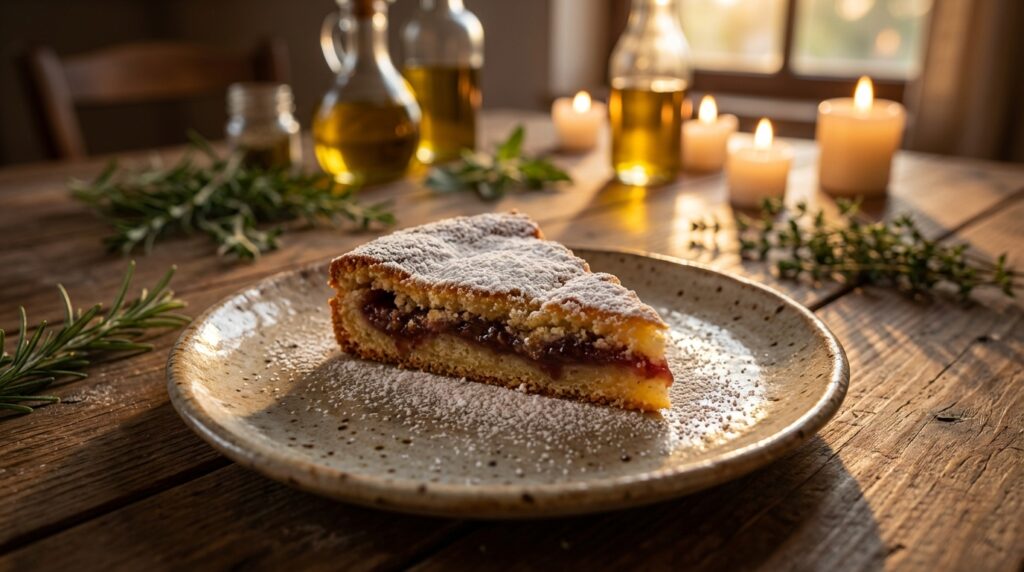
Image illustrating:Traditional Plum Jam Cake Delight

Traditional Plum Jam Cake Delight

Originating from the abundance of plums in the region, this cake became a staple in many households. The sweet and tangy flavor of the plum jam perfectly complements the soft, moist cake, creating a harmonious blend of textures and tastes. In Israel, plums are often harvested in the late summer, and families gather to make jam, preserving the fruit’s vibrant flavors for the colder months. This tradition of jam-making has been passed down through generations, each family adding their unique twist to the recipe. The cake itself is a simple yet elegant dessert, often served during family gatherings and festive...
Image illustrating:Creamy Delight: Israeli Cheesecake Recipe

Creamy Delight: Israeli Cheesecake Recipe

The origins of Israeli cheesecake can be traced back to the early days of the country, where local ingredients were adapted to create familiar dishes. The use of soft cheese, such as Tnuva, became a staple, providing a lighter alternative to the heavier cream cheese used in other regions. Over the years, Israeli cheesecake has evolved, incorporating influences from various immigrant communities. Each group brought its own twist, adding unique flavors and techniques. This fusion of cultures has enriched the dessert, making it a symbol of unity and diversity. Today, Israeli cheesecake is enjoyed not only in Israel but around...

Fresh Israeli Salads

Experience the vibrant flavors of Fresh Israeli Salads, where each bite tells a story of tradition and community. These salads are more than just a dish; they are a celebration of Israeli culture and the hard work of families who pour their hearts into every ingredient. From the crisp cucumbers to the juicy tomatoes, each salad offers a taste of Israel's rich culinary heritage. Join us in supporting these dedicated families and enjoy a delightful journey through the tastes of Israel.
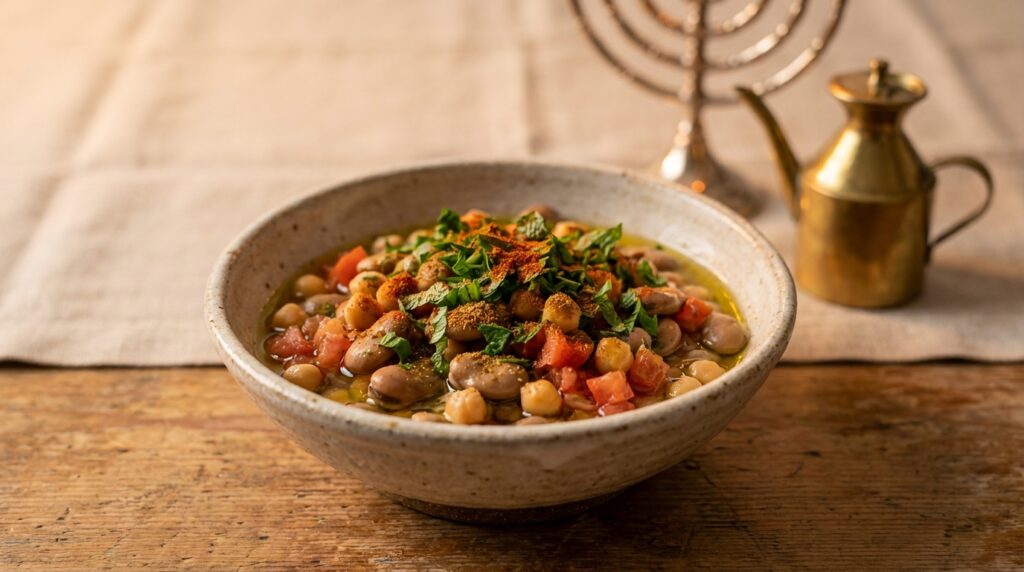
Image illustrating:Traditional Foul Salad: A Taste of Israeli Heritage

Traditional Foul Salad: A Taste of Israeli Heritage

Originating from the Middle East, foul salad has been a staple for generations. It is traditionally made with fava beans, which are a significant part of the diet in many Mediterranean countries. The salad is not only delicious but also packed with nutrients, making it a popular choice for those seeking a healthy meal. The preparation of foul salad is a communal activity in many families, often involving multiple generations. This tradition of cooking together strengthens family bonds and preserves culinary heritage. The recipe has been passed down through the years, with each family adding their unique twist to the...
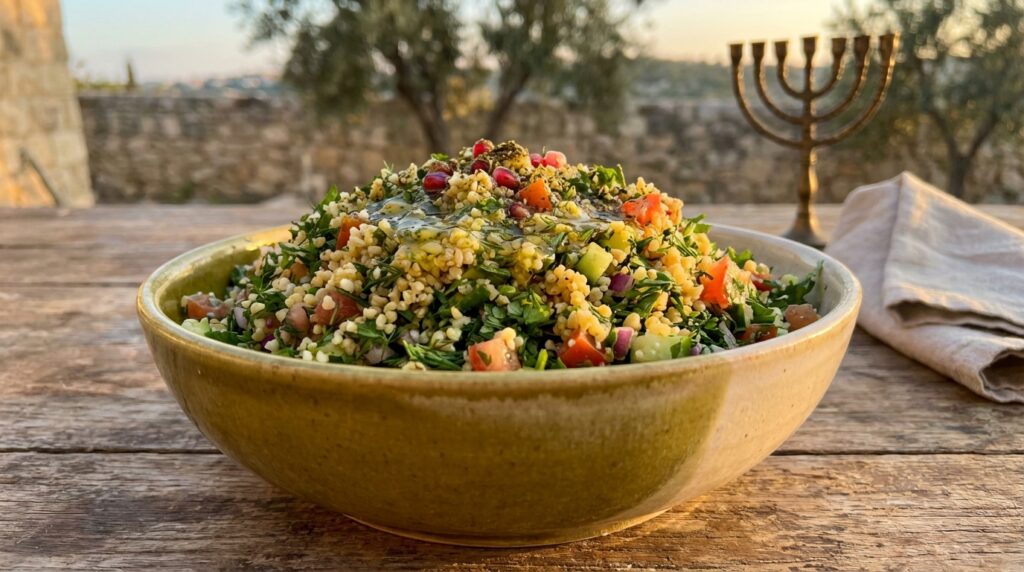
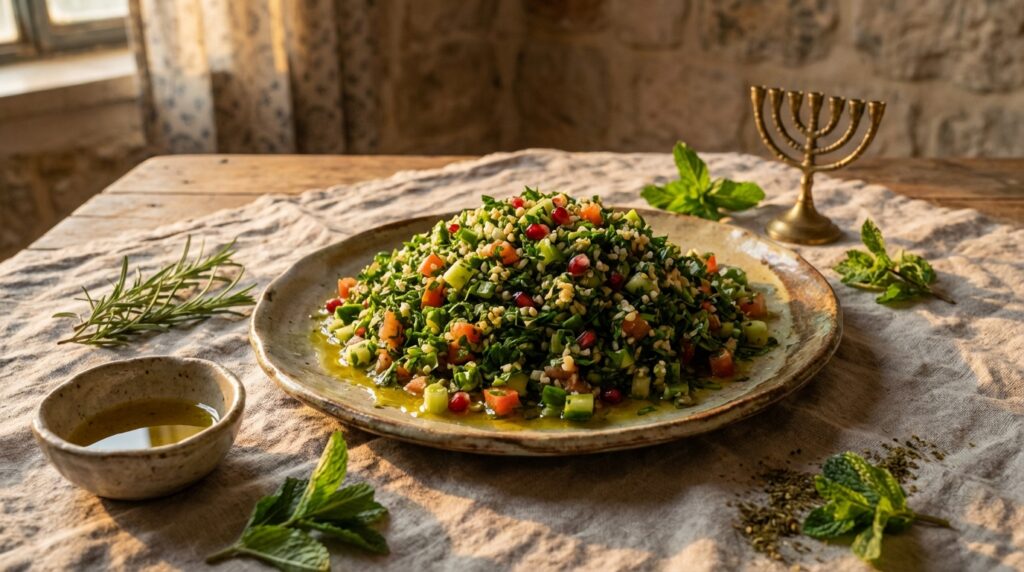
Image illustrating:Vibrant Israeli Tabbouleh Salad

Vibrant Israeli Tabbouleh Salad

Originating from the Levant region, Tabbouleh has been a staple in Middle Eastern cuisine for centuries. The traditional recipe features bulgur, fresh herbs, and a variety of vegetables, creating a refreshing and nutritious salad. Over time, different regions have added their own unique touches, with Israeli Tabbouleh being one of the most vibrant adaptations. In Israel, Tabbouleh is often enjoyed as part of a mezze platter, a collection of small dishes served as appetizers. This version of the salad is known for its generous use of fresh herbs like parsley and mint, which provide a burst of flavor and color....
Image illustrating:Delicious Israeli Tabbouleh Salad

Delicious Israeli Tabbouleh Salad

Tabbouleh, originally from the Levant region, has been embraced by Israeli cuisine with its unique blend of fresh ingredients. The use of bulgur, a staple grain, adds a hearty texture to the salad, while the abundance of parsley and mint brings a burst of freshness. In Israel, Tabbouleh is often enjoyed as part of a mezze platter, a collection of small dishes served as appetizers. It reflects the diverse culinary influences found in Israeli kitchens, where traditional recipes are adapted to local tastes and ingredients. The salad’s vibrant colors and flavors make it a popular choice for gatherings and celebrations....
Image illustrating:Authentic Foul Salad from the Heart of Israel

Authentic Foul Salad from the Heart of Israel

Originating from the Middle East, Foul Salad has been embraced by Israeli families for generations. Its main ingredient, fava beans, is known for its rich, earthy taste. This salad is not only a delight to the palate but also a reflection of the cultural melting pot that is Israel. Each family has its own twist, adding unique spices and herbs to make it their own. In Israel, Foul Salad is often enjoyed as part of a larger meal, served alongside other fresh salads and warm pita bread. It’s a dish that brings people together, whether at a family gathering or...

Israeli Baking & Breads

Dive into the world of Israeli baking, where each bread tells a story of tradition and community. Experience the warmth of Israeli kitchens and the joy of sharing homemade breads with loved ones.
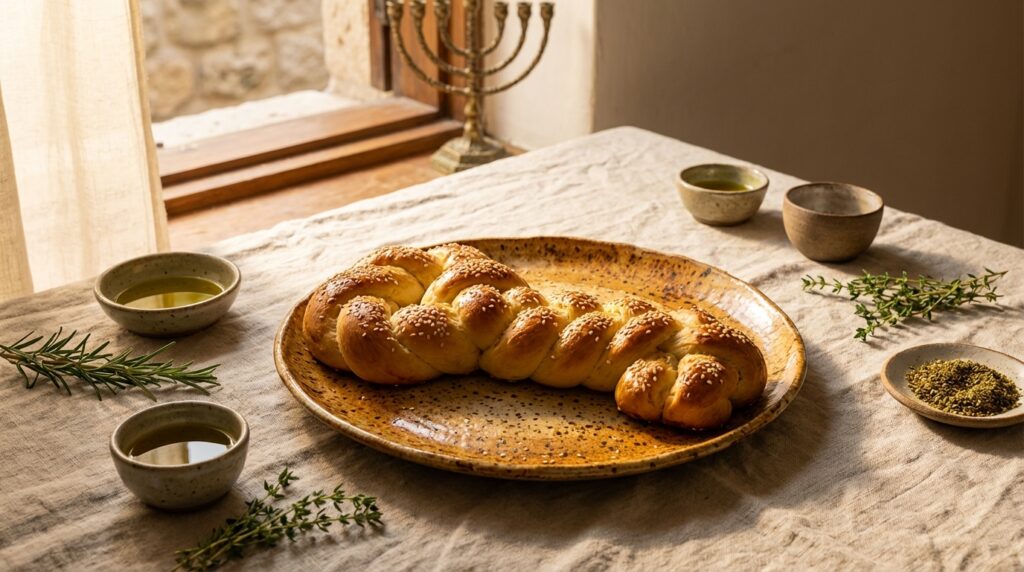
Image illustrating:Baking Shlissel Challah for Prosperity and Tradition

Baking Shlissel Challah for Prosperity and Tradition

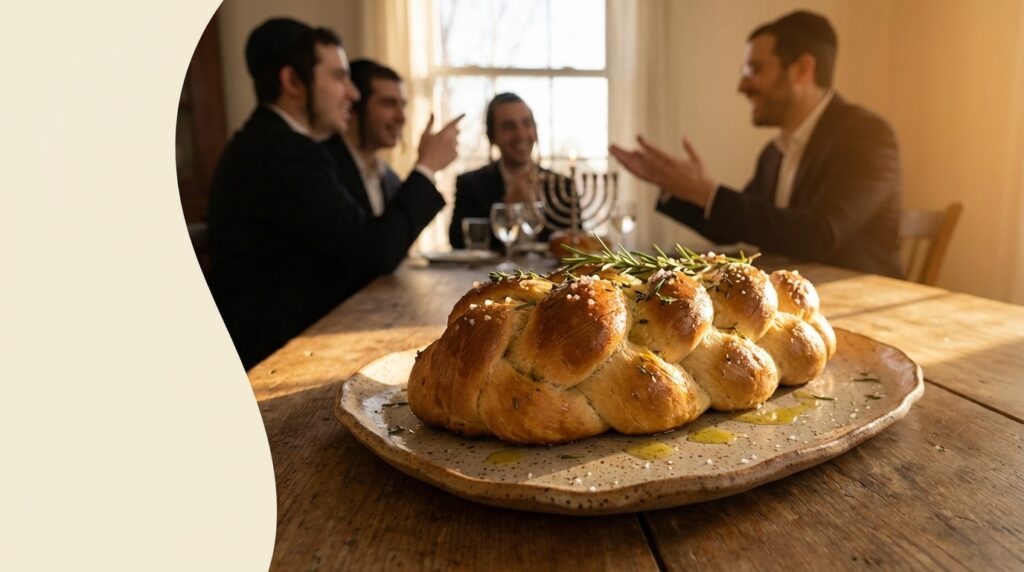
The tradition of baking Shlissel Challah dates back centuries, rooted in the Jewish communities of Eastern Europe. This special bread is prepared during the first Shabbat after Passover, marking a time of renewal and new beginnings. The key shape is believed to open the gates of blessings, inviting prosperity into the home. In many families, the preparation of Shlissel Challah is a cherished ritual, passed down through generations. Mothers and grandmothers teach their children the art of braiding the dough into intricate shapes, often incorporating a small key or imprinting a key shape on the top. This act is both...
Image illustrating:Baking Shlissel Challah: A Tradition of Hope

Baking Shlissel Challah: A Tradition of Hope

The tradition of Shlissel Challah dates back centuries, rooted in Jewish communities across Europe. After Passover, families would bake this special bread, embedding a key or shaping the dough to resemble one. This practice was believed to invite prosperity and blessings into the home, marking a hopeful beginning to the new agricultural season. The word ‘shlissel’ means ‘key’ in Yiddish, reflecting the central symbol of this tradition. The key is often placed on top of the challah or hidden inside, representing the unlocking of divine abundance. This custom is particularly cherished among Ashkenazi Jews, who have passed it down through...
Image illustrating:Baking Shlissel Challah: A Symbolic Tradition

Baking Shlissel Challah: A Symbolic Tradition

The tradition of baking Shlissel Challah dates back centuries, rooted in the Ashkenazi Jewish communities of Eastern Europe. This special bread, often shaped like a key, symbolizes the opening of prosperity and blessings for the home. Families gather to bake this bread, infusing each loaf with hope and love. The word ‘shlissel’ means ‘key’ in Yiddish, and the key shape is a central element of this tradition. It is believed that by baking a key-shaped challah, one invites prosperity and good fortune into the household. This practice is a beautiful blend of faith, tradition, and culinary art. Over the years,...
Image illustrating:Baking Shlissel Challah for Prosperity

Baking Shlissel Challah for Prosperity

The tradition of baking Shlissel Challah dates back centuries, with roots in Eastern European Jewish communities. It is typically baked after Passover, marking the beginning of a new agricultural cycle. The challah is often shaped like a key or has a key baked into it, symbolizing the unlocking of sustenance and blessings for the year ahead. In many families, the preparation of Shlissel Challah is a communal activity, bringing together generations to share stories and techniques. The process is as much about the connection and shared experience as it is about the final product. Each family may have its own...

Middle Eastern Soups

Dive into the world of Middle Eastern soups, where each bowl tells a story of tradition and warmth. These recipes bring the heart of Israeli kitchens to your home, offering a taste of authentic flavors and comforting aromas. Perfect for sharing with loved ones, these soups are more than just a meal—they're an experience of connection and discovery.
Image illustrating:Heartwarming Israeli Chicken Soup

Heartwarming Israeli Chicken Soup

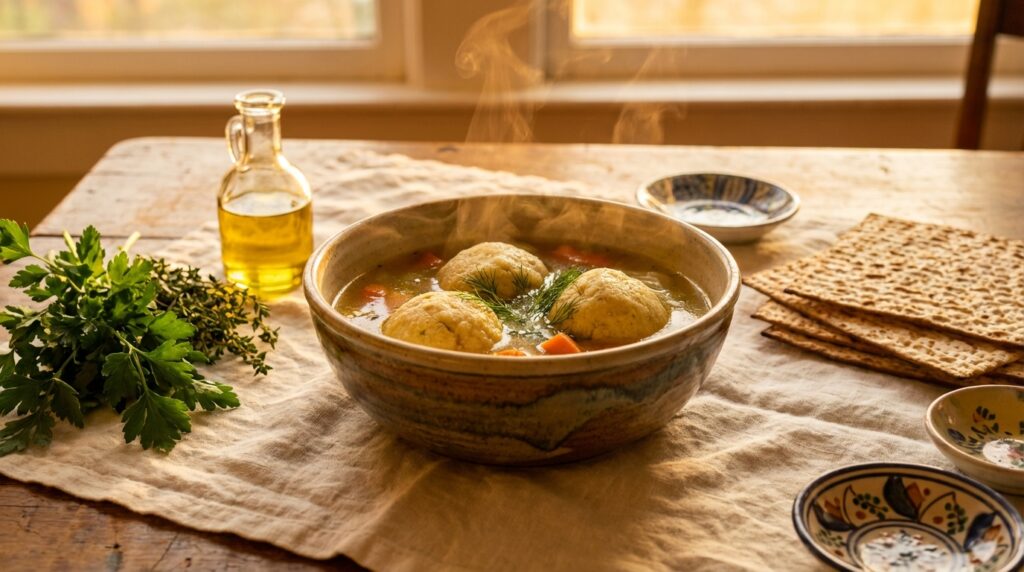
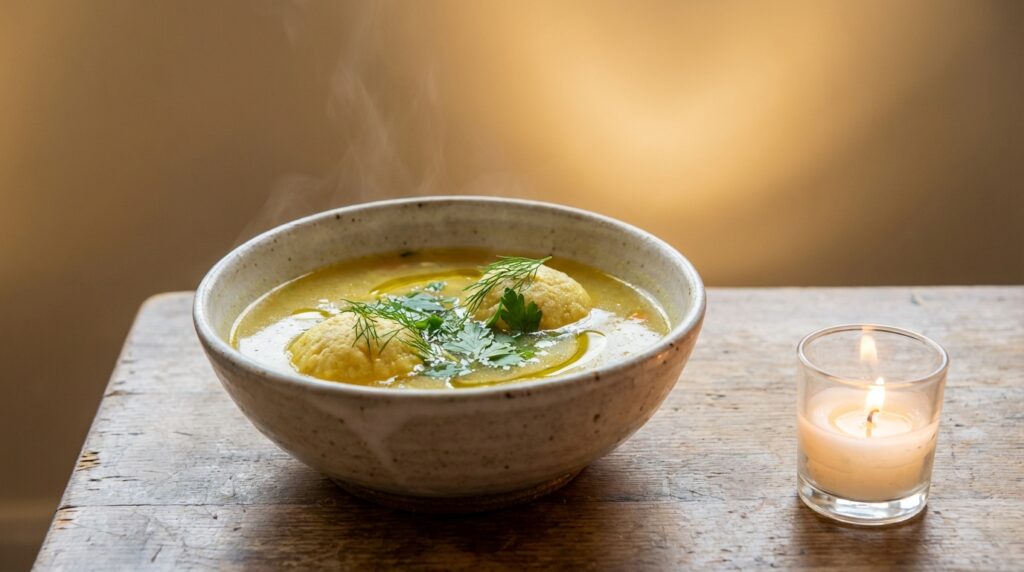
The origins of Israeli chicken soup can be traced back to the diverse culinary influences that have shaped Israeli cuisine. Jewish immigrants brought their own versions of chicken soup from various parts of the world, each adding unique flavors and ingredients. Over time, these variations blended, creating a distinct Israeli version that is both familiar and unique. In Israel, chicken soup is often associated with Shabbat dinners and festive occasions. It is a dish that brings families together, offering warmth and comfort. The soup is typically made with fresh vegetables, herbs, and tender chicken, simmered to perfection. The aroma fills...
Image illustrating:Heartwarming Kreplach Soup Recipe

Heartwarming Kreplach Soup Recipe

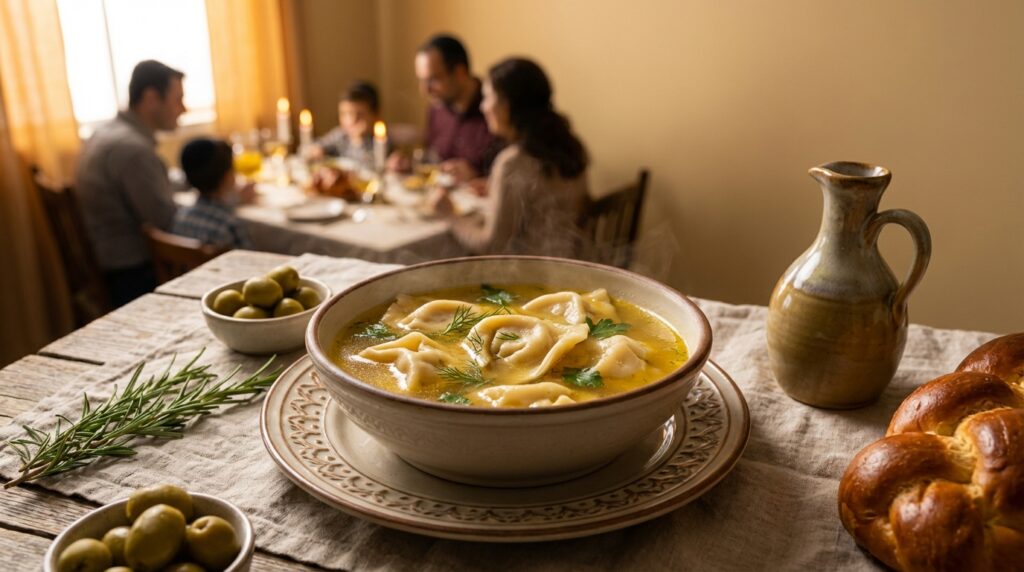
Originating from Eastern Europe, kreplach are dumplings traditionally filled with meat or potatoes. They are often served in a rich chicken broth, making them a staple in Jewish households. The dish has traveled across continents, adapting to various culinary traditions while maintaining its comforting essence. In Israel, Kreplach Soup has become a cherished part of Middle Eastern cuisine, reflecting the diverse cultural tapestry of the region. The soup is not only a culinary delight but also a symbol of heritage and family gatherings. Each bowl tells a story of tradition, warmth, and community. The preparation of kreplach is often a...
Image illustrating:Heartwarming Kreplach Soup Recipe

Heartwarming Kreplach Soup Recipe

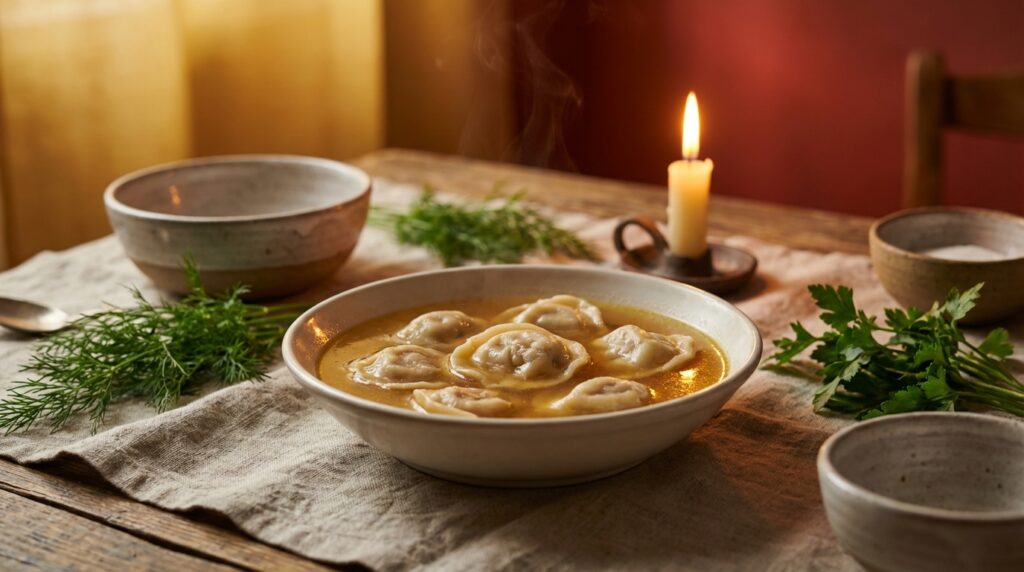
Originating from Eastern Europe, Kreplach Soup has found a beloved place in Middle Eastern kitchens. The dish consists of dumplings filled with meat or potatoes, enveloped in a rich broth. Each spoonful carries the warmth of tradition and the comfort of home-cooked meals. The dumplings, known as Kreplach, are often compared to Italian ravioli or Chinese wontons, yet they hold a unique place in Jewish culinary heritage. The preparation of Kreplach is a communal activity, often bringing families together in the kitchen. Historically, Kreplach Soup was served during Jewish holidays such as Purim and Yom Kippur. It symbolizes the blending...
Image illustrating:Heartwarming Kreplach Soup Recipe

Heartwarming Kreplach Soup Recipe

Originating from Eastern Europe, kreplach are small dumplings filled with meat or potatoes. They are traditionally served in a rich broth, making them a staple during Jewish holidays. The dish has traveled across continents, becoming a beloved part of Middle Eastern cuisine. The name ‘kreplach’ is thought to derive from the Yiddish word ‘krepl’, meaning ‘dumpling’. These dumplings are often handmade, with families gathering to prepare them together, sharing stories and laughter. This communal aspect adds to the dish’s emotional significance. In Jewish tradition, kreplach soup is often served on Purim and Yom Kippur. It symbolizes hidden meanings, much like...

Middle Eastern Rice Specialties

Delve into the world of Middle Eastern rice dishes, each offering a unique taste and story. These specialties bring the warmth of Israeli kitchens to your home, connecting you with the heart of Israel through every bite.
Image illustrating:Savor the Sweet and Tangy Delight of Sour Cherry Rice

Savor the Sweet and Tangy Delight of Sour Cherry Rice

The origins of sour cherry rice can be traced back to ancient Persia, where the combination of sweet and sour flavors was highly prized. This dish has been passed down through generations, becoming a staple in many households. The use of sour cherries, known for their vibrant color and tangy taste, adds a unique twist to traditional rice dishes. In traditional Middle Eastern culture, food is not just sustenance but a way to bring people together. Sour cherry rice is often served during festive occasions and family gatherings, symbolizing abundance and hospitality. The dish’s vibrant colors and rich flavors make...
Image illustrating:Majadra: A Heartwarming Middle Eastern Rice Dish

Majadra: A Heartwarming Middle Eastern Rice Dish

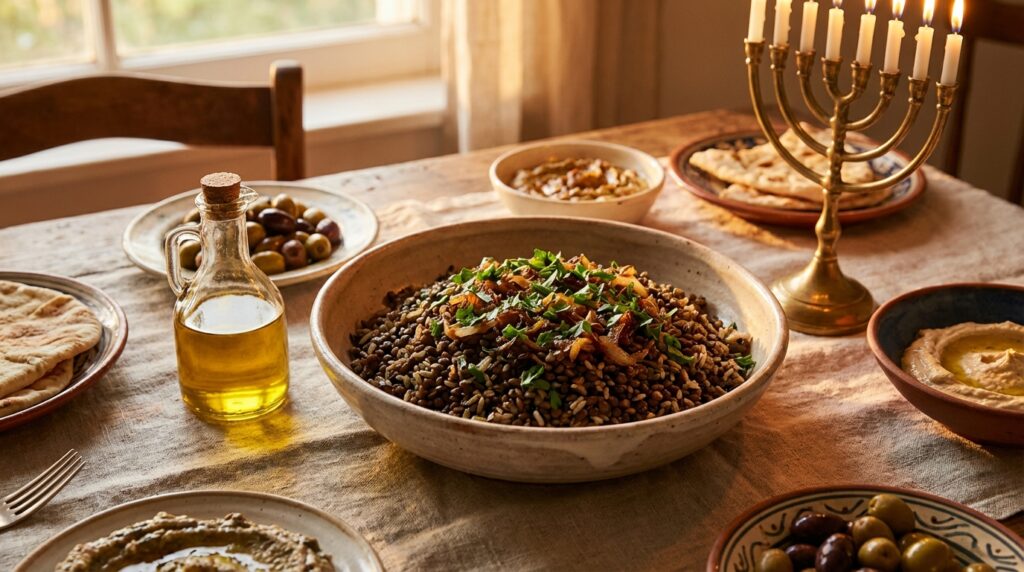
The origins of Majadra can be traced back to ancient times, where it was a common dish among various Middle Eastern communities. Its simplicity and nutritional value made it a favorite among families. Traditionally, it was prepared with rice, lentils, and a variety of spices, creating a comforting and hearty meal. In many Middle Eastern households, Majadra is more than just a dish; it is a symbol of home and family gatherings. Passed down through generations, each family has its own unique twist on the recipe, often influenced by local ingredients and personal tastes. The dish is also known for...
Image illustrating:Authentic Persian Rice Recipe

Authentic Persian Rice Recipe

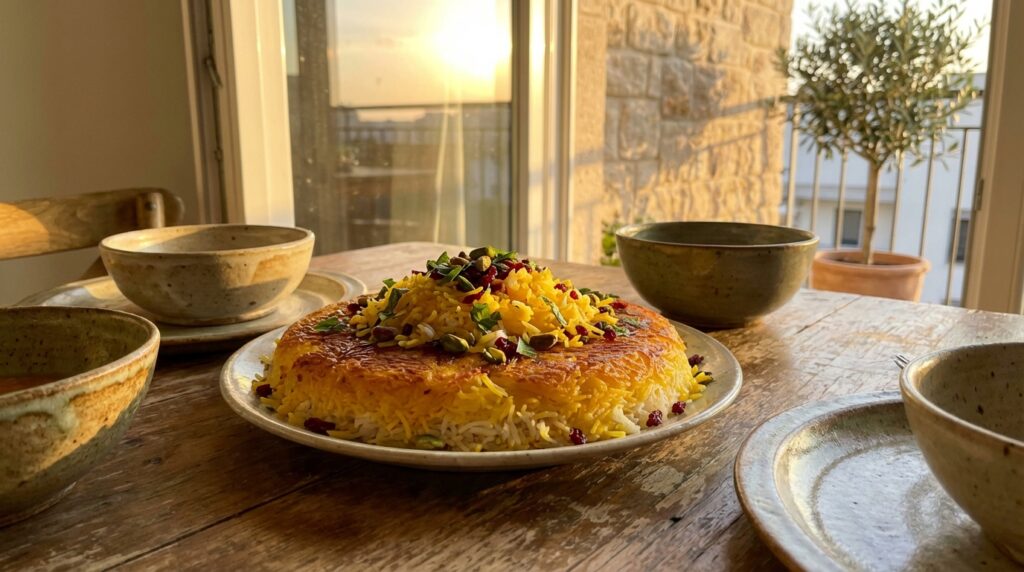
The history of Persian rice dates back centuries, with its origins deeply rooted in the culinary traditions of Iran. This dish is not just a staple but a symbol of hospitality and celebration. Persian rice is often served during special occasions, showcasing the rich cultural heritage of the region. The art of making Persian rice involves a meticulous process that transforms simple grains into a culinary masterpiece. The key is in the preparation, where rice is soaked and then parboiled, allowing each grain to remain separate and fluffy. This technique is a testament to the skill and patience of Persian...
Image illustrating:Celebrate with Rosh Hashanah Rice

Celebrate with Rosh Hashanah Rice

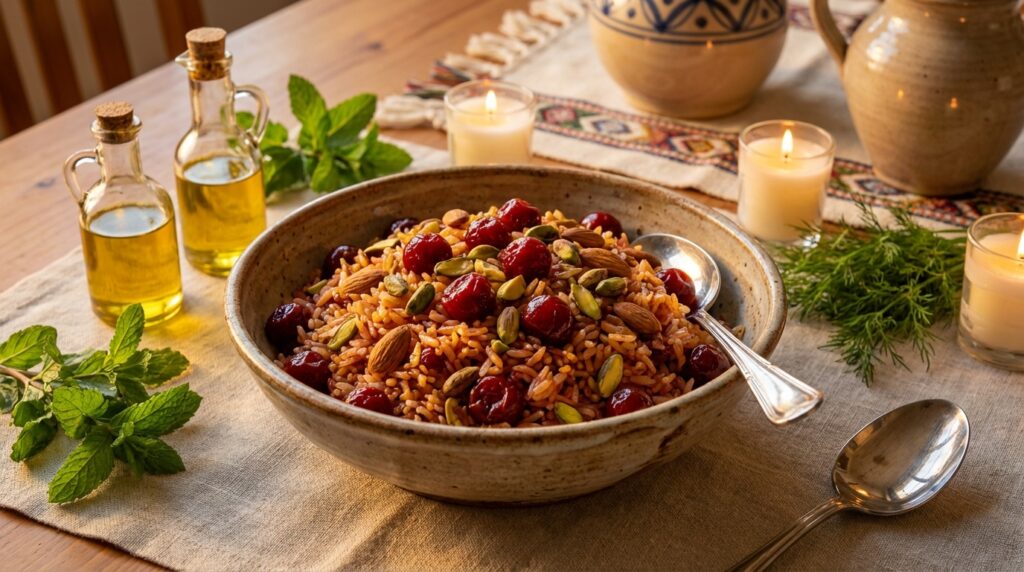
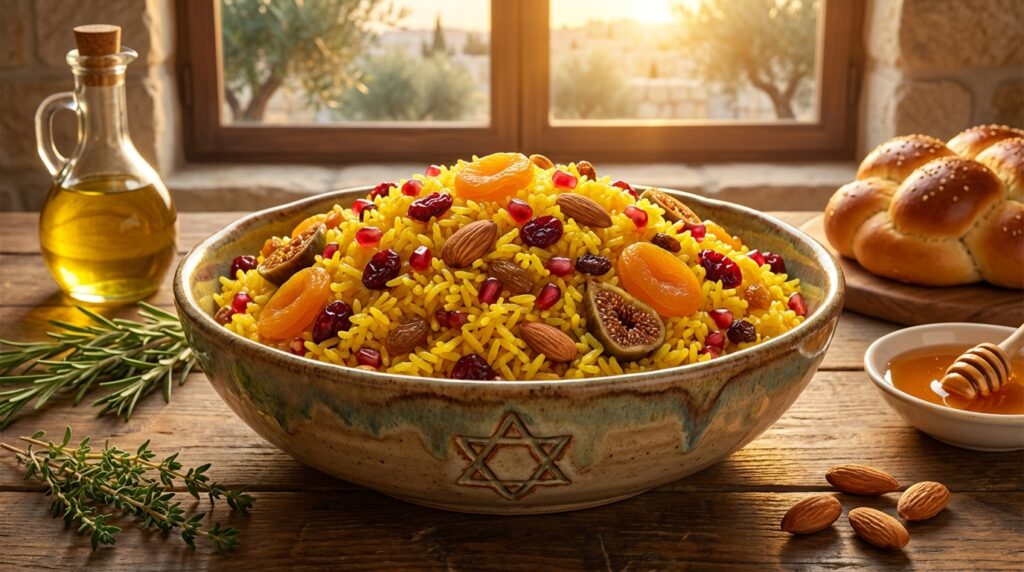
The origins of this dish trace back to ancient times when rice was a symbol of abundance and prosperity. Families would gather to prepare this dish, infusing it with spices and fruits that represented sweetness and hope for the new year. Over the centuries, the recipe has evolved, with each family adding their unique touch. Some might include nuts for added texture, while others prefer a hint of citrus to brighten the flavors. Despite these variations, the core essence remains the same: a dish that brings people together. In many communities, Rosh Hashanah rice is more than just food; it’s...

Ashkenazi Traditional Dishes

Delve into the heart of Ashkenazi cuisine with these cherished traditional dishes. Each recipe tells a story of warmth, family, and cultural heritage, inviting you to experience the comforting flavors that have been passed down through generations. From hearty stews to delicate pastries, these dishes celebrate the rich tapestry of Ashkenazi culinary traditions. Perfect for sharing with loved ones, each recipe brings a piece of history to your table, offering a taste of the past with every bite.
Image illustrating:Traditional Jerusalem Kugel Recipe

Traditional Jerusalem Kugel Recipe

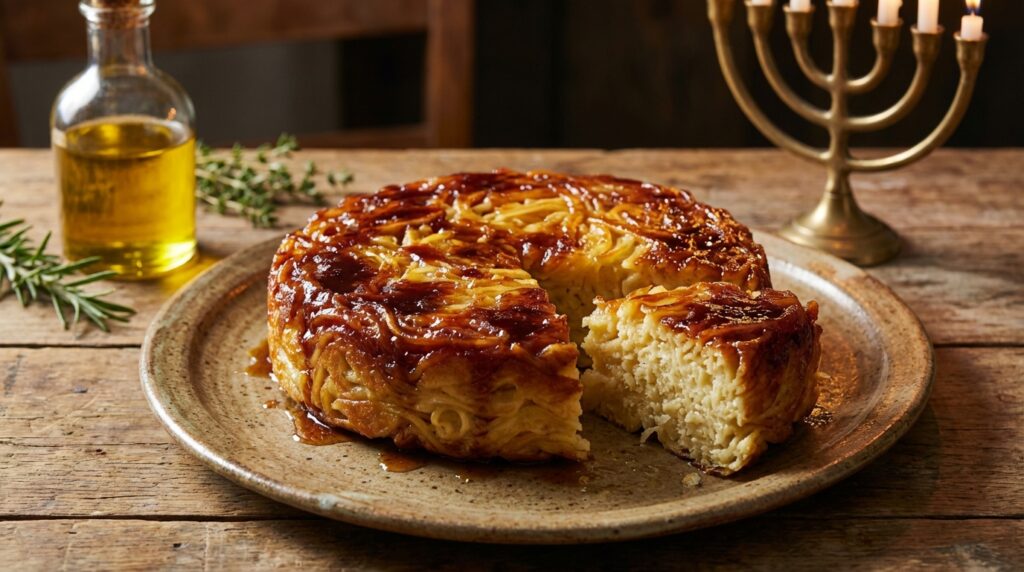
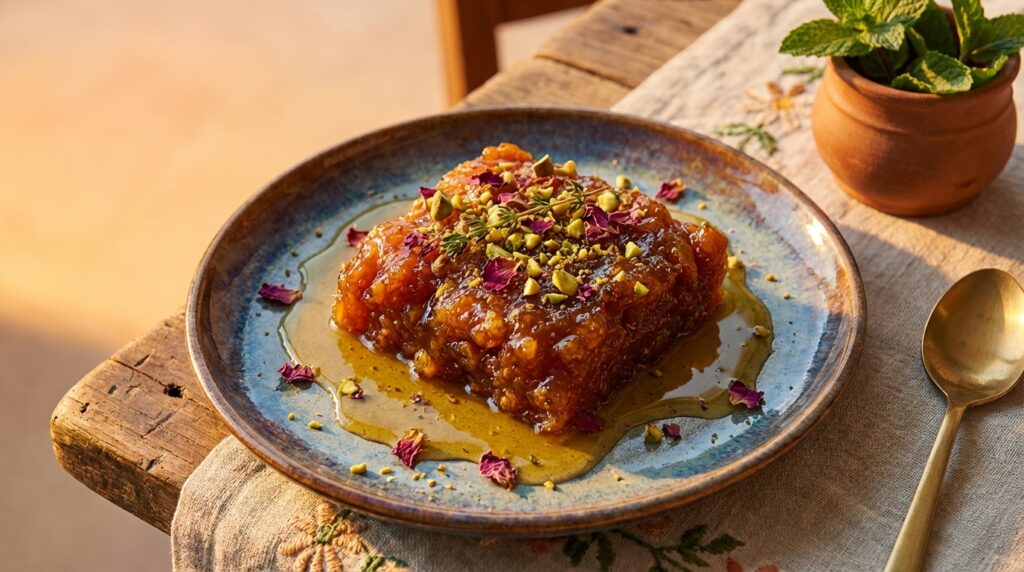
Originating in the vibrant streets of Jerusalem, this kugel combines the rich flavors of caramelized noodles with a hint of black pepper. It became a staple in Jewish households, especially during Shabbat and festive occasions. The dish’s unique sweet and savory profile reflects the diverse culinary influences of the region. Traditionally, Jerusalem Kugel was cooked overnight in communal ovens, allowing families to enjoy a warm dish after morning prayers. This method of slow cooking not only enhanced the flavors but also fostered a sense of community as families gathered to share meals. The kugel’s distinctive taste comes from the caramelization...
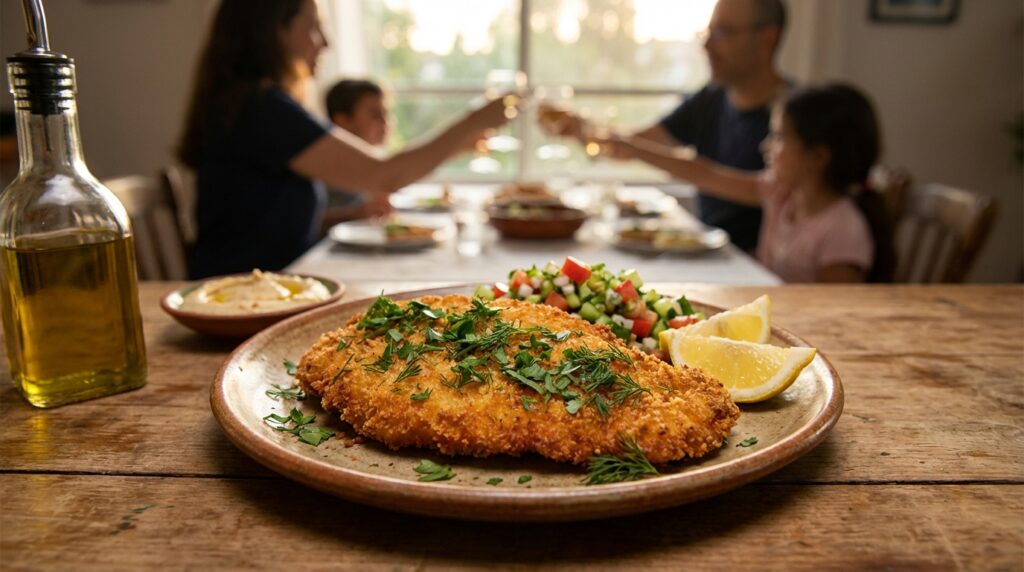
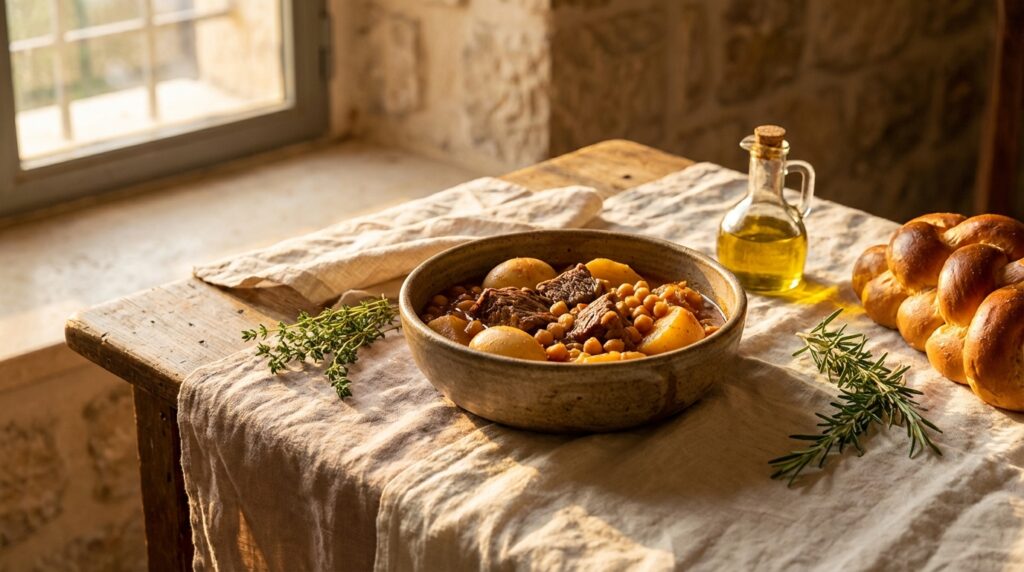
Image illustrating:Heartwarming Hungarian Cholent for Family Gatherings

Heartwarming Hungarian Cholent for Family Gatherings

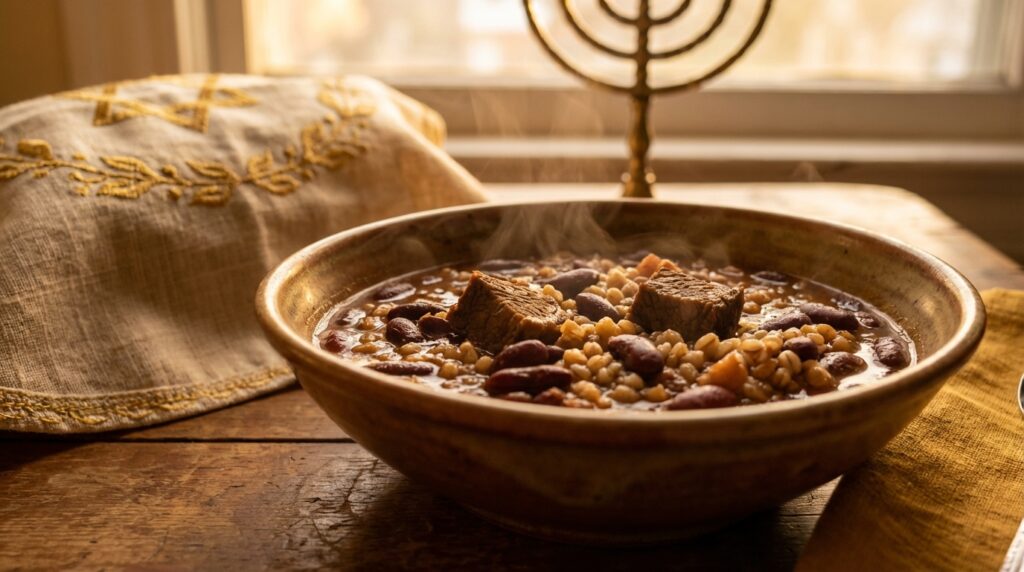
Originating from Jewish communities in Hungary, cholent has been a staple for generations. This hearty dish was traditionally prepared on Fridays to be enjoyed on Shabbat, as it could be left to cook slowly without additional work. Its rich flavors and comforting texture made it a favorite for family gatherings. The ingredients of Hungarian Cholent reflect the agricultural bounty of the region, with beans, barley, and meat forming the core components. These ingredients were not only accessible but also provided the necessary sustenance for the cold winters. The slow-cooking process allowed the flavors to meld beautifully, creating a dish that...
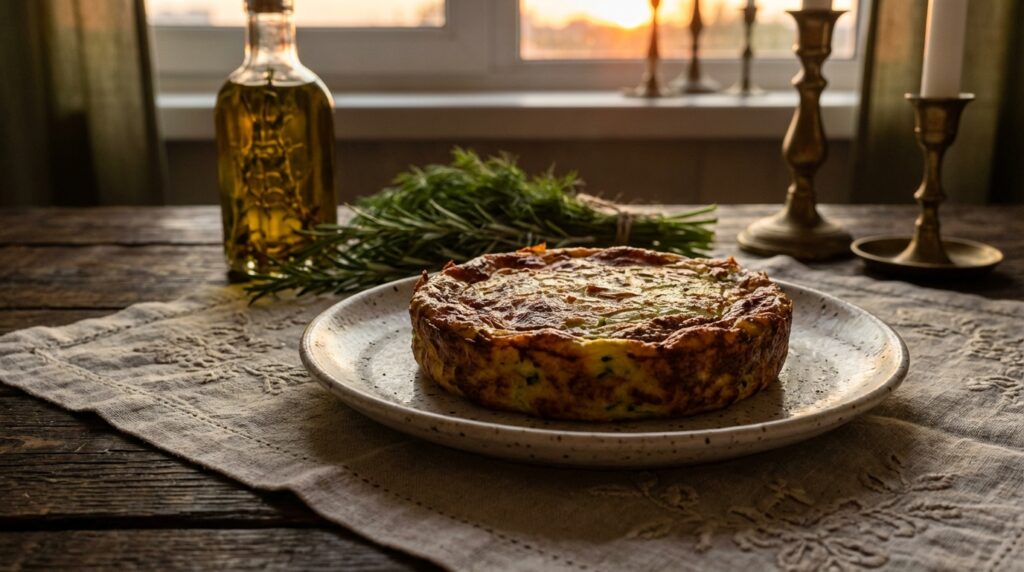
Image illustrating:Traditional Zucchini Kugel for Passover Celebrations

Traditional Zucchini Kugel for Passover Celebrations

Originating in Eastern Europe, kugel has been a staple in Jewish households for centuries. Traditionally made with noodles or potatoes, the zucchini version offers a lighter, vegetable-rich alternative. This dish is particularly popular during Passover when leavened bread is avoided. The word ‘kugel’ itself means ‘ball’ or ‘sphere’ in German, reflecting the dish’s original round shape. Over time, kugel evolved into a baked casserole, often served as a side dish. The zucchini variant is cherished for its moist texture and subtle flavor, making it a versatile addition to any meal. In many Ashkenazi families, kugel recipes are passed down through...
Image illustrating:Sephardic Cholent: A Heartwarming Traditional Dish

Sephardic Cholent: A Heartwarming Traditional Dish

Originating from the Sephardic Jewish communities, this dish has been a staple for centuries. It is traditionally prepared on Fridays to be enjoyed during the Sabbath, allowing families to adhere to cooking restrictions while still enjoying a warm meal. The slow-cooking method used in making Sephardic Cholent allows the flavors to meld beautifully. Ingredients like beans, meat, and spices simmer together, creating a rich and hearty dish that is both comforting and satisfying. Sephardic Cholent is more than just a meal; it is a symbol of tradition and family. Passed down through generations, each family often has its own unique...

Israeli Pasta Creations

Experience the heartwarming flavors of Israeli pasta creations. Each recipe is a journey into the rich culinary traditions of Israel, crafted with love and authenticity. Perfect for those who cherish the taste of home-cooked meals and the joy of sharing them with loved ones.
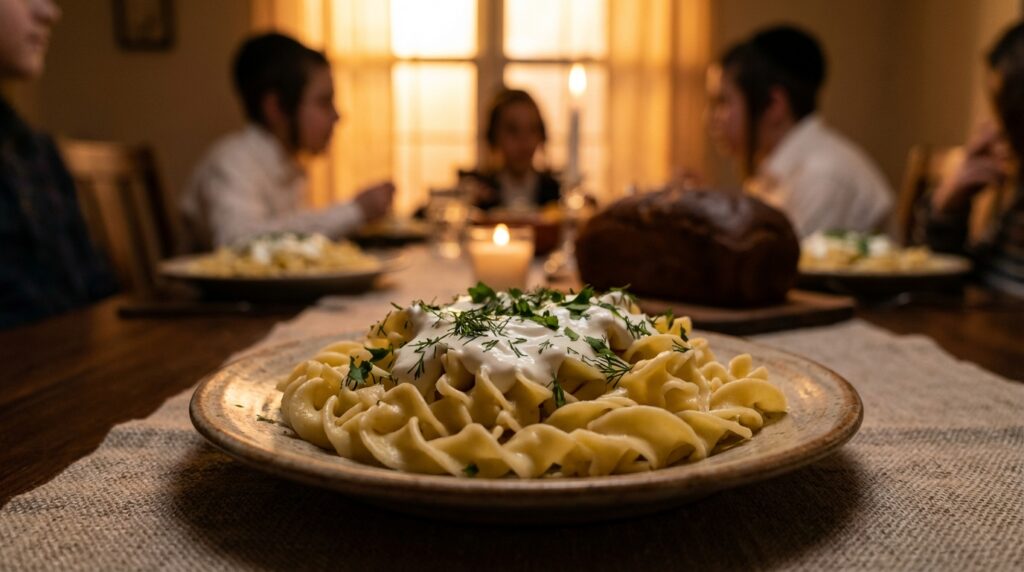
Image illustrating:Hungarian Noodle Delight

Hungarian Noodle Delight

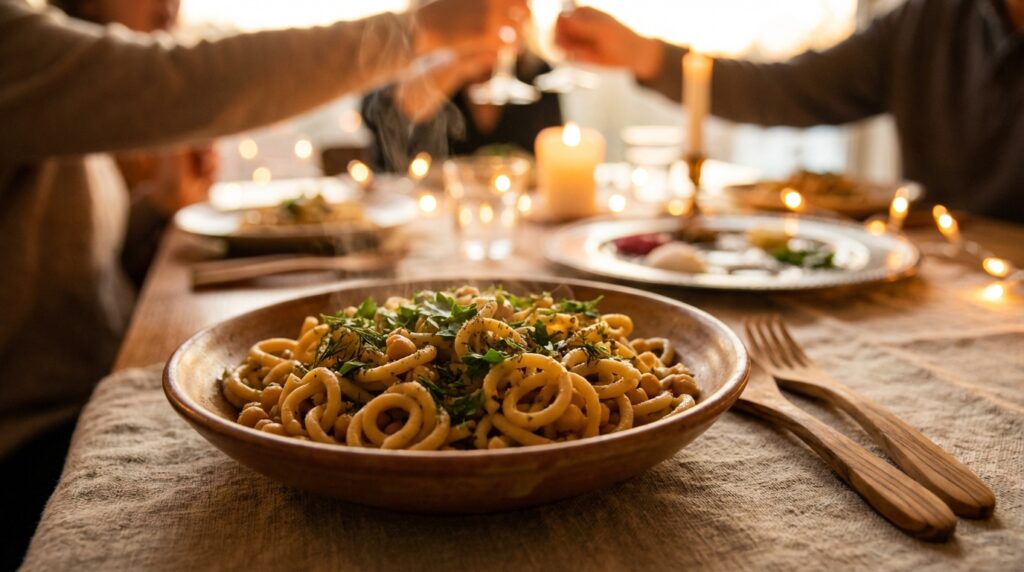
Originating from the heart of Europe, Hungarian noodles have been a staple in many households for centuries. Their versatility and rich flavor make them a beloved choice for family meals. Traditionally, these noodles are made with simple ingredients, yet they offer a depth of taste that is both comforting and satisfying. In Hungary, noodles are often paired with hearty sauces and meats, reflecting the country’s agricultural roots. The use of fresh, local ingredients is a hallmark of Hungarian cooking, ensuring that each dish is both nutritious and flavorful. This recipe captures the essence of Hungarian culinary traditions, bringing them to...
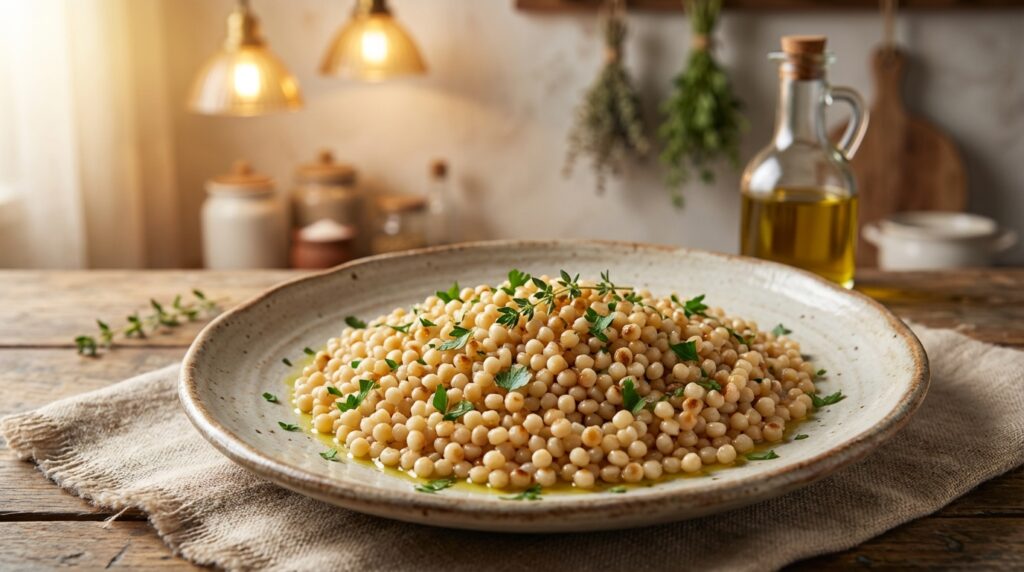
Image illustrating:Exploring Pasta Pellets in Jewish Culinary Traditions

Exploring Pasta Pellets in Jewish Culinary Traditions

Originating from Eastern Europe, pasta pellets, also known as ‘ptitim’ or ‘Israeli couscous,’ have found their way into many Jewish homes. These small, round pasta shapes are often used in soups and stews, providing a hearty and comforting addition to meals. Their versatility and ease of preparation have made them a staple in Jewish cooking. The introduction of pasta pellets to Israeli cuisine dates back to the early 1950s. During this time, the country faced a rice shortage, prompting the development of a rice substitute. Pasta pellets quickly gained popularity, not only as a substitute but as a beloved dish...
Image illustrating:Chickpea Pasta Delight for Passover

Chickpea Pasta Delight for Passover

Originating from the Middle East, chickpeas have been a staple in Israeli cuisine for centuries. This legume is not only versatile but also packed with nutrients, making it a favorite among many. Chickpea pasta, made from chickpea flour, offers a gluten-free alternative to traditional wheat pasta, aligning with dietary needs during Passover. The process of transforming chickpeas into pasta involves grinding them into a fine flour. This flour is then mixed with water to form a dough, which is shaped into various pasta forms. The result is a hearty and nutritious pasta that retains the rich, nutty flavor of chickpeas....
Image illustrating:Heartwarming Poppy Seed Noodles Recipe

Heartwarming Poppy Seed Noodles Recipe

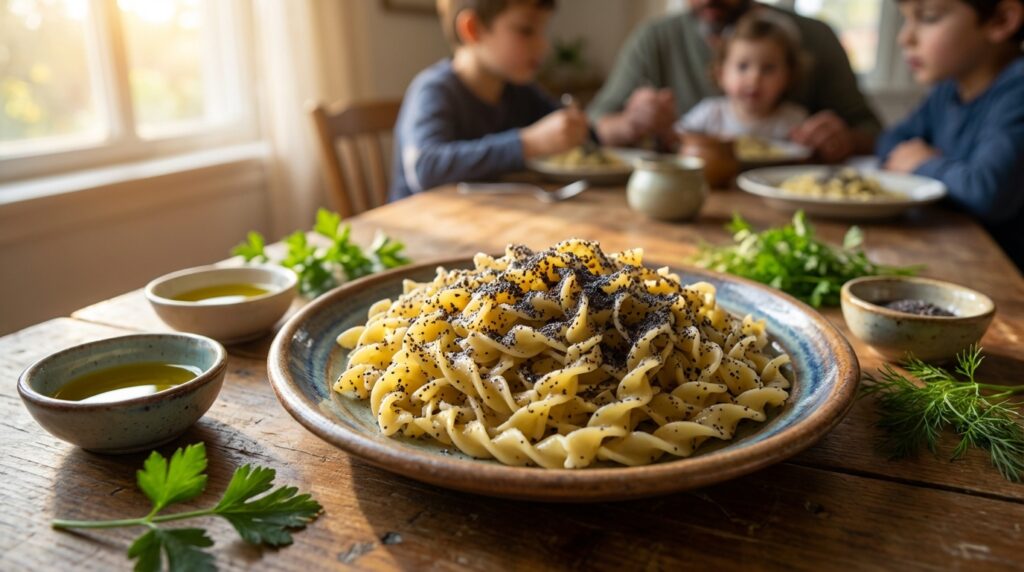
Originating from Eastern European Jewish communities, poppy seed noodles have been embraced by Israeli families for generations. This dish is often associated with comfort and tradition, making it a staple in many homes. The combination of pasta and poppy seeds creates a unique texture and flavor that is both satisfying and nostalgic. In Israel, poppy seed noodles are often served during festive occasions and family gatherings. The dish symbolizes unity and togetherness, as it brings people around the table to share in its delightful taste. The simplicity of the ingredients allows the flavors to shine, highlighting the natural goodness of...

Israeli Meat Classics

Dive into the world of Israeli meat classics, where each recipe tells a story of tradition and warmth. These dishes are crafted with love, bringing the essence of Israeli home cooking to your kitchen. Enjoy the rich flavors and heartfelt connections with every bite.
Image illustrating:Traditional Israeli Schnitzel Delight

Traditional Israeli Schnitzel Delight

The journey of schnitzel to Israel began with European immigrants who brought their culinary traditions with them. Over time, the dish evolved to suit local tastes, becoming a staple in Israeli households. The adaptation of schnitzel in Israel often involves using chicken or turkey, making it a lighter alternative to the traditional veal. In Israel, schnitzel is more than just a meal; it’s a symbol of comfort and home. Families gather around the table to enjoy this crispy delight, often accompanied by fresh salads and warm pita bread. The simplicity of the ingredients and the ease of preparation make it...
Image illustrating:Savor the Classic Israeli Schnitzel Sandwich

Savor the Classic Israeli Schnitzel Sandwich

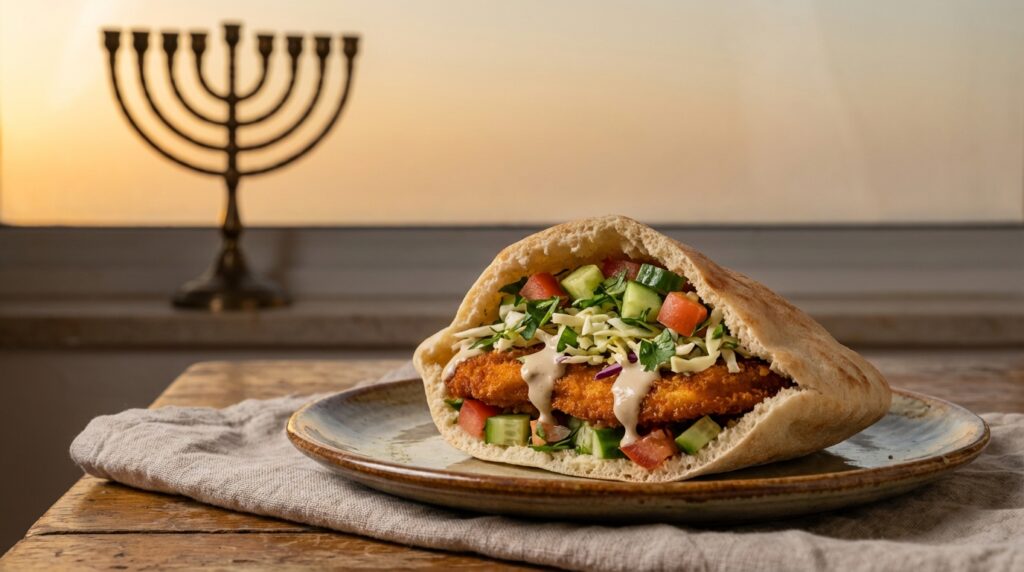
Originating from European immigrants, schnitzel became a staple in Israeli cuisine. The adaptation of the schnitzel into a sandwich form made it a convenient and popular choice for busy Israelis. Its crispy texture and savory flavor have made it a favorite across generations. In Israel, schnitzel is often made with chicken or turkey, reflecting local dietary preferences. The sandwich version typically includes fresh vegetables and a variety of sauces, adding layers of flavor and texture. This combination has made it a versatile and satisfying meal. The schnitzel sandwich is not just a meal; it’s a cultural experience. It represents the...
Image illustrating:Traditional Jewish Meatballs for Family Gatherings

Traditional Jewish Meatballs for Family Gatherings

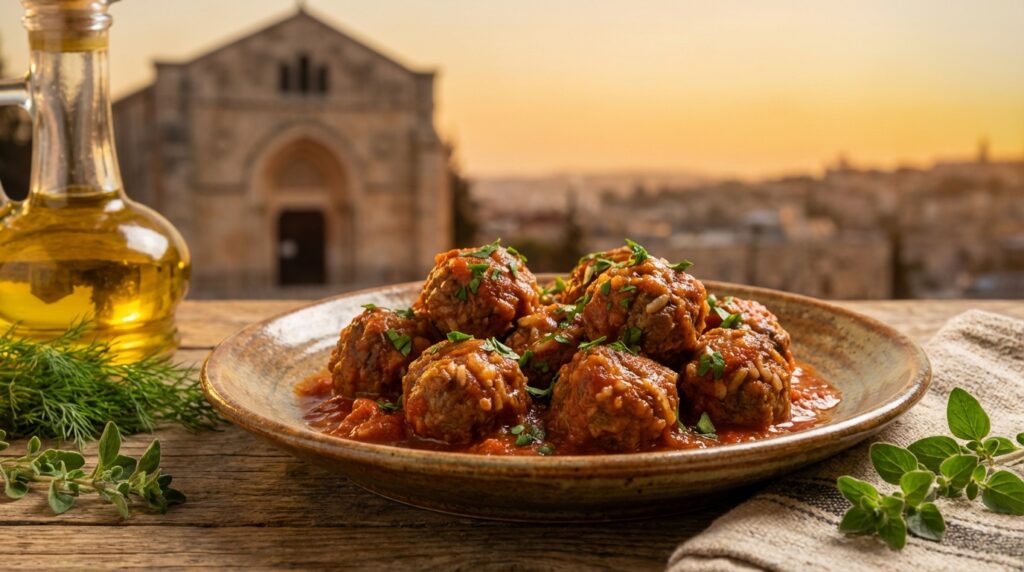
The origins of Jewish meatballs can be traced back to Eastern Europe, where they were a staple in many Jewish households. These meatballs were often made with simple ingredients, reflecting the resourcefulness of the community. Over time, the recipe traveled with Jewish families to Israel, where it adapted to local tastes and ingredients. In Israel, Jewish meatballs have become a symbol of comfort and family gatherings. They are often served during holidays and special occasions, bringing people together around the table. The dish’s simplicity allows the flavors of the meat and spices to shine, creating a warm and inviting meal....
Image illustrating:Delicious Pistachio Kebab Recipe

Delicious Pistachio Kebab Recipe

The origins of pistachio kebabs trace back to the Middle Eastern culinary traditions, where nuts and spices are often used to enhance the flavors of meats. In Israel, this dish has evolved to become a favorite at family gatherings and celebrations, offering a unique blend of textures and tastes. Traditionally, pistachio kebabs are made with ground lamb, which is known for its rich and tender qualities. The addition of pistachios not only adds a delightful crunch but also a subtle nutty flavor that complements the savory spices perfectly. This combination makes the dish both satisfying and memorable. In many Israeli...