Due to the war in Israel, shipments may be delayed. Thank you for standing with Israel.

Biblical Studies

Dive into the world of Biblical Studies with our collection of insightful articles. Discover historical contexts, cultural nuances, and the timeless wisdom of the Hebrew Bible. Perfect for those seeking a deeper connection to Israel's rich heritage.
Elderly Jewish man reading Torah in serene olive grove.

Understanding the Name Bethany in Hebrew Context

This dual meaning reflects Bethany’s role as a place of both hardship and abundance. Known for hospitality and healing, it was the home of Mary, Martha, and Lazarus, who are key figures in various biblical narratives. Mary and Martha are well-known for their hospitality, as seen in the story where Martha welcomes a guest into her home (Luke 10:38-42). Lazarus, their brother, is central to a miraculous event that underscores themes of faith and renewal. Mary and Martha’s story in Luke 10:38-42 highlights the importance of hospitality and service. Martha’s dedication to welcoming guests and Mary’s focus on listening and...
Elderly rabbi reading Torah in a study filled with texts.

Unraveling the Hebrew Meaning of Levi

In this article, we explore the etymology, biblical mentions, and cultural significance of Levi, providing insights into how his story continues to resonate today. The tribe of Levi, known for its religious significance, played an integral role in the spiritual life of ancient Israel. Entrusted with the care of the Ark of the Covenant and other sacred duties (Deuteronomy 10:8), they were responsible for carrying the Ark during the Israelites’ travels. Levi’s descendants played a pivotal role in maintaining the spiritual and cultural fabric of the community, ensuring that traditions were upheld across generations. The Name Levi in the Hebrew...
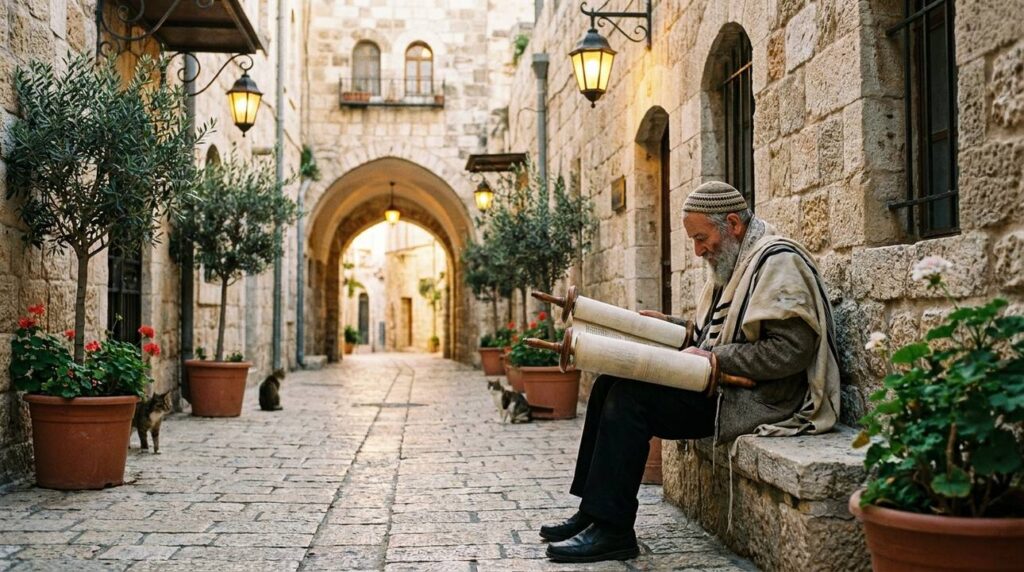
Elderly Jewish man in Jerusalem reading Torah on tranquil street.

Understanding the Significance of ‘Ram’ in Hebrew Context

In Exodus 29:15-18, the ram’s role in sacrificial offerings highlights its significance in religious practices. This underscores the ram’s symbolic representation of strength and leadership in biblical narratives. These insights deepen our understanding of the cultural and spiritual importance of the ram in ancient Israelite society. This article delves into the ‘ram’s’ Hebrew meaning, exploring its appearances in the Bible and understanding its broader cultural significance. Symbolic representation of leadership is evident in its frequent use in royal and priestly contexts. In 1 Samuel 15:22, the prophet Samuel emphasizes obedience over sacrifice, yet the mention of rams underscores their importance...
Elderly Jewish man reads Hebrew Bible in serene Jerusalem alley.

Understanding Gold’s Significance in the Hebrew Bible

Gold: A Precious Metal Throughout History Gold is first mentioned in the early passages of Genesis, indicating its longstanding value. Genesis 2:11-12 mentions the land of Havilah, where gold is found, and describes it as ‘good.’ This reflects the esteem gold held even in the dawn of biblical history, symbolising not just wealth but divine favour. The Tabernacle and Temple: Gold’s Sacred Role In Exodus 25, the use of gold in the Tabernacle is commanded. This precious metal is used in crafting the Ark of the Covenant and other sacred items. Gold’s inclusion signifies holiness and purity, marking it as a symbol...

General

Dive into a world of captivating stories and rich traditions from Israel. Our content connects you with local artisans and their heartfelt creations, offering a glimpse into the vibrant culture and heritage of this unique land. Support small businesses and enjoy the journey of discovery with each story.
Middle-aged Jewish man reads Torah under an olive tree at dawn.

Understanding the Role of Cherubs in Biblical Narratives

Cherubs: The Guardians of the Divine Cherubs are often depicted as guardians in the Bible, with a notable example in Genesis 3:24. Here, they are positioned at the east of the Garden of Eden to guard the way to the Tree of Life. This role underscores their function as protectors, maintaining the sanctity and divine nature of the spaces they oversee. Such depictions illustrate their importance in biblical narratives as custodians of sacred areas. In Genesis, the cherubs are accompanied by a flaming sword, adding to their formidable presence as guardians. This image serves to emphasize their role in preventing...
Elderly Jewish man in kippah reading Torah in olive grove.

Unveiling the Secrets of Nimrod Castle

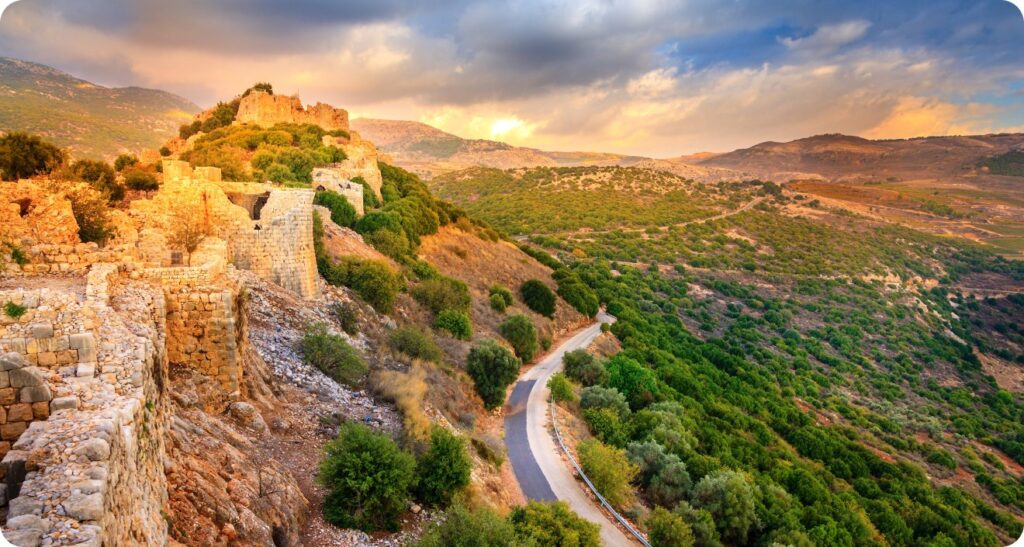
The Ayyubid dynasty, founded by Saladin, played a crucial role in the history of the region. Their construction of Nimrod Castle reflects their strategic vision and understanding of the area’s importance. The castle’s location on Mount Hermon is reminiscent of the biblical significance of Mount Sinai, where Moses received the Ten Commandments as described in Exodus 19:20. The castle’s strategic location made it a key defensive site. It was named after the biblical figure Nimrod, a mighty hunter mentioned in Genesis 10:8-9. This adds a layer of cultural significance, connecting the site to ancient stories and traditions. Today, visitors can...
Elderly rabbi studies ancient scroll in sunlit Jerusalem library.

Understanding Nebuchadnezzar’s Dream of the Statue

The Dream: A Vision of Empires King Nebuchadnezzar’s dream, as recounted in Daniel 2, presents a towering statue composed of various materials, each symbolising a different kingdom. The head of gold represents Nebuchadnezzar’s Babylonian empire. Silver, bronze, iron, and clay represent successive empires, each less magnificent than the last. Daniel’s interpretation reveals a divine plan of rising and falling kingdoms. This vision extends beyond the Babylonian realm, projecting into future powers that would rise in history. Understanding the statue’s meanings offers insight into the continuity of human governance and divine oversight. Each material’s significance reflects the transient nature of worldly...
Elderly Jewish man in kippah reading texts in rustic study room.

Discovering the Miracles of Elijah

From calling down fire from heaven to parting the waters of the Jordan River, Elijah’s miracles are a testament to the power of faith and divine intervention. His life is not just a historical account but a living legacy that continues to inspire and guide those who seek a deeper understanding of faith and spirituality. Exploring these narratives, we can uncover the enduring impact of Elijah’s life and the lessons it holds for us today. Elijah’s First Miracle: Drought and Famine Elijah’s first recorded miracle is the declaration of drought, where he announced that no rain would fall in Israel...

History of Israel and Jews

Delve into the captivating history of Israel and the Jewish people, exploring their enduring legacy and cultural heritage. From ancient times to modern day, uncover stories of resilience and tradition that have shaped this vibrant community.
Elderly Jewish man reads Torah in an ivy-covered Jerusalem alley.

Discovering the Biblical Meaning of Zachary

Zachary is linked to the prophet Zechariah, whose messages are found in the Tanakh. His prophecies, especially those concerning the rebuilding of the Temple, are documented in the Book of Zechariah. These messages were vital during the post-exilic period, as they provided guidance and encouragement to the Jewish people. The significance of Zachary continues to be felt today, symbolizing the enduring spirit and cultural heritage of the Jewish community. The Name Zachary in Biblical Context Zachary originates from the Hebrew ‘Zechariah,’ meaning ‘God remembers.’ It connects to the prophet Zechariah, a central figure who contributed to the spiritual landscape of...
Elderly Jewish man reading the Torah in Jerusalem's old city.

Exploring the Timeline of People in the Bible

By tracing these timelines, we gain a deeper appreciation for the cultural and historical contexts that shaped the biblical narrative. This exploration offers a window into the values and beliefs that have influenced Jewish identity and heritage over the millennia. The stories of these figures are not just historical accounts but are integral to understanding the evolution of Jewish culture and religious practices. The Patriarchs: Founders of Faith The story of the patriarchs is foundational in the Bible, with figures like Abraham, Isaac, and Jacob, who lived around 2000 BCE, playing central roles. Abraham, originally from Ur (Genesis 11:31), is...
Elderly Jewish man in Jerusalem reading Torah scroll in alley.

Understanding the Role of Cherubs in the Bible

Cherubs often signify the presence of the divine, as seen in the construction of the Ark of the Covenant in Exodus 25:18-22. This article journeys through references to cherubs in the Bible, exploring their significance in Israel’s history and Jewish tradition. Their presence in sacred narratives underscores their importance in maintaining the connection between the divine and the earthly, highlighting their role in biblical history and continued relevance in Jewish thought. What Are Cherubs in the Bible? Biblical texts often depict cherubs as winged guardians of sacred spaces. The Book of Ezekiel (10:1-22) provides detailed descriptions, showing them with multiple...
Archaeologists examining artifacts at Moabite ruins in Jordan at sunrise.

Unveiling the Moabite People: History and Cultural Legacy

In this article, we explore their culture, interactions with Israel, and enduring legacy in the context of biblical history. By examining archaeological evidence like the Mesha Stele, we gain a deeper understanding of their society and influence in the ancient Near East. These insights help us appreciate the complexities of the ancient world and the lasting impact of this group on the region’s history. Who Were the Moabite People? This ancient Semitic people lived east of the Dead Sea, with their existence well-documented in both biblical texts and archaeological findings. Originating from Lot, a figure in Genesis, they emerged as...

Food and Beverages from Israel

Discover the diverse and rich culinary landscape of Israel. From traditional dishes to modern creations, Israeli food and beverages offer a unique taste experience. Support local producers and enjoy authentic flavors that connect you to the heart of Israel.
Middle-aged Jewish man in kippah stirring dates in sunny kitchen.

Discovering the Sweet World of Date Honey

Its use in dishes like tahini and silan sauce highlights its versatility and cultural significance. In the ancient city of Jericho, one of the oldest inhabited cities, date palms were abundant, providing a vital food source. The significance of this syrup is not only culinary but also cultural, as it represents the resilience and adaptability of the people who have cultivated it for generations. This exploration will reveal how it continues to be a beloved ingredient, connecting people to the land and its history. What is Date Honey? Silan is not actually honey made by bees. It is a syrup...
Jerusalem street market with vendor making Laffa bread, customers waiting.

Exploring the Differences Between Laffa and Pita

The origins of these breads can be traced back to ancient times, with pita being a common sight in the markets of ancient Egypt and laffa being a favorite in the Levant. Their enduring popularity is a testament to their versatility and ability to adapt to changing tastes. In modern Israeli cuisine, they are celebrated for their ability to complement a wide range of dishes, from simple street food to gourmet creations. Each bite of laffa or pita is a reminder of the region’s rich history and the culinary traditions that have been passed down through generations. The Origins of...
Elderly Jewish baker prepares Laffa bread in traditional Jerusalem bakery.

Unraveling Laffa Bread: Recipe and Comparisons

Join us on this culinary journey through the flavors and stories of laffa bread. This journey is much like the path of discovery in the Book of Ruth, where Ruth learns about her heritage and the customs of her new home (Ruth 2:11-12). Serving as a bridge between past and present, laffa connects us to the rich tapestry of Middle Eastern history. Ruth’s journey was one of adaptation and acceptance, much like how laffa has been embraced across cultures. As Ruth discovered her place within her new community, this bread continues to find its place on tables worldwide. It not...
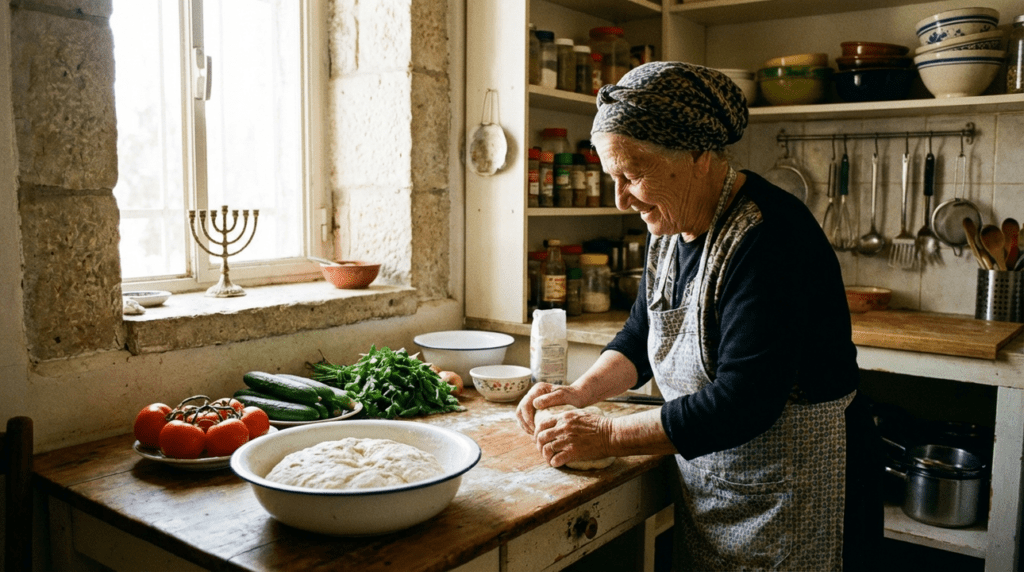
Shakshuka in cast iron pan, menorah, and ingredients on table.

Exploring the Flavors and Serving Choices for Shakshuka

The dish’s popularity in Israel can be traced back to the 1950s, when Jewish immigrants from North Africa brought their culinary traditions with them. These immigrants, hailing from countries like Tunisia and Morocco, enriched Israeli cuisine with their vibrant dishes. Today, Shakshuka is celebrated for its simplicity and the way it brings people together around the table. Its vibrant colors and bold flavors make it not only a feast for the taste buds but also for the eyes, inviting everyone to partake in its warmth and richness. The dish’s bright red tomatoes and green herbs can be likened to the...

Jewish Mysticism and Symbolism

Delve into the fascinating realm of Jewish Mysticism and Symbolism, where ancient traditions meet profound cultural insights. This category explores the mystical aspects of Judaism, offering a window into the spiritual and symbolic practices that have shaped Jewish life for centuries. From the mystical teachings of the Kabbalah to the symbolic meanings behind Jewish rituals, uncover the layers of meaning that continue to inspire and connect communities worldwide.
Elderly Jewish man studies ancient Hebrew scroll in Jerusalem alley.

Understanding Ezekiel’s Vision: The Wheel Within a Wheel

Ezekiel’s account is rich with imagery, including the four living creatures and the intricate wheels, each element contributing to the overall message of divine presence and order. By examining these symbols, readers can gain insight into the ways in which the divine interacts with the world and influences human affairs. This exploration invites a deeper engagement with the text and its enduring relevance in spiritual discourse. Ezekiel’s Vision: The Biblical Account In the passage from Ezekiel 1:4-28, the prophet describes a scene where he sees a ‘wheel within a wheel’. This section stands out due to its vivid and detailed...
Elderly rabbi studying ancient texts in a dim, traditional study room.

Unraveling the Mystical Meaning of Ezekiel

Who Was Ezekiel in the Bible? Ezekiel was a Hebrew prophet during the Babylonian exile of the 6th century BCE. His role was pivotal in communicating divine messages to the Jewish people during a time of turmoil. Ezekiel’s prophetic career began around 593 BCE, and he was among those exiled to Babylon after the siege of Jerusalem. His messages often focused on hope and restoration. His profound visions are unique among the prophets, combining vivid imagery with spiritual teachings. Ezekiel sought to convey the power and presence of the Divine, even in exile. Ezekiel’s messages were delivered during a period...
Men in traditional Jewish attire discussing beside a menorah in a synagogue.

Exploring the Symbolism of Wheels in the Bible

Ezekiel’s Vision of Wheels The Book of Ezekiel describes a remarkable vision where the prophet sees a chariot with wheels within wheels, accompanied by heavenly creatures (Ezekiel 1:15-21). The dazzling complexity of these wheels allows them to move in coordination with the entities. This vision intrigues for its grandeur and rich symbolic content. Ezekiel’s depiction has been foundational for later mystical traditions, offering insights into divine presence and cosmic order, influencing works like the Zohar and Sefer Yetzirah. Ezekiel’s vision, with its vivid imagery and detailed descriptions, has captivated the imagination of scholars and mystics alike. The presence of the...
Elderly Jewish man tends vineyard with ancient texts on wooden table.

Discovering the Symbolism of Vines in Jewish Mysticism

Vines in Biblical Texts In ancient Israel, vines were more than just agricultural plants. They symbolized prosperity and divine favor. The Bible mentions vineyards numerous times, highlighting their essential role in society. For instance, Isaiah 5:1-7 uses the vineyard as a metaphor for the nation of Israel itself, illustrating care and growth. These texts show how vines are synonymous with fertility and divine provision, reflecting the intimate relationship between the people and their land, a theme echoed in many biblical narratives. The Book of Numbers (13:23) describes scouts bringing back a cluster of grapes, symbolizing the abundance awaiting the Israelites...

Israeli Culture and Traditions

Dive into the vibrant world of Israeli culture and traditions. Learn about the diverse customs, foods, and crafts that make Israel unique. Support local artisans and small family businesses by engaging with their stories and products. Through your involvement, you help sustain these cultural treasures and keep the heritage alive for future generations.
Group in traditional Jewish headwear conversing in sunlit Jerusalem street.

Understanding the Hebrews’ Journey to Slavery in Egypt

Joseph’s story is one of betrayal and redemption, as he rose from being sold into slavery by his brothers to becoming a powerful figure in Egypt. His journey laid the groundwork for his family’s migration to Egypt, a move that initially promised prosperity but eventually led to their enslavement. This complex narrative highlights the themes of survival, resilience, and the enduring spirit of the Hebrew people, setting the stage for their eventual liberation and the legacy of their struggle. The Hebrews’ Arrival in Egypt The journey of the Hebrews to Egypt begins with Joseph, a Hebrew sold into slavery by...
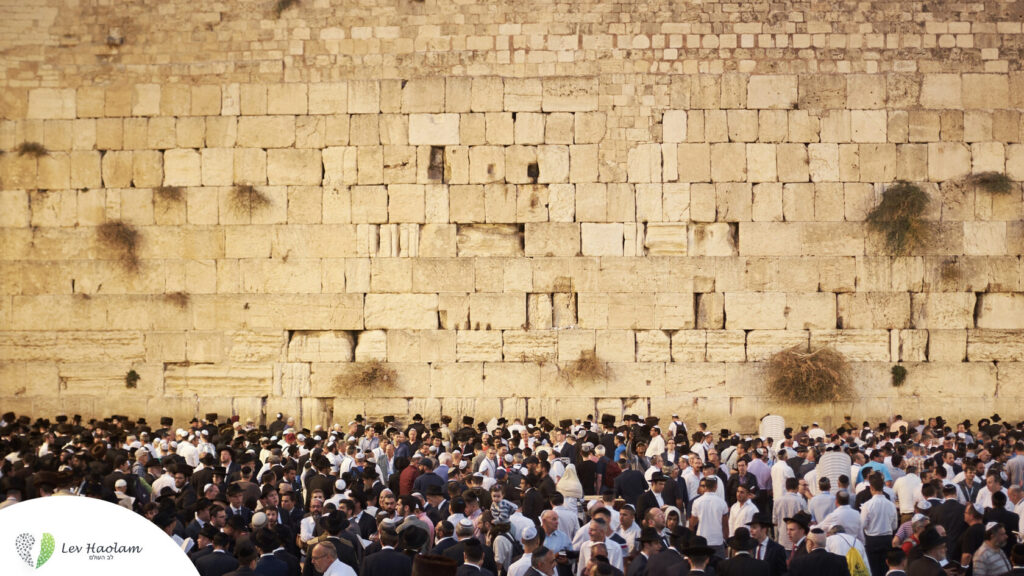
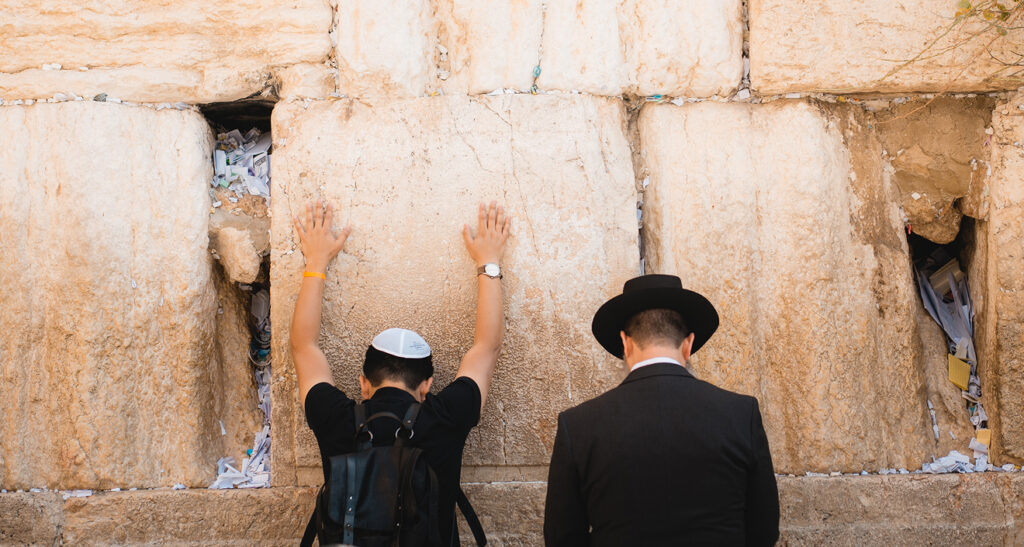
Elderly Jewish man praying at the Western Wall during Yom Kippur.

Understanding Yom Kippur and Its Traditions

Yom Kippur, as outlined in Leviticus 16:29-31, underscores the importance of atonement and reconciliation, both with oneself and with others. Through introspection and efforts to rectify past wrongs, individuals contribute to the betterment of their communities. This communal aspect is reflected in the shared prayers and rituals, uniting participants in a common purpose. As such, Yom Kippur remains a vital component of Jewish identity, promoting values of compassion, justice, and personal responsibility. This article explores the traditions and spiritual essence of Yom Kippur, offering readers a connection to its historical and cultural foundations. It delves into the practices preserved over...
Elderly man wearing kippah reads Torah in sunlit Jerusalem synagogue.

Discovering the Unique Traditions of Israel

Religious Observances and Festivals Religious festivals play a significant role in Israeli culture. One prominent example is Hanukkah, the Festival of Lights celebrated over eight days. During this time, families gather to light menorahs and enjoy traditional foods like latkes and sufganiyot. The menorah lighting is a reminder of the miracle where the oil lasted eight days, as recorded in the Talmud. Hanukkah celebrates the miracle of the menorah burning for eight days with limited oil and is a time for family and community celebrations. This festival, along with others like Passover and Shavuot, highlights the importance of tradition and...
Jewish family preparing Shabbat dinner in an ancient Jerusalem alley.

Exploring Israel’s Culture: After Solomon’s Death and Clothing Traditions

The split led to the development of distinct cultural identities, with each kingdom adopting unique practices and traditions. The northern kingdom, with its capital in Samaria, often faced external threats, influencing its cultural and religious practices. In contrast, Judah, centered in Jerusalem, maintained a strong connection to its religious heritage, as seen in the continued importance of the Temple. These differences are reflected in the writings of prophets like Amos and Micah, who addressed the social and spiritual challenges of their respective regions. Israel After Solomon: The Split and Its Impact The death of King Solomon marked a pivotal moment...

Geography travelling israel

Elderly men in kippahs discuss by a Jerusalem stone wall.

Journeying to Jerusalem: Distances from Babylon, Bethany, and Beyond

The Path from Babylon to Jerusalem Traversing from Babylon to Jerusalem covered a notable distance in ancient times. Located in modern-day Iraq, Babylon was approximately 1,500 kilometers (930 miles) away. This route, often taken by exiled Jews returning home, involved weeks of travel through diverse terrains. The path passed through deserts and fertile lands, challenging travelers physically and spiritually. The route symbolized spiritual rebirth and renewal, as many embarked on this path seeking the promise of restoration in the sacred city of Jerusalem. It was not just about reaching a physical destination but about reclaiming one’s heritage and identity. Bethany:...
Group harvests olives in kibbutz, wearing kipas and headscarves.

Exploring Modern Day Samaria: History and Life Today

The historical significance of Samaria is further highlighted in passages like 2 Kings 17:5-6, where the Assyrian conquest led to the exile of its people. These events have left a lasting impact on the region, shaping its cultural and historical identity. Today, Samaria continues to be a place of interest for historians and tourists alike, offering a unique blend of ancient history and modern life that captivates all who visit. Samaria’s landscape is marked by its rolling hills and fertile valleys, making it a historically significant area for agriculture. The biblical city of Samaria, the capital of the northern kingdom...

Negev Desert landscape at golden hour with small group exploring.

Discovering the Negev Desert: An Israeli Gem

Visitors can witness the stark beauty of its rocky terrains and sandy expanses, shaped by natural forces over thousands of years. This region is also home to ancient archaeological sites, such as the city of Be’er Sheva, inhabited since biblical times and often associated with the stories of Isaac and Jacob (Genesis 26:23-33). These historical connections add a profound layer of significance to any visit. Be’er Sheva, known as the “Gateway to the Negev,” has served as a critical junction for trade and travel routes. The city’s ancient wells, attributed to the patriarchs, are a testament to its historical importance....

Elderly men in kippahs discussing on wooden benches in olive grove.

A Journey Through Modern Day Sheba in Israel

Travelers can explore the desert’s vast landscapes, finding beauty in its starkness and resilience. The region’s archaeological sites offer glimpses into the lives of ancient peoples, connecting visitors to the stories that have shaped Sheba’s identity. This journey through time and space invites exploration and reflection, providing a deeper understanding of Sheba’s enduring legacy. The region’s archaeological findings, such as those at Tel Arad, offer glimpses into ancient civilizations that once thrived here. These sites reveal the daily lives and spiritual practices of the people who lived in this historic land. Exploring these remnants provides a deeper understanding of the...

Geography & Travelling of Israel

Dive into the rich landscapes of Israel, from the lush Galilee to the historic Negev. Experience the vibrant cultures and support local artisans on your journey.
Elderly man in kippah harvesting olives in sunlit Galilee grove.

Discovering Galilee Today and Its Present Whereabouts

Tiberias, established in 20 CE by Herod Antipas, is one of the four holy cities in Judaism, alongside Jerusalem, Hebron, and Safed. The city is known for its hot springs, believed to have healing properties. Visitors can also explore the ancient town of Magdala, home to a first-century synagogue, providing a glimpse into the region’s rich spiritual heritage. Galilee’s diverse landscapes and historical significance make it a captivating destination for those seeking to connect with Israel’s heritage. Overview of Galilee Today Located in the northern part of Israel, Galilee remains one of the country’s most picturesque regions. Known for its...
Fishermen prepare nets among wooden boats in ancient Jaffa Port.

Exploring the Charm and Heritage of Jaffa Port

The port’s strategic location has made it a focal point for various civilisations, including the Egyptians and the Phoenicians. Each of these cultures left its mark, contributing to the rich tapestry that defines Jaffa today. As you explore, you’ll find yourself walking through layers of history, each step revealing a new story. The Historical Significance of Jaffa Port Jaffa, one of the world’s oldest ports, has served as a vital entry point to the region for millennia. Throughout its history, it witnessed the arrival of pilgrims, traders, and conquerors alike. The Bible notes it as the port from which Jonah...
Serene olive grove at dawn with menorah among dewy leaves.

Unveiling the Secrets of the Land of Edom

Where Is the Land of Edom? The Land of Edom stretches along the southeastern border of modern-day Jordan. It forms a natural continuation of the arid Negev Desert and sits adjacent to the Dead Sea. This geographical placement made Edom a pivotal area for trade routes in ancient times, such as the King’s Highway mentioned in Numbers 20:17. Edom’s proximity to significant biblical sites enhances its allure. The region is characterized by striking red sandstone formations and rugged mountains. Edom’s unique red terrain is often associated with its name, which some scholars believe means ‘red’ in Hebrew, connecting to Esau’s...
Elderly man reads ancient book by menorah in Jerusalem at dusk.

Exploring the Life and Legacy of King David

David’s journey from shepherd to king is a testament to his faith and leadership. His life story is not only a historical account but also a source of inspiration for those who value resilience and devotion. As we explore his life, we uncover the profound impact he had on Jerusalem and the enduring legacy he left for future generations. King David: From Shepherd to King King David’s story begins in Bethlehem. Anointed by the prophet Samuel, David’s journey from shepherd to king is a remarkable tale of faith and destiny. He first gains prominence by defeating Goliath, a giant Philistine...

Israeli Products and Crafts

Dive into the vibrant world of Israeli products and crafts. Our collection showcases the creativity and tradition of local artisans, offering you a chance to support small businesses and bring authentic Israeli culture into your life. From handcrafted jewelry to exquisite ceramics, each piece tells a story of dedication and passion. Join us in celebrating the beauty of Israeli craftsmanship.
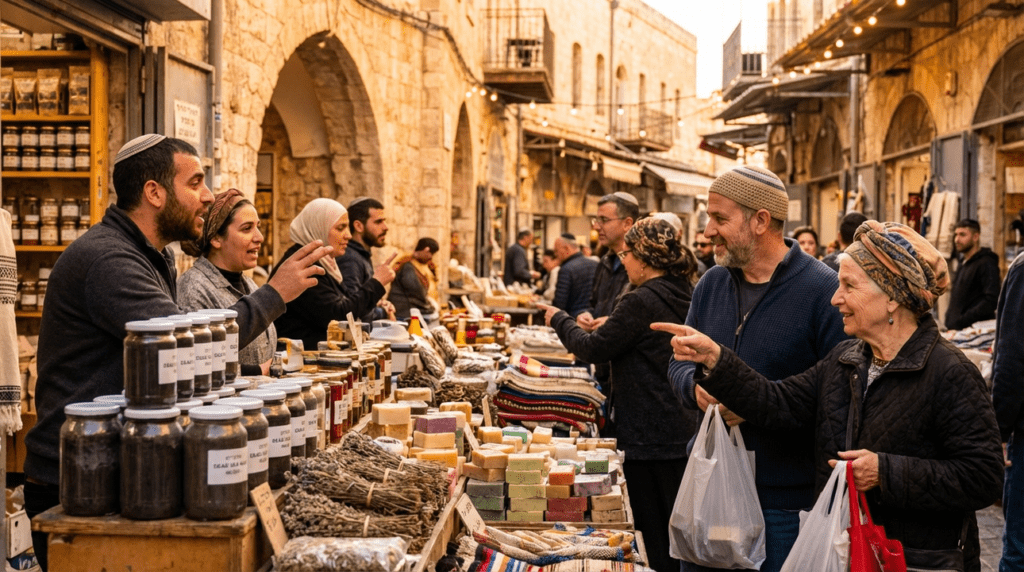
Jerusalem market scene with vendors selling traditional Israeli products.

Exploring the Best Israeli Skin Care and Craft Products

Whether you’re seeking to enhance your beauty routine or bring a touch of Israel into your home, our guide to Israeli products will inspire and connect you. These products serve as a bridge to Israel’s vibrant culture and enduring spirit. By choosing these items, you are partaking in a tradition of craftsmanship that has been passed down through generations, much like the heritage of the land itself. The Legacy of Israeli Skin Care Israeli skin care is renowned for its use of natural ingredients sourced from the land. The Dead Sea, mentioned in Genesis 14:3 as the Salt Sea, provides...
Elderly Jewish woman prepares food in a sunlit rustic kitchen.

Unveiling the Delight of Israeli Foods

The influence of Jewish diaspora communities, such as those from Eastern Europe and North Africa, can be seen in dishes like gefilte fish and couscous. This fusion of culinary traditions creates a rich and varied dining experience, celebrating the multicultural essence of Israel. Gefilte fish, traditionally served during Passover, is a testament to the Ashkenazi influence, while couscous reflects the flavors of North African Jewish communities. Is Israeli Food Mediterranean? Israeli cuisine can often be classified as Mediterranean, known for its reliance on fresh vegetables, olive oil, and grains. Dishes like hummus and falafel are staples that showcase regional influences....
Jewish market in Jerusalem with vendors selling crafts under olive trees.

Exploring Jewish Businesses and Crafts Near You

These creations often draw inspiration from biblical narratives, such as the story of Ruth and Naomi, who exemplify loyalty and faith. Supporting these artisans helps keep these stories alive and vibrant. The Uniqueness of Israeli Crafts Israeli crafts carry a distinct flavor, blending ancient traditions with modern creativity. From colorful pottery to intricate embroidery, these crafts are a testament to rich Jewish heritage. Pottery, for example, has been an essential part of daily life since the time of King Solomon, who is said to have used clay vessels in his palace, as mentioned in 1 Kings 7:46. Embroidery often features...
Early morning market in Jerusalem with locals shopping traditional goods.

Discover the Best Souvenirs from Israel

Visiting Israel offers a unique opportunity to explore a land rich in history and culture. As you wander through bustling markets or serene landscapes, finding the perfect souvenir becomes part of your journey. The Mahane Yehuda Market in Jerusalem is a vibrant spot where you can find everything from spices to handcrafted goods, capturing the essence of Israeli life. In this article, we explore the best souvenirs from Israel and the stories behind them. These items capture the spirit of a nation, connecting you with its artisans and traditions. From handcrafted jewelry to artistic creations, each item carries a narrative...

Charity and Social Responsibility

Discover the impact of your support on small businesses and artisans in Israel. Learn how your contributions help sustain local producers and preserve cultural heritage.
Elderly Jewish men in kippahs picking olives in a grove.

Supporting Israel through Meaningful Contributions

Discover how you can meaningfully contribute to Israel by supporting local communities and projects. Your involvement helps foster development and strengthens connections, much like the historical alliances formed during the reign of King Solomon. In this article, we explore various ways to provide assistance, focusing on programs that leave a lasting impact. The aim is to offer guidance on donating effectively, ensuring your support reaches those who truly need it. Supporting Israel reflects values found in Proverbs 19:17 about kindness and generosity. Your contributions can echo the collaborative spirit of King Solomon’s alliances, which brought prosperity and peace to his...
Actors in ancient Israelite garments reenact Passover story in Jerusalem.

Understanding the Enslavement of the Israelites in Egypt

The story of the Israelites’ enslavement in Egypt is a cornerstone of Jewish history. According to Genesis 46, the Israelites initially moved to Egypt during a famine, invited by Joseph, who had risen to power there. Over generations, their growing numbers led to fear among the Egyptians, resulting in their enslavement. Understanding how they came to live in a foreign land and eventually be enslaved offers insights into their enduring spirit and resilience. This account is deeply embedded in religious and cultural memory, reminding us of their journey from hardship to hope. The Arrival in Egypt The narrative begins in...
Vendors and customers at Jerusalem market during early morning setup.

Discover Ways to Support and Help Israel

Supporting Israel is a journey of connection and discovery. By contributing to its communities and businesses, you can make a tangible difference today. For instance, purchasing products from local artisans not only supports their livelihood but also preserves traditional crafts. You might explore the bustling markets of Jerusalem or Tel Aviv, where each purchase tells a story of resilience and creativity. Explore the various ways you can engage and help Israel thrive. From volunteering in community projects to participating in cultural exchanges, each action strengthens the bond between you and the vibrant Israeli society. Support through engagement and economic contribution...
Early morning in Jerusalem alley with elderly men and lanterns.

Understanding the Division of Israel and Judah

The division of the United Kingdom of Israel into two separate entities, Israel in the north and Judah in the south, is a crucial moment in biblical history. This division occurred around 931 BCE and was largely due to the actions of King Solomon’s son, Rehoboam. His harsh policies led to dissatisfaction among the tribes. Jeroboam, once a trusted official under Solomon, seized the opportunity to lead a revolt, as described in 1 Kings 12:1-20. This schism had lasting effects on the cultural and religious identity of the Jewish people. In short: The split was a pivotal event that reshaped...

Hebrew Language and Literature

Immerse yourself in the world of Hebrew language and literature. Explore stories that connect you to Israel's rich cultural heritage, supporting local artisans and their craft.
Elderly Jewish scholar studying ancient texts in a dim, book-filled room.

Mastering Biblical Hebrew: Tips and Insights

Understanding the original language of these texts allows for a richer appreciation of their messages and the cultural contexts in which they were written. As learners delve into passages such as the Song of the Sea in Exodus 15, they uncover layers of meaning and historical significance. Why Learn Biblical Hebrew? Biblical Hebrew offers a direct connection to sacred texts, making it invaluable for anyone interested in theological studies or historical linguistics. Understanding the nuances of this ancient language allows for deeper insight into the cultural and spiritual contexts of the Bible. Take the word ‘ruach’, which means both ‘spirit’...
Group studies ancient texts in a Jerusalem synagogue with menorahs.

Delving into Hebrew Bible Study Insights and Language

The word ‘chesed’ appears in various contexts, illustrating themes of mercy and compassion. Understanding these nuances in the original language offers a richer perspective on the text’s messages. Learning Hebrew allows readers to appreciate the Bible’s literary beauty and cultural depth. This link to the original language enhances the spiritual experience, allowing for a more intimate relationship with the biblical narratives and teachings. The Hebrew Bible’s poetry, such as in the Song of Songs, uses wordplay and parallelism that are best appreciated in its original form. Engaging with these texts in Hebrew allows for a deeper appreciation of their literary...
Elderly Jewish man in Jerusalem reads Torah in cobblestoned alley.

Understanding the Aleph: More than a Hebrew Letter

The Aleph, the first letter of the Hebrew alphabet, holds profound meaning in Jewish culture. It is not just a character in writing but a symbol of unity and spiritual gateways. Often worn as a necklace, it serves as a reminder of connection and beginnings. In Jewish mysticism, Aleph is linked to the concept of ‘Ein Sof’ (the Infinite), representing the divine presence. In this article, we delve into the deep cultural and spiritual significance of Aleph, a timeless symbol cherished in the Jewish tradition. Its role in Kabbalah, for instance, highlights its importance as a bridge between the earthly...
Elderly man teaching Hebrew to child, Jerusalem view through window.

Understanding Israeli Language: Myths and Facts

Curiosity about the “Israeli language” stems from Israel’s rich cultural tapestry. While Hebrew is the official language, the term ‘Israeli language’ reflects the unique blend of linguistic influences within the nation. This article explores whether ‘Israeli’ can be considered a language on its own, examining historical and contemporary influences that shape it. We will also consider how it is perceived both within and outside Israel, highlighting its distinctiveness and the role of immigrant languages. The ‘Israeli language’ is a reflection of Israel’s cultural diversity and linguistic evolution. The Evolution of Hebrew in Israel The revival of Hebrew in the late...

Recipe

Discover a variety of Israeli recipes that bring the rich flavors of the region to your home. Each recipe supports local producers and artisans, offering a taste of Israel's culinary heritage.
Elderly Jewish man in kippah making falafel in Jerusalem market.

Exploring Falafel: A Deep Dive into Its Cultural and Culinary Roots

Falafel is a beloved staple in Israeli cuisine, cherished for its crunchy texture and rich flavors. This article explores the journey of falafel, tracing its roots and significance in both Jewish and Israeli cultures. Historically, falafel is thought to have originated in Egypt, possibly linked to the Coptic Christian community, who might have eaten it during Lent as a meat substitute. We will delve into its history, culinary evolution, and how it became synonymous with Israeli identity. From its humble beginnings to its status as a national dish, falafel’s story is one of adaptation and cultural fusion. Falafel’s journey from...
Elderly Israeli man slicing chicken shawarma in Jerusalem market.

How to Make Delicious Israeli Chicken Shawarma at Home

Israeli shawarma captures the essence of Middle Eastern cuisine with its aromatic spices and tender meat, a tradition that dates back to the Ottoman Empire. In this recipe, we explore how to recreate this popular street food at home, creating a genuine taste experience right from your own kitchen. From choosing the right spices, like cumin and paprika, to achieving the perfect texture, we guide you through each step to ensure a delicious result. The Ottoman influence is evident in the use of spices such as turmeric and coriander, which add depth to the dish. By following this recipe, you...
Elderly Jewish woman cooking Shakshuka in a rustic Jerusalem kitchen.

Discover the Delights of Israeli Shakshuka

Shakshuka, a dish with vibrant flavors and captivating history, holds a special place in Israeli cuisine. It’s more than just a meal — it’s a beloved tradition. Originating from North Africa, it was brought to Israel by Jewish immigrants. The dish’s name comes from the Arabic word for ‘mixture’, reflecting its diverse ingredients. This article explores the essence of Shakshuka, tracing its roots and providing a delightful recipe to enjoy at home. In short: Shakshuka is a culinary journey that tells the story of migration and cultural fusion, offering a taste of Israel’s rich history and vibrant present. The dish’s...
Elderly Jewish woman making schnitzel in a traditional kibbutz kitchen.

How to Make Authentic Israeli Schnitzel

Welcome to the delicious world of Israeli schnitzel. This beloved dish has become a staple on many dinner tables across Israel, cherished for its comforting flavors and satisfying texture. Originating from European influences, particularly Austria’s Wiener schnitzel, it has been adapted to suit local tastes. The dish combines the perfect balance of crispiness and flavor, creating a meal that everyone can enjoy. In this article, we explore the origins of Israeli schnitzel, its cultural significance, and provide a step-by-step recipe to make it at home. The evolution of this dish is a testament to the adaptability of culinary traditions. The...

jewish-community-and-support

Elderly Jewish man reading the Torah in a sunlit room.

Discovering Tikkun Olam: A Journey through Jewish Thought

The evolution of tikkun olam reflects a dynamic interpretation of Jewish values, adapting to new challenges while remaining true to its core principles. In modern times, it has become associated with social justice, environmental stewardship, and community engagement. This adaptability highlights its enduring relevance and capacity to inspire positive change. Through this exploration, we aim to deepen the understanding of how tikkun olam continues to shape lives today. The Origins of Tikkun Olam The phrase ‘tikkun olam’ first appeared in early rabbinic literature. Initially, it referred to specific legal matters addressed to maintain societal stability. In the Mishnah, a collection...
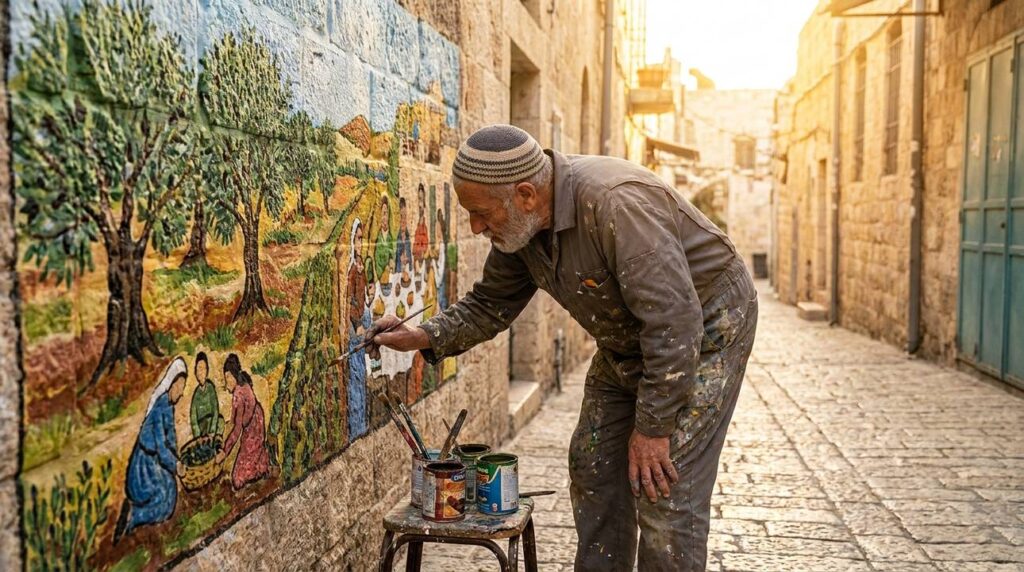
Elderly man in kippah painting a mural in Jerusalem alley.

Exploring Artists and Products Supporting Israel

Artists That Support Israel Numerous artists worldwide express their support for Israel through their creative works. These artists often incorporate themes of Israeli culture, history, and landscapes into their art, drawing attention to the beauty and diversity of the country. Through paintings, sculptures, and other mediums, they provide a visual narrative that speaks to the resilience and spirit of the Israeli people. These artworks often serve as a conversation starter, fostering understanding and connection across cultures. Many of these artists collaborate with galleries and organizations that promote Israeli art globally, ensuring that their work reaches a broader audience. Notable institutions...
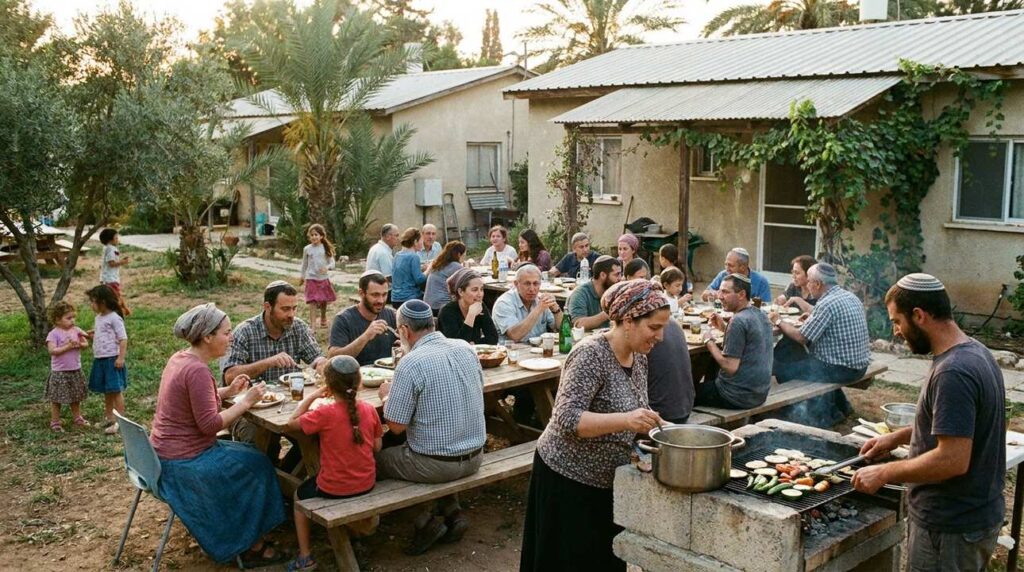
Group of people cooking and dining outdoors in a kibbutz.

Understanding the Reasons Behind Support for Israel

Jerusalem’s mention in 2 Chronicles 6:6 underscores its importance as a chosen city. This historical and spiritual significance draws many to support Israel, fostering a deep connection. The article delves into the diverse motivations for backing Israel, from cultural appreciation to economic collaboration. These relationships enrich both the supporters and the nation, creating a tapestry of connections that celebrate Israel’s unique place in the world. Cultural ties draw individuals to support Israel, a nation rich in traditions and histories. Jerusalem, a city of historical significance, has roots going back to King David’s time (2 Samuel 5:7). It’s a place where...

Jewish Community and Charity

Join us as we delve into the vibrant stories of the Jewish community, highlighting how your support helps sustain local traditions, families, and artisans. Through our insights, learn about the meaningful connections and mutual benefits that arise from supporting Israeli producers and artisans. Celebrate the spirit of community and discover how your involvement contributes to preserving heritage and fostering growth.