Due to the war in Israel, shipments may be delayed. Thank you for standing with Israel.

Biblical Studies

Dive into the world of Biblical Studies with our collection of insightful articles. Discover historical contexts, cultural nuances, and the timeless wisdom of the Hebrew Bible. Perfect for those seeking a deeper connection to Israel's rich heritage.
Elderly Jewish man studying ancient scroll with magnifying glass in dim study room.

The Biblical Plague of Lice: Insights and Interpretations

In Jewish tradition, this plague is seen as a demonstration of divine will over earthly matters. Turning the dust of the earth into lice, a seemingly insignificant element becomes a powerful tool of disruption. This event serves as a reminder of the limitations of human power when faced with divine intervention, emphasizing themes of humility and reverence. The story encourages reflection on the fragility of human achievements and the importance of acknowledging a higher authority. The Story of the Lice Plague The account of the lice plague is found in Exodus 8:16-19. Unlike the previous plagues, this one was initiated...
Elderly Jewish man with kippa talking to young adults in Jerusalem alley.

Discovering the Hebrew Meaning of Shalom

In this article, we journey into the rich Biblical context of shalom, uncovering its multifaceted meaning and exploring its role in Jewish life and thought. The use of shalom in treaties, such as the one between Solomon and Hiram of Tyre, illustrates its importance in diplomatic relations. These examples show how shalom is not just an abstract concept but a practical principle guiding interactions and fostering community well-being. It remains a cornerstone of Jewish cultural and spiritual identity, influencing both personal and communal life. The Biblical Roots of Shalom The Hebrew word ‘shalom’ first appears in the Torah, deeply embedded...
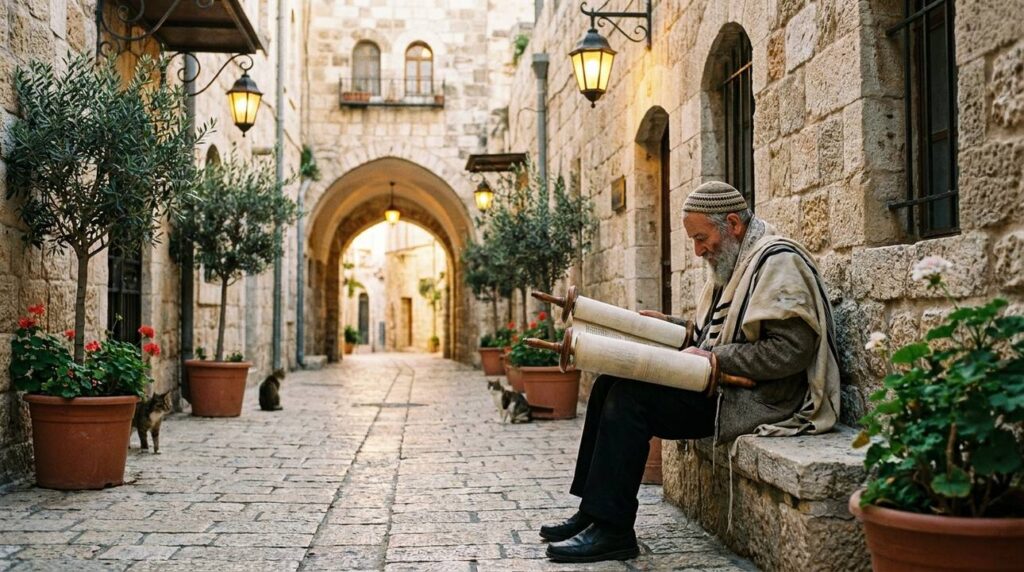
Elderly Jewish man reading the Torah by candlelight in Jerusalem.

Understanding the Meaning of Meshech in the Bible

Meshech is often associated with a region in Anatolia, known today as Turkey. This connection is supported by historical texts and archaeological findings that suggest a link between Meshech and the Mushki, an ancient people mentioned in Assyrian records. Such connections help us map the movements and interactions of ancient civilizations, as seen in Ezekiel 27:13, providing a richer understanding of the world described in the Bible. The Mushki, identified by some scholars as the Phrygians, played a significant role in the cultural and political landscape of the region. Meshech in the Table of Nations Meshech is first mentioned in...
Elderly Jewish man in Jerusalem reading newspaper at outdoor café.

Understanding Anointing in the Hebrew Tradition

In the Bible, anointing is frequently mentioned in connection with the consecration of kings, priests, and sacred objects. For example, in Leviticus 8:30, Moses anoints Aaron and his sons, marking their dedication to the priesthood. This act was not merely ceremonial but symbolized the bestowal of divine favor and authority. Throughout biblical history, it served as a powerful symbol of God’s presence and blessing, reinforcing the chosen status of individuals and objects set apart for sacred purposes. The Origins of Anointing in Hebrew Culture Anointing (משיחה, mashiach) primarily involved pouring oil on the head of a person or an altar....

Food and Beverages from Israel

Discover the diverse and rich culinary landscape of Israel. From traditional dishes to modern creations, Israeli food and beverages offer a unique taste experience. Support local producers and enjoy authentic flavors that connect you to the heart of Israel.
Elderly Jewish woman preparing schnitzel in a traditional kitchen.

Discover the Story of Jewish Schnitzel

Our journey explores this culinary classic, known and loved as Jewish schnitzel. The dish gained popularity in the 20th century, particularly after World War II, as it was affordable and easy to prepare. Today, schnitzel is a beloved comfort food in Israel, often served with sides like mashed potatoes or Israeli salad. Its presence in Israeli cuisine highlights the blending of cultural influences that define the nation’s food landscape. Origins of Schnitzel Schnitzel originally hails from Europe, best known as a breaded and fried meat cutlet. It is believed to have originated in Austria, where the Wiener Schnitzel, made from...
Image illustrating: Wicker basket with wine, pastries, honey, pomegranates, halva, outdoors.

Discover the Sweet Delights of Israeli Desserts

Baklava: Layers of Flavour and History Baklava is a dessert that features thin layers of phyllo dough, nuts, and sweet syrup. This treat is prevalent in Middle Eastern cuisine, but in Israel, it carries a local twist with ingredients like pistachios or cashews. The combination of crunchy texture and rich sweetness makes it a celebrated choice during festivals and family gatherings. Its roots trace back to the Ottoman Empire, making it a dessert layered with history itself. Baklava’s preparation often involves a communal effort, bringing families together in the kitchen. In Israel, Baklava is a popular dessert during holidays such...
Workers harvest grapes in a vineyard at Gush Etzion, Israel.

Discovering Gush Etzion Winery: A Taste Experience of Israeli Terroir

Nestled in the historic hills south of Jerusalem, Gush Etzion Winery is more than a winemaking establishment. It is a testament to community resilience and a symbol of Israeli success in transforming rugged land into fertile vineyards, reminiscent of the transformation described in Isaiah 35:1, where the desert blooms. In this article, let’s explore the journey of Gush Etzion Winery, delve into its unique wines, and discover the stories that make it a beloved gem in the region, much like the cherished vineyards of ancient Israel. Our venture into the narrative of this winery reveals rich cultural connections and a...
Baker in Jerusalem removes pita from oven in cobblestone alley.

Flatbread, Pita, and Lavash: A Culinary Exploration

In the world of Israeli cuisine, breads like pita, flatbread, and lavash hold a special place. These breads are not only delicious but also steeped in history. Pita, with its pocket, is perfect for filling with ingredients like falafel or shawarma. Lavash, on the other hand, is known for its thin, flexible texture, making it ideal for wraps. These breads not only offer delicious flavors but also reflect the rich culinary traditions of the region. Each one boasts unique characteristics that set it apart, such as pita’s pocket or lavash’s pliability, making them staples in both traditional and modern dishes....

General

Dive into a world of captivating stories and rich traditions from Israel. Our content connects you with local artisans and their heartfelt creations, offering a glimpse into the vibrant culture and heritage of this unique land. Support small businesses and enjoy the journey of discovery with each story.
Group of people participating in a Jewish ceremony in a synagogue.

Exploring the Moabites: A Peek into Their Origin

The Moabites are often mentioned in the context of their land, which was located east of the Dead Sea, in present-day Jordan. This geographical proximity led to frequent interactions with the Israelites, ranging from conflict to cooperation. Their story is intertwined with that of Israel, as seen in the alliances and enmities recorded in the Bible. Understanding them helps us appreciate the broader cultural and historical landscape of the ancient Near East, as seen in Numbers 22-24. The Moabites’ strategic location allowed them to control important trade routes, contributing to their economic and political significance. Interactions such as the alliance...
Children playing with snowballs in snowy Jerusalem street.

Exploring Snowfall in Israel: Rarity and Wonder

Geographical Diversity of Israel Israel’s geography is a fascinating blend of coastal plains, mountains, and desert landscapes. This diversity creates a variety of microclimates. For example, while the Mediterranean coast enjoys mild, rainy winters, the desert areas remain dry and warm. The hillier regions, such as Jerusalem and the Golan Heights, are where snow might be seen. This geographical contrast plays a crucial role in Israel’s climate, influencing the unique experience of snowfall in certain areas. The Negev Desert, known for its arid climate, rarely sees snow, highlighting the country’s climatic diversity. Snowfall in Jerusalem Jerusalem, with its elevation of...
Jewish man in traditional attire reading Torah in Jerusalem street.

Understanding Cherubim and Seraphim in the Bible

The cherubim’s role as protectors is vividly illustrated in Genesis 3:24, where they guard the way to the Tree of Life, symbolizing their function as guardians of sacred spaces. In contrast, seraphim are described in Isaiah 6:1-7 as worshippers and purifiers, emphasizing their role in maintaining spiritual purity. This exploration of cherubim and seraphim highlights their distinct yet interconnected functions within the divine order, offering insights into their symbolic meanings and the roles they play in the spiritual tapestry of Jewish heritage. Exploring the Role of Cherubim Cherubim are first introduced in the Torah, notably assigned to guard the way...
Elderly Jewish man reading biblical texts outside a stone synagogue.

Unveiling the Biblical Meanings of Cain and Jeremiah

Cain’s story serves as a cautionary tale about the dangers of unchecked emotions, while Jeremiah’s life illustrates the power of faith and redemption. These narratives not only provide historical context but also serve as moral compasses. They guide readers through the complexities of human behavior and divine expectation, offering insights into the consequences of actions and the possibility of redemption. Together, they enrich the tapestry of Jewish heritage and discourse. Cain’s story warns of the dangers of unchecked emotions, as seen in Genesis 4:7, where he is cautioned about sin’s lurking presence. This verse highlights the struggle between human impulses...

Jewish Mysticism and Symbolism

Delve into the fascinating realm of Jewish Mysticism and Symbolism, where ancient traditions meet profound cultural insights. This category explores the mystical aspects of Judaism, offering a window into the spiritual and symbolic practices that have shaped Jewish life for centuries. From the mystical teachings of the Kabbalah to the symbolic meanings behind Jewish rituals, uncover the layers of meaning that continue to inspire and connect communities worldwide.
Elderly Jewish man in kippah studying text under fig tree.

Unveiling the Symbolism of Figs in Jewish Mysticism

Figs in the Hebrew Bible Figs rank among the earliest cultivated fruits, appearing in numerous biblical passages. Genesis 3:7 describes Adam and Eve sewing fig leaves together, symbolizing awareness and the beginning of human self-consciousness. The fig leaf represents the first step towards knowledge and moral understanding. Figs also appear in prophetic visions, symbolizing peace and prosperity in each person resting under their vine and fig tree (Micah 4:4). This imagery conveys security and divine blessing, making figs a potent symbol in Jewish thought. Beyond their role in Genesis, figs are mentioned in other biblical contexts, such as in Jeremiah...
Elderly man in traditional Jewish attire pruning an olive tree.

Understanding the Symbolism of the Olive Branch in the Bible

The symbolism of the olive branch extends beyond peace, encompassing themes of reconciliation and unity. In Jewish mysticism, it is seen as a symbol of divine protection, offering a sense of security and comfort. This multifaceted symbol encourages us to reflect on the importance of peace in our lives and communities. By understanding its historical and spiritual significance, we can appreciate its role in fostering harmony and connection among people. The First Appearance of the Olive Branch in Scripture The olive branch first appears in the story of Noah. In Genesis 8:11, a dove brings back an olive leaf to...
Elderly Jewish man prepares frankincense in traditional attire in Jerusalem.

Unveiling the Symbolism of Frankincense in Jewish Rituals

The significance of frankincense in Jewish mysticism is further illustrated by its mention in the Talmud, where it is associated with divine service and spiritual elevation. This connection underscores its role in fostering a deeper understanding of spiritual truths. By examining its historical and mystical applications, we gain insight into how frankincense has shaped religious practices and beliefs over the centuries. Its enduring presence in these traditions highlights its importance as a symbol of devotion and spiritual enlightenment. Through this exploration, we aim to connect you with the deep cultural and spiritual heritage that surrounds this aromatic resin. Frankincense’s role...
Elderly Jewish man reads Torah in a historic Jerusalem synagogue.

Unveiling the Mystical Wheels of Ezekiel

The enigmatic vision of the ‘wheel within a wheel’ from the Book of Ezekiel (KJV) has fascinated scholars and mystics alike. Found in Ezekiel 1:16, this imagery is part of Jewish mystical traditions, often linked to the themes of divine movement and spiritual revelation. Ezekiel, a prophet during the Babylonian exile in the 6th century BCE, described this vision while by the River Chebar. His descriptions are vivid, mentioning creatures and wheels full of eyes, symbolizing awareness and divine presence. In this article, we dive into this symbolic vision, exploring its meaning and significance. The vision’s complexity invites interpretations that...

History of Israel and Jews

Delve into the captivating history of Israel and the Jewish people, exploring their enduring legacy and cultural heritage. From ancient times to modern day, uncover stories of resilience and tradition that have shaped this vibrant community.
Elderly Jewish man in kippah walking on cobblestone street in Jerusalem.

The Journey Between Bethlehem and Nazareth: A Historical Perspective

This article delves into the historical context and the actual journey between these two key locations in Jewish history. The roads and paths that connected them were not just physical routes but also cultural conduits. Travelers would encounter various communities, each contributing to the rich tapestry of ancient Judean and Galilean life. Understanding these journeys provides a window into the past, revealing how people lived, traded, and interacted in a time when travel was both an adventure and a necessity. The connections formed were crucial for cultural exchange and development. Bethlehem in Historical Context Bethlehem, known as Beit Lechem in...
Elderly Jewish man reading scripture in a historic Jerusalem synagogue.

Understanding Why Jonah Was Swallowed by the Whale

The narrative of Jonah is often compared to the story of Joseph, who was sold into slavery and later rose to prominence in Egypt (Genesis 37:28, 41:41). Both stories illustrate how challenging circumstances can lead to personal growth and fulfillment of divine purposes. Jonah’s time inside the fish serves as a metaphor for introspection and change, akin to the Israelites’ 40 years in the wilderness (Numbers 14:33-34), where they learned to trust and follow divine guidance. The Commission of Jonah: A Divine Mission Jonah, a prophet in the northern kingdom of Israel, was tasked with a divine mission. He was...
Early morning in Jerusalem with locals near a synagogue silhouette.

Exploring the Biblical Significance of Jerusalem, Judea, and Samaria

Judea and Samaria also hold deep biblical roots. Judea, the southern kingdom, was the heartland of the tribes of Judah and Benjamin. It was here that many prophets, such as Isaiah and Jeremiah, delivered their messages, calling for repentance and faithfulness. Samaria, to the north, was the capital of the Northern Kingdom, often associated with the prophets Elijah and Elisha (1 Kings 16:24). These regions are not just geographical locations but are imbued with stories of faith and resilience, reflecting the enduring spirit of the Jewish people. Jerusalem: The City on a Hill From its earliest mentions in biblical texts,...
Family enjoying Shabbat dinner, challah, wine, and candles on table.

Understanding the Meaning of Immanuel in the Bible

The backdrop of Isaiah’s prophecy, during the 8th century BCE, reveals the challenges faced by Judah. Immanuel became a testament to the enduring faith of the Jewish people, emphasizing the belief in divine presence amidst adversity. This theme is a cornerstone of Jewish identity, reflected in various aspects of religious practice and cultural expression, reminding believers of their unique relationship with the divine. The context of Isaiah’s prophecy is essential, as it was delivered during a time of political turmoil for Judah, around the 8th century BCE. The promise of Immanuel provided hope and a reminder of divine protection. This...

Israeli Products and Crafts

Dive into the vibrant world of Israeli products and crafts. Our collection showcases the creativity and tradition of local artisans, offering you a chance to support small businesses and bring authentic Israeli culture into your life. From handcrafted jewelry to exquisite ceramics, each piece tells a story of dedication and passion. Join us in celebrating the beauty of Israeli craftsmanship.
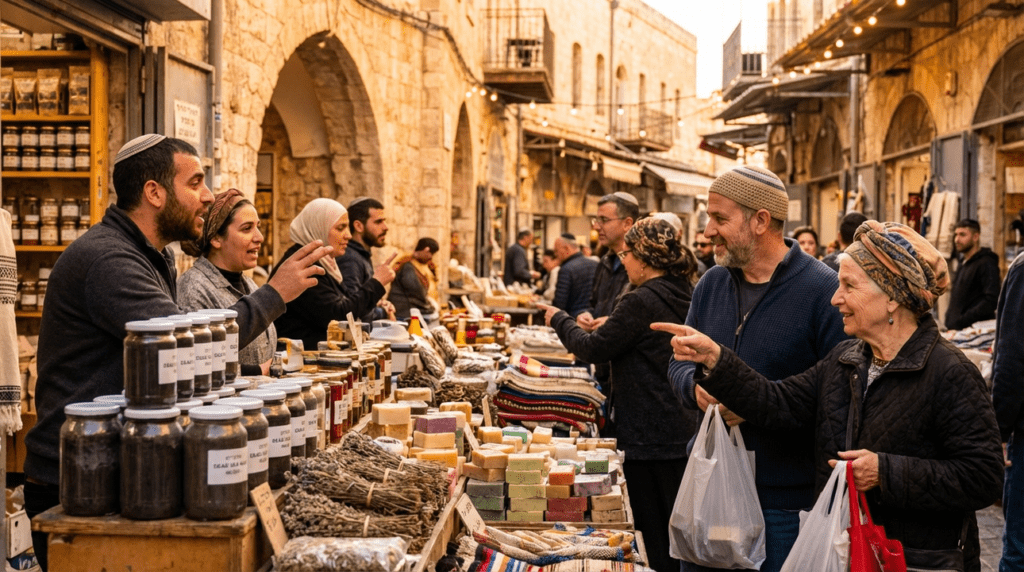
Jerusalem market scene with vendors selling traditional Israeli products.

Exploring the Best Israeli Skin Care and Craft Products

Whether you’re seeking to enhance your beauty routine or bring a touch of Israel into your home, our guide to Israeli products will inspire and connect you. These products serve as a bridge to Israel’s vibrant culture and enduring spirit. By choosing these items, you are partaking in a tradition of craftsmanship that has been passed down through generations, much like the heritage of the land itself. The Legacy of Israeli Skin Care Israeli skin care is renowned for its use of natural ingredients sourced from the land. The Dead Sea, mentioned in Genesis 14:3 as the Salt Sea, provides...

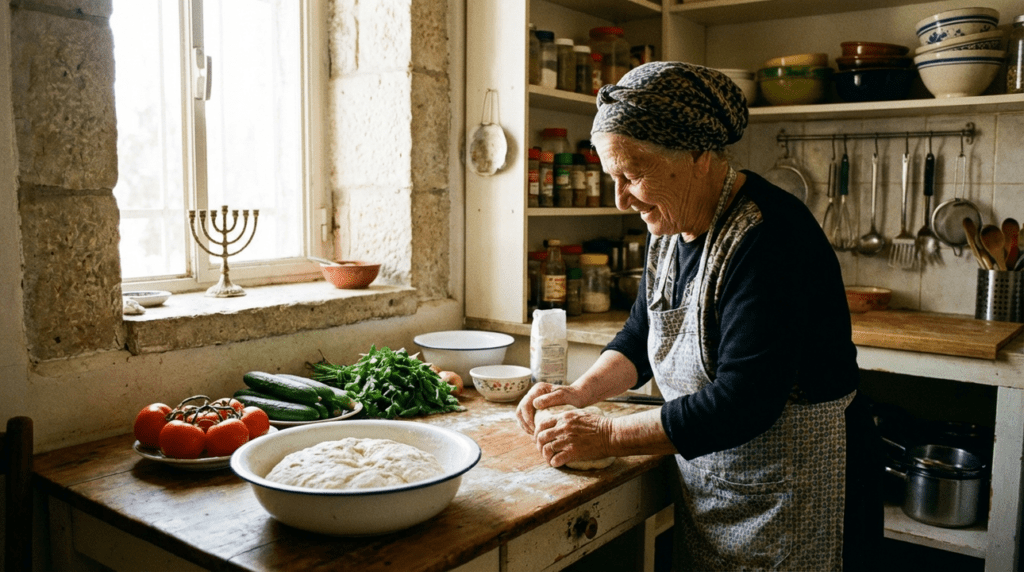
Elderly Jewish woman prepares food in a sunlit rustic kitchen.

Unveiling the Delight of Israeli Foods

The influence of Jewish diaspora communities, such as those from Eastern Europe and North Africa, can be seen in dishes like gefilte fish and couscous. This fusion of culinary traditions creates a rich and varied dining experience, celebrating the multicultural essence of Israel. Gefilte fish, traditionally served during Passover, is a testament to the Ashkenazi influence, while couscous reflects the flavors of North African Jewish communities. Is Israeli Food Mediterranean? Israeli cuisine can often be classified as Mediterranean, known for its reliance on fresh vegetables, olive oil, and grains. Dishes like hummus and falafel are staples that showcase regional influences....
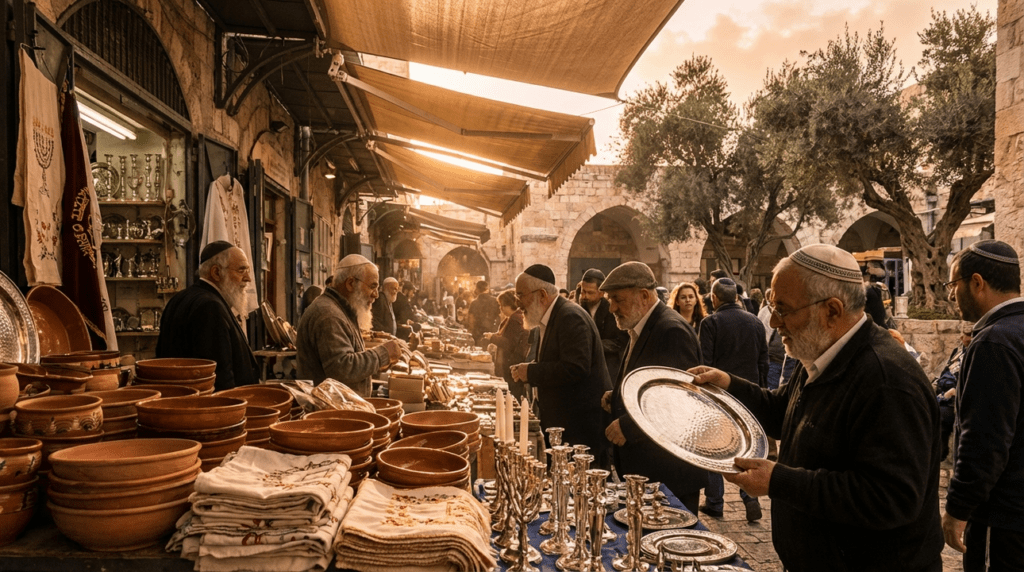
Jewish market in Jerusalem with vendors selling crafts under olive trees.

Exploring Jewish Businesses and Crafts Near You

These creations often draw inspiration from biblical narratives, such as the story of Ruth and Naomi, who exemplify loyalty and faith. Supporting these artisans helps keep these stories alive and vibrant. The Uniqueness of Israeli Crafts Israeli crafts carry a distinct flavor, blending ancient traditions with modern creativity. From colorful pottery to intricate embroidery, these crafts are a testament to rich Jewish heritage. Pottery, for example, has been an essential part of daily life since the time of King Solomon, who is said to have used clay vessels in his palace, as mentioned in 1 Kings 7:46. Embroidery often features...

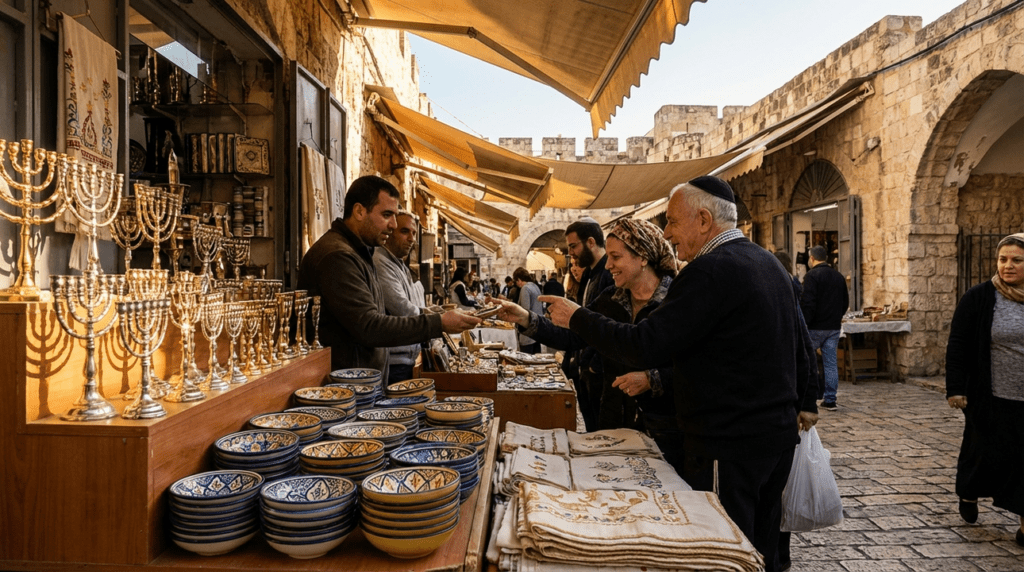
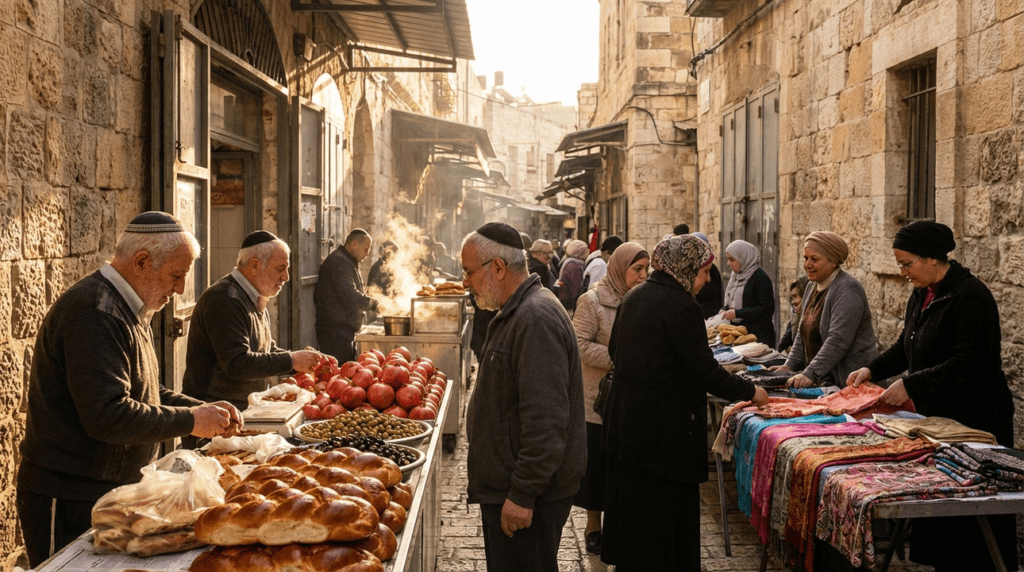
Early morning market in Jerusalem with locals shopping traditional goods.

Discover the Best Souvenirs from Israel

Visiting Israel offers a unique opportunity to explore a land rich in history and culture. As you wander through bustling markets or serene landscapes, finding the perfect souvenir becomes part of your journey. The Mahane Yehuda Market in Jerusalem is a vibrant spot where you can find everything from spices to handcrafted goods, capturing the essence of Israeli life. In this article, we explore the best souvenirs from Israel and the stories behind them. These items capture the spirit of a nation, connecting you with its artisans and traditions. From handcrafted jewelry to artistic creations, each item carries a narrative...

Hebrew Language and Literature

Immerse yourself in the world of Hebrew language and literature. Explore stories that connect you to Israel's rich cultural heritage, supporting local artisans and their craft.
Elderly Jewish scholar studying ancient texts in a dim, book-filled room.

Mastering Biblical Hebrew: Tips and Insights

Understanding the original language of these texts allows for a richer appreciation of their messages and the cultural contexts in which they were written. As learners delve into passages such as the Song of the Sea in Exodus 15, they uncover layers of meaning and historical significance. Why Learn Biblical Hebrew? Biblical Hebrew offers a direct connection to sacred texts, making it invaluable for anyone interested in theological studies or historical linguistics. Understanding the nuances of this ancient language allows for deeper insight into the cultural and spiritual contexts of the Bible. Take the word ‘ruach’, which means both ‘spirit’...
Group studies ancient texts in a Jerusalem synagogue with menorahs.

Delving into Hebrew Bible Study Insights and Language

The word ‘chesed’ appears in various contexts, illustrating themes of mercy and compassion. Understanding these nuances in the original language offers a richer perspective on the text’s messages. Learning Hebrew allows readers to appreciate the Bible’s literary beauty and cultural depth. This link to the original language enhances the spiritual experience, allowing for a more intimate relationship with the biblical narratives and teachings. The Hebrew Bible’s poetry, such as in the Song of Songs, uses wordplay and parallelism that are best appreciated in its original form. Engaging with these texts in Hebrew allows for a deeper appreciation of their literary...
Elderly Jewish man in Jerusalem reads Torah in cobblestoned alley.

Understanding the Aleph: More than a Hebrew Letter

The Aleph, the first letter of the Hebrew alphabet, holds profound meaning in Jewish culture. It is not just a character in writing but a symbol of unity and spiritual gateways. Often worn as a necklace, it serves as a reminder of connection and beginnings. In Jewish mysticism, Aleph is linked to the concept of ‘Ein Sof’ (the Infinite), representing the divine presence. In this article, we delve into the deep cultural and spiritual significance of Aleph, a timeless symbol cherished in the Jewish tradition. Its role in Kabbalah, for instance, highlights its importance as a bridge between the earthly...
Elderly man teaching Hebrew to child, Jerusalem view through window.

Understanding Israeli Language: Myths and Facts

Curiosity about the “Israeli language” stems from Israel’s rich cultural tapestry. While Hebrew is the official language, the term ‘Israeli language’ reflects the unique blend of linguistic influences within the nation. This article explores whether ‘Israeli’ can be considered a language on its own, examining historical and contemporary influences that shape it. We will also consider how it is perceived both within and outside Israel, highlighting its distinctiveness and the role of immigrant languages. The ‘Israeli language’ is a reflection of Israel’s cultural diversity and linguistic evolution. The Evolution of Hebrew in Israel The revival of Hebrew in the late...

Charity and Social Responsibility

Discover the impact of your support on small businesses and artisans in Israel. Learn how your contributions help sustain local producers and preserve cultural heritage.
Elderly Jewish men in kippahs picking olives in a grove.

Supporting Israel through Meaningful Contributions

Discover how you can meaningfully contribute to Israel by supporting local communities and projects. Your involvement helps foster development and strengthens connections, much like the historical alliances formed during the reign of King Solomon. In this article, we explore various ways to provide assistance, focusing on programs that leave a lasting impact. The aim is to offer guidance on donating effectively, ensuring your support reaches those who truly need it. Supporting Israel reflects values found in Proverbs 19:17 about kindness and generosity. Your contributions can echo the collaborative spirit of King Solomon’s alliances, which brought prosperity and peace to his...
Actors in ancient Israelite garments reenact Passover story in Jerusalem.

Understanding the Enslavement of the Israelites in Egypt

The story of the Israelites’ enslavement in Egypt is a cornerstone of Jewish history. According to Genesis 46, the Israelites initially moved to Egypt during a famine, invited by Joseph, who had risen to power there. Over generations, their growing numbers led to fear among the Egyptians, resulting in their enslavement. Understanding how they came to live in a foreign land and eventually be enslaved offers insights into their enduring spirit and resilience. This account is deeply embedded in religious and cultural memory, reminding us of their journey from hardship to hope. The Arrival in Egypt The narrative begins in...
Vendors and customers at Jerusalem market during early morning setup.

Discover Ways to Support and Help Israel

Supporting Israel is a journey of connection and discovery. By contributing to its communities and businesses, you can make a tangible difference today. For instance, purchasing products from local artisans not only supports their livelihood but also preserves traditional crafts. You might explore the bustling markets of Jerusalem or Tel Aviv, where each purchase tells a story of resilience and creativity. Explore the various ways you can engage and help Israel thrive. From volunteering in community projects to participating in cultural exchanges, each action strengthens the bond between you and the vibrant Israeli society. Support through engagement and economic contribution...
Early morning in Jerusalem alley with elderly men and lanterns.

Understanding the Division of Israel and Judah

The division of the United Kingdom of Israel into two separate entities, Israel in the north and Judah in the south, is a crucial moment in biblical history. This division occurred around 931 BCE and was largely due to the actions of King Solomon’s son, Rehoboam. His harsh policies led to dissatisfaction among the tribes. Jeroboam, once a trusted official under Solomon, seized the opportunity to lead a revolt, as described in 1 Kings 12:1-20. This schism had lasting effects on the cultural and religious identity of the Jewish people. In short: The split was a pivotal event that reshaped...

Recipe

Discover a variety of Israeli recipes that bring the rich flavors of the region to your home. Each recipe supports local producers and artisans, offering a taste of Israel's culinary heritage.
Elderly Jewish man in kippah making falafel in Jerusalem market.

Exploring Falafel: A Deep Dive into Its Cultural and Culinary Roots

Falafel is a beloved staple in Israeli cuisine, cherished for its crunchy texture and rich flavors. This article explores the journey of falafel, tracing its roots and significance in both Jewish and Israeli cultures. Historically, falafel is thought to have originated in Egypt, possibly linked to the Coptic Christian community, who might have eaten it during Lent as a meat substitute. We will delve into its history, culinary evolution, and how it became synonymous with Israeli identity. From its humble beginnings to its status as a national dish, falafel’s story is one of adaptation and cultural fusion. Falafel’s journey from...
Elderly Israeli man slicing chicken shawarma in Jerusalem market.

How to Make Delicious Israeli Chicken Shawarma at Home

Israeli shawarma captures the essence of Middle Eastern cuisine with its aromatic spices and tender meat, a tradition that dates back to the Ottoman Empire. In this recipe, we explore how to recreate this popular street food at home, creating a genuine taste experience right from your own kitchen. From choosing the right spices, like cumin and paprika, to achieving the perfect texture, we guide you through each step to ensure a delicious result. The Ottoman influence is evident in the use of spices such as turmeric and coriander, which add depth to the dish. By following this recipe, you...
Elderly Jewish woman cooking Shakshuka in a rustic Jerusalem kitchen.

Discover the Delights of Israeli Shakshuka

Shakshuka, a dish with vibrant flavors and captivating history, holds a special place in Israeli cuisine. It’s more than just a meal — it’s a beloved tradition. Originating from North Africa, it was brought to Israel by Jewish immigrants. The dish’s name comes from the Arabic word for ‘mixture’, reflecting its diverse ingredients. This article explores the essence of Shakshuka, tracing its roots and providing a delightful recipe to enjoy at home. In short: Shakshuka is a culinary journey that tells the story of migration and cultural fusion, offering a taste of Israel’s rich history and vibrant present. The dish’s...
Elderly Jewish woman making schnitzel in a traditional kibbutz kitchen.

How to Make Authentic Israeli Schnitzel

Welcome to the delicious world of Israeli schnitzel. This beloved dish has become a staple on many dinner tables across Israel, cherished for its comforting flavors and satisfying texture. Originating from European influences, particularly Austria’s Wiener schnitzel, it has been adapted to suit local tastes. The dish combines the perfect balance of crispiness and flavor, creating a meal that everyone can enjoy. In this article, we explore the origins of Israeli schnitzel, its cultural significance, and provide a step-by-step recipe to make it at home. The evolution of this dish is a testament to the adaptability of culinary traditions. The...

Israeli Culture and Traditions

Dive into the vibrant world of Israeli culture and traditions. Learn about the diverse customs, foods, and crafts that make Israel unique. Support local artisans and small family businesses by engaging with their stories and products. Through your involvement, you help sustain these cultural treasures and keep the heritage alive for future generations.
Elderly Jewish men walking to a synagogue in Jerusalem morning.

Mount Sinai and Mount Zion: A Comparison of Significance

This article explores their distinct significance and how they serve as pillars of Jewish tradition. Known for its pivotal role in the Bible, Mount Sinai is where Moses received the Ten Commandments (Exodus 19:20). This event marked the establishment of the covenant between the divine and Israel, symbolizing law and order. In contrast, Mount Zion is often seen as the spiritual heart of Jerusalem, representing the aspirations of the Jewish people. It is mentioned in the Psalms, such as Psalm 48, highlighting its importance as a place of joy and spiritual fulfillment. Together, these mountains illustrate the journey from law...
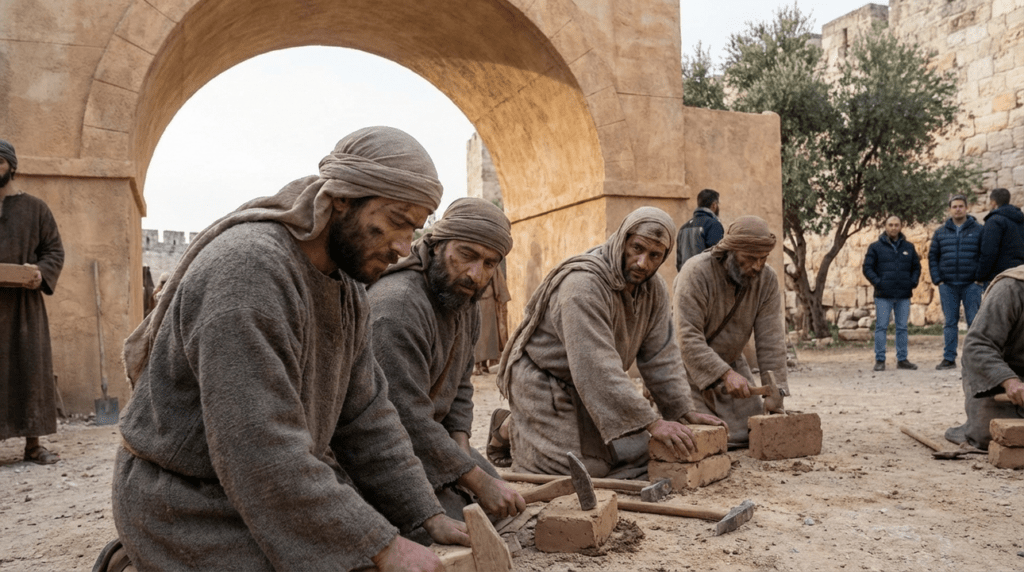
Hebrew individuals making bricks and carrying loads in a desert.

Understanding the Egyptian Enslavement of the Hebrews

The enslavement of the Hebrews by the Egyptians is a pivotal event in history. It is central to Jewish cultural memory and raises many questions about human resilience and the power of faith. This event is documented in the Book of Exodus, where the plight of the Hebrews is described in detail. The story begins with the arrival of Jacob’s family in Egypt, as noted in Genesis 46:27, and unfolds over several generations. This article aims to explore the reasons behind this enslavement and the historical context that led to it. The Egyptian empire during this period was a dominant...
Elderly Jewish man reads Torah in a sunlit Jerusalem synagogue.

Understanding Language Use in Israel

Israel is a country rich in culture and history, with a vibrant blend of languages. Hebrew, the official language, has been central since the establishment of the State of Israel in 1948. Its revival is a remarkable story, with figures like Eliezer Ben-Yehuda playing a pivotal role. He is often called the “father of modern Hebrew” for his efforts to revive the language. This article delves into the language dynamics of modern Israel, exploring the prevalence and relationship between Hebrew and English. English, widely spoken, acts as a bridge to the global community, enhancing Israel’s international ties. The Status of...

Geography travelling israel

Panoramic view of snow-capped Mount Hermon with hikers and olive trees.

Unveiling the Heights: Exploring Israel’s Highest Elevation

At an elevation of 2,814 meters (9,232 feet), this peak provides a unique climate that supports diverse ecosystems, from Mediterranean woodlands to alpine zones. This diversity makes it a subject of scientific interest and a popular destination for tourists seeking both adventure and tranquility. Its varied climate and rich biodiversity have also made it a subject of scientific study, providing insights into the region’s ecological dynamics. Researchers have long been fascinated by its unique ecosystems, which support a wide array of plant and animal life. The prominence of this mountain in both natural and human history makes it a compelling...
Elderly Jewish man reading Torah in a Jerusalem alley.

Exploring the Location and History of Moab in the Middle East

The ancient kingdom of Moab holds a fascinating place in Middle Eastern history. Located in modern-day Jordan, Moab was an Iron Age kingdom situated east of the Dead Sea, near the Arnon River. Its history is intertwined with biblical narratives, such as the story of Balak and Balaam in Numbers 22-24, providing a rich tapestry of cultural and historical relevance. Moab’s strategic location made it a significant player in the region, interacting with neighboring kingdoms like Israel, Edom, and Ammon. In this article, we explore where Moab is located in the Middle East and delve into its historical significance, including...
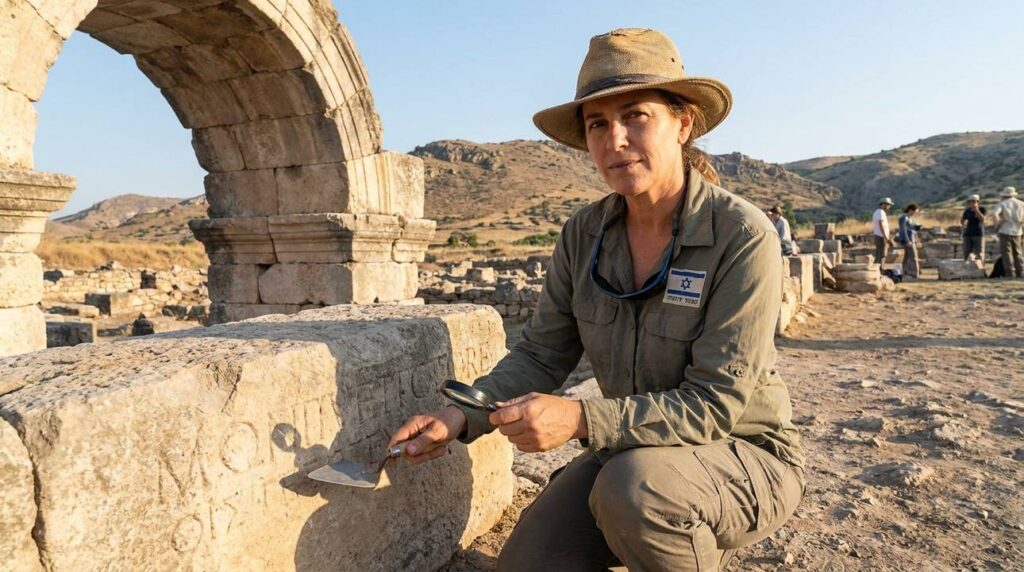
Archaeologists uncovering artifacts in Edom with tools under sunny skies.

Uncovering the Land of Edom in the Bible

The land of Edom is a significant yet often overlooked region mentioned in the Bible. Nestled in modern-day southern Jordan, this ancient kingdom holds a unique place in the biblical narrative. Edom, known as the land of Esau, is referenced in Genesis 36:8 as the dwelling place of Esau’s descendants. In this article, we journey through Edom’s location, history, and its role in the stories of the Torah, exploring its interactions with Israel and its cultural contributions to the ancient world. In short, Edom’s historical and geographical context offers valuable insights into its significance in biblical narratives. This article delves...

Geography & Travelling of Israel

Dive into the rich landscapes of Israel, from the lush Galilee to the historic Negev. Experience the vibrant cultures and support local artisans on your journey.

Jewish Community and Charity

Join us as we delve into the vibrant stories of the Jewish community, highlighting how your support helps sustain local traditions, families, and artisans. Through our insights, learn about the meaningful connections and mutual benefits that arise from supporting Israeli producers and artisans. Celebrate the spirit of community and discover how your involvement contributes to preserving heritage and fostering growth.