Due to the war in Israel, shipments may be delayed. Thank you for standing with Israel.

Food and Beverages from Israel

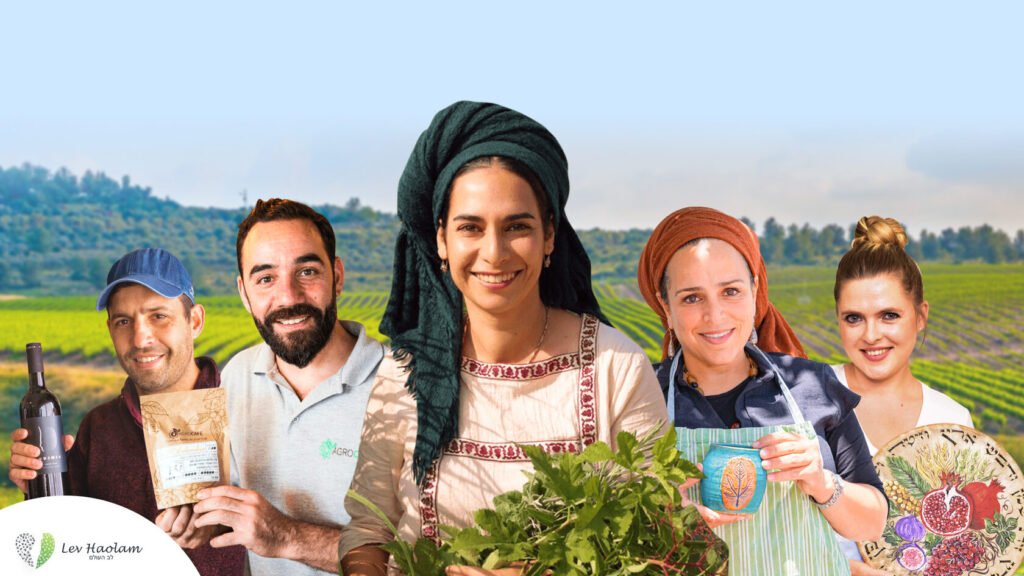
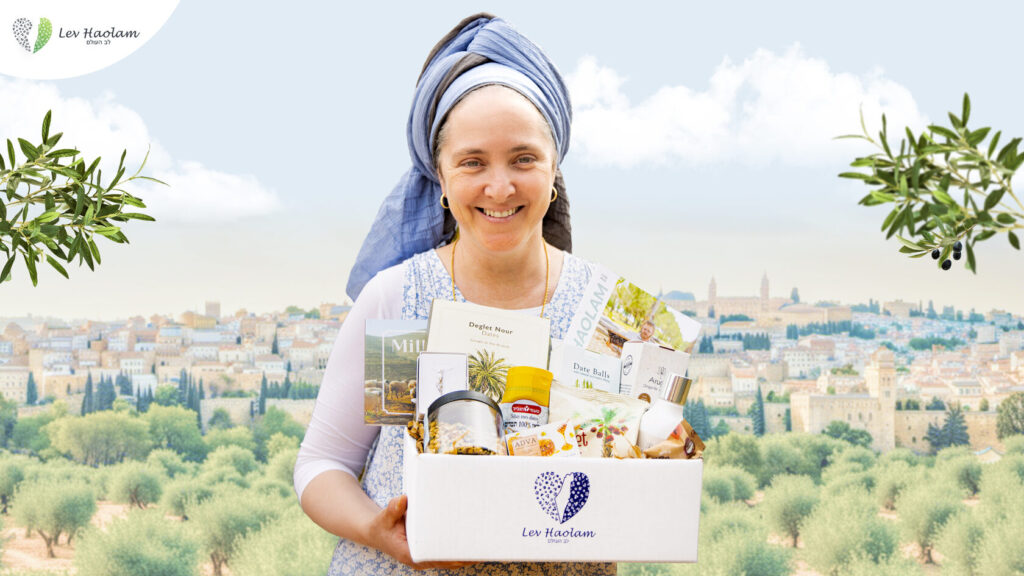
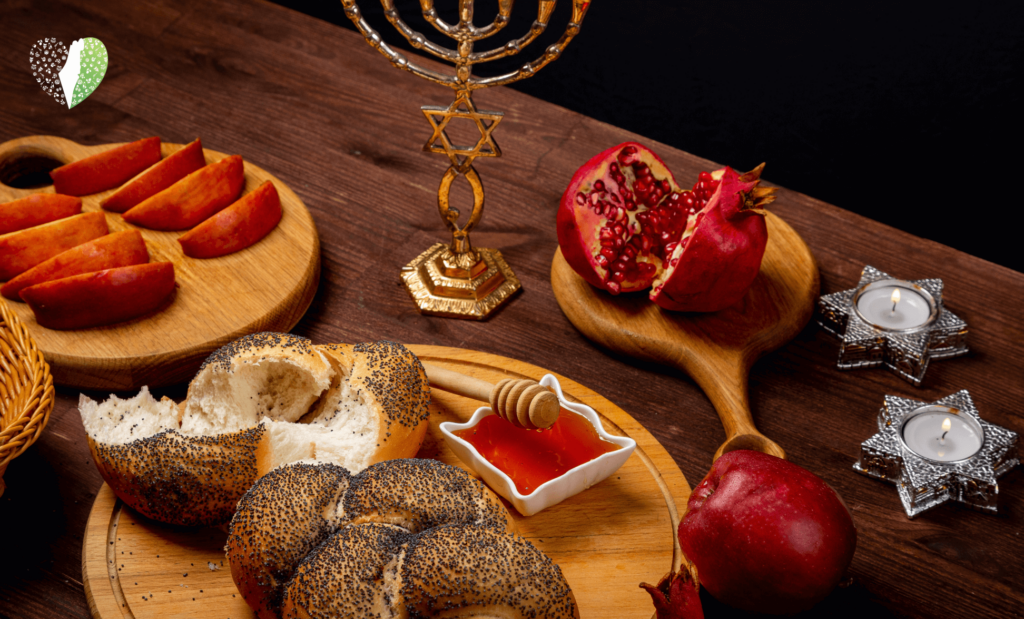
Discover the diverse and rich culinary landscape of Israel. From traditional dishes to modern creations, Israeli food and beverages offer a unique taste experience. Support local producers and enjoy authentic flavors that connect you to the heart of Israel.
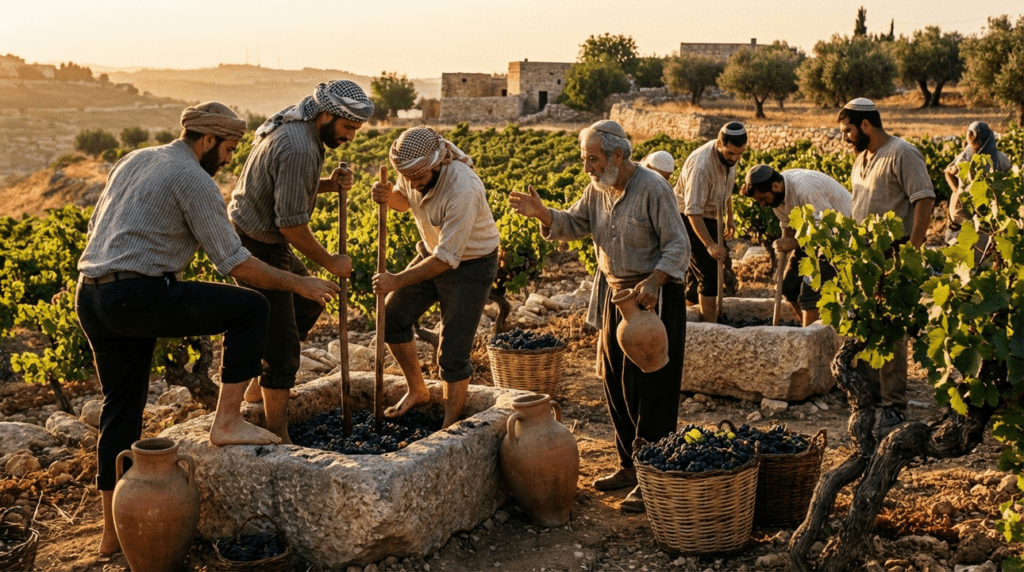
Workers harvest grapes in a vineyard at Gush Etzion, Israel.

Discovering Gush Etzion Winery: A Taste Experience of Israeli Terroir

Nestled in the historic hills south of Jerusalem, Gush Etzion Winery is more than a winemaking establishment. It is a testament to community resilience and a symbol of Israeli success in transforming rugged land into fertile vineyards, reminiscent of the transformation described in Isaiah 35:1, where the desert blooms. In this article, let’s explore the journey of Gush Etzion Winery, delve into its unique wines, and discover the stories that make it a beloved gem in the region, much like the cherished vineyards of ancient Israel. Our venture into the narrative of this winery reveals rich cultural connections and a...
Baker in Jerusalem removes pita from oven in cobblestone alley.

Flatbread, Pita, and Lavash: A Culinary Exploration

In the world of Israeli cuisine, breads like pita, flatbread, and lavash hold a special place. These breads are not only delicious but also steeped in history. Pita, with its pocket, is perfect for filling with ingredients like falafel or shawarma. Lavash, on the other hand, is known for its thin, flexible texture, making it ideal for wraps. These breads not only offer delicious flavors but also reflect the rich culinary traditions of the region. Each one boasts unique characteristics that set it apart, such as pita’s pocket or lavash’s pliability, making them staples in both traditional and modern dishes....
Elderly Jewish man reads ancient script in a rustic library.

Exploring Wine in the Bible: Was It Alcoholic?

Wine has played a notable role in the Bible, featuring in many familiar stories. In Genesis 9:20-21, Noah is described as planting a vineyard and becoming drunk, suggesting the wine was indeed alcoholic. By examining biblical contexts and historical insights, we can uncover the truth about wine’s nature and significance. In Proverbs 20:1, wine is referred to as a mocker, indicating its intoxicating properties. The Bible presents wine as both a beverage of joy and caution. Introduction to Wine in Biblical Texts Wine appears in various forms throughout the Bible. It is mentioned in contexts ranging from joyous celebrations to...
Elderly Jewish man preparing tahini in a traditional Jerusalem kitchen.

Exploring Tahini: Uses, Ingredients, and Alternatives

Tahini, a staple in Middle Eastern cuisine, has found its way into kitchens around the world. Made from ground sesame seeds, this creamy paste is known for its versatility. Whether drizzling it over salads, mixing into dressings, or baking into treats, tahini adds a rich, nutty flavor. Its historical use can be traced back to ancient cultures, where sesame seeds were valued for their oil and flavor (Genesis 1:29). But what do you do when you’re out of tahini? This article explores the uses of tahini, its ingredients, and what you can use instead. What is Tahini Made of? Tahini...

Biblical Studies

Dive into the world of Biblical Studies with our collection of insightful articles. Discover historical contexts, cultural nuances, and the timeless wisdom of the Hebrew Bible. Perfect for those seeking a deeper connection to Israel's rich heritage.
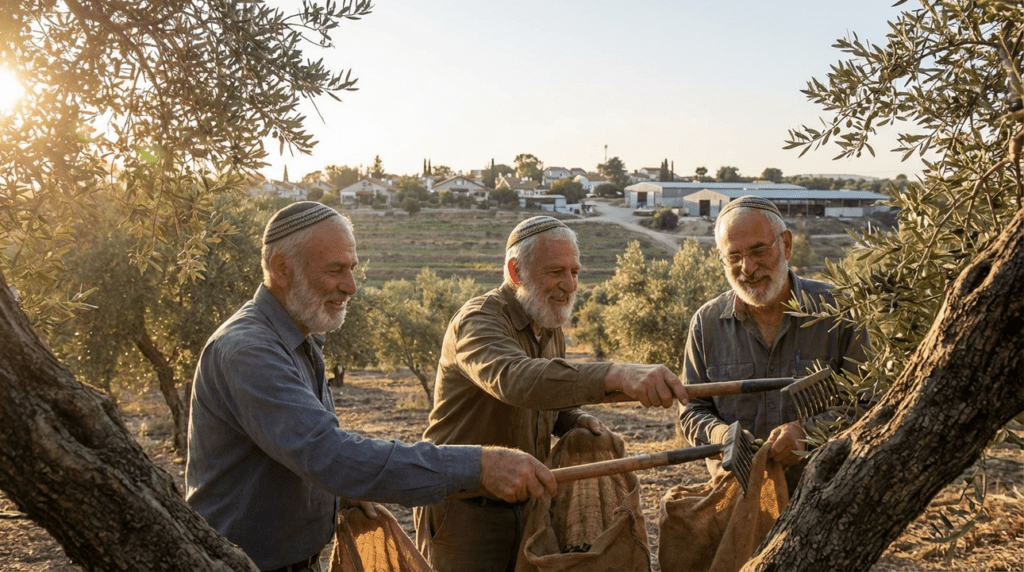
Image illustrating: Three men harvesting olives at sunset in picturesque landscape.

Exploring the Meaning of Samaria in the Hebrew Bible

Samaria, known as Shomron in Hebrew, holds a significant place in the Hebrew Bible. It was more than just a city; it was the capital of the Northern Kingdom of Israel, symbolizing political might and spiritual complexity. Founded by King Omri, as noted in 1 Kings 16:24, Samaria played a central role in biblical history. The city witnessed significant events and was home to influential figures, such as King Ahab, who introduced Baal worship. In this article, we will explore Samaria’s layers of meaning and its impact on ancient Israelites. Join us as we uncover the intriguing narrative of Samaria,...
Elderly man in kippah tending olive trees near Jerusalem walls.

Understanding Zion: A Biblical Exploration

Zion is more than a name in the Hebrew Bible. It is a symbol encapsulating history, identity, and hope for a people deeply connected to their land. Originally, Zion referred to a fortress captured by King David, as mentioned in 2 Samuel 5:7. Over time, it came to symbolize Jerusalem itself and the broader concept of a promised land. This exploration delves into the multifaceted meaning of Zion, tracing its roots from a fortress to a powerful symbol relevant in Jewish tradition today. Zion’s significance is highlighted in Psalms, where it represents divine presence and protection (Psalm 132:13-14). The name...
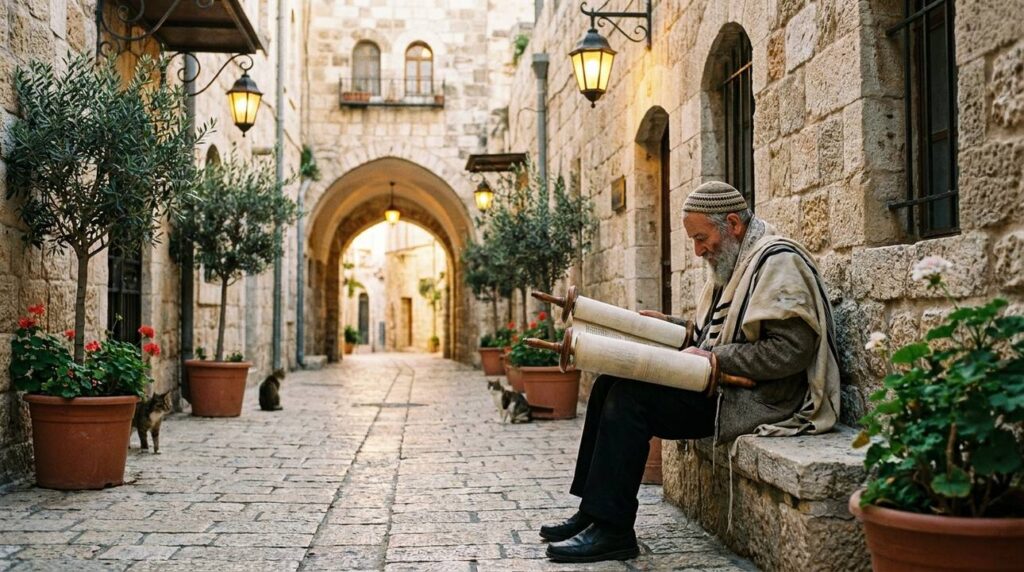
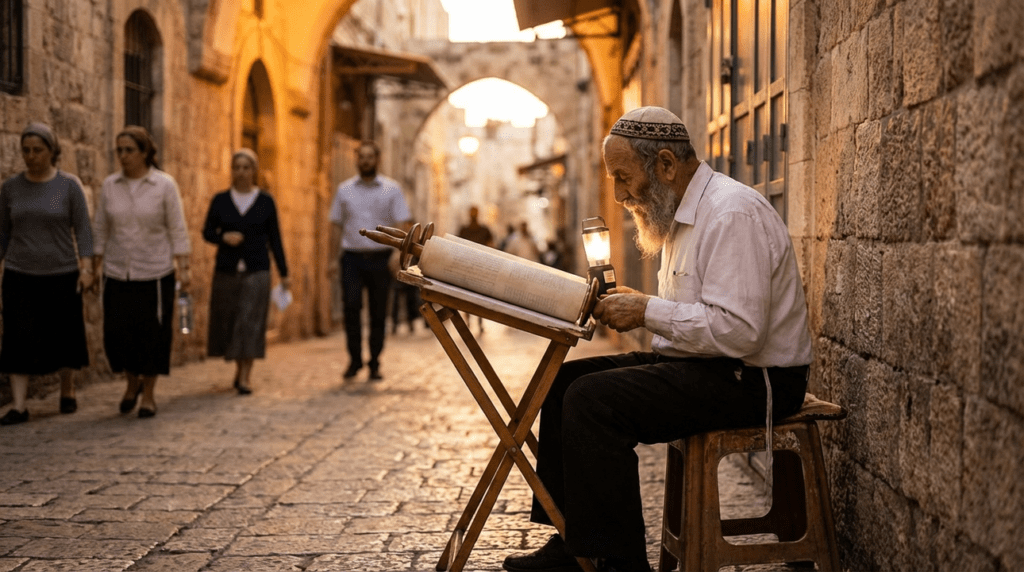
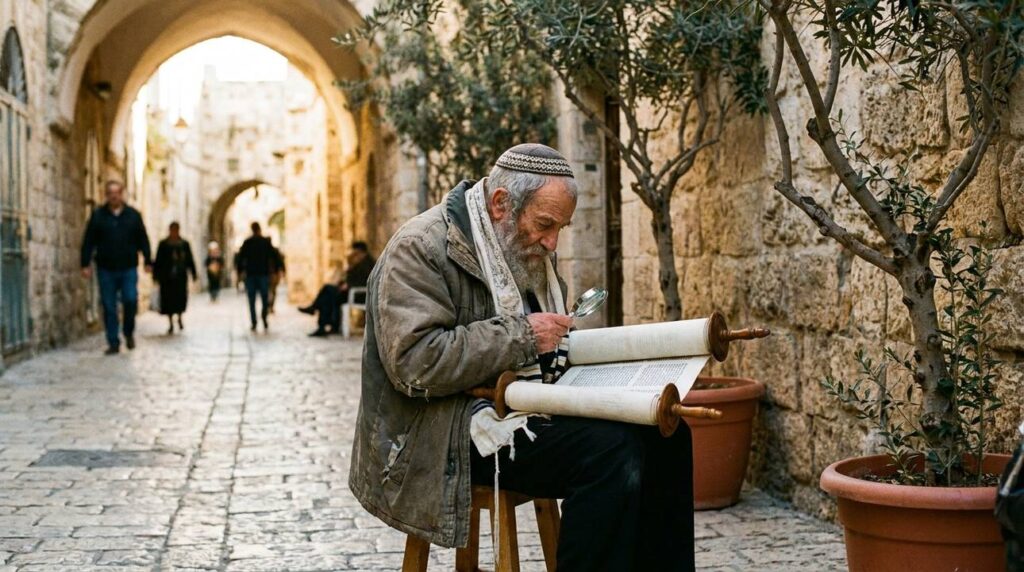
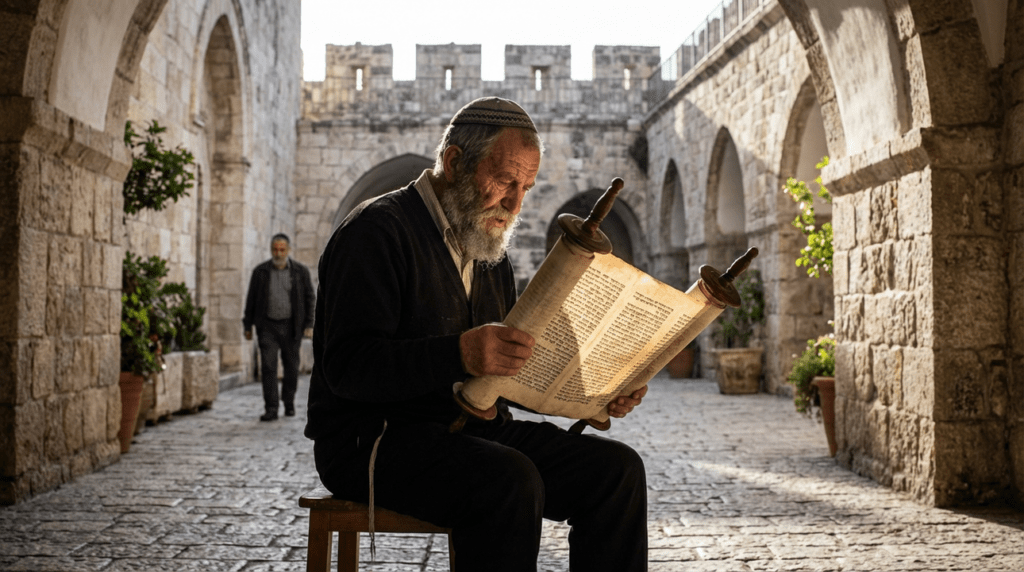
Elderly Jewish man reads Torah by Jerusalem's stone walls at dusk.

Exploring the Significance of the Temple of the Lord

The Temple of the Lord stands as one of the most profound symbols within the biblical narrative. Throughout the Hebrew Bible, it signifies not only a place of worship but a deeper covenantal relationship between the divine and humanity. In 2 Chronicles 7:1-3, the dedication of Solomon’s Temple is described as a moment when divine presence filled the house. In this article, we will explore the multifaceted role the Lord’s Temple played in the spiritual and cultural life of ancient Israel. The Temple’s significance extended beyond its physical structure, influencing Jewish tradition and identity through its rituals and teachings. It...
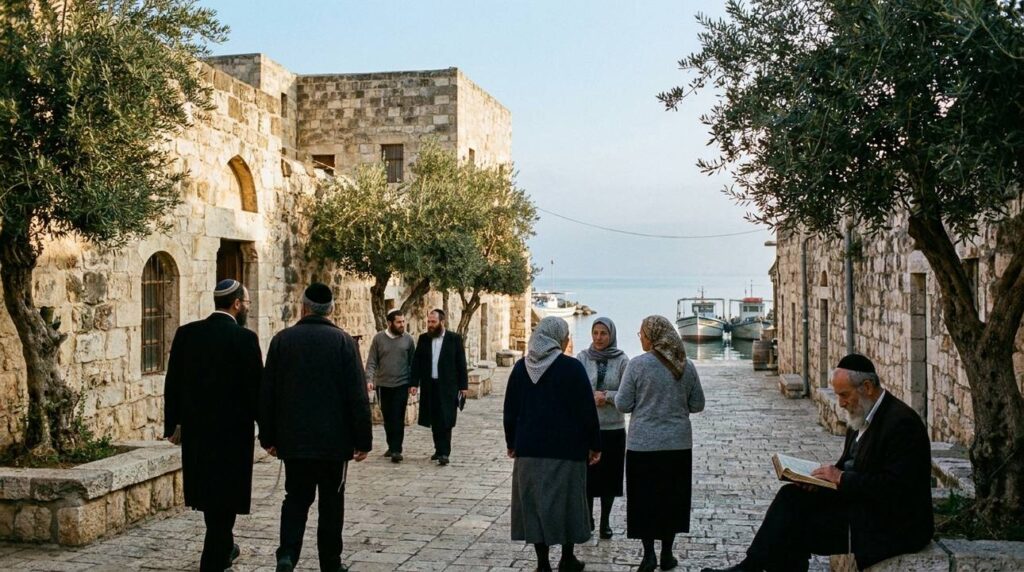
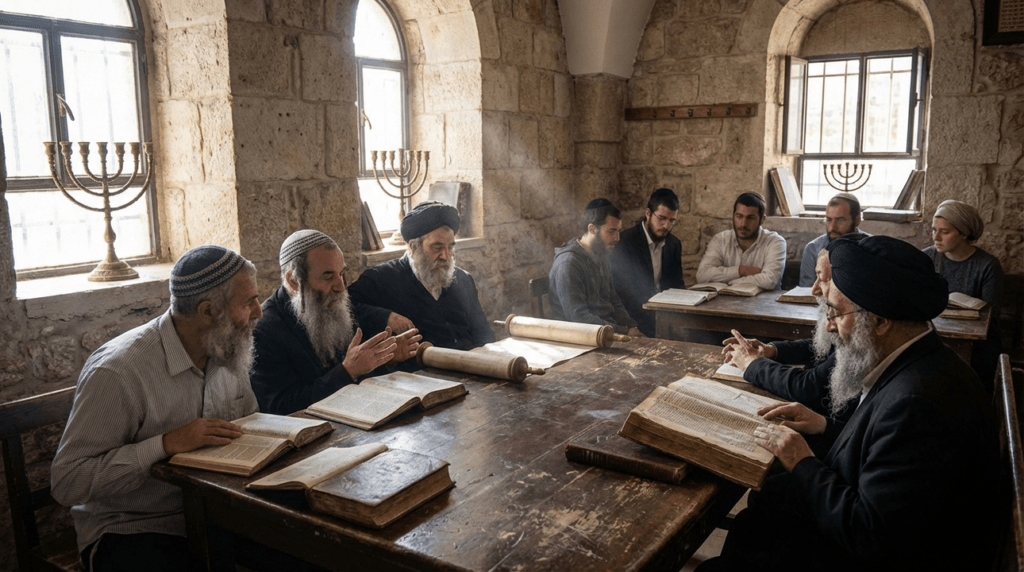
Morning light in Jerusalem alley with menorah, elderly men talking.

Understanding the Meaning of Salem in Hebrew Context

The term ‘Salem’ carries profound significance within the Hebrew Bible. It is shrouded in mystery, appearing only briefly, yet linking to powerful concepts like peace and the ancient city that would become Jerusalem. In Genesis 14:18, Salem is mentioned as the kingdom of Melchizedek, a figure of peace and righteousness. This article journeys into the depth of the name’s meaning, exploring its biblical context and significance through stories and scriptures that highlight its role in religious and cultural history. Salem’s biblical roots are deeply tied to stories like that of Melchizedek, who is mentioned in Genesis 14:18 as the king...

General

Dive into a world of captivating stories and rich traditions from Israel. Our content connects you with local artisans and their heartfelt creations, offering a glimpse into the vibrant culture and heritage of this unique land. Support small businesses and enjoy the journey of discovery with each story.
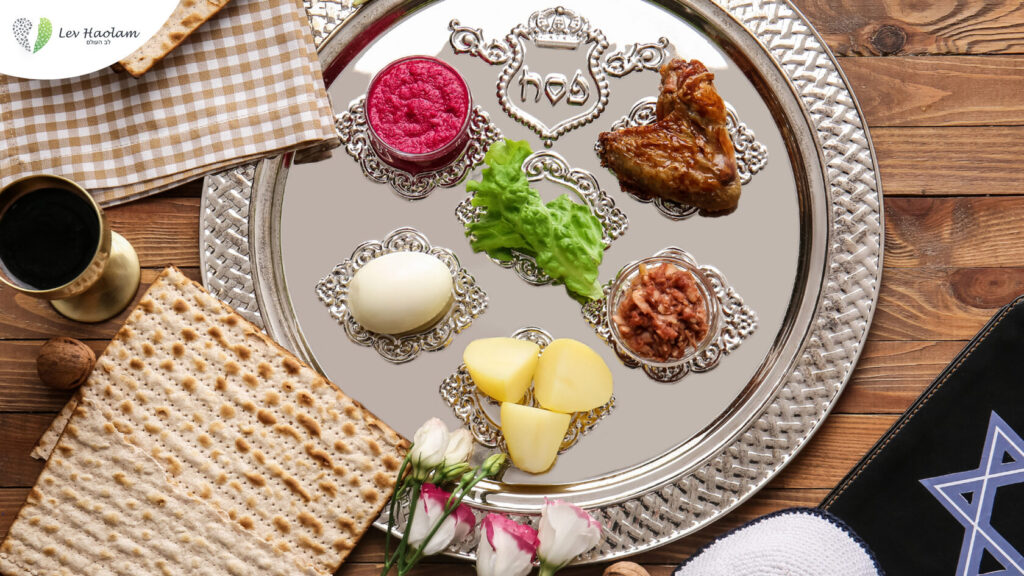
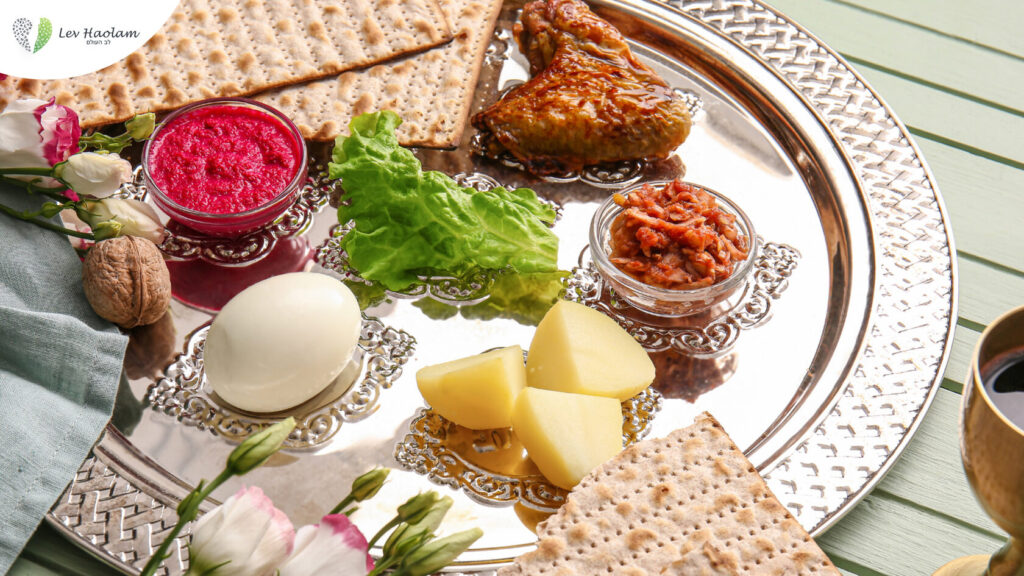
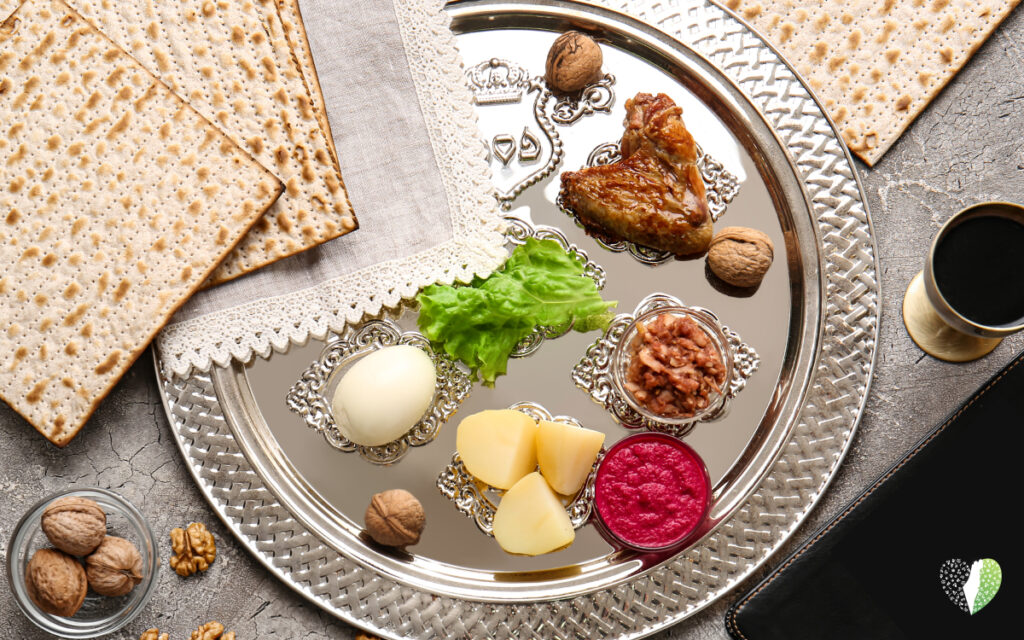
Family at Passover Seder table with traditional foods in Jerusalem.

Exploring the Significance of the Biblical Plagues

The ten biblical plagues hold a pivotal place in religious history, serving as both a dramatic narrative and a profound lesson. Recounted in the Book of Exodus, these plagues illustrate themes of power, endurance, and faith. In this article, we will delve into each plague, exploring its historical and cultural significance, and how these events have shaped the collective memory and identity of the Jewish people. The biblical plagues, as documented in the Book of Exodus, are a cornerstone of religious history. They offer profound insights into the power of faith and the resilience of the Israelites through adversity. Each...
Elderly Jewish man caring for fig tree in olive grove.

Exploring the Vine and Fig Tree: Symbols of Peace and Resilience

In ancient texts, the imagery of the vine and fig tree carries deep meanings of prosperity and peace. For instance, in Zechariah 3:10, the vine and fig tree are symbols of safety and divine favor. This reflects a time when people lived in harmony, each under their own vine and fig tree, without fear. Meanwhile, modern catchphrases like ‘do it for the vine’ have captivated new audiences. This phrase, popularized on the Vine app, encouraged spontaneous creativity and sharing. Vine’s impact on social media culture was profound, setting the stage for platforms like TikTok. This article delves into the classical...
Elderly Jewish man wearing kippa reads Torah in Jerusalem synagogue.

Discovering the Biblical Roots of Emily, Levi, and Zachary

The names Emily, Levi, and Zachary have intrigued parents for generations with their unique blends of tradition and modernity. Levi, a name with deep biblical roots, is associated with the third son of Jacob and Leah, as mentioned in Genesis 29:34. Levi’s descendants became the Levites, known for their religious duties in the Temple. The Levites’ role in religious ceremonies and their dedication to worship highlight the enduring significance of the name Levi in Jewish tradition. In contrast, Zachary, or Zechariah, means ‘God remembers’ in Hebrew, and is linked to several biblical figures, including a prophet and a priest. Zechariah,...
Elderly Jewish man in kippah harvesting hyssop in olive grove.

The Role of Hyssop in Israel: From Tradition to Today

Hyssop has been cherished in Israel for centuries, known for its aromatic and symbolic significance. This beloved herb holds a place in Israeli culture and tradition. In this article, we explore hyssop’s historical roots, culinary uses, and cultural significance, inviting you to discover its role in Israeli life. Hyssop’s story is one of enduring cultural richness, deeply intertwined with the land of Israel. This herb is mentioned in the Bible, such as in Exodus 12:22, where it was used during the Passover. Its historical use highlights the connection between the people of Israel and their land, reflecting a heritage that...

Charity and Social Responsibility

Discover the impact of your support on small businesses and artisans in Israel. Learn how your contributions help sustain local producers and preserve cultural heritage.
Elderly Jewish men in kippahs picking olives in a grove.

Supporting Israel through Meaningful Contributions

Discover how you can meaningfully contribute to Israel by supporting local communities and projects. Your involvement helps foster development and strengthens connections, much like the historical alliances formed during the reign of King Solomon. In this article, we explore various ways to provide assistance, focusing on programs that leave a lasting impact. The aim is to offer guidance on donating effectively, ensuring your support reaches those who truly need it. Supporting Israel reflects values found in Proverbs 19:17 about kindness and generosity. Your contributions can echo the collaborative spirit of King Solomon’s alliances, which brought prosperity and peace to his...

Actors in ancient Israelite garments reenact Passover story in Jerusalem.

Understanding the Enslavement of the Israelites in Egypt

The story of the Israelites’ enslavement in Egypt is a cornerstone of Jewish history. According to Genesis 46, the Israelites initially moved to Egypt during a famine, invited by Joseph, who had risen to power there. Over generations, their growing numbers led to fear among the Egyptians, resulting in their enslavement. Understanding how they came to live in a foreign land and eventually be enslaved offers insights into their enduring spirit and resilience. This account is deeply embedded in religious and cultural memory, reminding us of their journey from hardship to hope. The Arrival in Egypt The narrative begins in...


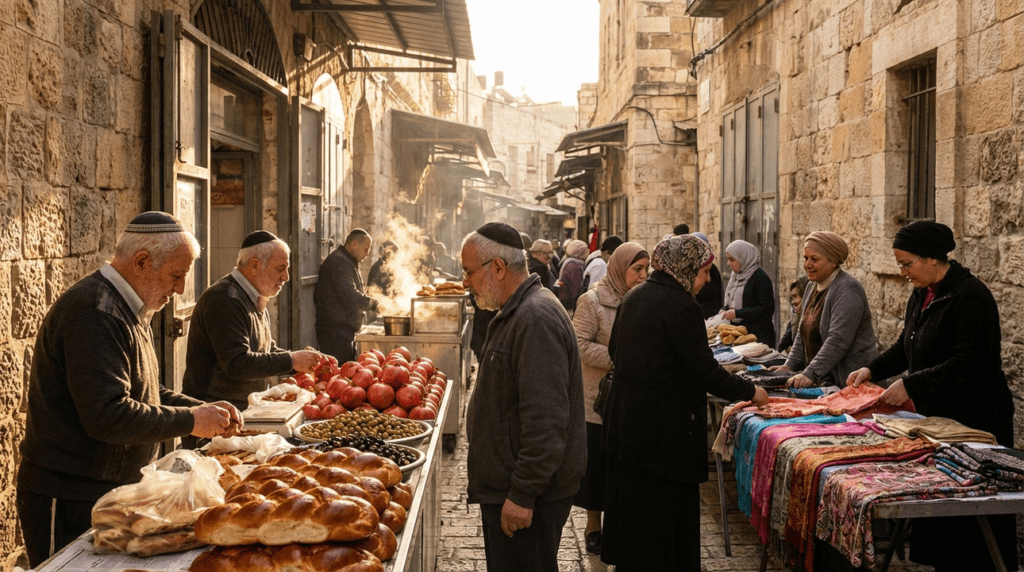
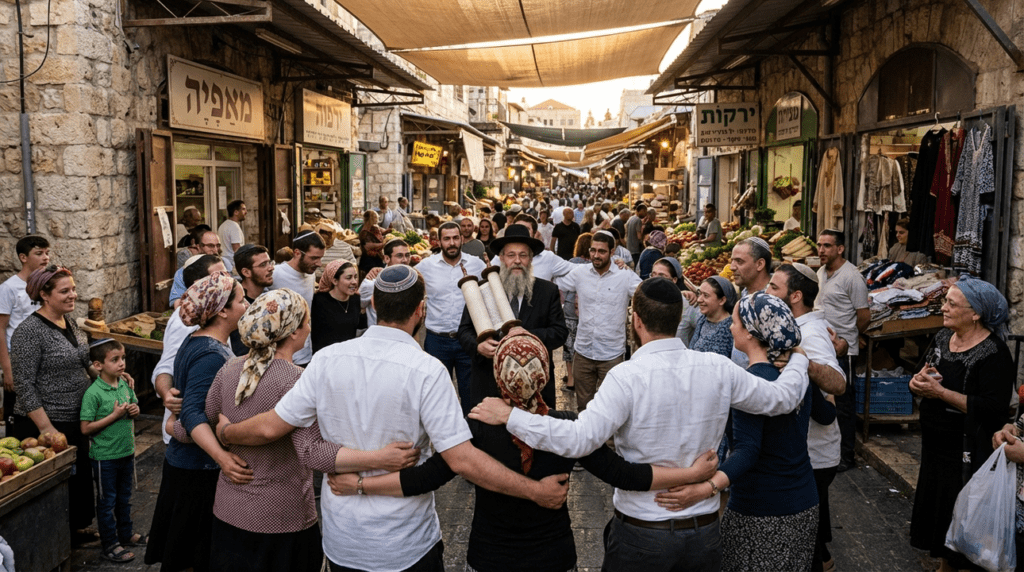
Vendors and customers at Jerusalem market during early morning setup.

Discover Ways to Support and Help Israel

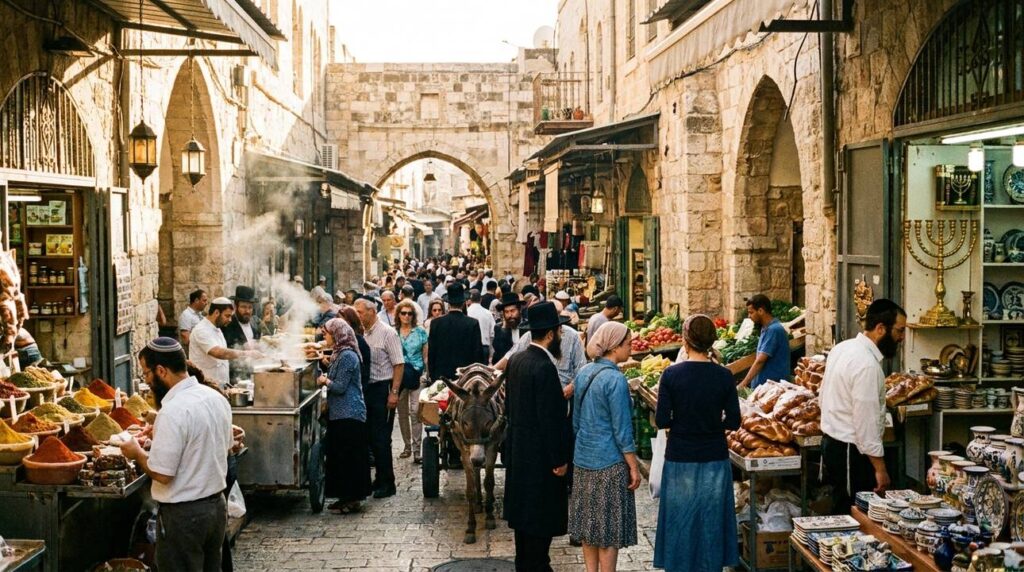
Supporting Israel is a journey of connection and discovery. By contributing to its communities and businesses, you can make a tangible difference today. For instance, purchasing products from local artisans not only supports their livelihood but also preserves traditional crafts. You might explore the bustling markets of Jerusalem or Tel Aviv, where each purchase tells a story of resilience and creativity. Explore the various ways you can engage and help Israel thrive. From volunteering in community projects to participating in cultural exchanges, each action strengthens the bond between you and the vibrant Israeli society. Support through engagement and economic contribution...
Early morning in Jerusalem alley with elderly men and lanterns.

Understanding the Division of Israel and Judah

The division of the United Kingdom of Israel into two separate entities, Israel in the north and Judah in the south, is a crucial moment in biblical history. This division occurred around 931 BCE and was largely due to the actions of King Solomon’s son, Rehoboam. His harsh policies led to dissatisfaction among the tribes. Jeroboam, once a trusted official under Solomon, seized the opportunity to lead a revolt, as described in 1 Kings 12:1-20. This schism had lasting effects on the cultural and religious identity of the Jewish people. In short: The split was a pivotal event that reshaped...

History of Israel and Jews

Delve into the captivating history of Israel and the Jewish people, exploring their enduring legacy and cultural heritage. From ancient times to modern day, uncover stories of resilience and tradition that have shaped this vibrant community.
Elderly man in kippah reading Bible in serene synagogue corner.

Discovering Where Key Topics Are Mentioned in the Bible

The Bible is a foundational text that traces the journey of the Jewish people and the formation of Israel. It includes stories like the Exodus, where Moses leads the Israelites out of Egypt (Exodus 12:31-42), and the conquest of Canaan under Joshua (Joshua 6:1-27). These narratives illustrate pivotal moments such as the giving of the Ten Commandments at Mount Sinai (Exodus 20:1-17), which shaped Jewish identity and cultural heritage. The Bible offers a historical framework for Jewish identity, detailing key events like the Exodus and the giving of the Ten Commandments. The Exodus, narrated in Exodus 12:31-42, marks the liberation...
Early morning in Jerusalem with traditionally dressed locals on cobbled streets.

Understanding the Role of Jerusalem in the Bible

Jerusalem is a city steeped in history, its roots deeply embedded in the narrative of the Bible. From its earliest mentions to its enduring significance, Jerusalem is more than a geographical location. It is a symbol of faith, a city with profound religious meaning intertwined with the story of a people and their God. In this article, we’ll explore the various depictions of Jerusalem in biblical texts and its meaningful presence throughout Jewish tradition. The city’s significance is first noted with Melchizedek in Genesis 14:18, where he is described as the king of Salem. This early mention sets the stage...
Elderly Jewish man wearing a kippah prepares breakfast in sunny kitchen.

Experiencing the Essence of Jewish Breakfast Dishes

Jewish breakfast provides a delightful connection to the vibrant culture and history of Israel. Throughout centuries, these dishes have reflected the diverse influences and profound cultural experiences of the Jewish people, from the Middle Eastern hummus to the Eastern European blintzes. Join us on a flavorful journey exploring traditional Jewish breakfast dishes that offer both sustenance and a sense of heritage. These meals not only nourish the body but also connect individuals to a rich tapestry of history and tradition. In short, Jewish breakfasts are a celebration of the diverse cultural influences that have shaped Jewish cuisine, much like the...
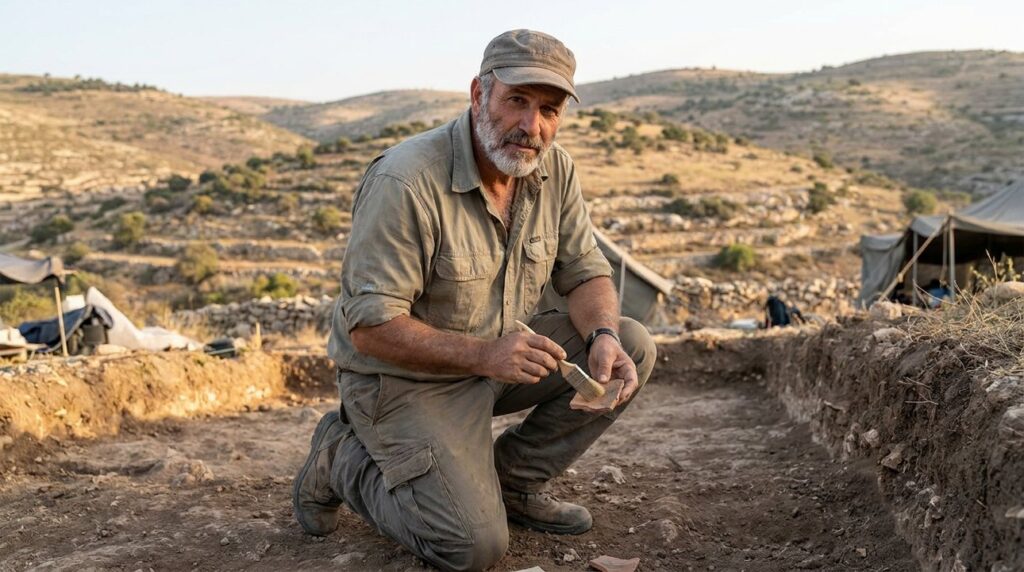
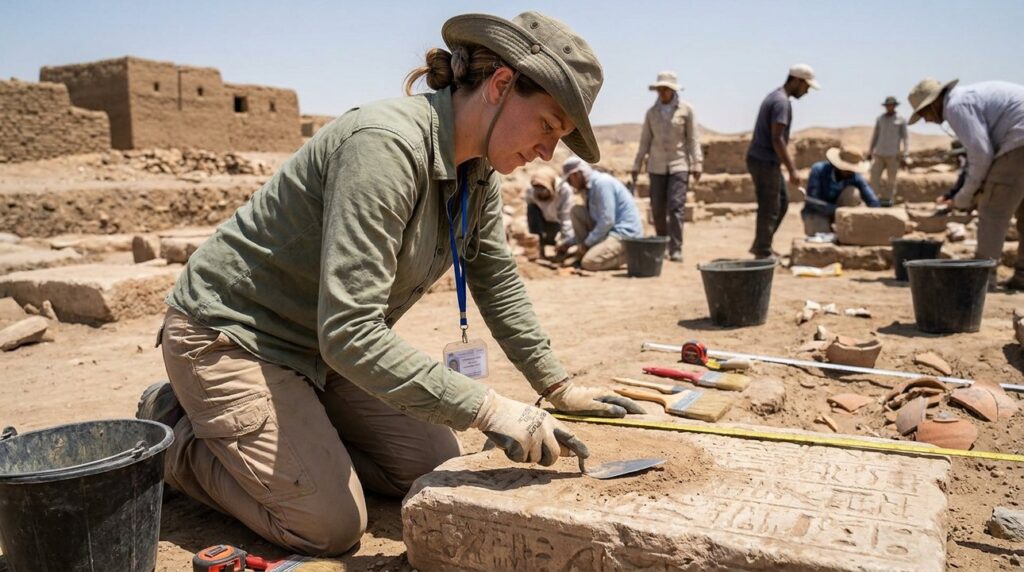
Explorers in hiking gear examining artifacts in Negev Desert, Israel.

Exploring the Negeb: Biblical and Historical Insights

The Negeb, often referred to as the Negev, is more than a geographic location. It holds rich biblical and historical significance, playing a vital role in Israel’s ancient narratives. In the Bible, the Negeb is mentioned in several key stories, such as in Genesis 12:9, where Abram journeyed through this region. The Negeb’s harsh landscape served as a backdrop for many biblical events, symbolizing both physical and spiritual challenges. Its strategic location made it a crossroads for trade and cultural exchange. The Negeb’s role in the story of the Exodus is also significant, as it was part of the route...

Israeli Products and Crafts

Dive into the vibrant world of Israeli products and crafts. Our collection showcases the creativity and tradition of local artisans, offering you a chance to support small businesses and bring authentic Israeli culture into your life. From handcrafted jewelry to exquisite ceramics, each piece tells a story of dedication and passion. Join us in celebrating the beauty of Israeli craftsmanship.
Early morning market in Jerusalem with locals shopping traditional goods.

Discover the Best Souvenirs from Israel

Visiting Israel offers a unique opportunity to explore a land rich in history and culture. As you wander through bustling markets or serene landscapes, finding the perfect souvenir becomes part of your journey. The Mahane Yehuda Market in Jerusalem is a vibrant spot where you can find everything from spices to handcrafted goods, capturing the essence of Israeli life. In this article, we explore the best souvenirs from Israel and the stories behind them. These items capture the spirit of a nation, connecting you with its artisans and traditions. From handcrafted jewelry to artistic creations, each item carries a narrative...
Elderly craftsman making menorahs in a sunlit Jerusalem workshop.

Exploring Unique Israeli Products and Crafts

Israeli products offer a window into the creativity and history of a vibrant culture. From stunning crafts to delicious foods, each product tells a story, reflecting the rich traditions of the land. For instance, the olive oil from the Galilee region is not just a culinary delight but a nod to the ancient groves mentioned in the Bible (Deuteronomy 8:8). The craftsmanship seen in products like the hand-woven baskets from the Negev Desert reflects techniques that have been honed over centuries, akin to those used by the ancient Israelites. In this article, we will explore diverse Israeli products available in...
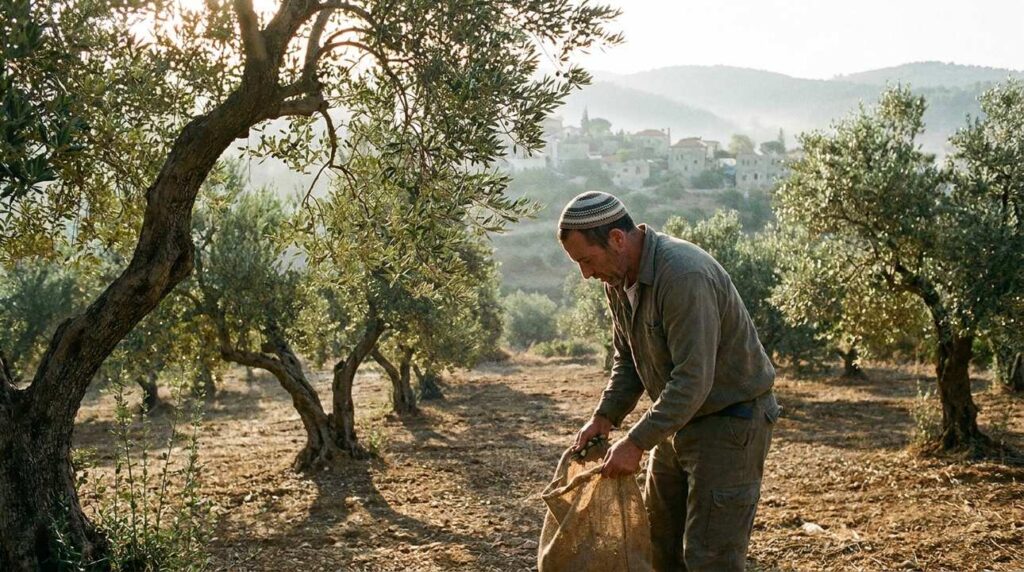
Elderly Israeli man in traditional attire inspecting olives in grove.

Explore the Exquisite World of Israeli Olive Oil

Experience the taste and tradition of Israeli olive oil, a product rich in history and flavor. Olive oil has been a staple in the region since biblical times, with references such as in Deuteronomy 8:8, where it is listed among the seven species of the land. Join us as we delve into the art of olive oil making in Israel, exploring its cultural significance and distinctive qualities. The process involves traditional methods passed down through generations, preserving the authentic taste and aroma. The ancient city of Ekron was renowned for its olive oil production, with archaeological evidence of massive industrial...
Middle-aged Jewish man examining grapes, holding wine, near skincare products.

Discovering the Unique World of Israeli Skincare and Wine Brands

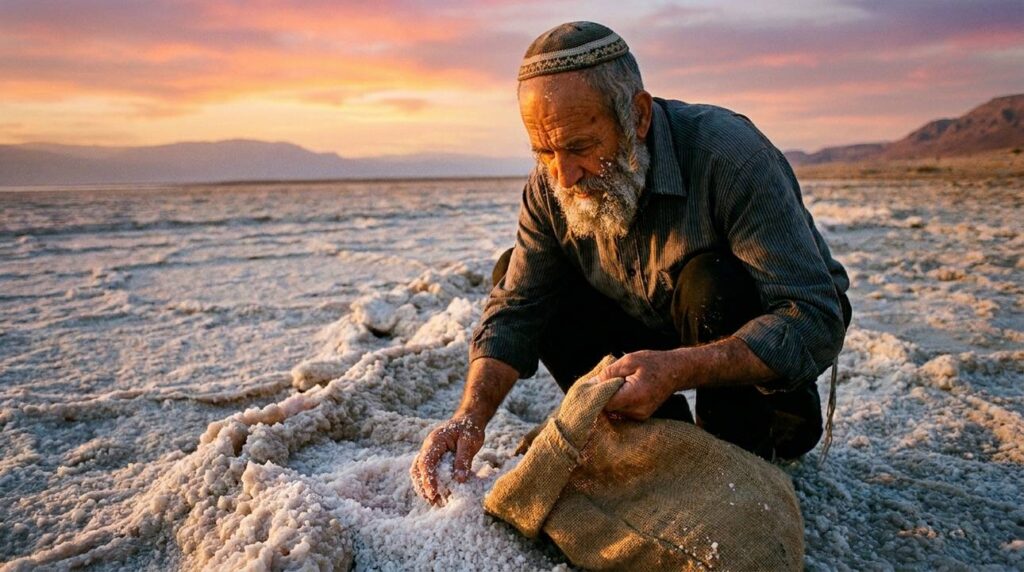
Israel is a land where innovation meets tradition, and this is evident in its skincare and wine industries. The use of naturally sourced ingredients in skincare harks back to ancient practices, while age-old winemaking techniques continue to thrive. Israeli brands are gaining global recognition, enhancing beauty routines with Dead Sea minerals and elevating culinary experiences with unique wines. This article explores how these brands are making their mark, offering products that are both innovative and steeped in tradition. The synergy of history and modernity is a hallmark of Israeli craftsmanship. In short: Israeli skincare and wine industries exemplify the harmonious...

Recipe

Discover a variety of Israeli recipes that bring the rich flavors of the region to your home. Each recipe supports local producers and artisans, offering a taste of Israel's culinary heritage.
Elderly Jewish man in kippah making falafel in Jerusalem market.
Exploring Falafel: A Deep Dive into Its Cultural and Culinary Roots

Falafel is a beloved staple in Israeli cuisine, cherished for its crunchy texture and rich flavors. This article explores the journey of falafel, tracing its roots and significance in both Jewish and Israeli cultures. Historically, falafel is thought to have originated in Egypt, possibly linked to the Coptic Christian community, who might have eaten it during Lent as a meat substitute. We will delve into its history, culinary evolution, and how it became synonymous with Israeli identity. From its humble beginnings to its status as a national dish, falafel’s story is one of adaptation and cultural fusion. Falafel’s journey from...
Elderly Israeli man slicing chicken shawarma in Jerusalem market.

How to Make Delicious Israeli Chicken Shawarma at Home

Israeli shawarma captures the essence of Middle Eastern cuisine with its aromatic spices and tender meat, a tradition that dates back to the Ottoman Empire. In this recipe, we explore how to recreate this popular street food at home, creating a genuine taste experience right from your own kitchen. From choosing the right spices, like cumin and paprika, to achieving the perfect texture, we guide you through each step to ensure a delicious result. The Ottoman influence is evident in the use of spices such as turmeric and coriander, which add depth to the dish. By following this recipe, you...
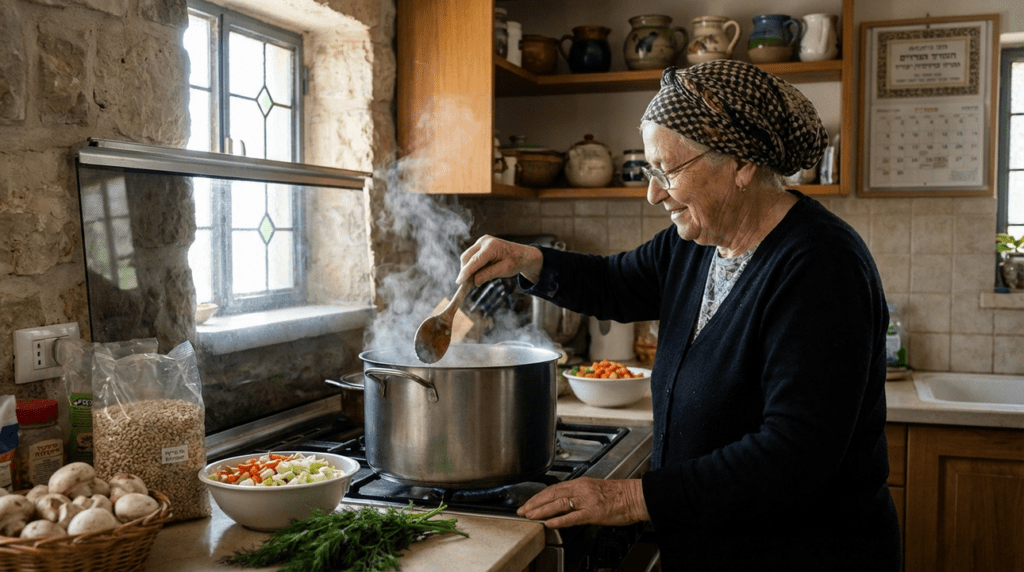
Elderly Jewish woman cooking Shakshuka in a rustic Jerusalem kitchen.

Discover the Delights of Israeli Shakshuka

Shakshuka, a dish with vibrant flavors and captivating history, holds a special place in Israeli cuisine. It’s more than just a meal — it’s a beloved tradition. Originating from North Africa, it was brought to Israel by Jewish immigrants. The dish’s name comes from the Arabic word for ‘mixture’, reflecting its diverse ingredients. This article explores the essence of Shakshuka, tracing its roots and providing a delightful recipe to enjoy at home. In short: Shakshuka is a culinary journey that tells the story of migration and cultural fusion, offering a taste of Israel’s rich history and vibrant present. The dish’s...
Elderly Jewish woman making schnitzel in a traditional kibbutz kitchen.

How to Make Authentic Israeli Schnitzel

Welcome to the delicious world of Israeli schnitzel. This beloved dish has become a staple on many dinner tables across Israel, cherished for its comforting flavors and satisfying texture. Originating from European influences, particularly Austria’s Wiener schnitzel, it has been adapted to suit local tastes. The dish combines the perfect balance of crispiness and flavor, creating a meal that everyone can enjoy. In this article, we explore the origins of Israeli schnitzel, its cultural significance, and provide a step-by-step recipe to make it at home. The evolution of this dish is a testament to the adaptability of culinary traditions. The...

Jewish Mysticism and Symbolism

Delve into the fascinating realm of Jewish Mysticism and Symbolism, where ancient traditions meet profound cultural insights. This category explores the mystical aspects of Judaism, offering a window into the spiritual and symbolic practices that have shaped Jewish life for centuries. From the mystical teachings of the Kabbalah to the symbolic meanings behind Jewish rituals, uncover the layers of meaning that continue to inspire and connect communities worldwide.
Elderly Jewish man reads Torah under fig tree in Jerusalem alley.

Exploring the Symbolism of the Fig Tree in Biblical Texts

In biblical symbolism, the fig tree stands out as a profound symbol of prosperity and peace. Throughout the Bible, it appears in various narratives, representing both physical sustenance and spiritual lessons. For example, in 1 Kings 4:25, during King Solomon’s reign, the people of Judah and Israel lived in safety, each man under his vine and fig tree, illustrating a time of peace and security. The fig tree symbolizes prosperity and peace, representing sustenance and spiritual lessons. The fig tree’s presence in biblical stories underscores its importance in conveying divine favor and abundance. In 1 Kings 4:25, during Solomon’s reign,...
Elderly Jewish man reading Torah under olive tree at sunset.

Unveiling Cherub Symbolism and Its Spiritual Significance

The cherub, a divine being mentioned throughout the Bible, imbues rich symbolic meaning. From their presence in the Garden of Eden to their central role in the Ark of the Covenant, cherubs echo through the scriptures and Jewish mystical writings. This article delves into the symbolism of cherubs, exploring their significance as guardians, messengers, and spiritual connectors between realms. Through biblical and kabbalistic perspectives, discover how cherubs continue to fascinate and inspire. Cherubs in the Garden of Eden Cherubs first appear in the Bible in the Book of Genesis, guarding the entrance to the Garden of Eden with a flaming...
Elderly Jewish scholar reading ancient texts in a book-lined study.

The Symbolic Meaning of the Wheel in Jewish Mysticism

In Jewish mysticism, wheels play a profound role, symbolizing complex spiritual concepts. These wheels appear prominently in the vision of Ezekiel, as described in Ezekiel 1:15-21, inspiring awe and mystery. The imagery of wheels within wheels conjures thoughts of divine mechanics and the perpetual motion of the spiritual universe. Ezekiel’s vision, set during the Babylonian exile, reflects the yearning for divine presence and guidance. It serves as a powerful symbol of hope and spiritual connection. The wheels are seen as representations of the divine order and the movement of spiritual energy. This imagery invites individuals to explore their own spiritual...

Hebrew Language and Literature

Immerse yourself in the world of Hebrew language and literature. Explore stories that connect you to Israel's rich cultural heritage, supporting local artisans and their craft.

Israeli Culture and Traditions

Dive into the vibrant world of Israeli culture and traditions. Learn about the diverse customs, foods, and crafts that make Israel unique. Support local artisans and small family businesses by engaging with their stories and products. Through your involvement, you help sustain these cultural treasures and keep the heritage alive for future generations.