Lev Haolam logo – Israel gift box company
Join now
Lev Haolam
  • Home
  • To The Top
  • Who We Are?
  • How It Work
  • Membership
  • Our Boxes
  • Testimonials
  • FAQ
  • Blog
    • Articles
    • Recipes
    • Gift Boxes
  • Career
Log In
Join now
Log In
Join now
  1. Home
  2. Recipes
  3. Special Israeli Dishes

Discover the Unique Flavors of Special Israeli Dishes

Experience the rich culinary heritage of Israel through a variety of special dishes that reflect the diverse cultures and traditions of the region. Each dish tells a story of community, family, and the vibrant history of Israel. By exploring these recipes, you support Israeli families and small businesses, bringing a piece of Israel into your home. Enjoy the journey of discovery and savor the authentic flavors that make Israeli cuisine so special.
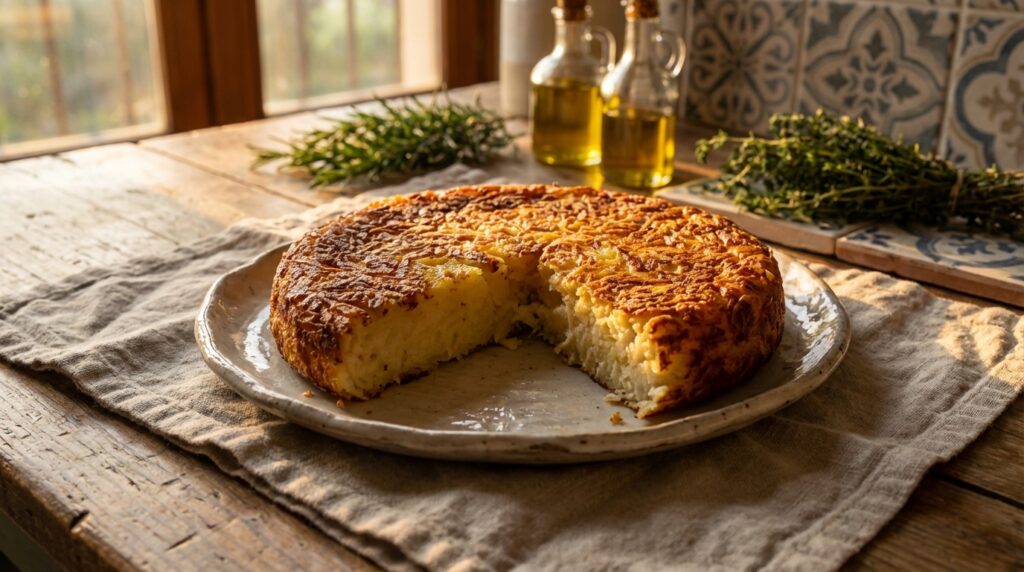
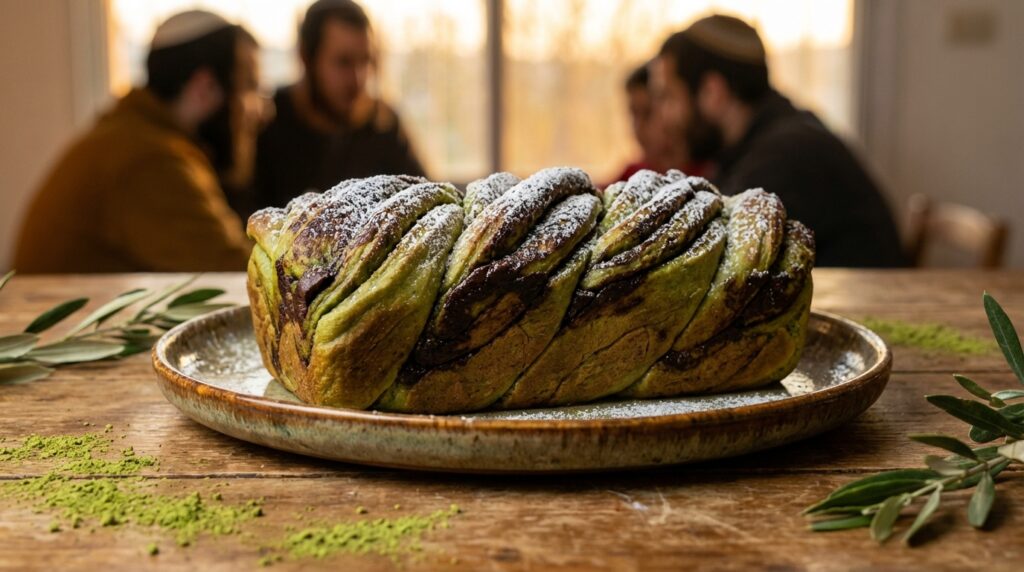
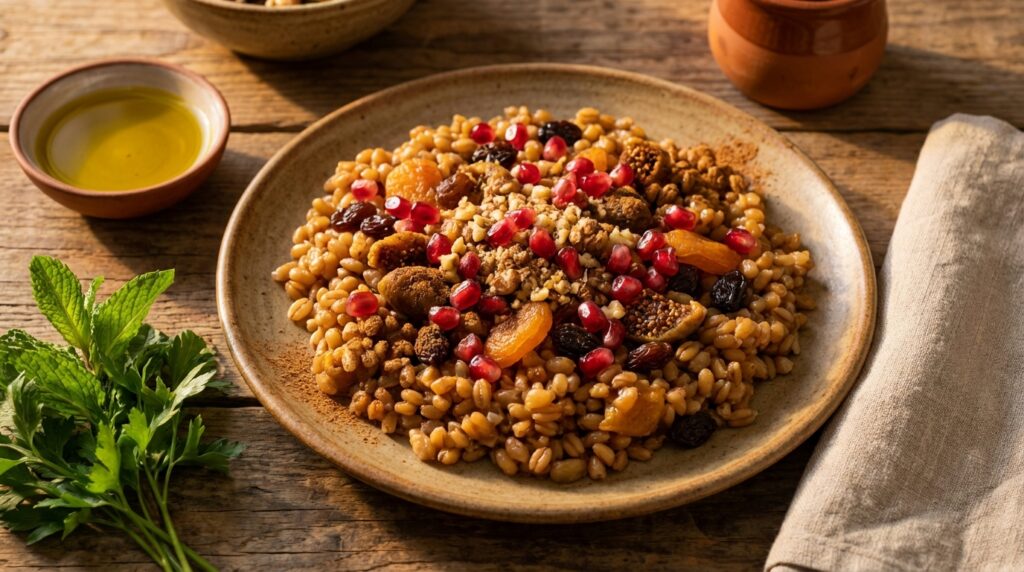
Image illustrating:Classic Ashkenazi Kugel Recipe
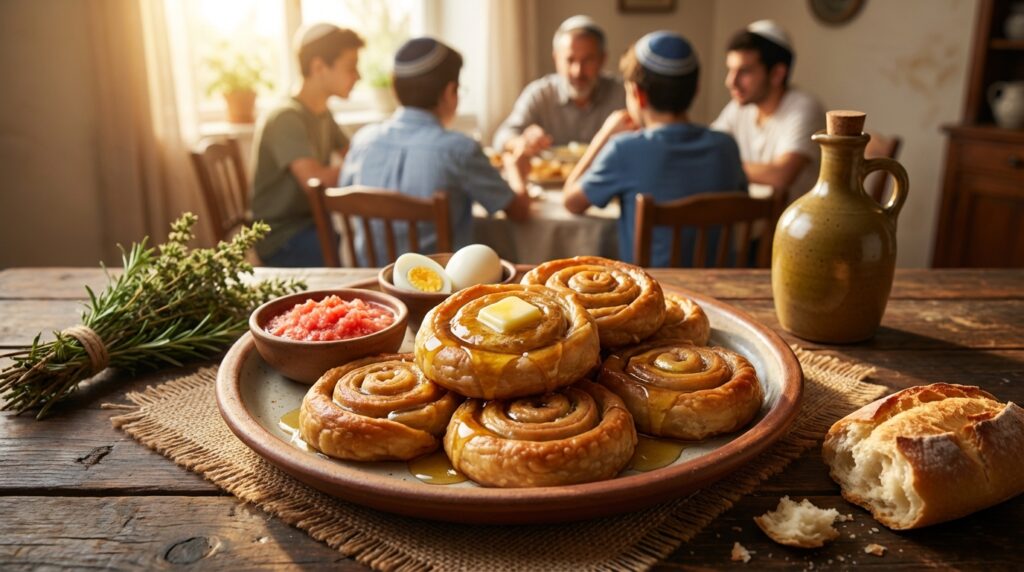
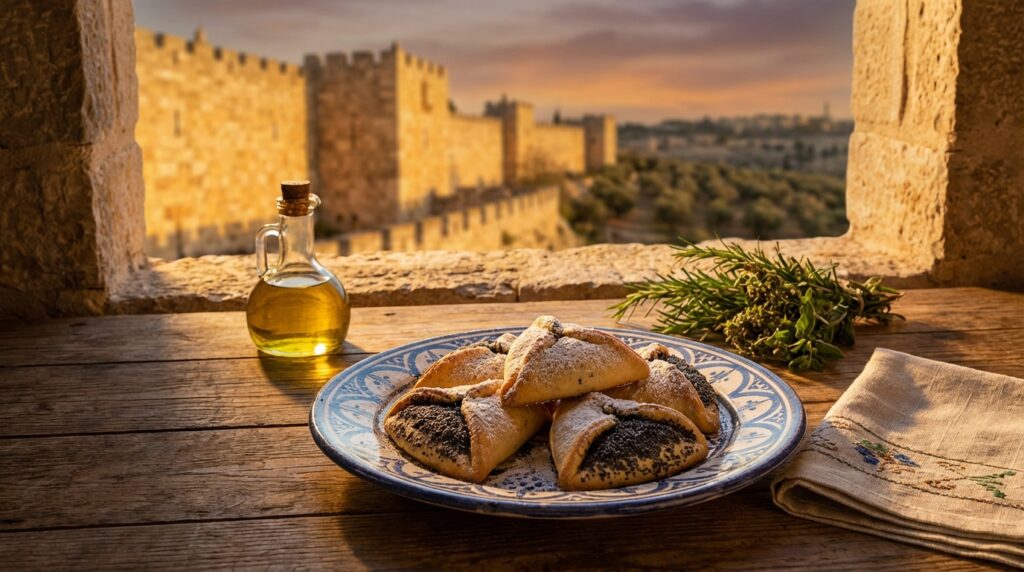
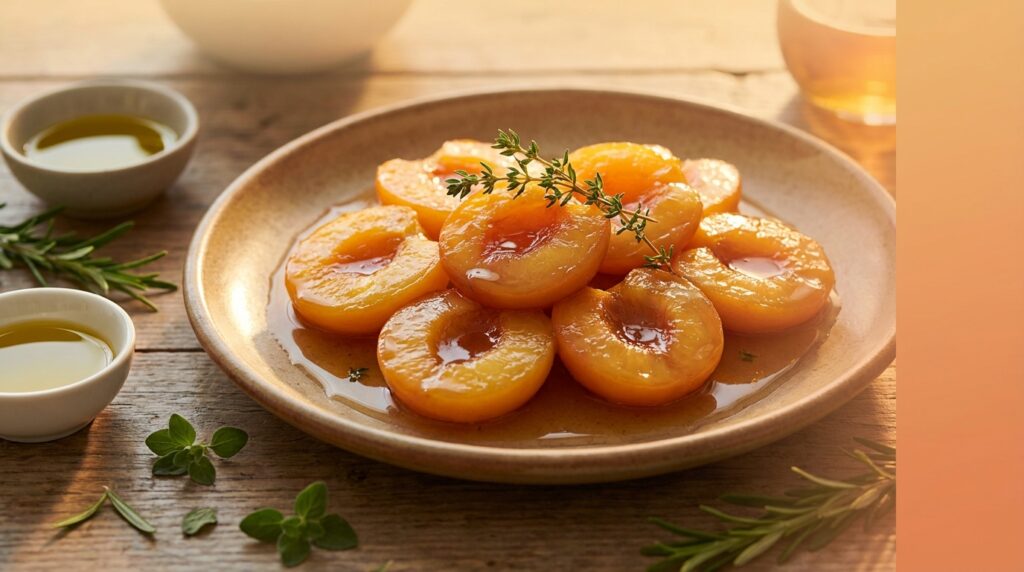
Image illustrating:Delicious Israeli Pastries to Savor

Best Israeli Pastries to Savor

Originating from diverse cultural influences, Israeli pastries have become a beloved treat across the country. The combination of Middle Eastern spices and European techniques creates a unique culinary experience. These pastries are not just food; they are a symbol of Israel’s rich history and cultural diversity. In Israel, pastries are often enjoyed during festive occasions and family gatherings. They bring people together, creating moments of joy and connection. The process of making these pastries is as cherished as the taste itself, with recipes passed down through generations. The ingredients used in Israeli pastries are carefully selected to ensure the best...
Show more
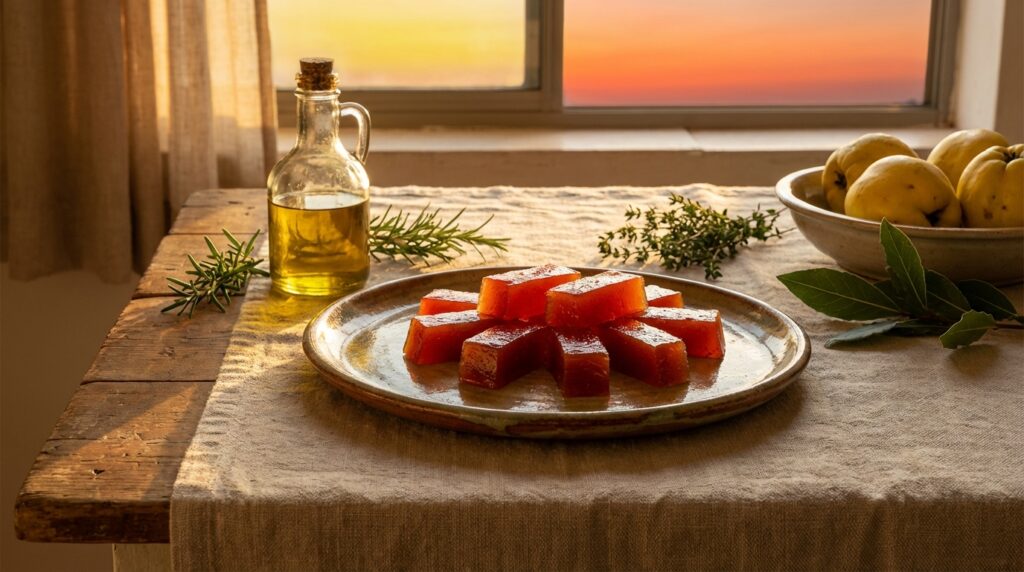
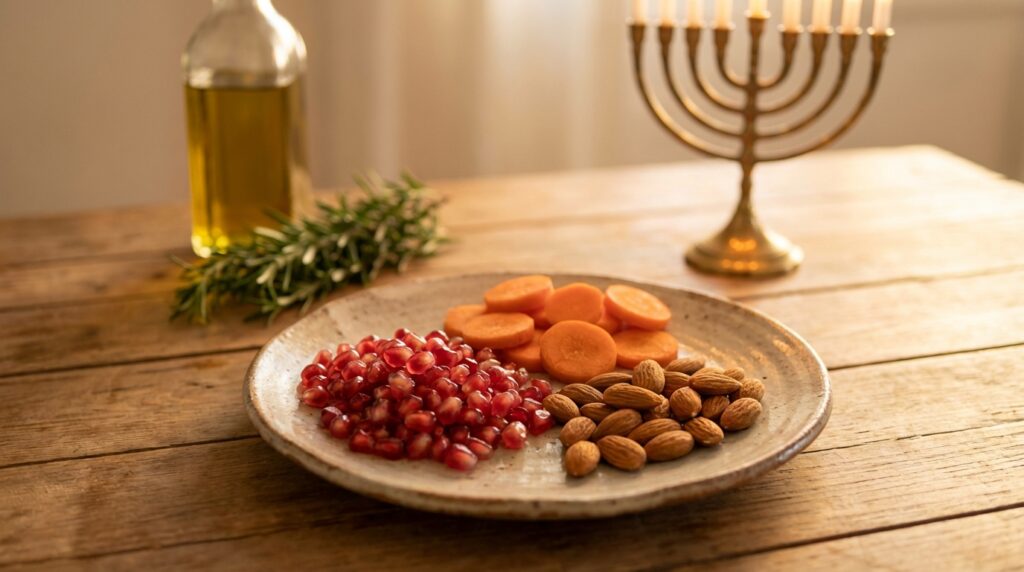
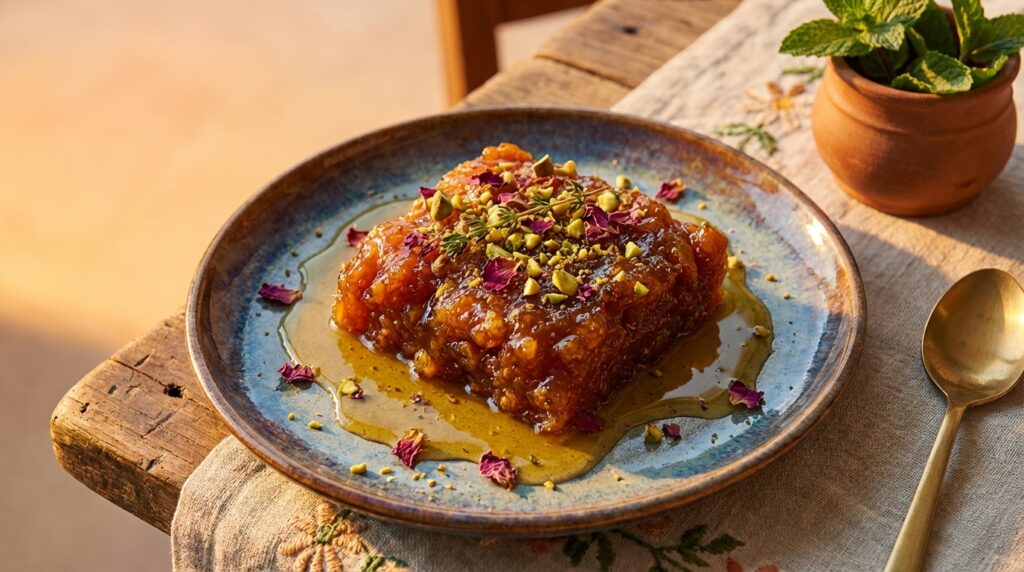
Image illustrating:Delicious Israeli Date Honey Delight

Delicious Israeli Date Honey Delight

Originating from the Middle East, date honey has been cherished for centuries. Its sweet, rich flavor complements a variety of dishes, from savory to sweet. In Israel, it is often used in traditional recipes, adding a unique taste that is both familiar and exotic. The process of making date honey involves simmering dates until they release their natural sugars, creating a thick, syrupy consistency. This method has been passed down through generations, preserving the authentic taste and cultural significance of the ingredient. In ancient times, date honey was considered a luxury, often reserved for special occasions and celebrations. Its association...
Show more
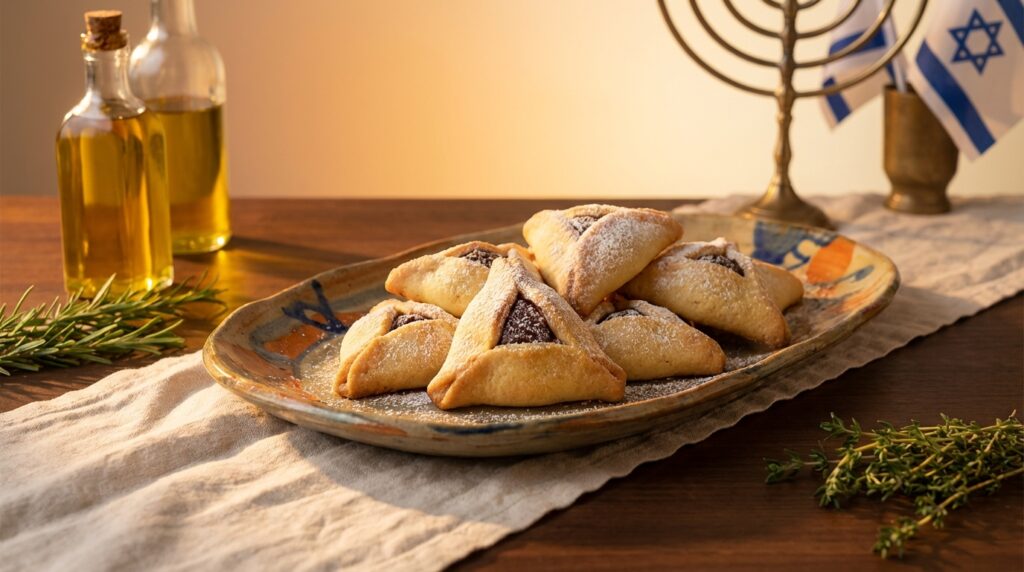
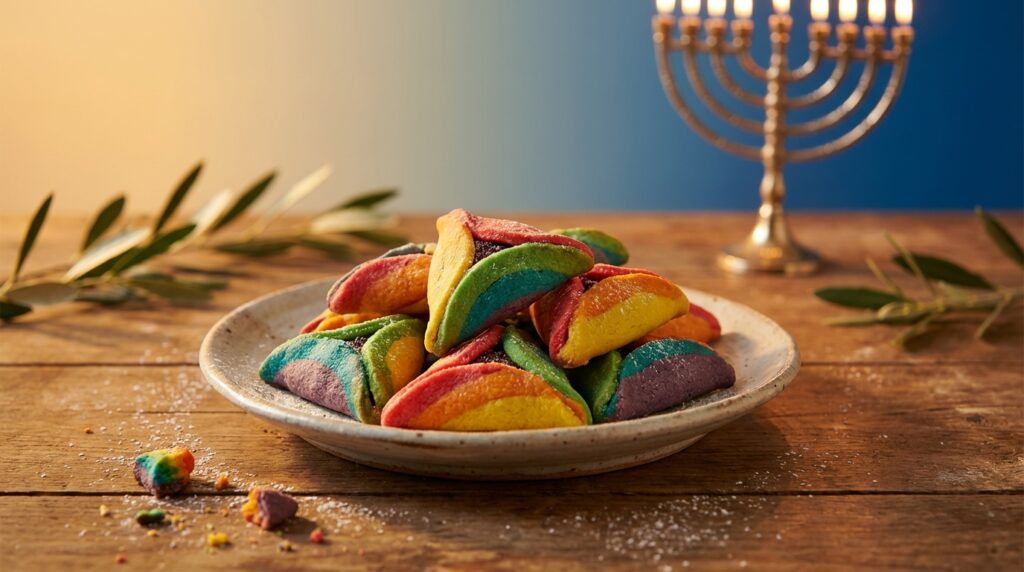
Image illustrating:Colorful Rainbow Hamantaschen for Purim

Colorful Rainbow Hamantaschen for Purim

Originating from the Jewish festival of Purim, Hamantaschen are triangular pastries traditionally filled with poppy seeds or fruit preserves. The name ‘Hamantaschen’ is derived from Haman, the villain in the Purim story, and the shape is said to represent his hat. Over time, these treats have become a symbol of joy and celebration during the holiday. In recent years, creative bakers have introduced new variations to the classic Hamantaschen, incorporating vibrant colors and diverse fillings. This innovation has led to the creation of Rainbow Hamantaschen, which not only delight the taste buds but also add a splash of color to...
Show more
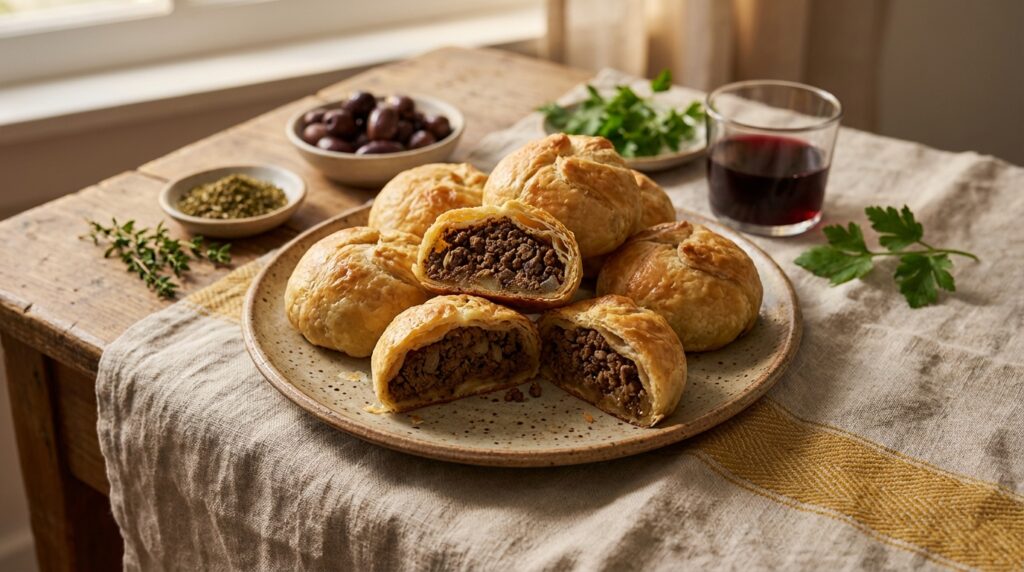
Image illustrating:Savory Beef Knishes from Israel

Savory Beef Knishes from Israel

Originating from Eastern Europe, knishes have found a special place in Israeli kitchens. These pastries, filled with a variety of ingredients, were brought by Jewish immigrants and adapted over time. The beef knish, in particular, became a favorite due to its hearty and satisfying nature. In Israel, knishes are often enjoyed during festive occasions and family gatherings. The process of making them is considered a labor of love, with recipes passed down through generations. Each family may have its own unique twist, adding to the rich tapestry of Israeli culinary traditions. The popularity of beef knishes has grown beyond Israel,...
Show more
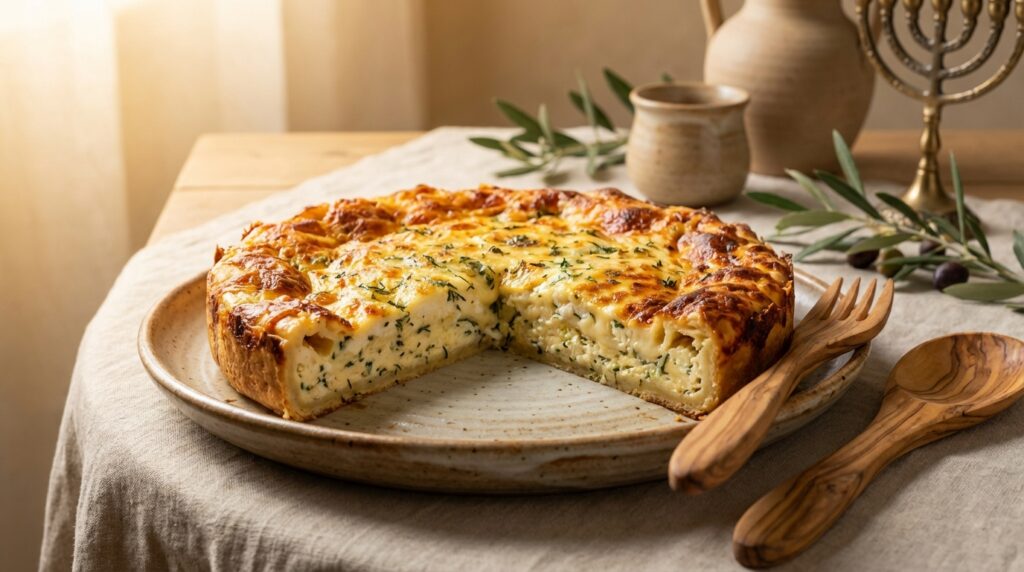
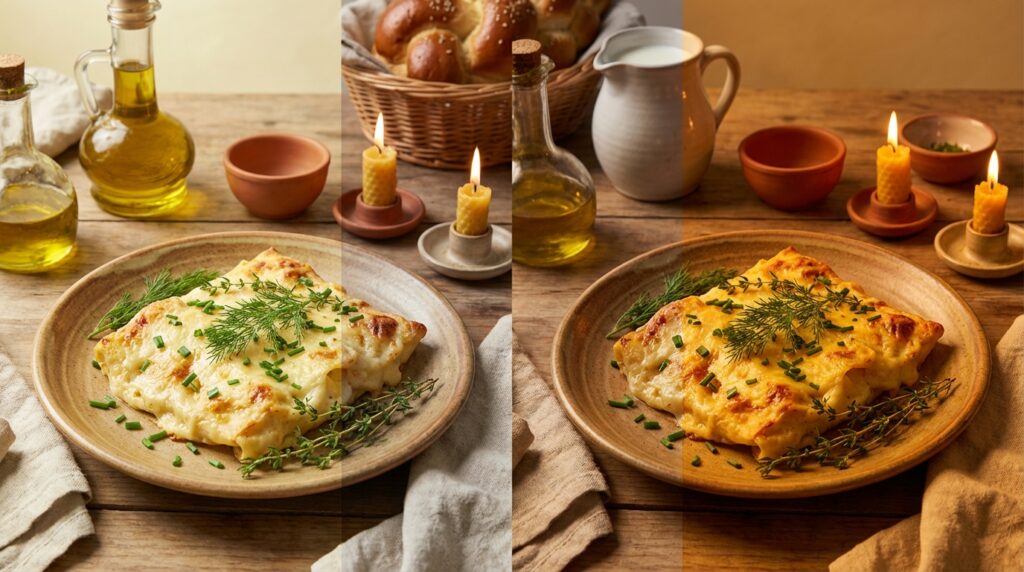
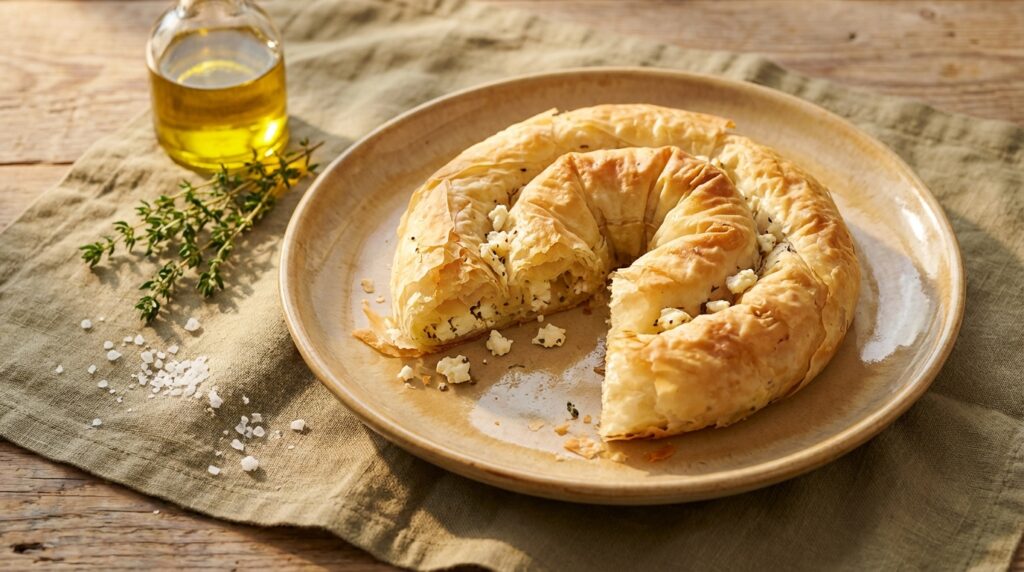
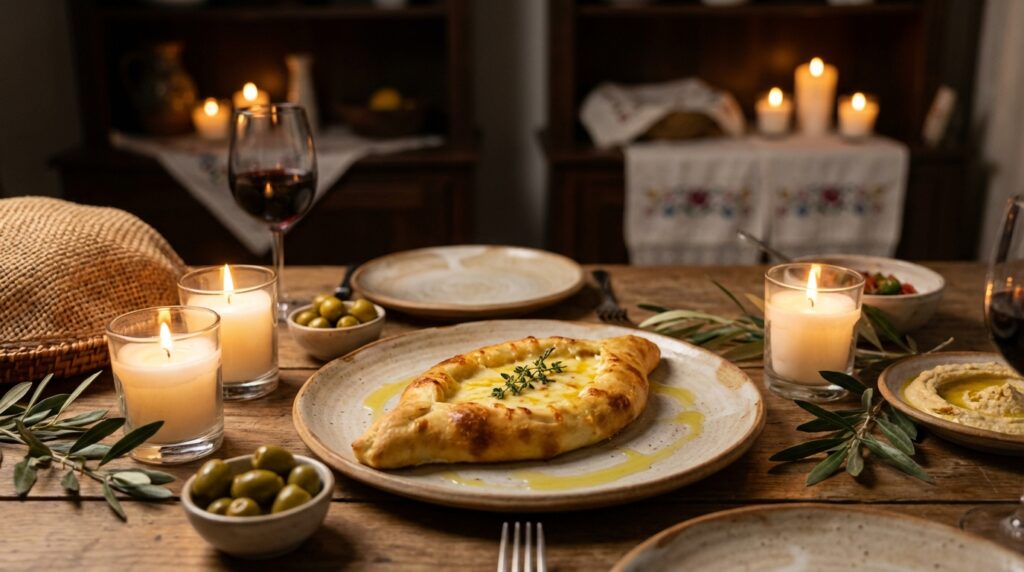
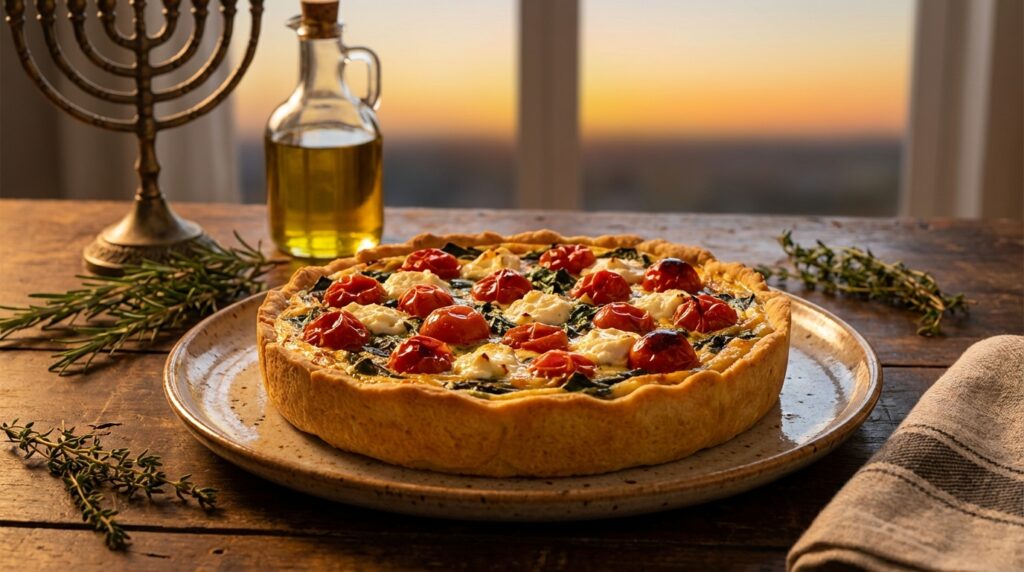
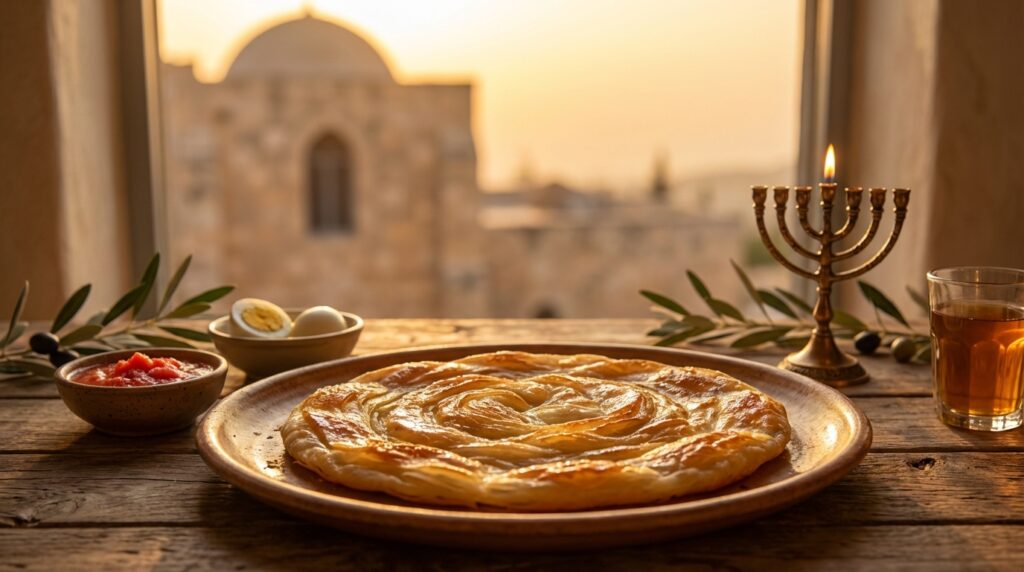
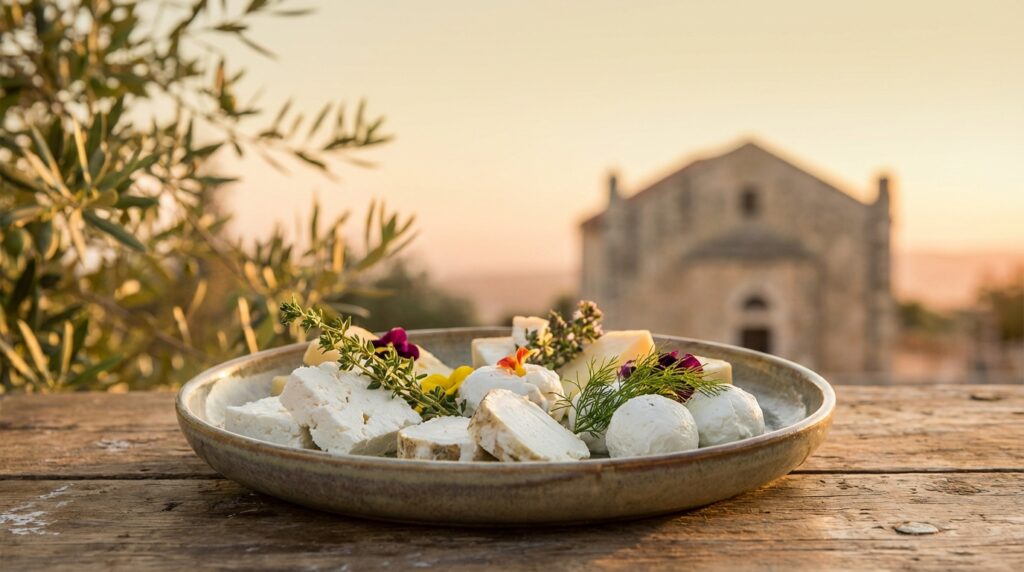
Image illustrating:Delicious Shavuot Cheese Pie

Delicious Shavuot Cheese Pie

The tradition of eating dairy on Shavuot is deeply rooted in Jewish culture. It symbolizes the land of milk and honey, a promise of abundance and prosperity. This cheese pie is a modern take on those ancient customs, bringing a taste of Israel to your table. Cheese pies have been a staple in Israeli kitchens for generations. They are often enjoyed during festive occasions, bringing families together to share in the joy of the holiday. This recipe combines the richness of cheese with the freshness of herbs, creating a dish that is both comforting and flavorful. In Israel, Shavuot is...
Show more
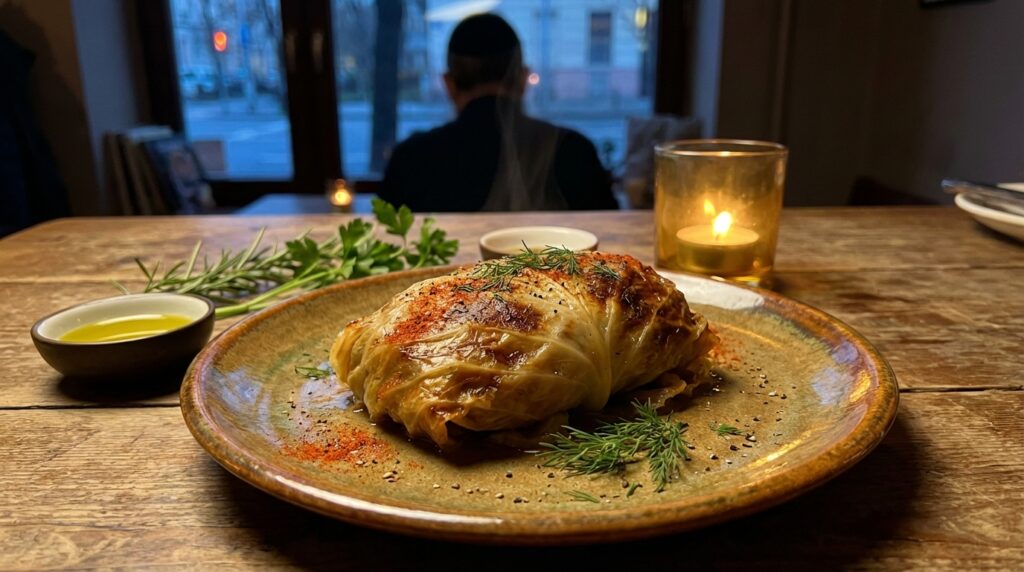
Image illustrating:Traditional Hungarian Cabbage Delight

Traditional Hungarian Cabbage Delight

Originating from Eastern Europe, this dish made its way to Israel through Jewish immigrants. It quickly became a staple due to its hearty ingredients and comforting flavors. Families across Israel have embraced it, often adding their unique twists to the traditional recipe. The dish is typically made with cabbage, ground beef, and a blend of spices that create a rich, savory taste. It’s often served during family gatherings and special occasions, bringing warmth and joy to the table. The combination of flavors is both nostalgic and satisfying, making it a favorite among many. In Israel, Hungarian cabbage is more than...
Show more
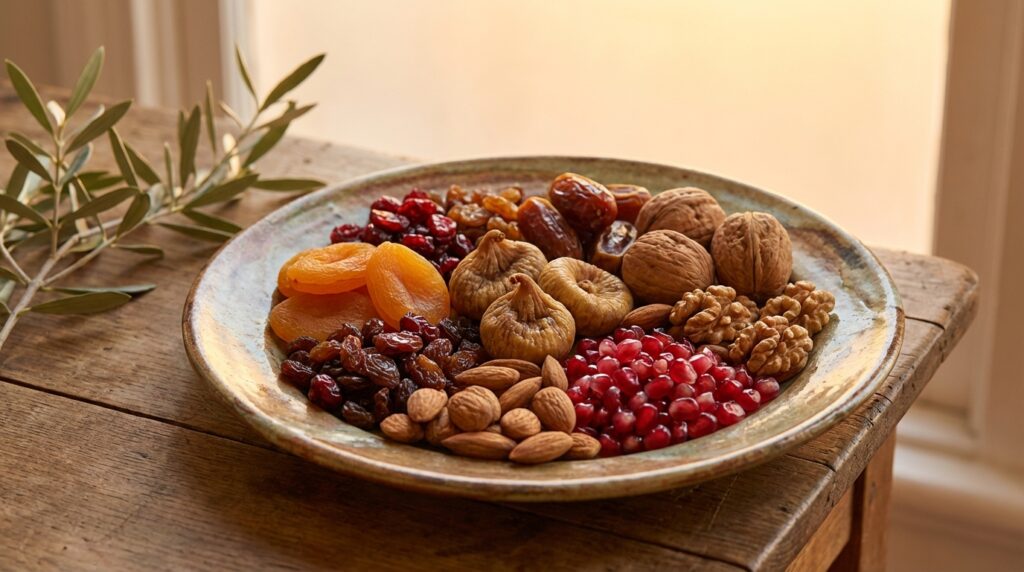
Image illustrating:Celebrate Tu Bishvat with Traditional Seder Foods

Celebrate Tu Bishvat with Traditional Seder Foods

The holiday of Tu Bishvat has its roots in ancient Jewish tradition, marking the beginning of the agricultural cycle. It is a time when the first blossoms appear on the trees, symbolizing renewal and hope. Traditionally, it is celebrated by eating fruits and nuts, especially those that are native to the land of Israel, such as figs, dates, and almonds. In modern times, Tu Bishvat has also become a day of environmental awareness, with many communities planting trees and promoting ecological sustainability. This connection to nature and the land is a central theme of the holiday, making it a meaningful...
Show more
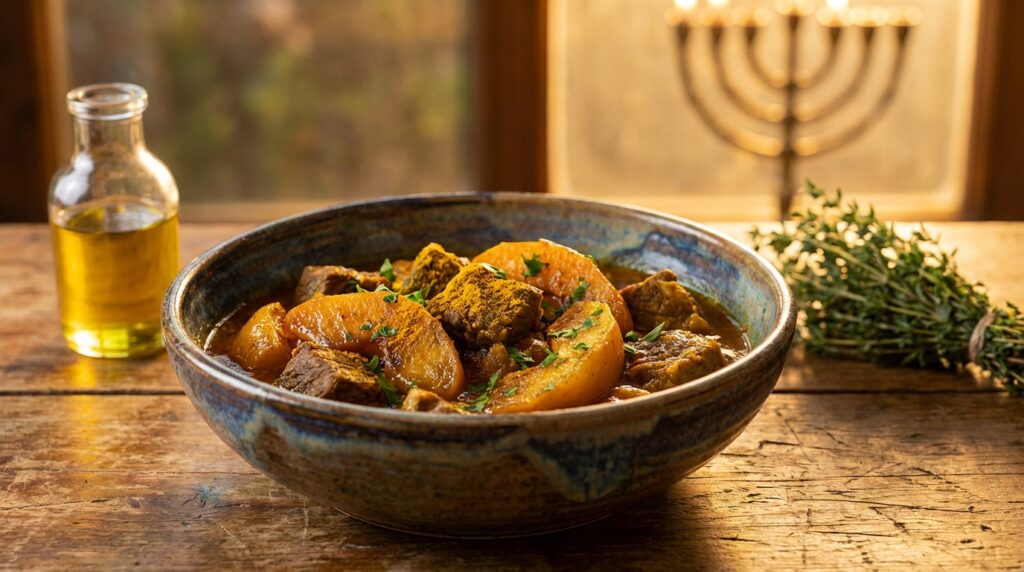
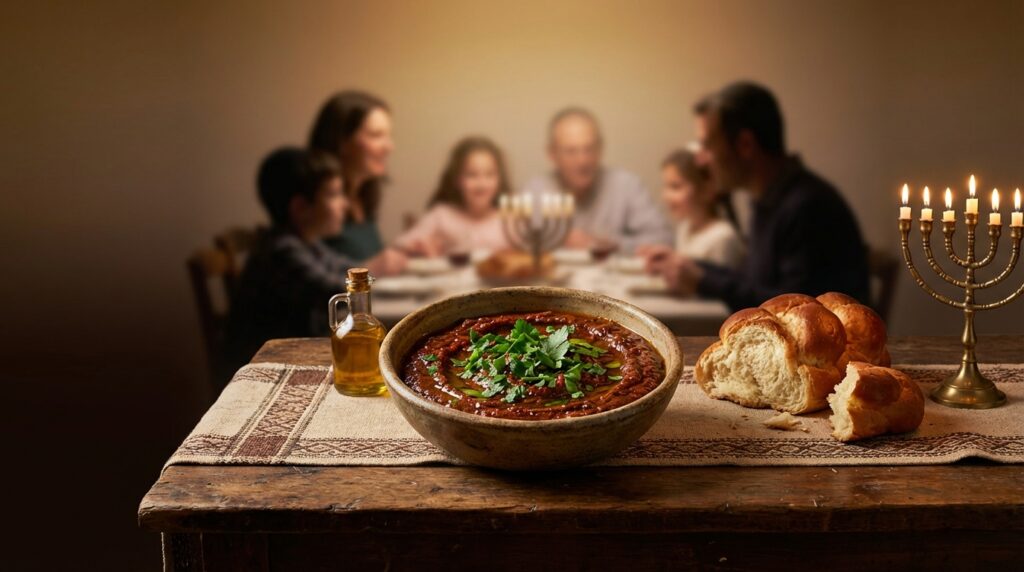
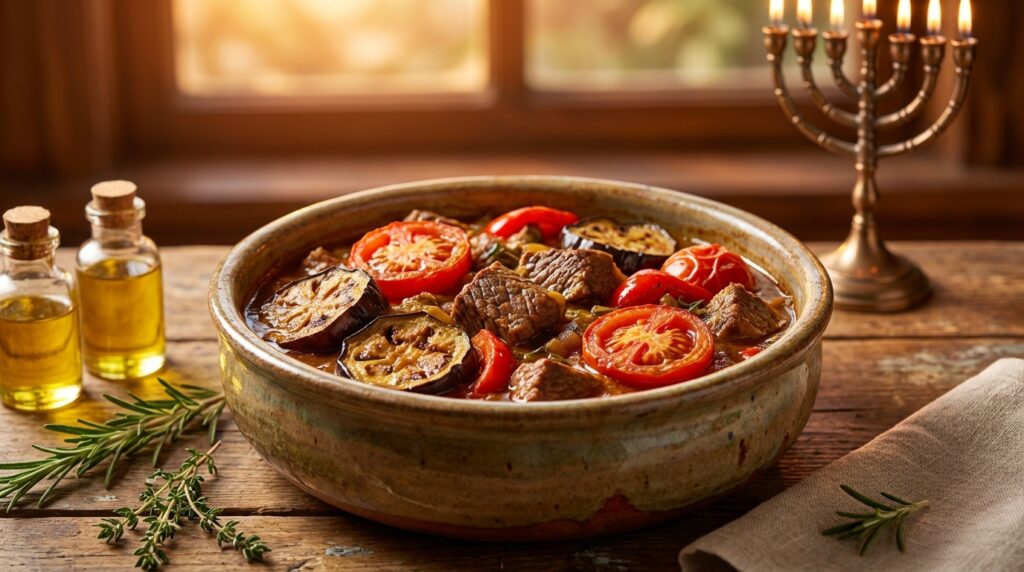
Image illustrating:Savor the Authentic Taste of Khoresh Beh

Savor the Authentic Taste of Khoresh Beh

Originating from Persian influences, Khoresh Beh has been embraced by Israeli families for generations. The dish is particularly popular during the fall when quince is in season. Its sweet and savory profile makes it a comforting choice for family gatherings. The use of quince in Khoresh Beh is a nod to the fruit’s historical significance in the region. Quince has been cultivated in the Middle East for centuries and is often associated with love and fertility. Its aromatic flavor adds a distinct touch to the stew. Traditionally, Khoresh Beh is prepared with beef, but variations exist using lamb or chicken....
Show more
Image illustrating:Delicious Nutella Hamantaschen for Every Occasion

Delicious Nutella Hamantaschen for Every Occasion

Hamantaschen, traditionally filled with poppy seeds or fruit, have been a staple of Purim celebrations for generations. The triangular shape is said to represent the hat of Haman, the villain in the Purim story. Over time, creative bakers have experimented with various fillings, leading to delightful new variations. The introduction of Nutella as a filling has added a rich, chocolatey dimension to the classic treat. This innovation has been embraced by many, making Nutella Hamantaschen a popular choice for those looking to blend tradition with modern flavors. The combination of the buttery pastry and creamy chocolate spread creates an irresistible...
Show more
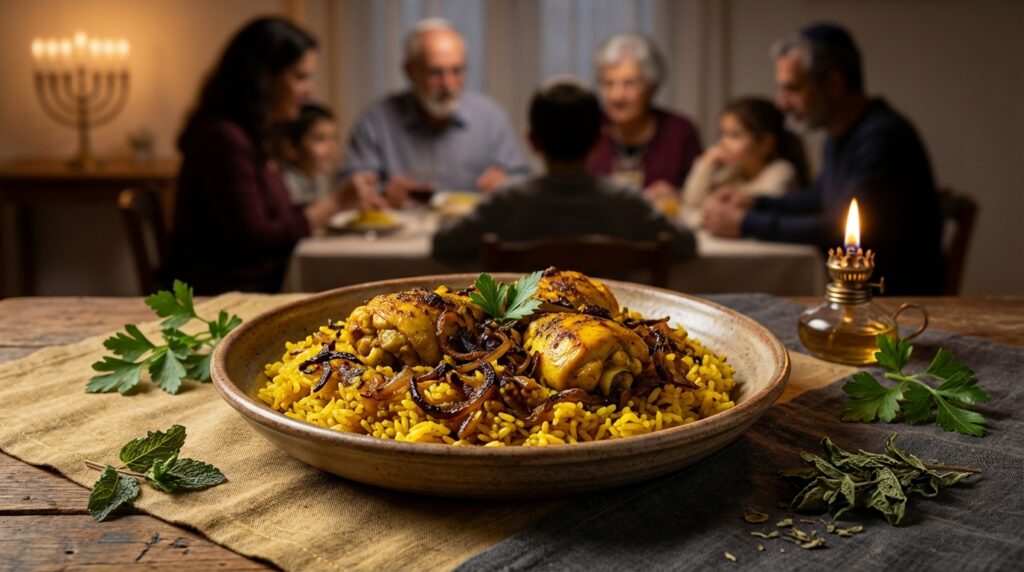
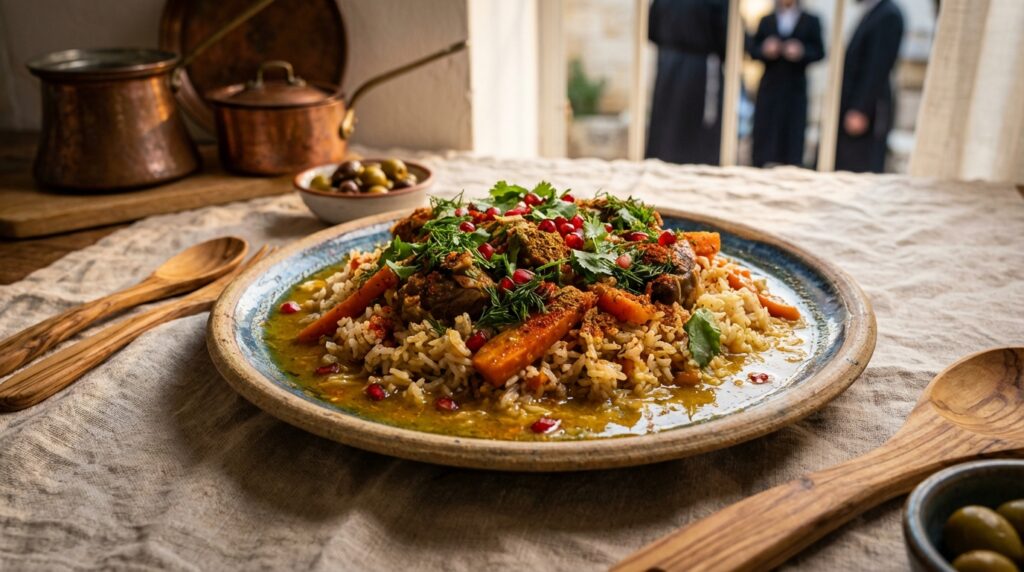
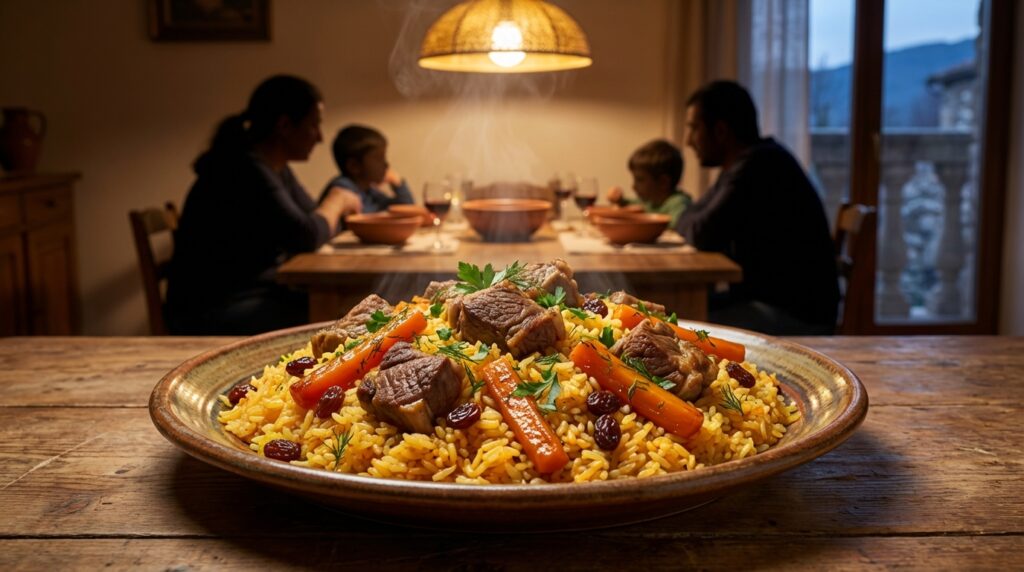
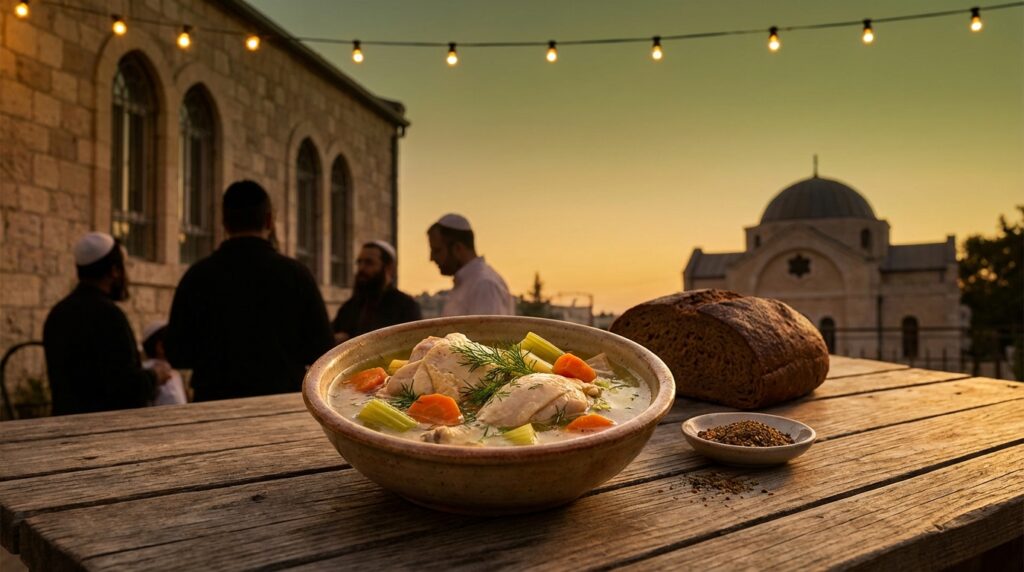
Image illustrating:Experience the Warmth of Traditional Tbeet

Experience the Warmth of Traditional Tbeet

Originating from the Jewish communities of Iraq, Tbeet is a dish that tells the story of resilience and tradition. It was traditionally prepared on Friday afternoons and left to cook slowly overnight, filling homes with its comforting aroma by Saturday morning. This method not only allowed for a warm meal on Shabbat but also adhered to the religious customs of not cooking on the Sabbath. The dish is a beautiful blend of rice, chicken, and a variety of spices, each family having its own secret blend that makes their Tbeet unique. The slow cooking process allows the flavors to meld...
Show more
Image illustrating:Crafting Traditional Israeli Arak at Home

Crafting Traditional Israeli Arak at Home

Arak has been cherished for centuries, with its origins tracing back to the Levant region. It is known for its distinct anise flavor, which is achieved through a meticulous distillation process. This spirit is often enjoyed during festive occasions and family gatherings, making it a staple in Israeli culture. The process of making arak involves distilling fermented grapes or dates, which are then flavored with aniseed. This gives arak its characteristic licorice taste. The tradition of making arak has been passed down through generations, with each family adding its unique touch to the recipe. In Israel, arak is more than...
Show more
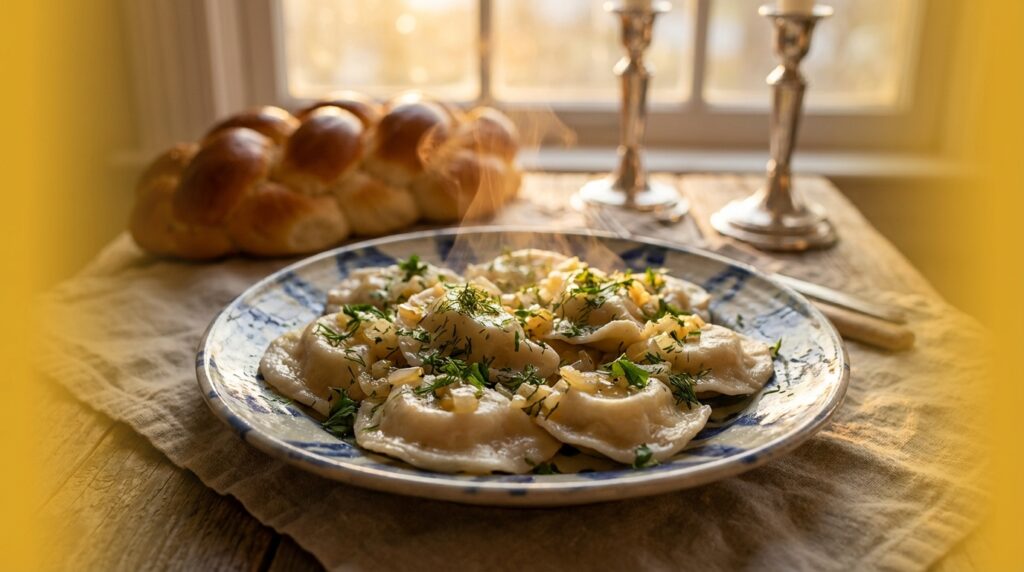
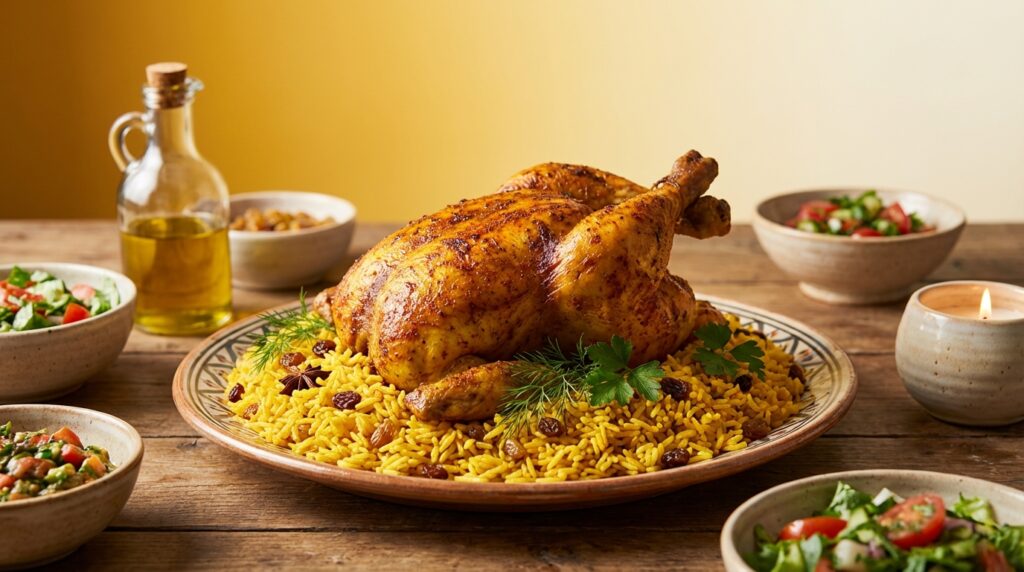
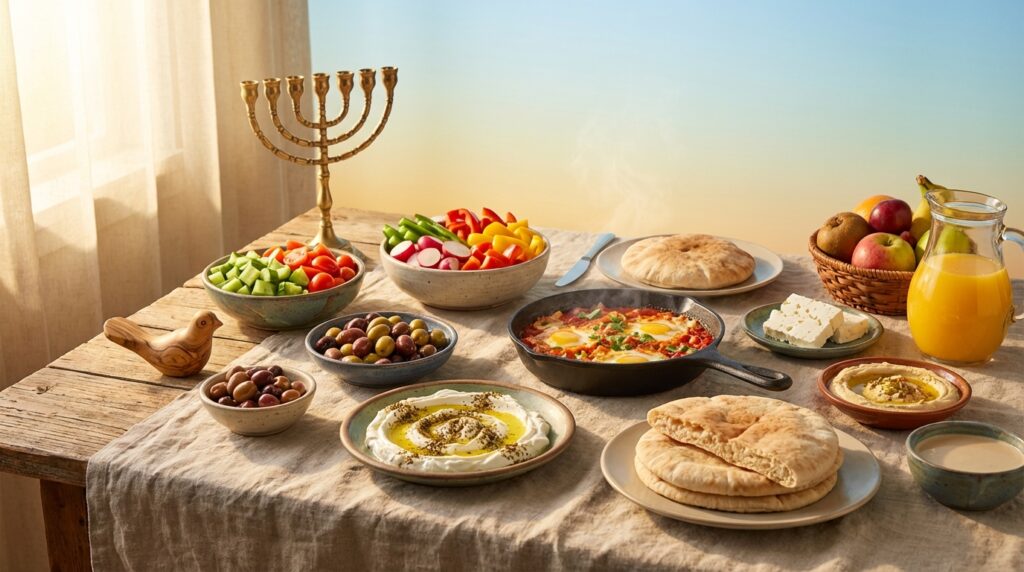
Image illustrating:Traditional Israeli Shabbat Delight

Traditional Israeli Shabbat Delight

Israeli Shabbat meals are a time of gathering and joy, where families come together to share stories and delicious food. This particular dish has its roots in the diverse culinary traditions of Israel, incorporating flavors and techniques from various communities. It represents the unity and diversity of Israeli culture, bringing people together around the table. The origins of this dish can be traced back to the early settlers of Israel, who brought with them recipes from their homelands. Over time, these recipes evolved, incorporating local ingredients and adapting to the Israeli climate. The result is a dish that is both...
Show more
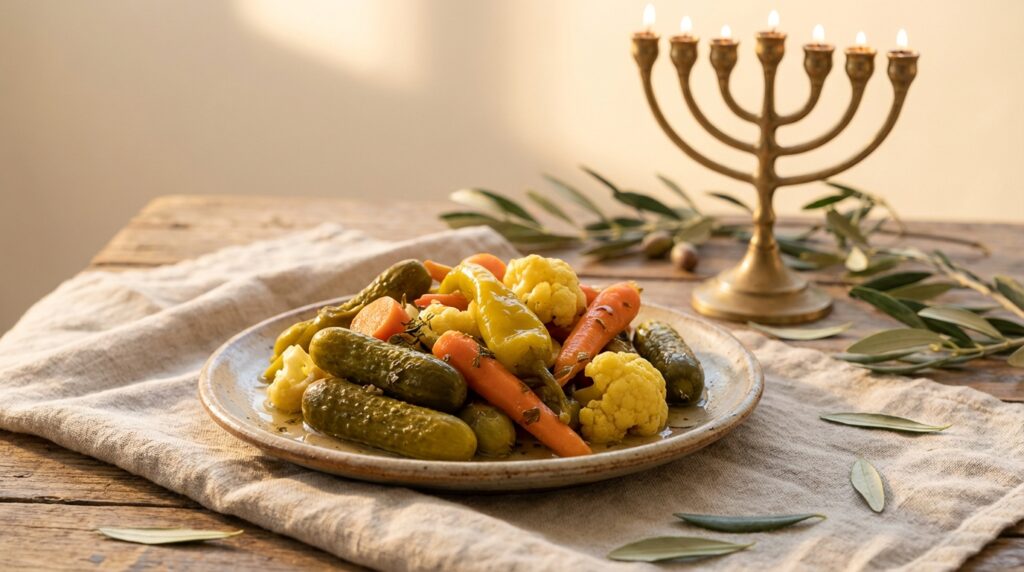
Image illustrating:Authentic Israeli Pickles Recipe

Israeli Pickles Recipe 2026

Originating from Eastern European Jewish communities, pickles have been a part of Israeli culture for generations. They are often enjoyed as a side dish or snack, adding a refreshing tang to meals. The process of pickling cucumbers in brine is simple yet effective, preserving the vegetables and enhancing their flavor. This method has been passed down through families, each adding their unique touch. In Israel, pickles are commonly found in markets and homes, symbolizing the blend of tradition and modern culinary practices. They are a testament to the rich agricultural heritage of the region. The vibrant markets of Israel are...
Show more
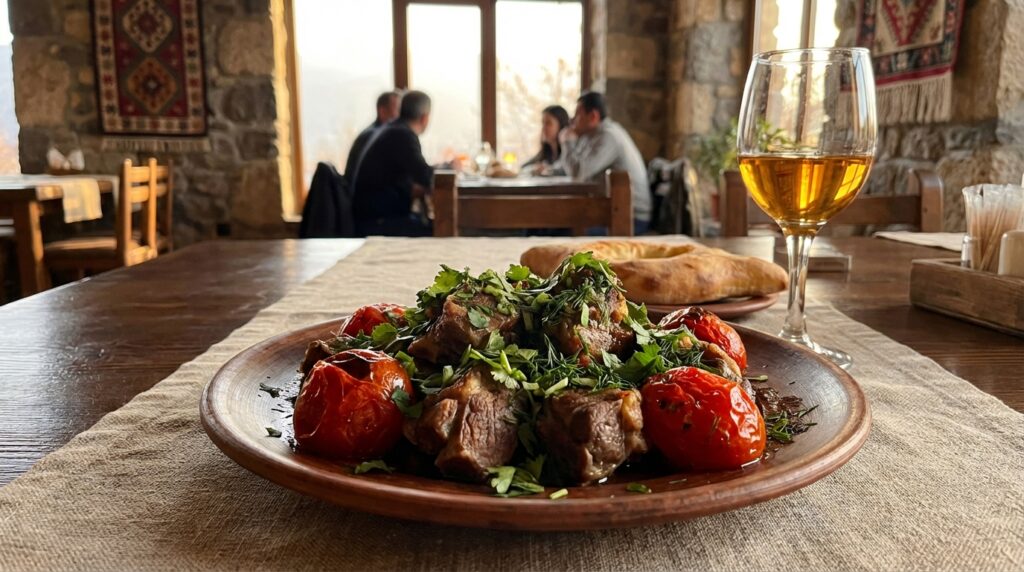
Image illustrating:Experience the Warmth of Supra Georgian Cuisine

Experience the Warmth of Supra Georgian Cuisine

Originating from the vibrant cultural tapestry of Georgia, Supra is more than just a meal; it’s a feast that embodies the spirit of hospitality and community. The word ‘Supra’ itself means ‘tablecloth,’ symbolizing the gathering of friends and family around a shared table. This dish has traveled through time, bringing with it the warmth and richness of Georgian culinary heritage. In Israel, Supra Georgian has found a new home, embraced by families who cherish its comforting flavors. The dish typically features tender cuts of meat, such as lamb or beef, slow-cooked with a medley of spices that evoke the lush...
Show more
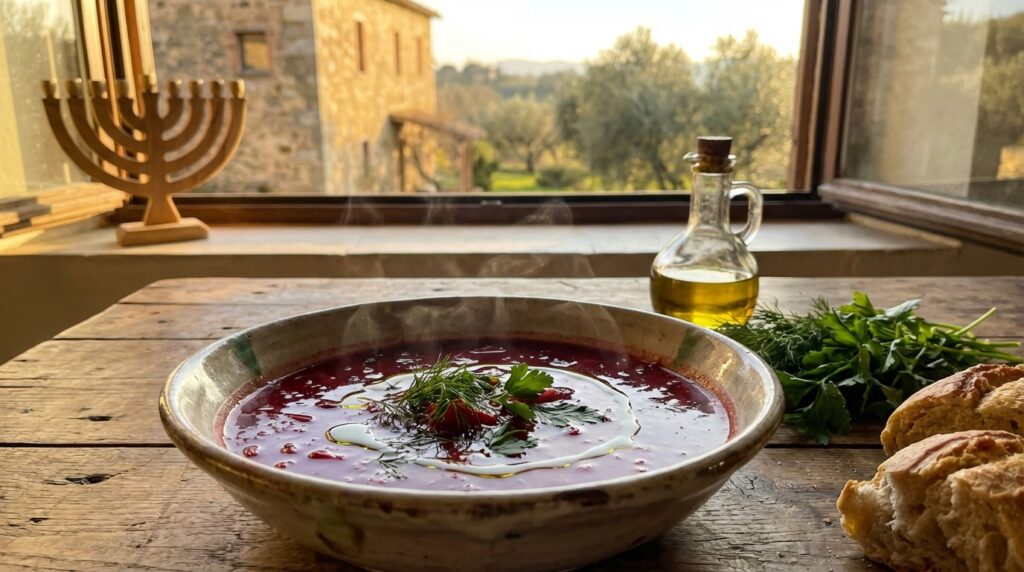
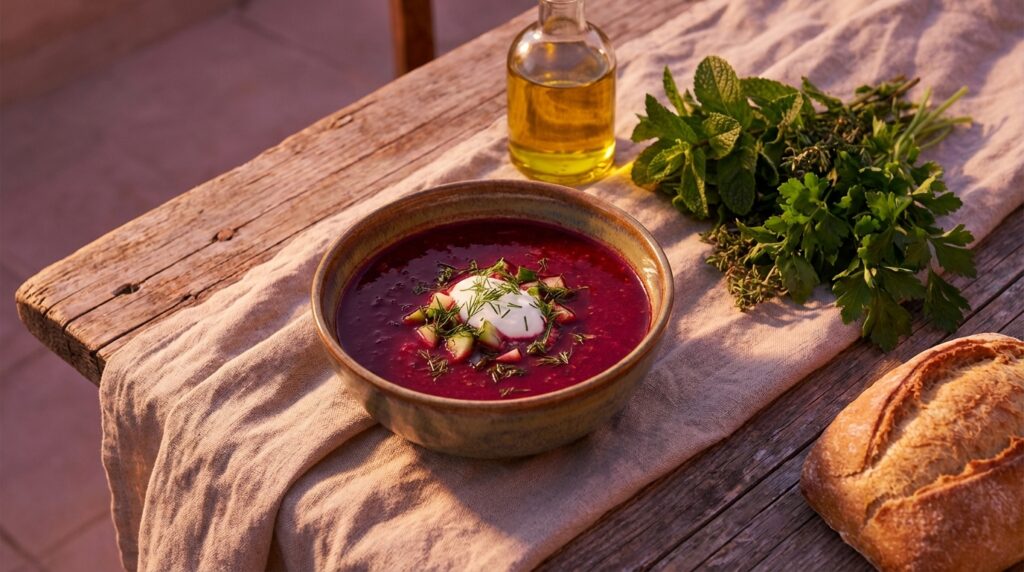
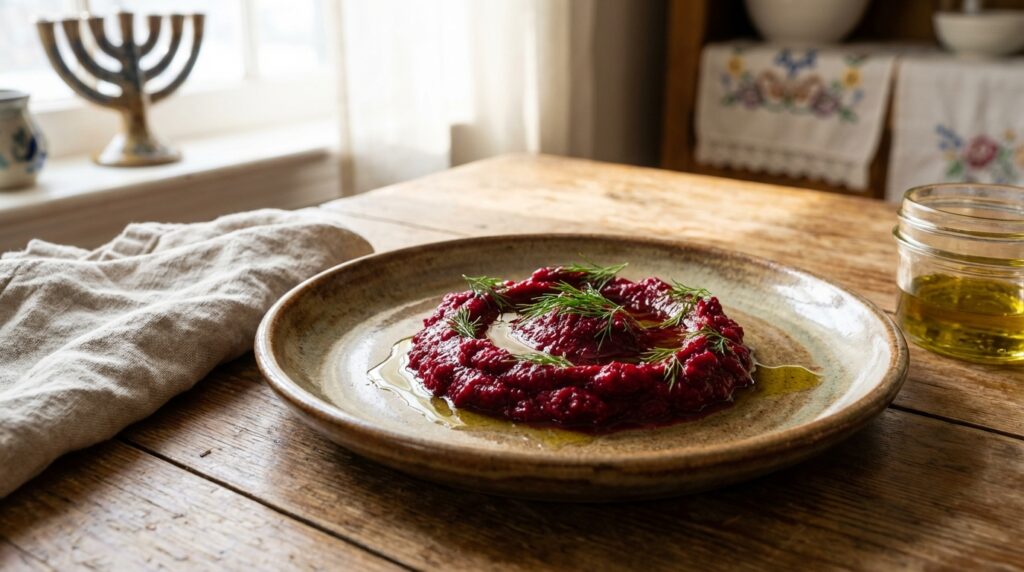
Image illustrating:Vegan Borscht: A Heartwarming Israeli Favorite

Vegan Borscht: A Heartwarming Israeli Favorite

Originating from Eastern Europe, borscht has been a staple in many households for generations. Its vibrant color and rich flavor make it a favorite among many cultures. Traditionally made with beets, it offers a unique taste that is both sweet and tangy. Over time, variations have emerged, including this vegan version, which maintains the essence of the original while catering to modern dietary preferences. In Israel, borscht has found a special place in the hearts of many. The dish was brought over by Jewish immigrants and has since been adapted to suit local tastes and ingredients. The Israeli version often...
Show more
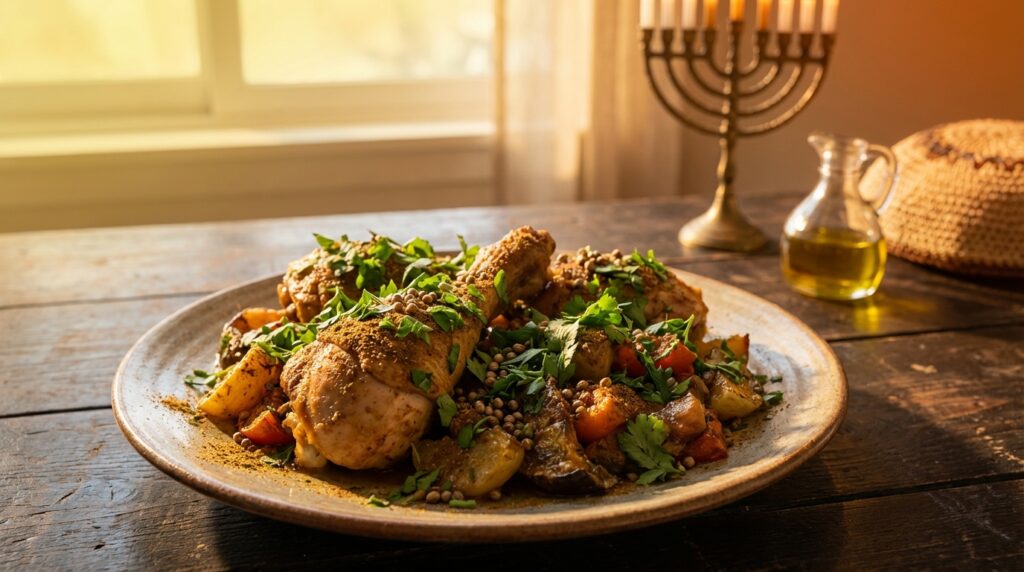
Image illustrating:Sephardic Shabbat Delicacy for Family Gatherings

Sephardic Shabbat Delicacy for Family Gatherings

Originating from the Iberian Peninsula, Sephardic Jews have carried their culinary traditions across the globe. This recipe is a testament to their enduring legacy, blending spices and ingredients that tell a story of resilience and adaptation. The dish is often prepared for Shabbat, a time of rest and family connection. It reflects the Sephardic emphasis on community and togetherness, with each ingredient symbolizing a part of their journey. Over the centuries, Sephardic recipes have been passed down through generations, each adding their own touch. This particular dish is a celebration of those shared memories and the warmth of family gatherings....
Show more
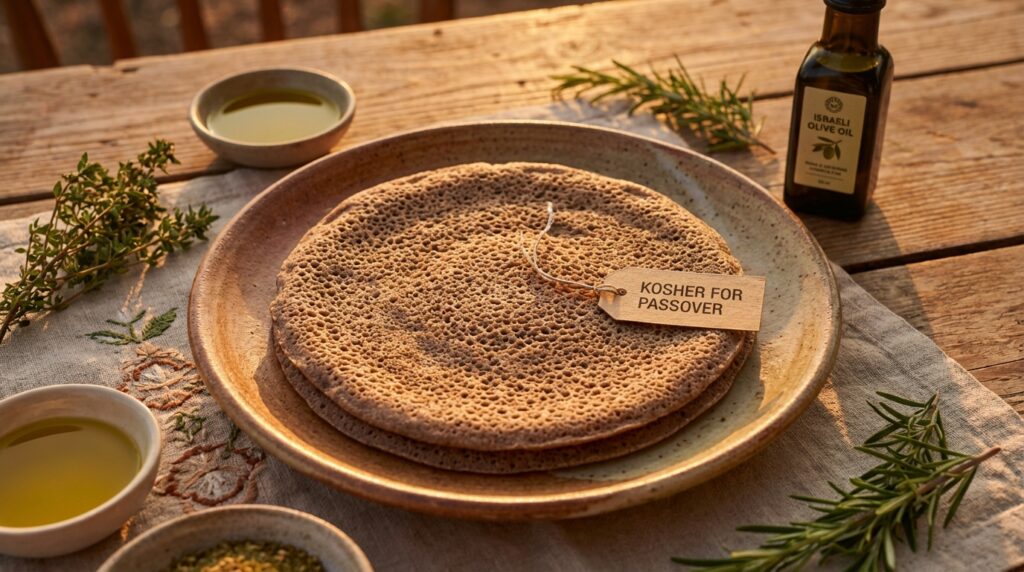
Image illustrating:Creating Kosher for Passover Injera

Creating Kosher for Passover Injera

The origins of injera trace back to ancient Ethiopia, where it has been a dietary staple for centuries. Made primarily from teff flour, it offers a unique, slightly sour taste that complements a variety of dishes. Its spongy texture is perfect for soaking up rich stews and sauces, making it an integral part of Ethiopian meals. Teff, the primary ingredient in injera, is a tiny grain that packs a nutritional punch. It is high in protein, calcium, and iron, making it an excellent choice for a healthy diet. The cultivation of teff dates back thousands of years, and it remains...
Show more
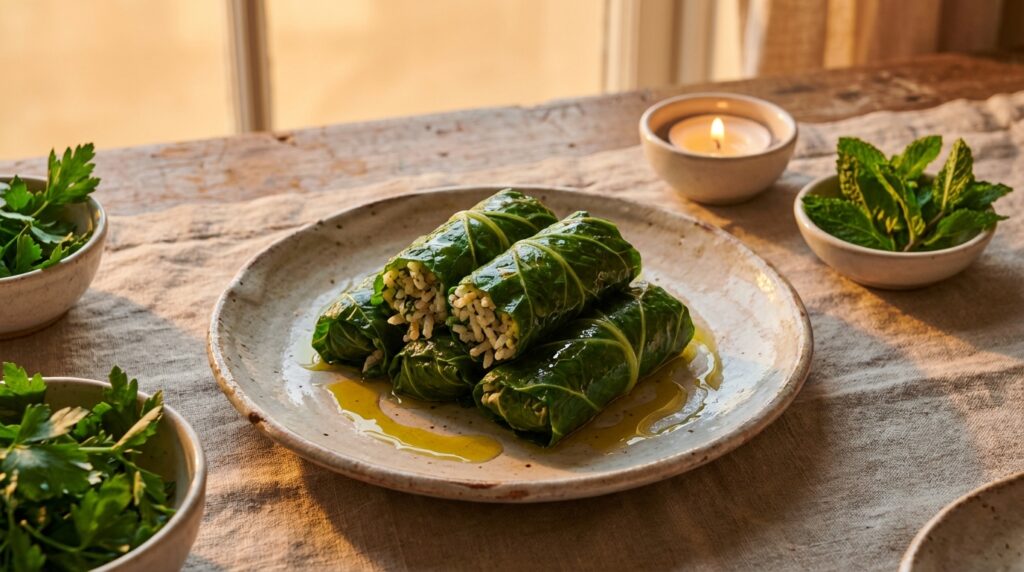
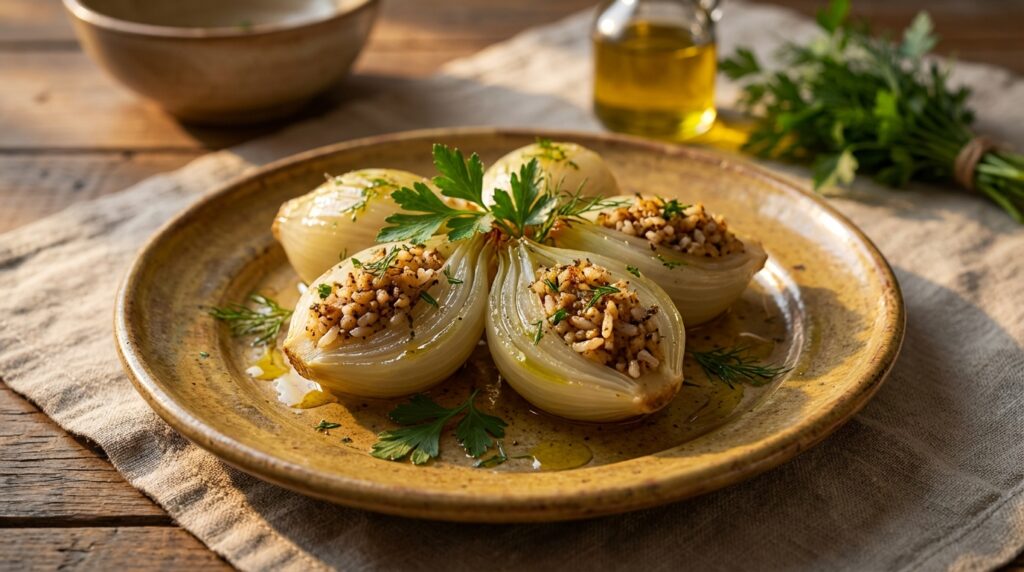
Image illustrating:Traditional Stuffed Swiss Chard Delight

Traditional Stuffed Swiss Chard Delight

Originating from the diverse culinary traditions of Israel, stuffed Swiss chard combines influences from various cultures. This dish has been passed down through generations, each adding their unique touch. The use of Swiss chard leaves as a wrap is both practical and nutritious, making it a favorite among families. In Israel, meals are often a communal experience, bringing families and friends together. Stuffed Swiss chard is typically served during festive occasions, symbolizing abundance and togetherness. The preparation process itself is a bonding activity, where stories and laughter are shared. The ingredients used in stuffed Swiss chard reflect the agricultural richness...
Show more
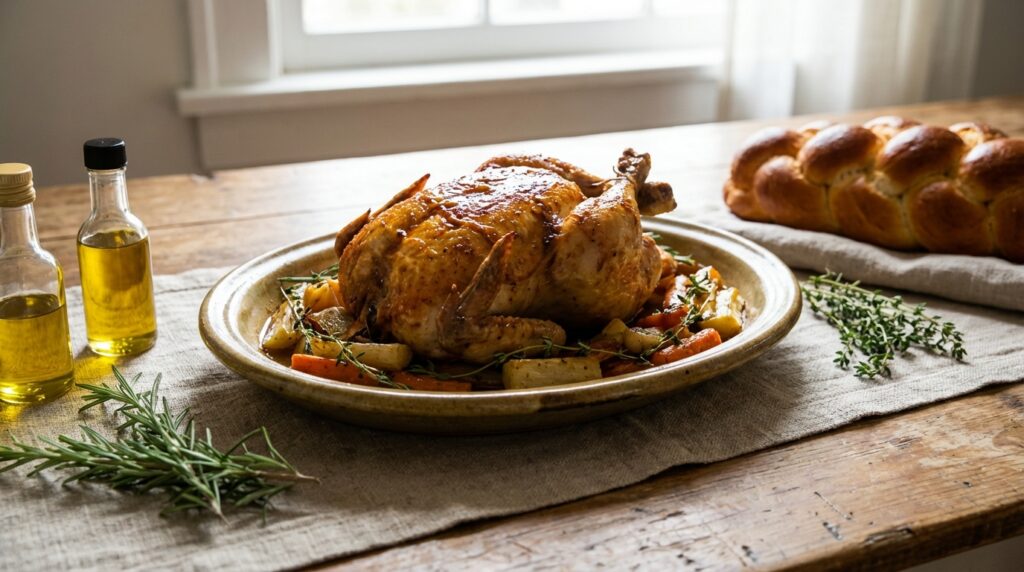
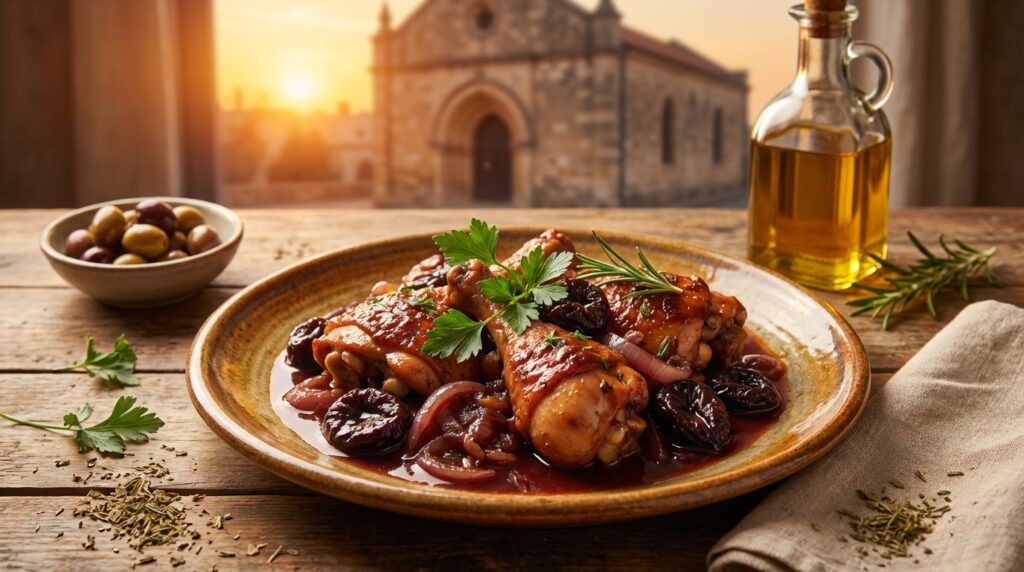
Image illustrating:Savor the Richness of Chicken in Red Wine

Savor the Richness of Chicken in Red Wine

The combination of chicken and red wine has been cherished in Israeli kitchens for generations. It reflects a blend of local ingredients and influences from neighboring regions. The dish is often prepared for festive occasions, symbolizing abundance and joy. In the past, families would gather around the table to enjoy this meal, sharing stories and creating memories. The use of red wine not only enhances the flavor but also adds a touch of elegance to the dish. The recipe has evolved over time, incorporating modern cooking techniques while preserving its traditional essence. Today, it remains a favorite among those who...
Show more
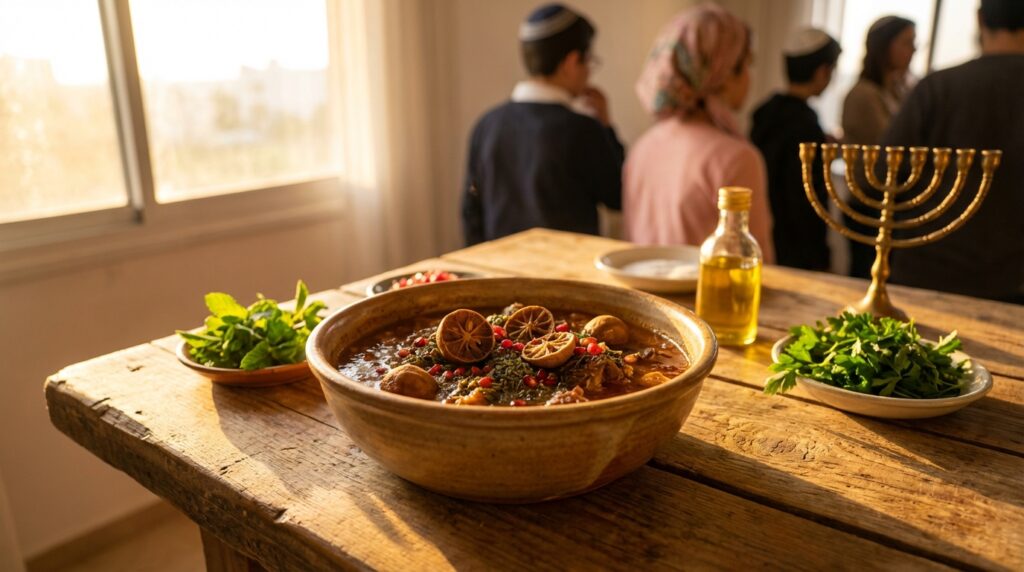
Image illustrating:Persian Kosher Lamb Stew

Persian Kosher Lamb Stew

The Persian kosher lamb stew is a dish that has been cherished for generations. Its origins can be traced back to ancient Persia, where it was a staple in royal feasts. The combination of tender lamb and fragrant spices creates a dish that is both comforting and exotic. Traditionally, this stew was prepared during festive occasions, symbolizing abundance and prosperity. Families would gather to enjoy this hearty meal, sharing stories and laughter around the table. The recipe has been passed down through generations, each adding their own unique touch. In modern times, the Persian kosher lamb stew continues to be...
Show more
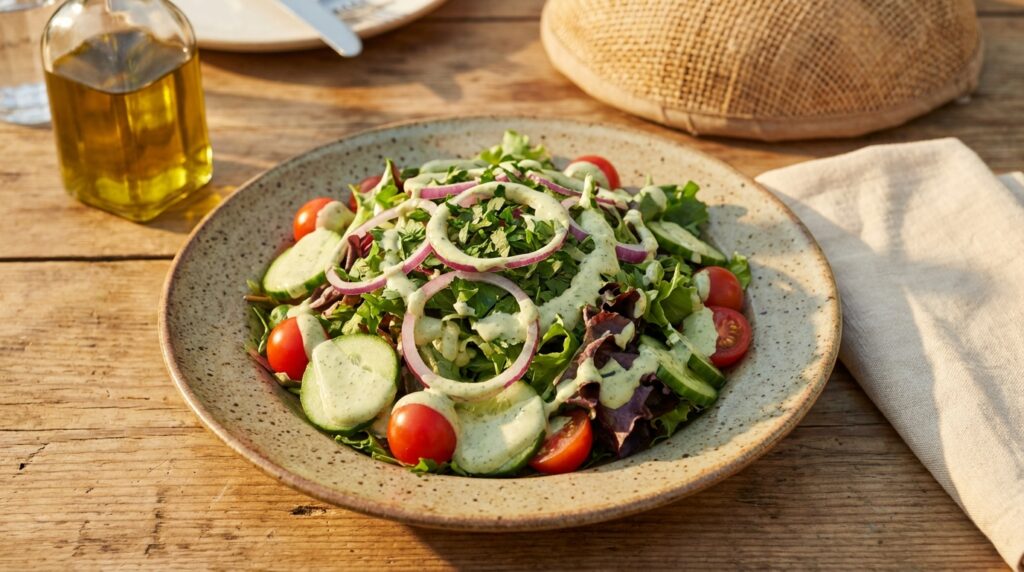
Image illustrating:Delicious Parsley Tahini Dressing Recipe

Delicious Parsley Tahini Dressing Recipe

The origins of tahini can be traced back to ancient times, where sesame seeds were ground into a paste. This paste became a fundamental ingredient in many Middle Eastern dishes, including the beloved tahini dressing. Over time, the addition of parsley brought a fresh twist to the classic recipe, enhancing its flavor profile and making it a favorite in Israeli kitchens. In Israel, parsley tahini dressing is more than just a condiment; it’s a symbol of the country’s rich culinary heritage. The combination of tahini and parsley reflects the diverse influences that have shaped Israeli cuisine, from the Mediterranean to...
Show more
Image illustrating:Celebrate Shavuot with a Traditional Israeli Dish

Celebrate Shavuot with a Traditional Israeli Dish

The festival of Shavuot marks the giving of the Torah at Mount Sinai. It is a joyous occasion celebrated with dairy foods, symbolizing the ‘land flowing with milk and honey.’ This tradition has been cherished for generations, bringing families together to enjoy special meals. In Israel, Shavuot is not only a religious holiday but also a cultural event. Communities gather to celebrate the harvest, and the streets are filled with festive activities. The holiday is a time for reflection, gratitude, and connection with loved ones. The culinary traditions of Shavuot are deeply rooted in history. Dairy dishes, such as cheesecakes...
Show more
Image illustrating:Creating a Traditional Sesame Seed Dish for Passover

Creating a Traditional Sesame Seed Dish for Passover

The use of sesame seeds in cooking dates back to ancient times. In Israel, these tiny seeds have been cherished for their rich flavor and versatility. They are often used in both savory and sweet dishes, adding a unique texture and taste. During Passover, sesame seeds are a popular ingredient due to their symbolic significance and adaptability. They can be incorporated into various recipes, from breads to desserts, providing a nutty flavor that complements many traditional dishes. The cultivation of sesame seeds in the region has a long history, with evidence of their use found in archaeological sites. This deep-rooted...
Show more
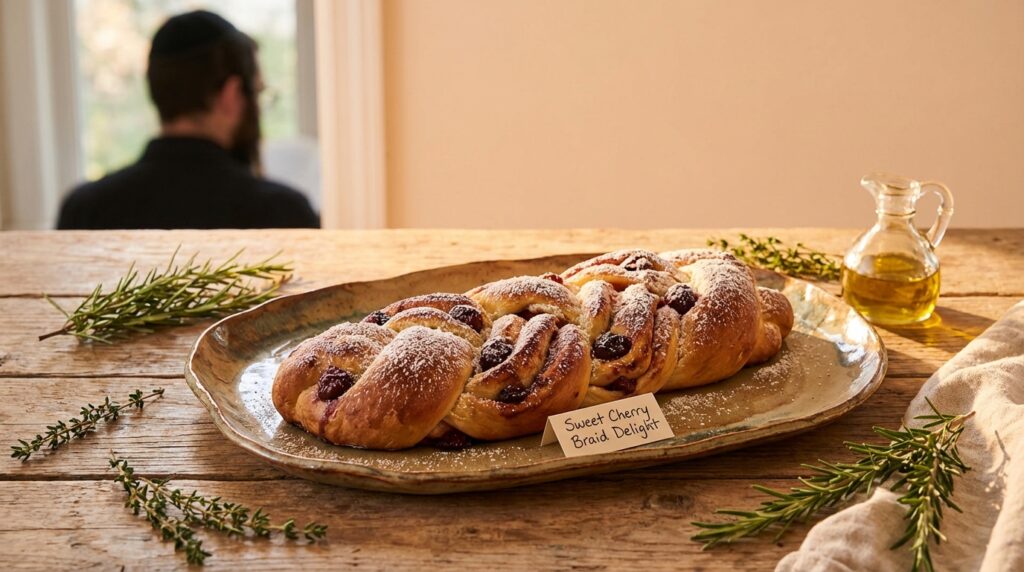
Image illustrating:Sweet Cherry Braid Delight

Sweet Cherry Braid Delight

Originating from the heart of Israel, the Cherry Braid has become a staple in many homes. Its sweet and tangy flavor, combined with a soft, braided dough, makes it a favorite for festive occasions. The recipe has been passed down through generations, each adding their own unique twist. Traditionally, the Cherry Braid is made with fresh cherries harvested in the summer months. Families gather to prepare this delightful dish, often sharing stories and laughter as they work together. The process of braiding the dough is both an art and a bonding experience, bringing loved ones closer. Over the years, the...
Show more
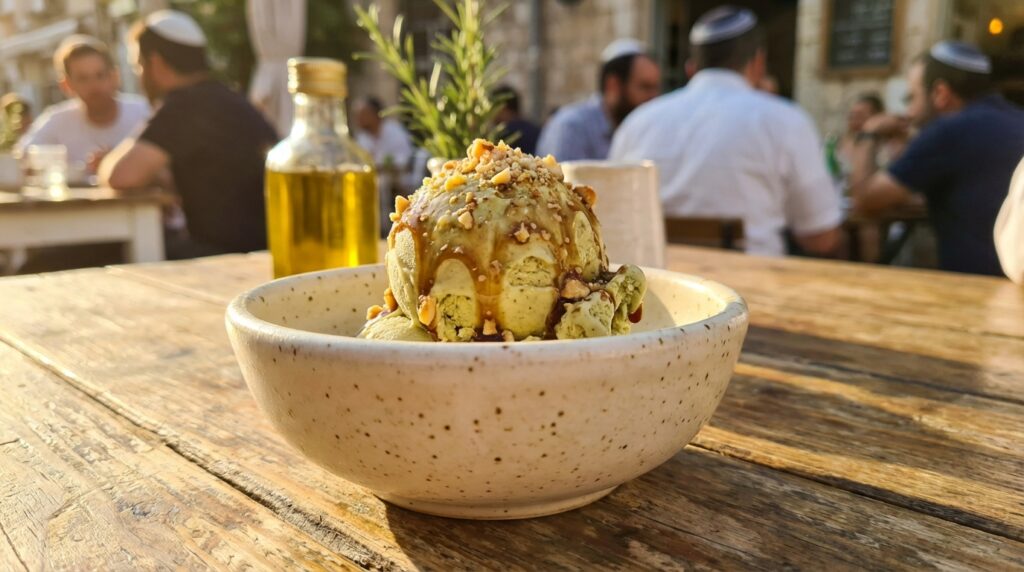
Image illustrating:Indulge in Creamy Israeli Ice Cream Bliss

Indulge in Creamy Israeli Ice Cream Bliss

The journey of ice cream in Israel began in the early 20th century, influenced by European immigrants who brought their dessert traditions with them. Over time, local ingredients and flavors were incorporated, creating a distinct Israeli twist on this classic treat. In the bustling markets of Tel Aviv and Jerusalem, ice cream became a popular indulgence. Vendors would offer a variety of flavors, from traditional vanilla and chocolate to more exotic options like halva and date. This diversity reflects the melting pot of cultures that make up Israel. The warm climate of Israel makes ice cream a year-round favorite. Families...
Show more
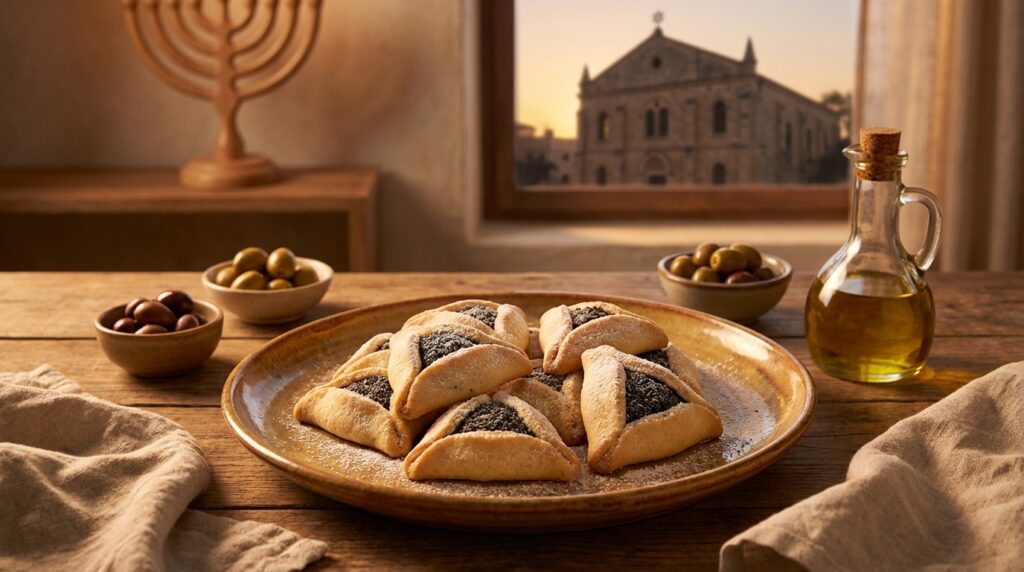
Image illustrating:Traditional Poppy Seed Hamantaschen Delight

Traditional Poppy Seed Hamantaschen Delight

Originating from Eastern Europe, hamantaschen have become a staple in Israeli kitchens. These triangular pastries are filled with various sweet fillings, with poppy seed being one of the most popular. The name ‘hamantaschen’ is derived from the villain Haman in the Purim story, and the pastries symbolize the defeat of his evil plans. The tradition of baking hamantaschen during Purim is deeply rooted in Jewish culture. Families gather to prepare these treats, sharing stories and laughter. The poppy seed filling, known as ‘mohn’ in Yiddish, has a nutty flavor that complements the buttery dough perfectly. In Israel, hamantaschen are not...
Show more
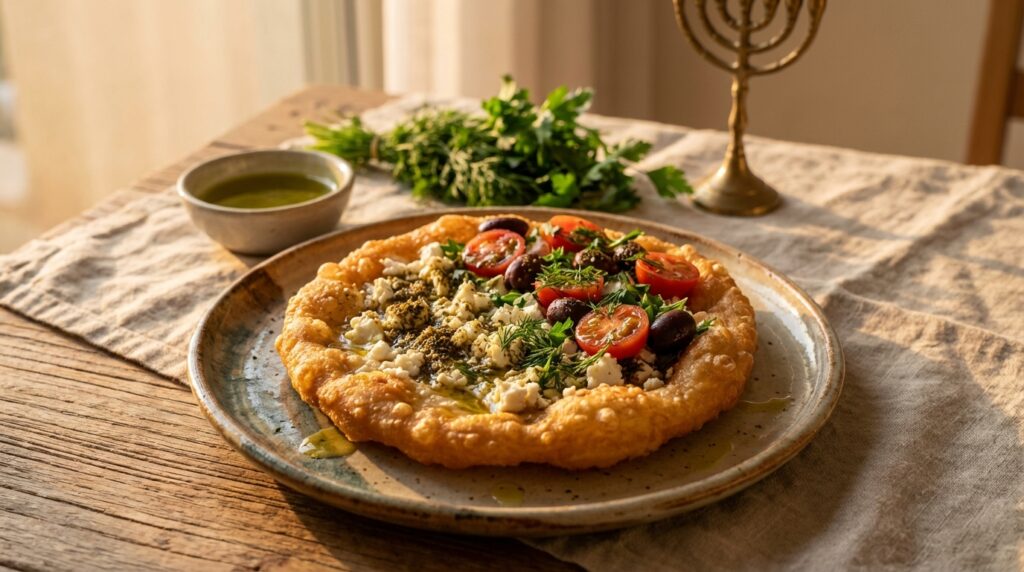
Image illustrating:Hungarian Langos with an Israeli Twist

Hungarian Langos with an Israeli Twist

Langos has its roots in the rural kitchens of Hungary, where it was traditionally made as a quick and satisfying meal. Farmers would prepare it using simple ingredients like flour, yeast, and water, frying the dough to create a crispy yet soft delight. Over time, this humble dish became a staple in Hungarian street food culture, loved for its versatility and comforting taste. The traditional Langos was often topped with sour cream and cheese, offering a rich and savory experience. As it gained popularity, variations began to appear, incorporating different toppings and flavors. This adaptability allowed Langos to transcend its...
Show more
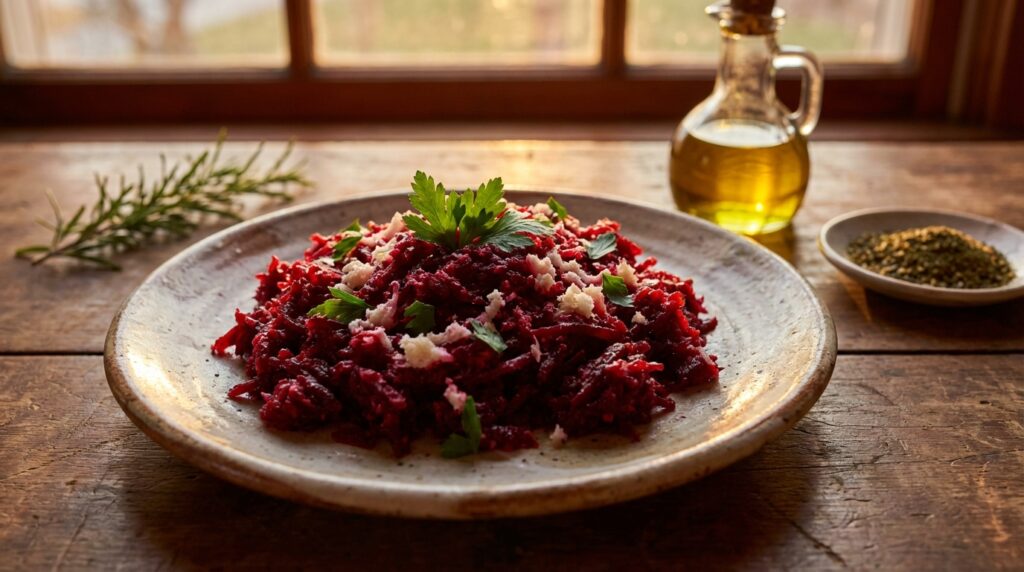
Image illustrating:Slovak-Inspired Beets and Horseradish Delight

Slovak-Inspired Beets and Horseradish Delight

The combination of beets and horseradish is a beloved tradition in Slovak cooking, often served during festive occasions. The earthy sweetness of beets complements the sharp, spicy kick of horseradish, creating a harmonious balance of flavors that has been cherished for generations. In Slovakia, this dish is more than just a side; it’s a symbol of heritage and family gatherings. Passed down through generations, each family has its own variation, adding personal touches that make it unique. The vibrant colors and bold flavors make it a standout on any table, especially during celebrations. The history of this dish is intertwined...
Show more
Image illustrating:Traditional Hungarian Poppy Seed Roll Recipe

Traditional Hungarian Poppy Seed Roll Recipe

Originating from Central Europe, this delightful pastry has found a special place in Israeli kitchens. Its rich, nutty flavor and soft texture make it a favorite during festive occasions. The roll is often prepared with care, using traditional methods passed down through generations. In Hungary, the poppy seed roll is known as ‘Beigli’ and is traditionally made during Christmas and Easter. However, in Israel, it has become a year-round treat, enjoyed by families who cherish its comforting taste. The poppy seeds are ground to perfection, creating a filling that is both sweet and slightly savory. The integration of this pastry...
Show more
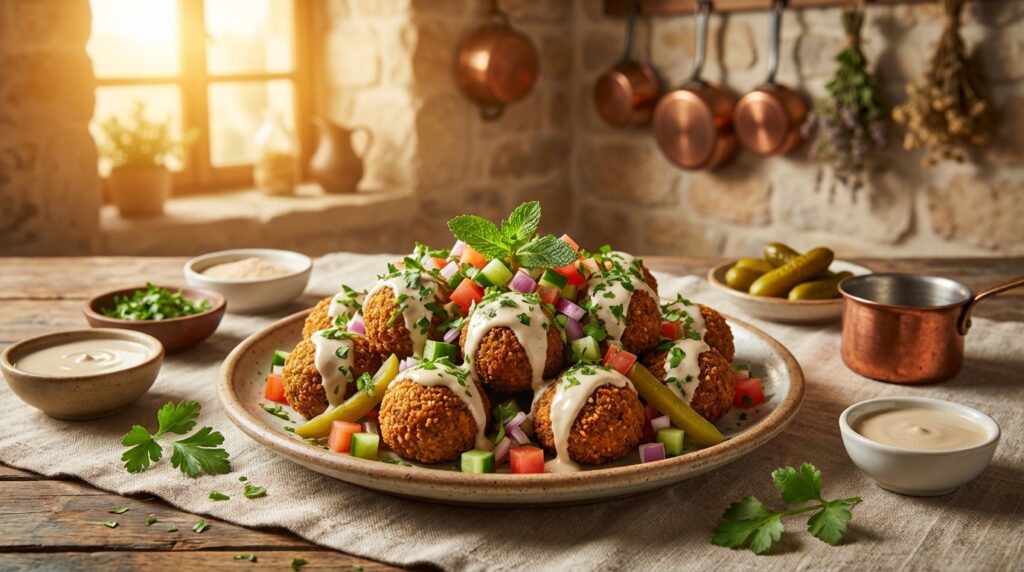
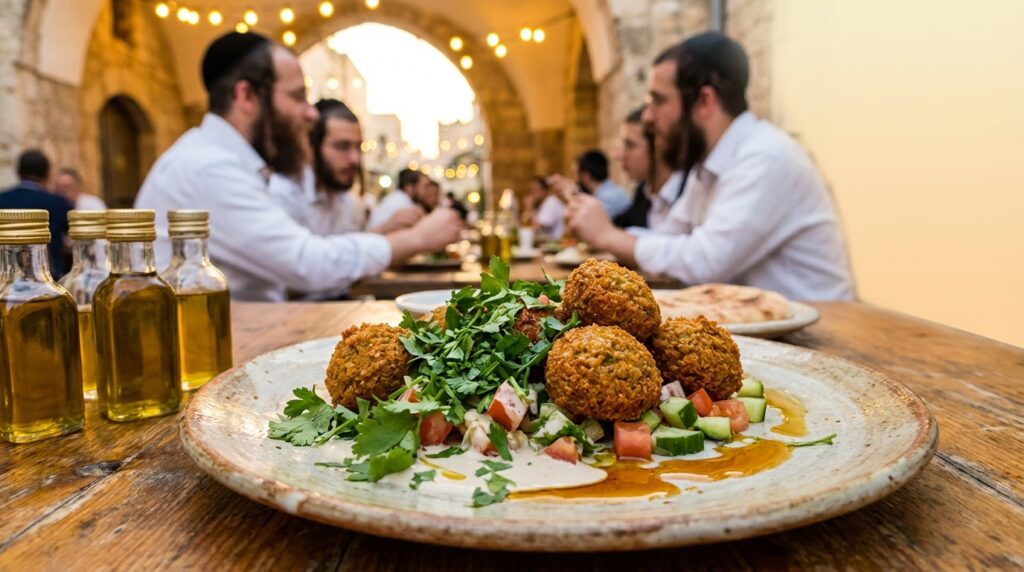
Image illustrating:Discover the Best Israeli Falafel Toppings

Discover the Best Israeli Falafel Toppings

Originating from the Middle East, falafel has become a staple in Israeli cuisine. Its popularity is not just due to its delicious taste but also its versatility. Each region in Israel has its own unique way of serving falafel, often accompanied by an array of colorful and flavorful toppings. The traditional Israeli falafel is typically served in a pita, filled with a variety of toppings that add texture and flavor. These toppings are not just an afterthought but an integral part of the falafel experience. They reflect the diverse culinary influences that have shaped Israeli cuisine over the years. Among...
Show more
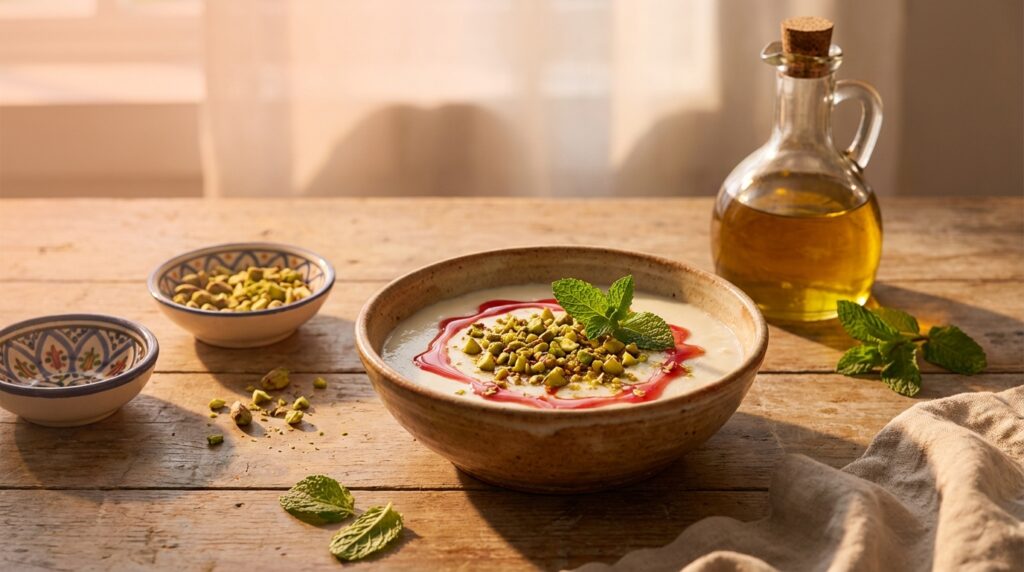
Image illustrating:Creamy Malabi: A Taste of Israeli Tradition

Creamy Malabi: A Taste of Israeli Tradition

Originating from the Middle East, Malabi has become a staple in Israeli homes. It is often served during festive occasions and family gatherings, bringing joy and sweetness to the table. The dessert is traditionally made with milk, sugar, and rosewater, creating a unique and aromatic flavor profile. The history of Malabi is intertwined with the cultural exchanges of the region. As a dessert that traveled through various cultures, it has absorbed influences from different culinary traditions. This has resulted in a dessert that is both familiar and exotic, offering a taste of history with every bite. In Israel, Malabi is...
Show more
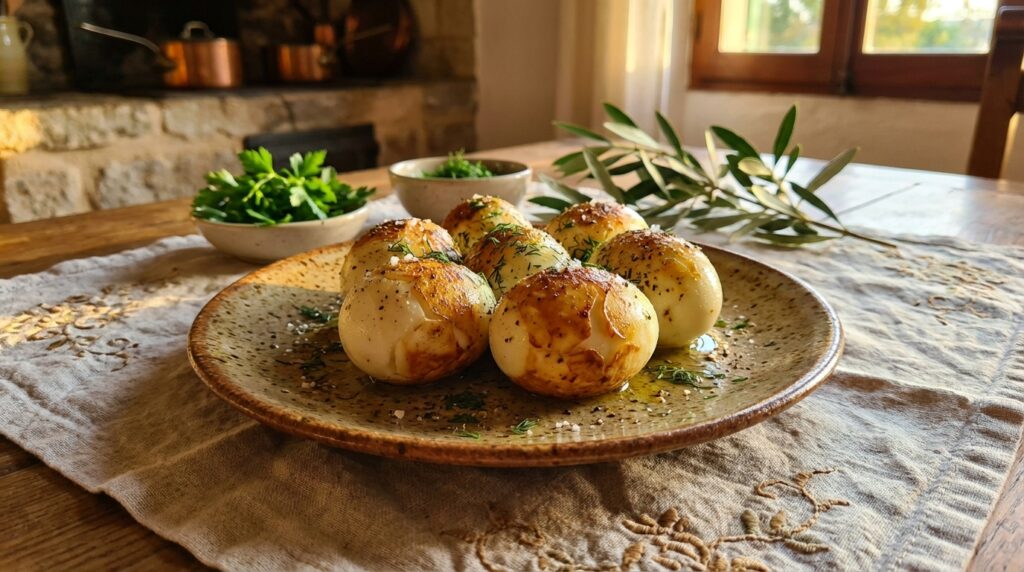
Image illustrating:Traditional Passover Egg Recipe

Traditional Passover Egg Recipe

The tradition of eating eggs during Passover dates back centuries. Eggs are a symbol of life and renewal, representing the cycle of life and the hope for a new beginning. In many Jewish communities, eggs are served at the Seder meal, often roasted or boiled, to remind participants of the sacrifices made in ancient times. In Israel, the preparation of Passover eggs has become an art form. Families gather to cook eggs in various ways, each adding their unique touch. The eggs are often boiled with onion skins, which give them a rich, golden hue. This method not only enhances...
Show more
Image illustrating:Indulge in Bomboloni alla Nutella

Indulge in Bomboloni alla Nutella

Bomboloni have a rich history in Italian cuisine, where they are traditionally enjoyed during festivals and celebrations. These delightful doughnuts are known for their fluffy texture and sweet fillings, making them a beloved treat across Italy. The introduction of Nutella as a filling brought a modern twist to the classic bomboloni. Nutella, a creamy hazelnut spread, adds a rich and nutty flavor that complements the soft dough perfectly. This combination has become a favorite among sweet lovers worldwide. In Israel, bomboloni have found a special place in the hearts of locals, often enjoyed during special occasions and gatherings. The fusion...
Show more
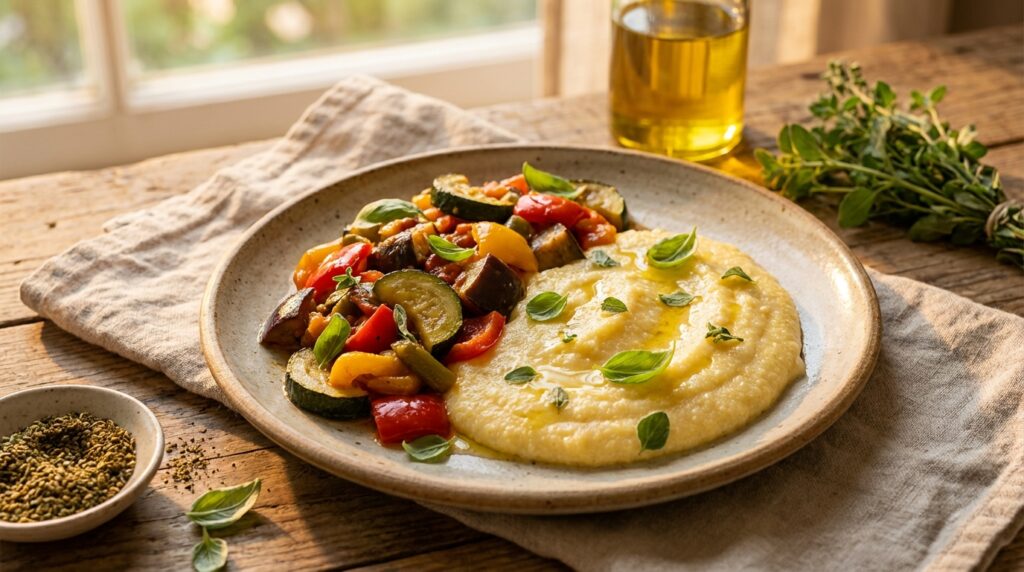
Image illustrating:Savor the Harmony of Ratatouille and Polenta

Savor the Harmony of Ratatouille and Polenta

The origins of ratatouille trace back to the sunny region of Provence, France. This dish was traditionally made by farmers using fresh vegetables from their gardens. Over time, it has become a symbol of rustic and wholesome cooking, celebrated for its simplicity and rich flavors. In Israel, ratatouille has found a special place in the hearts of many. The abundance of fresh produce in the region makes it a natural fit for Israeli cuisine. The dish is often prepared with local vegetables, adding a unique twist to the traditional recipe. Polenta, on the other hand, hails from Italy and is...
Show more
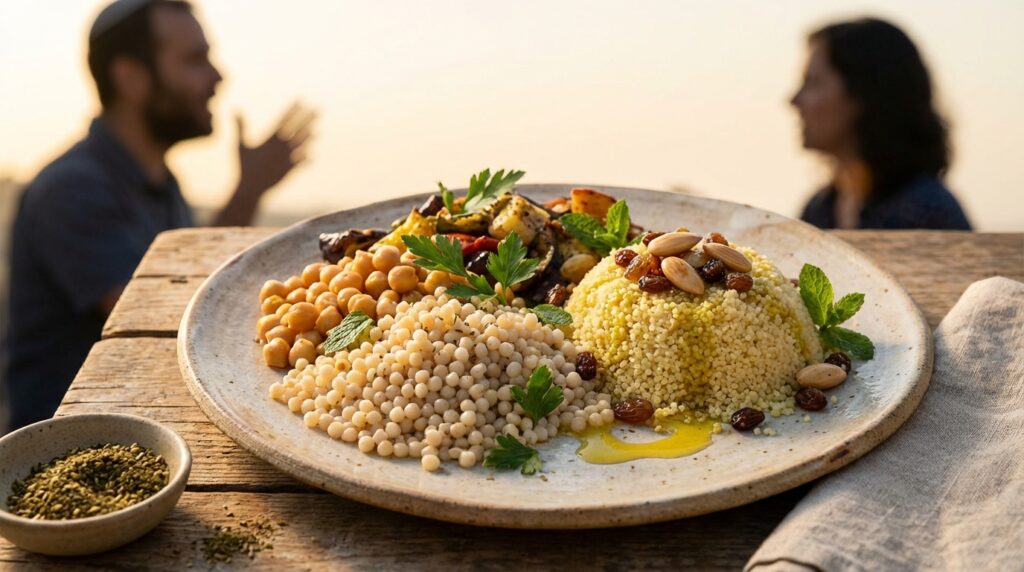
Image illustrating:Discovering the Unique Flavors of Israeli and Moroccan Couscous

Discovering the Unique Flavors of Israeli and Moroccan Couscous

Originating from the Berber people, couscous is a versatile dish that has been adapted by various cultures across the Mediterranean. Its simplicity and ability to absorb flavors make it a favorite in many households. Israeli couscous, also known as ptitim, was developed in the 1950s as a rice substitute. Its larger pearls and chewy texture offer a unique twist on traditional couscous, making it a popular choice in Israeli cuisine. Moroccan couscous, on the other hand, is much finer and often steamed to create a light, fluffy texture. It is typically served with rich stews and aromatic spices, reflecting the...
Show more
Image illustrating:Traditional Israeli Liver Balls Recipe

Traditional Israeli Liver Balls Recipe

Originating from Eastern European Jewish communities, liver balls have found a special place in Israeli kitchens. This dish is often associated with family gatherings and festive occasions, where its rich flavors bring warmth and comfort. The preparation of liver balls involves a blend of ground liver, breadcrumbs, and spices, creating a unique texture and taste. Traditionally, these balls are served in a savory broth, enhancing their flavor and making them a hearty meal. In Israel, liver balls are not just a dish but a symbol of cultural heritage. They represent the fusion of different culinary traditions, brought together by Jewish...
Show more
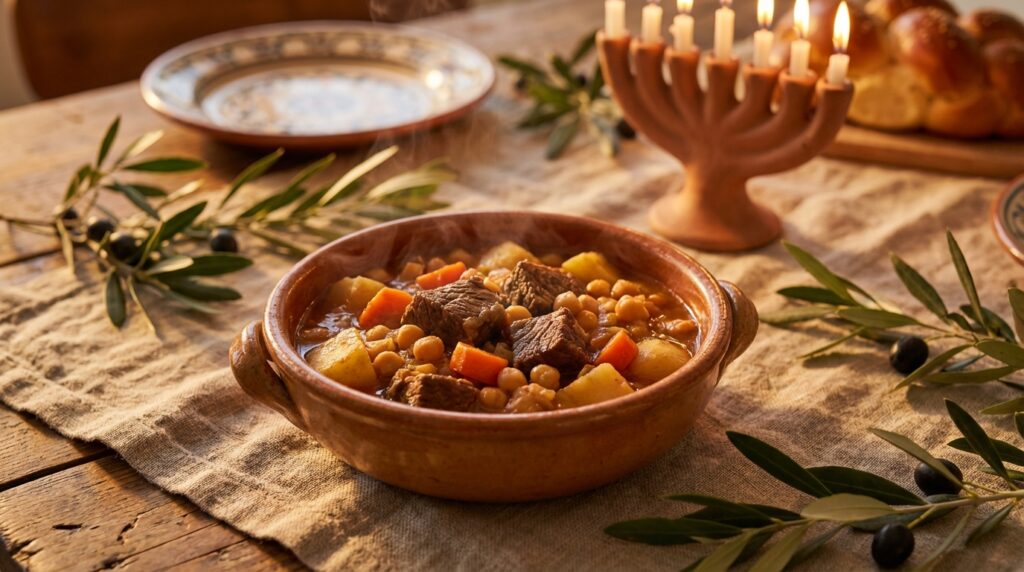
Image illustrating:Traditional Adafina: A Sephardic Stew Experience

Traditional Adafina: A Sephardic Stew Experience

Originating from the Iberian Peninsula, Adafina has been a staple in Sephardic Jewish homes for centuries. This slow-cooked stew was traditionally prepared on Fridays to be enjoyed on the Sabbath. The dish reflects a blend of cultural influences, incorporating ingredients and techniques from the regions where Sephardic Jews settled after their expulsion from Spain. The name ‘Adafina’ is believed to derive from the Arabic word ‘dafina,’ meaning ‘buried,’ which describes the method of cooking the stew. Traditionally, the pot was buried in embers to cook slowly overnight, resulting in a rich, flavorful dish. This method allowed families to adhere to...
Show more
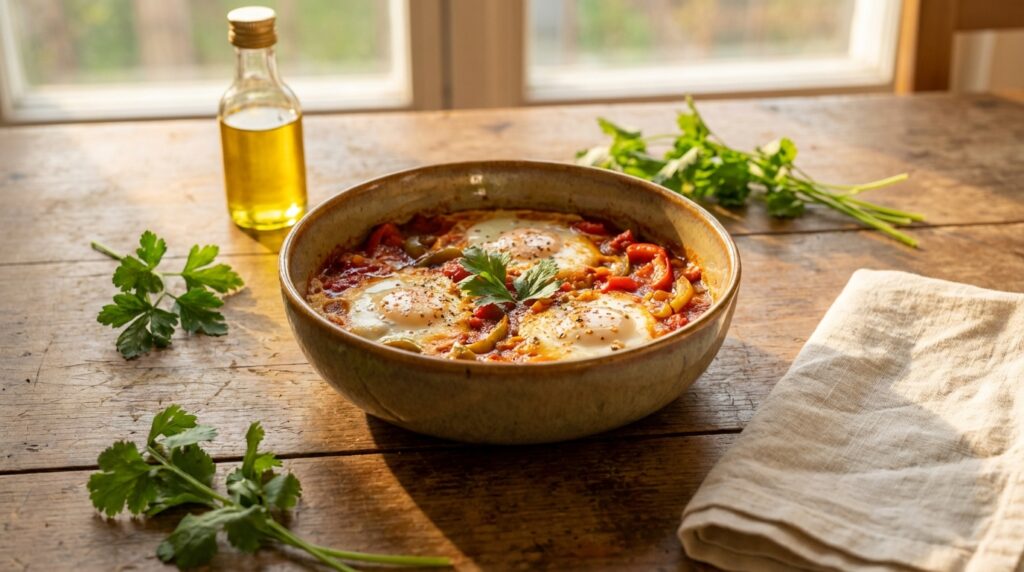
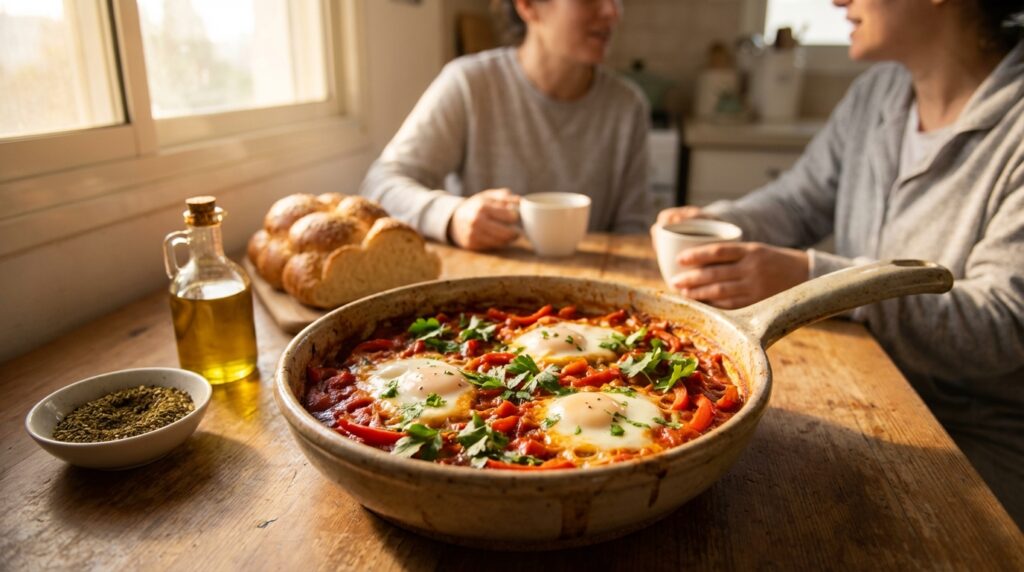
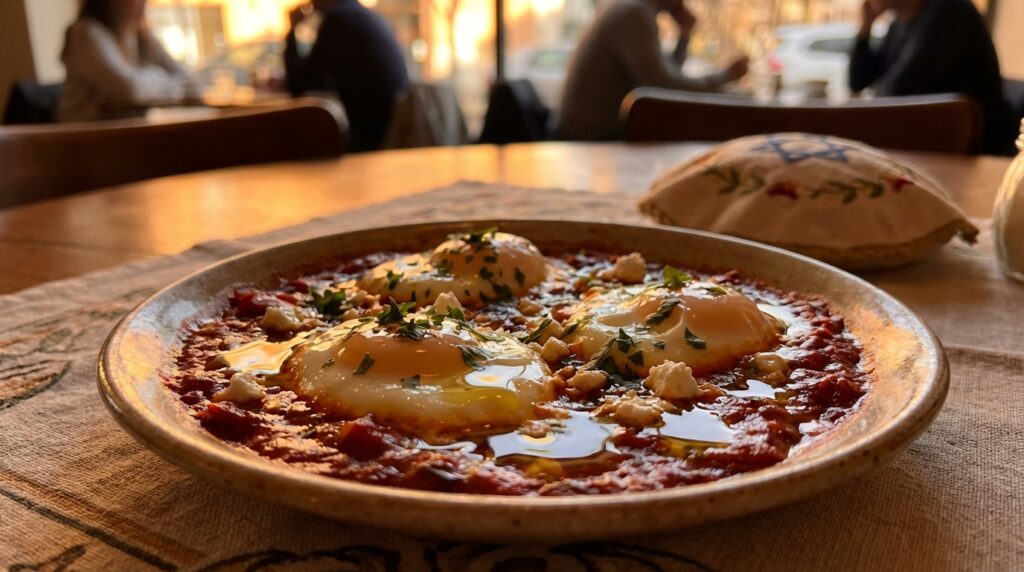
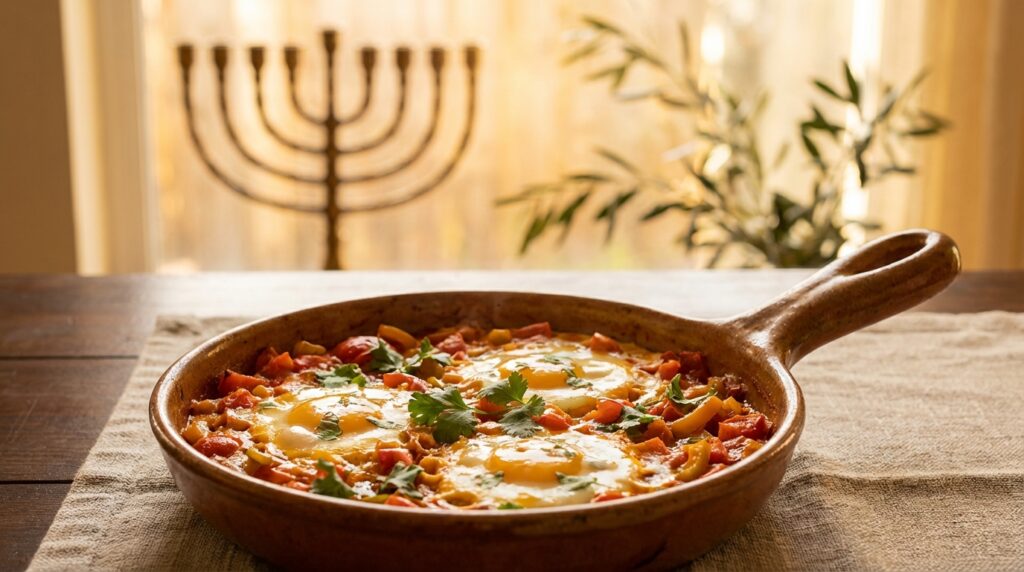
Image illustrating:Traditional Shakshuka: A Taste of Israel

Traditional Shakshuka: A Taste of Israel

Originating from North Africa, Shakshuka made its way to Israel and quickly became a beloved dish. Its simplicity and robust taste make it a favorite among locals and visitors alike. The dish traditionally consists of poached eggs nestled in a spicy tomato sauce, often enhanced with onions, peppers, and spices. Its vibrant colors and aromatic spices make it a feast for the senses. In Israel, Shakshuka is more than just a meal; it’s a cultural experience. Often served in cafes and homes, it brings people together, fostering a sense of community and warmth. While the classic version remains popular, many...
Show more
Image illustrating:Maakouda: A Heartwarming Israeli Potato Cake

Maakouda: A Heartwarming Israeli Potato Cake

Originating from North Africa, Maakouda has found a special place in Israeli kitchens. This potato-based dish is often served during festive occasions, bringing families together with its warm, inviting aroma. The simplicity of its ingredients belies the depth of flavor it offers, making it a favorite across generations. The traditional Maakouda recipe involves mashing potatoes and mixing them with eggs, spices, and sometimes herbs. This mixture is then fried or baked until golden brown, resulting in a crispy exterior and a soft, flavorful interior. Each bite is a delightful combination of textures and tastes, reminiscent of home-cooked meals shared with...
Show more
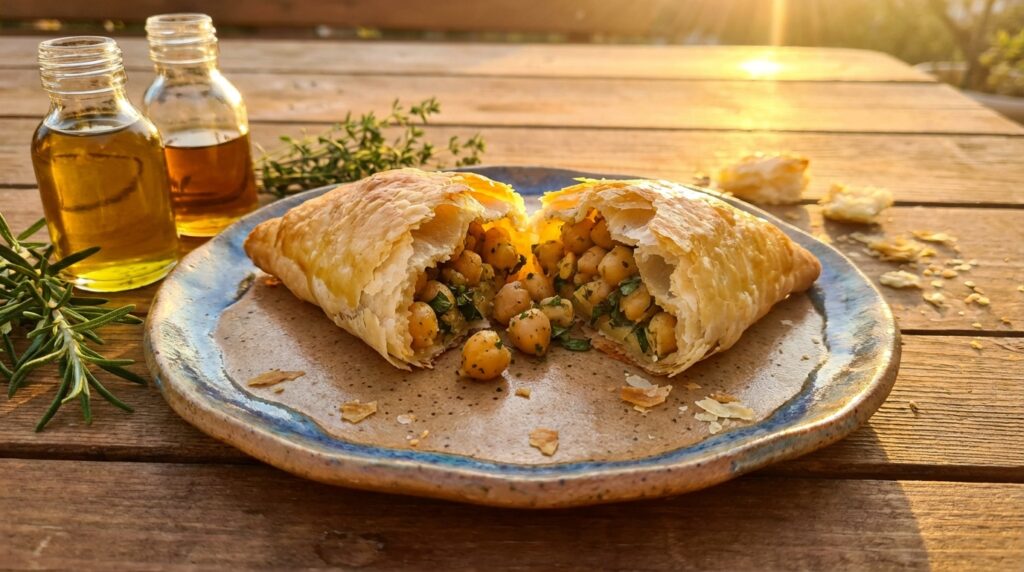
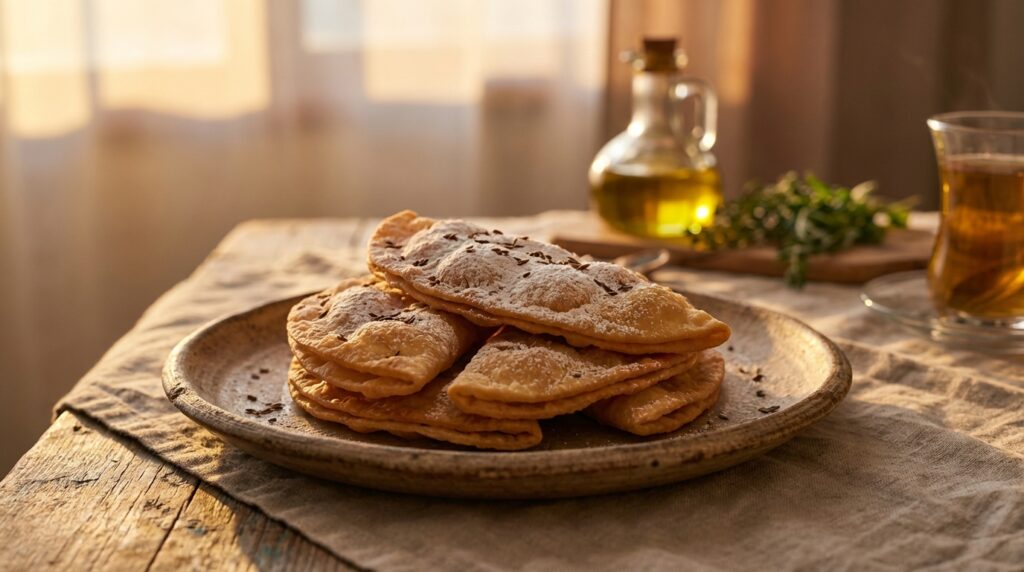
Image illustrating:Sambousak: A Taste of Israeli Tradition

Sambousak: A Taste of Israeli Tradition

Originating from the Middle East, sambousak has become a beloved staple in Israeli kitchens. Its flaky pastry and savory filling make it a favorite at family gatherings and celebrations. Traditionally, sambousak is filled with spiced chickpeas or meat, reflecting the diverse culinary influences in Israel. The history of sambousak is intertwined with the cultural tapestry of Israel. As families immigrated from various regions, they brought with them their unique recipes and traditions. Sambousak, with its adaptable filling and comforting taste, quickly became a symbol of home and heritage. In modern Israel, sambousak is enjoyed by people of all backgrounds. It...
Show more
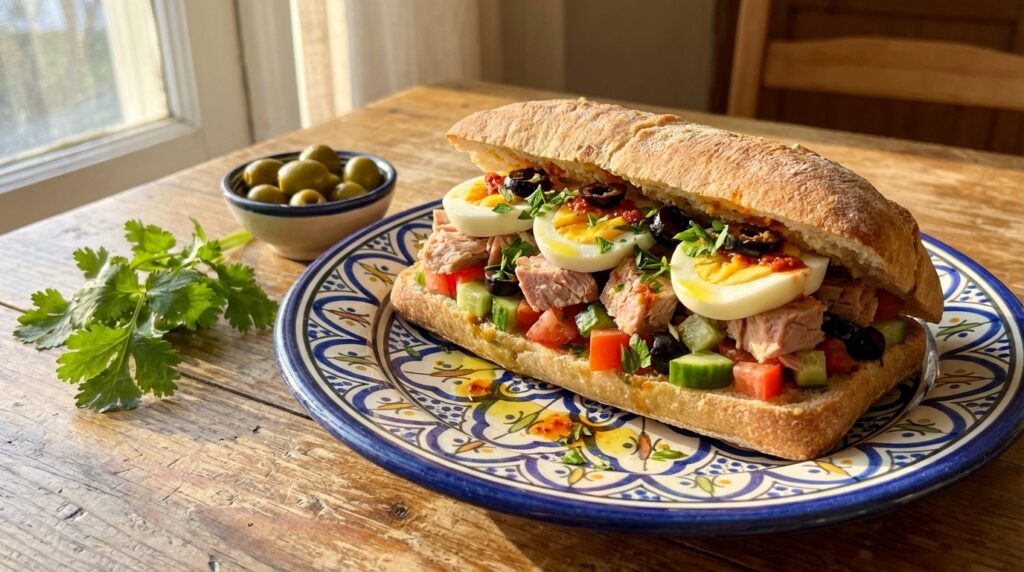
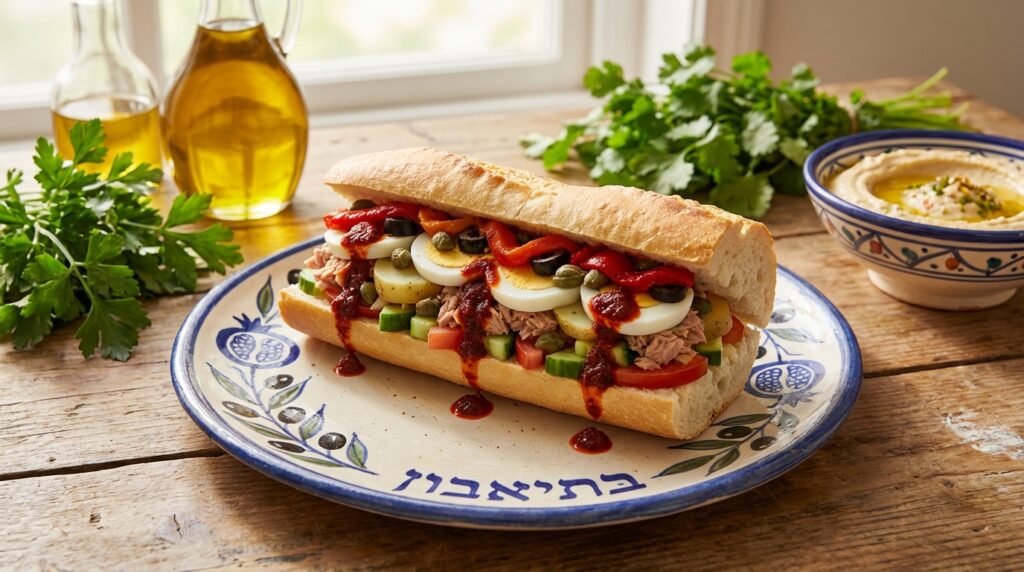
Image illustrating:Tunisian Tuna Sandwich Delight

Tunisian Tuna Sandwich Delight

Originating from the vibrant streets of Tunisia, this sandwich has found a cherished place in Israeli homes. Its journey to Israel is a testament to the rich cultural exchanges that have shaped the nation’s culinary landscape. The sandwich is known for its bold flavors and hearty ingredients, making it a favorite among locals and visitors alike. The sandwich typically includes tuna, hard-boiled eggs, olives, and a variety of fresh vegetables, all nestled within a crusty roll. This combination not only satisfies hunger but also provides a delightful taste experience that reflects the diverse influences of Mediterranean cooking. In Israel, the...
Show more
Image illustrating:Authentic Tunisian Tuna Sandwich Delight

Tunisian Tuna Sandwich Delight

Originating from North Africa, this sandwich made its way to Israel with Jewish immigrants. It quickly became a staple due to its bold flavors and satisfying ingredients. The combination of tuna, spicy harissa, and fresh vegetables offers a taste experience that is both unique and familiar. In Israel, the Tunisian Tuna Sandwich is often enjoyed as a quick lunch or a hearty snack. Its popularity is not just due to its taste but also its cultural significance. It represents a blend of traditions and flavors that have been embraced by Israeli society. The sandwich is typically served in a baguette...
Show more
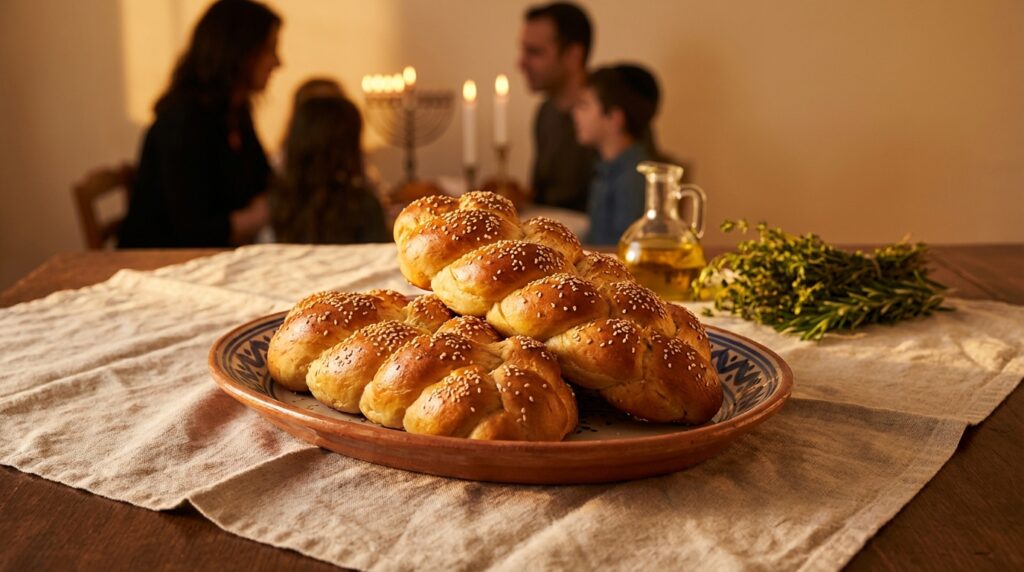
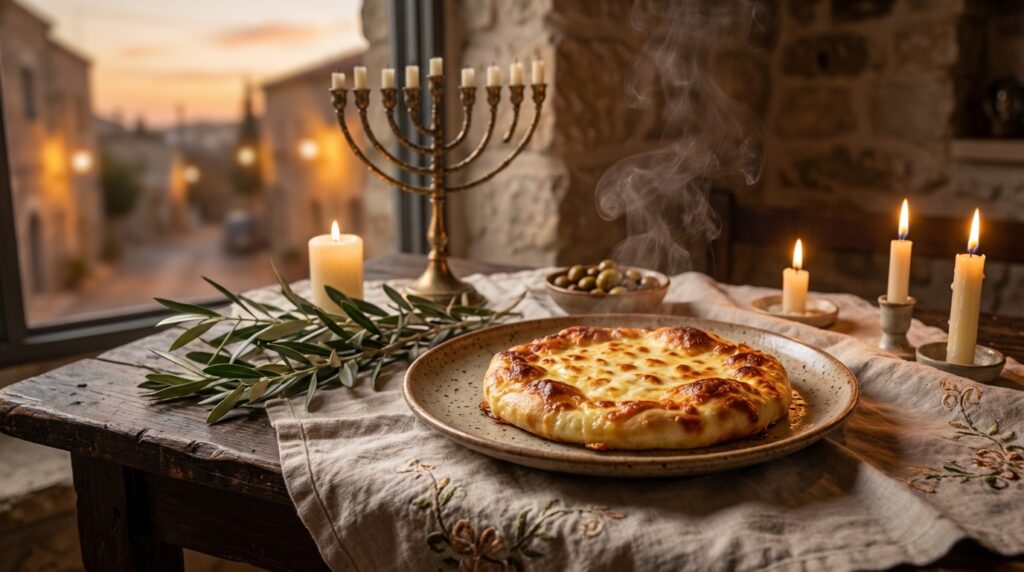
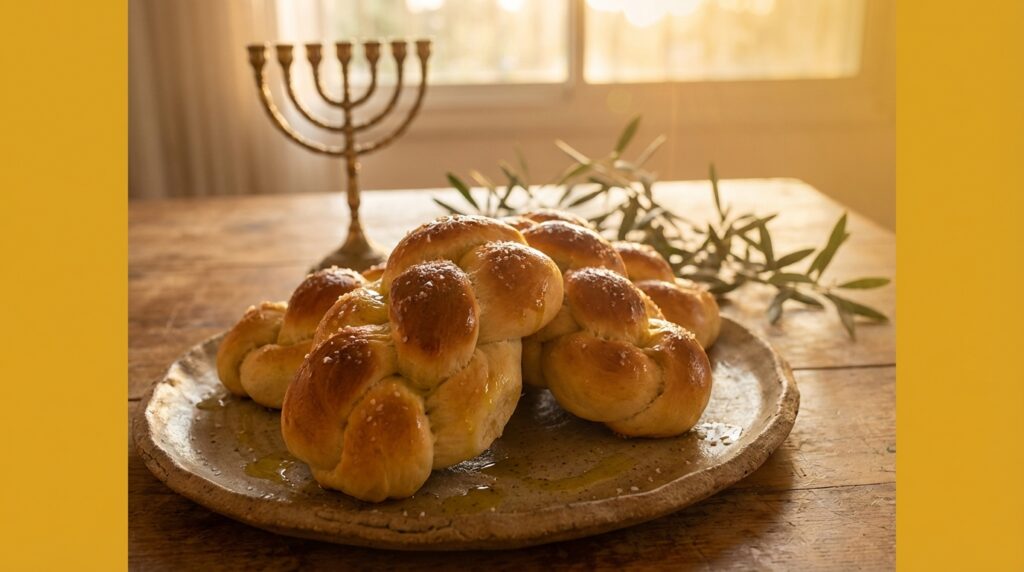
Image illustrating:Traditional Israeli Shabbat Challah

Traditional Israeli Shabbat Challah

The origins of challah date back to ancient times when bread was a central part of daily life. In Jewish tradition, challah represents the manna that fell from heaven during the Israelites’ journey through the desert. This rich history is woven into each braid of the bread, making it a meaningful addition to the Shabbat table. In Israel, challah is more than just bread; it is a symbol of community and family. Every Friday, the aroma of freshly baked challah fills homes, creating an atmosphere of warmth and togetherness. This tradition is cherished by families who gather to share stories...
Show more
Image illustrating:Traditional Israeli Dish with Rich Flavors

Traditional Israeli Dish with Rich Flavors

Originating from the diverse culinary traditions of Israel, this dish combines influences from various cultures. It reflects the melting pot that is Israeli cuisine, where flavors from Eastern Europe, the Middle East, and North Africa come together. Each bite tells a story of history and heritage, making it a beloved choice for family gatherings. The recipe has been passed down through generations, with each family adding their own unique twist. It is often prepared for special occasions and holidays, symbolizing unity and celebration. The ingredients are simple yet flavorful, highlighting the natural bounty of the land. In Israel, food is...
Show more
Image illustrating:Traditional Shakshuka: A Taste of Israel

Traditional Shakshuka: A Taste of Israel

Originating from North Africa, shakshuka made its way to Israel where it became a staple in many households. The dish is celebrated for its simplicity and the way it brings people together around the table. Traditionally, shakshuka is made with poached eggs in a sauce of tomatoes, chili peppers, and onions, often spiced with cumin. It’s a dish that reflects the melting pot of cultures in Israel. The word ‘shakshuka’ means ‘a mixture’ in Arabic, which perfectly describes this hearty meal. It’s a dish that has evolved over time, with each family adding their own twist to the recipe. Some...
Show more
Image illustrating:Maakouda: A Traditional Israeli Delight

Maakouda: A Traditional Israeli Delight

The dish made its way to Israel with Jewish immigrants, becoming a staple in many households. Its comforting nature and simple ingredients make it a favorite across generations. Traditionally, Maakouda is made with potatoes, eggs, and spices, fried to perfection. It’s often enjoyed during festive occasions or as a hearty family meal. The simplicity of Maakouda allows for variations, with some adding herbs or cheese for extra flavor. Despite these changes, the core essence of the dish remains unchanged. As Israeli cuisine evolved, Maakouda adapted to local tastes while preserving its traditional roots. It’s a testament to the culinary fusion...
Show more
Image illustrating:Authentic Israeli Pastries from the Heart

Authentic Israeli Pastries from the Heart

The tradition of baking pastries in Israel dates back centuries, influenced by various cultures and regions. Each pastry tells a story of migration, adaptation, and culinary fusion. From the bustling markets of Tel Aviv to the quiet streets of Jerusalem, these pastries have been a staple in Israeli homes. One of the most popular pastries is the bourekas, a flaky delight filled with cheese, potatoes, or spinach. Originating from the Ottoman Empire, bourekas have been embraced by Israelis and adapted to local tastes. They are often enjoyed as a snack or a light meal, accompanied by a hot cup of...
Show more
Image illustrating:Sambousak: A Taste of Israeli Tradition

Sambousak: A Taste of Israeli Tradition

Originating from the Middle East, sambousak has become a staple in Israeli households. This delightful pastry is known for its flaky crust and savory filling, often made with spiced chickpeas or cheese. Its popularity has spread across various communities, each adding their unique twist to the recipe. The history of sambousak is intertwined with the cultural exchanges in the region. As traders and travelers moved through the Middle East, they brought with them recipes and ingredients that influenced local cuisines. Sambousak, with its versatile filling options, became a favorite among many. In Israel, sambousak is often enjoyed during festive occasions...
Show more
Image illustrating:Tunisian Tuna Sandwich: A Taste of Israel

Tunisian Tuna Sandwich: A Taste of Israel

Originating from the Tunisian Jewish community, this sandwich has become a beloved part of Israeli cuisine. It combines the rich flavors of tuna, harissa, and preserved lemons, offering a unique taste experience. The sandwich is traditionally served in a crispy baguette, making it a perfect meal on the go. The introduction of this sandwich to Israel is a testament to the diverse culinary influences that have shaped the country’s food scene. Tunisian Jews brought their culinary traditions with them, and the tuna sandwich quickly gained popularity for its bold flavors and satisfying ingredients. Over time, the Tunisian tuna sandwich has...
Show more
Image illustrating:Authentic Israeli Pickles Recipe

Authentic Israeli Pickles Recipe

Originating from Eastern European Jewish communities, pickles have become a quintessential part of Israeli meals. The process of pickling cucumbers in brine was brought to Israel by immigrants who cherished the tangy, refreshing taste. Over time, these pickles have been embraced by all Israelis, becoming a symbol of the country’s diverse culinary heritage. In Israel, pickles are often enjoyed as a side dish or a snack. They are commonly served alongside falafel, shawarma, and other popular street foods. The crisp texture and tangy flavor provide a perfect contrast to the rich, savory dishes they accompany. The popularity of Israeli pickles...
Show more
Image illustrating:Traditional Turkish Lentil Dish

Traditional Turkish Lentil Dish

Originating from the diverse culinary traditions of Turkey, lentil dishes have been a staple for centuries. Known for their nutritious value, lentils are a key ingredient in many Middle Eastern cuisines. The use of spices like cumin and coriander enhances their earthy flavor, making them a favorite in many households. In Israel, Turkish lentil recipes have found a special place in the hearts of many. The blend of Turkish spices with local ingredients creates a unique fusion that is both comforting and exotic. These dishes are often served during family gatherings, bringing people together with their warm and hearty nature....
Show more
Image illustrating:Traditional Adafina: A Jewish Culinary Heritage

Traditional Adafina: A Jewish Culinary Heritage

Originating from the Iberian Peninsula, Adafina has been a staple in Jewish homes for centuries. It was traditionally prepared on Fridays to be consumed on the Sabbath, allowing families to adhere to religious customs while enjoying a hearty meal. The dish reflects a blend of cultural influences, showcasing the rich tapestry of Jewish culinary history. The name ‘Adafina’ is believed to derive from the Arabic word ‘dafina’, meaning ‘buried treasure’, which aptly describes the hidden layers of flavors and ingredients in the stew. This dish not only nourished the body but also the spirit, bringing families together around the table....
Show more
Image illustrating:Delicious Date Maamoul for Special Occasions

Delicious Date Maamoul for Special Occasions

Originating from ancient times, Date Maamoul has been a staple in Middle Eastern households. Its rich history is intertwined with cultural traditions, often prepared during festive occasions. The combination of buttery dough and sweet date filling makes it a beloved treat. The process of making Maamoul is often a family affair, bringing generations together in the kitchen. The intricate designs on the pastry are created using special molds, each pattern holding a unique significance. This tradition of crafting Maamoul has been passed down through the ages, preserving its cultural importance. In Israel, Date Maamoul is not just a dessert but...
Show more
Image illustrating:Savor the Authentic Taste of Sirloin Shishlik

Savor the Authentic Taste of Sirloin Shishlik

Originating from the Middle East, shishlik has become a staple in Israeli households. The dish is celebrated for its simplicity and the way it brings people together. Traditionally, shishlik is prepared using skewers, allowing the meat to cook evenly over an open flame. This method not only enhances the flavor but also adds a unique smoky aroma that is hard to resist. The marinade is a crucial component of the dish, typically consisting of a blend of olive oil, garlic, lemon juice, and a mix of spices. This combination infuses the meat with a rich taste, making each bite a...
Show more
Image illustrating:Create Delicious Dishes with Preserved Lemons

Create Delicious Dishes with Preserved Lemons

The tradition of preserving lemons dates back centuries, with roots in North African and Middle Eastern cuisines. This method was a practical way to extend the life of lemons, ensuring their availability throughout the year. Over time, preserved lemons became a beloved component in many dishes, adding a unique tangy flavor that enhances a variety of meals. In Israel, preserved lemons are often used in stews, salads, and tagines. Their intense citrusy aroma and soft texture make them a versatile ingredient. The process of preserving lemons involves fermenting them in a mixture of salt and their own juices, which transforms...
Show more
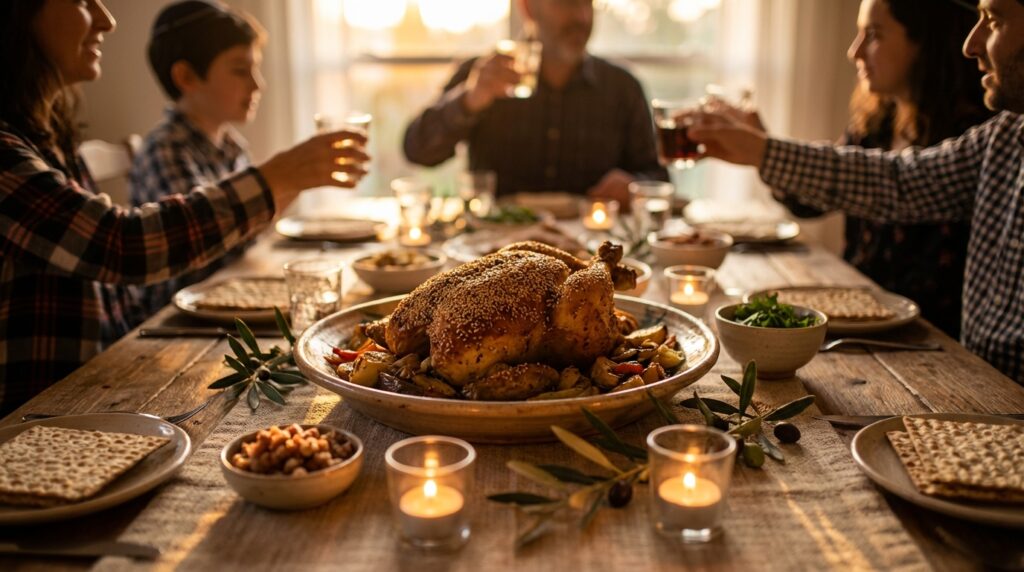
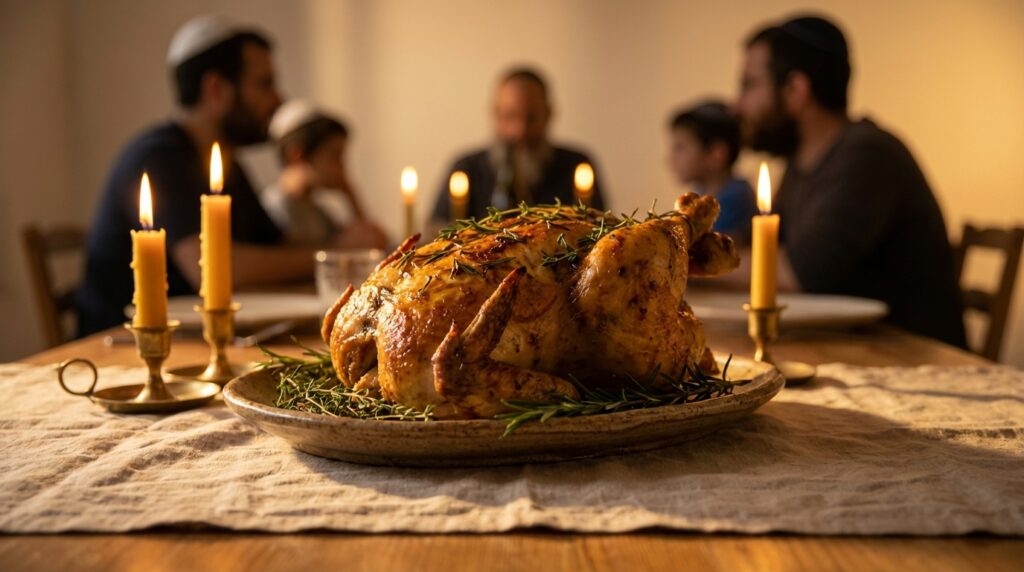
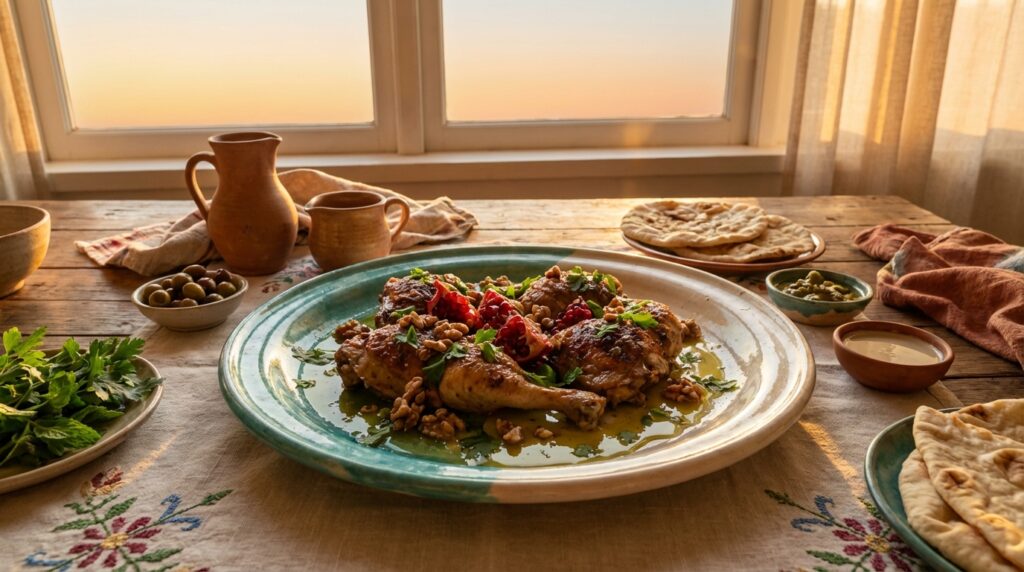
Image illustrating:Traditional Israeli Shabbat Chicken Recipe

Traditional Israeli Shabbat Chicken Recipe

This recipe has been passed down through generations, each family adding their own unique touch. The tradition of preparing a special meal for Shabbat is deeply rooted in Israeli culture, symbolizing rest and togetherness. Families gather around the table, sharing stories and enjoying the comforting aroma of this dish. The origins of this dish can be traced back to the diverse communities that make up Israel. Each community brought its own culinary traditions, blending them into a rich tapestry of flavors. The use of spices, herbs, and fresh ingredients reflects the agricultural abundance of the region. Over time, Israeli Shabbat...
Show more
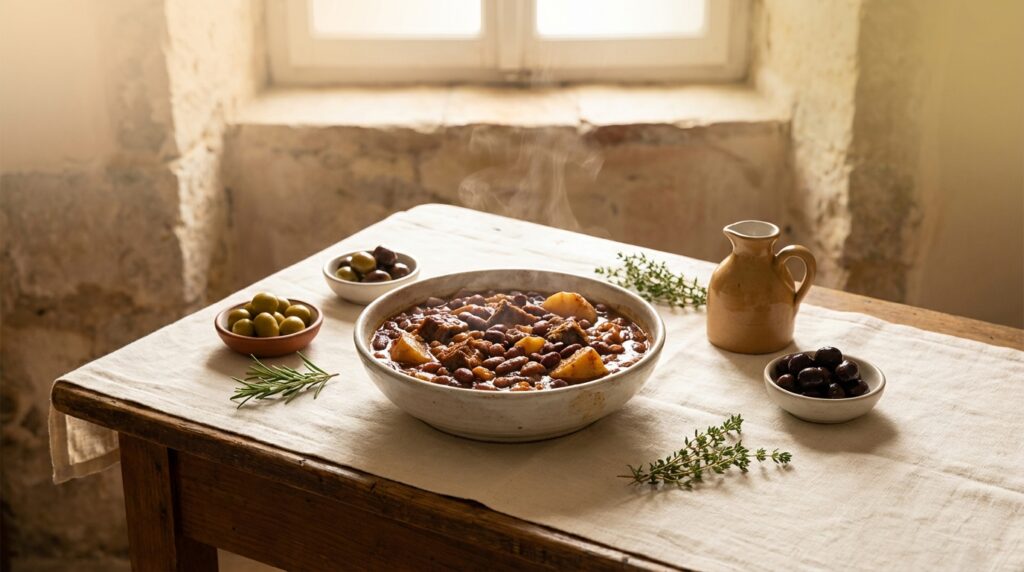
Image illustrating:Traditional Chamin: A Heartwarming Israeli Dish

Traditional Chamin: A Heartwarming Israeli Dish

Originating from Jewish communities in the Middle East and North Africa, Chamin has been a staple for generations. Its name derives from the Hebrew word ‘cham,’ meaning hot, reflecting its warm and comforting nature. Traditionally, it was prepared on Fridays before the Sabbath, allowing families to enjoy a hot meal without cooking on the day of rest. The preparation of Chamin varies across regions, with each community adding its unique touch. In Morocco, it might include chickpeas and spices, while in Eastern Europe, beans and barley are common. Despite these variations, the essence of Chamin remains the same: a hearty,...
Show more
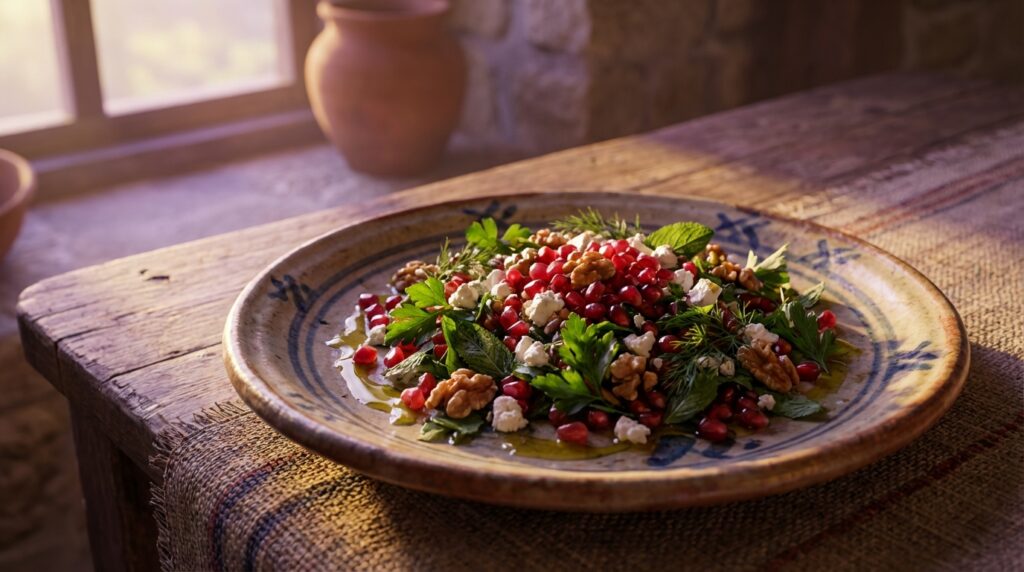
Image illustrating:Herb-Infused Pomegranate Delight

Herb-Infused Pomegranate Delight

The use of pomegranate in cooking dates back to ancient times, where it was a symbol of prosperity and abundance. In Israel, this fruit is often associated with festive meals and celebrations. Its vibrant color and unique flavor make it a favorite ingredient in many traditional dishes. Herbs like mint, parsley, and cilantro are staples in Israeli kitchens. These herbs not only add freshness but also enhance the natural sweetness of pomegranate. The combination of these ingredients creates a harmonious balance that is both refreshing and satisfying. This dish is a reflection of the diverse culinary influences found in Israel....
Show more
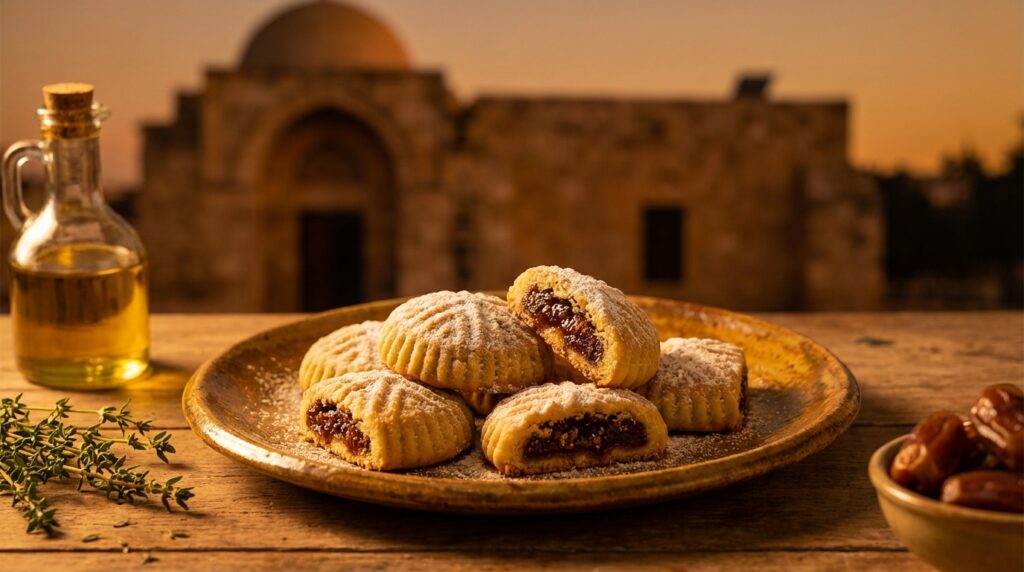
Image illustrating:Traditional Maamoul Date Delight

Traditional Maamoul Date Delight

Maamoul Date has been a staple in Middle Eastern kitchens for centuries. Its origins trace back to ancient times when dates were a primary sweetener. The combination of dates and spices in a buttery pastry shell creates a unique taste that has been cherished through generations. Traditionally, Maamoul was prepared for festive occasions and holidays. Families would gather to make these delightful treats, sharing stories and laughter. The process of shaping and filling the dough became a cherished ritual, passed down from one generation to the next. In Israel, Maamoul Date holds a special place in the hearts of many....
Show more
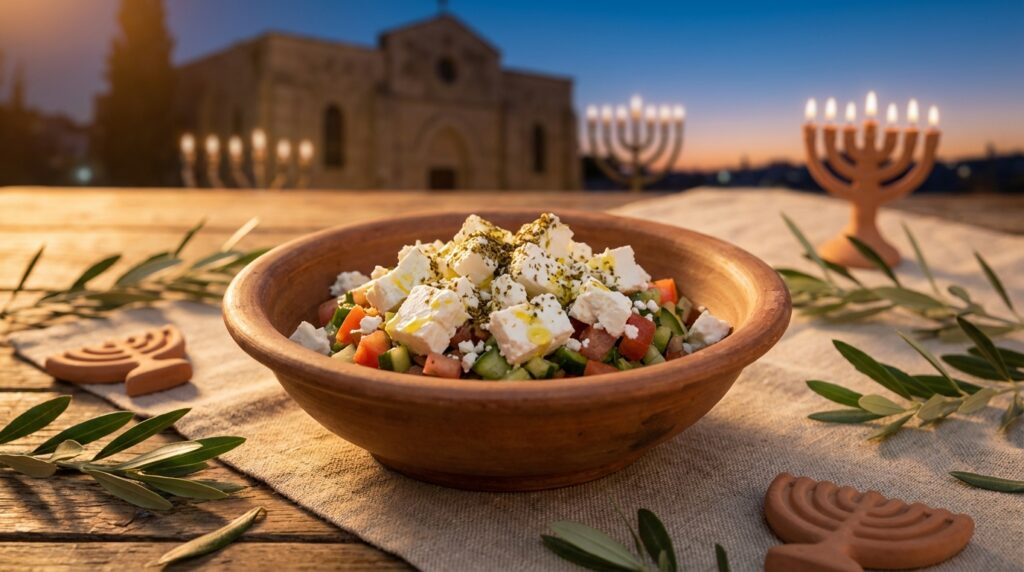
Image illustrating:Savor the Richness of Bulgarian Feta in This Israeli Delight

Savor the Richness of Bulgarian Feta in This Israeli Delight

The history of Bulgarian Feta in Israeli cuisine dates back to the early 20th century when Jewish immigrants from Bulgaria brought their culinary traditions to Israel. This cheese quickly became a staple in many households due to its unique flavor and versatility. In Israel, Bulgarian Feta is often used in salads, pastries, and as a topping for various dishes. Its creamy texture and tangy taste make it a favorite among cheese lovers. The cheese is traditionally made from sheep’s milk, giving it a distinct flavor profile. Over the years, Bulgarian Feta has been embraced by Israeli chefs and home cooks...
Show more
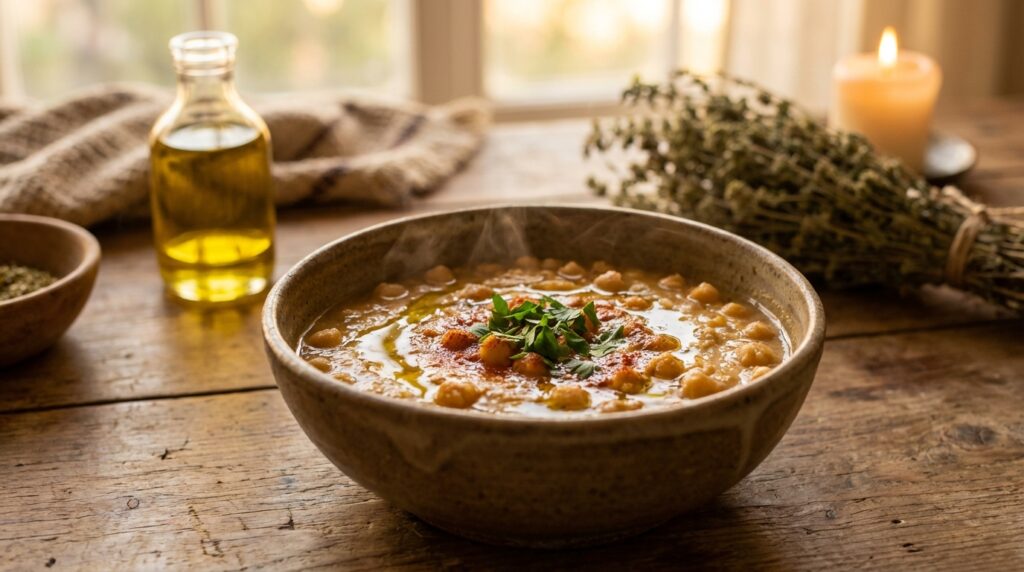
Image illustrating:Authentic Israeli Chickpea Stew

Authentic Israeli Chickpea Stew

The chickpea, known as ‘hummus’ in Hebrew, has been cultivated in the Middle East for thousands of years. Its versatility and nutritional value have made it a beloved ingredient in Israeli kitchens. This stew, rich in spices and flavors, reflects the diverse culinary influences found in Israel. Israeli cuisine is a melting pot of various cultures, each bringing unique flavors and techniques. The use of chickpeas in stews is a testament to the region’s agricultural heritage and the creativity of its people. This dish is often enjoyed in homes and restaurants alike, showcasing the warmth and hospitality of Israeli culture....
Show more
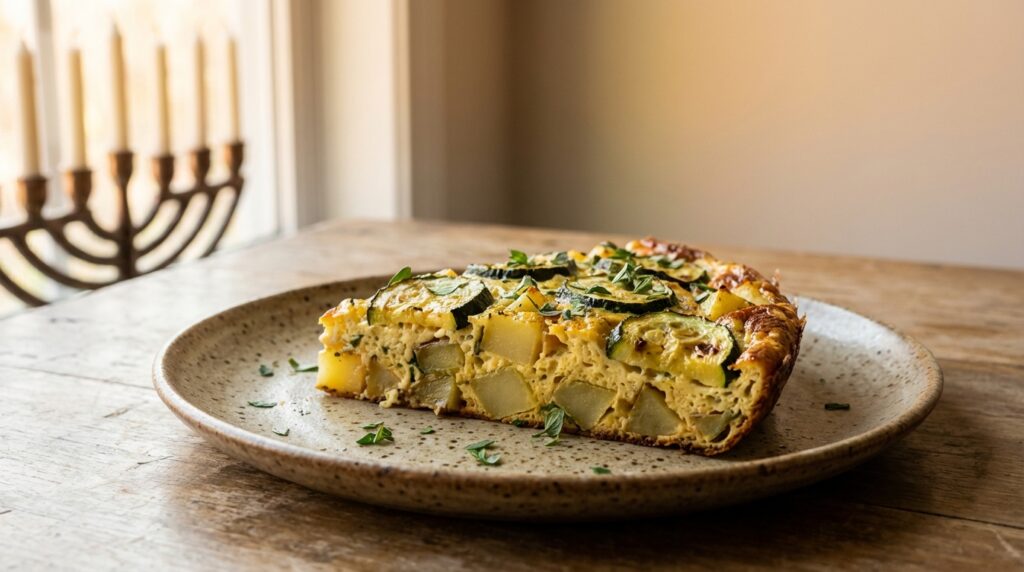
Image illustrating:Delicious Zucchini and Potato Frittata

Delicious Zucchini and Potato Frittata

The origins of the frittata can be traced back to the Mediterranean region, where simple ingredients are transformed into delicious meals. In Israel, the combination of zucchini and potatoes is particularly popular due to the abundance of fresh produce. This dish is not only a testament to the resourcefulness of Israeli cooks but also a reflection of the country’s agricultural richness. Zucchini and potatoes are often found in local markets, making them accessible and affordable for families. Traditionally, frittatas are cooked slowly to allow the flavors to meld together, creating a satisfying and hearty meal. The zucchini adds a fresh,...
Show more
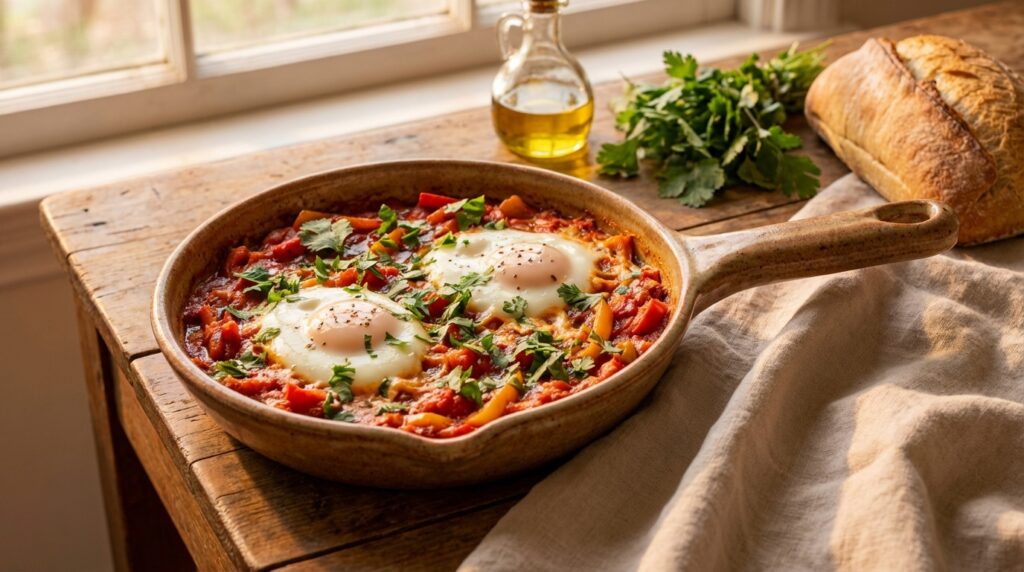
Image illustrating:Authentic Israeli Shakshuka

Authentic Israeli Shakshuka

Originating from North Africa, Shakshuka made its way to Israel where it quickly became a staple. The dish is traditionally made with poached eggs in a sauce of tomatoes, chili peppers, and onions, often spiced with cumin. Its simplicity and robust flavors have made it a favorite among Israelis and visitors alike. The word ‘Shakshuka’ means ‘a mixture’ in Arabic, reflecting its diverse ingredients. It is believed to have been brought to Israel by Jewish immigrants from Libya and Tunisia. Over time, it has evolved, with each family adding their own twist, making it a unique culinary experience. In Israel,...
Show more
Image illustrating:Traditional Shakshuka: A Taste of Israel

Traditional Shakshuka: A Taste of Israel

Originating from North Africa, Shakshuka made its way to Israel with Jewish immigrants. It quickly became a beloved dish, known for its rich tomato base and perfectly poached eggs. The dish is often enjoyed as a hearty breakfast or a comforting dinner, bringing families together around the table. The name ‘Shakshuka’ means ‘a mixture’ in Arabic, reflecting the harmonious blend of ingredients. Traditionally, it includes tomatoes, onions, and spices like cumin and paprika. Each family has its own variation, adding personal touches that make the dish unique. In Israel, Shakshuka is more than just a meal; it’s a cultural experience....
Show more
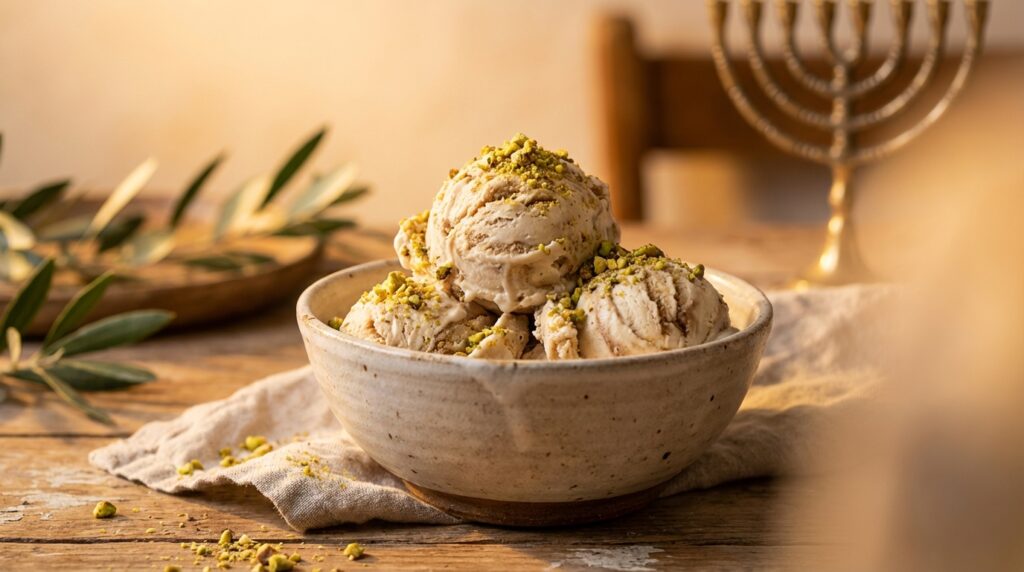
Image illustrating:Delicious Israeli Ice Cream Delight

Delicious Israeli Ice Cream Delight

Ice cream in Israel has a rich history, dating back to the early 20th century when European immigrants brought their culinary traditions to the region. The warm climate made it an instant favorite among locals. Over the years, Israeli ice cream has evolved, incorporating local ingredients like tahini, halva, and fresh fruits. These unique flavors set it apart from traditional Western ice creams. The influence of diverse cultures in Israel has led to a fusion of flavors, making Israeli ice cream a symbol of the country’s vibrant culinary scene. It’s not just a dessert; it’s a cultural experience. Many small...
Show more
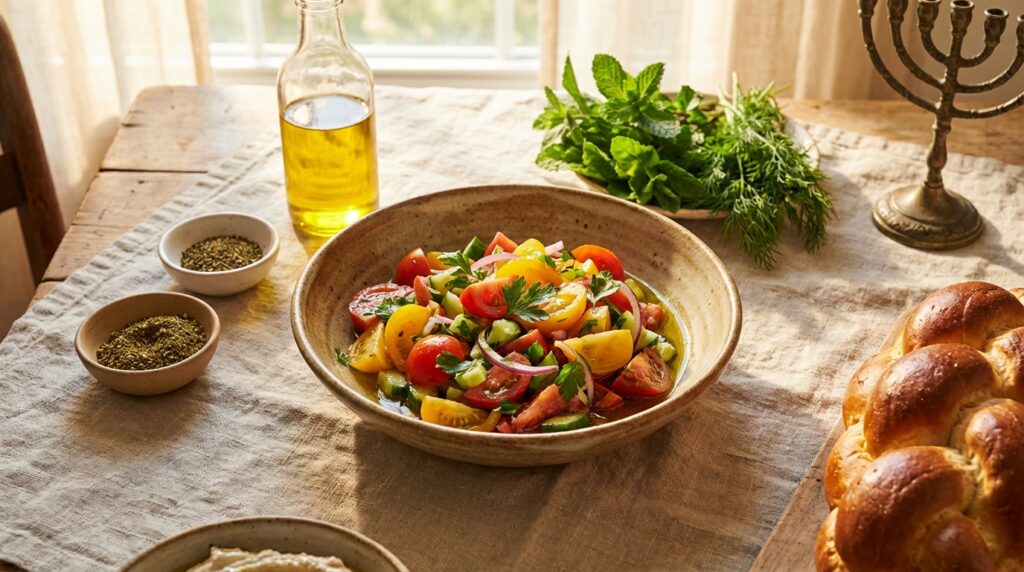
Image illustrating:Jewish Tomato Salad: A Taste of Israeli Tradition

Jewish Tomato Salad: A Taste of Israeli Tradition

This salad has its roots in the diverse culinary traditions of Jewish communities across the Middle East and Europe. Over time, it has become a beloved dish in Israel, enjoyed by families and friends alike. The combination of fresh tomatoes, onions, and herbs reflects the agricultural richness of the region. Tomatoes, a key ingredient, were introduced to the region in the late 19th century and quickly became a favorite. The salad’s popularity grew as tomatoes became more widely available, and it was often served at Shabbat meals and festive occasions. The simplicity of the ingredients allows the natural flavors to...
Show more
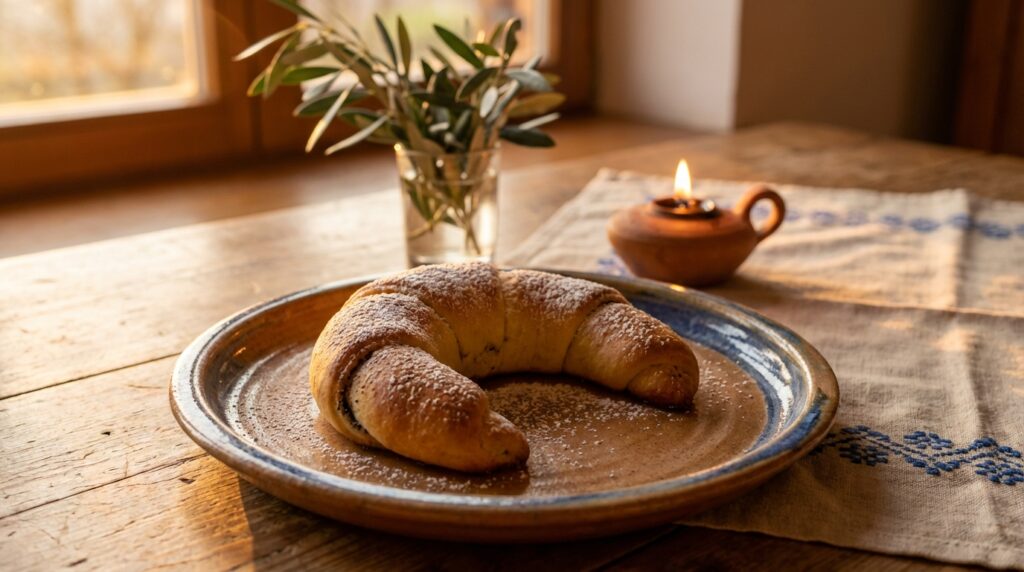
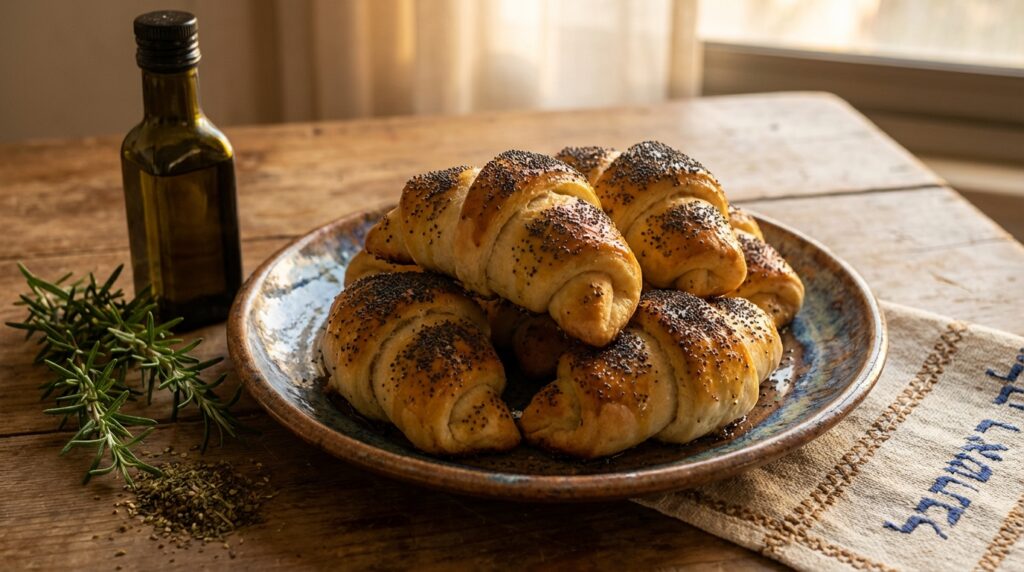
Image illustrating:Warm Poppy Seed Crescent Rolls for Family Gatherings

Warm Poppy Seed Crescent Rolls for Family Gatherings

Originating from Eastern Europe, these rolls have found a special place in Israeli cuisine. The combination of soft dough and rich poppy seed filling creates a unique taste experience. Families often prepare these rolls for festive occasions, bringing warmth and joy to gatherings. The tradition of making crescent rolls has been passed down through generations. Each family adds its own twist, whether it’s a secret ingredient or a special technique. This culinary heritage reflects the diverse cultural influences that have shaped Israeli food. Poppy seeds, known for their nutty flavor, are a key ingredient in many Israeli desserts. They symbolize...
Show more
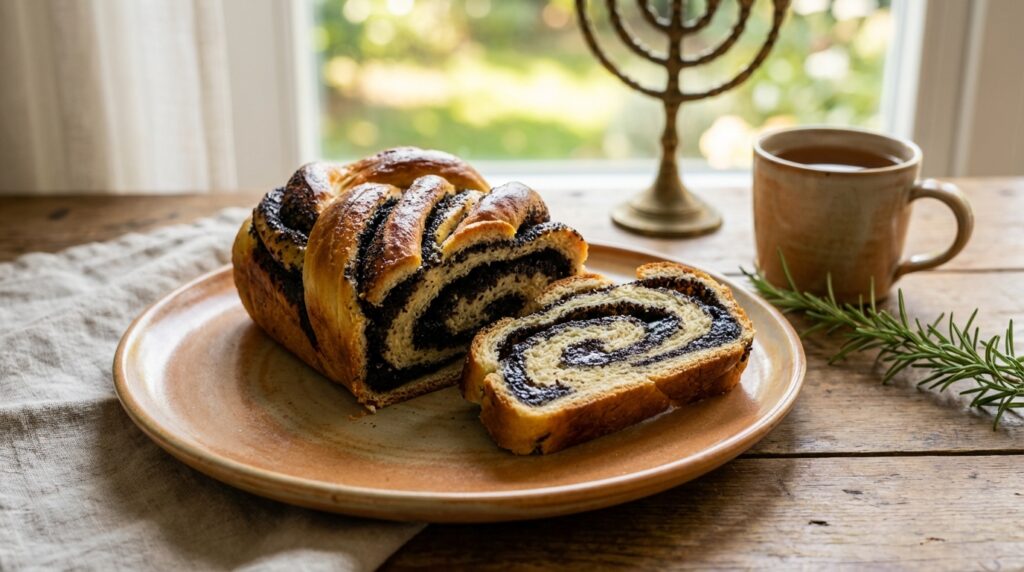
Image illustrating:Traditional Jewish Poppy Seed Roll

Traditional Jewish Poppy Seed Roll

Originating in Eastern Europe, the poppy seed roll has been a staple in Jewish households for generations. Its sweet, nutty flavor is a symbol of celebration and community. Families often gather to bake this delightful pastry during holidays and special occasions, sharing stories and creating memories. The poppy seed roll’s history is intertwined with Jewish cultural traditions. It was often prepared for festive events, symbolizing prosperity and happiness. The use of poppy seeds, a common ingredient in Eastern European cuisine, adds a unique texture and taste that has been cherished for centuries. In many Jewish communities, the poppy seed roll...
Show more
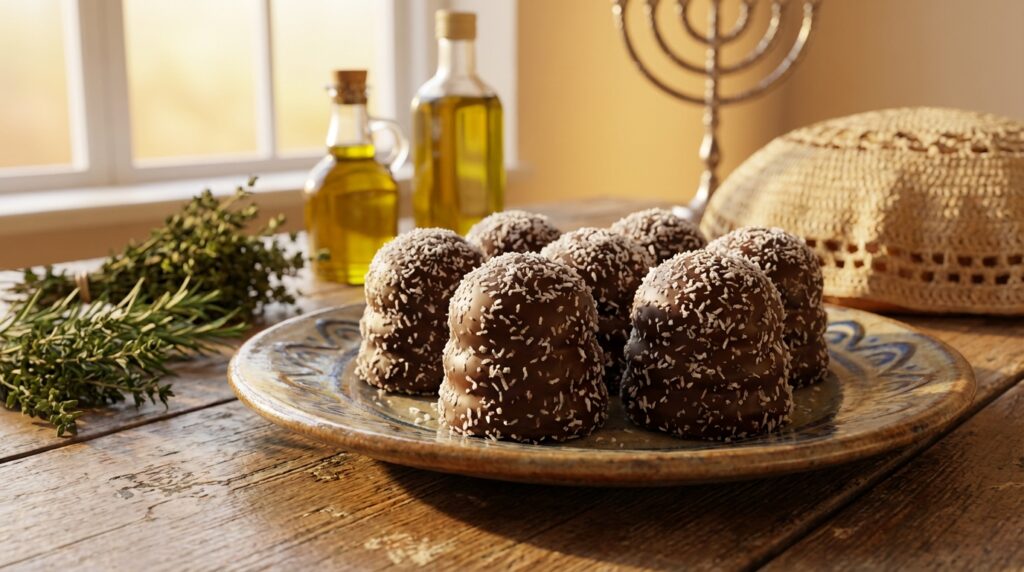
Image illustrating:Homemade Krembos: A Sweet Israeli Delight

Homemade Krembos: A Sweet Israeli Delight

Originating in Denmark, krembos made their way to Israel in the early 20th century. They quickly became a beloved treat, especially during the colder months when ice cream was less popular. The name ‘krembo’ is derived from the Hebrew words ‘krem’ (cream) and ‘bo’ (in it), reflecting the creamy filling inside. The traditional krembo consists of a biscuit base topped with a fluffy marshmallow-like filling, all coated in a thin layer of chocolate. This combination of textures and flavors has made krembos a staple in Israeli households, often enjoyed with a warm cup of tea or coffee. In the 1960s,...
Show more
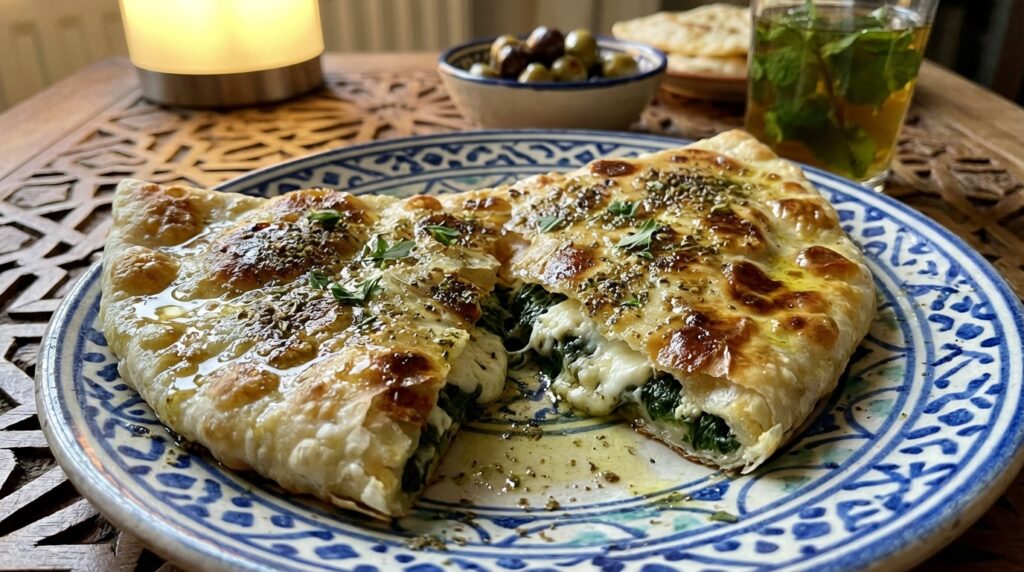
Image illustrating:Authentic Turkish Gozleme Delight

Authentic Turkish Gozleme Delight

Originating from the Anatolian region, Gozleme has been a staple in Turkish cuisine for centuries. Its name is derived from the Turkish word ‘goz,’ meaning ‘compartment,’ referring to the pockets of filling within the dough. Traditionally, Gozleme is cooked on a ‘sac,’ a convex griddle, which gives it a unique texture and flavor. This method of cooking has been passed down through generations, preserving its authentic taste. The fillings for Gozleme vary widely, from simple cheese and spinach to more elaborate combinations like minced meat and spices. Each region in Turkey has its own variation, reflecting local tastes and ingredients....
Show more
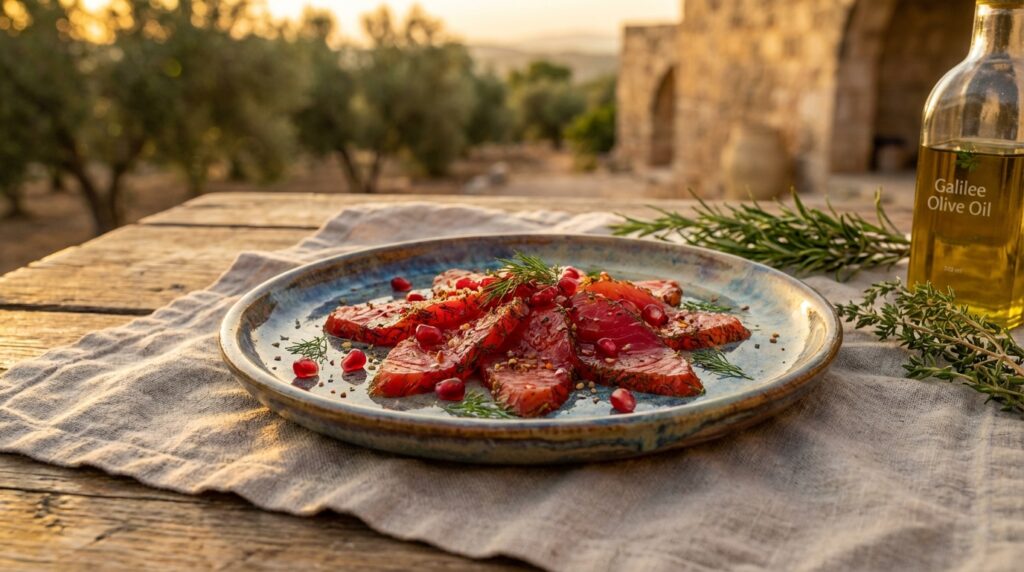
Image illustrating:Gravlax with a Vodka Twist

Gravlax with a Vodka Twist

The origins of gravlax date back to the Middle Ages when fishermen would ferment salmon by burying it in the sand above the high-tide line. This method preserved the fish and enhanced its flavors. Over time, the recipe evolved, and today, gravlax is cured with a mixture of salt, sugar, and dill, offering a delicate and savory taste. In Israel, gravlax has been embraced for its simplicity and elegance. The dish is often served during festive occasions, bringing a touch of sophistication to the table. The Israeli twist on gravlax includes the addition of local spices and herbs, making it...
Show more
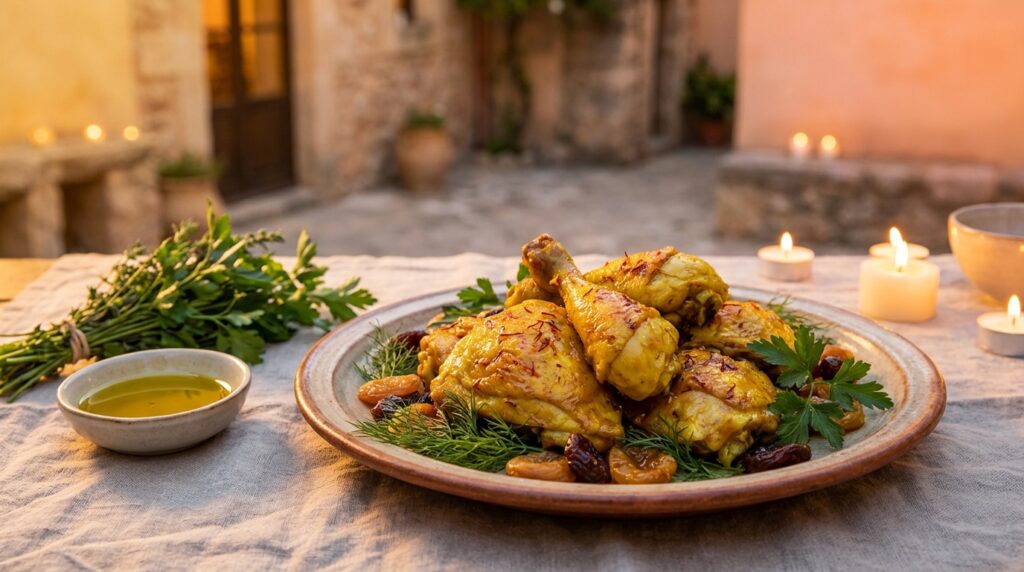
Image illustrating:Traditional Persian Passover Chicken Delight

Traditional Persian Passover Chicken Delight

The tradition of Persian Passover dishes dates back centuries, reflecting a rich cultural tapestry. These recipes have been passed down through generations, each adding their own touch to the flavors. The use of spices like saffron and turmeric is a hallmark of Persian cuisine, bringing warmth and depth to the dishes. Passover, or Pesach, is a time when families gather to celebrate freedom and heritage. In Persian Jewish homes, the Passover meal is a vibrant affair, filled with dishes that tell stories of resilience and joy. The chicken dish, often prepared with dried fruits and nuts, symbolizes abundance and prosperity....
Show more
Image illustrating:Traditional Israeli Shabbat Chicken Recipe

Traditional Israeli Shabbat Chicken Recipe

In Israel, Shabbat is a time for families to gather and share meals that have been passed down through generations. The tradition of cooking a special meal for Shabbat is deeply rooted in Jewish culture, symbolizing rest and togetherness. This chicken recipe is a staple in many Israeli homes, offering a taste of history with every bite. The origins of this dish can be traced back to the diverse culinary influences that have shaped Israeli cuisine. From Middle Eastern spices to European cooking techniques, each element of the recipe tells a story of migration and adaptation. The result is a...
Show more
Image illustrating:Maakouda: A Taste of Israeli Tradition

Maakouda: A Taste of Israeli Tradition

Originating from North Africa, Maakouda has found a special place in Israeli kitchens. This dish, primarily made from potatoes, is a staple during festive occasions and family gatherings. Its simplicity and rich taste make it a favorite among many. Traditionally, Maakouda is prepared with a blend of spices that reflect the diverse cultural influences in Israel. The combination of cumin, turmeric, and paprika gives it a unique flavor profile that is both aromatic and flavorful. Over the years, Maakouda has evolved, with various regions adding their own twist to the recipe. Some versions include additional vegetables or even meat, but...
Show more
Image illustrating:Classic Israeli Shakshuka Recipe

Classic Israeli Shakshuka Recipe

Originating from North Africa, shakshuka has become a staple in Israeli cuisine. Its name means ‘a mixture’ in Arabic, reflecting the harmonious blend of ingredients. Traditionally, it was a simple meal, cooked over an open flame, making it accessible to all. The dish’s popularity in Israel grew as immigrants from North Africa brought their culinary traditions with them, enriching the local food culture. In Israel, shakshuka is more than just a breakfast dish; it’s a symbol of community and togetherness. Families gather around the table to enjoy this hearty meal, often served in the pan it was cooked in. The...
Show more
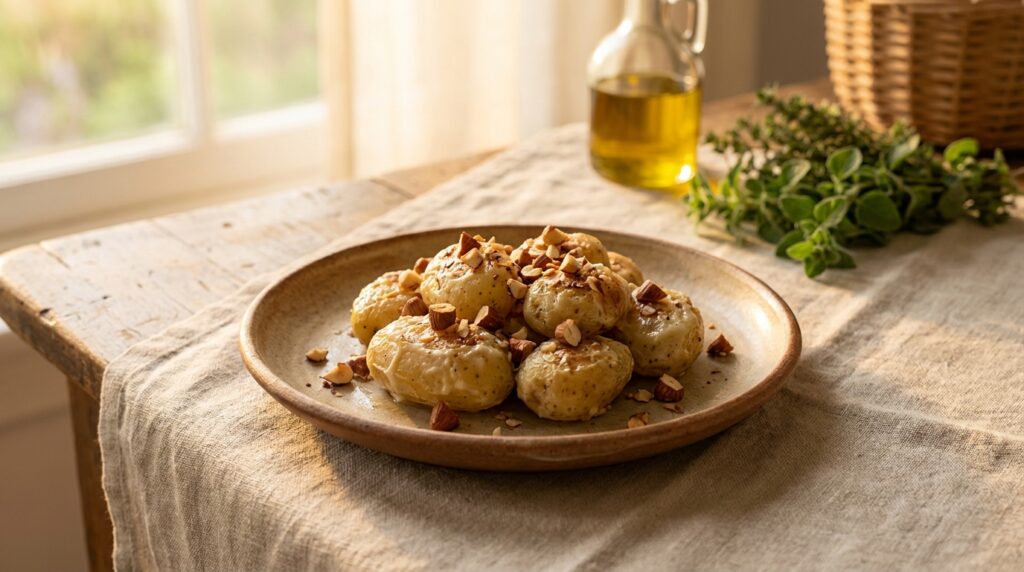
Image illustrating:Savor the Unique Flavor of Almond Potatoes

Savor the Unique Flavor of Almond Potatoes

Originating from the fertile lands of Israel, almond potatoes have become a staple in many households. The combination of potatoes and almonds creates a unique texture and flavor that is both comforting and exciting. This dish is often prepared during special occasions and family gatherings, bringing a sense of warmth and togetherness. The history of almond potatoes can be traced back to the early settlers in Israel who sought to create nourishing meals using locally available ingredients. Almonds, being abundant in the region, were a natural choice to pair with the humble potato. This fusion not only provided sustenance but...
Show more
Image illustrating:Traditional Bulgarian Pastry Delight

Traditional Bulgarian Pastry Delight

The history of Bulgarian pastries in Israel is rich and intertwined with the migration of Bulgarian Jews to the region. These pastries became a symbol of cultural fusion, blending traditional Bulgarian techniques with local Israeli flavors. Over the years, they have become a beloved treat, enjoyed by families across the country during holidays and special occasions. The introduction of Bulgarian pastries to Israel brought a new dimension to the local culinary scene. The unique combination of ingredients and the method of preparation were unlike anything seen before. This novelty quickly captured the hearts of many, making it a popular choice...
Show more
Image illustrating:Savor the Heartwarming Madrid Stew

Savor the Heartwarming Madrid Stew

Originating from Spain, Madrid Stew has been embraced by Israeli families for its hearty and comforting nature. The dish typically includes a variety of meats and vegetables, simmered to perfection. It is often enjoyed during the colder months, providing warmth and nourishment. The stew’s introduction to Israel is linked to the Sephardic Jewish community, who brought their culinary traditions with them. Over time, the recipe has evolved, incorporating local ingredients and flavors, making it a staple in many Israeli households. In Israel, Madrid Stew is not just a meal; it’s a symbol of cultural fusion and adaptation. Each family may...
Show more
Image illustrating:Delicious Israeli Pastries from the Heart

Delicious Israeli Pastries from the Heart

The tradition of making pastries in Israel dates back centuries, with influences from various cultures that have settled in the region. Each pastry tells a story of the diverse heritage that makes up Israeli cuisine. From the bustling markets of Tel Aviv to the quiet villages in the Galilee, these pastries are a staple in Israeli households. They are often shared during celebrations and family gatherings, bringing people together through their irresistible flavors. The art of pastry-making in Israel is passed down through generations, with each family adding their unique twist to the recipes. This rich tradition is a testament...
Show more
Image illustrating:Authentic Israeli Sambousak Delight

Authentic Israeli Sambousak Delight

Originating from the Middle East, sambousak has a rich history that dates back to ancient times. This savory pastry, often filled with spiced meats or cheese, has been a staple in many households. Its name is derived from the Persian word ‘sanbosag’, which means ‘triangular pastry’. Throughout history, sambousak has been enjoyed by various cultures, each adding their unique twist to the recipe. In Israel, it is commonly filled with chickpeas or cheese, reflecting the local flavors and ingredients. This adaptability has helped sambousak remain a popular dish across different regions. The preparation of sambousak is often a communal activity,...
Show more
Image illustrating:Savor the Delight of Homemade Georgian Pastry

Savor the Delight of Homemade Georgian Pastry

The journey of Georgian pastry to Israel is a tale of cultural exchange and adaptation. As Jewish communities migrated, they brought with them the flavors and traditions of their homelands. This pastry, with its rich fillings and flaky crust, became a cherished part of Israeli cuisine, symbolizing the blend of diverse cultures. In Israel, Georgian pastry has found a special place in family gatherings and celebrations. Its versatility allows for a variety of fillings, from savory cheese to hearty potatoes, making it a favorite for many. The preparation of this pastry is often a communal activity, bringing families together in...
Show more
Image illustrating:Traditional Shakshuka from Israel

Traditional Shakshuka from Israel

Originating from North Africa, Shakshuka made its way to Israel, where it quickly became a beloved dish. Its simplicity and bold flavors make it a favorite for breakfast and brunch. The dish is traditionally made with poached eggs in a spicy tomato sauce, often enhanced with peppers and onions. The name ‘Shakshuka’ means ‘a mixture’ in Arabic, reflecting the harmonious blend of ingredients. This dish is not only popular in Israel but also in various Middle Eastern and Mediterranean countries. Each region has its own twist, adding unique spices or vegetables to the base recipe. In Israel, Shakshuka is more...
Show more
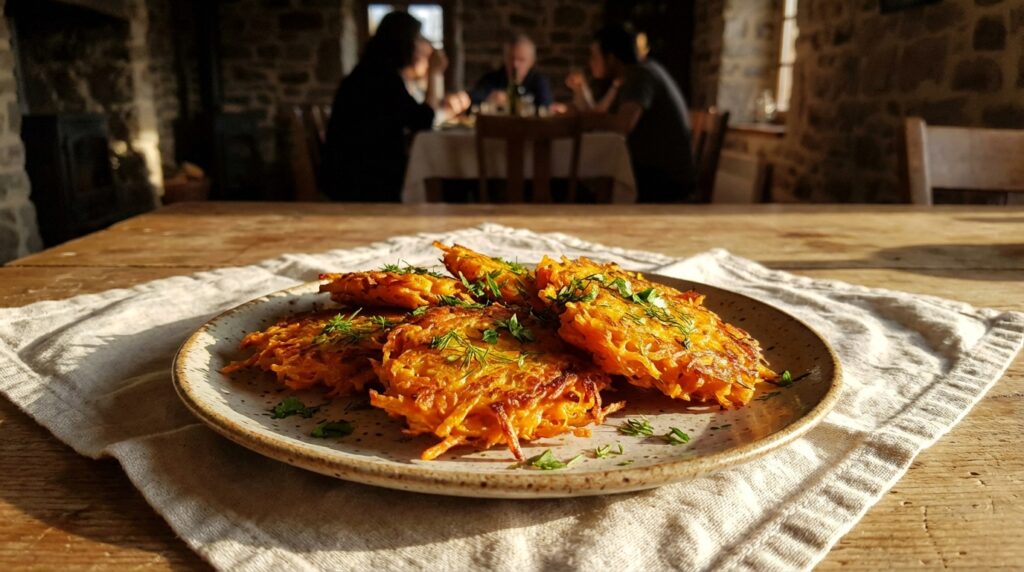
Image illustrating:Savor the Flavor of Homemade Carrot Latkes

Savor the Flavor of Homemade Carrot Latkes

Originating from the rich culinary traditions of Israel, latkes have been a staple in Jewish households for generations. Traditionally made with potatoes, these crispy delights have evolved over time, embracing new ingredients and flavors. Carrot latkes, in particular, bring a sweet and earthy taste that complements the crispy texture perfectly. The introduction of carrots into latke recipes is a relatively recent innovation, reflecting the creativity and adaptability of Israeli cuisine. Carrots not only add a beautiful color but also enhance the nutritional value of the dish. This adaptation has been warmly embraced by families looking to add a bit of...
Show more
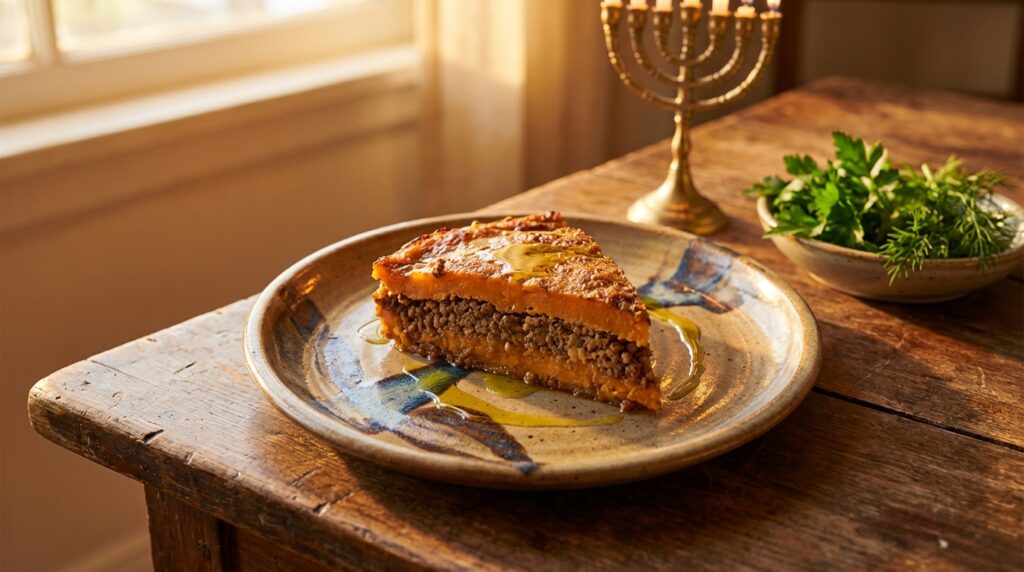
Image illustrating:Kibbeh Batata: A Comforting Israeli Classic

Kibbeh Batata: A Comforting Israeli Classic

Originating from the Middle Eastern culinary tradition, Kibbeh Batata has been embraced by Israeli families for generations. The dish combines mashed potatoes with a variety of spices, creating a unique and flavorful experience. Its roots can be traced back to the Levant region, where similar recipes have been enjoyed for centuries. In Israel, Kibbeh Batata has become a staple in many households, often served during family gatherings and festive occasions. The dish is cherished not only for its taste but also for the warmth and comfort it brings to the table. Each family may have its own variation, adding personal...
Show more
Image illustrating:Delicious Sambousak: A Taste of Israeli Tradition

Delicious Sambousak: A Taste of Israeli Tradition

Originating from the Middle East, sambousak is a pastry that has found its way into Israeli cuisine, cherished for its versatility and rich flavors. Traditionally filled with cheese or meat, it offers a delightful taste experience. The dish is often enjoyed during festive occasions, bringing families together to share in its deliciousness. The preparation of sambousak involves creating a delicate dough that is then filled with a savory mixture. This process requires skill and patience, as the dough must be rolled thinly and filled generously. The fillings can vary, with popular choices including spiced meats, cheeses, and even vegetables, allowing...
Show more
Image illustrating:Authentic Bukharian Dish from Israeli Kitchens

Authentic Bukharian Dish from Israeli Kitchens

Originating from the Bukharian Jewish community, this cuisine reflects a rich history of migration and cultural exchange. The Bukharian Jews, originally from Central Asia, brought with them a unique blend of flavors and cooking techniques that have been passed down through generations. Their dishes often feature a mix of spices, meats, and grains, creating hearty and flavorful meals. In Israel, Bukharian food has become a cherished part of the culinary landscape. Many Bukharian Jews settled in Israel during the 20th century, bringing their traditional recipes with them. These dishes have been embraced by the broader Israeli community, celebrated for their...
Show more
Image illustrating:Kaskaval Cheese Delight

Kaskaval Cheese Delight

Originating from the Balkans, Kaskaval has become a staple in Israeli kitchens. Its unique flavor and texture make it a versatile ingredient in various dishes. This cheese is often enjoyed in both everyday meals and special occasions, reflecting its cultural significance. In Israel, Kaskaval is cherished for its rich taste and melting quality. It is commonly used in pastries, sandwiches, and as a topping for baked dishes. The cheese’s adaptability has made it a favorite among chefs and home cooks alike. The production of Kaskaval involves a traditional process that has been passed down through generations. This method ensures that...
Show more
Image illustrating:Traditional Israeli Hummus Delight

Traditional Israeli Hummus Delight

Hummus has been a staple in Middle Eastern diets for centuries, with its origins tracing back to ancient times. It is made from chickpeas, tahini, lemon juice, and garlic, creating a nutritious and delicious spread. In Israel, hummus is more than just food; it is a cultural icon, enjoyed by people of all ages and backgrounds. The popularity of hummus in Israel is unmatched. It is often served as a starter in restaurants and is a common dish at family gatherings. The smooth, creamy texture of hummus, combined with its rich flavor, makes it a versatile dish that can be...
Show more
Image illustrating:Tunisian Tuna Sandwich Delight

Tunisian Tuna Sandwich Delight

Originating from the vibrant streets of Tunisia, this sandwich made its way to Israel with Jewish immigrants. It quickly became a favorite due to its unique blend of flavors and textures. The combination of spicy harissa, tangy pickles, and hearty tuna creates a taste that is both exotic and comforting. In Israel, the Tunisian Tuna Sandwich is more than just a meal; it’s a cultural experience. Often enjoyed at family gatherings and street markets, it represents the fusion of North African and Middle Eastern culinary traditions. Each bite tells a story of heritage and community, making it a cherished part...
Show more
Image illustrating:Delicious Cheese Latkes from the Heart of Israel

Delicious Cheese Latkes from the Heart of Israel

Originating from Eastern Europe, cheese latkes were brought to Israel by Jewish immigrants. These savory pancakes quickly became a staple in Israeli households, celebrated for their simplicity and rich flavor. Traditionally made during festive occasions, they symbolize warmth and togetherness. In Israel, cheese latkes are often enjoyed during Hanukkah, a holiday known for its emphasis on foods fried in oil. This tradition commemorates the miracle of the oil that lasted eight days in the ancient Temple. The cheese latke, with its crispy exterior and soft, cheesy interior, is a perfect representation of this celebration. Over the years, the recipe has...
Show more
Image illustrating:Delicious Zucchini Latkes for Every Occasion

Delicious Zucchini Latkes for Every Occasion

Originating from Eastern European Jewish communities, latkes were traditionally made with potatoes. However, as culinary creativity expanded, zucchini became a popular alternative. This variation not only offers a unique flavor but also incorporates a healthy vegetable twist, making it a favorite among many families. In Israel, zucchini latkes have become a staple during festive occasions and family gatherings. They are often served during Hanukkah, a holiday celebrated with foods fried in oil, symbolizing the miracle of the oil that lasted eight days. The zucchini version adds a fresh and vibrant touch to this beloved tradition. The preparation of zucchini latkes...
Show more
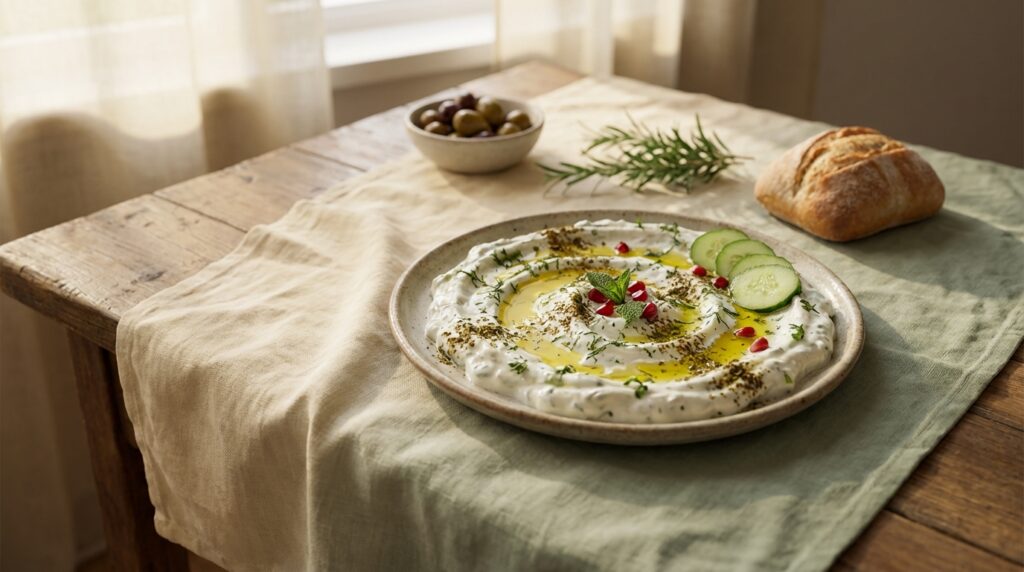
Image illustrating:Refreshing Labneh Tzatziki Delight

Refreshing Labneh Tzatziki Delight

The origins of labneh can be traced back to ancient Middle Eastern cultures, where it was crafted as a way to preserve milk. This creamy cheese has been a staple in Israeli kitchens for generations, offering a tangy and rich flavor that complements a variety of dishes. Tzatziki, on the other hand, hails from Greece and is known for its refreshing taste, combining yogurt with cucumbers, garlic, and herbs. This dish has traveled across borders, finding a special place in Israeli cuisine due to its light and invigorating qualities. The fusion of labneh and tzatziki in Israeli cuisine represents a...
Show more
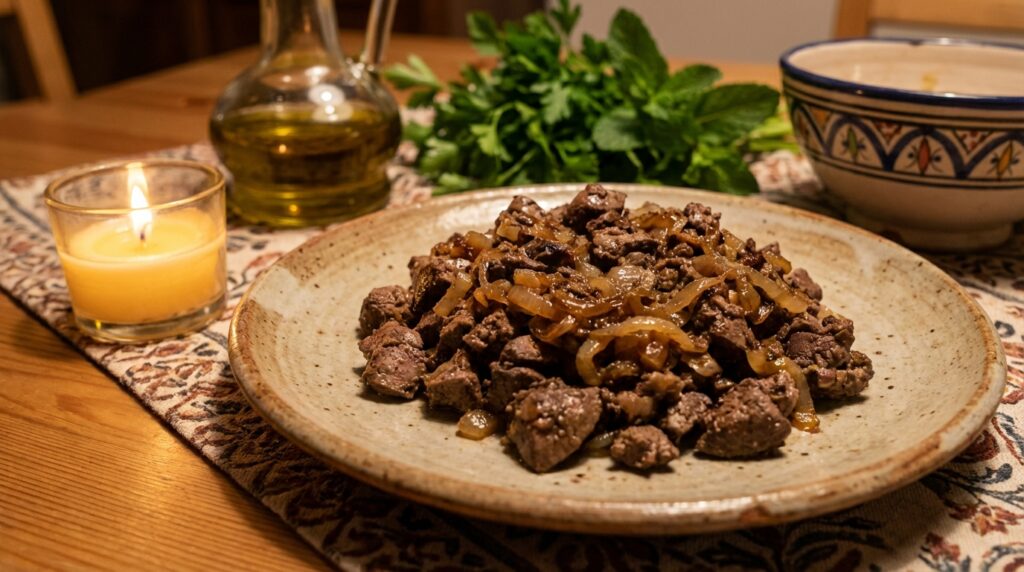
Image illustrating:Authentic Chopped Liver and Onions Delight

Authentic Chopped Liver and Onions Delight

Originating from Eastern Europe, chopped liver became a beloved dish among Jewish communities. Its simplicity and depth of flavor made it a favorite at family gatherings and celebrations. The dish is often associated with warmth and togetherness, bringing people closer through shared meals. In Israel, chopped liver has found its place in the culinary landscape, celebrated for its comforting taste. It is commonly served as a starter or side dish, often accompanied by fresh bread or matzah. The combination of liver, onions, and hard-boiled eggs creates a unique texture and flavor profile that is both satisfying and nostalgic. The preparation...
Show more
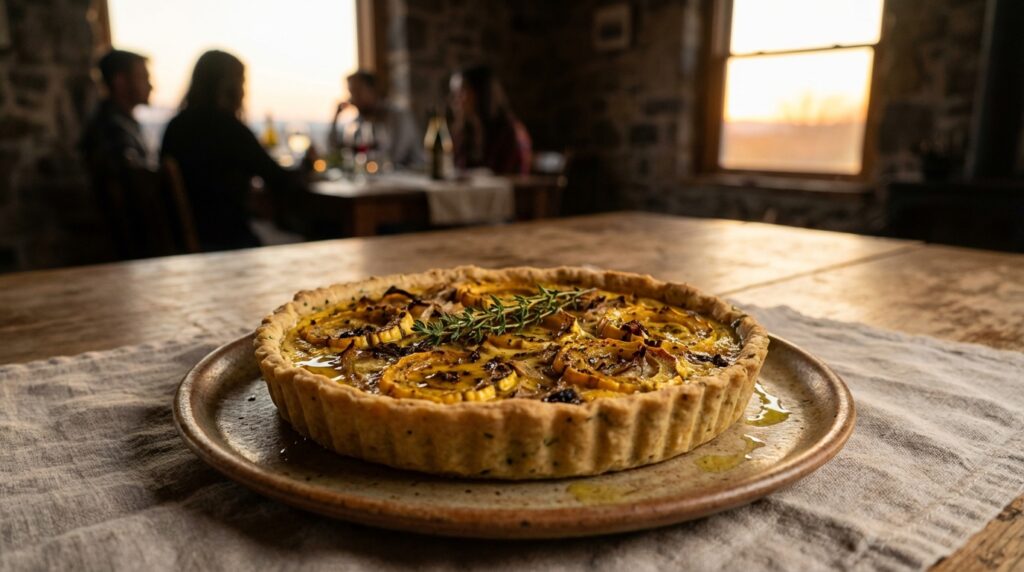
Image illustrating:Delicata Squash Quiche: A Taste of Israeli Tradition

Delicata Squash Quiche: A Taste of Israeli Tradition

The delicata squash has been cherished in Israeli cuisine for its unique taste and versatility. Its sweet, nutty flavor makes it a perfect ingredient for various dishes, including the beloved quiche. Traditionally, Israeli families have used this squash to bring warmth and comfort to their meals, especially during the cooler months. In Israel, quiches are a popular choice for gatherings and celebrations. The delicata squash quiche, in particular, stands out due to its rich flavor and beautiful presentation. The squash’s vibrant color and tender texture add a special touch to the dish, making it a centerpiece at any table. The...
Show more
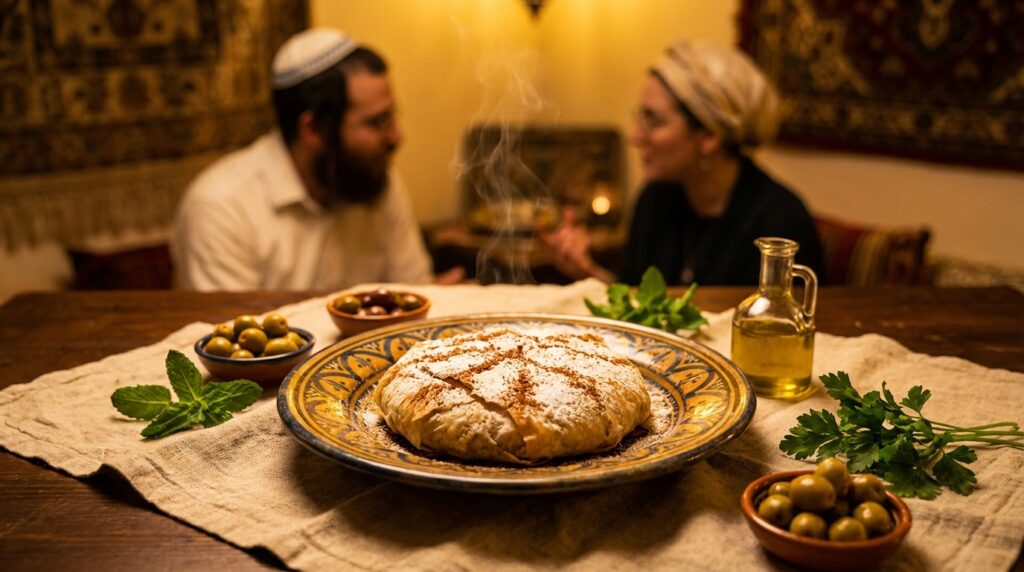
Image illustrating:Authentic Moroccan Pastillas for Special Gatherings

Authentic Moroccan Pastillas for Special Gatherings

Originating from the Andalusian region, pastillas were brought to Morocco by the Moors. This dish has become a staple in Moroccan cuisine, especially during celebrations and family gatherings. The unique combination of spices and the crispy texture make it a favorite among locals and visitors alike. Traditionally, pastillas are made with pigeon meat, but chicken has become a popular alternative. The filling is a rich mixture of meat, almonds, and spices, wrapped in layers of thin pastry. This dish is known for its intricate preparation and the balance of flavors it offers. The preparation of pastillas is often a communal...
Show more
Image illustrating:Savor the Flavors of Israeli Quinoa

Savor the Flavors of Israeli Quinoa

In recent years, quinoa has found its way into many Israeli kitchens. Its adaptability to various flavors and textures makes it a favorite among chefs and home cooks alike. The grain’s ability to absorb spices and herbs enhances its appeal, allowing it to complement a wide range of dishes. Israeli cuisine is known for its rich tapestry of flavors, drawing from Middle Eastern and Mediterranean influences. Quinoa, with its nutty taste and fluffy texture, fits seamlessly into this culinary landscape. It pairs beautifully with traditional ingredients like olives, tomatoes, and fresh herbs. The rise of health-conscious eating has further popularized...
Show more
Image illustrating:Pescado con Huevo: A Taste of Israeli Tradition

Pescado con Huevo: A Taste of Israeli Tradition

This dish has its roots in the diverse culinary traditions of Israel, where fish is a staple ingredient due to the country’s proximity to the Mediterranean Sea. The combination of fish and eggs creates a unique texture and flavor that is both satisfying and comforting. Traditionally, this dish is prepared for special occasions and family gatherings, symbolizing abundance and togetherness. The origins of Pescado con Huevo can be traced back to the Jewish communities of Spain and Portugal, where similar dishes were prepared using local ingredients. As these communities migrated to Israel, they brought with them their culinary traditions, which...
Show more
Image illustrating:Refreshing Israeli Iced Coffee Delight

Refreshing Israeli Iced Coffee Delight

Originating in the bustling cafes of Tel Aviv, Israeli iced coffee has become a staple for those seeking a cool and invigorating drink. Its unique preparation sets it apart from other iced coffees around the world. The drink combines strong espresso with milk and ice, creating a creamy texture that is both refreshing and satisfying. This combination is perfect for hot Israeli summers, providing a much-needed respite from the heat. In Israel, coffee culture is deeply ingrained in daily life, with cafes serving as social hubs. Israeli iced coffee reflects this culture, offering a taste of community and connection with...
Show more
Image illustrating:Savor the Authentic Taste of Boyos

Savor the Authentic Taste of Boyos

Originating from the Sephardic Jewish community, Boyos have been cherished for generations. These pastries are often enjoyed during special occasions and family gatherings, symbolizing warmth and togetherness. The unique preparation of Boyos involves a delicate balance of ingredients, creating a flaky and flavorful pastry. The dough is carefully rolled and filled with a variety of savory ingredients, making each bite a delightful experience. Boyos are not just a treat but a reflection of cultural heritage. Passed down through families, the recipe has evolved, yet it retains its original charm and taste, connecting people to their roots. In many Israeli households,...
Show more
Image illustrating:Maakouda: A Traditional Israeli Potato Delight

Maakouda: A Traditional Israeli Potato Delight

Originating from North Africa, Maakouda has found a special place in Israeli kitchens. It is a versatile dish that can be served as an appetizer or a side, often enjoyed during family gatherings. The simplicity of its ingredients—mainly potatoes, eggs, and spices—makes it a staple in many households. The dish’s popularity in Israel is partly due to the diverse cultural influences that shape the country’s culinary landscape. As Jewish communities from various regions settled in Israel, they brought with them unique recipes, including Maakouda. This fusion of flavors and traditions has enriched Israeli cuisine, making it vibrant and diverse. Maakouda...
Show more
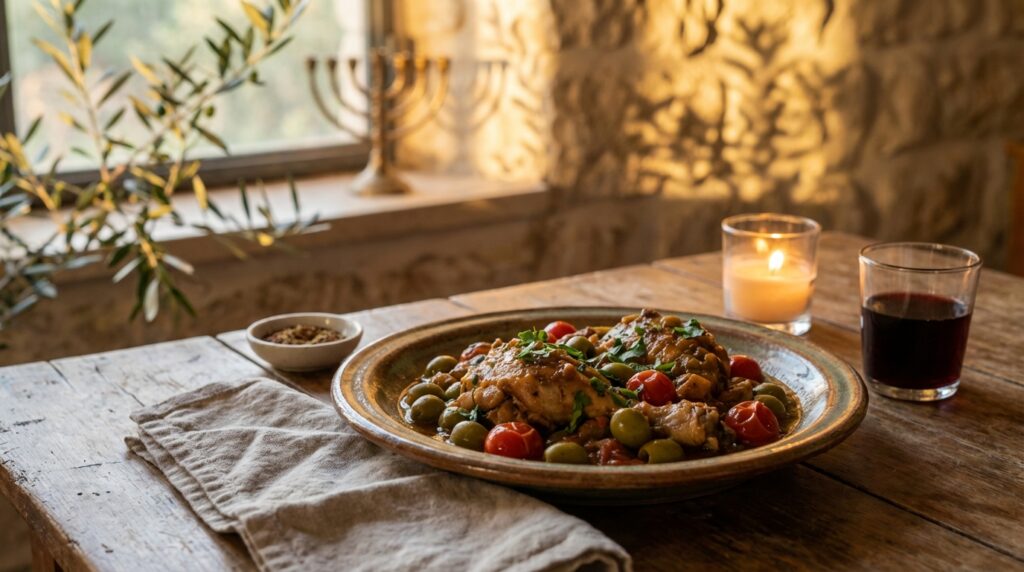
Image illustrating:Savory Chicken with Olives and Tomatoes

Savory Chicken with Olives and Tomatoes

Originating from the Mediterranean region, chicken with olives and tomatoes has become a beloved dish in Israel. The combination of juicy tomatoes and briny olives creates a unique taste that is both refreshing and satisfying. Traditionally, this dish is prepared with fresh ingredients sourced from local markets, ensuring a vibrant and authentic flavor. The use of olives in Israeli cuisine dates back centuries, with olive trees being a significant part of the landscape. Olives are not only a key ingredient in this recipe but also a symbol of peace and prosperity in the region. The addition of tomatoes brings a...
Show more
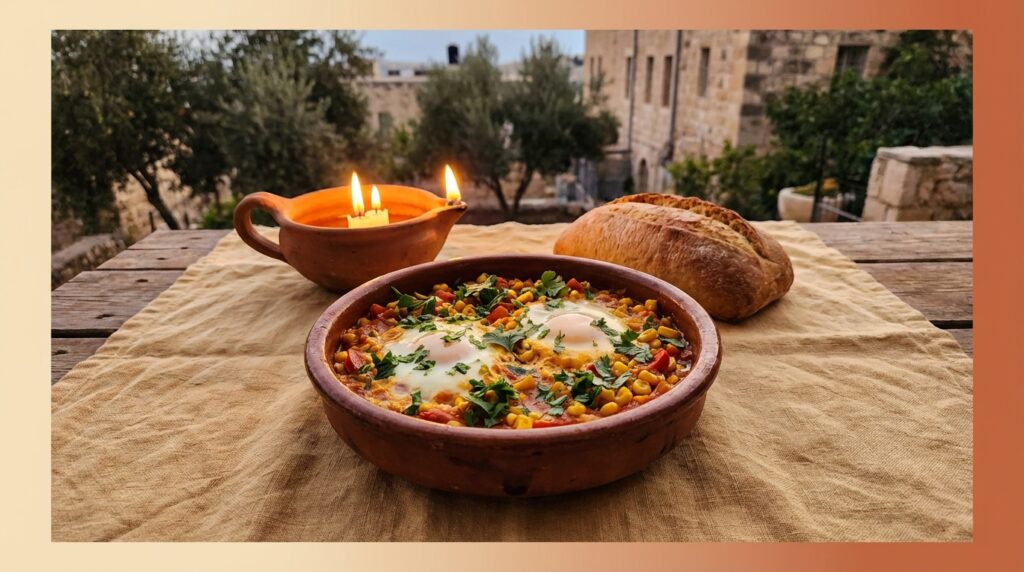
Image illustrating:Delicious Corn Shakshuka with a Twist

Delicious Corn Shakshuka with a Twist

Shakshuka, traditionally made with tomatoes, peppers, and eggs, has been a staple in Israeli cuisine for generations. Its origins are rooted in North African culinary traditions, brought to Israel by Jewish immigrants. Over time, it has become a beloved dish, celebrated for its simplicity and rich flavors. The introduction of corn into Shakshuka is a recent innovation, adding a sweet and crunchy element to the dish. This variation has gained popularity for its unique texture and flavor profile, providing a new experience while maintaining the essence of the original recipe. Corn Shakshuka is not only a testament to the evolving...
Show more
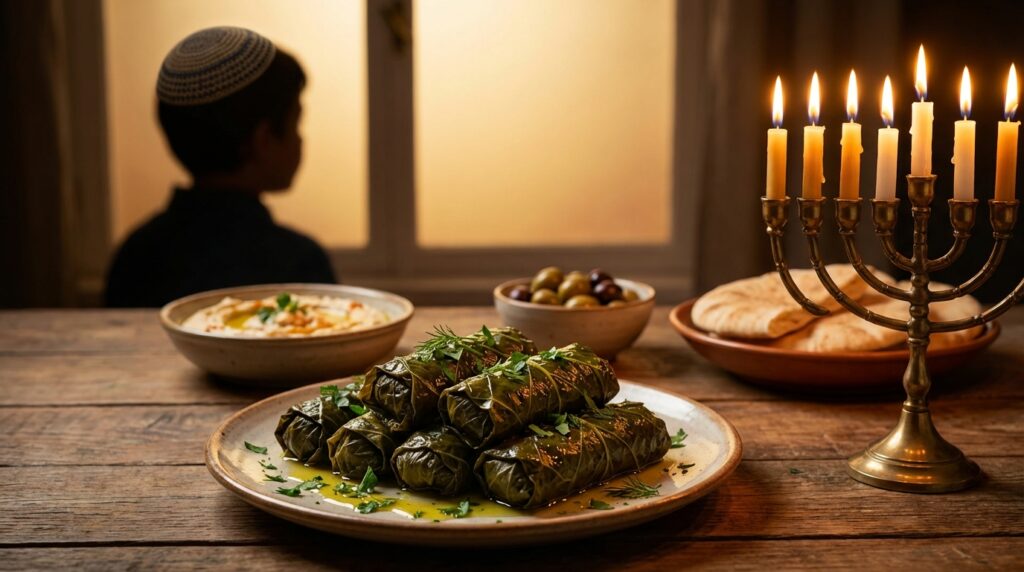
Image illustrating:Traditional Stuffed Chard Delight

Traditional Stuffed Chard Delight

The origins of stuffed chard can be traced back to the diverse culinary influences in Israel. This dish combines the hearty flavors of the Mediterranean with the rich traditions of Jewish cooking. Chard, a leafy green vegetable, is known for its robust texture and ability to hold flavorful fillings, making it an ideal choice for stuffing. In many Israeli families, stuffed chard is more than just a meal; it’s a tradition passed down through generations. The preparation often involves the whole family, with each member taking part in the process. This communal cooking experience not only strengthens family bonds but...
Show more
Image illustrating:Delicious Farina Cookies from Israel

Delicious Farina Cookies from Israel

Originating from the kitchens of Israel, farina cookies have become a staple in many homes. These cookies are known for their light texture and delicate sweetness, making them a favorite for both young and old alike. Traditionally, they are enjoyed during festive occasions and family gatherings, bringing people together through their delightful taste. The main ingredient, farina, is a type of milled wheat that gives these cookies their unique texture. It’s a versatile ingredient that has been used in various Israeli dishes for generations. The use of farina in cookies highlights the resourcefulness and creativity of Israeli cooks, who have...
Show more
Image illustrating:Classic Israeli Pashtida Recipe

Classic Israeli Pashtida Recipe

The origins of Pashtida can be traced back to the diverse culinary influences that have shaped Israeli cuisine. This savory pie is a testament to the melting pot of cultures that call Israel home. Traditionally, Pashtida was made using whatever ingredients were on hand, making it a practical and adaptable dish for families across the country. In the early days of Israel, Pashtida became a staple in many households due to its simplicity and the ability to feed large families with minimal ingredients. The dish often included vegetables, cheese, and eggs, creating a nutritious and satisfying meal. Over time, Pashtida...
Show more
Image illustrating:Discover the Symbolic Flavors of Rosh Hashanah

Discover the Symbolic Flavors of Rosh Hashanah

Rosh Hashanah, the Jewish New Year, is a time of reflection and hope. The foods eaten during this holiday are deeply symbolic, representing wishes for prosperity, health, and happiness in the coming year. Apples dipped in honey, for example, symbolize the hope for a sweet year ahead. This tradition has been cherished for generations, connecting families through shared meals and meaningful rituals. The use of pomegranates is another significant tradition. This fruit, with its many seeds, symbolizes abundance and fertility. It is often included in Rosh Hashanah meals to express the hope for a fruitful year. The pomegranate’s vibrant color...
Show more
Image illustrating:Savor the Tradition of Potato Nik

Savor the Tradition of Potato Nik

Originating from Eastern European Jewish communities, Potato Nik was brought to Israel by immigrants who cherished their homeland’s flavors. This dish quickly became a staple in Israeli kitchens, celebrated for its simplicity and heartiness. The dish is traditionally made with grated potatoes, onions, and eggs, creating a crispy outer layer and a soft, flavorful interior. It’s often served during festive occasions, bringing families together around the table. In Israel, Potato Nik is more than just food; it’s a symbol of cultural heritage and family unity. Each bite tells a story of resilience and adaptation, as the dish has evolved over...
Show more
Image illustrating:Authentic Israeli Pickles Recipe

Authentic Israeli Pickles Recipe

The history of pickling in Israel dates back to ancient times when preservation was essential for survival. Pickles were a way to store vegetables for long periods, especially during hot summers. In Israel, pickles are not just a side dish but a cultural icon. They are often served with falafel, shawarma, and other traditional meals, adding a refreshing crunch and tangy flavor. The unique taste of Israeli pickles comes from a special blend of spices and herbs, including dill, garlic, and bay leaves. This combination creates a distinctive flavor profile that is both savory and slightly sour. Families often have...
Show more
Image illustrating:Traditional Israeli Omelette Delight

Traditional Israeli Omelette Delight

The origins of the Israeli omelette can be traced back to the early settlers who brought with them a love for simple, hearty meals. Eggs were readily available and easy to cook, making them a popular choice for breakfast. Over time, the dish evolved, incorporating local herbs and vegetables, reflecting the diverse culinary influences of the region. In the bustling markets of Tel Aviv and Jerusalem, the Israeli omelette is a common sight. Vendors often prepare it fresh, adding their unique twist with spices and toppings. This dish is not just a meal but a reflection of the vibrant street...
Show more
Image illustrating:Authentic Tatbila Sauce from Israeli Kitchens

Authentic Tatbila Sauce from Israeli Kitchens

Originating from the diverse culinary traditions of Israel, Tatbila sauce has become a favorite for its bold flavors and versatility. It is often used to enhance the taste of various dishes, from meats to vegetables. The sauce is traditionally made with a blend of fresh herbs, spices, and peppers, creating a unique taste that is both spicy and aromatic. Each family may have its own version, passed down through generations, adding a personal touch to the classic recipe. Tatbila’s popularity has grown beyond Israel’s borders, as more people discover its delightful flavor. It is now enjoyed in many parts of...
Show more
Image illustrating:Delicious Israeli Lobio: A Heartfelt Bean Dish

Delicious Israeli Lobio: A Heartfelt Bean Dish

Originating from the Caucasus region, Lobio has become a beloved dish in Israel. Its rich flavors and hearty ingredients make it a staple in many homes. Traditionally made with red beans, it is often seasoned with a variety of spices that reflect the diverse influences on Israeli cuisine. In Israel, Lobio is more than just a meal; it’s a symbol of community and togetherness. Families gather around the table to enjoy this comforting dish, often accompanied by stories and laughter. The preparation itself is a cherished ritual, passed down through generations. The ingredients in Lobio are simple yet flavorful. Beans,...
Show more
Image illustrating:Delicious Vegan Macaroons with an Israeli Twist

Delicious Vegan Macaroons with an Israeli Twist

Originating from the Middle East, macaroons have a rich history intertwined with various cultures. Traditionally made with coconut and egg whites, these treats have evolved over time. The vegan version replaces eggs with aquafaba, a liquid from chickpeas, making them accessible to more people. In Israel, macaroons are often enjoyed during festive occasions. They symbolize joy and celebration, bringing families together. The vegan adaptation aligns with modern dietary preferences while preserving the essence of the original recipe. The popularity of vegan macaroons has soared as more people embrace plant-based diets. This shift reflects a broader trend towards sustainable and ethical...
Show more
Image illustrating:Delicious Boikos: A Taste of Israeli Tradition

Delicious Boikos: A Taste of Israeli Tradition

Originating from the Sephardic Jewish communities, Boikos have been a staple in Israeli kitchens for generations. These savory pastries are made primarily from cheese and flour, offering a delightful blend of flavors that capture the essence of Israeli home cooking. Traditionally, Boikos were prepared for special occasions and family gatherings, symbolizing warmth and togetherness. The name ‘Boikos’ is believed to have derived from the Turkish word ‘börek,’ reflecting the cultural exchanges in the region. Over time, the recipe has evolved, incorporating local ingredients and flavors unique to Israel. Despite these changes, the core of Boikos remains the same, preserving the...
Show more
Image illustrating:Matzo Cheese Delight: A Taste of Tradition

Matzo Cheese Delight: A Taste of Tradition

The origins of matzo cheese can be traced back to the Jewish communities in Eastern Europe, where matzo was a staple during Passover. Over time, the addition of cheese transformed it into a comforting dish enjoyed by many. In Israel, matzo cheese has become a symbol of culinary creativity, blending traditional ingredients with modern flavors. Families often have their own unique recipes, passed down through generations. The dish is not only popular during Passover but has also found its way into everyday Israeli cuisine, celebrated for its simplicity and rich taste. During the Passover holiday, matzo cheese serves as a...
Show more
Image illustrating:Creamy Poppy Seed Ice Cream Delight

Creamy Poppy Seed Ice Cream Delight

In Israel, poppy seeds are often used in pastries and desserts, adding a unique nutty flavor that is both subtle and distinct. This ice cream recipe draws inspiration from these traditional uses, transforming a beloved ingredient into a refreshing treat. The origins of poppy seed ice cream can be traced back to local artisans who experimented with different flavors to create something truly unique. By combining the creamy texture of ice cream with the nutty essence of poppy seeds, they crafted a dessert that quickly became a favorite among locals. Poppy seeds are not only valued for their flavor but...
Show more
Image illustrating:Deliciously Authentic Israeli Bagel Experience

Deliciously Authentic Israeli Bagel Experience

Originating in the bustling streets of Jerusalem, the Israeli bagel is known for its unique texture and flavor. Unlike its American counterpart, the Israeli bagel is softer and often topped with sesame seeds, giving it a distinct nutty taste. This variation has become a favorite among locals and tourists alike, offering a taste of Israel’s rich culinary heritage. The history of the Israeli bagel dates back to the early 20th century when Jewish immigrants brought their baking traditions to the region. Over time, these bagels evolved, incorporating local ingredients and flavors. The result is a deliciously soft and chewy bagel...
Show more
Image illustrating:Delicious Israeli Pastries for Every Occasion

Delicious Israeli Pastries for Every Occasion

The history of Israeli pastries is as diverse as the country itself. With influences from Eastern Europe, the Middle East, and North Africa, these pastries reflect a melting pot of flavors and traditions. Each pastry tells a story of migration and adaptation, bringing together ingredients and techniques from various cultures. One of the most beloved pastries in Israel is the bourekas, a savory pastry filled with cheese, potatoes, or spinach. Originating from the Ottoman Empire, bourekas have become a staple in Israeli cuisine, enjoyed by people of all ages. These pastries are often found in bakeries and markets, a testament...
Show more
Image illustrating:Homemade Krembo: A Sweet Israeli Delight

Homemade Krembo: A Sweet Israeli Delight

Originating in the 1960s, Krembo quickly became a popular winter snack in Israel. Its name, derived from the Hebrew words for ‘cream’ and ‘inside,’ reflects its delightful structure. The treat consists of a fluffy, marshmallow-like filling atop a biscuit base, all enveloped in a chocolate shell. This combination of textures and flavors has made Krembo a beloved part of Israeli culinary culture. The creation of Krembo was influenced by similar European confections, but it has since developed its own unique identity. In Israel, it is often associated with the colder months, as its chocolate coating can withstand cooler temperatures without...
Show more
Image illustrating:Traditional Mahlab Cookies from Israel

Traditional Mahlab Cookies from Israel

Originating from the Middle East, mahlab cookies are a testament to the rich culinary traditions of the region. The spice mahlab, derived from the seeds of the St. Lucie cherry, imparts a distinct flavor that is both aromatic and slightly sweet. These cookies have been a staple in many Israeli households, often enjoyed during festive occasions and family gatherings. The use of mahlab in baking dates back centuries, with its unique flavor profile making it a favorite among bakers. In Israel, mahlab cookies are often associated with warmth and hospitality, symbolizing the sharing of joy and tradition. The preparation of...
Show more
Image illustrating:Traditional Yeast Dough Hamantaschen Recipe

Traditional Yeast Dough Hamantaschen Recipe

Originating from Jewish communities in Eastern Europe, hamantaschen have been a staple during the festival of Purim. Traditionally made with a simple dough, the yeast version adds a delightful texture and flavor, making them a favorite in Israeli households. The triangular shape of hamantaschen is said to represent the hat of Haman, the villain in the Purim story. This symbolic shape is filled with various sweet fillings, each adding its own unique taste to the pastry. In Israel, yeast dough hamantaschen have become popular due to their soft, fluffy texture. The yeast not only enhances the flavor but also provides...
Show more
Image illustrating:Old World Tzimmes: A Taste of Tradition

Old World Tzimmes: A Taste of Tradition

The origins of tzimmes date back to Eastern Europe, where Jewish communities crafted this dish using available ingredients like carrots and dried fruits. It was a staple during festive occasions, symbolizing sweetness and prosperity. Traditionally, tzimmes was prepared for Jewish holidays such as Rosh Hashanah and Passover. The dish’s sweet flavors are meant to evoke hopes for a sweet new year and a prosperous future. Families would gather to enjoy this comforting meal together, strengthening bonds and creating lasting memories. The name ‘tzimmes’ is derived from the Yiddish word for ‘a big fuss,’ reflecting the care and attention required to...
Show more
Image illustrating:Traditional Honey Cake for Rosh Hashanah

Traditional Honey Cake for Rosh Hashanah

The tradition of eating honey cake during Rosh Hashanah dates back centuries. It is believed that the sweetness of honey represents the hope for a sweet and prosperous new year. Families gather to share this delightful dessert, often passing down cherished recipes through generations. In many Jewish households, honey cake is more than just a dessert; it’s a symbol of continuity and togetherness. The act of baking and sharing this cake brings families closer, reinforcing bonds and creating lasting memories. Each bite is a reminder of the love and warmth shared among loved ones. The ingredients used in honey cake...
Show more
Image illustrating:Traditional Mina: A Taste of Israeli Heritage

Traditional Mina: A Taste of Israeli Heritage

Originating from the Sephardic Jewish communities, Mina has been a staple in Israeli households for generations. Its preparation involves layering thin sheets of dough with a savory filling, often consisting of meat or vegetables. This dish is particularly popular during Passover, where it serves as a delightful alternative to traditional bread-based meals. The art of making Mina has been passed down through families, with each generation adding their own twist to the recipe. The dish’s versatility allows for various fillings, making it adaptable to different tastes and dietary preferences. Whether filled with lamb, beef, or a vegetarian mix, Mina remains...
Show more
Image illustrating:Savor the Tradition of Adafina

Savor the Tradition of Adafina

Originating in the Iberian Peninsula, Adafina has been a staple in Sephardic Jewish households for centuries. This dish is traditionally prepared on Fridays and cooked overnight to be enjoyed on Shabbat. The slow cooking process allows the flavors to meld beautifully, creating a hearty and satisfying meal. The name ‘Adafina’ is believed to derive from the Arabic word ‘dafina’, meaning ‘buried’. This refers to the method of slow cooking the stew in a sealed pot, preserving the flavors and aromas. The dish typically includes meat, chickpeas, and various vegetables, making it both nutritious and flavorful. Adafina’s ingredients and preparation methods...
Show more
Image illustrating:Delicious Corned Beef Knish Recipe

Delicious Corned Beef Knish Recipe

The knish, a pastry filled with savory ingredients, has been a staple in Jewish cuisine for centuries. Originating in Eastern Europe, it was brought to Israel by immigrants who cherished their culinary traditions. The addition of corned beef to the knish is a modern twist that has become popular in Israeli kitchens. In Israel, the knish is more than just a snack; it’s a symbol of cultural heritage and community. Families often gather to make knishes together, sharing stories and laughter as they roll out the dough and prepare the filling. This communal activity strengthens bonds and preserves culinary traditions....
Show more
Image illustrating:Experience the Unique Flavors of Sfratto

Experience the Unique Flavors of Sfratto

Originating from the Jewish communities in Italy, Sfratto was created as a symbol of resilience and cultural identity. The name ‘Sfratto’ means ‘eviction’ in Italian, reflecting the historical context in which Jewish families were forced to leave their homes. This pastry, with its unique shape resembling a stick, was a reminder of the eviction notices delivered by landlords. The pastry is filled with a sweet mixture of honey, nuts, and spices, symbolizing the hope and sweetness of life despite hardships. Over time, Sfratto became a cherished treat during Jewish holidays and celebrations, passed down through generations. In modern times, Sfratto...
Show more
Image illustrating:Delicious Stuffed Artichoke Bottoms

Delicious Stuffed Artichoke Bottoms

This dish has roots in the diverse culinary traditions of Israel, where artichokes are a beloved ingredient. The practice of stuffing vegetables is common, reflecting a history of resourcefulness and creativity in Israeli kitchens. Artichokes have been cultivated in the Mediterranean region for centuries, and their unique flavor and texture make them a favorite in many Israeli households. The stuffing often includes a mix of rice, herbs, and spices, creating a flavorful and satisfying meal. In Israel, stuffed artichoke bottoms are often served during festive occasions and family gatherings. They symbolize abundance and hospitality, bringing people together around the table...
Show more
Image illustrating:Authentic Moudamas: A Taste of Israeli Tradition

Authentic Moudamas: A Taste of Israeli Tradition

Originating from the Middle East, Moudamas has been a staple in Israeli kitchens for generations. Its simplicity and rich taste make it a favorite among families. Traditionally made with fava beans, it is often enjoyed during festive gatherings and special occasions, bringing people together over a shared love for hearty, flavorful food. The dish’s roots can be traced back to ancient times, where it was prepared using locally sourced ingredients. Over the years, it has evolved, incorporating various spices and techniques that reflect the diverse cultural influences in Israel. Each family has its own version, passed down through generations, adding...
Show more
Image illustrating:Traditional Latkes: A Taste of Israeli Heritage

Traditional Latkes: A Taste of Israeli Heritage

Originating from Eastern Europe, latkes have become an integral part of Israeli culinary tradition. These crispy potato pancakes are not only delicious but also carry a rich cultural significance. Traditionally, they are fried in oil, symbolizing the miracle of the oil that lasted eight days in the Hanukkah story. The word ‘latke’ itself comes from the Yiddish language, reflecting the dish’s Ashkenazi Jewish roots. Over time, latkes have evolved, with various regions adding their unique twists. In Israel, they are often enjoyed with sour cream or applesauce, adding a delightful contrast to their savory flavor. In modern Israeli kitchens, latkes...
Show more
Image illustrating:Kinder Nutella: A Sweet Israeli-Inspired Delight

Kinder Nutella: A Sweet Israeli-Inspired Delight

The concept of Kinder Nutella emerged from a desire to blend traditional Israeli ingredients with popular global treats. Inspired by the rich culinary history of Israel, this recipe brings together the creamy texture of Nutella with the playful essence of Kinder chocolate, creating a delightful fusion that appeals to both children and adults alike. Nutella, originally from Italy, has been a favorite spread worldwide. Its introduction to Israeli kitchens brought about a wave of creative culinary experiments. Combining it with Kinder chocolate, known for its smooth and milky taste, seemed like a natural progression for those looking to innovate and...
Show more
Image illustrating:Traditional Jachnun: A Taste of Israeli Heritage

Traditional Jachnun: A Taste of Israeli Heritage

Originating from Yemen, jachnun has become a staple in Israeli cuisine, especially among the Jewish community. It is typically enjoyed during Shabbat morning, offering a comforting and filling start to the day. The dish is made by rolling dough into thin layers, which are then baked slowly overnight. This method results in a soft, flaky texture that is both unique and delicious. The introduction of jachnun to Israel occurred during the early 20th century when Yemenite Jews immigrated to the region. They brought with them their culinary traditions, which quickly integrated into the broader Israeli food culture. Today, jachnun is...
Show more
Image illustrating:Deliciously Unique Matcha Babka

Deliciously Unique Matcha Babka

The origins of babka trace back to Eastern European Jewish communities, where it was a beloved treat often made with cinnamon or chocolate. Over time, babka has evolved, with bakers experimenting with various fillings and flavors. Today, matcha babka represents a fusion of cultures, bringing together the rich history of Jewish baking with the contemporary appeal of matcha, a finely ground green tea powder from Japan. In Israel, babka is a cherished pastry found in many bakeries and homes. The addition of matcha not only adds a vibrant green hue but also introduces a subtle, earthy flavor that complements the...
Show more
Image illustrating:Homemade Quince Candy Delight

Homemade Quince Candy Delight

Originating from the Middle East, quince candy has a rich history that dates back centuries. Known for its sweet and tangy flavor, it has been a staple in many Israeli households. The candy is made by slowly cooking quince fruit with sugar, creating a delightful and chewy confection that is perfect for any occasion. Quince, a fruit similar in appearance to a pear, has been cultivated in the region for thousands of years. Its unique taste and aroma make it an ideal ingredient for various desserts. In Israel, quince candy is often shared during festive occasions, symbolizing joy and togetherness....
Show more
Image illustrating:Almond French Toast Delight

Almond French Toast Delight

The origins of French toast can be traced back to ancient times, where similar recipes were found in Roman cookbooks. Over the centuries, this dish has evolved, incorporating local flavors and ingredients. In Israel, French toast is often enriched with almonds, adding a unique twist to the classic recipe. Almonds are a staple in Israeli cuisine, known for their health benefits and rich flavor. This adaptation not only enhances the taste but also reflects the diverse culinary influences that shape Israeli food culture. Almond French Toast is a perfect example of how traditional dishes are given a local flair. The...
Show more
Image illustrating:Traditional Israeli Poppy Seed Pastry Delight

Traditional Israeli Poppy Seed Pastry Delight

In Israel, poppy seeds are more than just an ingredient; they are a symbol of tradition and family gatherings. Used in various dishes, they bring a unique flavor that is both nutty and slightly sweet. This pastry, in particular, has been passed down through generations, often made during festive occasions and family celebrations. The use of poppy seeds in baking is deeply rooted in Israeli culture, with recipes often varying from one family to another. Each variation tells a story of heritage and personal taste preferences. The seeds are known for their rich flavor and are often paired with sweet...
Show more
Image illustrating:Traditional Jewish Rolls from the Heart of Israel

Traditional Jewish Rolls from the Heart of Israel

The origins of Jewish rolls trace back to the early Jewish communities in Eastern Europe. These communities cherished bread-making as a daily ritual, infusing their loaves with love and tradition. As families migrated to Israel, they brought their cherished recipes with them, adapting them to local ingredients and tastes. In Israel, Jewish rolls have become more than just a food item; they are a symbol of community and togetherness. Often served during Shabbat and festive occasions, these rolls are a testament to the enduring spirit of the Jewish people. The process of making these rolls is often a family affair,...
Show more
Image illustrating:Discover the Delight of Traditional Debla

Discover the Delight of Traditional Debla

Originating from North African Jewish communities, Debla has been a staple in Israeli kitchens for generations. Its unique spiral shape and crispy texture make it a favorite during festive occasions. The pastry is often enjoyed with tea or coffee, adding a sweet touch to gatherings. The process of making Debla is an art in itself. The dough is carefully rolled and twisted into spirals before being fried to golden perfection. This technique has been passed down through generations, preserving the traditional methods and flavors. Debla’s ingredients are simple yet flavorful. Flour, sugar, and eggs form the base, while a hint...
Show more
Image illustrating:Traditional Israeli Pickles: A Taste of Home

Traditional Israeli Pickles: A Taste of Home

The tradition of pickling in Israel dates back centuries, with influences from various cultures that have settled in the region. Pickles are not just a side dish; they are a symbol of the rich tapestry of Israeli culinary heritage. The process of pickling preserves the freshness of the vegetables, allowing families to enjoy them throughout the year. In Israeli culture, pickles are often served as part of a mezze platter, a collection of small dishes shared among family and friends. This communal way of eating reflects the importance of community and togetherness in Israeli society. Pickles add a tangy, refreshing...
Show more
Image illustrating:Traditional Israeli Apio Recipe

Traditional Israeli Apio Recipe

Originating from the diverse culinary traditions of Israel, Apio has become a staple in many households. Its main ingredient, celery root, is celebrated for its earthy taste and versatility. Over the years, Apio has been adapted to suit various tastes, incorporating local spices and ingredients. The dish is often associated with festive occasions, bringing families together around the dinner table. Its preparation is a cherished ritual, passed down through generations, symbolizing the rich cultural tapestry of Israel. Each family may have its own variation, adding personal touches to the traditional recipe. In modern Israeli cuisine, Apio continues to evolve, reflecting...
Show more
Image illustrating:Salmon with Preserved Lemon Delight

Salmon with Preserved Lemon Delight

The use of preserved lemons in Israeli cooking dates back centuries, originating from North African influences. These lemons offer a distinctive flavor that enhances many traditional dishes. In Israel, salmon is often paired with bold flavors, and preserved lemon provides the perfect balance. This combination is not only delicious but also showcases the fusion of different culinary traditions. The preserved lemon’s tangy and salty taste complements the rich, buttery texture of salmon, creating a dish that is both refreshing and satisfying. Israeli chefs have embraced salmon for its ability to absorb flavors and its health benefits. It is often featured...
Show more
Image illustrating:Tunisian Tuna Sandwich: A Taste of Tradition

Tunisian Tuna Sandwich: A Taste of Tradition

Originating from the vibrant streets of Tunisia, this sandwich made its way to Israel with Jewish immigrants. It quickly became a beloved part of Israeli cuisine, celebrated for its bold flavors and satisfying ingredients. The sandwich is a perfect reflection of the cultural melting pot that is Israel, where diverse culinary traditions come together to create something uniquely delicious. The sandwich typically features a rich filling of tuna, hard-boiled eggs, and a variety of fresh vegetables, all seasoned with harissa, a spicy chili paste that adds a distinctive kick. The use of harissa is a nod to the North African...
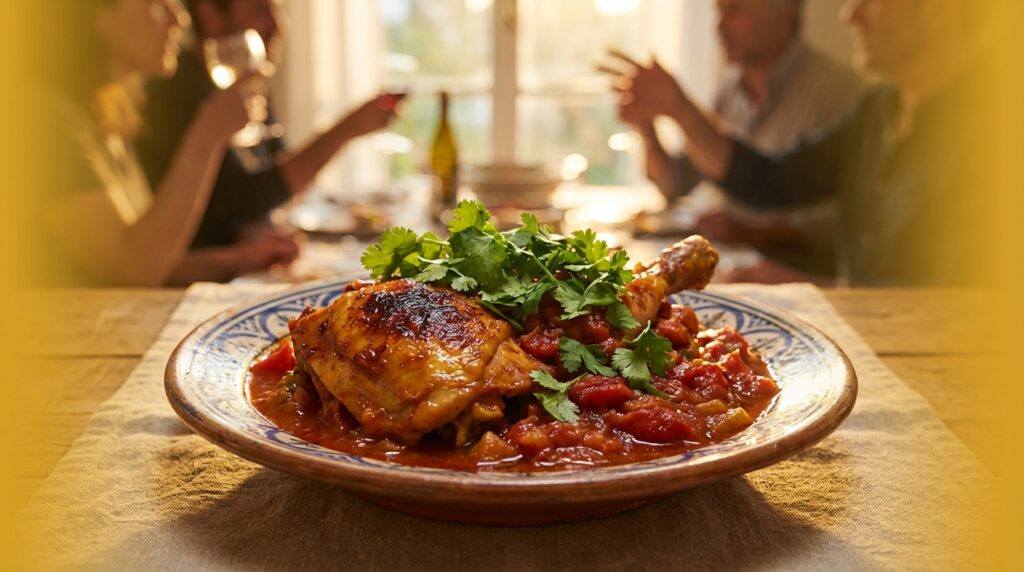
Show more
Image illustrating:Delightful Honey Babka from Israel

Delightful Honey Babka from Israel

Originating from Eastern Europe, Babka has found a special place in Israeli kitchens. The addition of honey gives it a unique twist, symbolizing sweetness and joy. This delightful pastry is often shared during festive occasions, bringing families together in celebration. The art of making Babka involves a rich dough that is carefully rolled and twisted, creating beautiful layers. Each slice reveals a swirl of flavors, with honey adding a touch of natural sweetness. This process requires patience and love, making the baking experience as rewarding as the taste itself. In Israel, Honey Babka is more than just a dessert; it’s...
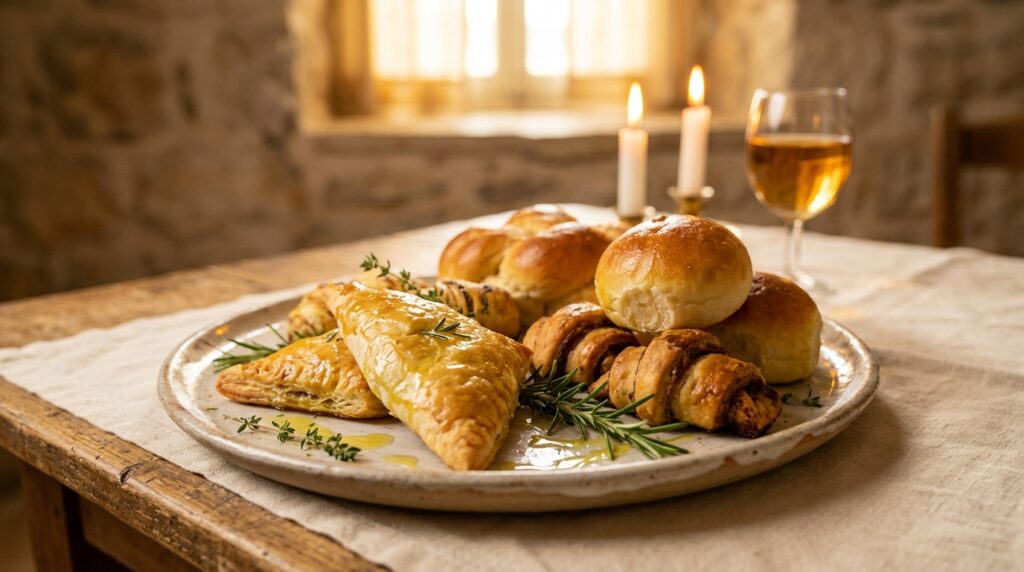
Show more
Image illustrating:Traditional Jewish Dumplings from Israel

Traditional Jewish Dumplings from Israel

Originating from Eastern European Jewish communities, these dumplings were brought to Israel by immigrants who cherished their culinary traditions. Over time, they have become a beloved dish, symbolizing warmth and family gatherings. The dumplings are often enjoyed during festive occasions, bringing people together around the table. The recipe for Jewish dumplings varies slightly across different families, each adding their unique touch. Some prefer a simple dough, while others incorporate herbs and spices to enhance the flavor. Despite these variations, the essence of the dish remains the same, rooted in tradition and community. In Israel, Jewish dumplings are typically served in...
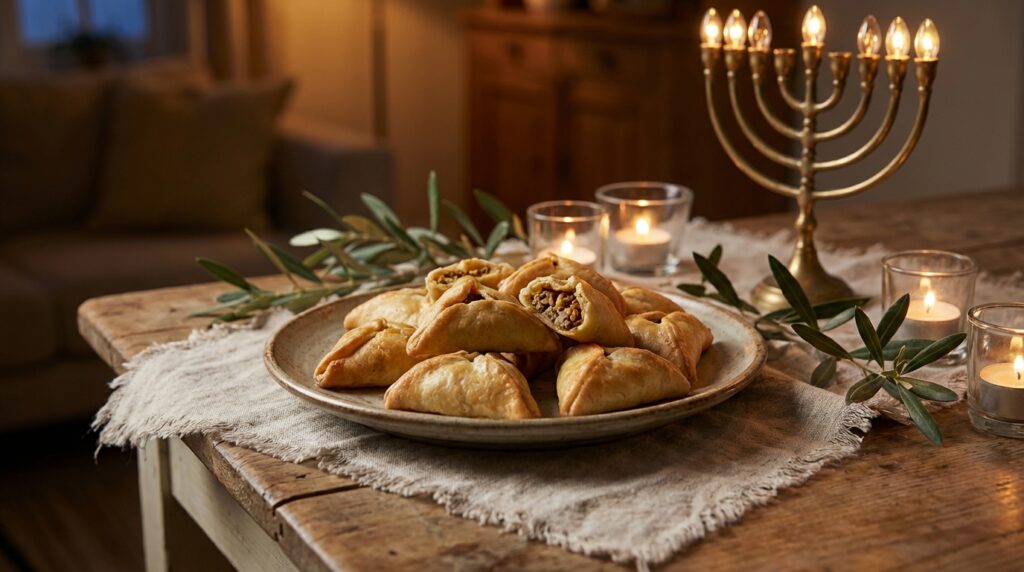
Show more
Image illustrating:Sambousak: A Taste of Israeli Tradition

Sambousak: A Taste of Israeli Tradition

Originating from the Middle East, sambousak has been a staple in Israeli kitchens for generations. Its crescent shape and flaky crust make it a favorite during festive occasions. Families gather to prepare these delightful pastries, sharing stories and laughter as they work together. The fillings for sambousak vary widely, reflecting the diverse cultures within Israel. From spiced meats to creamy cheeses, each variation tells a story of its own. The preparation process is often a communal activity, bringing people together in a celebration of flavors and heritage. Sambousak is not just a dish; it’s a connection to the past. Passed...
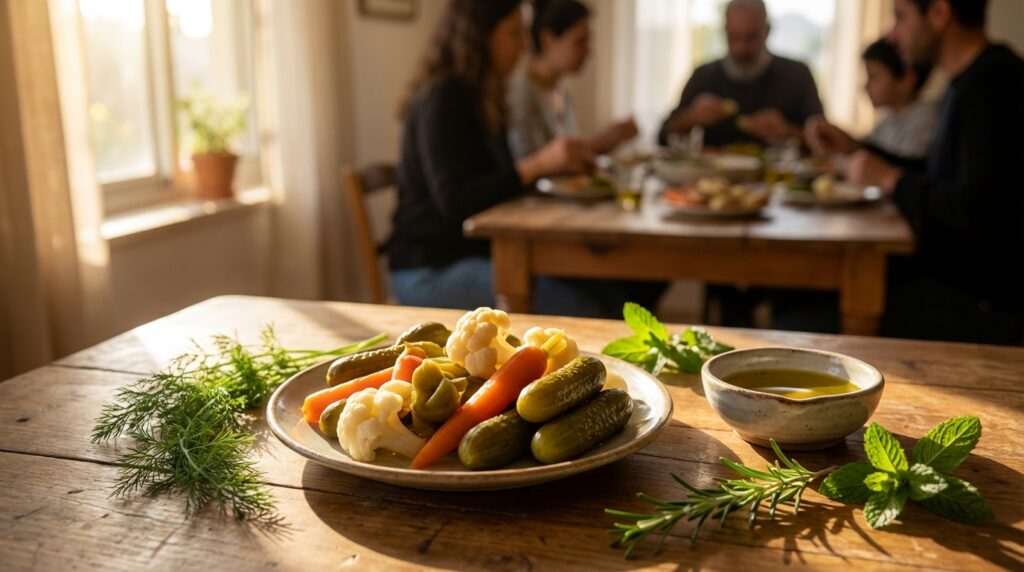
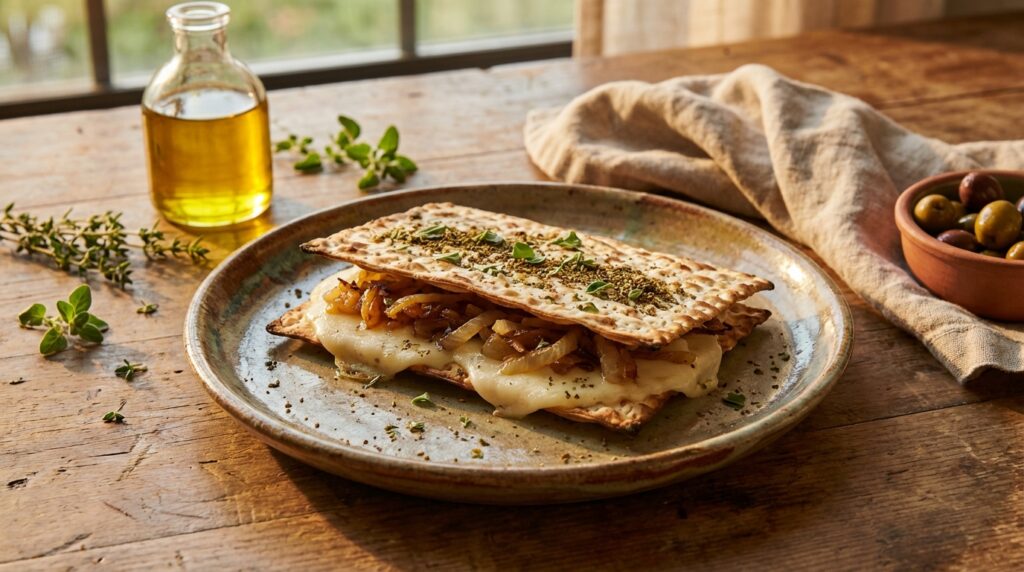
Show more
Image illustrating:Traditional Israeli Cookies for Every Occasion

Traditional Israeli Cookies for Every Occasion

The origins of Israeli cookies can be traced back to the diverse communities that settled in Israel. Each brought their own unique flavors and techniques, contributing to the rich tapestry of Israeli cuisine. These cookies often feature ingredients like sesame seeds, honey, and nuts, reflecting the agricultural bounty of the region. In many Israeli households, these cookies are a staple during holidays and celebrations. They are often prepared in large batches, filling homes with their sweet aroma. The act of baking and sharing these cookies is a cherished tradition, passed down through generations, symbolizing hospitality and warmth. The popularity of...
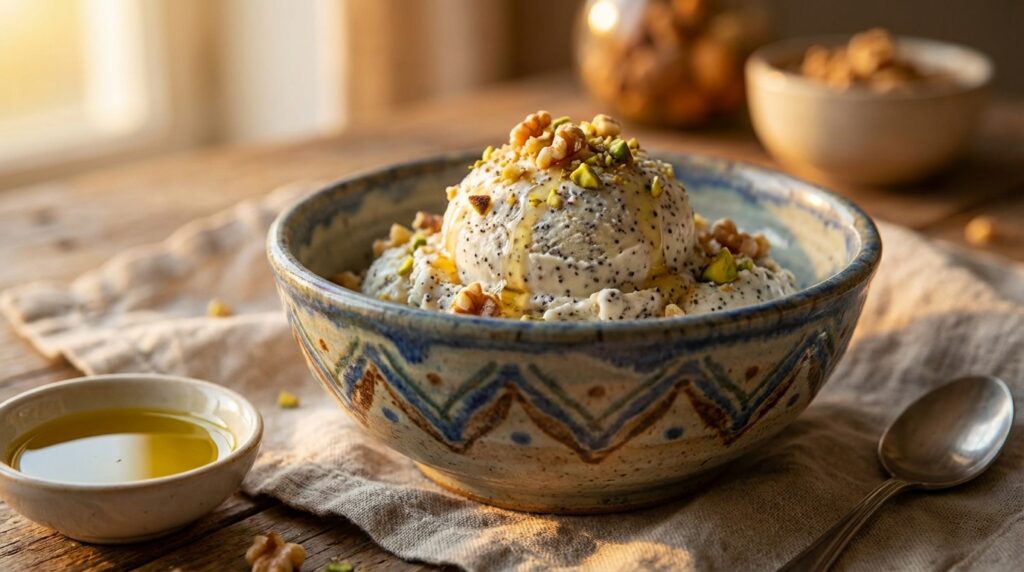
Show more
Image illustrating:Savor the Tradition of Osh Plov

Savor the Tradition of Osh Plov

The origins of Osh Plov trace back to ancient times, where it was a staple in the diets of nomadic tribes. Over the centuries, it traveled across regions, adapting to local tastes and ingredients. In Israel, it has become a cherished dish, symbolizing hospitality and community. Traditionally, Osh Plov is cooked in a large pot, allowing the flavors to meld together beautifully. The dish is known for its aromatic spices, tender meat, and perfectly cooked rice. Each family often has its own variation, passed down through generations. In Israeli culture, Osh Plov is more than just a meal; it is...

Show more
Image illustrating:Traditional Papanasi Delight from Israel

Traditional Papanasi Delight from Israel

Originating from Eastern Europe, Papanasi has found a special place in Israeli kitchens. This dessert is known for its fluffy texture and sweet toppings, making it a favorite among families. The recipe has been passed down through generations, each adding their unique touch while preserving its essence. The name ‘Papanasi’ is derived from the Romanian word ‘papanași’, which refers to a type of doughnut. In Israel, it has evolved into a dessert that combines the traditional doughnut shape with local flavors. The use of fresh cheese and a variety of toppings reflects the diverse culinary influences in Israel. Papanasi is...
Show more
Image illustrating:Discover the Aromatic Delight of Persian Chicken

Discover the Aromatic Delight of Persian Chicken

Originating from Persian culinary traditions, this dish has been embraced by Israeli families for its rich flavors and aromatic spices. The fusion of cultures is evident in the way the dish is prepared, combining traditional Persian ingredients with local Israeli touches. The use of saffron, turmeric, and other spices in Persian Chicken reflects the historical trade routes that brought these exotic flavors to the region. These spices not only add depth to the dish but also tell a story of cultural exchange and adaptation. In Israel, Persian Chicken is often served during family gatherings and festive occasions. Its preparation is...
Show more
Image illustrating:Traditional Malawach from the Heart of Israel

Traditional Malawach from the Heart of Israel

Originating from Yemen, malawach was brought to Israel by Jewish immigrants. It quickly became a staple in Israeli households due to its delicious taste and versatility. Traditionally, it is made from simple ingredients like flour, water, and oil, which are combined to create a dough that is then fried to perfection. The process of making malawach is both an art and a tradition passed down through generations. Families gather to prepare this dish, sharing stories and laughter as they roll out the dough. The smell of freshly cooked malawach fills the home, creating a warm and inviting atmosphere. In Israel,...
Show more
Image illustrating:Authentic Israeli Falafel Delight

Authentic Israeli Falafel Delight

Originating from the Middle East, falafel has become a symbol of Israeli street food. Its roots can be traced back to ancient times when chickpeas were a dietary staple. Over the years, falafel has evolved, incorporating spices and herbs that reflect the diverse influences of the region. In Israel, falafel is more than just a meal; it’s a cultural experience. Vendors across the country serve it in pita bread with an array of fresh salads and tahini sauce. This dish represents the melting pot of cultures that make up Israeli society, each adding their unique twist to the traditional recipe....
Show more
Image illustrating:Delicious Roasted Red Cabbage with Israeli Flavors

Delicious Roasted Red Cabbage with Israeli Flavors

The origins of roasted red cabbage in Israel can be traced back to the diverse culinary influences that shape the country’s food culture. With roots in Eastern European traditions, this dish has been embraced and adapted by Israeli cooks, adding local spices and flavors to create a unique twist. The vibrant color of red cabbage makes it a visually appealing addition to any meal, while its robust flavor pairs well with a variety of dishes. In many Israeli households, roasted red cabbage is a beloved side dish, often served during festive occasions and family gatherings. The process of roasting enhances...
Show more
Image illustrating:Authentic Israeli Steak Shishlik

Authentic Israeli Steak Shishlik

Originating from the Middle East, shishlik has become a staple in Israeli households. The dish is traditionally made with skewered meat, marinated to perfection. Its popularity grew as it adapted to local tastes, incorporating unique spices and herbs found in the region. In Israel, shishlik is often prepared during family gatherings and festive occasions. The communal aspect of grilling and sharing skewers makes it a cherished experience. Over the years, it has become synonymous with hospitality and warmth. The marinade is key to a flavorful shishlik, typically consisting of olive oil, lemon juice, garlic, and a blend of spices. This...
Show more
Image illustrating:Delicious Apple Topping for Your Ice Cream

Delicious Apple Topping for Your Ice Cream

Apples have been a staple in Israeli cuisine for generations, often used in desserts and savory dishes alike. This recipe brings together the sweetness of apples with a hint of tanginess, creating a perfect balance that complements the creamy texture of ice cream. The idea of using apples as a topping for ice cream is not new, but this particular recipe adds a unique twist by incorporating local Israeli ingredients. The result is a topping that not only enhances the flavor of the ice cream but also offers a taste of Israeli culinary tradition. In Israel, apples are often celebrated...
Show more
Image illustrating:Authentic Matboucha Recipe

Authentic Matboucha Recipe

Originating from North Africa, matboucha made its way to Israel with Jewish immigrants. It quickly became a beloved dish, celebrated for its simplicity and depth of flavor. The combination of tomatoes and peppers, slowly cooked with garlic and spices, creates a savory delight that is both comforting and versatile. The name ‘matboucha’ means ‘cooked salad’ in Arabic, reflecting its origins. Over time, it has been embraced by various communities in Israel, each adding their unique twist. Despite these variations, the essence of matboucha remains the same: a harmonious blend of fresh ingredients and spices that tantalizes the taste buds. Traditionally,...
Show more
Image illustrating:Refreshing Snapper Crudo with Israeli Flavors

Refreshing Snapper Crudo with Israeli Flavors

Originating from the coastal regions, Snapper Crudo combines the freshness of the sea with the vibrant flavors of Israeli cuisine. This dish has become a favorite among those who appreciate the delicate balance of textures and tastes. The use of fresh, high-quality ingredients is essential, making it a true celebration of the sea’s bounty. The concept of crudo, meaning ‘raw’ in Italian, has been embraced by Israeli chefs who have added their unique touch to the dish. By incorporating local ingredients such as olive oil, citrus, and herbs, Snapper Crudo offers a refreshing and flavorful experience that is both simple...
Show more
Image illustrating:Delicious Tahini Sauce for Passover

Delicious Tahini Sauce for Passover

Tahini has been a beloved ingredient in Middle Eastern cooking for centuries. Its origins trace back to ancient times when sesame seeds were first cultivated in the region. The process of making tahini involves grinding roasted sesame seeds into a smooth paste, creating a versatile ingredient that is used in a variety of dishes. In Israel, tahini is more than just a condiment; it’s a symbol of cultural heritage and culinary tradition. It is often served as a sauce, dressing, or dip, enhancing the flavors of many traditional dishes. The creamy texture and nutty taste make it a favorite among...
Show more
Image illustrating:Traditional Polish Red Cabbage Delight

Traditional Polish Red Cabbage Delight

Originating from Eastern Europe, Polish red cabbage has been a staple in many households for generations. Its vibrant color and tangy flavor make it a favorite during festive occasions. Traditionally, it is served alongside hearty meats, providing a perfect balance of flavors. The dish is not only popular in Poland but has also found its way into Israeli cuisine, where it is cherished for its unique taste and versatility. The cabbage is often slow-cooked with apples and spices, creating a delightful blend of sweet and sour notes. In Israel, Polish red cabbage is often enjoyed during family gatherings and holiday...
Show more
Image illustrating:Experience the Heartwarming Tradition of Ashura Food

Experience the Heartwarming Tradition of Ashura Food

Originating from ancient traditions, Ashura has been a staple in Israeli households for generations. It is often prepared during special occasions, symbolizing unity and togetherness. The dish’s ingredients, primarily grains and dried fruits, reflect the agricultural heritage of the region. The preparation of Ashura is a communal activity, bringing families together in the kitchen. Each family has its unique twist on the recipe, passed down through generations. This shared experience strengthens bonds and preserves cultural traditions. Historically, Ashura was made during times of harvest, using the freshest ingredients available. This practice ensured that the dish was not only nutritious but...
Show more
Image illustrating:Savor the Sweetness of Brandied Peaches

Savor the Sweetness of Brandied Peaches

Originating from the fertile regions of Israel, brandied peaches have been a beloved treat for generations. The combination of ripe peaches and aromatic brandy creates a unique flavor that has been cherished by families across the country. This delightful dessert is often enjoyed during festive occasions and family gatherings, bringing a touch of sweetness to any celebration. The tradition of preserving fruits in alcohol dates back centuries, serving both as a method of preservation and a way to enhance flavors. In Israel, this practice has been embraced with enthusiasm, particularly with the abundance of fresh, juicy peaches available in the...
Show more
Image illustrating:Celebrate Rosh Hashanah with Symbolic Food Blessings

Celebrate Rosh Hashanah with Symbolic Food Blessings

The tradition of eating symbolic foods during Rosh Hashanah is deeply rooted in Jewish culture. Each food item represents a specific blessing or wish for the coming year. For example, apples dipped in honey symbolize a sweet new year, while pomegranates are eaten to represent abundance and fertility. These foods are not just culinary delights but carry profound meanings that connect families to their heritage. Pomegranates, one of the key ingredients in this recipe, are particularly significant. They are said to contain 613 seeds, corresponding to the 613 mitzvot, or commandments, in the Torah. This connection makes them a powerful...
Show more
Image illustrating:Savor the Authentic Taste of Israeli Cheese

Savor the Authentic Taste of Israeli Cheese

The history of cheese in Israel dates back to ancient times, where it was a staple in the diet of many communities. Cheese making was an art passed down through generations, often involving family secrets and traditional methods. In modern Israel, cheese is more than just food; it’s a cultural symbol. From the bustling markets of Tel Aviv to the quiet villages in the Galilee, cheese represents a connection to the land and its people. It’s a source of pride and a testament to Israeli innovation. The diversity of Israeli cheese is astounding. With influences from various cultures, including Middle...
Show more
Image illustrating:Exploring the Flavors of Israeli Pickles

Exploring the Flavors of Israeli Pickles

The tradition of pickling in Israel dates back centuries, with influences from various cultures that have passed through the region. Pickling was a method of preserving vegetables, ensuring that families could enjoy fresh flavors even during the off-season. This practice became particularly popular due to the hot climate, which made fresh produce scarce during certain times of the year. Pickles in Israel are often made with a variety of vegetables, including cucumbers, carrots, and cauliflower. The choice of vegetables can vary depending on what is in season, making each batch of pickles unique. The use of local spices and herbs...
Show more
Image illustrating:Savor the Tradition of Sofrito Potatoes

Savor the Tradition of Sofrito Potatoes

Originating from the Sephardic Jewish communities, sofrito potatoes have been a cherished dish for generations. The term “sofrito” refers to a cooking technique involving slow-cooked onions, garlic, and spices, which infuse the potatoes with rich flavors. This dish is often served during family gatherings and festive occasions, symbolizing warmth and togetherness. The roots of sofrito can be traced back to the Iberian Peninsula, where Sephardic Jews developed this method to enhance the taste of their meals. Over time, as these communities migrated, they brought their culinary traditions with them, enriching the Israeli culinary landscape. Today, sofrito potatoes are enjoyed by...
Show more
Image illustrating:Authentic Israeli Tahini Recipe

Authentic Israeli Tahini Recipe

Originating from the Levant region, tahini is made from ground sesame seeds. Its rich, nutty flavor has made it a beloved ingredient across various cultures. In Israel, tahini is not just a condiment but a symbol of culinary tradition, often used in dishes like hummus and baba ganoush. The process of making tahini involves roasting sesame seeds to enhance their flavor. Once roasted, the seeds are ground into a smooth paste. This method has been passed down through generations, preserving the authentic taste that many cherish today. In Israeli households, tahini is more than just a food item; it represents...
Show more
Image illustrating:Authentic Sabich: A Taste of Israeli Tradition

Authentic Sabich: A Taste of Israeli Tradition

The dish was brought to Israel by Iraqi Jews in the 1940s and 50s. It quickly became popular due to its unique combination of ingredients. The name ‘Sabich’ is believed to be derived from the Hebrew word for ‘morning’, as it was traditionally eaten for breakfast. Sabich consists of fried eggplant, hard-boiled eggs, and a variety of fresh vegetables, all served in a pita. The addition of amba, a tangy mango pickle, gives it a distinctive flavor. This combination of ingredients reflects the diverse culinary influences in Israel. Over the years, Sabich has evolved, with variations including different sauces and...
Show more
Image illustrating:Hungarian Stuffed Cabbage with an Israeli Twist

Hungarian Stuffed Cabbage with an Israeli Twist

The origins of stuffed cabbage trace back to Eastern European culinary traditions, where it was a staple in many households. Over time, it has become a beloved dish in various cultures, each adding their unique twist. In Hungary, it is often served during festive occasions, symbolizing warmth and togetherness. In Israel, Hungarian stuffed cabbage has found a special place in the hearts of many. The dish is often prepared with local ingredients, adding an Israeli touch to the traditional recipe. This fusion of flavors creates a unique culinary experience that is both comforting and exciting. The preparation of stuffed cabbage...
Show more
Image illustrating:Authentic Israeli Hummus Delight

Authentic Israeli Hummus Delight

Originating from the Levant region, hummus has become a staple in Israeli cuisine. Its creamy texture and rich flavor make it a favorite among many. The word ‘hummus’ itself means chickpeas in Arabic, highlighting the main ingredient of this delicious dish. The spread of hummus across the globe can be attributed to its simplicity and versatility. It can be served as a dip, a spread, or even as a main dish. In Israel, hummus is often enjoyed with warm pita bread, fresh vegetables, and a drizzle of olive oil. In recent years, hummus has gained popularity worldwide, with many variations...
Show more
Image illustrating:Discover the Heartwarming Taste of Iraqi Kubba

Discover the Heartwarming Taste of Iraqi Kubba

Kubba, also known as kibbeh, has been a staple in Middle Eastern kitchens for centuries. Its origins can be traced back to ancient Mesopotamia, where it was a favored dish among the locals. The dish has evolved over time, with each region adding its own unique twist to the recipe. In Iraq, kubba is often prepared for special occasions and family gatherings. It is a dish that brings people together, symbolizing unity and celebration. The preparation of kubba is considered an art, with each family passing down their version of the recipe through generations. The traditional method of making kubba...
Show more
Image illustrating:Create a Festive Hanukkah Charcuterie Board

Create a Festive Hanukkah Charcuterie Board

The tradition of charcuterie dates back to ancient times, where cured meats and cheeses were staples in many cultures. In Israel, these boards have evolved to include a variety of local flavors, making them a perfect addition to Hanukkah celebrations. The blend of textures and tastes represents the diverse culinary heritage of the region. Hanukkah, known as the Festival of Lights, is a time for family gatherings and festive meals. The charcuterie board, with its vibrant colors and rich flavors, adds a modern twist to traditional celebrations. Each element on the board tells a story of Israeli culture and history,...
Show more
Image illustrating:Savor the Heartwarming Taste of Traditional Mafroum

Savor the Heartwarming Taste of Traditional Mafroum

Originating from North African Jewish communities, Mafroum has become a staple in Israeli households. Its roots trace back to the days when families gathered to prepare meals together, sharing stories and traditions. The dish typically features vegetables stuffed with a savory meat mixture, often served with a rich tomato sauce. The preparation of Mafroum is a labor of love, involving careful selection of ingredients and meticulous attention to detail. Each family has its own variation, passed down through generations, adding a personal touch to the traditional recipe. This communal cooking experience is a cherished part of the dish’s history, bringing...
Show more
Image illustrating:Authentic Israeli Falafel: A Street Food Classic

Authentic Israeli Falafel: A Street Food Classic

Originating from the Middle East, falafel has become a symbol of Israeli cuisine. Its crispy exterior and flavorful interior make it a favorite among locals and tourists alike. Traditionally made from ground chickpeas, falafel is seasoned with a blend of herbs and spices, creating a unique taste that is both savory and aromatic. In Israel, falafel is more than just a dish; it’s a cultural experience. Street vendors serve it in pita bread, accompanied by fresh vegetables and a drizzle of tahini sauce. This combination not only satisfies hunger but also offers a glimpse into the rich culinary traditions of...
Show more
Image illustrating:Refreshing Cold Borscht: A Taste of Israeli Tradition

Refreshing Cold Borscht: A Taste of Israeli Tradition

Originating from Eastern Europe, borscht made its way to Israel with Jewish immigrants. Over time, it evolved into a refreshing cold version, perfect for the warm Israeli climate. This dish is not only a culinary delight but also a symbol of cultural fusion and adaptation. The traditional preparation involves boiling beets to extract their vibrant color and earthy flavor. In Israel, the addition of fresh herbs and a dollop of sour cream adds a unique twist, making it a staple in many homes during the hot summer months. Cold borscht is often served during Shabbat meals and festive occasions, bringing...
Show more
Image illustrating:Traditional Haroset: A Sweet Passover Delight

Traditional Haroset: A Sweet Passover Delight

The history of Haroset dates back centuries, with its origins rooted in Jewish tradition. It is a staple during the Passover Seder, representing the mortar used by Hebrew slaves in Egypt. The dish is a reminder of the hardships faced by ancestors and the resilience of the Jewish people. Each family often has its own unique recipe, passed down through generations, adding a personal touch to this symbolic dish. In Israel, Haroset is not just a dish but a celebration of heritage. It brings families together, allowing them to share stories and memories while preparing the dish. The ingredients used...
Show more
Image illustrating:Traditional Poppy Seed Hamantaschen Delight

Traditional Poppy Seed Hamantaschen Delight

The tradition of making hamantaschen dates back centuries, with roots in Eastern Europe. These pastries are named after Haman, the villain in the Purim story, and their triangular shape is said to represent his hat. Over time, they have become a symbol of triumph and celebration in Jewish culture. Poppy seeds have long been a favored filling for hamantaschen, offering a nutty, slightly sweet flavor that complements the buttery pastry. This choice of filling is not only traditional but also holds cultural significance, as poppy seeds are used in various Jewish dishes and symbolize fertility and abundance. In addition to...
Show more
Image illustrating:Traditional Jewish Brisket with Israeli Flavors

Traditional Jewish Brisket with Israeli Flavors

Brisket has been a staple in Jewish cuisine for generations, often served during holidays and family gatherings. Its origins trace back to Eastern Europe, where it was a practical choice for its affordability and ability to feed large families. The method of slow-cooking brisket was developed to tenderize the tough cut of meat, turning it into a succulent and flavorful dish. This technique became a tradition, passed down through generations, symbolizing warmth and togetherness. In Israel, brisket has taken on new flavors, incorporating local spices and ingredients. This fusion of traditional and modern elements creates a unique culinary experience that...
Show more
Image illustrating:Authentic Tbeet: A Traditional Shabbat Delight

Authentic Tbeet: A Traditional Shabbat Delight

Originating from the Jewish communities of Iraq, Tbeet has been passed down through generations. It is a dish that symbolizes warmth, family, and tradition. The preparation of Tbeet is often a communal activity, bringing families together in the kitchen. The slow-cooked chicken and rice, infused with aromatic spices, create a comforting aroma that fills the home. The dish is typically prepared on Friday afternoons, allowing it to cook slowly overnight. This method not only enhances the flavors but also aligns with the traditional observance of Shabbat, where cooking is limited. The long cooking process results in a tender, flavorful meal...
Show more
Image illustrating:Homemade Israeli‑Style Pickles with Garlic and Dill

Homemade Israeli‑Style Pickles with Garlic and Dill

Pickling cucumbers in salt brine with garlic and dill has roots in Eastern European Jewish communities, where preserving vegetables through long winters was essential. These methods traveled with immigrants to Israel and became part of everyday meals, especially alongside rich dishes like falafel or shawarma, where the tangy crunch refreshes the palate. In Israel, pickles are more than a condiment—they’re a symbol of home and comfort. Whether served at a family Shabbat dinner or a casual lunch, they bring brightness and balance to the table. The tradition blends Ashkenazi salt‑brine fermentation with local produce and Middle Eastern flavors, creating a...
Show more
Image illustrating:Traditional Israeli Shakshuka Recipe

Traditional Israeli Shakshuka Recipe

Originating from North Africa, Shakshuka was brought to Israel by Jewish immigrants. It quickly became a staple in Israeli households due to its simplicity and delicious taste. The dish is made by poaching eggs in a sauce of tomatoes, chili peppers, and onions, often spiced with cumin. Over the years, it has evolved with various regional twists, but its core essence remains unchanged. In Israeli culture, Shakshuka is more than just a meal; it’s a symbol of community and togetherness. Families gather around the table to share this hearty dish, often accompanied by fresh bread to soak up the flavorful...
Show more
Image illustrating:Vibrant Beet Horseradish Delight

Vibrant Beet Horseradish Delight

This vibrant condiment has its roots in Eastern European Jewish cuisine, where it was traditionally served during festive occasions. The combination of beets and horseradish creates a unique flavor profile that is both earthy and spicy, making it a favorite among many families. In Israel, beet horseradish has become a beloved addition to various dishes, from roasted meats to sandwiches. Its bright color and bold taste make it a standout on any table, often used to add a pop of flavor and color to meals. The preparation of beet horseradish is simple yet rewarding. Fresh beets are cooked until tender,...
Show more
Image illustrating:Matzo Lasagna: A Savory Israeli Delight

Matzo Lasagna: A Savory Israeli Delight

The origins of matzo lasagna can be traced back to Jewish communities seeking to enjoy traditional Italian flavors during Passover. By substituting matzo for pasta, families were able to maintain dietary restrictions while still indulging in a beloved dish. Over time, this adaptation became a cherished tradition in many households, celebrated for its ingenuity and delicious taste. In Israel, matzo lasagna has become more than just a Passover meal. It represents the blending of cultures and the creativity of Israeli cuisine. The dish showcases how traditional ingredients can be transformed into something new and exciting, reflecting the diverse culinary landscape...
Show more
Image illustrating:Delicious Tirshi: A Taste of Israeli Heritage

Delicious Tirshi: A Taste of Israeli Heritage

Originating from North African Jewish communities, Tirshi has become a staple in Israeli households. This pumpkin spread is often enjoyed during festive occasions, bringing warmth and a sense of tradition to the table. The dish is made from simple ingredients, primarily pumpkin, which is cooked and mashed to create a smooth, flavorful spread. The addition of spices like cumin and paprika gives Tirshi its distinctive taste, making it a favorite among those who appreciate bold flavors. Tirshi is not only delicious but also versatile. It can be served as a side dish, appetizer, or even as a topping for bread....
Show more
Image illustrating:Traditional Bakhsh Recipe from Israel

Traditional Bakhsh Recipe from Israel

Originating from the Bukharan Jewish community, Bakhsh has become a staple in many Israeli households. The dish is traditionally prepared with rice, herbs, and meat, creating a harmonious blend of flavors that reflect the diverse culinary influences in Israel. Families often gather to enjoy Bakhsh during special occasions, making it a symbol of togetherness and celebration. The preparation of Bakhsh is a meticulous process, involving the careful selection of fresh herbs and spices. Each ingredient plays a crucial role in achieving the dish’s signature taste. The rice is often cooked with dill, cilantro, and parsley, infusing it with a vibrant...
Show more
Image illustrating:Exploring the Israeli Roots of Falafel

Exploring the Israeli Roots of Falafel

Falafel’s origins are a topic of debate, with claims from various Middle Eastern countries. However, it has become synonymous with Israeli street food, representing the diverse culinary influences in the region. In Israel, falafel is more than just food; it’s a cultural icon. It symbolizes the melting pot of flavors and traditions that define Israeli cuisine. From bustling markets to family kitchens, falafel is a beloved dish. The popularity of falafel in Israel grew significantly in the mid-20th century, as Jewish immigrants brought their culinary traditions. This led to the adaptation and widespread embrace of falafel as a national dish....
Show more
Image illustrating:Delicious Israeli Chocolate Balls

Delicious Israeli Chocolate Balls

These delightful confections have been a staple in Israeli homes for decades. They are often made during festive occasions and family gatherings, bringing joy to both children and adults alike. The simplicity of the ingredients and the ease of preparation make them a favorite among home bakers. The origin of Israeli chocolate balls can be traced back to the mid-20th century. As chocolate became more accessible, families began experimenting with various recipes, leading to the creation of these sweet treats. Over time, they have evolved, with each family adding their unique twist to the classic recipe. Traditionally, Israeli chocolate balls...
Show more
Image illustrating:Traditional Israeli Guvech Recipe

Traditional Israeli Guvech Recipe

Originating from the Balkans, Guvech made its way to Israel through Jewish communities who cherished its hearty nature. This dish quickly became a staple in Israeli homes, celebrated for its versatility and comforting taste. Traditionally, Guvech is cooked in a clay pot, which enhances its flavors and creates a unique texture. The name ‘Guvech’ is derived from the Turkish word for ‘stew’, reflecting its roots in Ottoman cuisine. Over time, it has evolved to incorporate local ingredients and spices, making it a true representation of Israel’s diverse culinary landscape. Families often pass down their own versions of the recipe, adding...
Show more
Image illustrating:Delicious Onion Dolma: A Taste of Israeli Tradition

Delicious Onion Dolma: A Taste of Israeli Tradition

The origins of Onion Dolma can be traced back to the Ottoman Empire, where it was a popular dish among various communities. The word ‘dolma’ itself means ‘stuffed’ in Turkish, highlighting the essence of the dish. Over time, this culinary tradition spread across the Middle East, with each region adding its unique twist. In Israel, Onion Dolma has become a staple in many households, often served during festive occasions and family gatherings. The dish is cherished for its comforting flavors and the sense of togetherness it brings to the table. The filling, typically made with rice, spices, and sometimes meat,...
Show more
Image illustrating:Delicious Sfinge: A Sweet Israeli Delight

Delicious Sfinge: A Sweet Israeli Delight

Originating from North Africa, Sfinge has become a staple in Israeli cuisine. These doughnuts are traditionally made during Hanukkah, symbolizing the miracle of the oil. Families gather to enjoy these sweet treats, sharing stories and laughter. The preparation of Sfinge is a cherished ritual in many households. The dough is carefully mixed and allowed to rise, creating a light and airy texture. Once fried, the doughnuts are drizzled with honey or dusted with sugar, adding a delightful sweetness. Sfinge is more than just a dessert; it represents community and togetherness. In Israel, it’s common to see families and friends coming...
Show more
Image illustrating:A Heartwarming Israeli Breakfast Experience

A Heartwarming Israeli Breakfast Experience

The tradition of Israeli breakfast dates back to the early kibbutz days, where communal meals were a staple. Workers would gather to enjoy a hearty meal before starting their day in the fields. This practice emphasized the importance of community and sharing, values that are still cherished in Israeli culture today. Over time, the Israeli breakfast evolved, incorporating influences from Jewish immigrants from around the world. This fusion of flavors and ingredients created a unique culinary experience, reflecting the diverse heritage of the Israeli people. Today, it is known for its variety and freshness, featuring an array of salads, cheeses,...
Show more
Image illustrating:Hearty Israeli Chicken Soup for Pre-Yom Kippur

Hearty Israeli Chicken Soup for Pre-Yom Kippur

This soup has been a staple in Israeli households for generations, providing warmth and comfort. It’s often prepared with love and care, using family recipes passed down through the years. The rich broth and tender chicken make it a favorite for many. Traditionally, this soup is served before Yom Kippur, a time when families gather to share a meal before the fast. The nourishing ingredients help sustain the body during the day of reflection and fasting. The recipe varies from family to family, with each adding their own special touch. Some might include matzo balls, while others prefer a simple...
Show more

See other categories

A table filled with traditional Ashkenazi dishes, showcasing rich flavors and heritage.
Ashkenazi Traditional Dishes
A vibrant bowl of fresh Israeli salad with tomatoes and cucumbers
Fresh Israeli Salads
Image illustrating:Classic Ashkenazi Kugel Recipe
Israeli Baking & Breads
Image illustrating:Classic Ashkenazi Kugel Recipe
Israeli Meat Classics
Image illustrating:Classic Ashkenazi Kugel Recipe
Israeli Pasta Creations
Image illustrating:Classic Ashkenazi Kugel Recipe
Israeli Sweets and Desserts
Image illustrating:Classic Ashkenazi Kugel Recipe
Middle Eastern Rice Specialties
Image illustrating:Classic Ashkenazi Kugel Recipe
Middle Eastern Soups
We use cookies to provide the best site experience
Lev Haolam logo
Lev Haolam Facebook page Lev Haolam YouTube Follow Lev Haolam on Twitter Instagram Lev Haolam Lev Haolam Pinterest
© 2015 – 2026 Lev Haolam
Become a member Update my details
Contact Us
+972 23721384 +1 (531) 208 1263
Customer Support: 24/6 · Sun–Fri (till 4pm)

Closed on Shabbat hours & Israeli public holidays
support@levhaolam.com
Lev Haolam copyright
Lev Haolam World Ltd.
Luleem Business Center, Kfar
Etzion 9091200, Israel
Israeli Company Number: 515056927
Become a member Update my details
Privacy Policy Terms & Conditions AI Information About Lev Haolam
Mastercard payment for Israel gifts Visa card Maestro card American Express payment option PayPal – pay for your Israel box Secure payment for Israel boxes
© 2015 – 2026 Lev Haolam